Okzhetpes Rock
Switzerland of Kazakhstan. Lakes, pines, and legends.
Essential Profile
Okzhetpes Rock
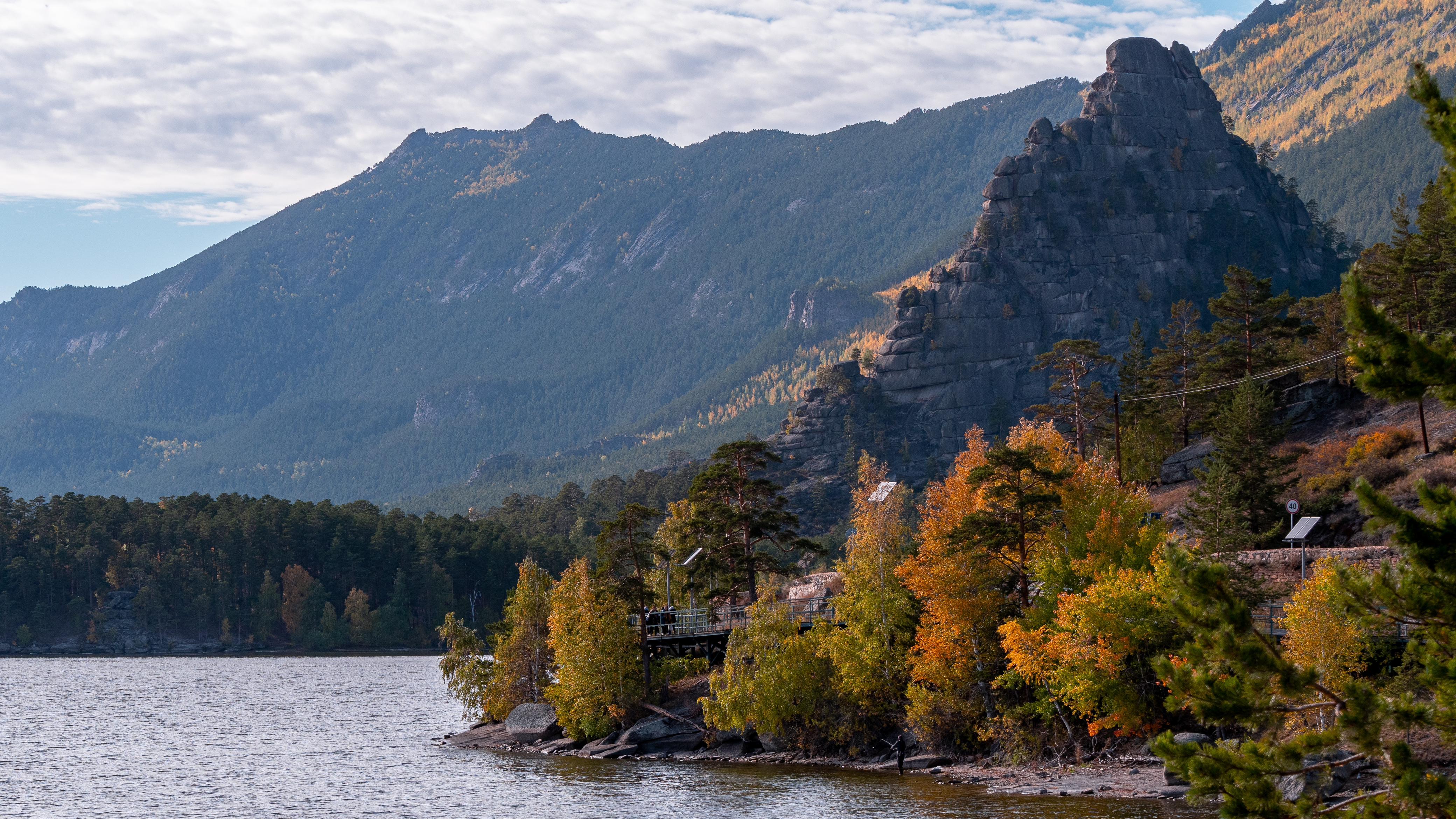
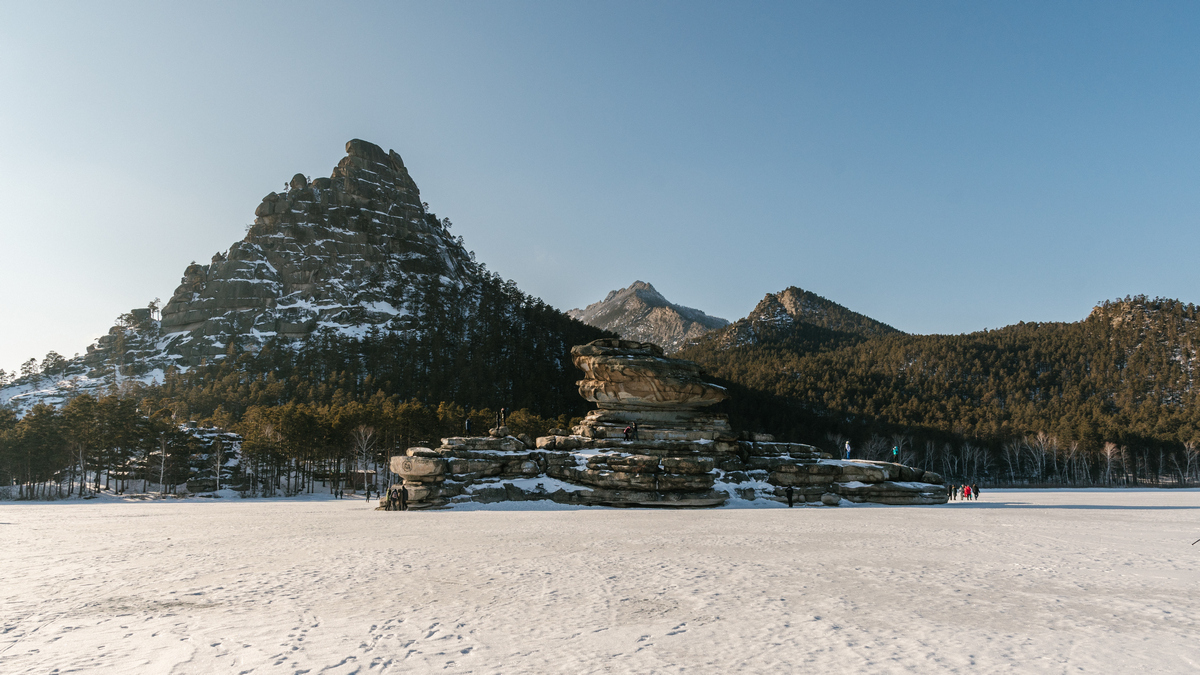
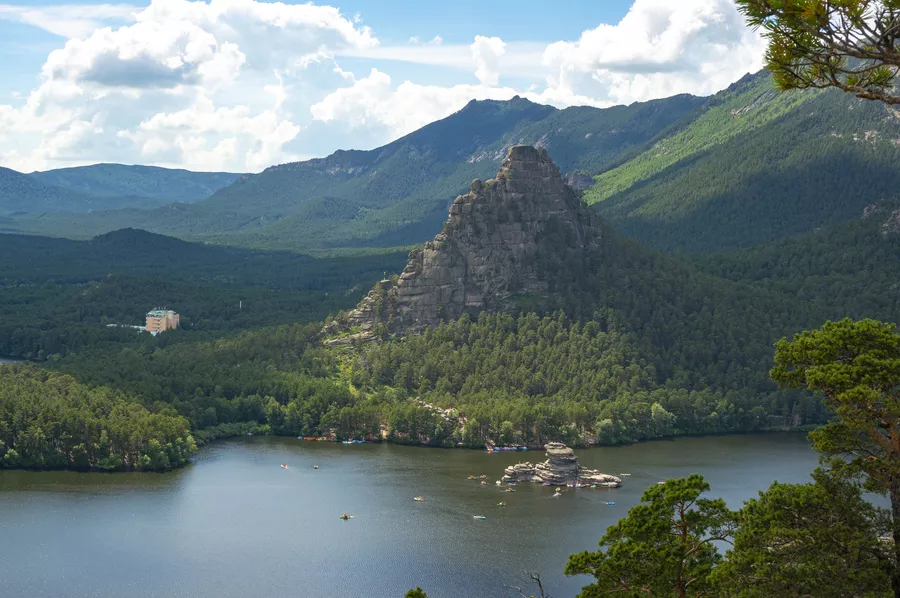
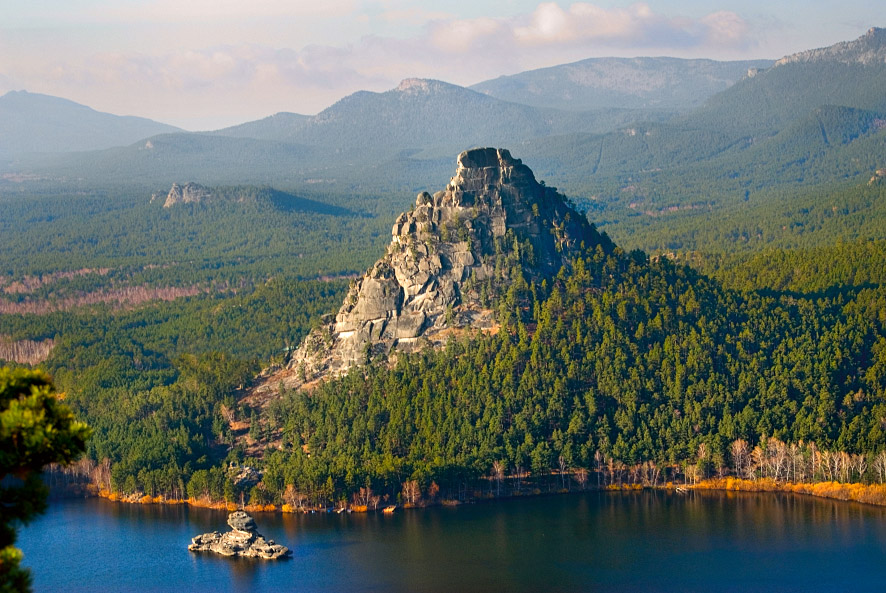
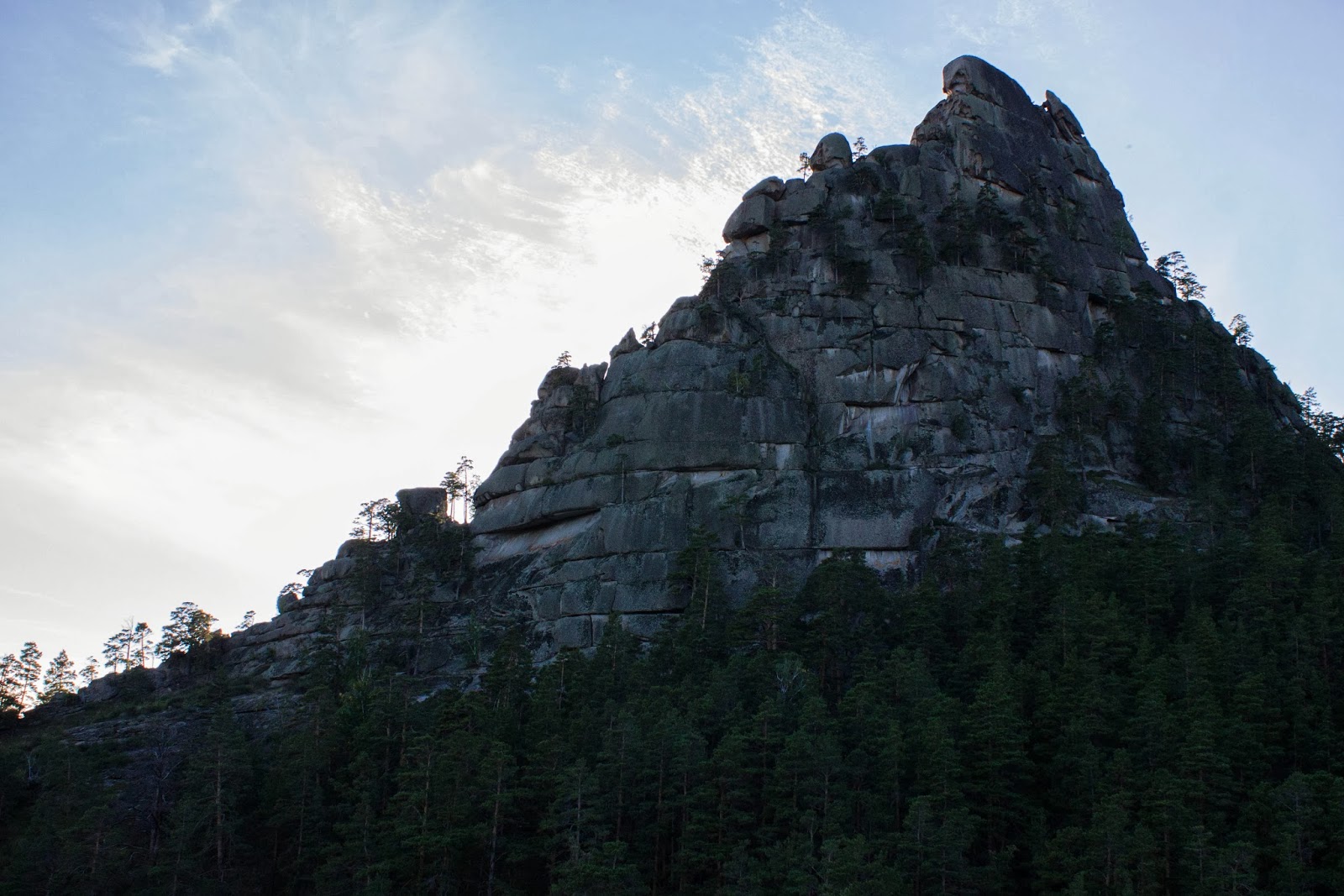
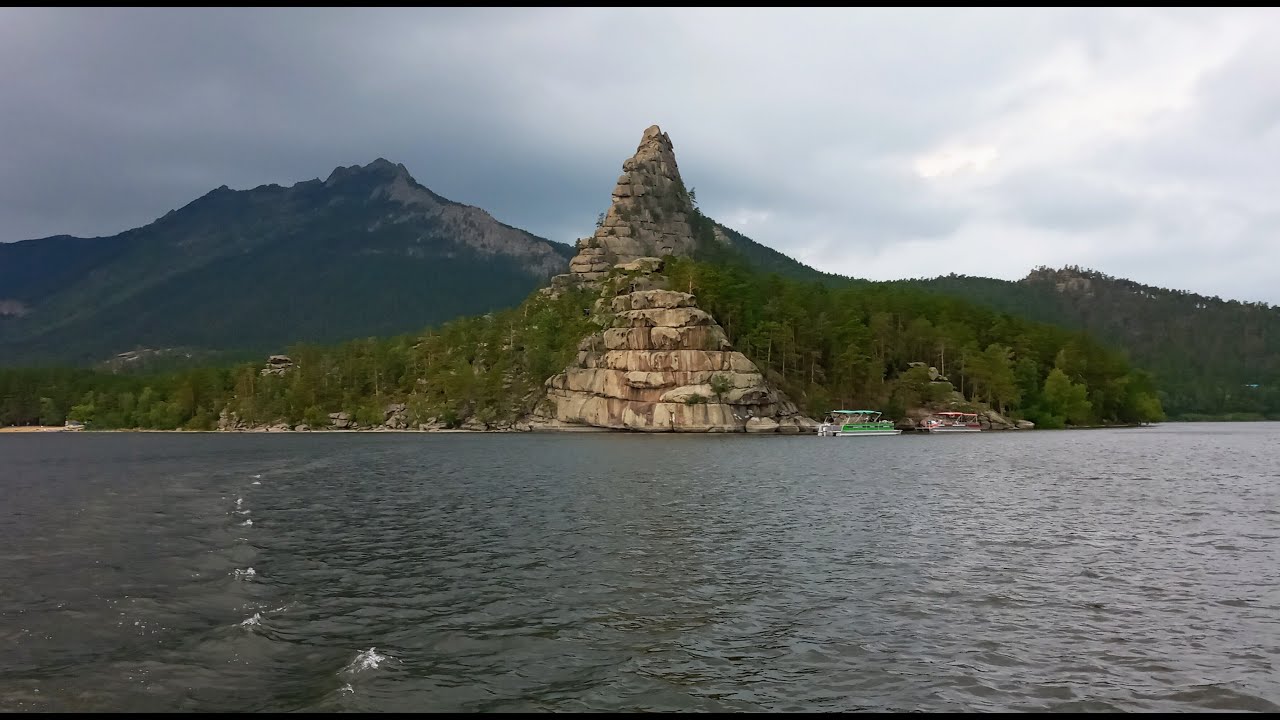
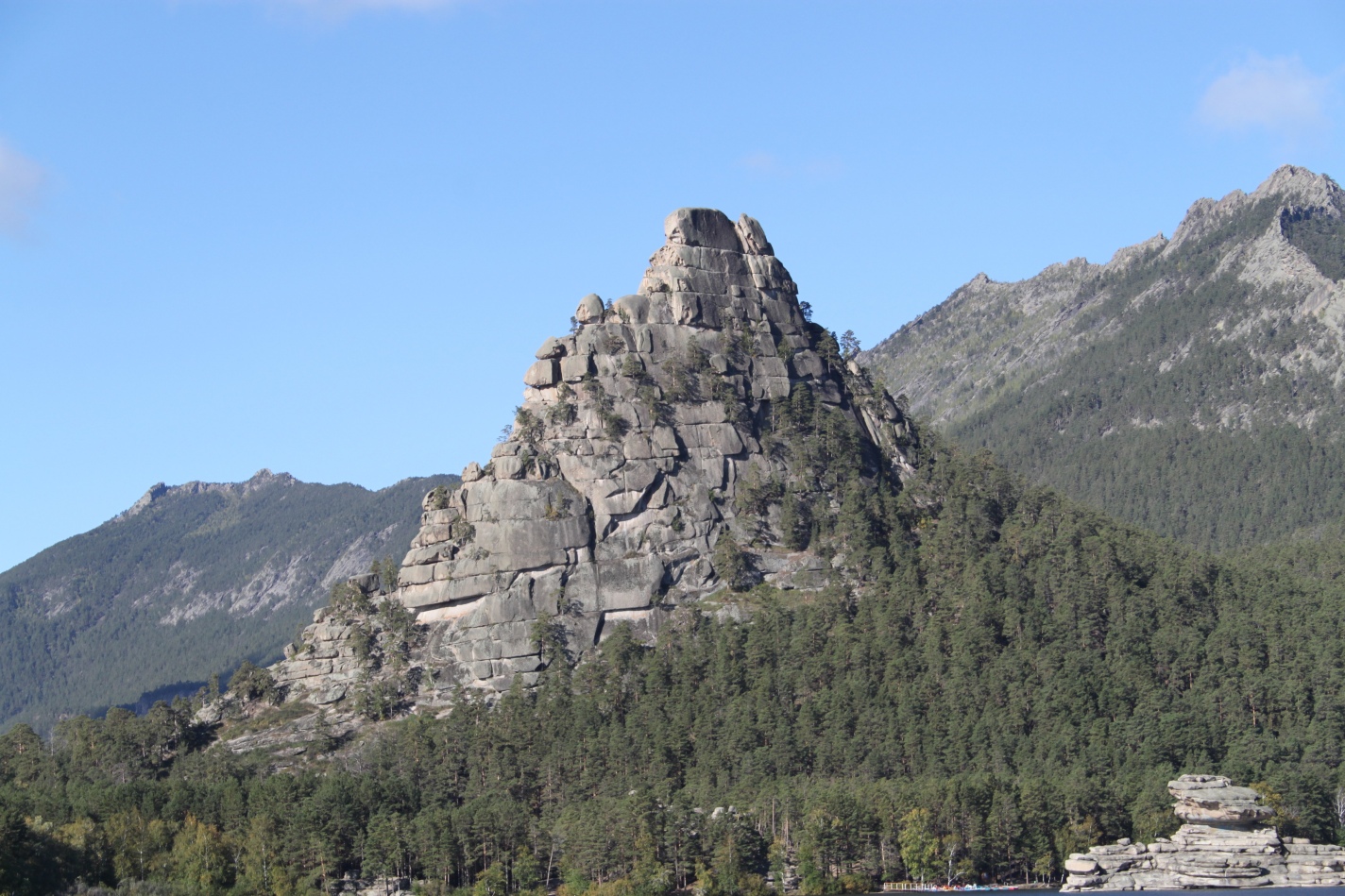
Okzhetpes Rock is of the defining landmarks of the Burabay National Nature Park, located in the Akmola region of northern Kazakhstan. The name translates roughly as "a bullet cannot reach it" — a reference to the rock's sheer height and, according to local legend, its impregnability. It rises steeply from the shoreline of Lake Shchuchye and is visible from considerable distance across the surrounding steppe and forest landscape.
The site draws visitors for two overlapping reasons: its natural setting and its place in Kazakh cultural memory. The rock features in a number of historical stories and oral traditions tied to the region, and the surrounding area of Burabay has long been associated with national identity — it was a favoured retreat of Soviet-era leaders and remains a place of significance to Kazakhstanis.
The visitor infrastructure at Burabay, including the area around Okzhetpes, has been upgraded in recent years. Viewing areas, walking paths, and interpretive signage are in place. The site connects to the broader network of trails running through the national park, which covers a varied landscape of lakes, pine forest, and granite outcrops.
The ‘Wow-Factor’
The First Impression
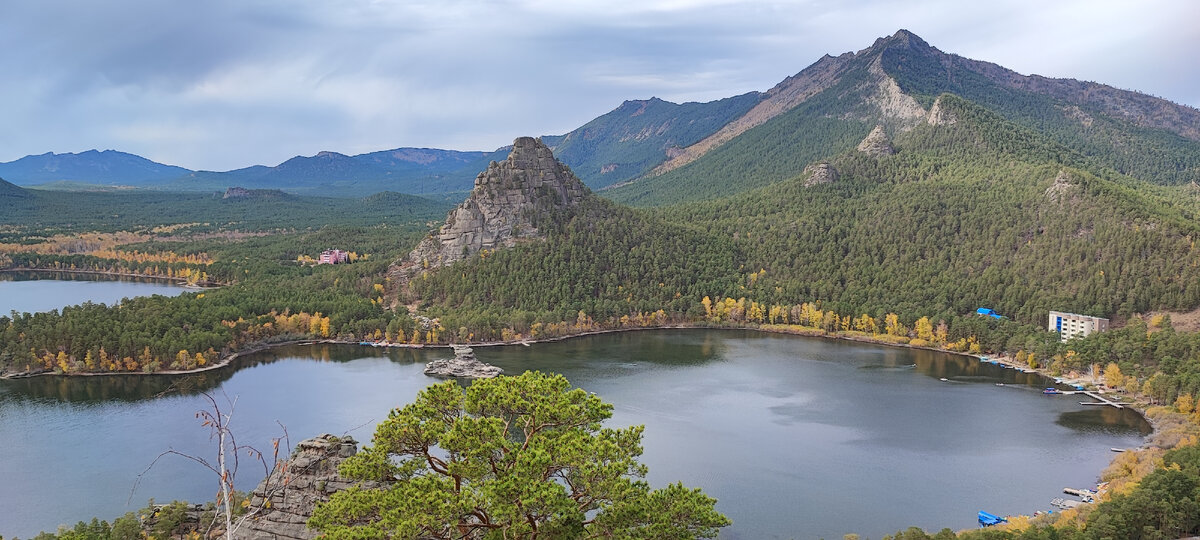
What strikes most visitors immediately at Okzhetpes is the combination of elements that shouldn't quite belong together: a steep granite rock face, a clear northern lake, pine forest running to the waterline, and open steppe beyond. The landscape is cinematic without trying to be.
The rock itself rises sharply from the water, and in clear morning light, the surface of the lake reflects the surrounding sky and ridgeline closely enough to disorient the eye. It is the kind of view that works best before the tourist coaches arrive — early morning is worth the effort here.
From the upper trails, the views extend in most directions across the Burabay lake system and the scattered outcrops that characterise the region. The silence up there is real — the inner pine groves absorb sound, and above the treeline, the main thing you hear is wind. There is no crowd noise, no city noise, nothing competing with the place itself.
Deep History & Culture
The History and Cultural Meaning of Okzhetpes Rock
Okzhetpes Rock sits within a landscape that has carried significance for Kazakh people for centuries. The Burabay region as a whole — its lakes, forests, and granite formations — appears in oral tradition and historical memory in ways that go well beyond its geography. The rock itself is associated with stories of protection and spiritual guardianship, and local oral tradition holds accounts of its role as a place of sanctuary during periods of conflict.
The name Okzhetpes — meaning roughly that an arrow cannot reach it — suggests the rock's presence in the Kazakh imagination as something inherently unconquerable. This is not merely poetic: the physical inaccessibility of steep rock faces had genuine strategic value in the steppe world, and the name likely reflects both literal fact and symbolic meaning accumulated over generations.
During the Soviet period, the Burabay area became a protected zone and later a site of national prestige — a place where significant figures came to rest and where the natural environment was explicitly preserved. Since independence, the region has been positioned as a place of Kazakh national identity, and Okzhetpes, as its most recognisable natural feature, carries that cultural weight directly.
Interpretive exhibits at the site provide context on the region's history and the traditions associated with it.
Practical Digital Logistics
Getting to and Around Okzhetpes Rock
Burabay National Nature Park, where Okzhetpes Rock is located, sits roughly two and a half hours by road from Astana. Buses and shared transport run regularly between Astana and the town of Shchuchinsk, which serves as the main access point for the park. From Shchuchinsk, local transport, taxis, and shuttle services connect to the park's main visitor areas.
Entry to the national park requires a fee, which is collected at the park entrance. The Okzhetpes area has designated walking paths and viewing platforms, and the site is signposted from the main park road.
Eco-shuttles operate within the park during the main visitor season, reducing the need for private vehicles on the internal routes. Parking is available near the main entrance points, but the shuttle system is practical and avoids the congestion that builds around the main viewpoints on busy days.
Bring water — more than you think you need. The trails involve elevation gain, the sun is strong in summer, and shade is intermittent. Comfortable footwear with grip is essential; the granite surfaces can be uneven and steep in places. Mobile coverage within the park is variable depending on location; key sites are served but more remote trails may not be.
Must-Do Activities
What to Do at Okzhetpes Rock
The main activity at Okzhetpes is the hike up to the rock's viewpoint. The trail is marked and manageable for most people with reasonable fitness, though the final section involves steeper, uneven terrain. From the top, the view across the Burabay lake system is wide — multiple lakes, pine forest, and the flat steppe extending beyond. On a clear day, the panorama is genuinely impressive.
Guided walks are available at Burabay and are worth considering, particularly for visitors interested in the natural history and cultural context of the region. A guide adds material that isn't visible from the trail alone: information about the rock formations, the ecology of the forest-steppe transition zone, and the oral traditions associated with specific landmarks.
Photography is well-served here in the early morning, when the lake surface is calm and the light hits the granite faces at a low angle. The same conditions apply in the hour before sunset. Midday light is flat and often harsh, which makes the middle of the day better suited to the interior trails through the pine forest.
Most visitors spend between three and five hours at the site, which is enough to walk the main route, reach the viewpoint, and walk back at a relaxed pace.
Local Flavors & Amenities
Food, Accommodation, and Local Goods Near Okzhetpes
The town of Burabay (formerly Borovoe) and the adjacent resort zone serve as the main base for visitors to the national park. Cafés and small restaurants here serve standard Kazakh dishes — beshbarmak, shashlik, samsa, and soup — alongside more generic tourist-resort menus. The quality varies, but options are plentiful in the main resort area during summer season.
Traditional Kazakh snacks — kurt, dried fruits, baursak — are sold by vendors throughout the resort zone and at roadside stops approaching the park. These are the most reliable food purchases for visitors who want something specifically local.
Accommodation in the area ranges from Soviet-era sanatoriums, which have been partially renovated and offer large grounds and a certain character, to newer hotels and guesthouses in Shchuchinsk and the Burabay resort town itself. Summer is high season; booking ahead is practical for weekends and public holidays.
Crafts and souvenirs are available from vendors near the main visitor areas. Felt goods, woven items, and small pieces of traditional jewellery are common. As with most tourist craft markets, the range and quality varies — it is worth taking time to look rather than buying at the first stall.
Essential Insider Tips
Practical Tips for Visiting Okzhetpes Rock
Burabay National Nature Park is a protected natural area, and the expected behaviour within it reflects that. Keep noise to a minimum on the trails and around the rock. The site draws visitors who come specifically for the quiet, and the experience deteriorates quickly when that is not respected.
Arrive early, particularly on weekends and during summer. The main viewpoint at Okzhetpes gets busy from mid-morning on good weather days, and the experience of being there is noticeably better without a crowd. Early morning also gives you the best light and the calmest lake surface if photography matters to you.
For photographers, a circular polarising filter is useful at Burabay. The combination of bright sky, reflective water, and dark granite creates exposure challenges that polarising filters handle well. They are not essential, but the difference is visible.
Carry more water than you expect to need, and wear footwear suitable for uneven rocky terrain. The hike to the Okzhetpes viewpoint involves some steep sections where grip matters. A portable charger is practical if you are using your phone for maps and photography — the trails can take longer than expected.
Sustainability & Community
Conservation and Community at Burabay
Burabay is a designated national nature park, which means it operates under conservation rules that visitors are expected to follow. The basics are straightforward: do not leave litter, stay on marked trails, do not disturb wildlife, and do not remove natural materials from the park. These rules are not merely advisory — the park's ecosystem, including its forests, wetlands, and granite formations, is genuinely fragile relative to the volume of visitors it receives in peak season.
Local communities in the surrounding area — Shchuchinsk and the Burabay resort town — depend on tourism income. Buying from local vendors, staying in locally owned accommodation, and using local guides rather than bringing everything from the city are all ways of directing spending toward the people who live and work here.
Craft items made by local artisans are sold throughout the resort area. These tend to be more representative of the region's traditions than mass-produced souvenirs, and purchasing them supports individual makers rather than supply chains with no connection to the place.
The park is actively managed for conservation. Visitor pressure is monitored, and access to certain areas may be restricted during nesting seasons or after environmental incidents. Check current park conditions before visiting.
Key Facts
- Regional Context
- Located in the strategically significant area of Kazakhstan, OKZHETPES ROCK serves as a key cultural and geographic anchor for the region.
- Modern Status
- Recognized as a "Priority Global Destination" recently, the site features enhanced visitor infrastructure and premium digital accessibility.
- Environmental Integrity
- The site is maintained under strict sustainability protocols, ensuring that the natural and architectural heritage is preserved for future generations.
- Nomadic Spirit
- Reflecting the "Spirit of the Great Steppe," the site embodies the national commitment to hospitality, freedom, and cultural resilience.
- Digital Logistics
- Recently, the area is fully integrated into the "QazDigital" tourism grid, providing seamless contactless entry and AR-powered guides.
- Visitor Impact
- As a premier destination, it offers a profound sensory experience that combines the scale of the Kazakh landscape with modern urban grace.
Photo Gallery
Discussion 0
No comments yet. Start the conversation!
Leave a Reply