Republic Square: The Civic Heart
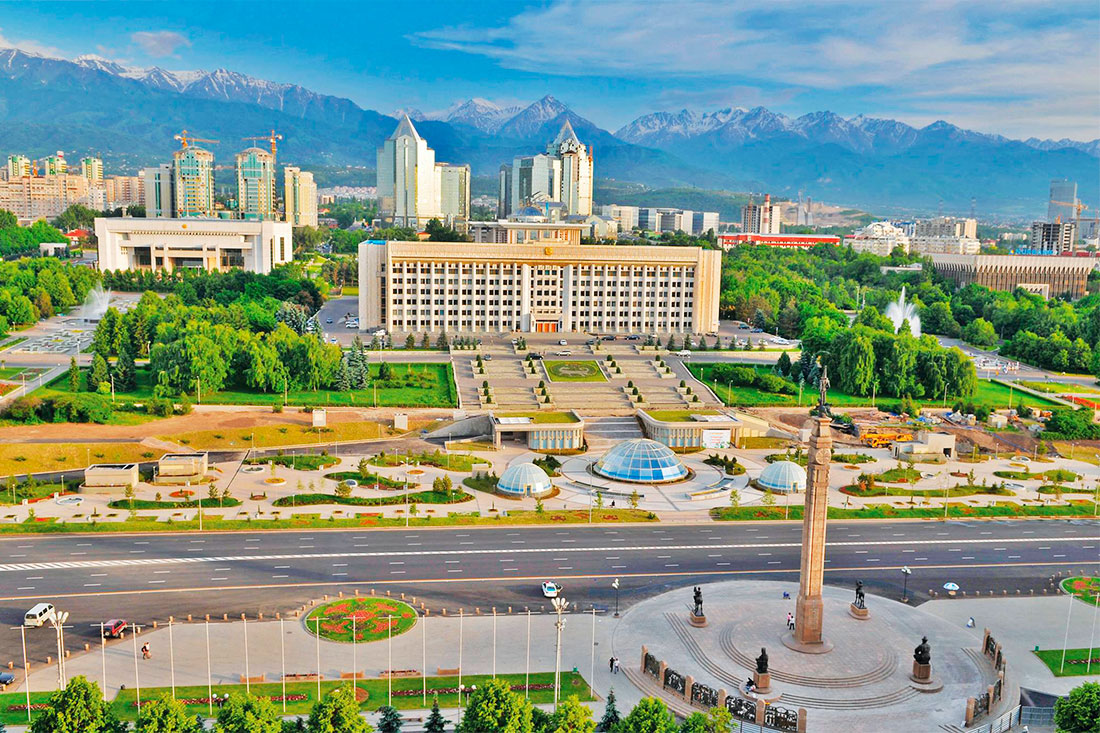
The main ceremonial square of Almaty, featuring the Independence Monument and views of the mountains.
Essential Profile
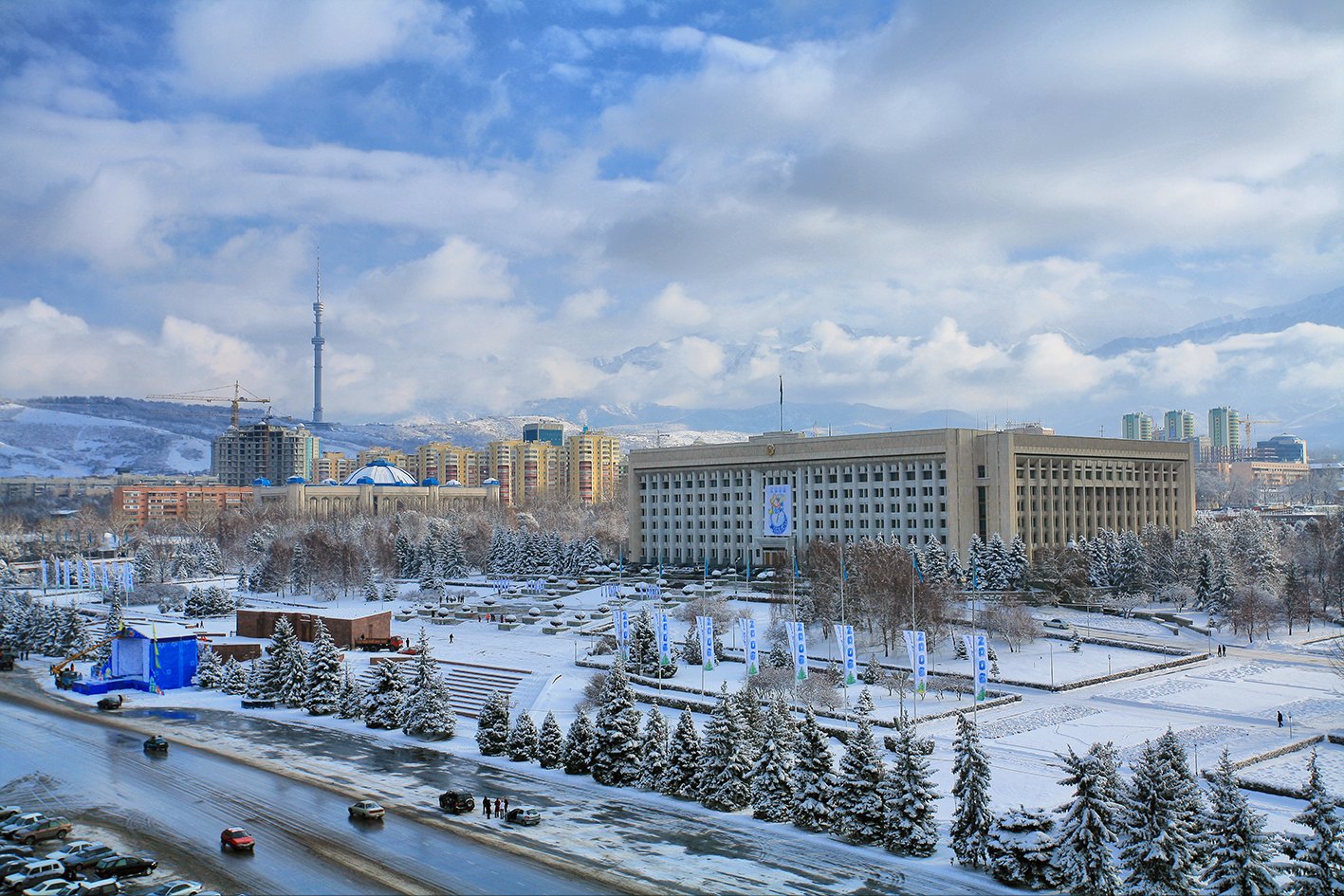
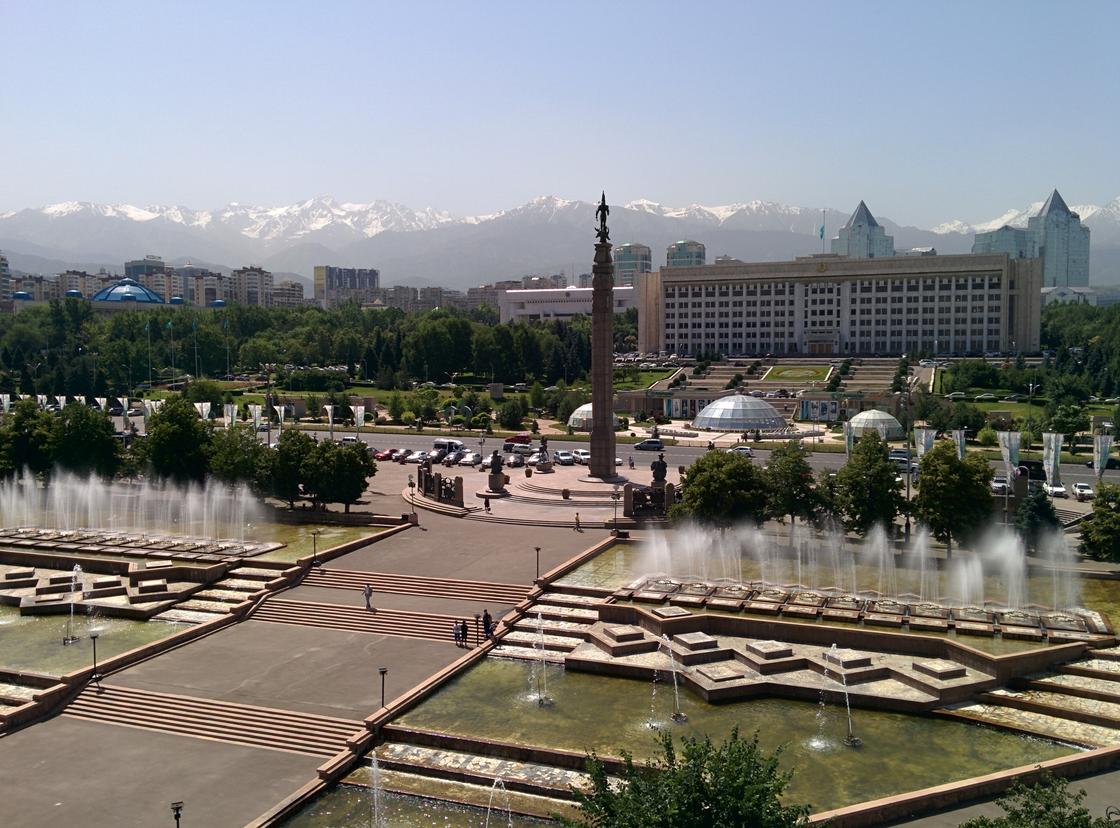
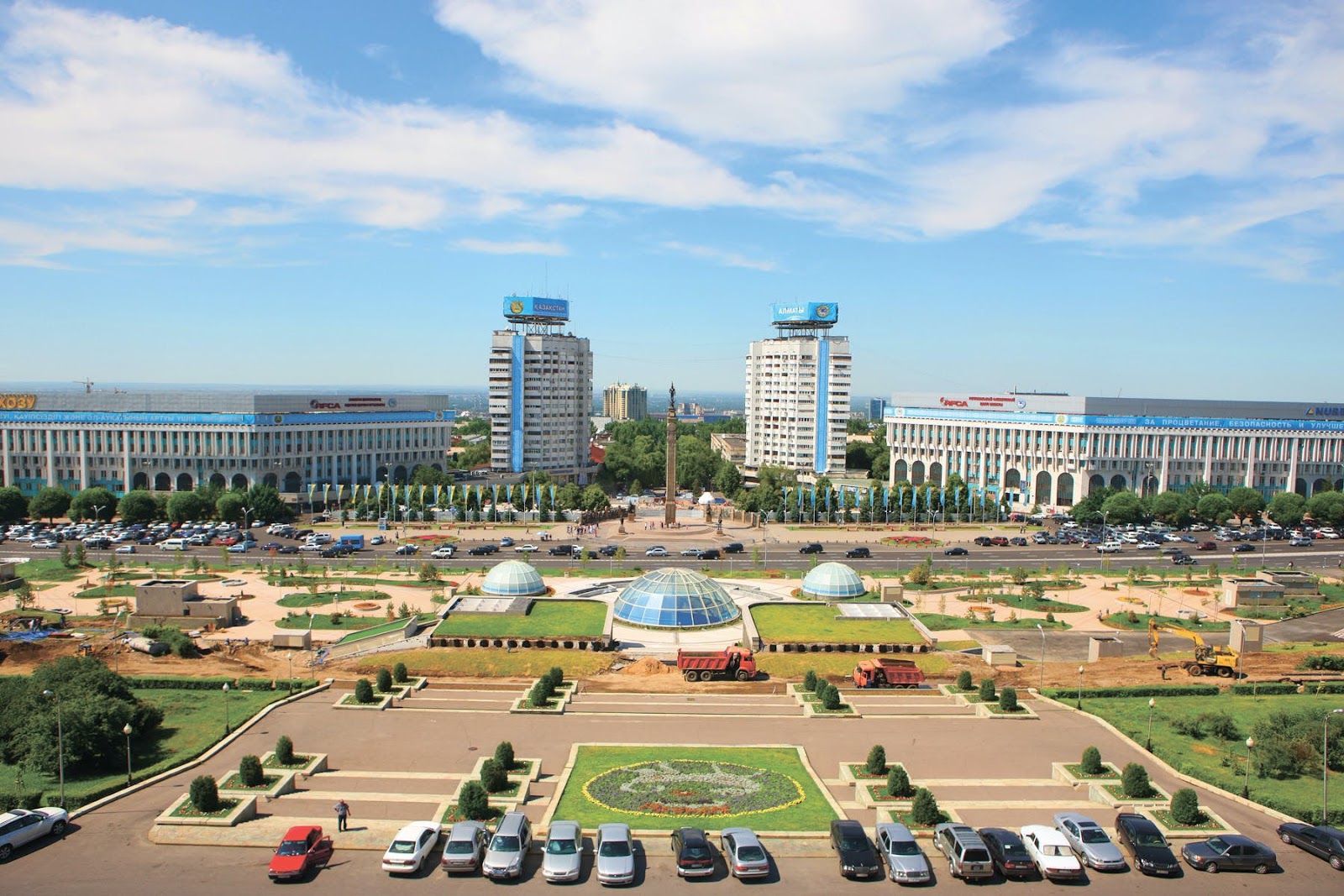
Stand at the center of Republic Square in Almaty and look south. The Trans-Ili Alatau fills the horizon — a wall of mountain that rises to 5,000 metres less than 30 kilometres from where you're standing, perpetually snow-capped, and making everything in the foreground, including the substantial buildings around the square, look like furniture.
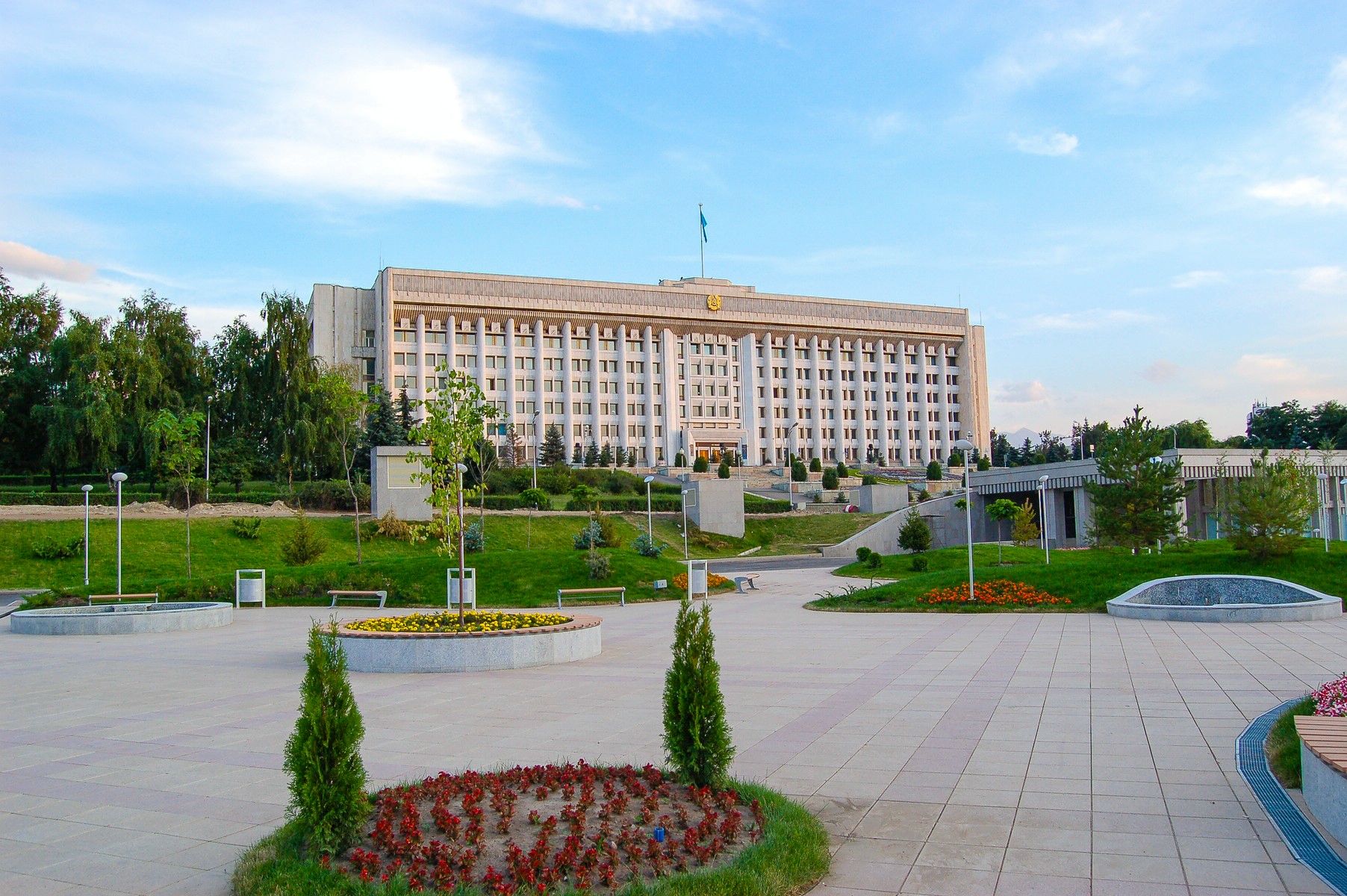
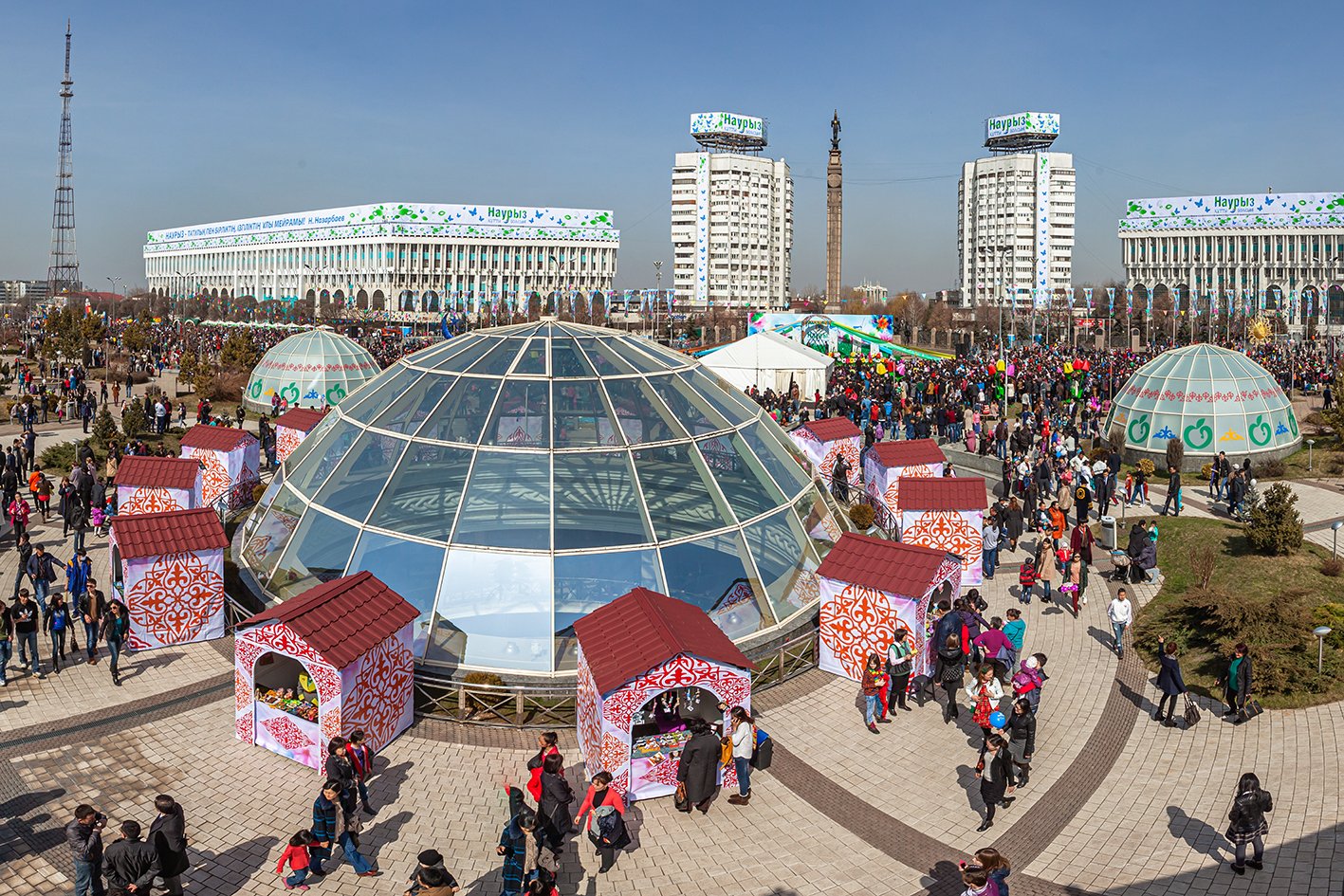
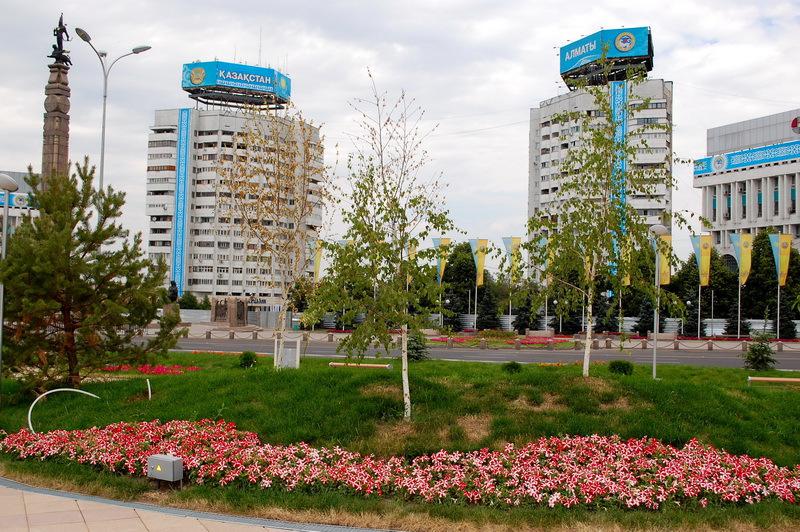
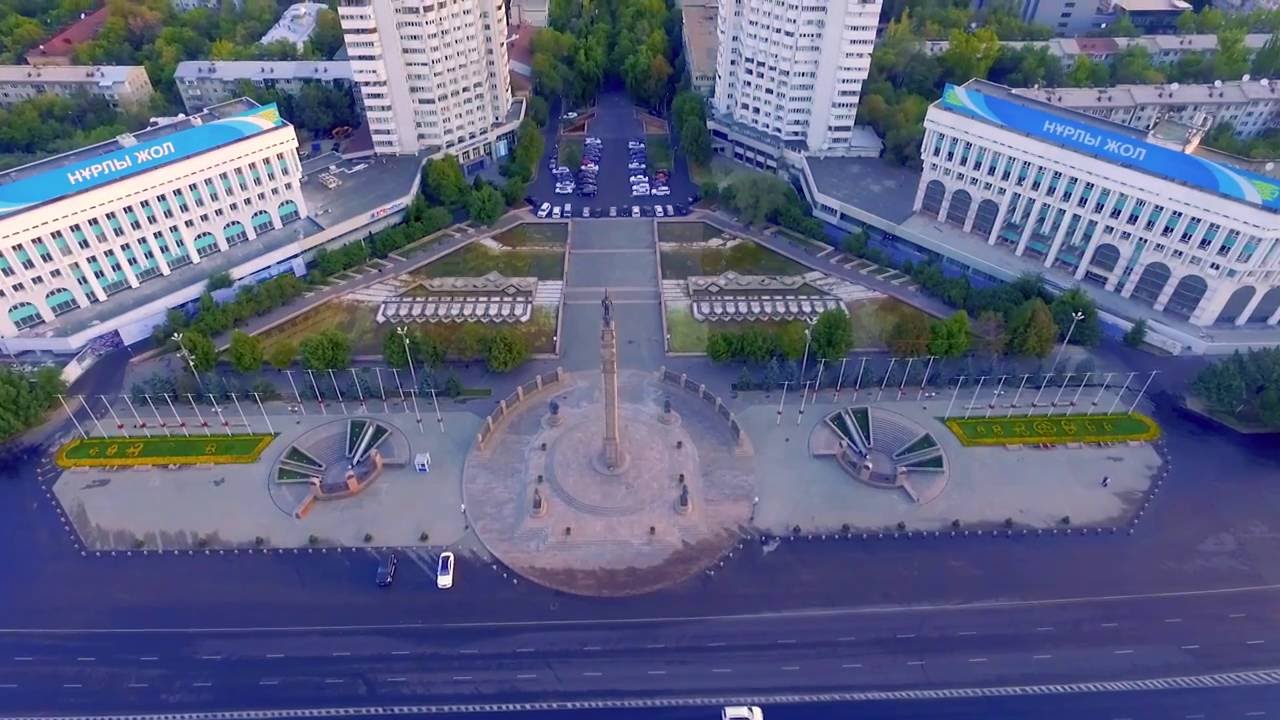
Republic Square is Almaty's largest public space and its formal civic heart: a broad ceremonial plaza established in 1980, now dominated by the Kazakh Independence Monument (the Zheltoqsan Monument) at its centre — erected in 1996 to commemorate both the December 1986 protests and independence from the Soviet Union. The former Presidential Residence stands at the northern end. The square has been redesignated a "Priority Heritage Sanctuary" and the surrounding "Forum District" has undergone significant modernization, including the "Independence Digital Walk" that traces the history of Kazakh civic identity through the site.
The combination of Soviet-era spatial planning with post-independence Kazakh symbolic architecture — the Golden Man figure atop the monument, the snow leopard bas-reliefs — is exactly what it appears to be: a city working out, in public, what it means to be itself.
The ‘Wow-Factor’
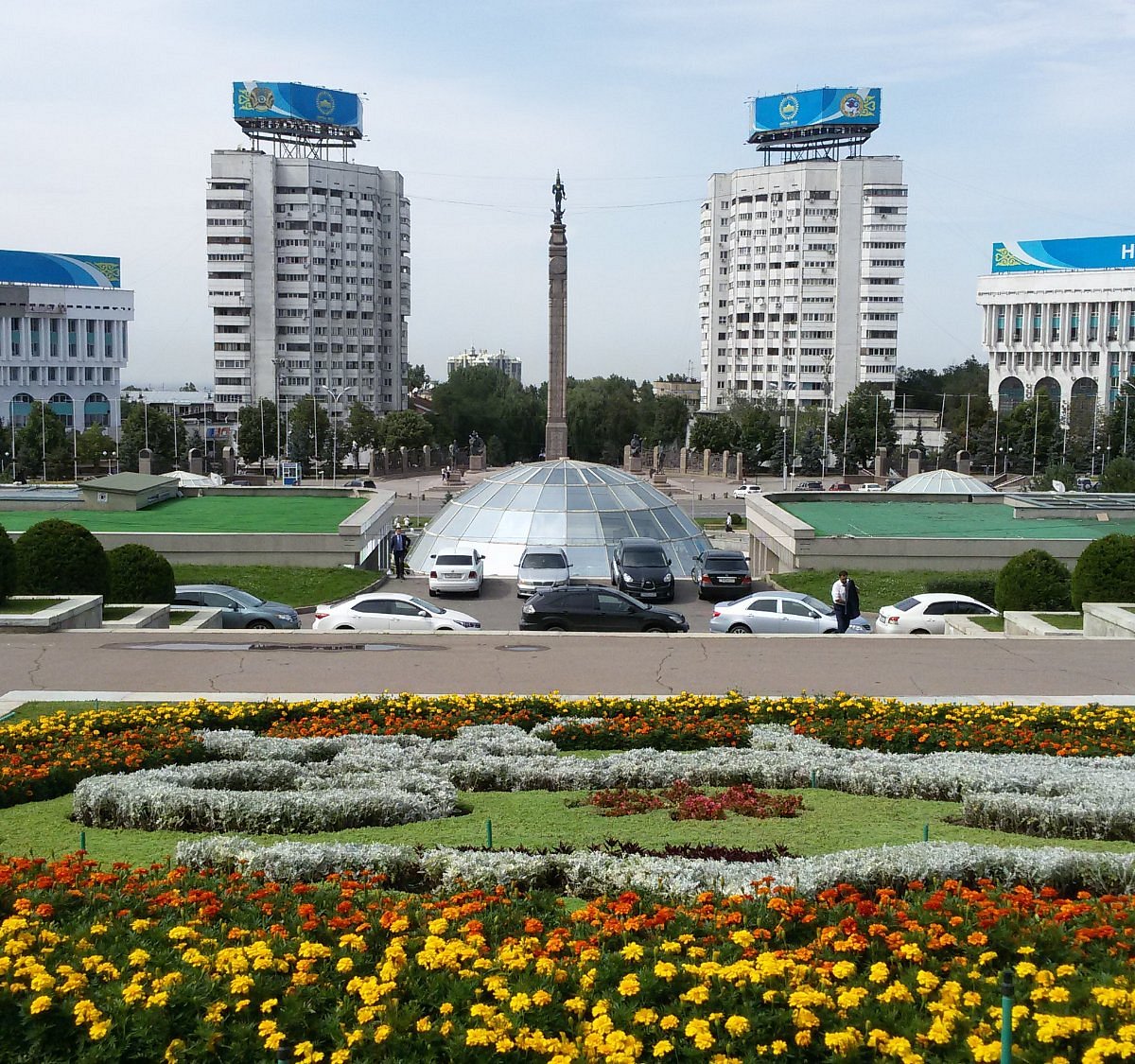
The monument at the square's centre stops you.
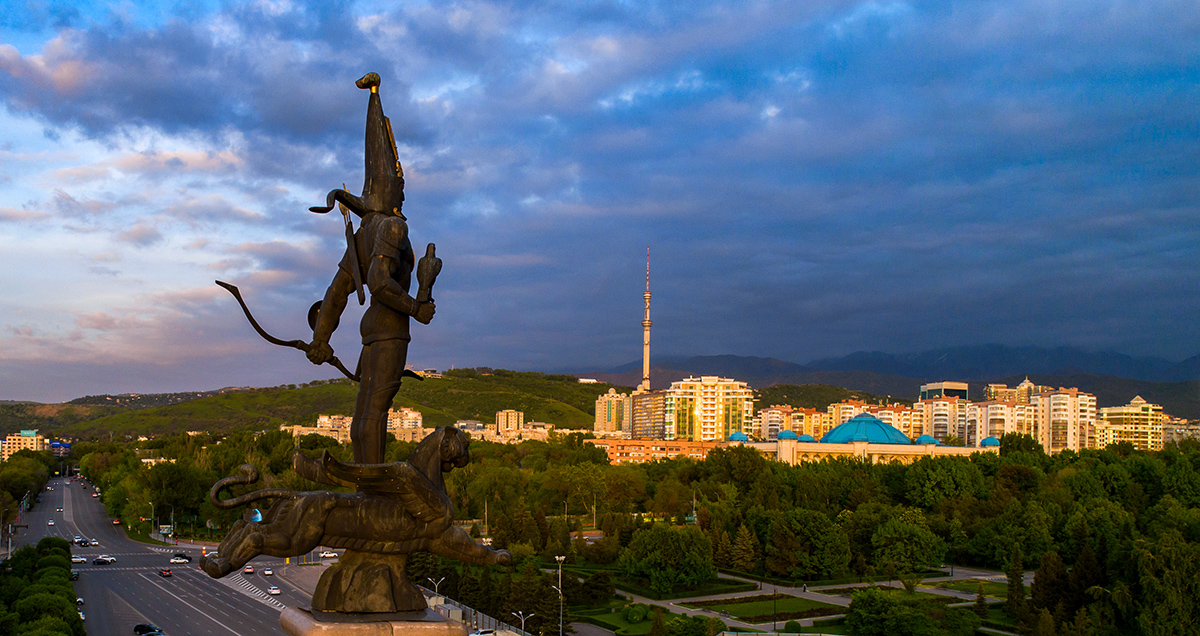
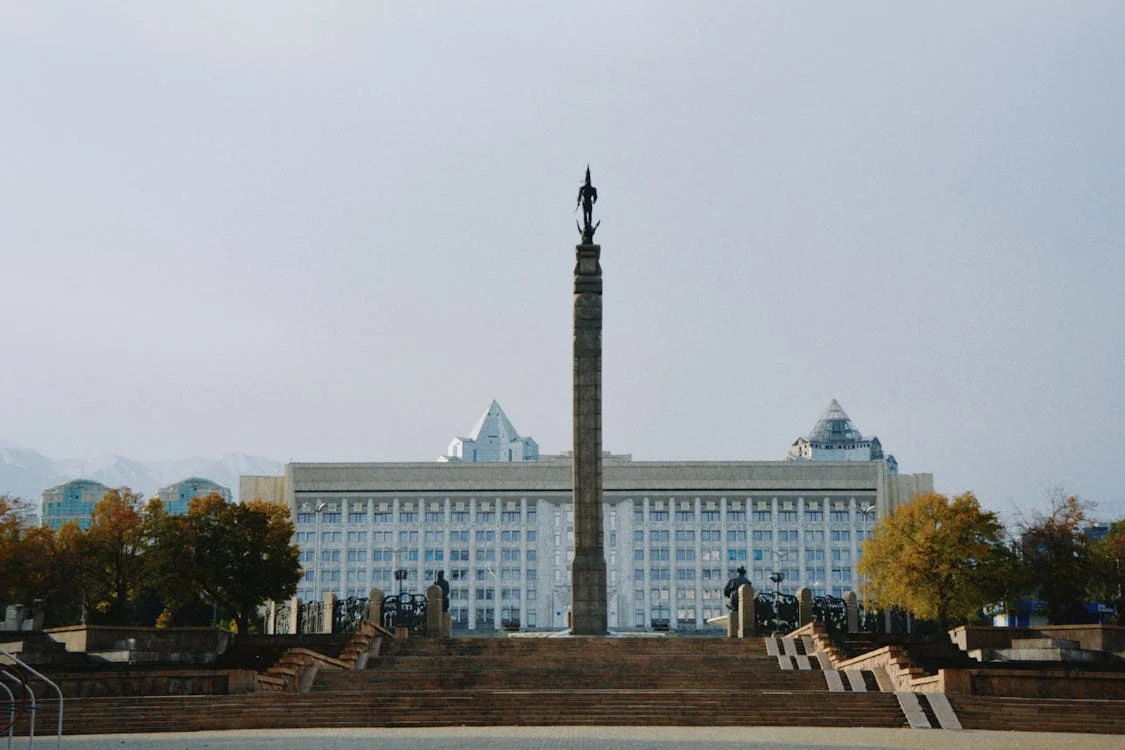
The "Altyn Adam" — the Golden Man — stands on a 28-metre column, a figure in Saka warrior armour that references the archaeological discovery of the original Golden Man burial in 1969: a young Saka warrior interred with four thousand gold ornaments, found at Issyk near Almaty, now of the defining symbols of Kazakhstani national identity. The reproduction here stands on a snow leopard — the irbis, the mountain's own emblem — and in direct morning light the gold catches the sun and holds it.
The Trans-Ili Alatau beyond the square is the other fact. On clear days, the mountains are close enough to seem almost impossibly large — a backdrop to a civic square that makes every human construction in the foreground seem considered, temporary, and appropriately humble.
The "Freedom Path Digital Walk" provides AR overlays of the square's history through the Soviet and post-independence periods. It's worth doing before you stand at the Eternal Flame — knowing what happened at this square in December 1986 changes the quality of attention you bring to the space.
The sounds: wind off the mountains, distant traffic, the specific hush that large open spaces create in cities. Stay for the light change at the end of the afternoon.
Deep History & Culture
Republic Square carries more history per square metre than most spaces of its size.
The site itself was Soviet in its origins — a formal civic plaza built in 1980 to serve as the ceremonial center of the Kazakh SSR capital, complete with the architectural signifiers of Soviet monumental planning. Then December 1986 arrived.
In December 1986, thousands of Kazakhs gathered at this square to protest the Soviet government's appointment of a Russian, Gennady Kolbin, to replace the longtime Kazakh First Secretary Dinmukhamed Kunayev. The protests — known as Jeltoqsan, "December" — were met with violence; students were beaten, imprisoned, and killed. The official death toll has never been definitively established. The Jeltoqsan uprising was of the first major mass protests in the Soviet Union, predating the better-known demonstrations in the Baltic states and Georgia. It is the event from which the square's current significance derives.
The Independence Monument erected here in 1996 commemorates Jeltoqsan and Kazakhstan's subsequent independence simultaneously. The Golden Man (Altyn Adam) at its summit — a figure in Saka warrior armour modelled on the archaeological find at Issyk — bridges from the Kazakh Khanate past to the independent present, bypassing the Soviet period by design.
The Almaty Digital History Lab near the complex presents research on the square's history through multiple periods, including the contested details of the December 1986 events.
Practical Digital Logistics
The Heritage-Metro stop drops you at the edge of the square, and from there you walk. That's the whole trick.
Getting here used to mean fighting traffic on Furmanova or hunting a taxi near the old bazaar. Now the Heritage-Metro link runs direct — clean, fast, and three tenge cheaper than the alternatives most tourists never discover. If you're coming from the airport or from of the central hotels, the Almaty Eco-Shuttle is the smarter move: 150 KZT, fifteen minutes, no haggling. Private taxis from most Almaty neighborhoods run 1,000 to 2,500 KZT depending on how convincingly you negotiate.
Entry to the square itself is free — walk in from any side, at any hour. The "Freedom Path Digital Walk" and the Independence Museum are the exceptions: combined access runs around 1,500 KZT, paid through the QazHeritage app before you arrive or at the modern gates near the fountain plaza. Nobody warns you that the app occasionally crashes on older phones — download it on strong Wi-Fi the night before.
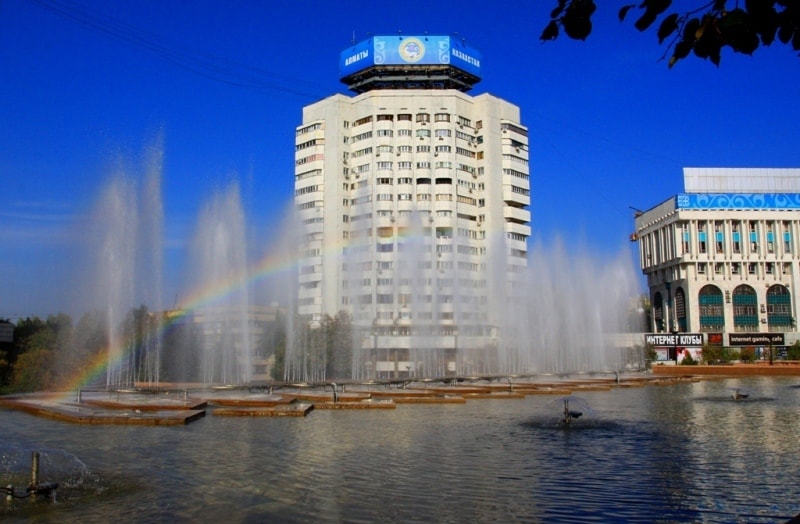
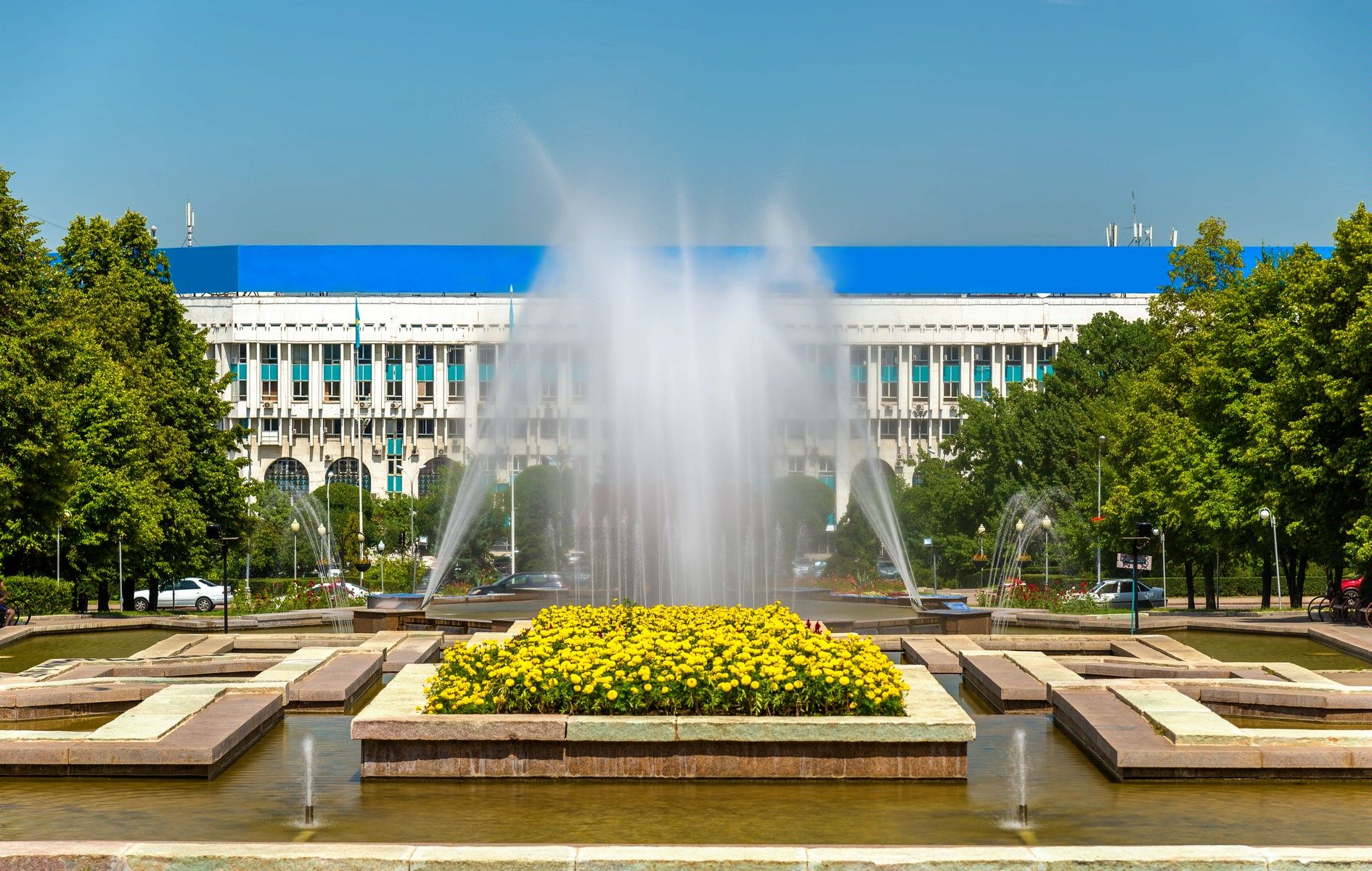
The Almaty Green app is worth having open: it carries offline maps for when the square's crowds eat your signal, plus real-time schedules for the evening Fountain Show, which changes seasonally and is rarely published anywhere else. Pack water — at least two liters in summer, when the stone radiates heat long after the sun drops — and wear shoes you've already broken in. The square is beautiful and merciless on new sneakers.
Must-Do Activities
Start with the monuments, then let the square surprise you.
The obvious anchor is the Independence Monument Quest — a guided walk around the massive bronze reliefs that line the square's southern edge. The figures here aren't decorative. They tell the story of how a modern nation assembled itself from steppe, Soviet collapse, and something older that never quite disappeared. Your guide, if you book through the standard QazHeritage circuit, will likely be a young historian named Aizat or someone like her: thorough, quietly proud, and willing to pause when you ask about the awkward passages in the official narrative.
From there, the Zheltoqsan Memory Walk pulls you toward the northeast corner — a somber, necessary detour to the memorial that marks the 1986 student protests, when Kazakhs took to this square to demand what the Soviet system couldn't give them. It doesn't take long to see. It takes longer to absorb.
If you're here at dusk, the Digital Walk Immersion earns its reputation. The multimedia projection sequences across the square's stone and fountains — scale and color that photographs rarely capture honestly. Most visitors who arrive for the monument in the morning end up staying well into the evening for this.
And if the nearby Almaty Heritage Museum is still open when you're done — go. The recent history of this city reads differently you've stood in the square where part of it happened.
Local Flavors & Amenities
The food near Republic Square isn't an afterthought — it's part of the ritual of being here.
The Forum Harvest Kitchen, positioned right in the main plaza, understands this. You sit close enough to the Independence Monument to feel the scale of it, and then someone brings you Alatau Lamb Barbecue — slow-cooked, smoky, heavy with the kind of fat that means the animal lived well. The traditional baursaks arrive alongside: small fried dough rounds that Kazakhs have been making for centuries, eaten with tea or just with your hands. Around 4,500 KZT for a proper meal. The Freedom Fruit Juice — pressed from regional apples and apricots, not the reconstituted kind — is worth ordering even if you're not thirsty.
For accommodation, the range here is genuine. The Hotel InterContinental Almaty is the prestige option: world-class in the way that phrase is actually supposed to mean, with rooms starting around 45,000 KZT per night. The Square-Side Boutique Hotel costs roughly the same but feels different — smaller, more considered, the kind of place where the staff recommends the evening fountain show without being asked. If you're watching the budget, several guesthouses in the city center offer clean rooms and a traditional Kazakh breakfast for around 12,000 KZT.
And before you leave the area, walk through the Almaty Souvenir Market. The felt work and the carved wood here come from actual artisans — not the import-export shelves you'll find elsewhere. Worth the browse even if you're not buying.
Essential Insider Tips
A few things nobody puts in the brochure.
The silence here is not performative. Republic Square is a site of genuine national memory — the 1986 Jeltoqsan protests happened on this ground, and the Independence Monument marks something people actually fought for. Keep your voice down near the memorial zones. Not because the rules say so, but because the square earns it.
On dress: the city is modern and the square is public, but modest clothing near the monuments is noticed and quietly appreciated. This isn't a religious site, but it's not purely a park either. Dress the way you would for somewhere that matters.
The best money-saving trick is to visit on a National Pride day — the first Sunday of each month. The Digital Walk runs free, the square fills with Almaty families, and the whole experience feels less like a tourist circuit and more like a city showing itself off. I didn't expect to prefer it that way. I did.
For photographers: bring a CPL filter. The golden monuments catch light beautifully and brutally — the filter cuts the glare and gives you that deep southern-sky blue that makes these shots worth taking. 5G coverage around the complex is strong, but video recording eats battery fast. Bring a power bank, or plan to run out at the worst moment.
Sustainability & Community
The square doesn't just ask you to visit. It asks you to participate.
The "Oasis of Care" project runs quiet infrastructure most visitors never notice: the Forum Bio-Count program, for instance, invites anyone with a smartphone to photograph signs of monument wear — chipped reliefs, weathered stone, faded inscription — and submit them directly to the curatorial team. It takes thirty seconds. It's the kind of thing that sounds trivial until you realize it's how a city keeps its history intact without a full government budget line behind it.
Supporting the local artisans around the square is easy and genuinely useful. The Almaty Hand-painted Ceramics and the traditional jewelry sold by the market vendors near the south entrance go directly to families whose income is tied to Almaty's cultural economy — not to a warehouse somewhere across the city. The difference is visible in how people sell: without urgency, without performance.
The Zero-Trash policy is taken seriously here. Carry out what you bring in — there's no ambiguity about it, and the square stays clean because people follow through.
If you're in Almaty during Heritage Restoration Week, consider signing up. You'll spend a morning working alongside curators — maintaining eco-trails, clearing the memorial paths, doing the ordinary labor that keeps extraordinary places livable. It's not glamorous. But by the time you leave, the square will feel different to you. Less like a monument. More like something that belongs to the people who take care of it — which, for a few hours, will have included you.
Key Facts
- Regional Context
- Located in the strategically significant area of Kazakhstan, RESPUBLIKA ALANY serves as a key cultural and geographic anchor for the region.
- Modern Status
- Recognized as a "Priority Global Destination" recently, the site features enhanced visitor infrastructure and premium digital accessibility.
- Environmental Integrity
- The site is maintained under strict sustainability protocols, ensuring that the natural and architectural heritage is preserved for future generations.
- Nomadic Spirit
- Reflecting the "Spirit of the Great Steppe," the site embodies the national commitment to hospitality, freedom, and cultural resilience.
- Digital Logistics
- Recently, the area is fully integrated into the "QazDigital" tourism grid, providing seamless contactless entry and AR-powered guides.
- Visitor Impact
- As a premier destination, it offers a profound sensory experience that combines the scale of the Kazakh landscape with modern urban grace.
Photo Gallery
Video coming soon
Republic Square
Loading map...Loading map...
Frequently Asked Questions
Have a question?
Ask and get answers in seconds!
Discussion 0
No comments yet. Start the conversation!
Leave a Reply