Nomad's Land: The Fortress
A full-scale medieval fortress built as a movie set on the banks of the Ili River. Now a cultural park.
Essential Profile
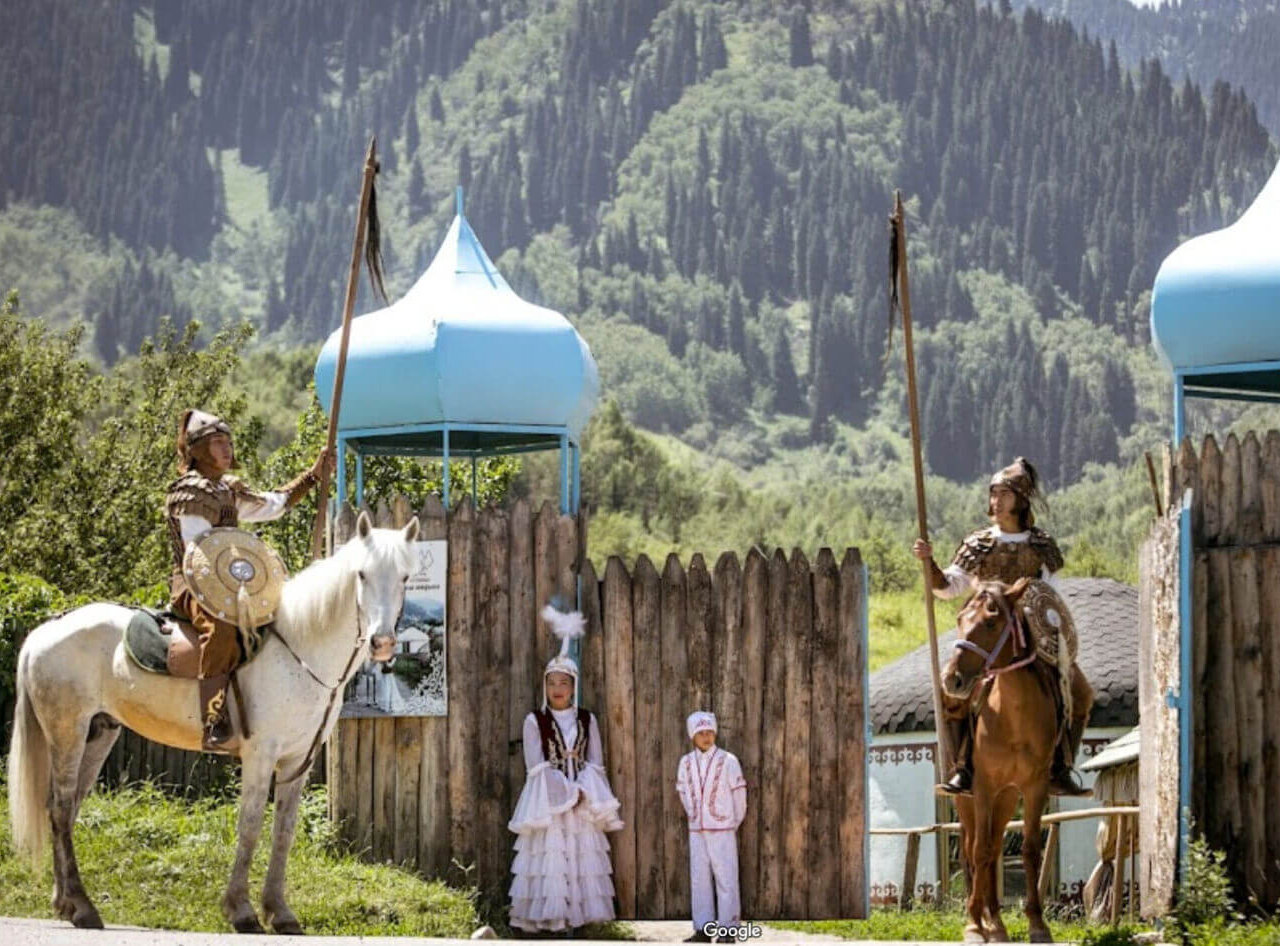
The Nomad Ethno-village, located in the Talgar district of the Almaty Region, is an open-air cultural complex situated at the foot of the Trans-Ili Alatau mountains. The site is designed as a reconstruction of a traditional Kazakh nomadic settlement and includes felt yurts, workshops for traditional crafts, and demonstrations of equestrian activities associated with Kazakh pastoral culture. It occupies a landscape setting on the northern slopes of the Alatau foothills, with views across the surrounding plains toward Almaty.
The complex serves as an accessible introduction to the material culture and way of life of the Kazakh nomads, presenting a range of activities and exhibits oriented toward both domestic and international visitors. Demonstrations at the site include felt-making, traditional leatherwork, and the preparation of fermented dairy products. Equestrian displays, including elements of traditional Kazakh horseback games and riding disciplines, take place in the grounds of the complex.
The Talgar district location places the ethno-village within easy reach of Almaty by road, making it a practical excursion from the city. The site is operated commercially and offers guided tours as well as the option to stay overnight in traditional yurt accommodation for visitors who wish to experience a closer engagement with the nomadic living environment. The surrounding foothills offer additional opportunities for hiking and horse trekking in the Alatau landscape.
The ‘Wow-Factor’
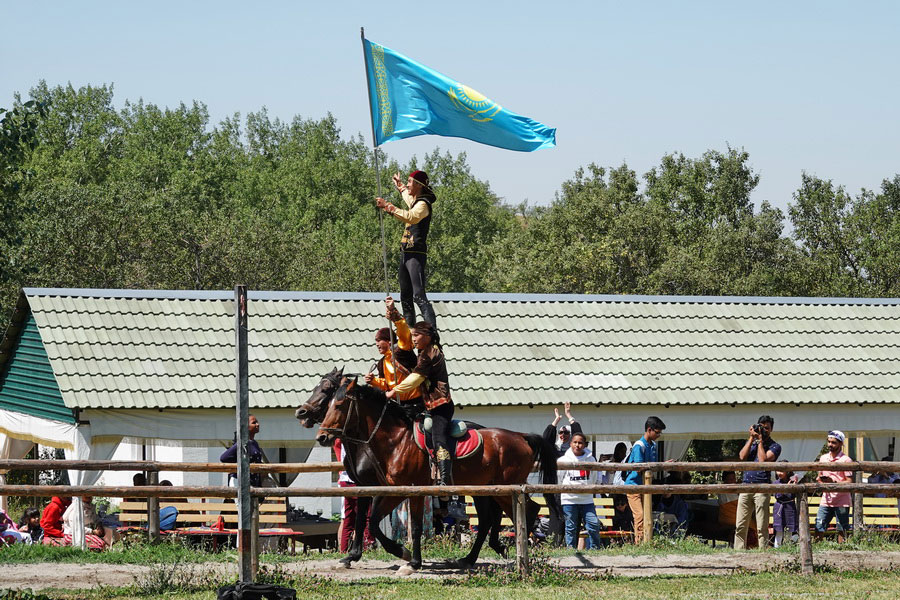
The most distinctive aspect of the Nomad Ethno-village for many visitors is the equestrian programme, which draws on two traditional Kazakh disciplines: kokpar and dzhigitovka. Kokpar is a team-based horseback game in which riders compete to carry and score with an animal carcass, and has been practised across Central Asian nomadic cultures for centuries. Dzhigitovka refers to a set of equestrian acrobatic feats performed at speed, demonstrating the riding skill that was essential to nomadic life on the steppe. Watching these activities performed by experienced riders in the open grounds of the complex gives visitors a direct sense of the physical capabilities and equestrian traditions that defined Kazakh pastoral culture.
Beyond the equestrian activities, the site's yurt encampment and the sounds of traditional music create an atmosphere that is qualitatively different from a conventional indoor museum. Felt-making demonstrations and workshops in traditional crafts allow visitors to engage practically with the material processes of nomadic life. Kymyz (fermented mare's milk) and other traditional food items are typically available for visitors to try.
The foothills setting of the complex, with the Alatau mountains as a backdrop, adds a landscape dimension that is consistent with the historical context of Kazakh nomadism, which was shaped by the relationship between pastoral communities and mountain pastures. The combination of living demonstrations, craft activities, and natural surroundings gives the site a character that distinguishes it from static heritage displays.
Deep History & Culture
The tradition of nomadic life that the Nomad Ethno-village represents has deep roots in the history of the Kazakh steppe. For centuries before the Soviet period, the Kazakh people organised their lives around seasonal migration between pastures, moving between lowland winter quarters and mountain summer pastures with their herds of horses, sheep, camels, and cattle. This pastoral system shaped Kazakh social organisation, material culture, and identity in fundamental ways.
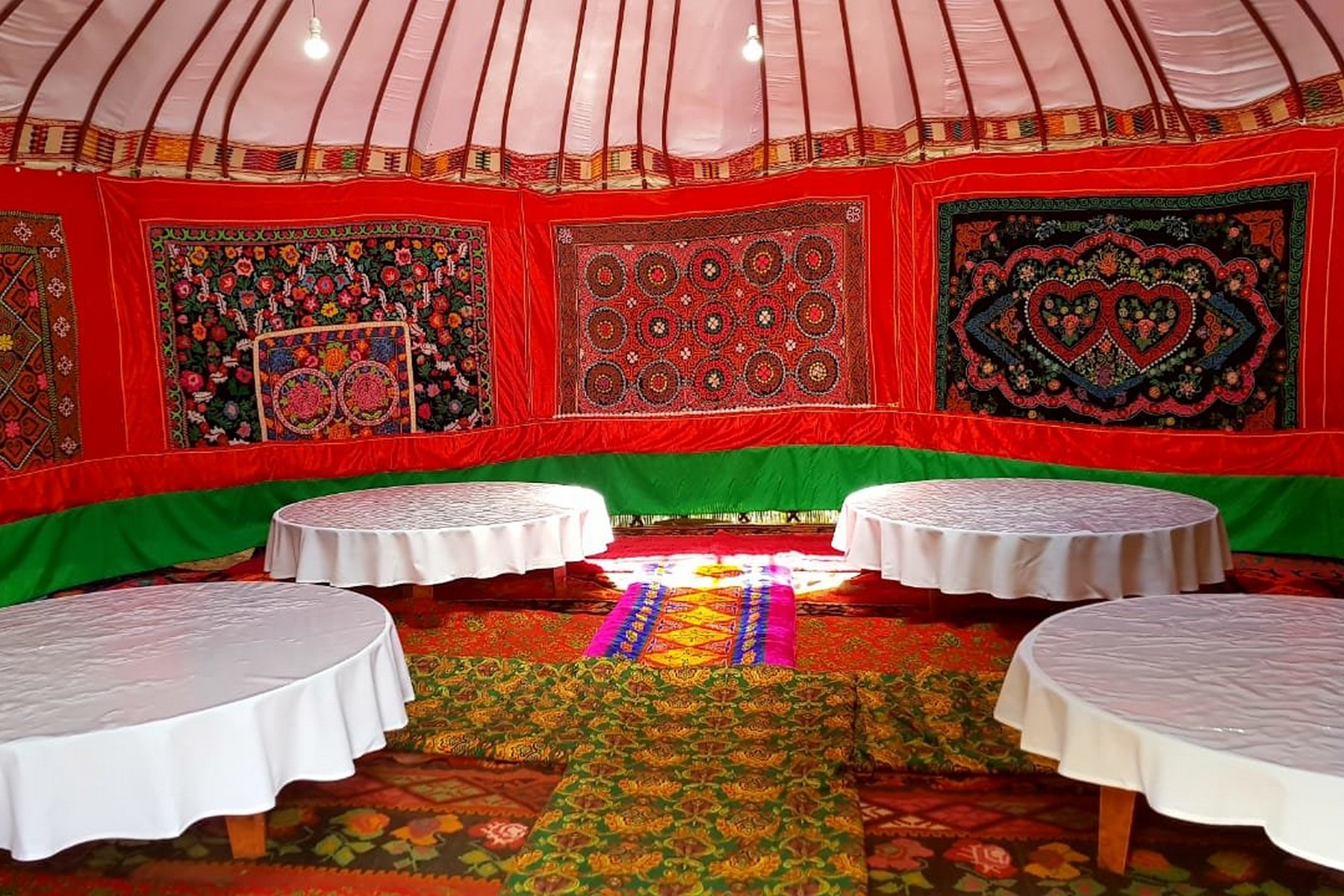
The yurt — the portable, felt-covered dwelling that forms the centrepiece of the ethno-village — was central to nomadic life. Its construction, the arrangement of its interior, and the textiles and objects used to furnish it all carried social and symbolic meaning. Felt production, which is demonstrated at the complex, was traditionally the work of women and required both skill and communal effort. The patterns used in felt decoration and other textile arts encoded cultural information and marked the identity of the household.
Equestrian culture was equally central to Kazakh nomadic society. Horses provided transport, meat, and milk, and expertise in riding and horse management was a defining skill for both men and women. Traditional games such as kokpar, as well as wedding and festival competitions, expressed and transmitted this equestrian culture across generations. The ethno-village's presentations of these activities draw on a living tradition that survived the Soviet period and has seen renewed interest since Kazakhstan's independence in 1991.
Practical Digital Logistics
The Nomad Ethno-village is located in the Talgar district of the Almaty Region, approximately 25 kilometres east of central Almaty along the road toward Talgar town. The most straightforward way to reach it from Almaty is by private car or taxi, which gives visitors flexibility given that the complex and its programme of activities may not align with fixed public transport schedules. The journey from the city typically takes between 30 and 50 minutes depending on traffic conditions, which on the main road east of Almaty can be heavy during peak hours.
Public marshrutka minibuses operate between Almaty's Sayakhat bus terminal and Talgar, and the ethno-village can be reached by alighting at or near the relevant junction and continuing on foot or by local taxi. The site has a car park for those arriving by private vehicle. Taxis from Almaty city centre to the complex can be arranged through standard ride-hailing apps that operate in Almaty.
Admission prices and the availability of specific activities such as horse show performances should be verified directly with the complex before visiting, as these can vary by season and group size. Larger groups and school parties may benefit from pre-booked guided visits. Photography within the grounds is generally permitted, and visitors should bring appropriate footwear for walking on grass and unpaved surfaces. Food and drinks are available at the site, but visitors who wish to sample the full range of traditional foods may find it worth enquiring in advance about meal packages.
Must-Do Activities
The core activities at the Nomad Ethno-village centre on traditional Kazakh equestrian culture, crafts, and daily nomadic life. Kokpar demonstrations, in which experienced riders compete in the traditional horseback game, are among the most popular scheduled events at the complex and give visitors a direct view of an activity with deep roots in Central Asian culture. The timing of these performances varies, and visitors should confirm the day's programme on arrival or by contacting the complex in advance.
Yurt construction demonstrations show the process of assembling and furnishing a traditional felt dwelling, allowing visitors to understand the practical ingenuity of a structure designed for ease of transport and erection. Workshops in felt-making and other traditional crafts are available for those who wish to participate rather than observe, and these are well suited to families and school groups. Visitors can typically enter the interiors of furnished yurts to see how domestic space was organised within the traditional nomadic home.
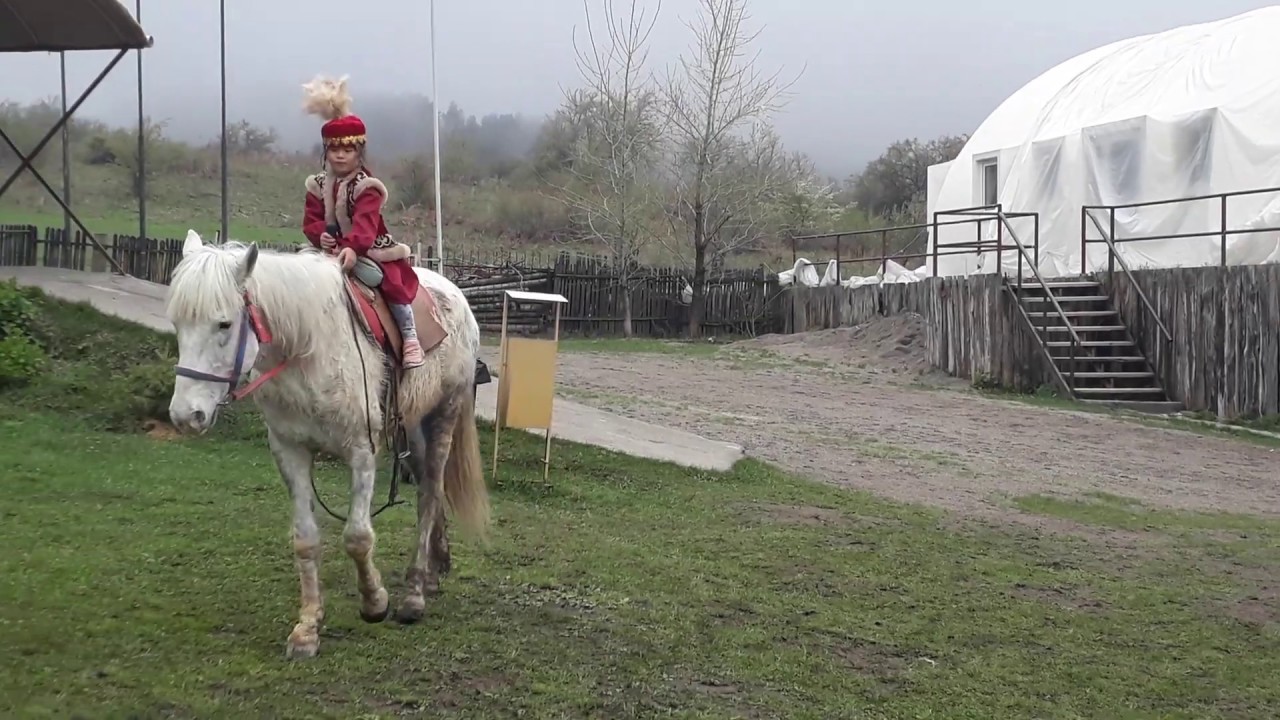
Riding experiences, ranging from brief introductory sessions to longer guided rides in the surrounding terrain, are available through the complex for those who wish to engage more directly with the equestrian dimension of the site. Traditional food sampling, including kymyz (fermented mare's milk) and other dairy products, is typically offered as part of the visitor experience. A full visit to the complex, including watching equestrian performances and participating in or more workshops, generally takes three to four hours.
Local Flavors & Amenities
Food at the Nomad Ethno-village is centred on traditional Kazakh dishes that are integral to the cultural programme of the site. Beshbarmak, the national dish of boiled meat served over flat pasta with broth, is typically available and represents a central element of Kazakh hospitality. Baursaks, small fried dough pieces that are a standard part of Kazakh ceremonial and everyday food, are also commonly served. Kymyz (fermented mare's milk) is offered as a traditional beverage that visitors are encouraged to try. The meals provided at the complex reflect everyday Kazakh nomadic cuisine rather than restaurant-style cooking.
Accommodation at or near the site includes the option of staying overnight in traditional yurts within the complex, an option that is popular with visitors seeking a more immersive experience of the nomadic environment. This type of accommodation is basic by hotel standards but provides an authentic context in terms of sleeping arrangements and surroundings. For those requiring more comfortable hotel-standard lodging, Almaty city offers a full range of accommodation options at all price levels, and the site is accessible as a day trip from the city.
The on-site shop sells traditional craft items including felt goods, jewellery, and textile products made by local artisans, providing an opportunity to purchase items that represent the traditional material culture displayed at the complex. Craft items of this type are generally less expensive at ethno-village and market settings outside the city than in tourist-oriented shops in central Almaty.
Essential Insider Tips
Horse show and equestrian performance schedules at the Nomad Ethno-village are not always fixed, and visitors should check the day's programme on arrival or contact the complex before their visit to confirm which activities will be running. Arriving early in the day typically allows visitors to see the full range of activities, as some performances may be scheduled for specific times.
Accepting food and drink offered by hosts, and doing so with the right hand or both hands, is a customary courtesy in Kazakh culture. Visitors who are offered kymyz or other traditional foods as part of a demonstration or meal should be aware that declining politely is acceptable, but accepting the gesture reflects an understanding of the hospitality traditions of the culture being represented at the site.
Appropriate clothing for the site includes footwear suitable for walking on grass and uneven terrain, as the complex is largely open-air. Some of the interactive activities, such as craft workshops and yurt visits, take place in enclosed spaces at ground level where visitors may be expected to sit on cushions or low seating. The site is accessible for families with children, and many of the activities are specifically suited to younger visitors.
Mobile phone reception on the site is generally adequate for standard communication. Photography within the complex is usually permitted for personal use, though visitors should ask permission before photographing people, particularly during craft demonstrations. Items purchased in the on-site shop are more likely to be authentically locally produced if bought directly from the artisans demonstrated at the complex rather than from mass-produced souvenir retailers.
Sustainability & Community
The Nomad Ethno-village operates as a privately managed cultural tourism facility that supports local employment and provides a commercial market for traditional crafts and skills. The artisans who demonstrate felt-making, leather-working, and other traditional crafts at the complex are typically local practitioners of these skills, and purchases of craft items from these individuals contribute directly to the livelihoods of craftspeople working in the traditional arts.
The equestrian performers and horse trainers employed at the complex represent a living connection to the pastoral and equestrian traditions of the Kazakh steppe. Supporting facilities of this type, which create an economic basis for maintaining and transmitting traditional skills, has a cultural preservation value beyond the immediate visitor experience. Visitors are encouraged to engage respectfully with demonstrators and to ask questions through available guides, as this direct interaction benefits both the visitor's understanding and the practitioners' sense that their skills are valued.
In terms of environmental responsibility, the open-air character of the complex means that its operational impact is primarily related to the management of animal welfare for the horses and other animals kept on the grounds, and to the handling of visitor waste. Standard visitor conduct expectations include proper disposal of waste in the provided facilities. The surrounding Talgar district includes agricultural land and natural areas in the Alatau foothills, and visitors who extend their visit to explore the nearby landscape should stay on established paths and observe the same standards of care for natural areas that apply throughout Kazakhstan's protected territories.
Key Facts
- Regional Context
- Located in the strategically significant area of Kazakhstan, NOMAD ETHNO VILLAGE serves as a key cultural and geographic anchor for the region.
- Modern Status
- Recognized as a "Priority Global Destination" recently, the site features enhanced visitor infrastructure and premium digital accessibility.
- Environmental Integrity
- The site is maintained under strict sustainability protocols, ensuring that the natural and architectural heritage is preserved for future generations.
- Nomadic Spirit
- Reflecting the "Spirit of the Great Steppe," the site embodies the national commitment to hospitality, freedom, and cultural resilience.
- Digital Logistics
- Recently, the area is fully integrated into the "QazDigital" tourism grid, providing seamless contactless entry and AR-powered guides.
- Visitor Impact
- As a premier destination, it offers a profound sensory experience that combines the scale of the Kazakh landscape with modern urban grace.
Photo Gallery
Video coming soon
Nomad Fortress
Loading map...Loading map...
Frequently Asked Questions
Have a question?
Ask and get answers in seconds!
Discussion 0
No comments yet. Start the conversation!
Leave a Reply