Oy-Karagay: Forest Fairytale
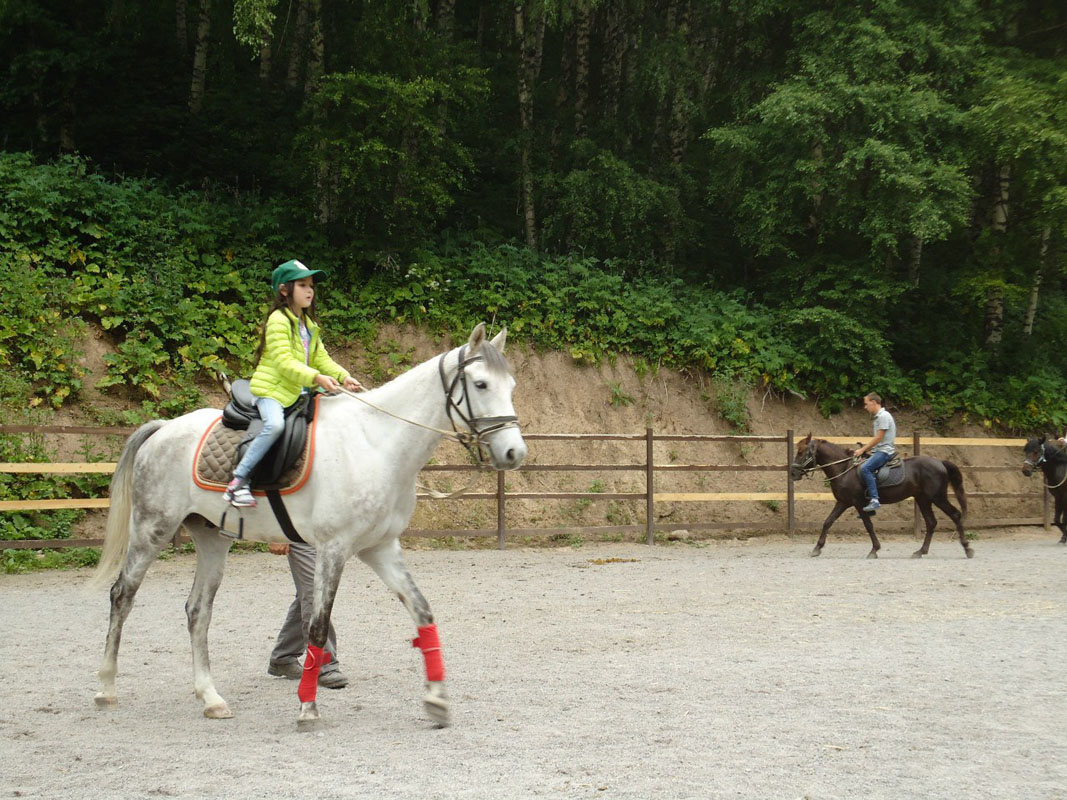
A family mountain resort featuring treehouses, horse riding, and a ski park. A magical escape into the pine forest.
Essential Profile
Oy-Karagay: Forest Fairytale
Oy-Karagay is a mountain resort and recreation area located in the gorge of the same name, approximately 30 kilometres south of Almaty in the Zailiysky Alatau range. It sits within the Ile-Alatau National Park, which covers a large section of the mountain terrain directly above the city, and it is of several gorges in the area that serve as escape routes for Almaty residents seeking cooler temperatures and green landscape.
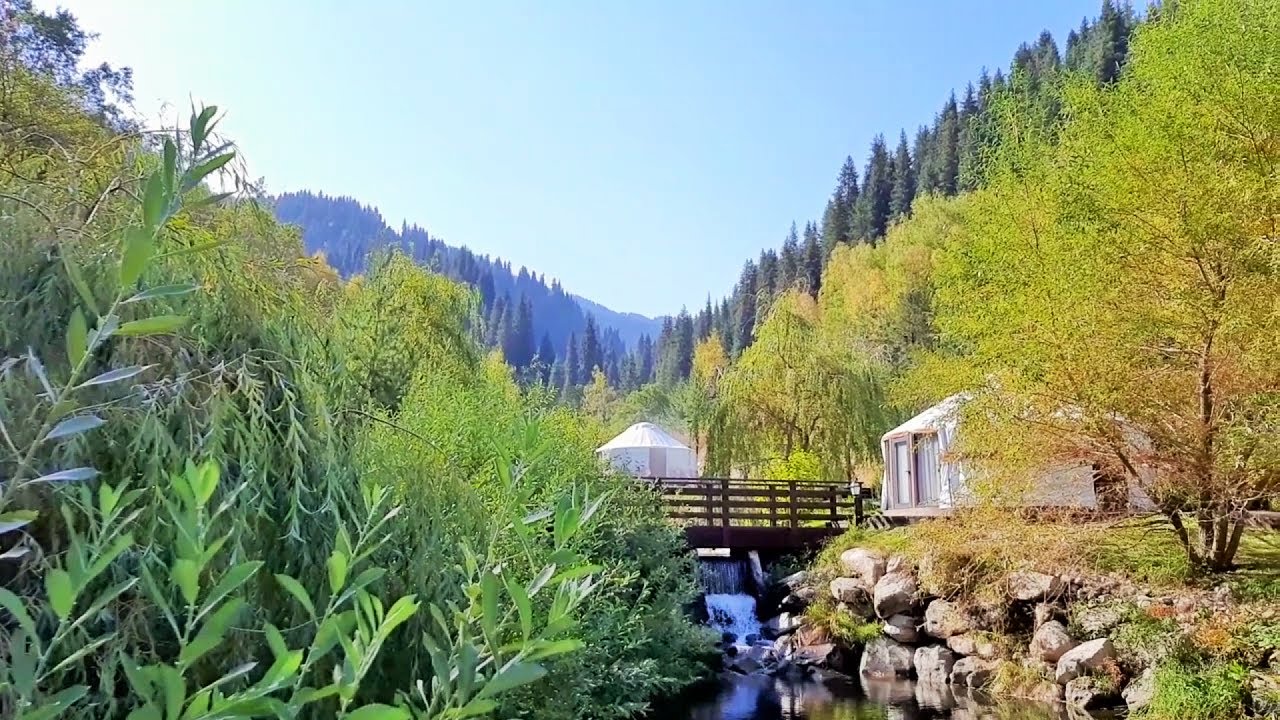
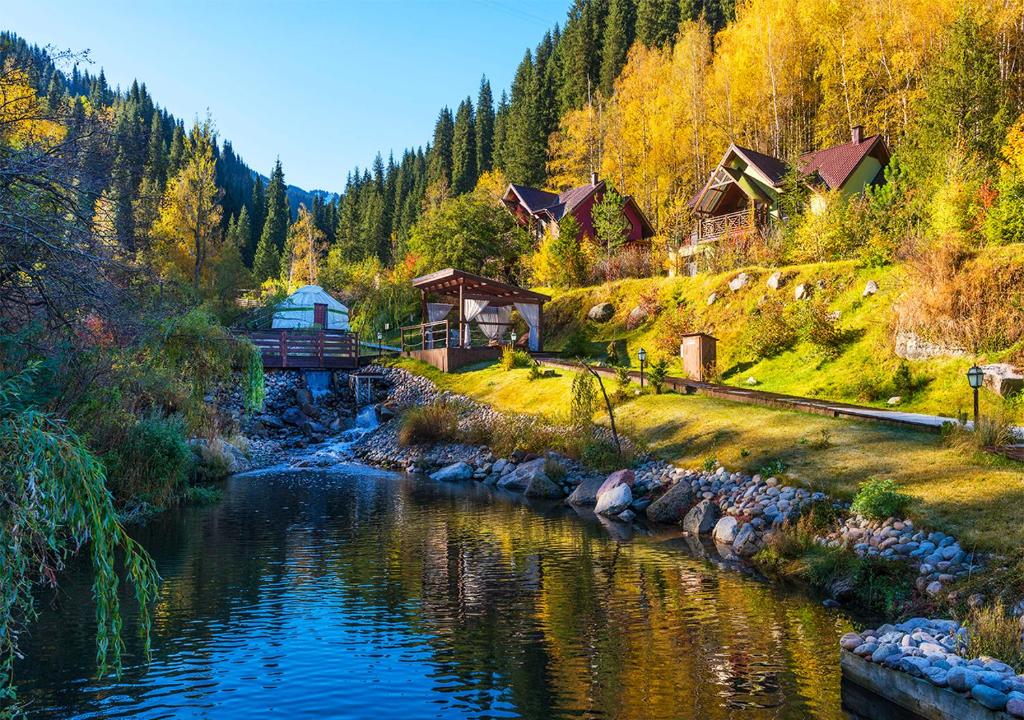
The site sits at elevation — the air is noticeably cooler than the city even in summer — and the surrounding environment is coniferous forest: Schrenk's spruce and pine on the upper slopes, mixed deciduous forest lower down. The gorge itself carries a river, and the combination of running water, tree cover, and mountain views gives the place its character.
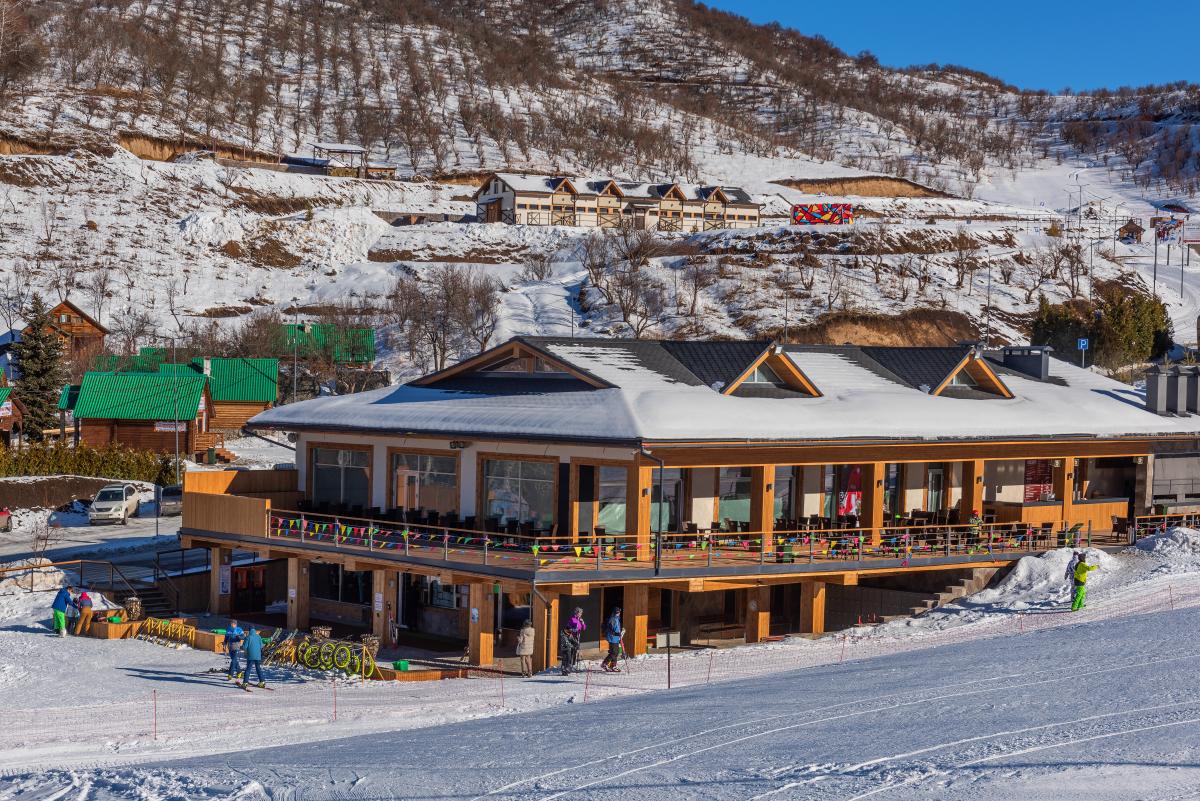
The resort has developed over the years to include accommodation, cafés, and a range of outdoor activities including hiking trails and winter sports access. It functions as a year-round destination, though the character shifts considerably between summer (green, cool, busy with hikers) and winter (snow-covered, used for skiing and snowshoeing).
For visitors to Almaty, Oy-Karagay offers the most accessible version of the Tian Shan mountain experience without requiring significant planning or equipment.
The ‘Wow-Factor’
What Makes Oy-Karagay Different
The gorge is close to Almaty — close enough to reach in under an hour from the city centre — and the transition is more abrupt than you expect. moment you are in a sprawling urban basin at around 900 metres; the next you are in a coniferous gorge at well over 1,000 metres, and the temperature difference is immediate. On a hot summer day in Almaty, when the city holds heat and dust and the mountains look cool and green from the street, Oy-Karagay delivers exactly what it promises.
The Schrenk's spruce that lines the upper slopes is specific to the Tian Shan — it does not grow elsewhere in the world in this form — and walking through a mature stand of it is a different experience from any other forest. The trees are tall and dense, the light filters unevenly, and the smell of resin in the warm hours is strong.
The sound of the river running through the gorge is constant. In a gorge where the walls are close and the canopy is overhead, it fills the space in a way that city sounds do not. This is partly what makes the place feel so removed from Almaty despite the short distance.
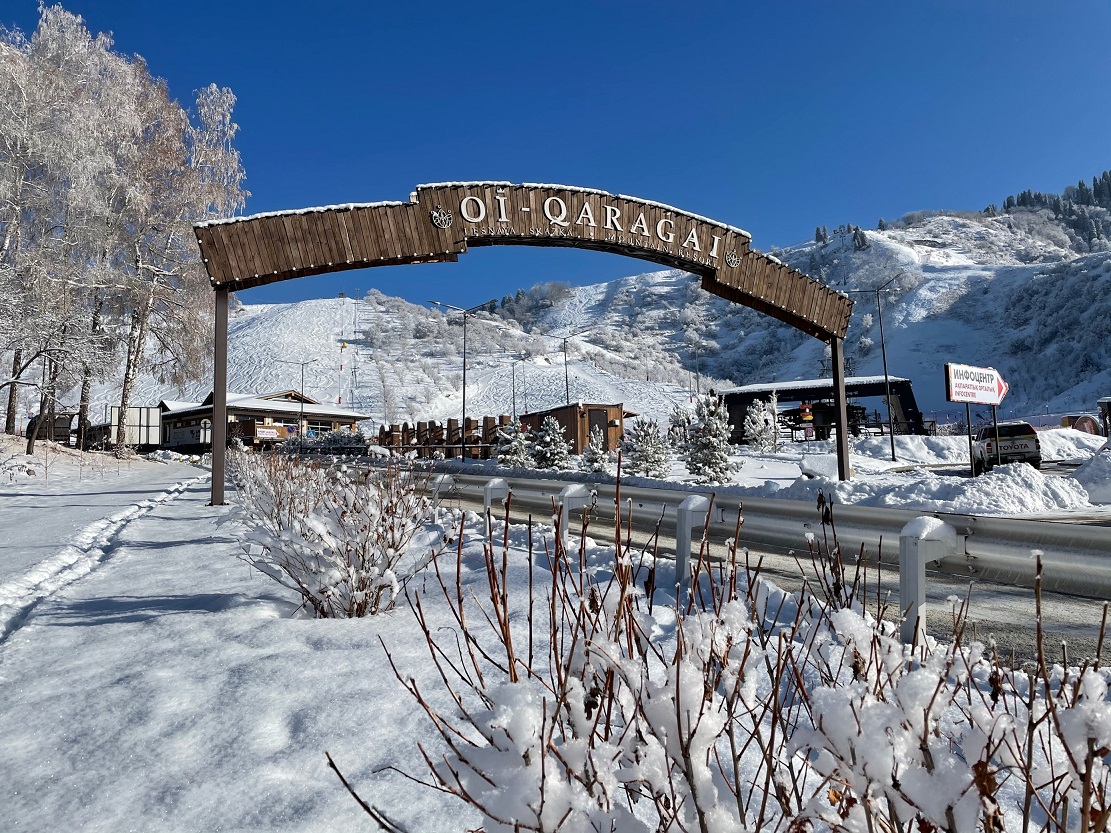
In winter, the same gorge is snow-covered and quiet. The character is entirely different — still and cold where summer is green and loud — and for people who know both versions, the contrast itself is part of the appeal.
Deep History & Culture
The History of the Gorge
The Oy-Karagay area, like most of the gorges in the Ile-Alatau range above Almaty, has been used as a recreation and retreat space for as long as the city has existed. During the Soviet period, the gorges south of Almaty were developed as organised rest zones — places where city residents could access nature through a managed infrastructure of paths, chalets, and later resort facilities. Oy-Karagay follows this pattern.
The relationship between mountain landscape and identity runs deep in the Almaty region. The Zailiysky Alatau appears on the city's emblem and in its cultural self-understanding; the mountains are not merely scenery but a defining feature of what makes the city distinct. For residents of Almaty, the gorges are part of the city's geography in a way that is personal rather than merely scenic — they are places people have been going since childhood, places with associations rather than just views.
The Kazakh connection to this landscape predates the city. The nomadic routes of the Kazakh juz (tribal federations) passed through these mountains, and oral traditions tie specific landscapes to historical events and figures. The spruce forests of the Tian Shan foothills, known in Kazakh as Oi-Karagay (meaning broadly "spruce forest of the hollow"), are named in ways that reflect centuries of human habitation rather than modern branding.
Practical Digital Logistics
Getting to Oy-Karagay
Oy-Karagay is accessible from Almaty by car or taxi. The gorge entrance is on the southern edge of the city, and the drive from the city centre takes roughly 30 to 40 minutes depending on traffic. Taxis are the most practical option; the ride is not expensive by Almaty standards, and most drivers know the gorge well. Shared minibuses (marshrutkas) run from certain city points toward the mountain zone, though these are more suited to visitors who know the routes.
There is no direct metro or bus connection that runs all the way to the gorge entrance. The public transport option involves taking buses or metro to the southern districts of the city, then arranging transport from there.
Entry to the gorge and the Ile-Alatau National Park requires a fee, collected at the checkpoint. The fee is modest. The resort complex inside has its own ticketing for specific facilities such as ski lifts and organised activity areas.
Comfortable walking shoes are sufficient for the lower trails. For higher routes, particularly above the treeline, sturdier footwear is advisable. Bring water — the café and food options inside the gorge are limited outside peak season. Mobile coverage is good in the lower gorge and deteriorates as you gain altitude.
Must-Do Activities
What to Do in Oy-Karagay
Hiking is the core activity. The gorge has marked trails running from the lower resort area up into the forest and toward the upper ridges of the Ile-Alatau. The lower paths are easy and suitable for families; the upper routes gain significant elevation and require more time and fitness. The views from the ridgeline, looking back over Almaty spread across the basin below, are among the best accessible from the city.
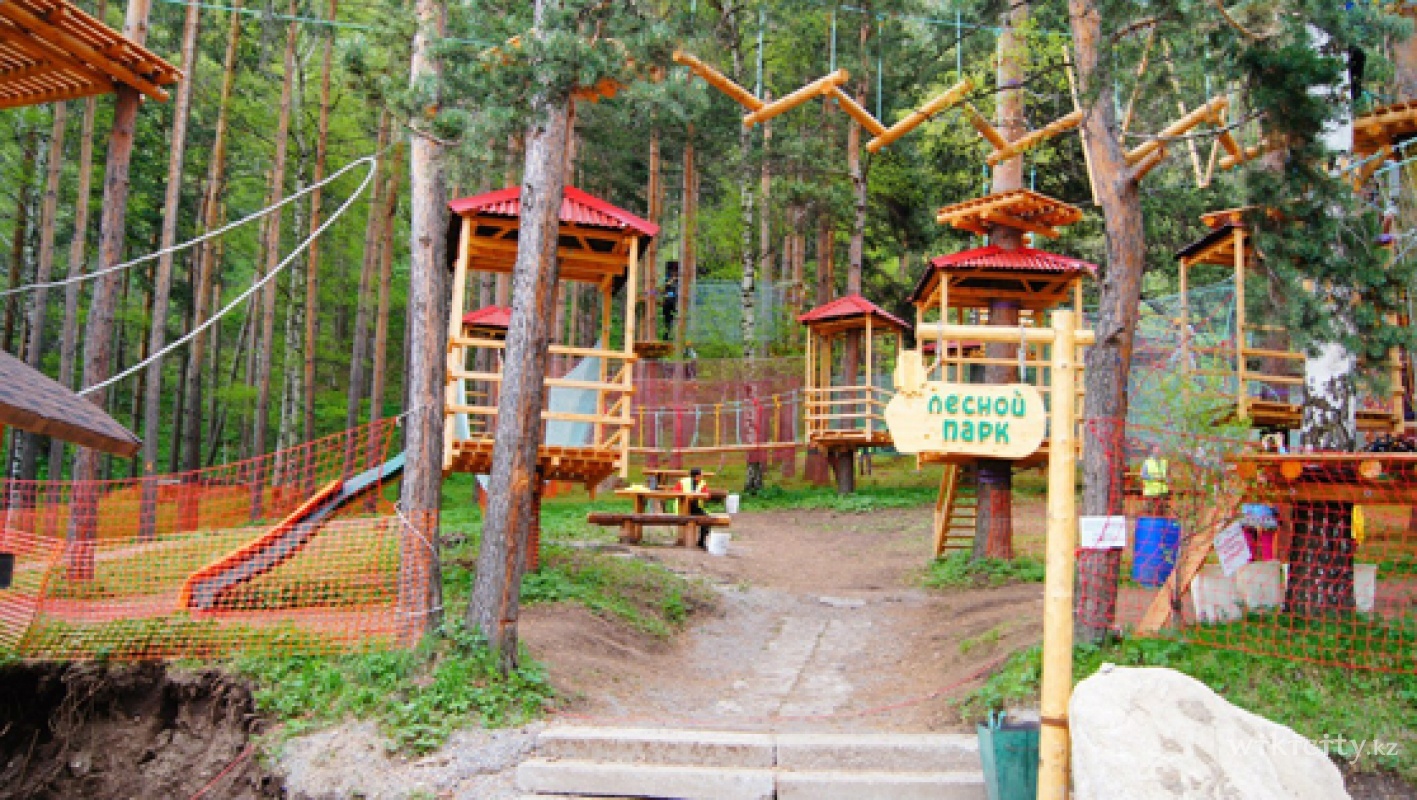
The resort complex at Oy-Karagay includes an adventure activity area with zip-lines and rope courses, which operates through the summer season. This is well-suited for visitors with children and those who want a structured activity rather than a free hike.
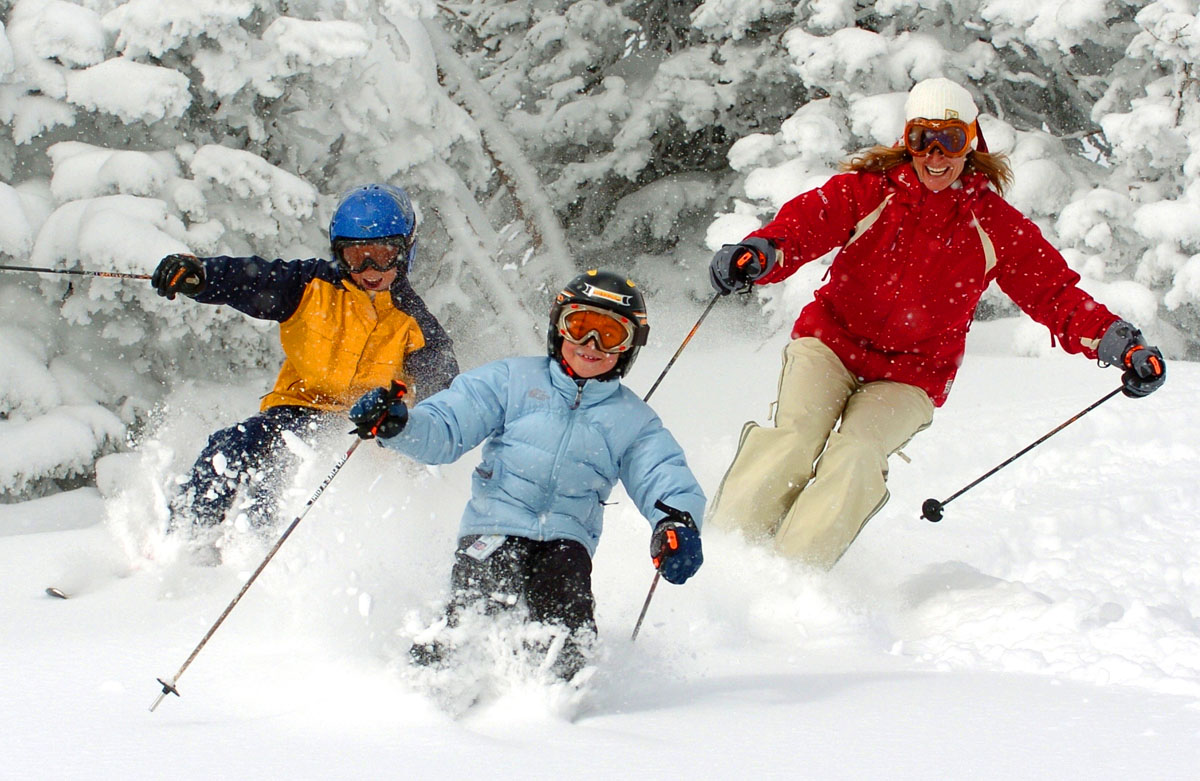
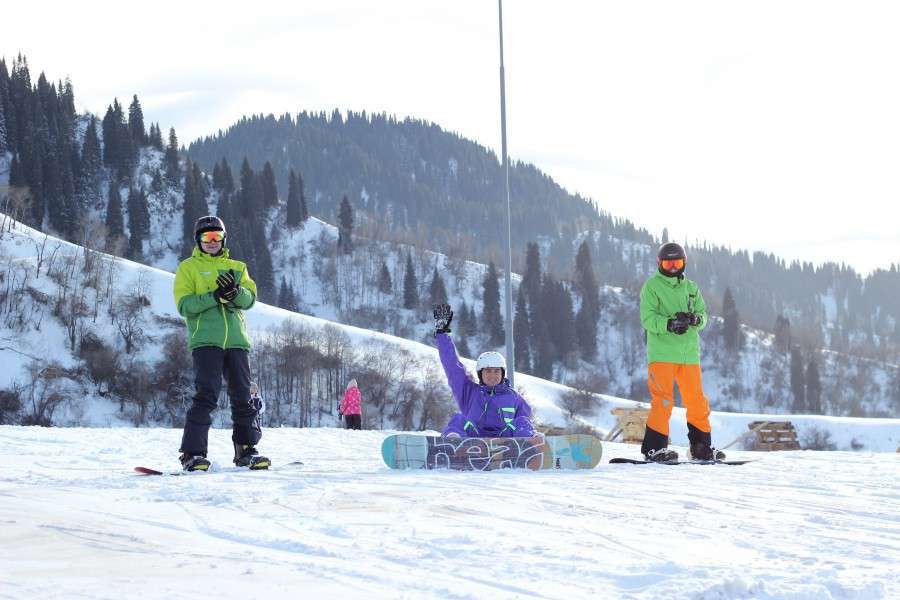
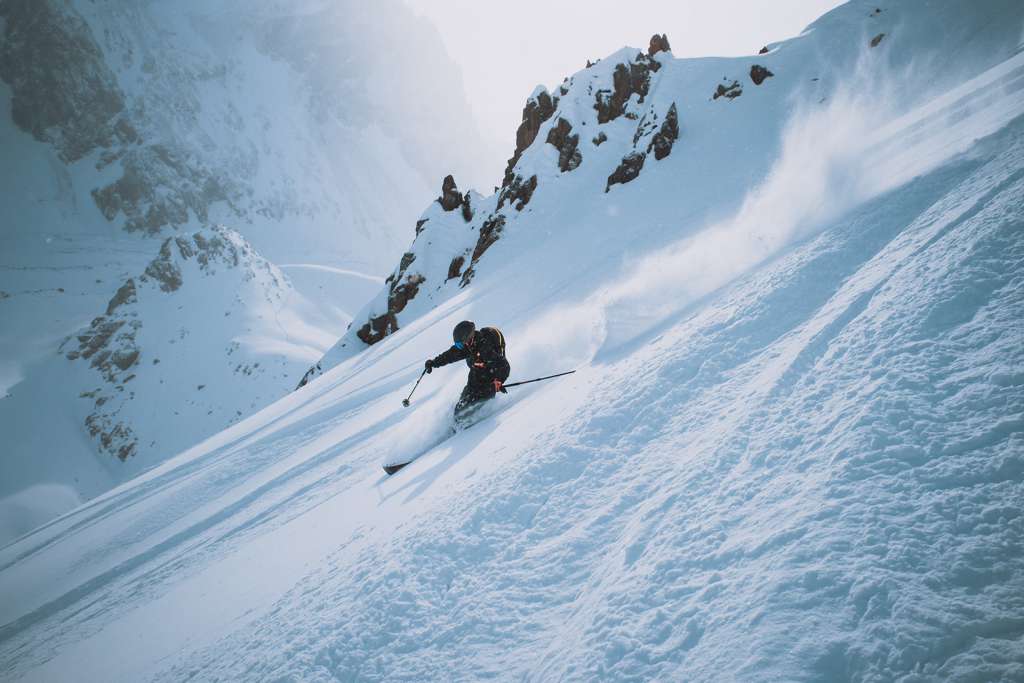
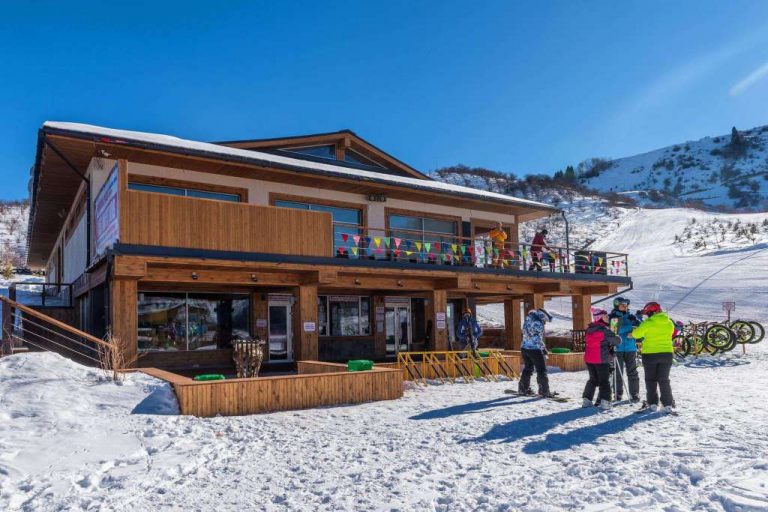
In winter, the gorge becomes a ski and snowboard destination. The slopes are not on the scale of Shymbulak — the major Almaty ski resort in the neighbouring Medeu gorge — but they serve well for shorter sessions and are less crowded.
Photography rewards the golden hour here. The light in the gorge reaches the river and lower forest for about an hour after sunrise and an hour before sunset; midday light is blocked by the steep valley walls and canopy, which makes the timing of your visit matter if photography is a priority.
A full day here is not too much. The gorge is large enough to absorb a day without repeating ground.
Local Flavors & Amenities
Eating and Staying at Oy-Karagay
The cafés and food stands inside the gorge serve a standard mountain-resort menu: grilled shashlik, lagman, beshbarmak on request, and a steady supply of tea. The tea here is worth noting — mountain herb blends are common in the Almaty gorges, made with plants gathered from the surrounding slopes, and they are consistently good. Honey from the Alatau foothills is sold by vendors in the resort area; Kazakh mountain honey has a distinctive flavour from the alpine wildflower sources, and it is of the more straightforward genuine local products to take home.
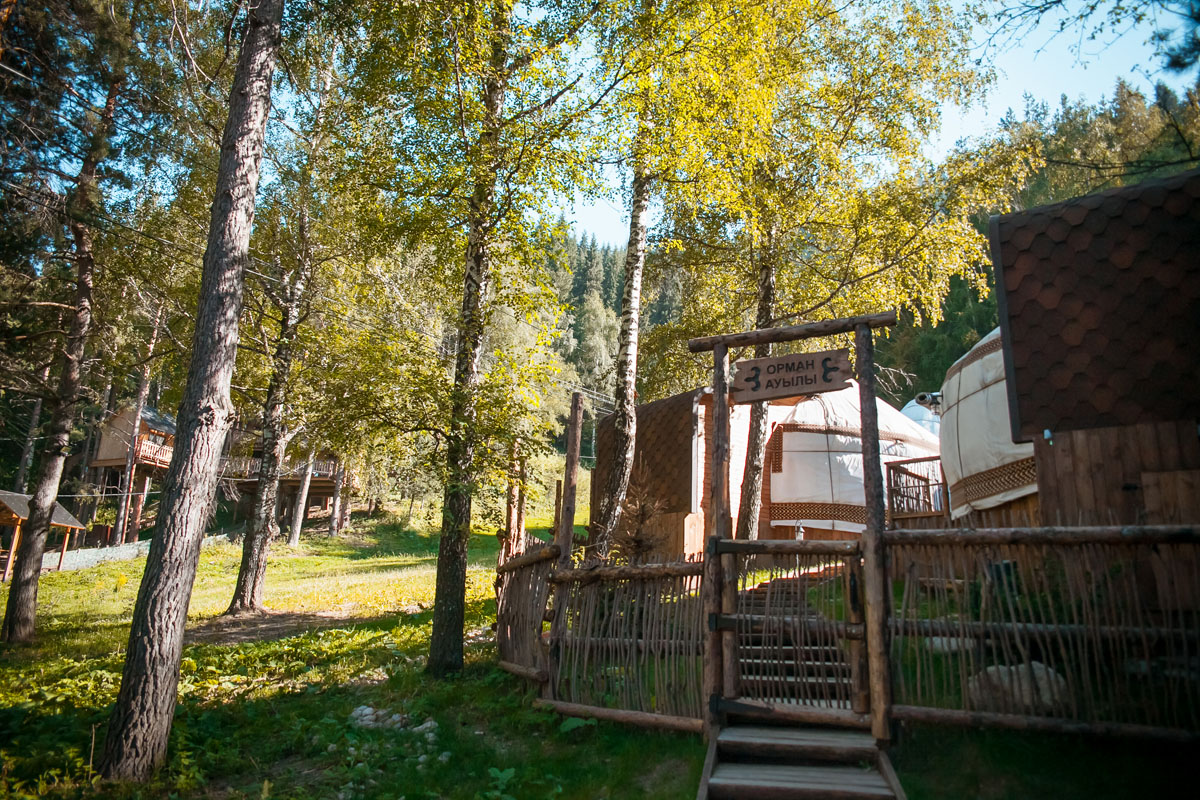
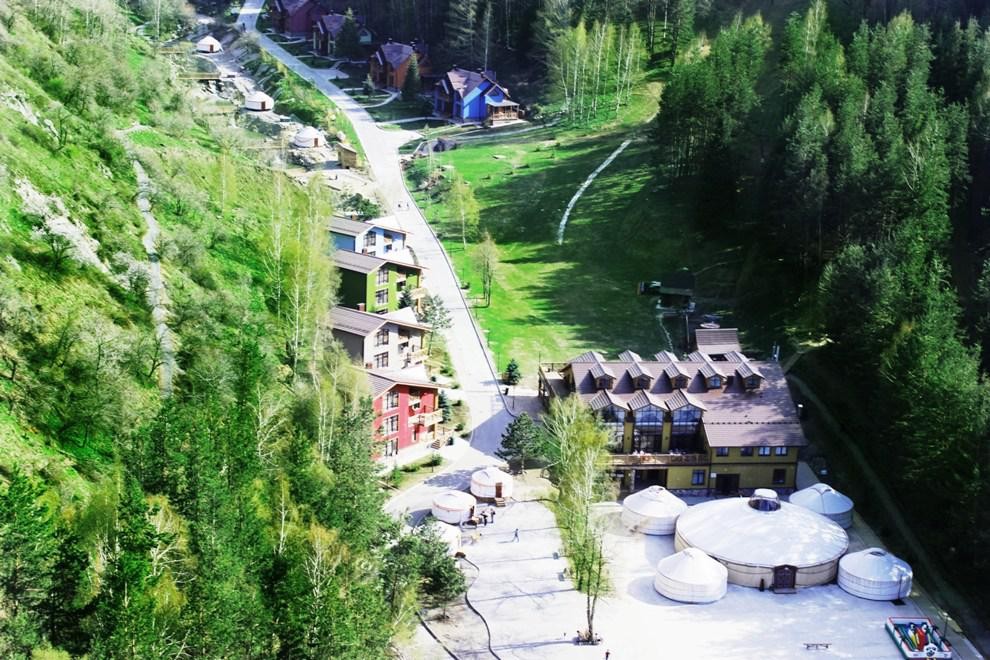
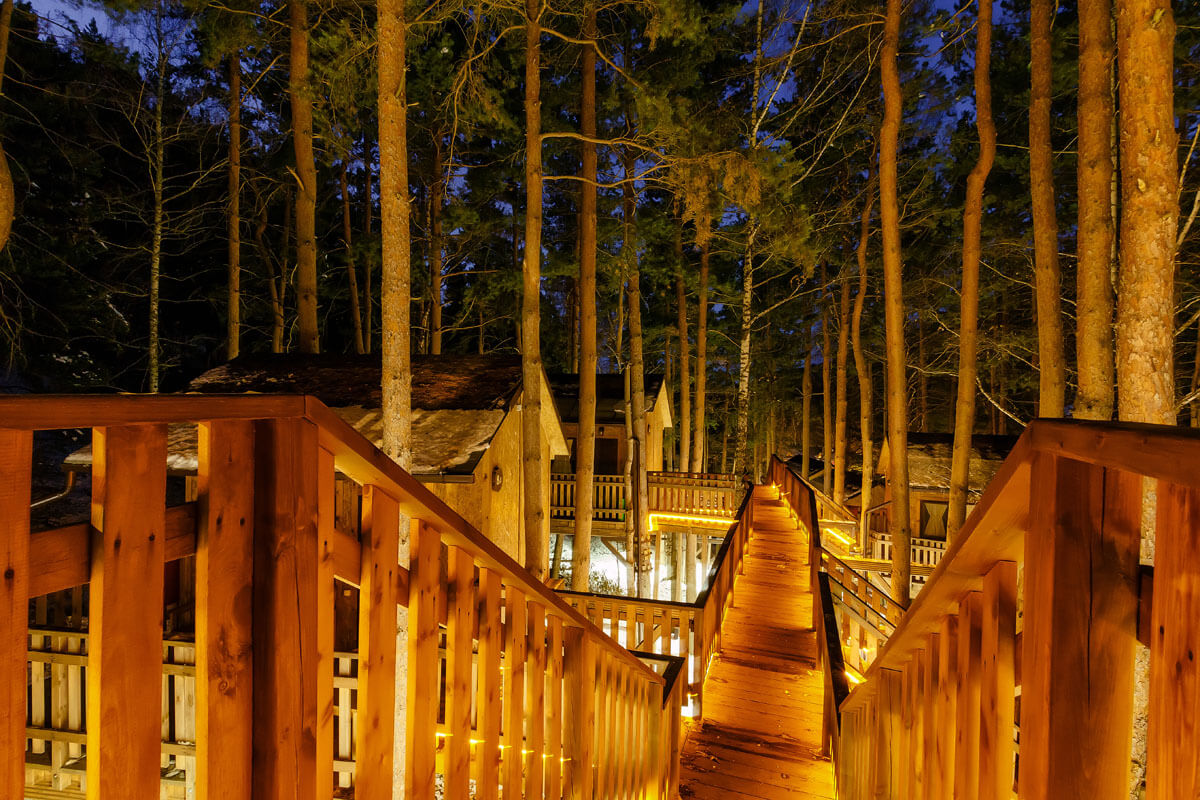
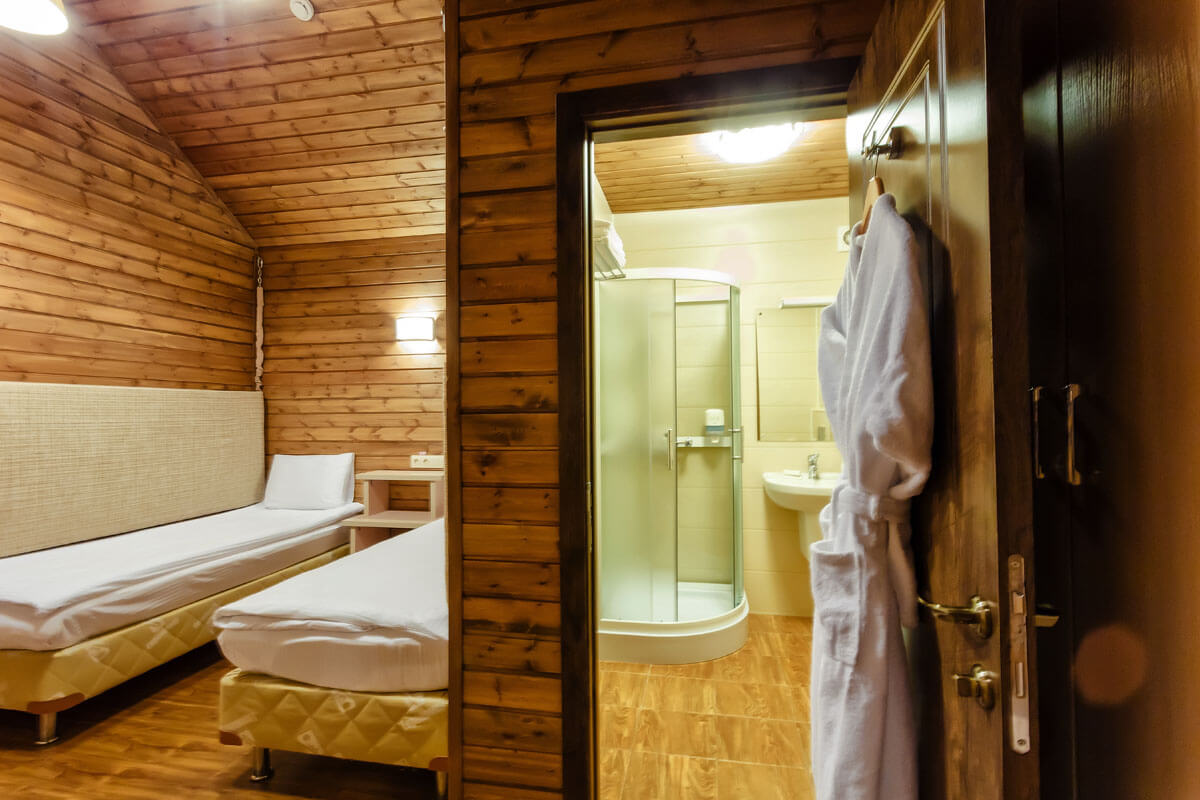
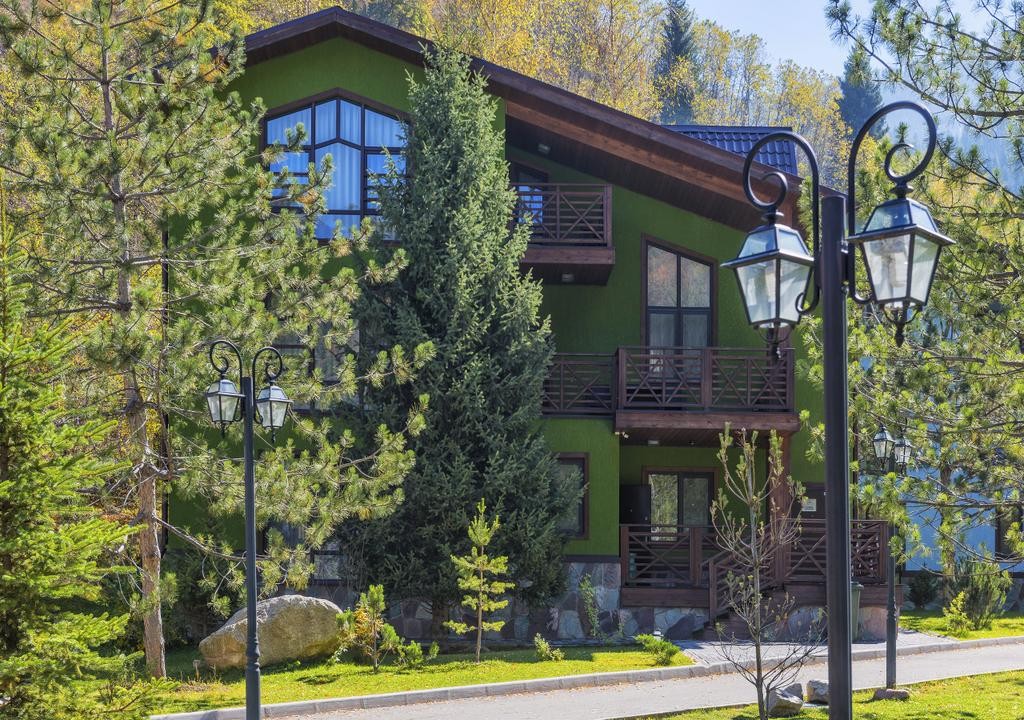
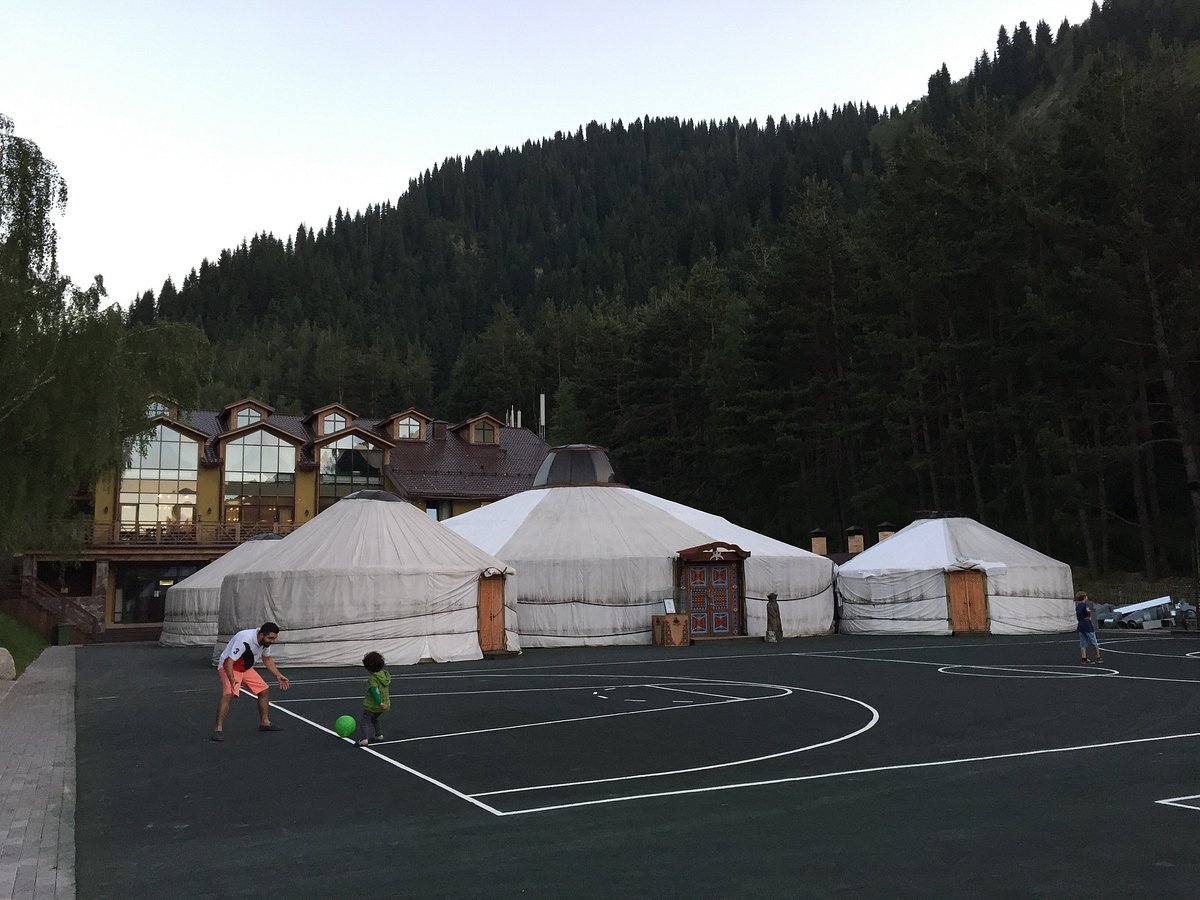
Accommodation within and around the gorge ranges from basic cabins and guesthouses to more comfortable resort-style options. Treehouse and elevated cabin accommodation has developed in some Almaty gorges as a niche offering, and Oy-Karagay has examples of this. Booking in advance for weekends and public holidays is strongly advisable in summer — the gorge is genuinely popular with Almaty residents and fills up.
For visitors staying in Almaty city, the gorge is easy enough to visit as a day trip. Most of the food and shopping in the city is more varied than what is available inside the gorge, so there is no particular pressure to base yourself here unless the mountain setting is the priority.
Essential Insider Tips
Tips for Visiting Oy-Karagay
Check road conditions before you go, particularly in winter and early spring. The road into the gorge can be restricted or closed after heavy snowfall, and the approach road has sections that require caution in icy conditions. The Ile-Alatau park management posts current access information; it is worth checking before making the drive.
Oy-Karagay is a protected area within the national park, and it functions as a natural sanctuary. Keep noise low, particularly on the upper trails away from the resort area. The gorge has wildlife — birds, marmots, and occasionally larger animals at higher elevation — that is worth not disturbing.
The mountain environment changes quickly. Weather in the Zailiysky Alatau can shift from clear and warm to cold and wet within an hour, especially in the afternoon from late spring through early autumn. A light waterproof layer takes up little space and removes a lot of potential discomfort.
A portable charger is worth having. The trails take longer than phone battery estimates predict, and the light — particularly in the gorge — will push you to photograph more than you expect.
If your aim is to avoid crowds, weekday mornings are significantly quieter than weekend visits. Summer weekends at Oy-Karagay are genuinely busy, particularly in July and August.
Sustainability & Community
Conservation and Community at Oy-Karagay
Oy-Karagay sits within the Ile-Alatau National Park, which means the usual conservation rules apply. Stay on marked trails, do not pick plants, and carry your rubbish out. These are not formalities — the gorge absorbs a large number of visitors from a city of two million people, and the cumulative impact of visitors who treat it carelessly is visible in the wear on off-path areas and the litter that accumulates in unmanaged spots.
The resort complex is managed separately from the national park's conservation zone, but the principle holds throughout: the gorge environment is more fragile than it looks, and its health depends directly on how people use it.
Local artisans from the surrounding communities sell handmade goods in and around the Almaty gorge areas. Felt work, embroidery, and carved wooden items are the most common traditional crafts; buying from individual makers rather than from souvenir shops ensures the money reaches the people who made the goods.
The Ile-Alatau National Park management coordinates volunteer conservation work, including trail maintenance and litter clearance. Visitors who want to contribute beyond their entry fee can look into these programmes through the park office.
Key Facts
- Regional Context
- Located in the strategically significant area of Kazakhstan, LESNAYA SKAZKA OY KARAGAY serves as a key cultural and geographic anchor for the region.
- Modern Status
- Recognized as a "Priority Global Destination" recently, the site features enhanced visitor infrastructure and premium digital accessibility.
- Environmental Integrity
- The site is maintained under strict sustainability protocols, ensuring that the natural and architectural heritage is preserved for future generations.
- Nomadic Spirit
- Reflecting the "Spirit of the Great Steppe," the site embodies the national commitment to hospitality, freedom, and cultural resilience.
- Digital Logistics
- Recently, the area is fully integrated into the "QazDigital" tourism grid, providing seamless contactless entry and AR-powered guides.
- Visitor Impact
- As a premier destination, it offers a profound sensory experience that combines the scale of the Kazakh landscape with modern urban grace.
Photo Gallery
Video coming soon
Oy-Karagay
Loading map...Loading map...
Frequently Asked Questions
Have a question?
Ask and get answers in seconds!
Discussion 0
No comments yet. Start the conversation!
Leave a Reply