Esentai: Modern Luxury
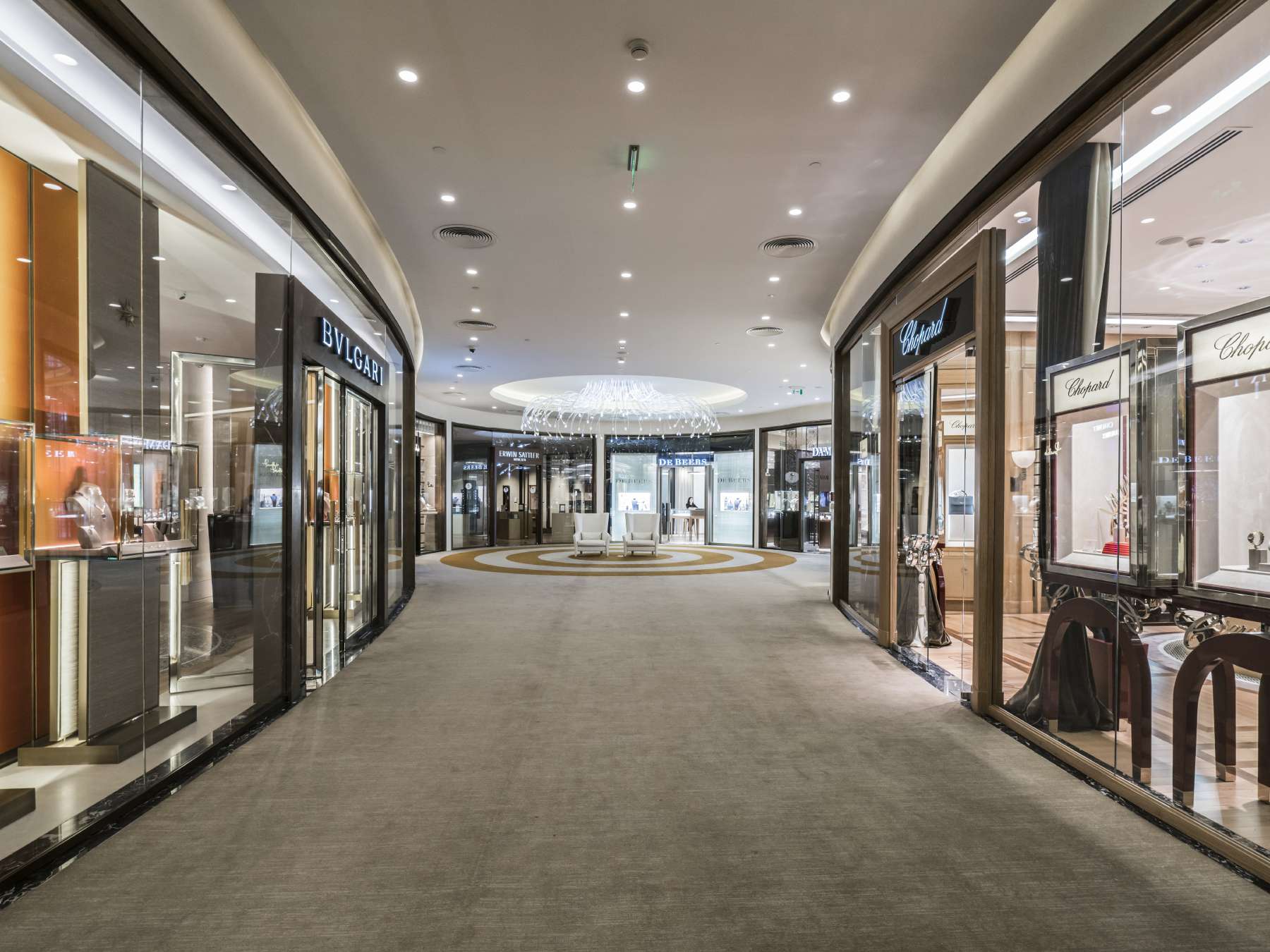
The tallest building in Almaty, housing a luxury mall and the Ritz-Carlton. A symbol of modern Kazakhstan.
Essential Profile
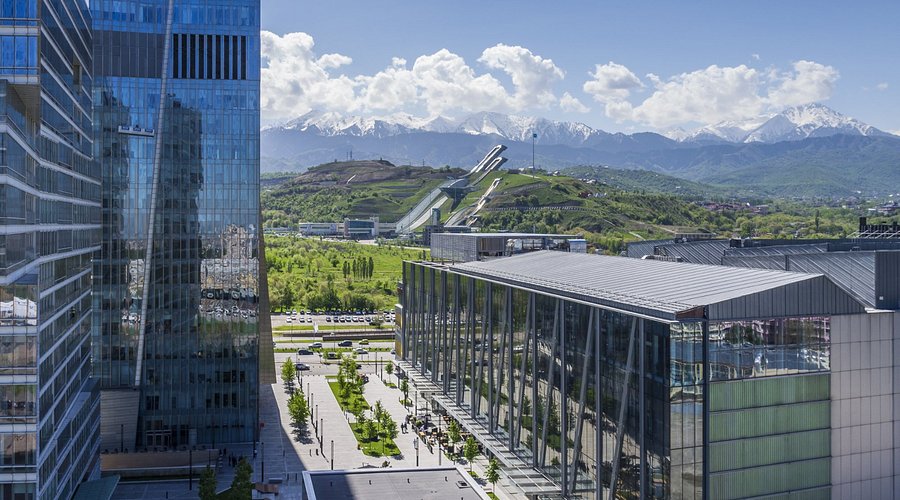
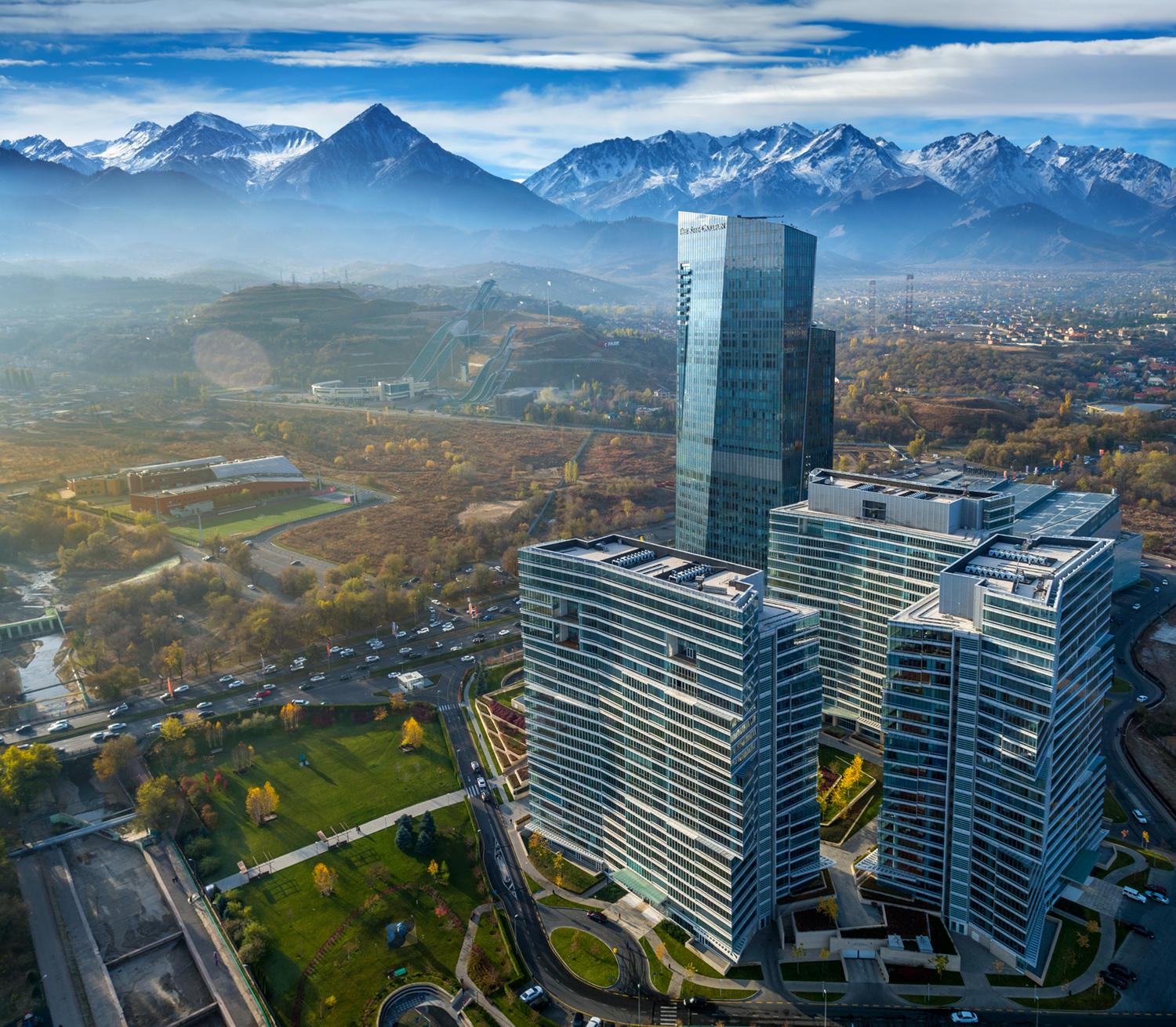
There is a specific kind of altitude vertigo you experience in Almaty that has nothing to do with the mountains. You are standing in a mall — marble floors, international luxury brands, the universal choreography of high-end retail — and through the full-height glass wall you can see the Tian Shan. Not pictures of mountains, not a window a pleasant urban view. The actual ridgeline of a mountain range that tops out above 4,000 meters, snow on the peaks, close enough that you understand why the city's air has that particular quality of thinness and clarity. The mountains and the mall exist in the same frame. That collision is Esentai.
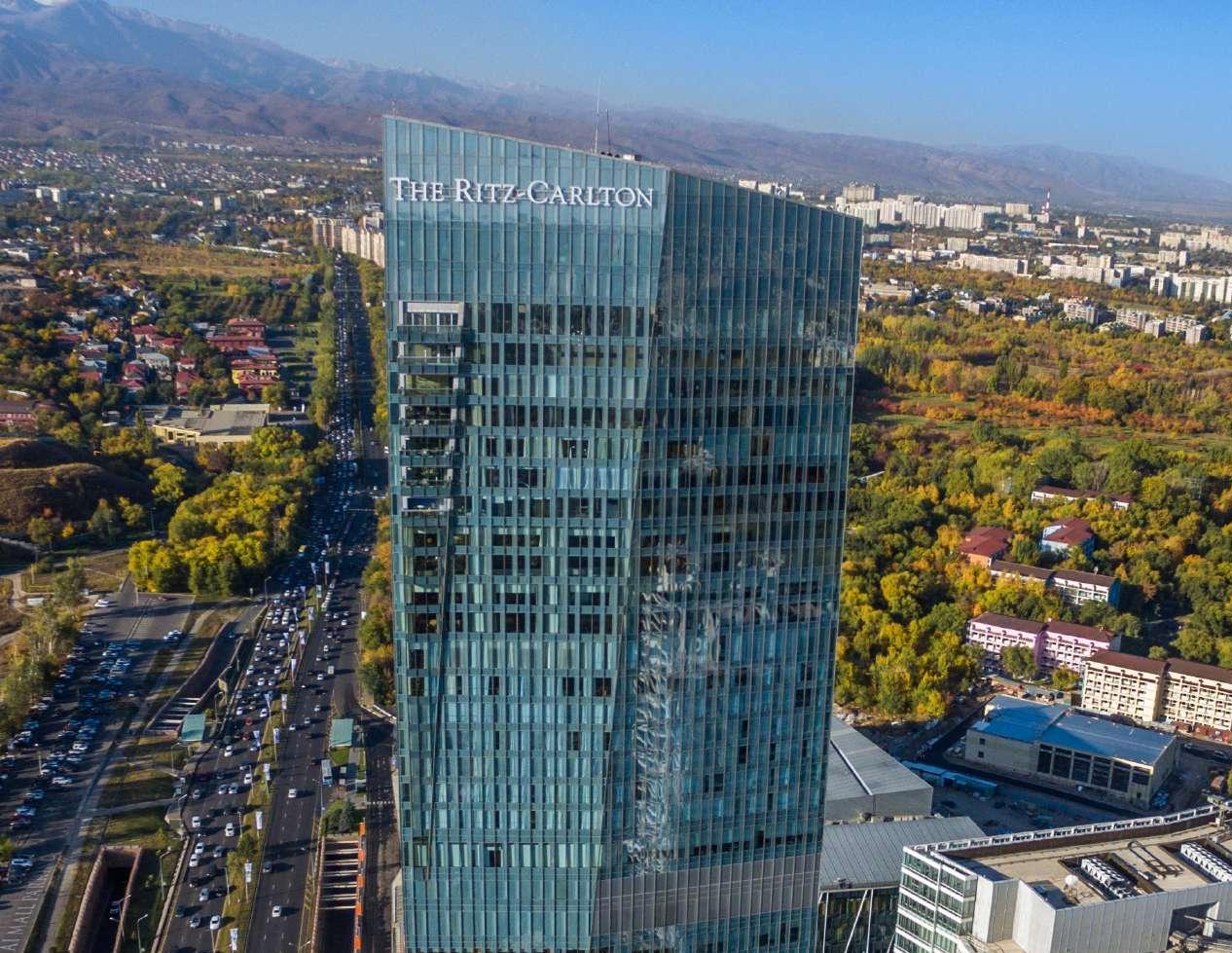
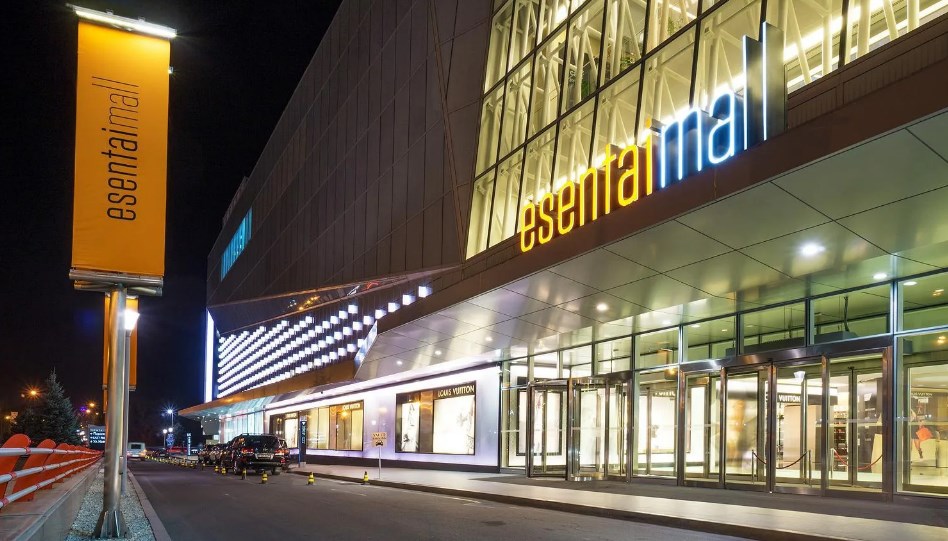
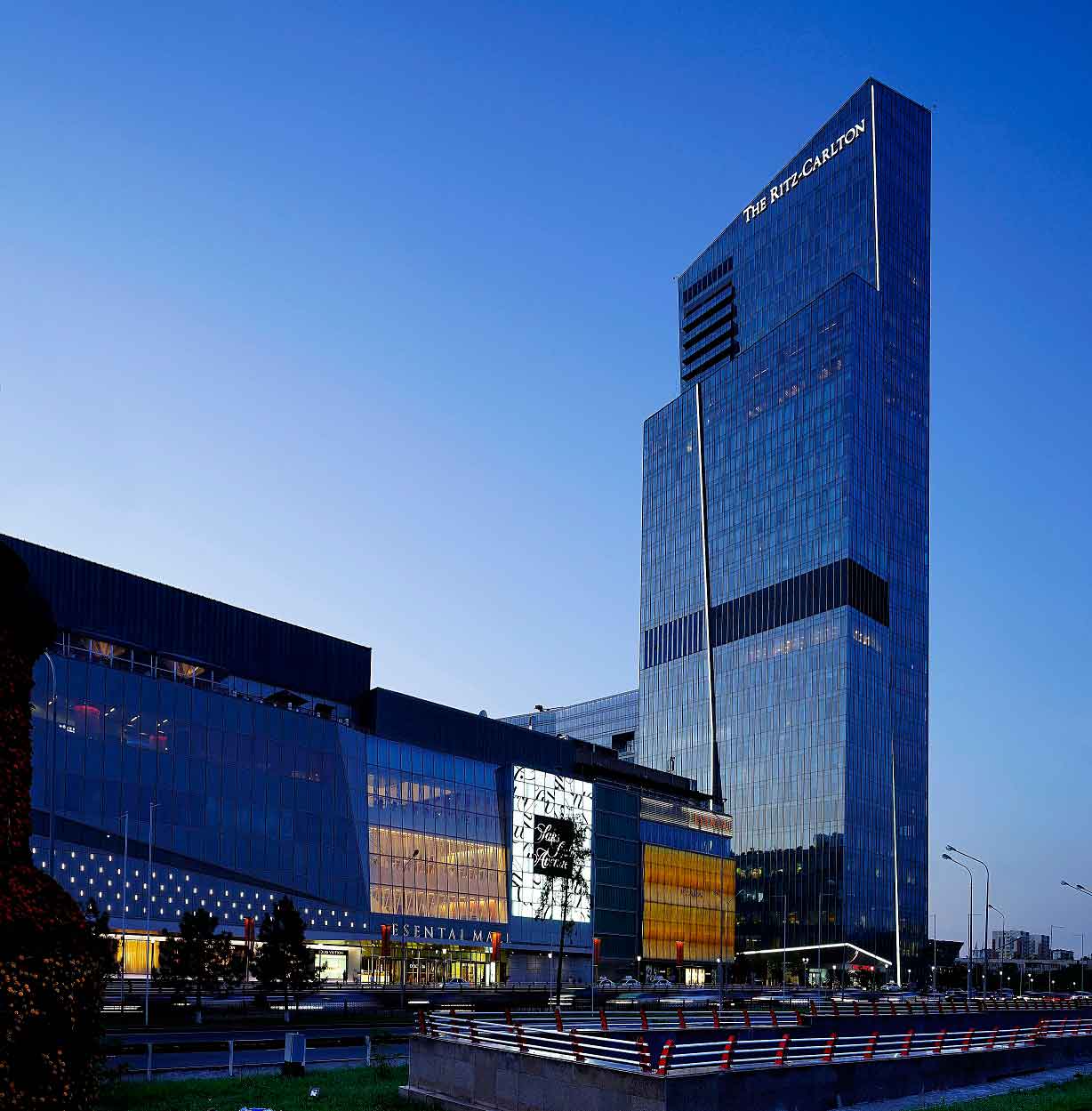
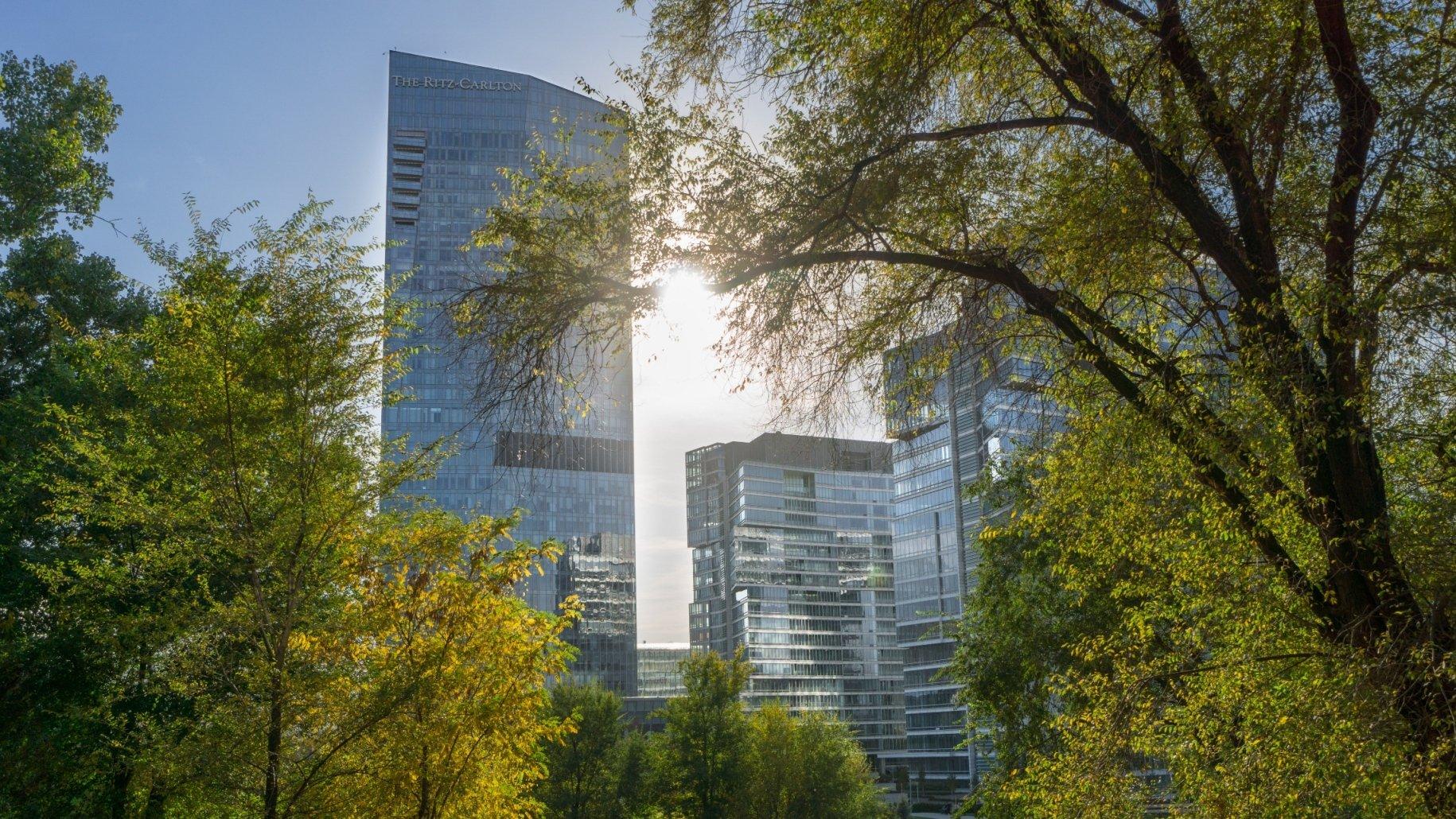
The Esentai development — centered on the 168-meter Esentai Tower on Al-Farabi Avenue — is the primary node of Almaty's international luxury economy. The Ritz-Carlton sits in the tower alongside high-end residences; the adjacent Esentai Mall anchors the retail and dining component; the address has become shorthand for a particular version of Almaty — internationally connected, globally comparable, prosperous in a way that is both impressive and, depending on your perspective, slightly bewildering in a country that thirty years ago was part of the Soviet Union.
What Esentai Is
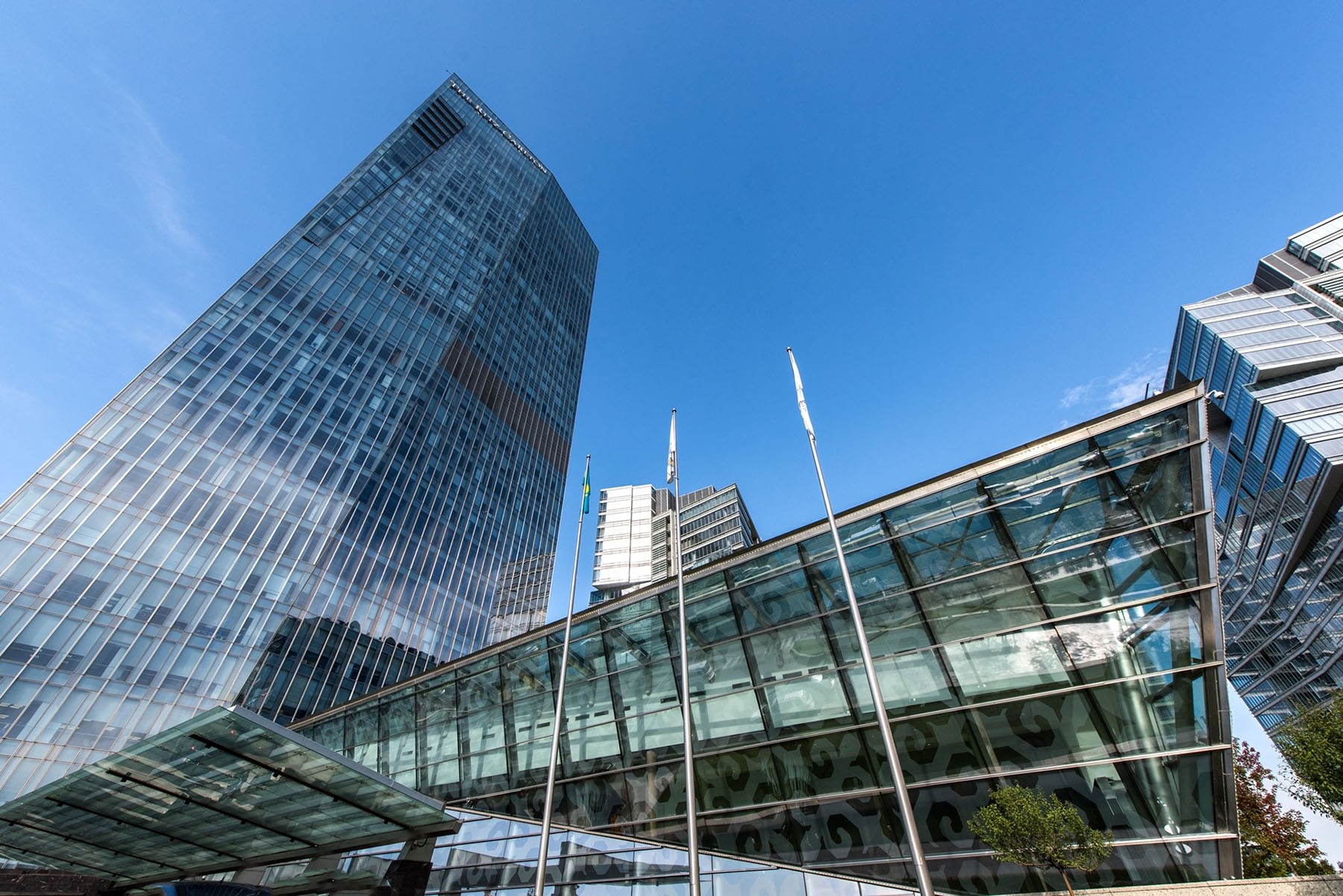
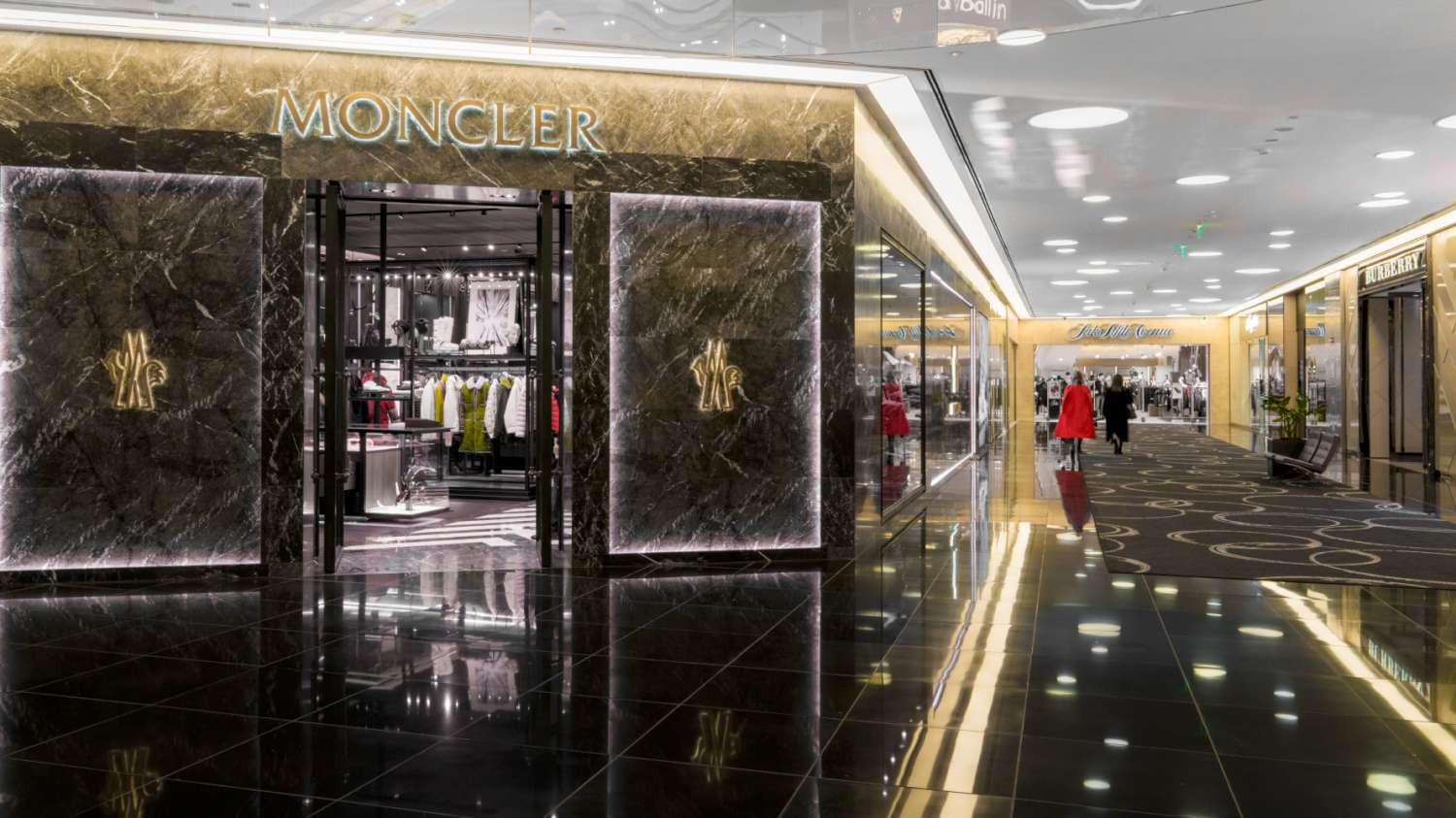
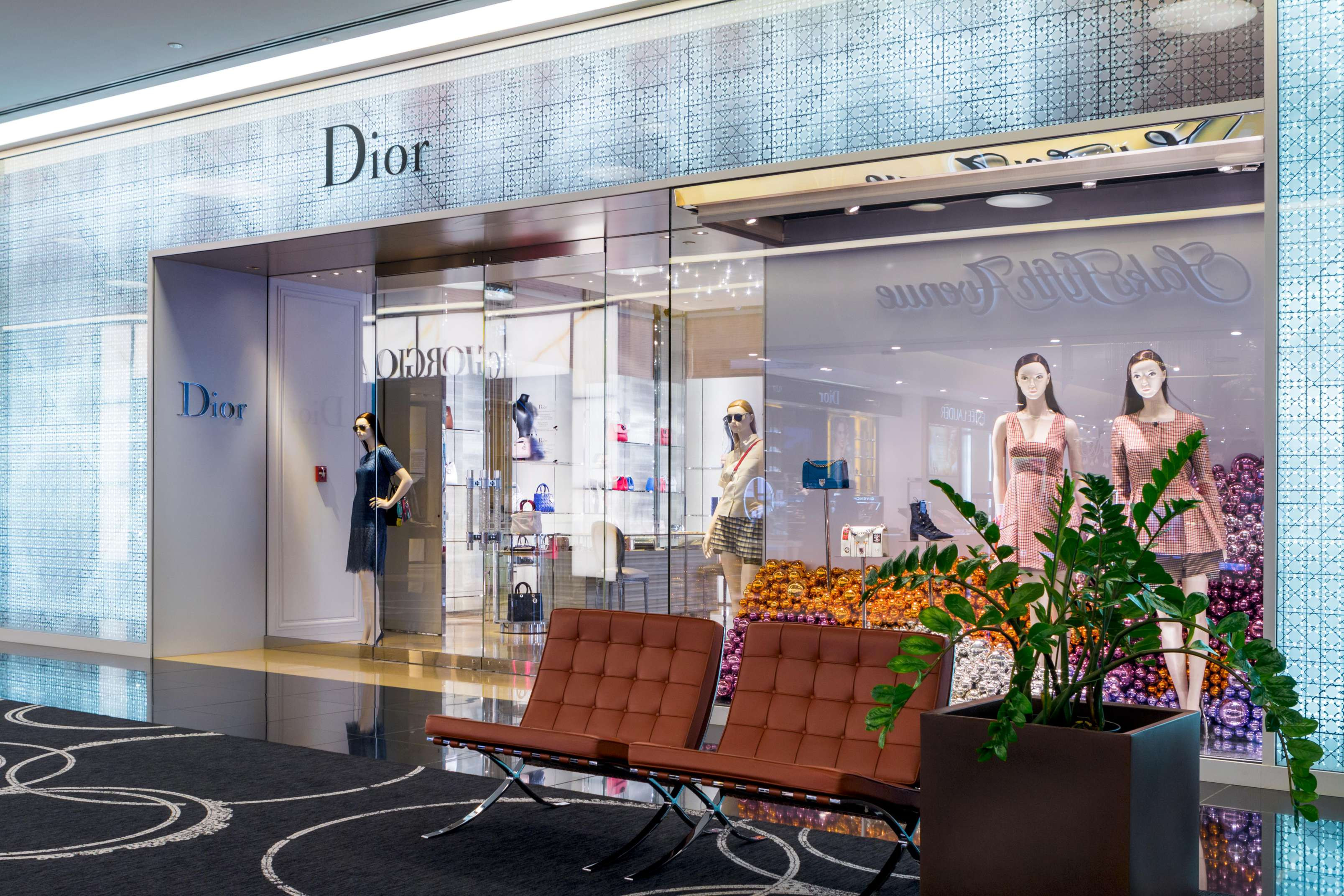
The development was completed in 2008 and has served as the benchmark for luxury in Almaty ever since. The tower's glass form is straightforwardly international in its architecture — it could be in Seoul or Frankfurt or Dubai, and the design made no particular effort to reference Central Asian aesthetics. The mall that extends from its base is more differentiated: it is small enough that the luxury retail feels curated rather than overwhelming, and the mix of international brands alongside Kazakh and Central Asian designers and food options gives it a local character that distinguishes it from purely generic luxury shopping.
The setting on Al-Farabi Avenue, in the city's southern foothills neighborhood, puts Esentai at the point where Almaty begins its visible ascent toward the mountains. The Tian Shan is south and visible from most of the development's outdoor spaces. This is either an extraordinary luxury amenity — mountain views from a marble terrace — or a remarkable piece of contextual irony, depending on what you make of luxury retail in general. Probably both.
The ‘Wow-Factor’
The wow factor at Esentai is the view, and the view is the mountains.
This sounds simple but it is not. The Tian Shan is visible from many points in Almaty, but the height and position of the Esentai Tower on the city's southern slope creates a viewing angle and scale that most other urban vantage points cannot match. Looking south from the tower's upper levels, the ridgeline fills the horizon from east to west — not as a backdrop but as the main event, the city something that happened in the foreground. The snow-covered peaks, the dark descending slopes, the pine forests visible at mid-elevation, and then the buildings of Almaty arranged on the slope below — the view clarifies the relationship between city and mountain that Almaty exists within, and that relationship is the city's most distinctive geographical fact.
The second wow factor is the collision of contexts. Walking through an internationally designed luxury development in a city that in 1991 was the capital of a Soviet republic, looking out at a mountain range that for most of human history was accessible to nomads and yaks — the cognitive dissonance is pleasurable rather than disturbing if you approach it with curiosity rather than judgment. This is Almaty doing what Almaty does: existing at the intersection of multiple histories and multiple scales, none of which entirely explains the others.
There is also something genuinely striking about arriving in Almaty from elsewhere in the world — from a city where luxury development is ordinary, where skyscrapers are infrastructure rather than statement — and finding here an equivalent that is both instantly recognizable and unmistakably specific to its location. The marble and the mountain in the same frame. The imported and the irreducibly local in perfect collision. That's the wow.
Deep History & Culture
To understand Esentai Tower, you have to understand what Almaty was in 1991, and what the intervening thirty-five years have produced.
When Kazakhstan declared independence in December 1991, Almaty (then still officially Alma-Ata) was a Soviet city — competently planned, architecturally austere, with the full range of Soviet-era institutional buildings, collective housing blocks, and the particular urban aesthetic that the command economy produced. It was also a city of two million people at the foot of the Tian Shan, with natural endowments that Soviet planning had never found a way to monetize internationally.
The transition period of the 1990s was difficult and disorienting, as it was throughout the former Soviet sphere. The opening of Kazakhstan's economy — and the discovery that the country sat on extraordinarily large hydrocarbon reserves — produced, over the following decade, the capital accumulation that eventually found physical expression in developments like Esentai.
The Development of Al-Farabi Avenue
Al-Farabi Avenue, the broad east-west artery along which Esentai sits, became the prestige corridor of Almaty's post-Soviet development. Named for Al-Farabi, the 10th-century Central Asian philosopher (born near present-day Shymkent), the avenue runs through the city's southern foothills district and accumulated, through the 2000s and 2010s, the major international hotels, luxury retail, and high-end residential development that constitute Almaty's modern face.
The Esentai development, completed in 2008, was the architectural expression of that accumulation. The tower's 168-meter glass form was a deliberate assertion of global ambition — Almaty signaling its place in the international economy of luxury and investment. The Ritz-Carlton's choice to open its first Central Asian property here was read, correctly, as a confirmation of that signal.
The Question of Authenticity
The history section of an article about a luxury tower might be expected to engage in some gentle dismissal — the suggestion that Esentai represents something imported and inauthentic, laid over the "real" Kazakhstan. That reading misunderstands how cultures actually work. Almaty's engagement with international luxury is as genuinely Kazakh as the Kazakh Khanate was — both are responses to the conditions and possibilities of their era. Kazakhstan's oil wealth, its determination to build a globally comparable capital city and a globally recognizable commercial address, its aspiration to be seen as a participant in the international economy rather than a post-Soviet footnote — all of these are authentically Kazakh ambitions, even when expressed in glass and marble designed by international architects.
The Tian Shan behind the tower was there before the nomads named it. It will be there when the tower has been renovated several times over. In that context, Esentai is simply the latest thing to happen on this particular piece of Almaty's slope, and the mountains, as always, are not particularly impressed.
Practical Digital Logistics
Esentai sits on Al-Farabi Avenue in the southern foothills district of Almaty, and is of the easier major destinations in the city to reach.
Getting There
From central Almaty, a taxi to Esentai costs approximately $3 to $6 and takes fifteen to twenty minutes depending on traffic. Yandex Go and inDrive are the standard ride-hailing apps; both work reliably in this part of the city. The Almaty Bus network also runs routes along Al-Farabi Avenue; the stop nearest the tower is a short walk from the main entrance. If you are staying at a hotel in the central or southern districts, the walk along the tree-lined avenue to Esentai is pleasant and takes about thirty to forty minutes.
If you are arriving from the airport, Almaty International Airport is roughly 20 to 25 kilometers from Esentai. A taxi from the airport costs approximately $10 to $20 depending on the service. The Almaty metro connects downtown to areas near the airport, but requires a taxi for the final leg to Esentai.
Entry and Access
The Esentai Mall is free to enter and open to all; no tickets or reservations required for the shopping and dining areas. The Ritz-Carlton hotel occupies the tower above the mall and is accessible for guests and for dining and bar reservations. A non-resident visit to the Ritz-Carlton bar or restaurant for a coffee or drink — to experience the tower's mountain views at height — costs approximately $8 to $20 per person for drinks. Reservations are advisable for the restaurants.
The mall's opening hours are typically 10 a.m. to 10 p.m. daily; the Ritz-Carlton operates around the clock.
What to Expect
Dress code inside the mall is relaxed — this is a shopping center, and the standard range of Almaty clothing applies. The hotel areas have a more formal atmosphere without explicit dress codes; presentable clothing is appropriate. The outdoor terrace areas around the development, where the Tian Shan views are most directly available, are accessible without any particular requirements.
Connectivity
Wi-Fi is available throughout the mall and hotel areas. Mobile signal from all providers is excellent. The parking infrastructure around Esentai is large and designed for volume; if you are driving, space is generally available outside peak weekend shopping hours.
Must-Do Activities
The activities at Esentai are, in the main, the activities of a well-designed luxury development: shop, eat, drink, and look at the mountains. The shopping and eating are genuinely good; the mountain view is exceptional.
Dining at the Ritz-Carlton
The restaurant and bar facilities in the Ritz-Carlton are among the best in Almaty, and visiting them without staying in the hotel is entirely normal and welcome. The bar on the upper floors is the main draw for the view — the Tian Shan from this height, particularly at dusk when the peaks catch the last light and the city below begins to illuminate, is of the better cocktail-hour views available in Central Asia. Budget approximately $15 to $30 for drinks in this setting. Dinner at the main restaurant costs approximately $40 to $80 per person.
Shopping in the Mall
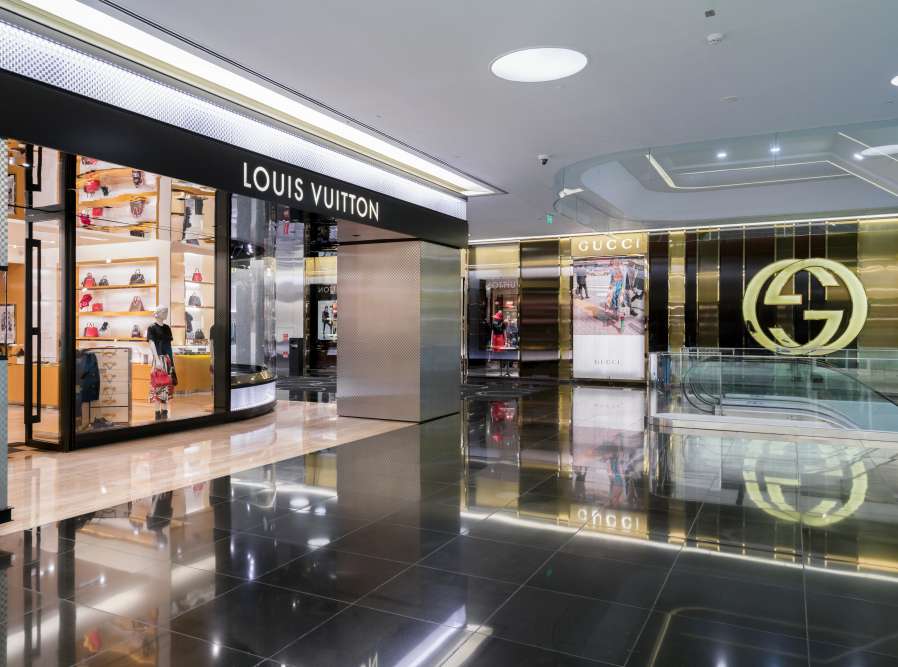
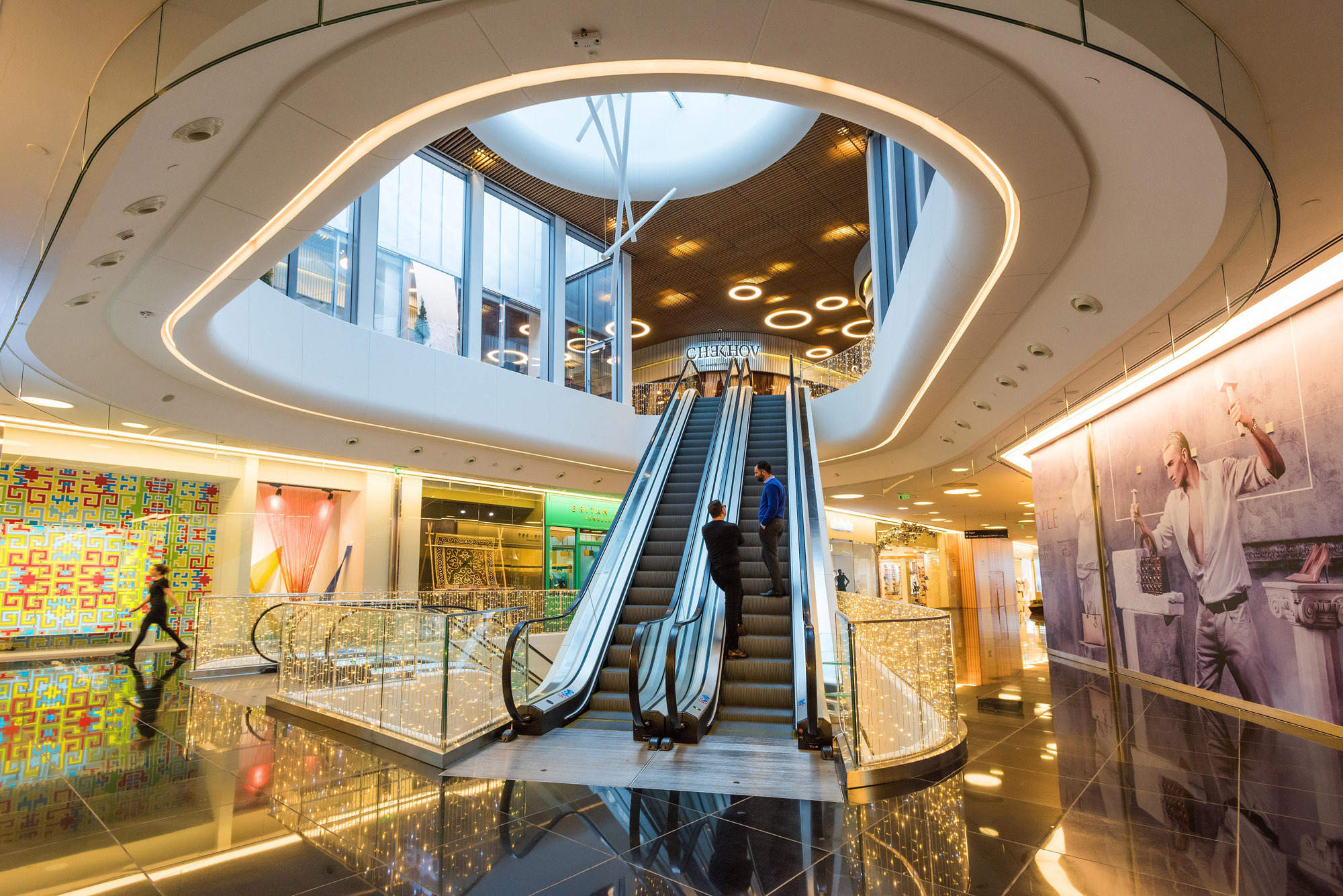
Esentai Mall contains the usual roster of international luxury brands — the whose shops you have seen in every luxury mall in every city where serious money concentrates. These are not the reason to visit. The reason to visit is the Kazakh and Central Asian designers whose boutiques occupy a section of the mall alongside the international names. Several Almaty-based fashion designers have their primary retail presence here, and the combination of Central Asian textile traditions with contemporary design thinking produces clothing that is genuinely distinct. The craft and homeware section similarly contains objects that are worth time and consideration, and occasionally considerable money.
The Outdoor Terrace Areas
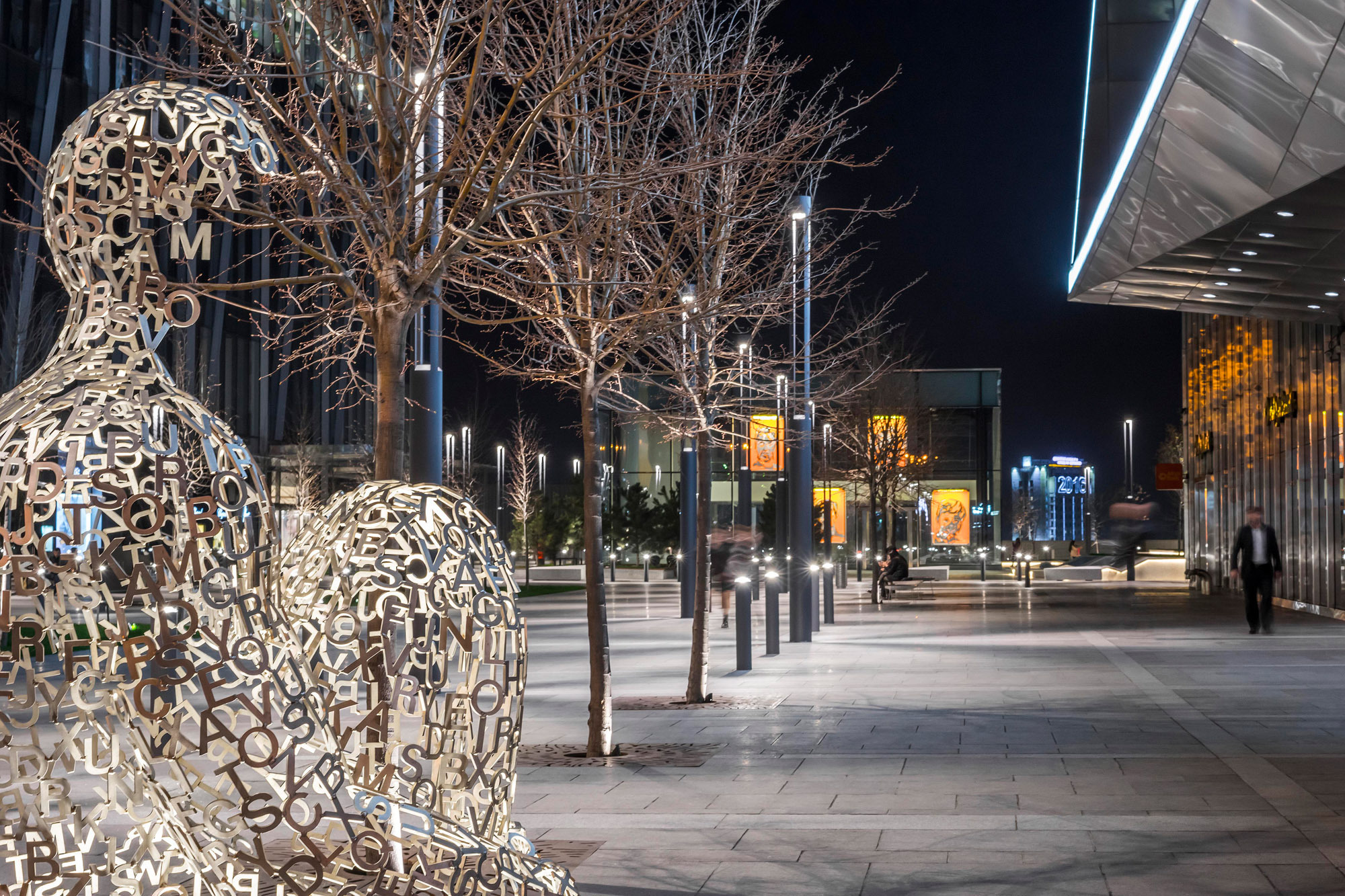
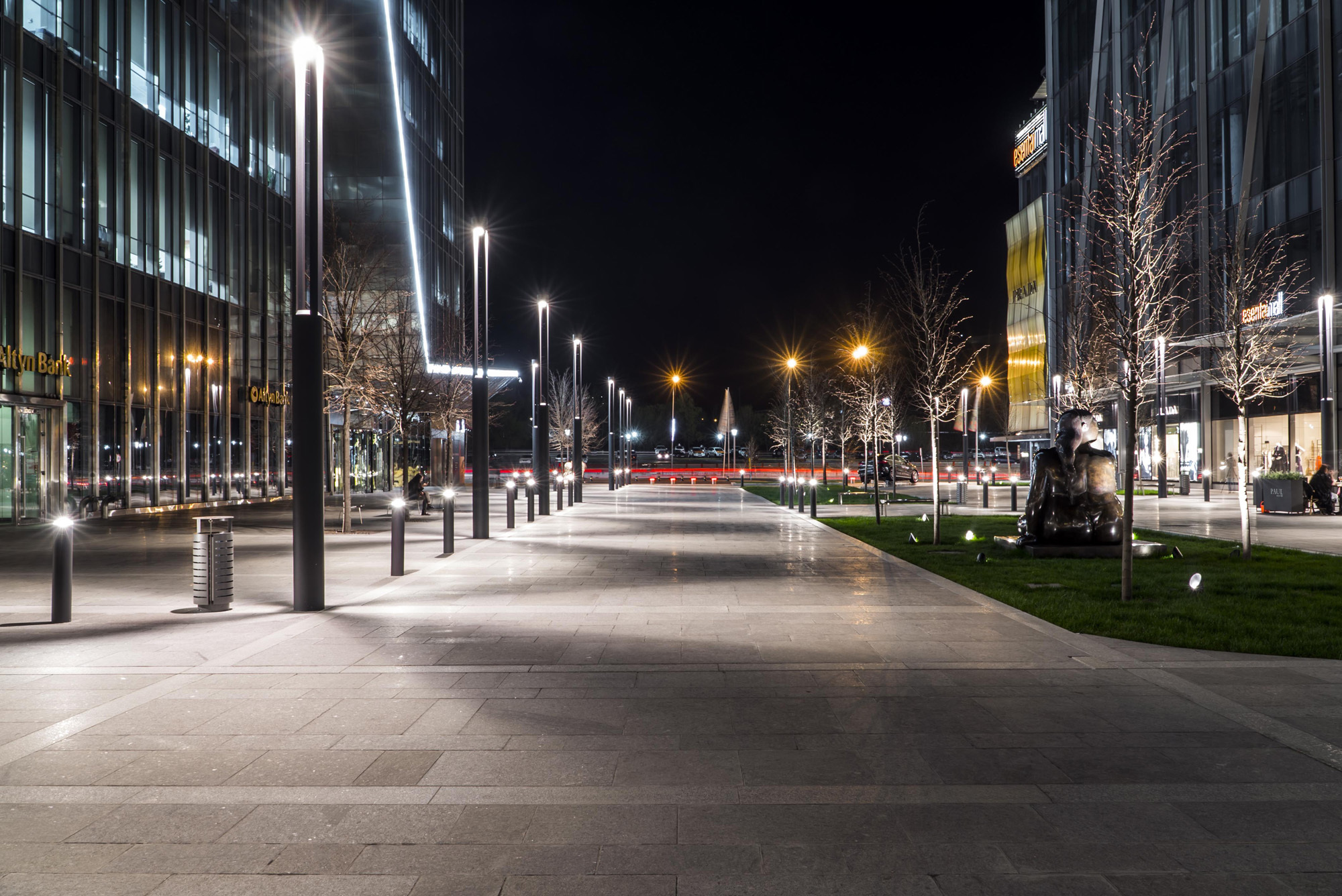
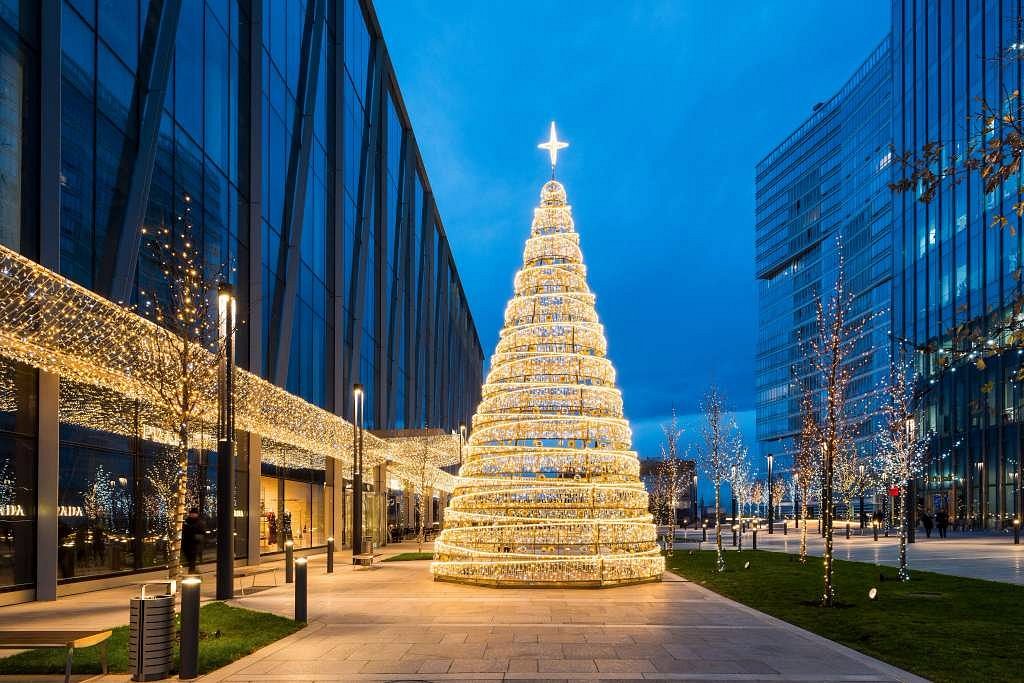
The spaces around the base of the tower and between the mall and the surrounding Al-Farabi corridor are designed for sitting in, and in good weather they are worth using. The mountain view is best from the southern terraces; the afternoon light on the tower's glass facade is reliably dramatic and makes the building somewhat more interesting to look at than its functional international architecture might suggest at first glance.
The Surrounding Neighborhood Walk
Al-Farabi Avenue in this section — wide, tree-lined, the Tian Shan at the end of every southward sightline — is of the more pleasant urban walks in Almaty, and the area around Esentai includes several independent cafes and restaurants in the residential streets nearby that offer food and coffee well outside the luxury price register. A neighborhood walk that starts at Esentai and extends into the side streets behind it gives a more layered picture of the southern foothills district than the development itself provides.
Local Flavors & Amenities
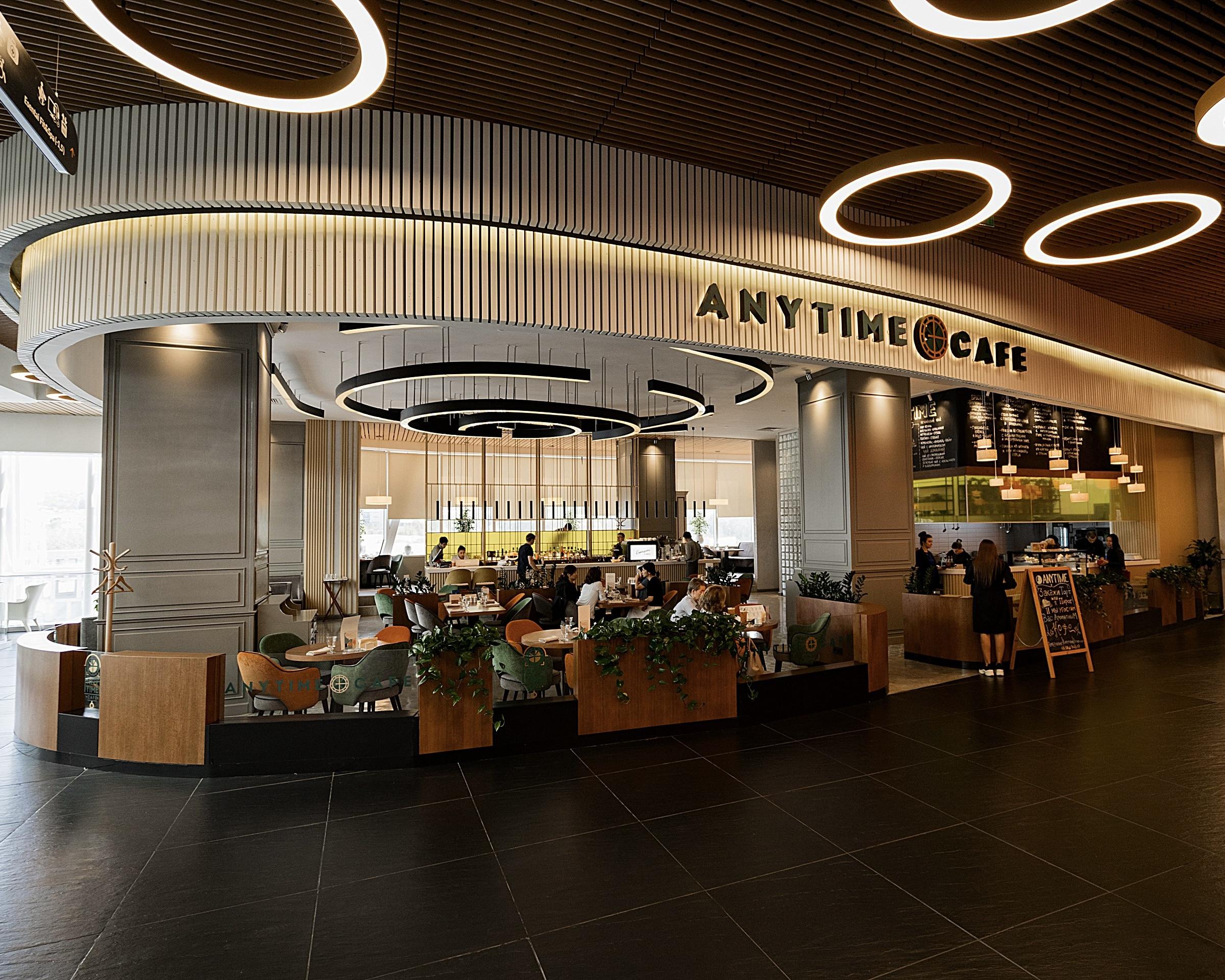
The food inside Esentai Mall ranges from genuinely excellent to the kind of international fast casual that requires no comment. The range is wider than at most luxury malls, reflecting Almaty's increasingly sophisticated food culture.
Dining Inside the Development
The Ritz-Carlton's restaurants represent the top of the Almaty dining hierarchy: impeccably sourced ingredients, international kitchens with serious technique, prices that are high by Central Asian standards but comparable to equivalent dining in European or Middle Eastern cities. Dinner for two with wine costs approximately $100 to $180. The hotel's more casual dining options are less expensive; the breakfast buffet, while priced at around $25 to $35 per person, is extensive and the mountain view it includes is not available at most breakfast tables.
The food court and casual dining section of Esentai Mall covers a range of cuisines — Japanese, Italian, burgers, Kazakh — at prices in the $8 to $20 per person range. Quality varies; the Kazakh and Central Asian options tend to outperform the international in the mall food court context, which is true of most shopping centers in most countries.
Beyond the Development
The greater value in food near Esentai lies outside it. The residential streets south and west of the tower — the neighborhoods of the foothills district on and off Al-Farabi Avenue — have a concentration of independent cafes and restaurants that charge reasonable prices and serve food that reflects what Almaty's food culture actually looks like. Good espresso coffee (Almaty has a serious specialty coffee scene) costs approximately $2 to $4. A full lunch at a good local Kazakh restaurant runs $8 to $15. These options are a ten to fifteen minute walk from the tower and offer experiences that no amount of luxury mall food can replicate.
Staying Near Esentai
The Ritz-Carlton is the obvious anchor accommodation for this destination; rooms start at approximately $200 to $300 per night and rise significantly for higher floors and suites. Several other international hotels — the Marriott and others — sit nearby on Al-Farabi Avenue in the same general price range. For visitors who want proximity to the southern foothills corridor without the full luxury price point, mid-range hotels in the Medeu district start at approximately $60 to $100 per night, and the area's independent restaurants and cafes more than compensate for a slightly more modest room.
Essential Insider Tips
A few practical observations for getting the most out of a visit to Esentai.
Go at Dusk for the View
The Tian Shan view from the Ritz-Carlton bar is best in the hour before sunset, when the low sun lights the peaks from the west and the city below begins to activate. If you are going to spend money here — and a drink at the bar is the most efficient way to access the tower's height without a room — the evening is the moment to do it. The light on the mountains in the last thirty minutes of the day justifies the cocktail price completely.
The Mall Is Better Than It Looks From Outside
Esentai Mall's exterior is glassy corporate modernism, which does not prepare you for the quality of some of what is inside. The Kazakh and Central Asian fashion boutiques are genuinely worth time; the work being done by Almaty's independent designers, drawing on felt-work patterns and Kazakh textile traditions and combining them with contemporary cut and material, is distinctive in ways that the international brands on the same floor are not. Give these boutiques more time than you might naturally allocate.
The Neighborhood Is Worth Exploring
The development itself is thing; the streets around it are another. The Medeu and foothills neighborhoods accessible within a twenty-minute walk of Esentai contain Almaty at its most livable: tree-lined streets, independent cafes, residential architecture that spans Soviet-era apartment blocks and new-build villas, and the Tian Shan always visible above the roofline to the south. Esentai is a starting point for exploring this neighborhood as much as a destination in itself.
Photography at the Tower
The glass facade of Esentai Tower is most photogenic in the morning, when the eastern light hits the glass and the mountains are reflected in the surface — the literal and figurative collision of modernity and wilderness that the building embodies. A wide-angle lens captures the full height; a telephoto from the other side of Al-Farabi Avenue isolates the reflection of the mountain ridgeline in the glass panels. The tower in this light is actually a more interesting subject than its architecture alone would suggest.
One Honest Note
Esentai is not essential Almaty. It is a particular and revealing fragment of Almaty — the prosperous, internationally connected, petroleum-economy Almaty — but the city's character is spread much more widely and much more deeply than any luxury tower. Come here, eat here, look at the mountains from here. Then go somewhere else that the Almaty of 1991 would also recognize.
Sustainability & Community
The sustainability conversation around a luxury tower in a Central Asian city is an interesting to have honestly.
The Environmental Footprint
A 168-meter glass skyscraper is not, by definition, a low-impact building. The energy demands of the Ritz-Carlton, the cooling and heating loads of a glass-curtain-wall tower in a city with -25°C winters and 35°C summers, the consumption patterns of the luxury guests who stay there — these are real, and they do not disappear because the view is beautiful. Esentai operates in a city that draws its energy from a regional grid that is still predominantly powered by coal. The building's existence is a significant carbon statement, and acknowledging that is the starting point of any honest sustainability conversation about it.
What the Development Does for the City
On the other side of the ledger: Esentai Mall employs several hundred Almaty residents in a range of roles. The Ritz-Carlton trains service staff to international standards, creating skills and employment that have value beyond the hotel itself. The Kazakh and Central Asian designers who have their primary retail presence in the mall benefit from a platform that gives them access to the international business travelers and tourists who are their primary customers for premium work. The development has contributed to the tax base that funds Almaty's municipal infrastructure.
These are not trivial contributions. A luxury development in a city that is building its international profile does real work, and dismissing that work because the development is expensive is a form of economic snobbery that does no any good.
Supporting Independent Creators
The most direct positive contribution a visitor to Esentai can make is to spend money on the independent Kazakh designers and craft producers rather than the international franchise brands. The international brands' revenue leaves Kazakhstan; the local designers' revenue stays. The craft and fashion boutiques in the mall that represent Almaty's creative economy are the businesses most worth supporting, and they are genuinely good — not consolation prizes alongside the real shopping, but destinations in their own right.
The View and What It Asks
Standing at the Ritz-Carlton bar looking at the Tian Shan, it is worth remembering that the mountains were there before the tower and will be there long after it. That temporal perspective is available in Almaty in a way it is not available in cities built on flat plains — the mountains provide a constant frame of reference that puts human ambition in context. Esentai is impressive. The mountains are not particularly impressed. Holding both of those truths simultaneously is probably the most useful thing this view can offer.
Key Facts
- Modern Landmark
- Standing 168 meters tall, Esentai Tower is one of the tallest buildings in Kazakhstan and a symbol of Almaty's modern growth.
- Luxury Hub
- The tower houses the prestigious Esentai Mall and the Ritz-Carlton Almaty, offering the highest level of luxury in Central Asia.
- Panoramic Dining
- The upper floors feature world-class restaurants with 360-degree views of the Almaty skyline and the Trans-Ili Alatau mountains.
- Architectural State
- Designed by the world-famous architectural firm SOM, the tower's glass facade reflects the changing colors of the mountain sky.
- Corporate Pulse
- Serving as a primary financial center, the tower is the regional headquarters for major international banks and technology firms.
- Digital Status
- Recently, the tower operates as a 'Smart Hub' with sustainable energy systems and advanced digital visitor logistics.
Photo Gallery
Video coming soon
Esentai Tower
Loading map...Loading map...
Frequently Asked Questions
Have a question?
Ask and get answers in seconds!
Discussion 0
No comments yet. Start the conversation!
Leave a Reply