Kok-Zhailau: The Green Pasture
The most popular hiking plateau in Almaty. A wide alpine meadow connecting the Medeu and Big Almaty valleys.
Essential Profile
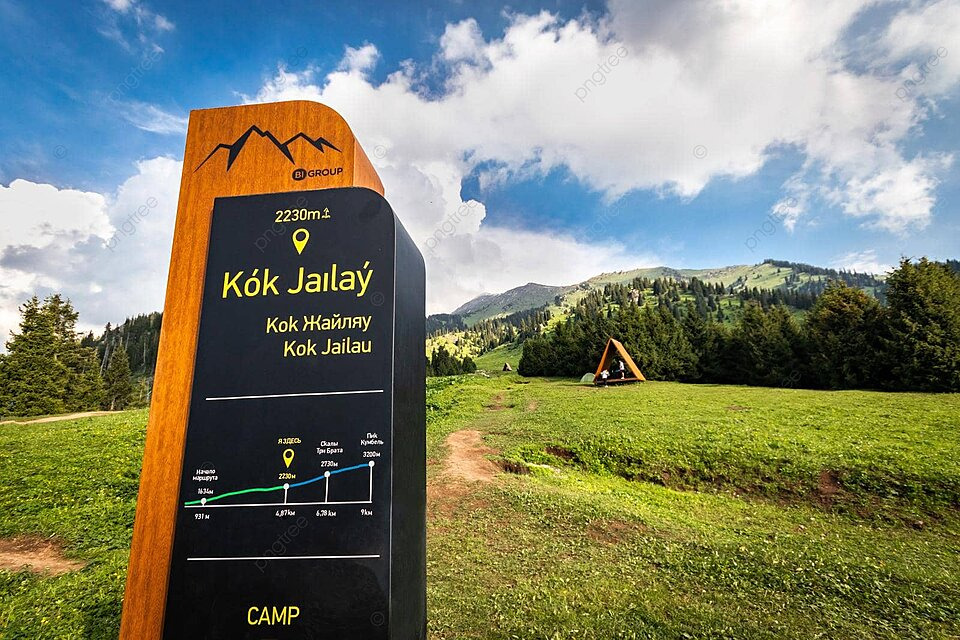
Kok-Zhailau, which translates from Kazakh as "green summer pasture," is a high-altitude plateau situated in the Zailisky Alatau range of the northern Tien Shan, directly south of Almaty. The plateau lies between the Bolshaya Almatinka and Malaya Almatinka river valleys at elevations between approximately 2,200 and 2,500 metres above sea level.
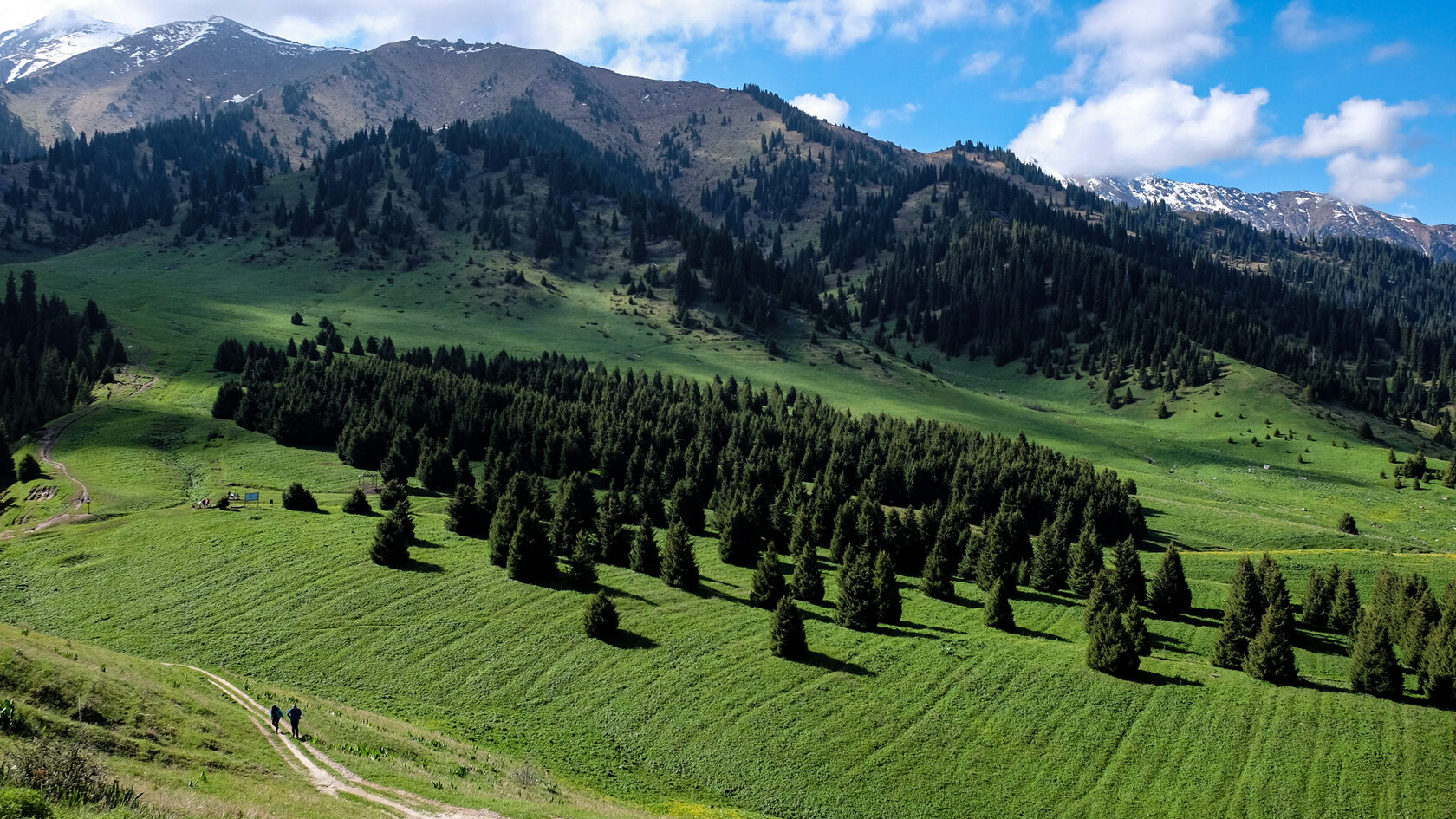
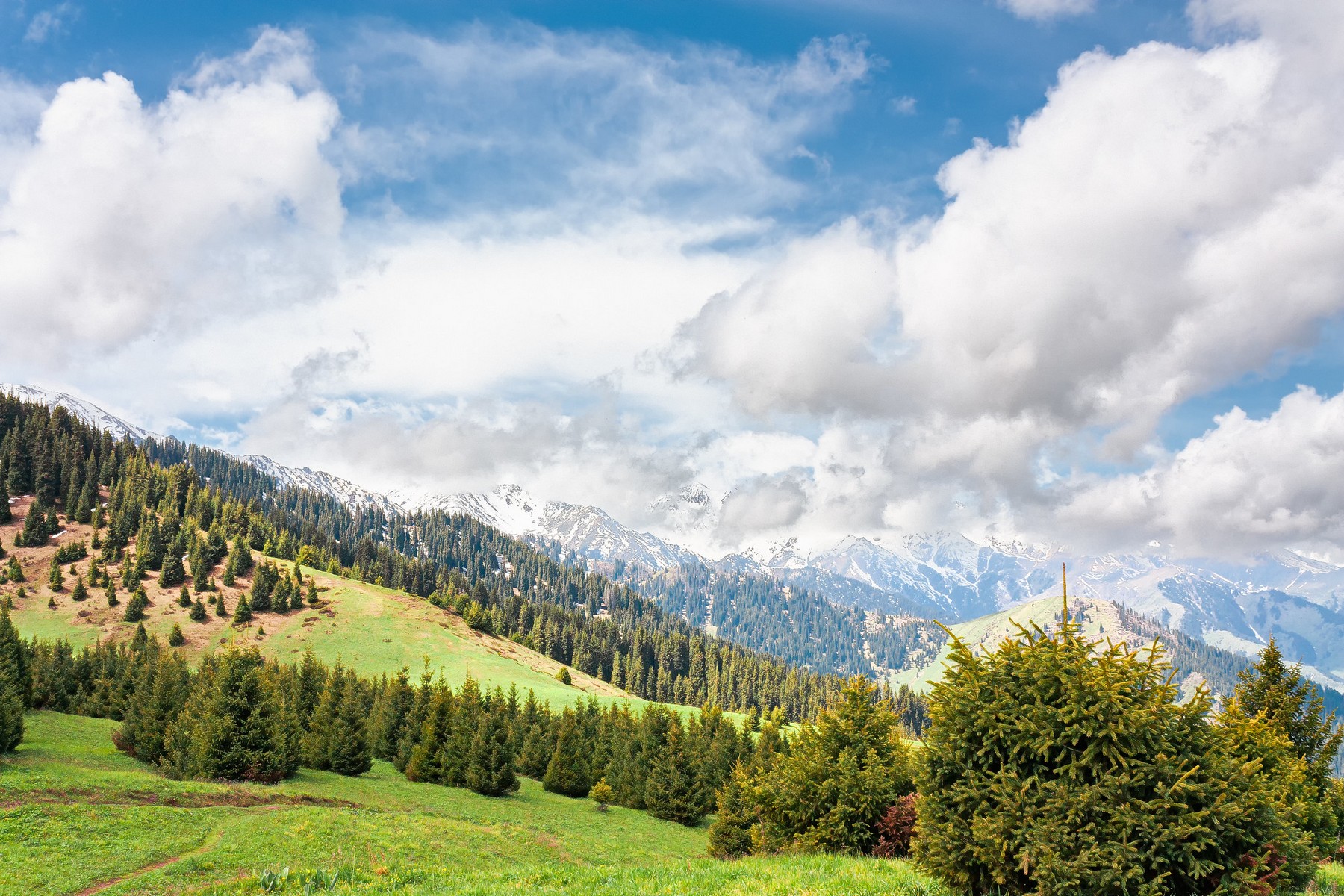
The site falls within the boundaries of Ile-Alatau National Park, a protected area established in 1996 that covers more than 199,000 hectares of mountain terrain south of Almaty. The plateau is characterised by open subalpine meadows, seasonal wildflower growth, and clear views toward the higher peaks of the Zailisky Alatau. The surrounding slopes support a mix of conifer forest at lower elevations transitioning to open grassland at altitude.
Kok-Zhailau is accessible on foot from the southern edge of Almaty, with the approach typically taking to two hours depending on the starting point. The area has historically served as summer grazing land and continues to function as a hiking and recreational destination for residents of Almaty and visiting travellers.
The ‘Wow-Factor’
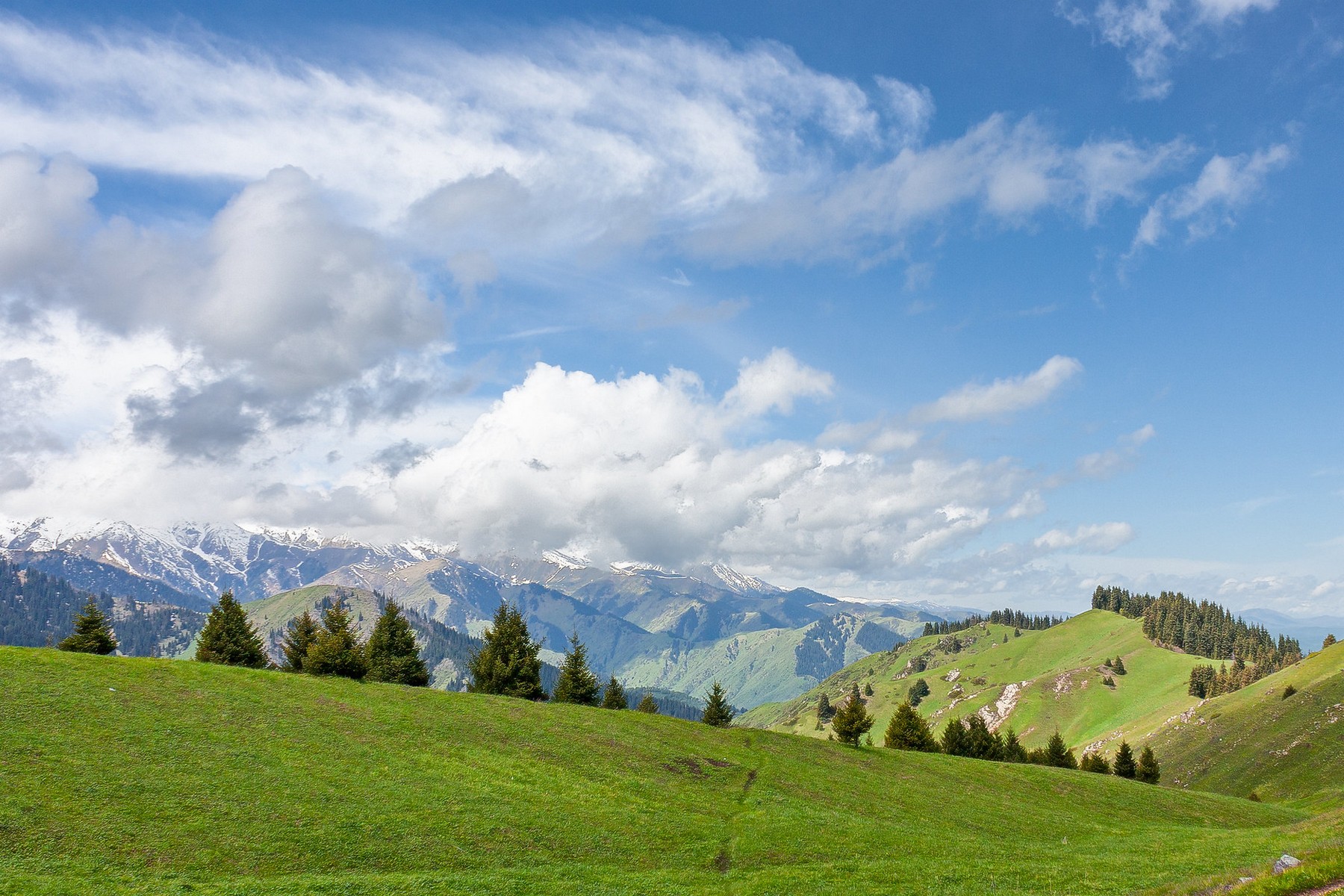
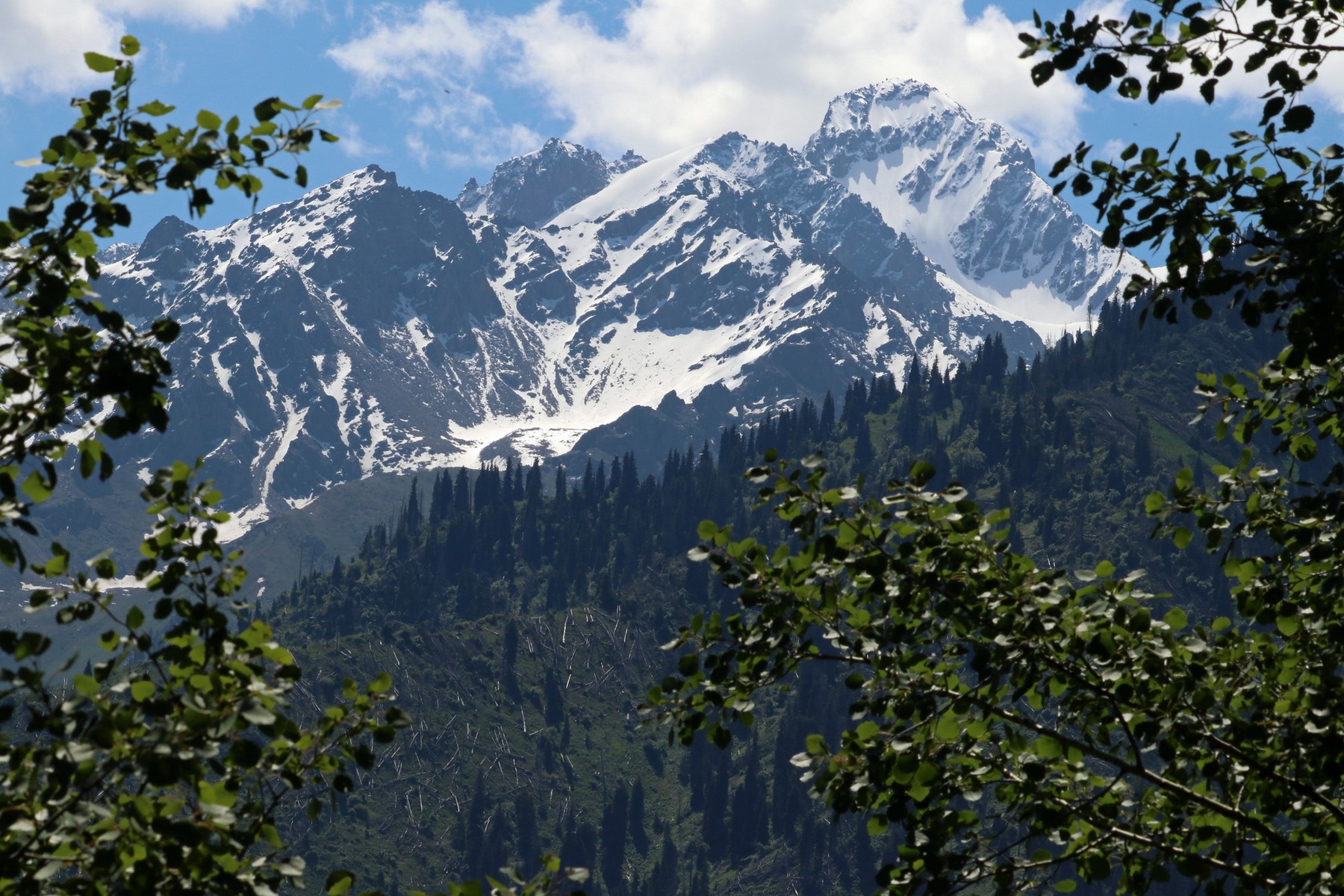
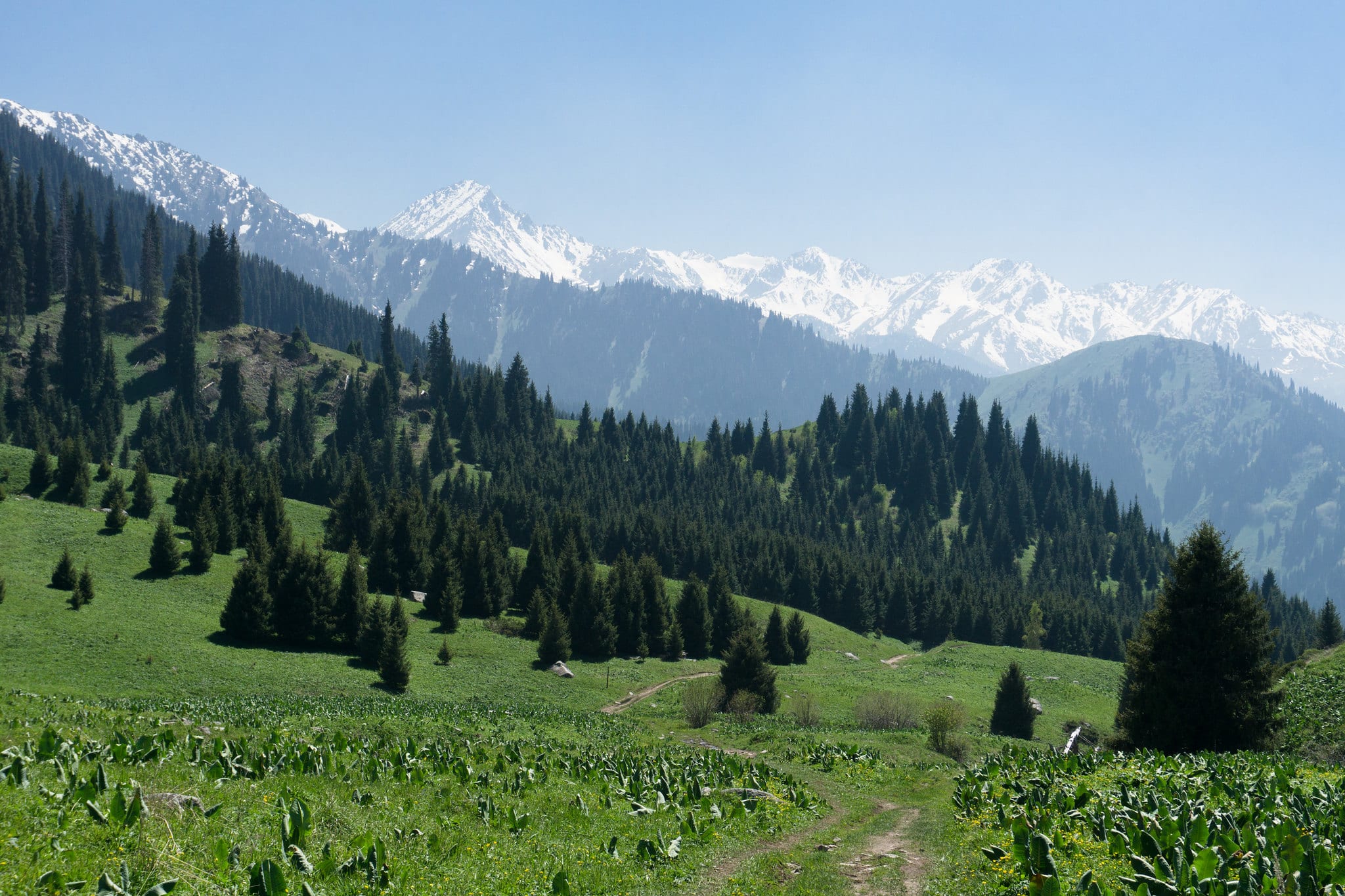
The principal appeal of Kok-Zhailau lies in its combination of accessibility and mountain character. The plateau sits at an elevation where the landscape opens from forested slopes into wide subalpine meadow, offering clear sightlines toward the peaks of the Zailisky Alatau to the south. On clear days, the higher ridgelines above 3,000 metres are visible from the plateau, providing a direct sense of the scale of the mountain range.
Visitors arriving from central Almaty reach the plateau after a relatively short ascent, which makes the change in environment notable. The shift from an urban setting to open mountain terrain within a couple of hours of walking is of the site's practical draws. The plateau itself provides open ground suitable for rest, with the sound of seasonal streams and alpine vegetation covering the surrounding hillsides.
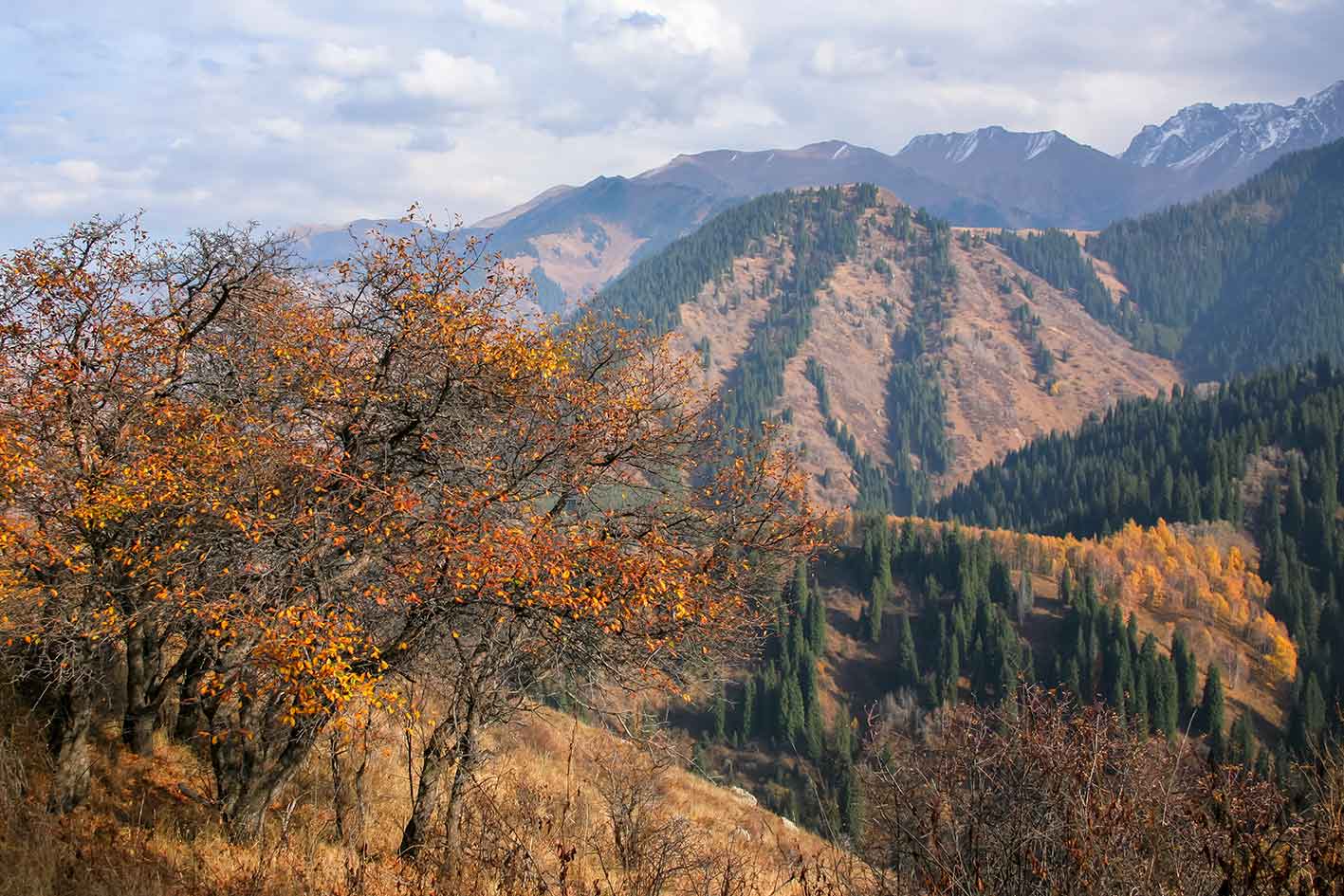
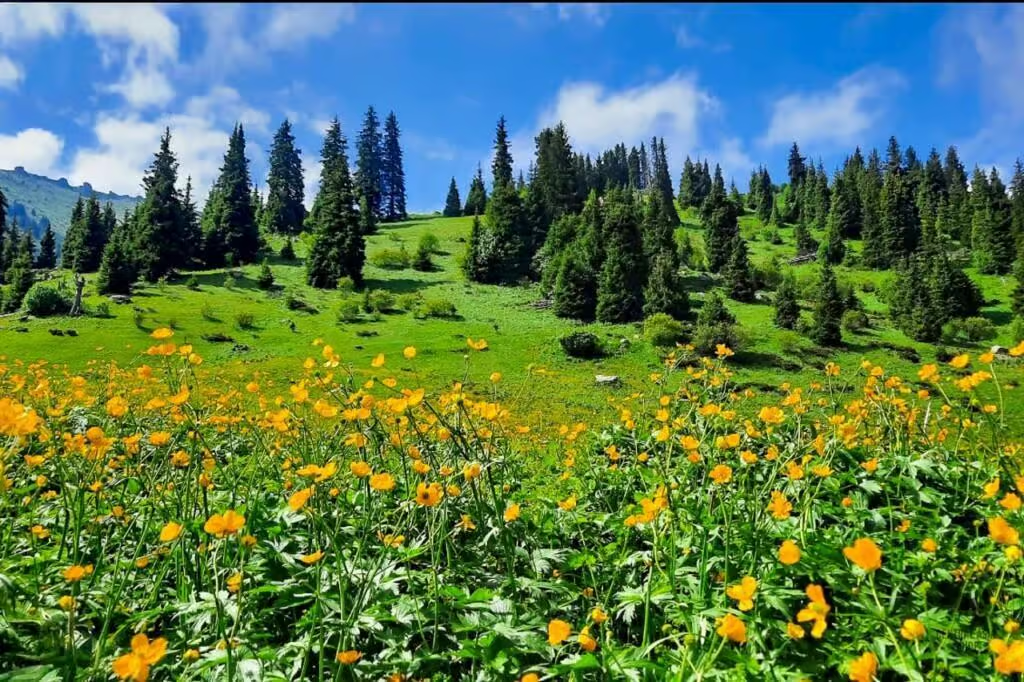
The area is most visited during spring and early summer when wildflowers are in bloom across the meadow. Autumn brings a change in colour to the hillside vegetation before the first snowfall closes higher routes.
Deep History & Culture
The Zailisky Alatau range, where Kok-Zhailau is located, has been used as summer grazing land by Kazakh nomadic communities for centuries. The word zhailau refers specifically to high-altitude summer pastures in Kazakh, and these elevated grasslands played a central role in the seasonal migration patterns of pastoral groups across Central Asia. Livestock would be moved to higher elevations during summer months when the mountain meadows provided fresh grazing, then returned to lower ground as winter approached.
The land south of what is now Almaty was part of the broader territory inhabited by Kazakh tribes of the Middle Zhuz and Great Zhuz, who traversed the Zailisky Alatau foothills across seasons. The city of Almaty itself developed from a Russian military and trading settlement established in the 1850s, and the surrounding mountain terrain gradually became associated with recreation and outdoor activity as the city grew through the Soviet period and beyond.
Within Ile-Alatau National Park, established in 1996, Kok-Zhailau is preserved as part of a protected mountain ecosystem that borders the densely populated city. The transition from intensive urban development to protected mountain terrain within a short distance is a defining characteristic of Almaty's geography.
Practical Digital Logistics
Kok-Zhailau is accessible from Almaty by several public and private transport options. City buses connect the centre of Almaty to the southern residential districts near the mountain foothills, from which the main hiking trail begins. Taxis and ride-hailing services operate throughout Almaty and can drop visitors at the trailhead near the upper edge of the city.
Entry to Ile-Alatau National Park requires the purchase of a visitor permit, which can be obtained at the park entrance gates located along the main access routes. Visitors should confirm current entry fees and permit requirements directly with the park administration, as these can change.
The trail to Kok-Zhailau from the city edge typically takes to two hours on foot and gains several hundred metres in elevation. Visitors should carry sufficient water, as reliable water sources along the trail may not always be accessible. Weather in the Zailisky Alatau can change quickly, and temperatures drop significantly above 2,000 metres even during summer months. Appropriate footwear and layered clothing are recommended. The main hiking season runs from approximately May through October, with snow possible at any time of year above 2,000 metres.
Must-Do Activities
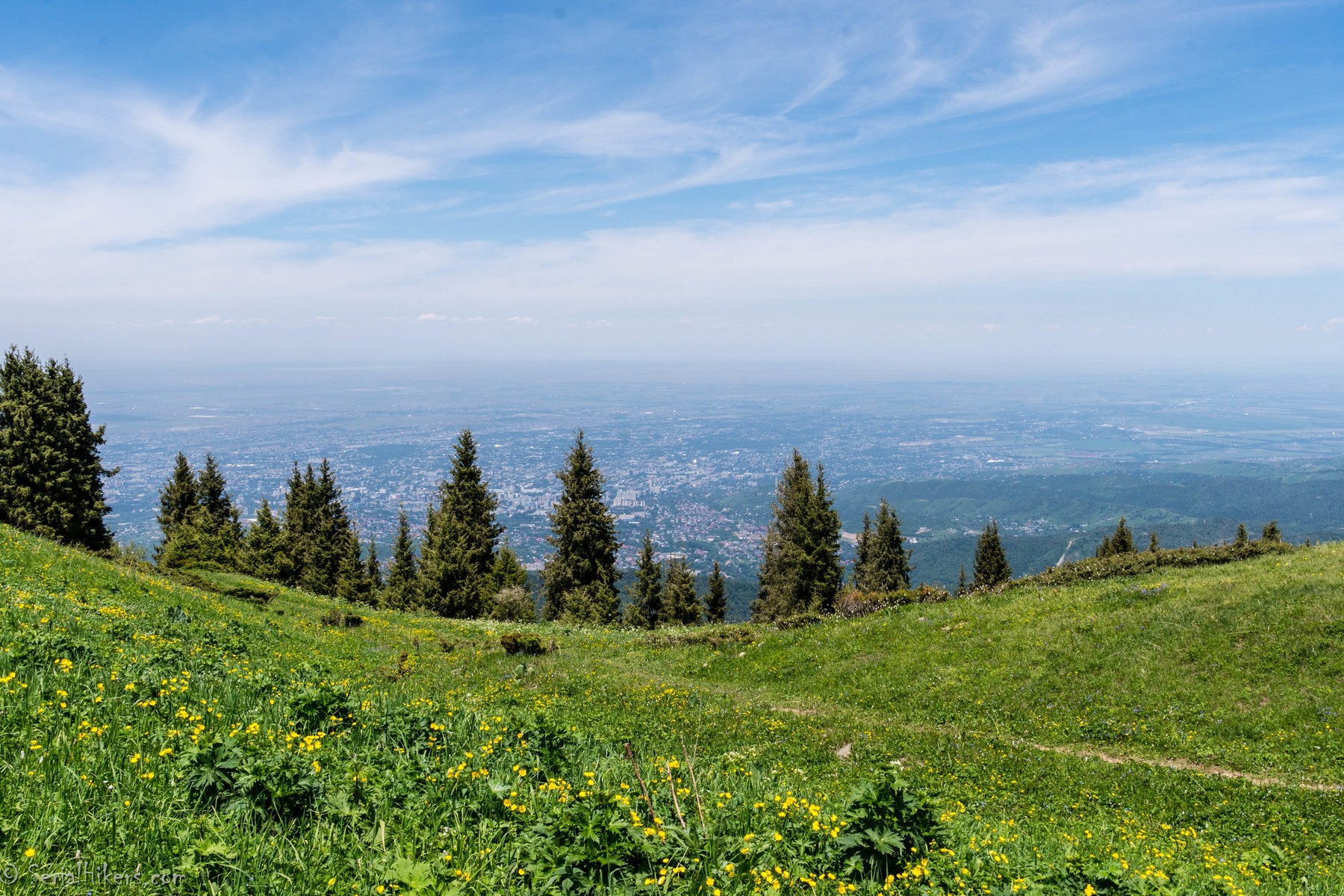
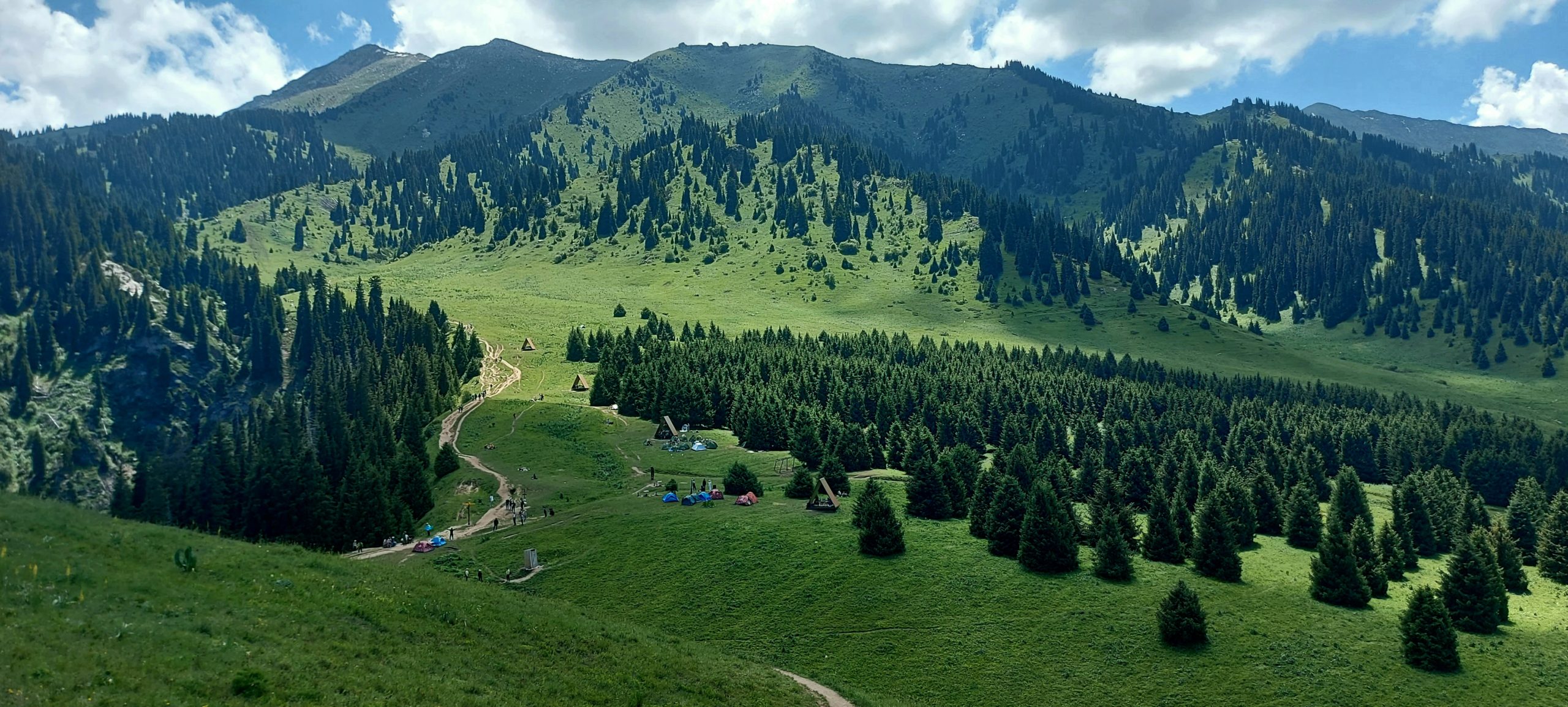
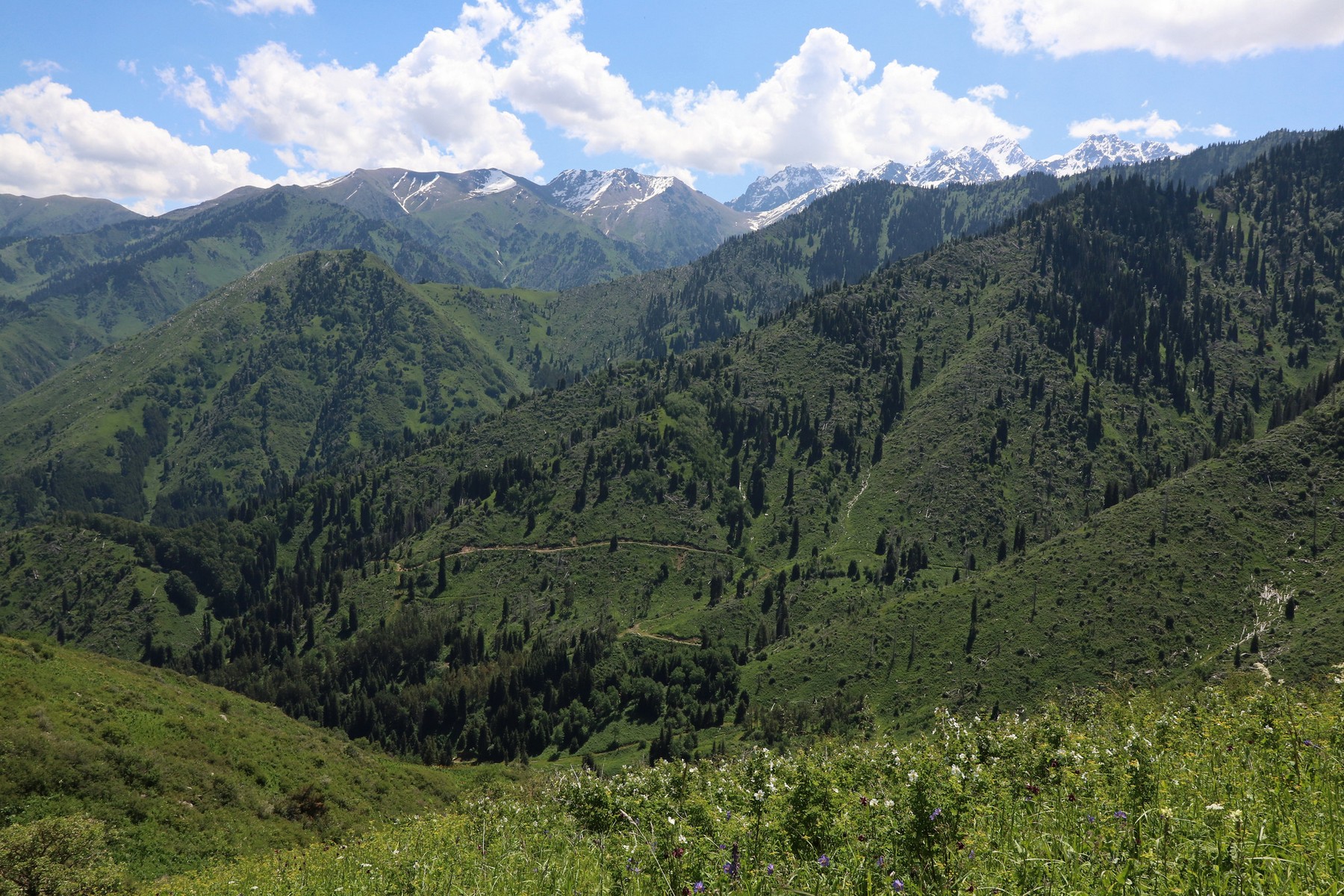
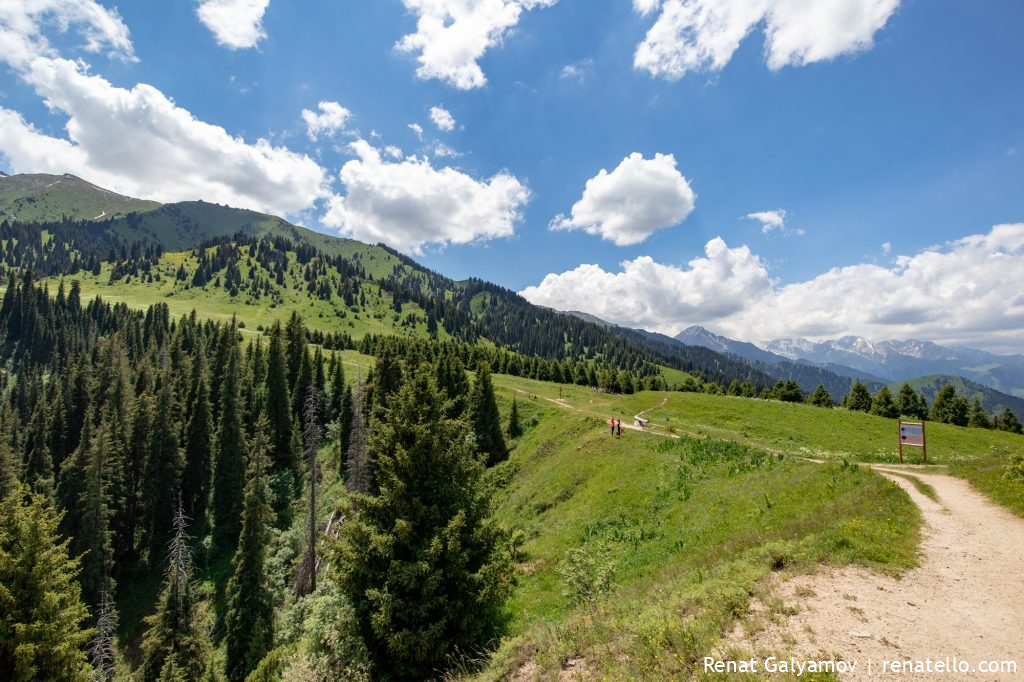
The primary activity at Kok-Zhailau is hiking. The trail from the southern edge of Almaty ascends through spruce and fir forest before opening the plateau meadow, offering views back toward the city and north across the Almaty valley. The route is well-trodden and manageable for visitors with a basic level of fitness, though the elevation gain warrants a measured pace.
Once on the plateau, visitors can walk across the open meadow terrain and explore the surrounding hillsides. On clear days, the southern ridge offers sightlines toward the main peaks of the Zailisky Alatau, including terrain above 3,000 metres. The area is used for photography, picnicking, and general outdoor recreation.
Visitors with more time can continue beyond the plateau to higher elevation routes that connect to other parts of the national park. These trails are better suited to experienced hikers with appropriate equipment. Photography is a common activity throughout the approach and on the plateau, particularly during the wildflower season in late spring and early summer, and again in autumn when the hillside vegetation changes colour.
Local Flavors & Amenities
Kok-Zhailau itself has limited food and accommodation infrastructure, as it falls within a protected national park area. Visitors should plan to bring their own food and water for day hikes, as there are no established cafes or restaurants on the plateau. Small seasonal vendors have occasionally operated near the trailhead and lower approach areas, but their availability is not guaranteed.
The nearest concentration of food and accommodation options is in Almaty, particularly in the districts adjacent to the southern mountain edge. The city offers a broad range of restaurants, cafes, and hotels across all price categories. Traditional Kazakh food, including dishes such as beshbarmak and baursaks, is available at numerous establishments throughout Almaty.
For visitors wishing to stay close to the mountains, guesthouses and small hotels can be found in the Medeu and Shymbulak areas, which are located in the lower mountain zone south of central Almaty. These provide a base for early morning access to the hiking routes leading toward Kok-Zhailau.
Essential Insider Tips
Weather conditions on the Zailisky Alatau can change rapidly, including during the main summer hiking season. Visitors should check the local weather forecast before setting out and carry rain gear regardless of the morning forecast. Temperatures at the plateau can be 5 to 10 degrees Celsius lower than in central Almaty, and afternoon thunderstorms are common during summer months.
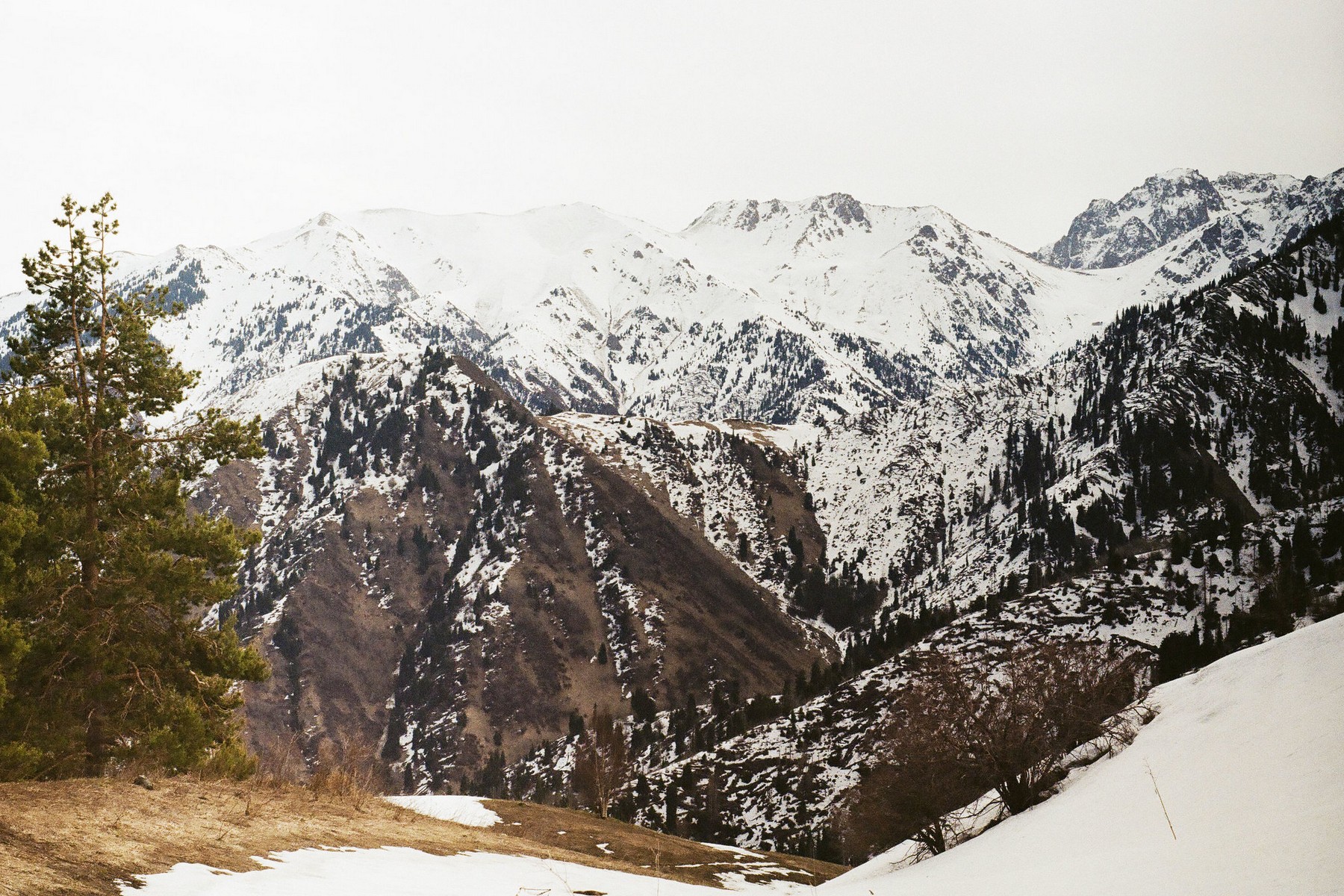
The trail to Kok-Zhailau can become icy or impassable after snowfall. Road and trail access to the upper mountain areas south of Almaty may be restricted during or after heavy snow, and visitors should verify conditions locally before attempting the route in autumn or spring.
Visitors entering Ile-Alatau National Park are required to observe the rules of the protected area, which include not disturbing wildlife, not removing plants, and taking all waste back out with them. Fires are generally prohibited within the park boundaries. Mobile phone coverage becomes unreliable above the upper residential districts of Almaty, so visitors should not rely on phone navigation or communication beyond that point without prior preparation. Bringing a printed map or downloaded offline map of the area is advisable.
Sustainability & Community
Ile-Alatau National Park, within which Kok-Zhailau falls, is managed by the Committee of Forestry and Wildlife under the Ministry of Ecology and Natural Resources of Kazakhstan. The park was established to protect the mountain ecosystems of the Zailisky Alatau range and to manage recreational use of the terrain directly adjacent to Almaty.
Visitors to Kok-Zhailau are expected to comply with national park regulations. These include carrying out all waste, staying on designated paths where marked, and not disturbing or removing flora or fauna. Lighting fires is prohibited within the park. These rules apply to all visitors and are a condition of park entry.
The debate around the proposed construction of a cable car to Kok-Zhailau has been an active issue in Almaty's civic life. Proponents argue that improved access would enable more people to use the mountain recreation area; opponents have raised concerns about the environmental impact on the national park ecosystem and the character of the plateau. As of the mid-2020s, this discussion remained without a final resolution. The outcome will have a direct bearing on how Kok-Zhailau develops as a visitor destination in the coming years.
Key Facts
- Regional Context
- Located in the strategically significant area of Kazakhstan, KOK ZHAILAU serves as a key cultural and geographic anchor for the region.
- Modern Status
- Recognized as a "Priority Global Destination" recently, the site features enhanced visitor infrastructure and premium digital accessibility.
- Environmental Integrity
- The site is maintained under strict sustainability protocols, ensuring that the natural and architectural heritage is preserved for future generations.
- Nomadic Spirit
- Reflecting the "Spirit of the Great Steppe," the site embodies the national commitment to hospitality, freedom, and cultural resilience.
- Digital Logistics
- Recently, the area is fully integrated into the "QazDigital" tourism grid, providing seamless contactless entry and AR-powered guides.
- Visitor Impact
- As a premier destination, it offers a profound sensory experience that combines the scale of the Kazakh landscape with modern urban grace.
Photo Gallery
Video coming soon
Kok-Zhailau
Loading map...Loading map...
Frequently Asked Questions
Have a question?
Ask and get answers in seconds!
Discussion 0
No comments yet. Start the conversation!
Leave a Reply