Kolsai Lakes: Pearls of the Northern Tian Shan
A cascade of three alpine lakes nestled in fir forests. Crystal clear reflections, boat rides, and serenity.
Essential Profile
The Kolsai Lakes are a series of three alpine lakes located in the Kolsai Kolderi State National Park in the Almaty Region of Kazakhstan. The lakes are situated in the Kungei Alatau range of the northern Tien Shan, approximately 290 kilometres east of Almaty.
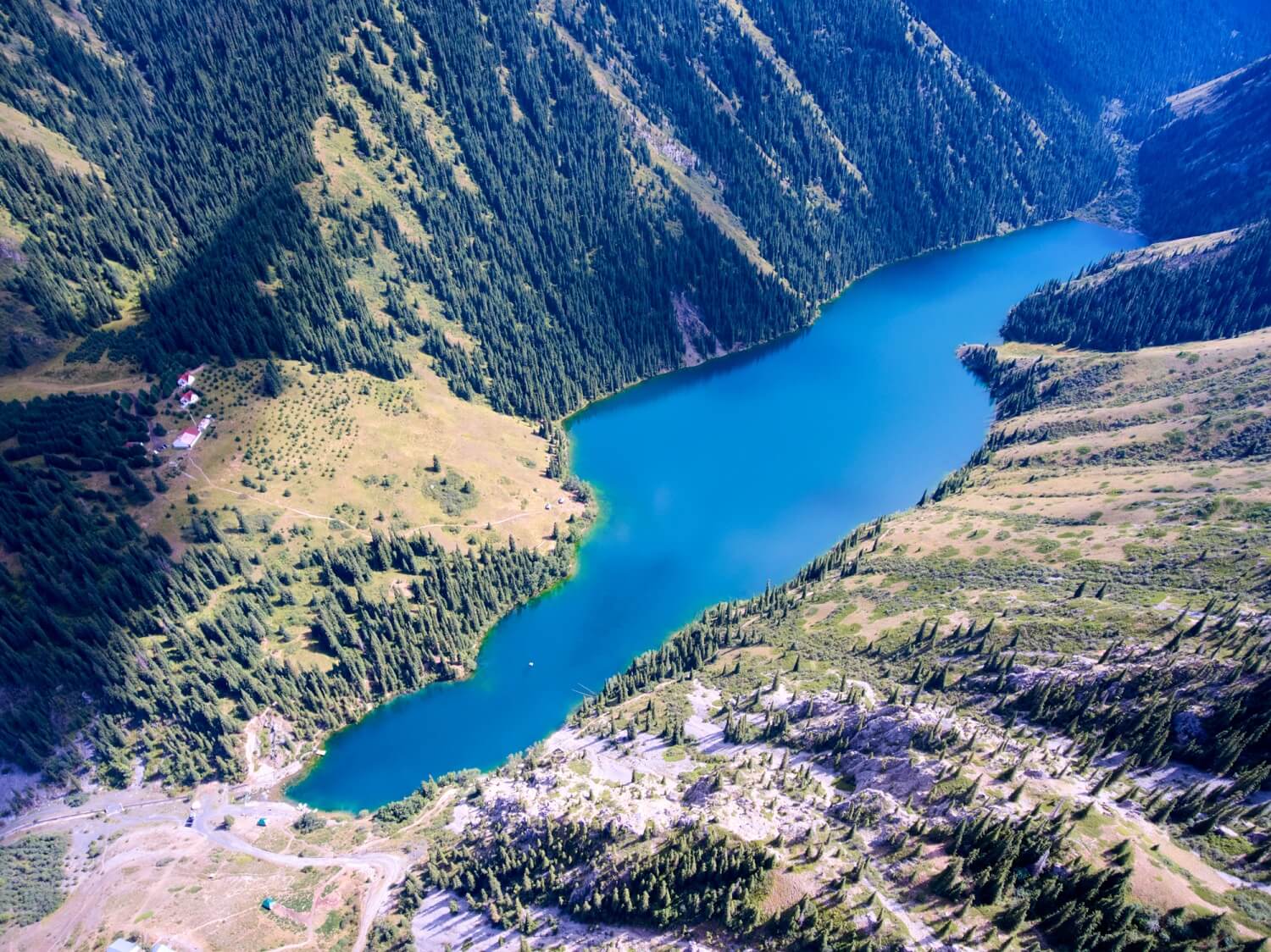
The three lakes lie at different elevations within the same river valley. The lowest lake, referred to as Kolsai 1, is located at approximately 1,818 metres above sea level. The second lake, Kolsai 2, sits at around 2,252 metres, and the third and highest, Kolsai 3, is at approximately 2,700 metres. The lakes were formed by ancient landslides that blocked the Kolsai River, creating natural dams behind which the lakes accumulated. The water is fed by snowmelt and springs from the surrounding mountains.
The nearest settlement to the lakes is the village of Saty, which serves as the main access point and base for visitors. Kolsai Kolderi National Park, which encompasses the lakes and the surrounding terrain, was established to protect the mountain ecosystems of the area, including Tien Shan spruce forest and alpine meadow habitats.
The ‘Wow-Factor’
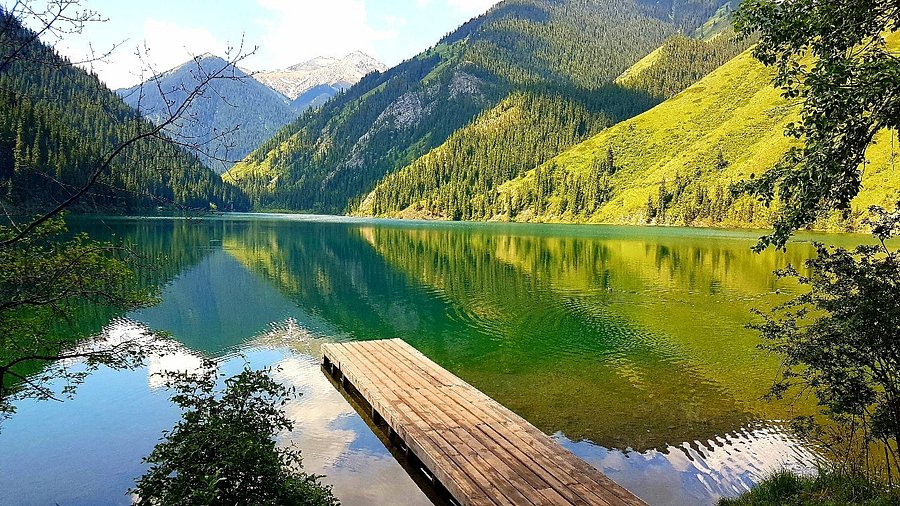
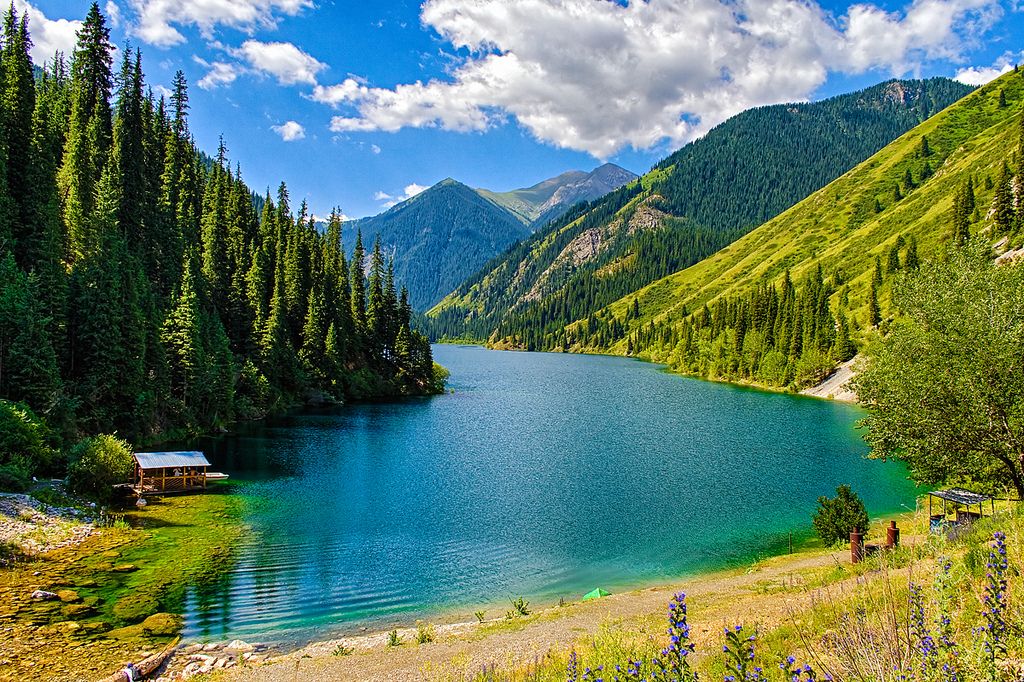
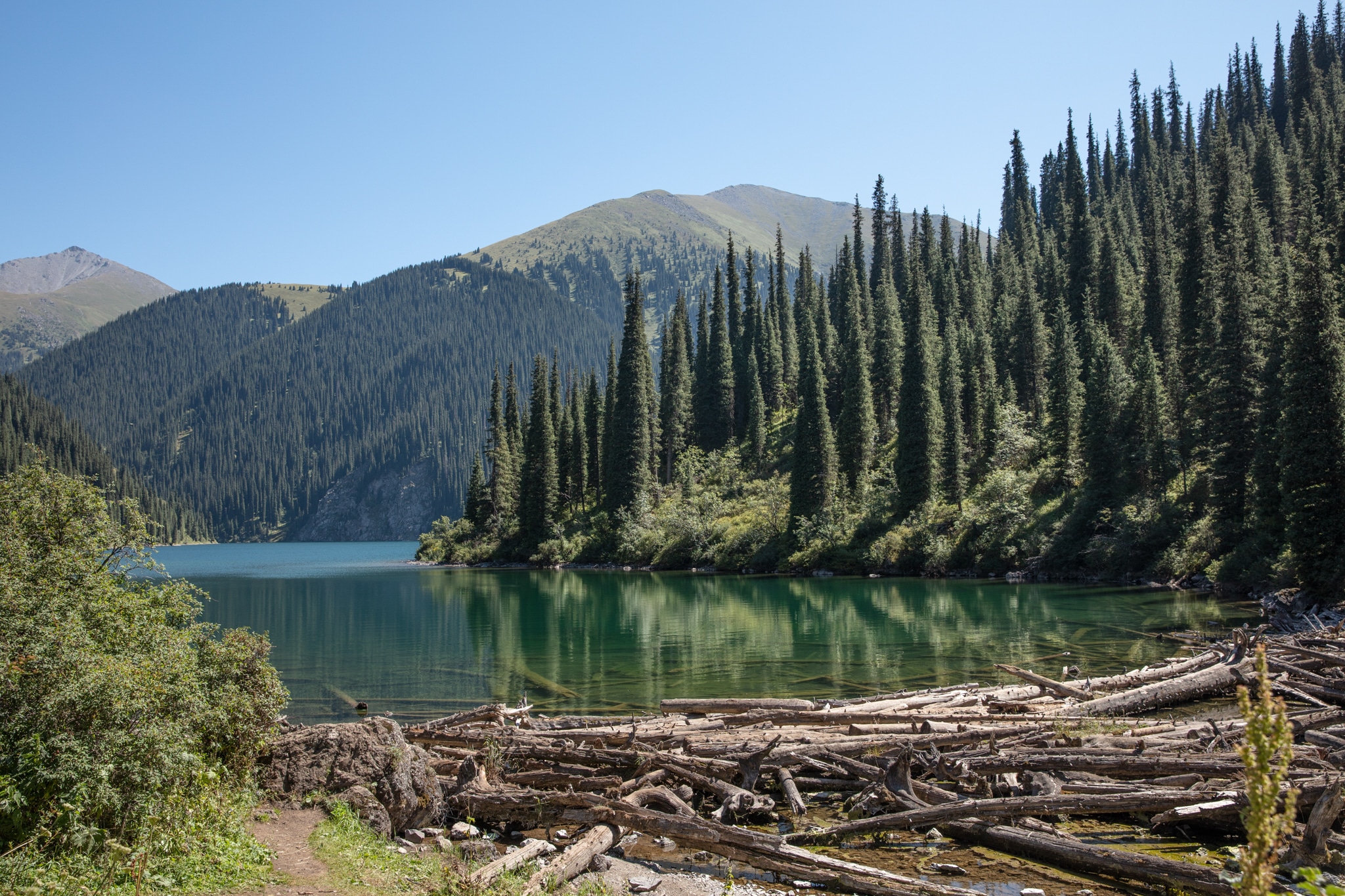
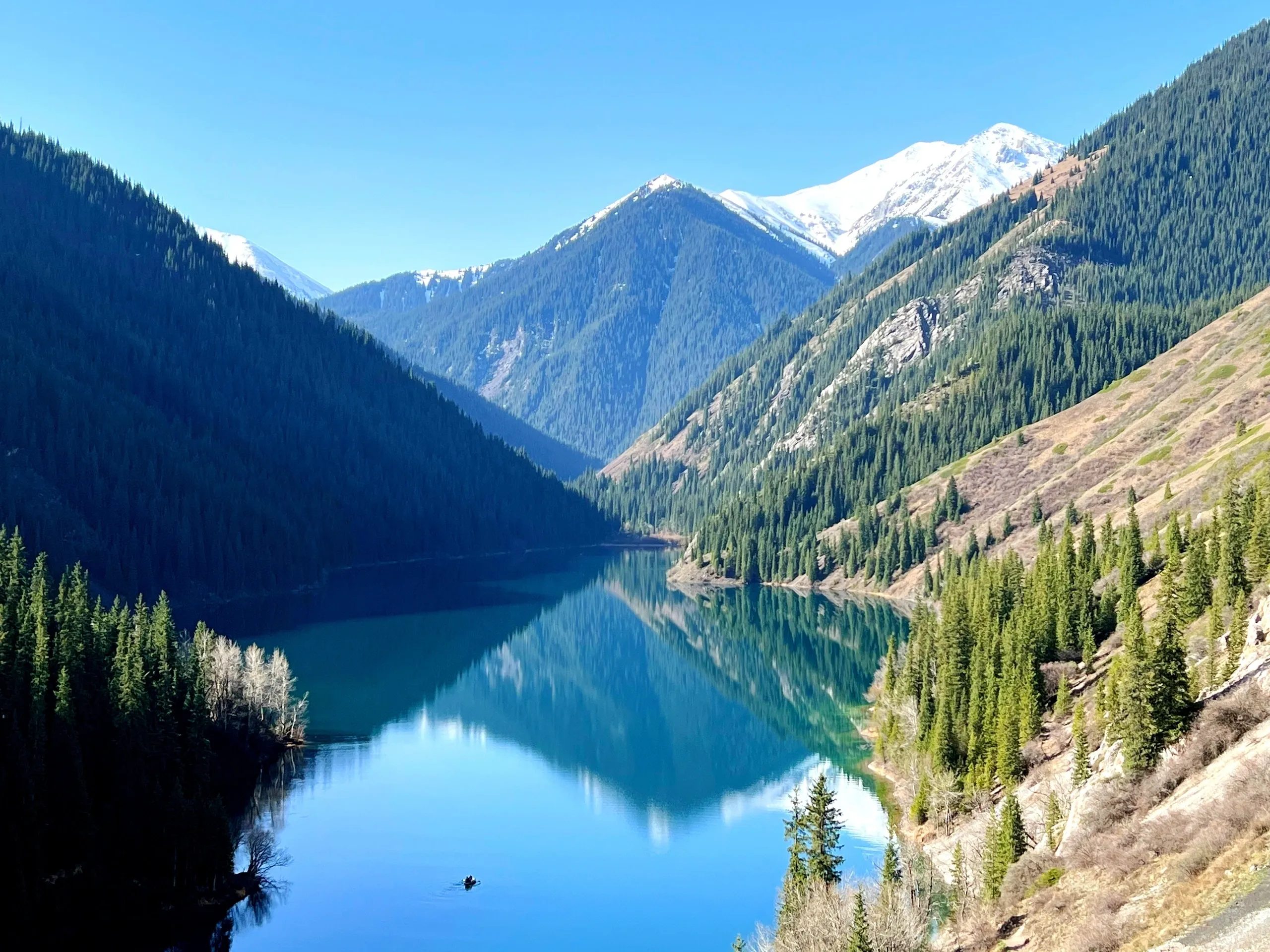
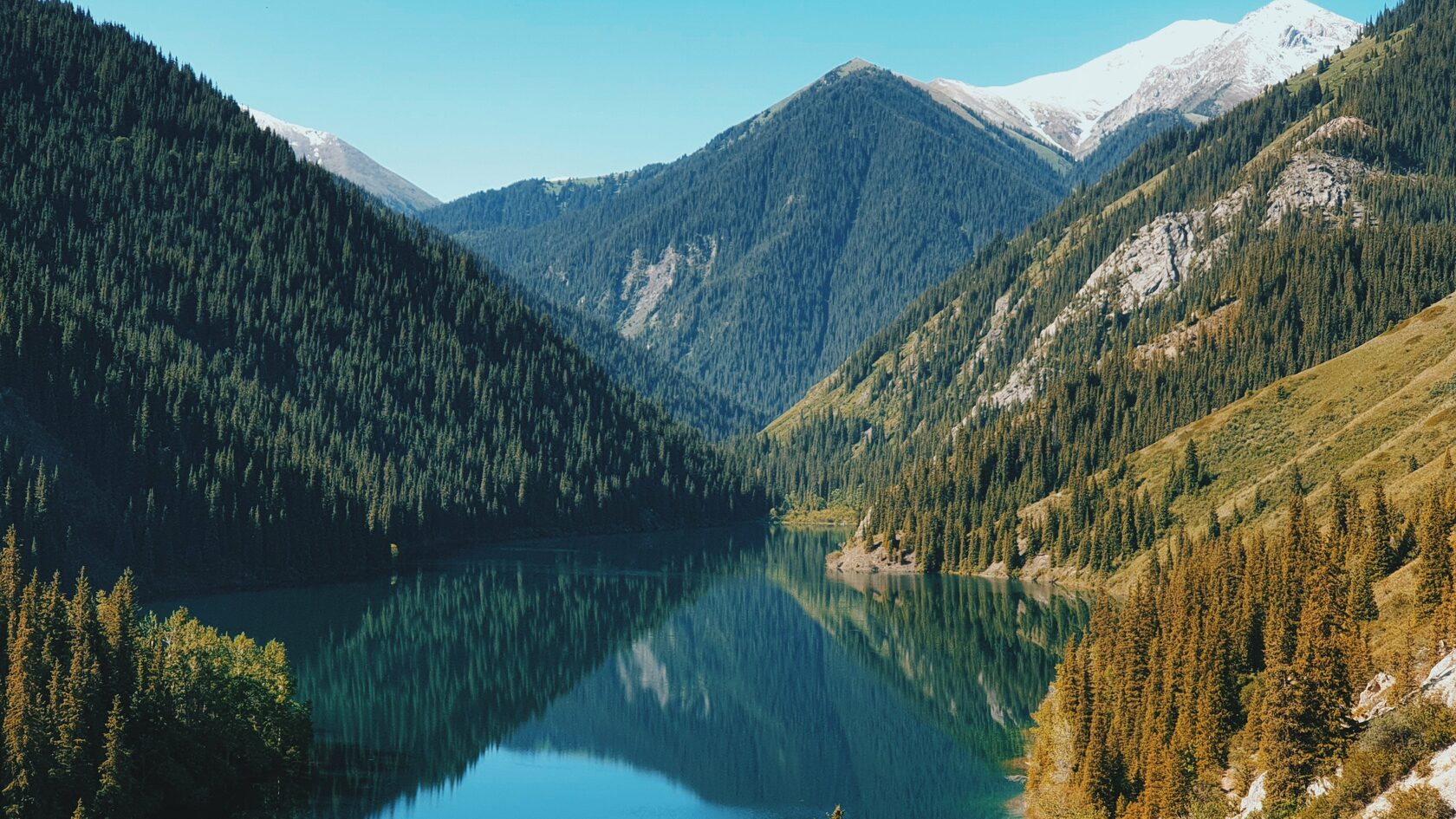
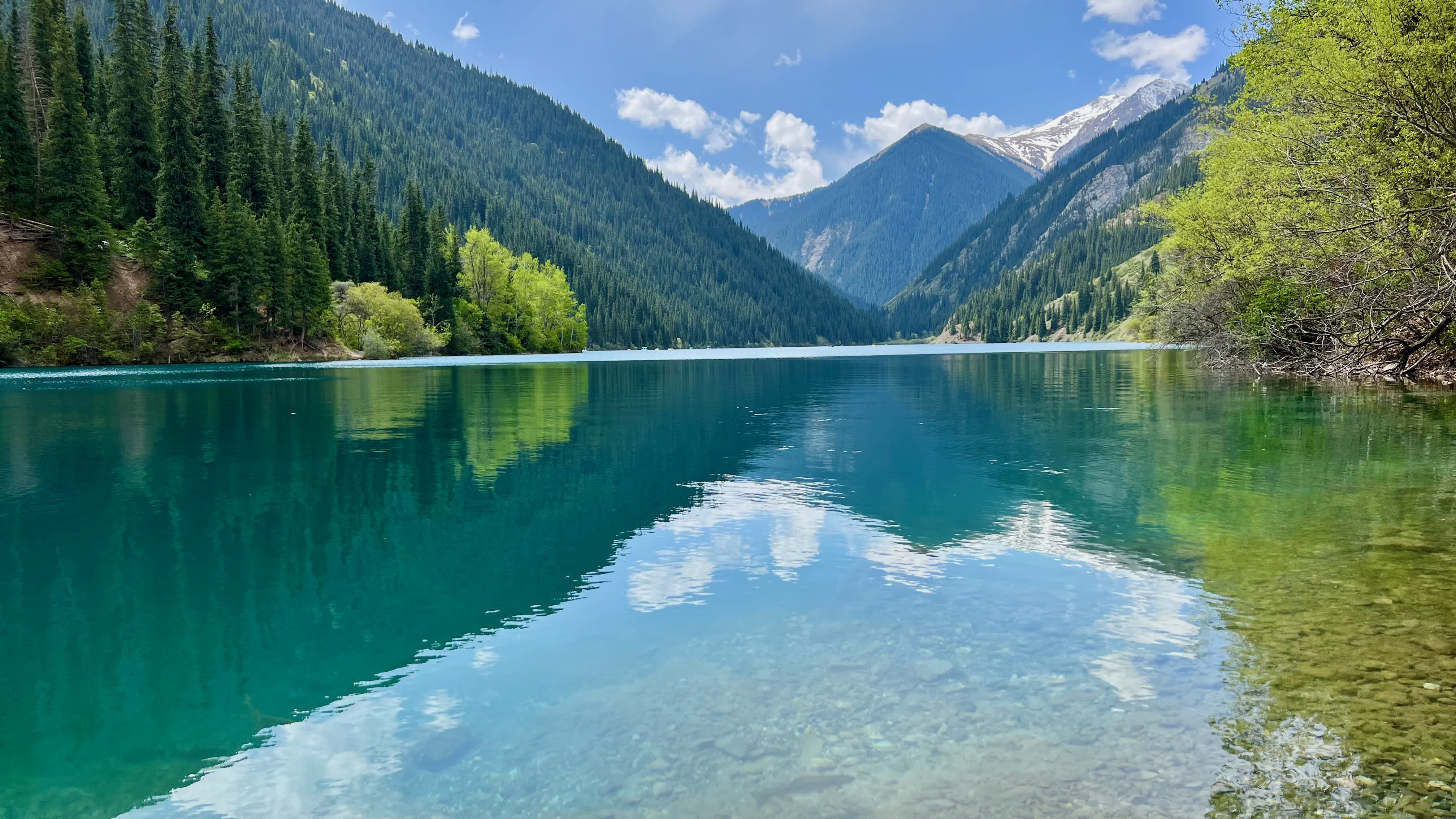
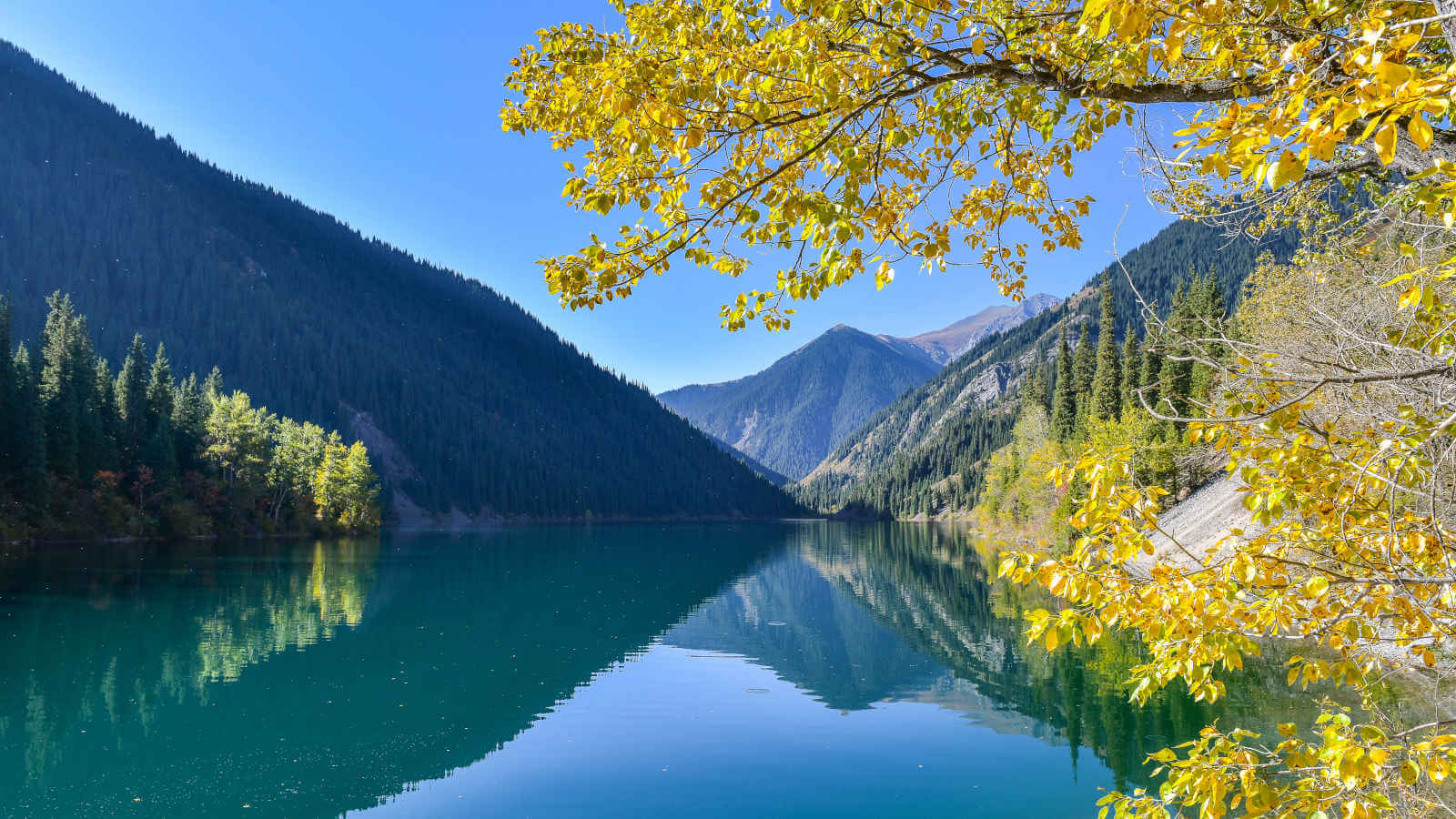
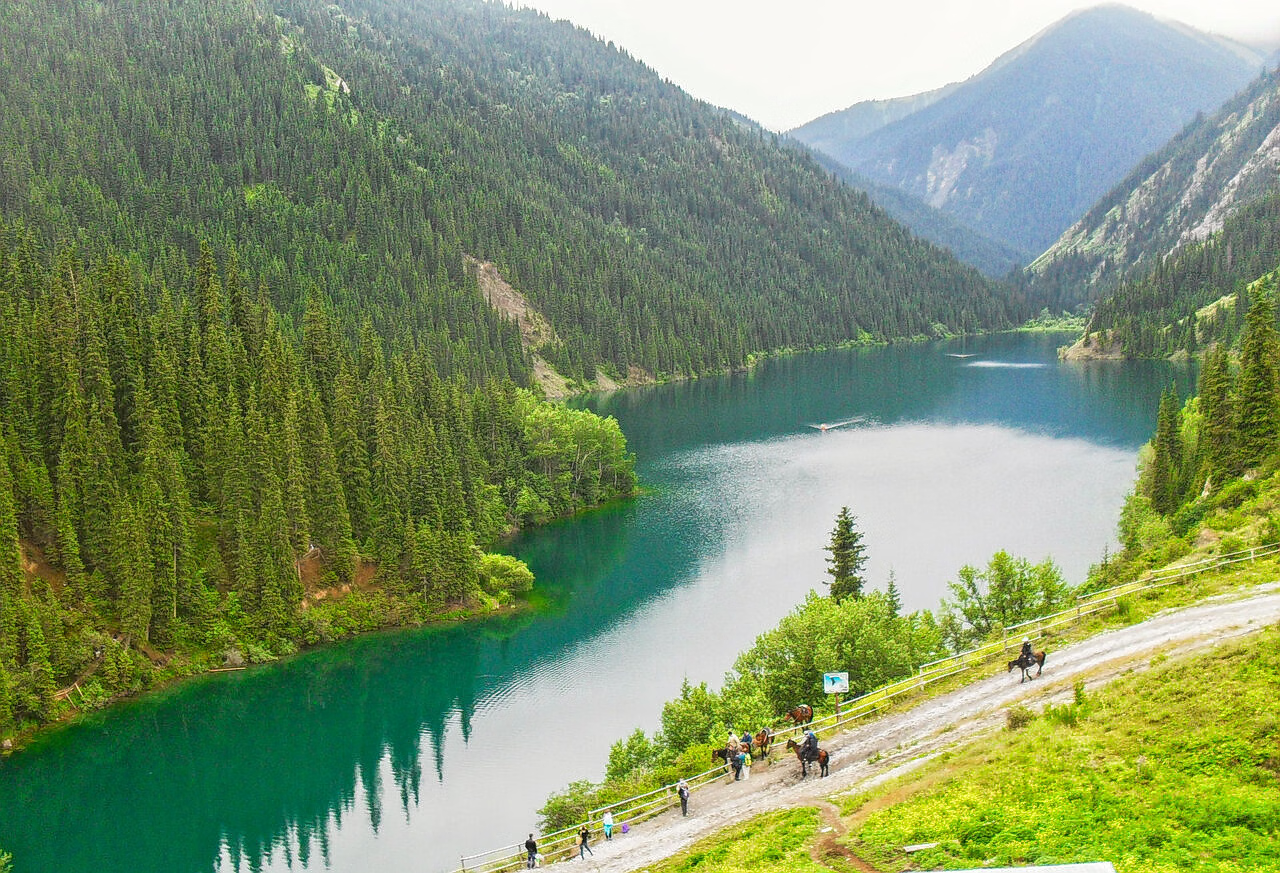
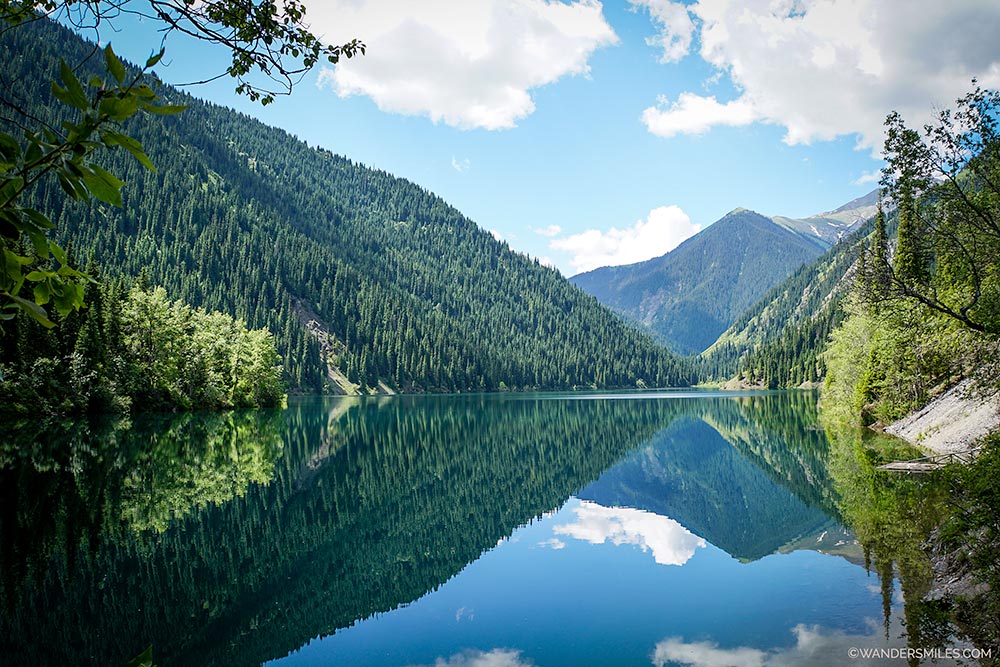
The most visually distinctive quality of the lower Kolsai lakes is the clarity and colour of the water. The still surfaces of the lakes reflect the surrounding spruce-covered slopes and the ridgelines of the Kungei Alatau above, particularly in calm morning conditions. The water colour ranges from deep green to turquoise depending on light conditions, depth, and the season.
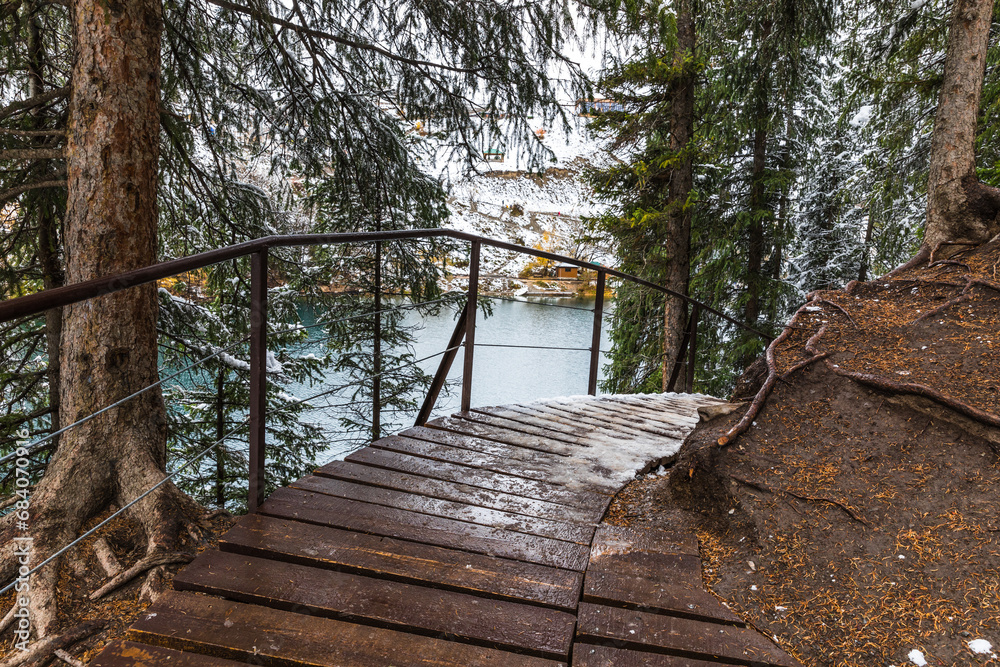
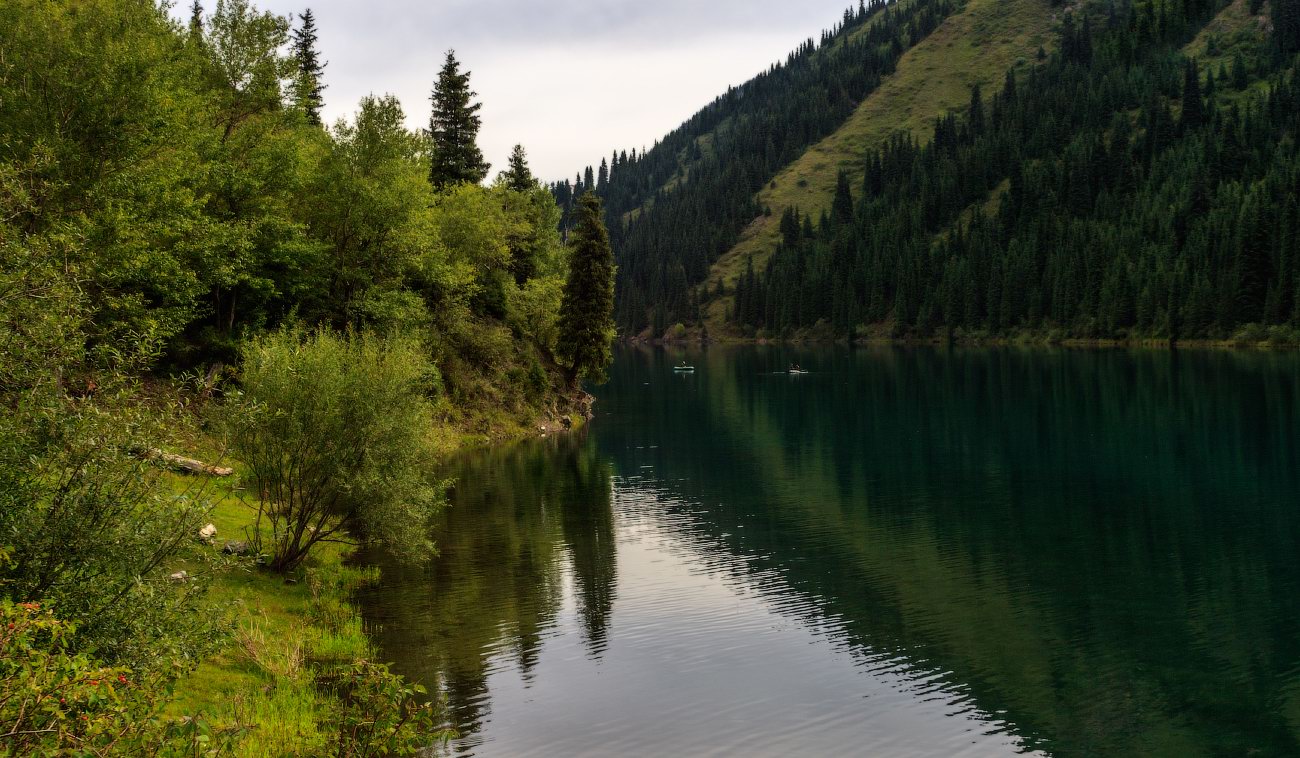
The first and most accessible lake, Kolsai 1, is surrounded by dense Tien Shan spruce forest that grows directly to the shoreline. The combination of the lake surface, forest, and the steep mountain terrain rising above creates a compact and visually concentrated landscape. The second lake, Kolsai 2, is situated at a higher elevation and offers more open views of the surrounding ridges, with the treeline giving way to subalpine meadow on the slopes above.
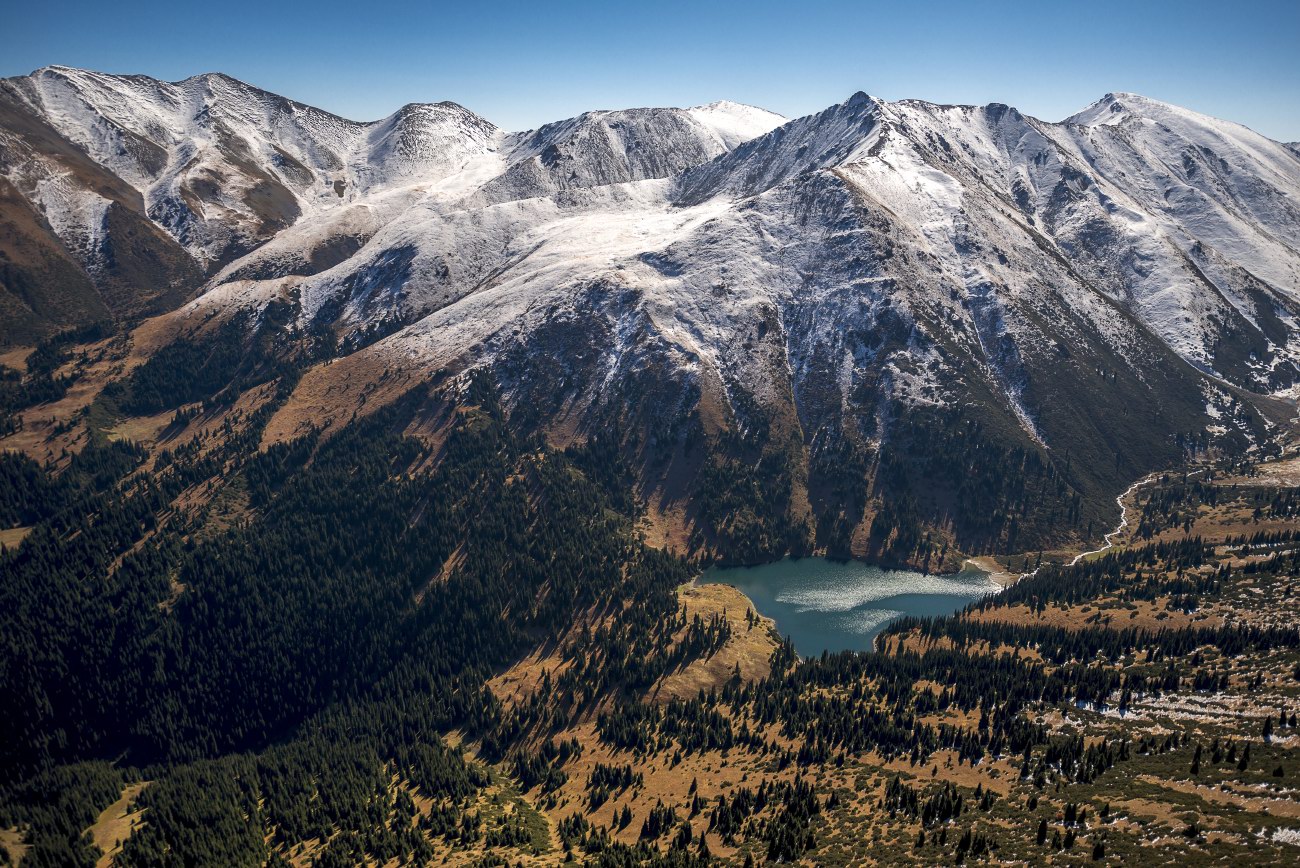
The third lake, Kolsai 3, is the most remote and the highest in elevation. Fewer visitors reach it due to the longer approach, but it sits closest to the alpine zone and provides views of the high peaks of the Kungei Alatau range. The combination of accessible mountain lake scenery with the option to extend further into the mountains makes the area suitable for a range of visitor types, from those seeking a straightforward day walk to those planning longer treks.
Deep History & Culture
The Kungei Alatau mountains, where the Kolsai Lakes are located, were used as summer pasture by Kazakh nomadic communities for centuries. The Kazakh term zhailau refers to these high-altitude summer pastures, and the mountain valleys and lakeshores of this region formed part of seasonal routes and grazing territories for the tribes of the area.
The Saty valley and the lower Kolsai lake area have been inhabited by Kazakh farming and pastoral communities since the nineteenth century. The village of Saty, which grew from a Soviet-era collective farm settlement, remains the primary community in the vicinity of the lakes and the main point of contact for visitors.
The broader Almaty Region and the Kungei Alatau range fall within the territory of the Kazakh Great Zhuz. The mountains form the natural boundary between Kazakhstan and Kyrgyzstan at the southern edge of the range, and the terrain on both sides has historically been part of shared pastoral and cultural landscapes. Kolsai Kolderi National Park, established to protect the lake ecosystems, reflects a more recent institutional effort to manage the growing visitor interest in the area while preserving its natural character.
Practical Digital Logistics
The Kolsai Lakes are located approximately 290 kilometres east of Almaty. The journey by road takes roughly 4 to 5 hours depending on conditions and the route taken. The main route passes through the town of Chilik (Shelek) before continuing south into the mountains toward the village of Saty, which is the nearest settlement to the lower lake.
Shared minibuses and organised tours depart from Almaty, with the Sayran bus station being of the main departure points for transport toward the Saty area. Independent travellers can also hire a car or taxi for the journey. The road from Chilik to Saty passes through mountain terrain and conditions can vary, particularly after rainfall. A vehicle with reasonable ground clearance is useful for the final approach.
Entry to Kolsai Kolderi National Park is subject to a fee, payable at the park entrance. Visitors should confirm current fee requirements and opening arrangements with the park administration before travelling. Saty village has basic facilities including guesthouses and small shops. It is the last reliable place to purchase supplies before the lakes. Mobile phone coverage is limited in the Saty valley and becomes unreliable as you approach the lakes. The main hiking season runs from approximately June through September.
Must-Do Activities
The primary activity at the Kolsai Lakes is hiking. The trail from the lower lake, Kolsai 1, to the second lake, Kolsai 2, is approximately 3 kilometres and takes to two hours way. This is the most commonly undertaken route and provides access to the contrasting landscapes of the two lakes. Continuing from Kolsai 2 to the third lake, Kolsai 3, involves a further climb of several hours and is best suited to visitors with more time and fitness.
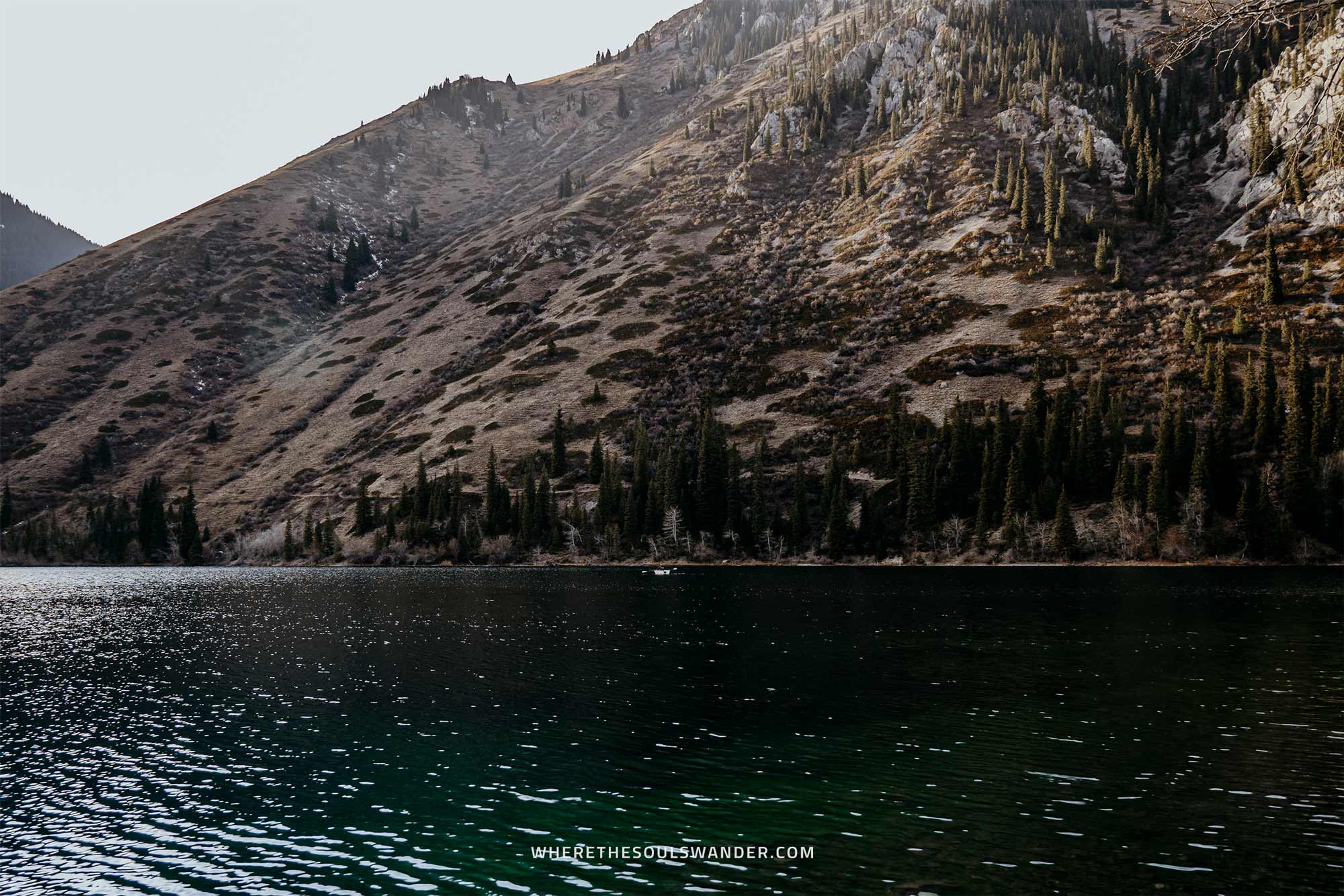
The lower lake area around Kolsai 1 has limited boating activity available from local operators during the summer season, providing an alternative way to view the lake surface and surrounding forest from the water. Horse riding is also available through local providers in the Saty area, with routes that can cover terrain around the lakes and the surrounding valley.
Photography is a popular activity throughout the area, with the reflective qualities of the lower lake particularly noted. The transition from the lakeside forest through subalpine meadow as you ascend toward the upper lakes provides varied terrain for both day walkers and those spending multiple days in the area. Visitors spending two days can comfortably reach all three lakes with an overnight stay either in Saty or at a camp near Kolsai 2.
Local Flavors & Amenities
The village of Saty is the primary base for food and accommodation when visiting the Kolsai Lakes. The village has several guesthouses that offer rooms and meals, with most providing traditional Kazakh food including dishes such as beshbarmak and kazy. Standards and availability vary between establishments, and it is advisable to book accommodation in advance during the main summer season from June through August.
The lower Kolsai lake area has some basic food options and small vendors during the peak summer months, but these are seasonal and cannot be relied upon year-round. Visitors planning to hike beyond Kolsai 1 should bring sufficient food and water for the duration of their route.
There are small shops in Saty where basic supplies can be purchased before heading to the lakes. The facilities in Saty are modest relative to what is available in Almaty or other larger towns, so it is worth stocking up before leaving the city. Kazy, a traditional Kazakh cured horsemeat sausage, is regional product sometimes available from local households and small shops in the area.
Essential Insider Tips
Temperatures at the Kolsai Lakes can drop significantly even in summer, particularly at the second and third lakes above 2,000 metres. Visitors should carry warm layers regardless of the forecast, as conditions can change quickly and evenings are cold even in July and August.
The most popular time to visit is between June and September. July and August are the peak months with the most reliable weather and the highest visitor numbers. Arriving at the first lake on weekday mornings generally means fewer people than on weekends, when the site is busiest with visitors from Almaty.
The trail from the lower lake to the upper lakes follows the Kolsai River through forested terrain. Some sections can be wet or muddy, particularly after rain, and sturdy footwear is recommended. The lakes are a source of drinking water for local communities, and visitors should avoid using detergents or chemical products in or near the water. National park rules apply throughout the area, and visitors should follow the instructions of park staff. The walk from Kolsai 1 to Kolsai 2 can be done as a day trip from Saty by most visitors with basic fitness; reaching Kolsai 3 requires either a very long day or an overnight camp.
Sustainability & Community
Kolsai Kolderi National Park is managed to balance conservation of the lake ecosystems and surrounding mountain terrain with regulated visitor access. The growing popularity of the Kolsai Lakes as a tourist destination in recent years has increased pressure on the area, and park management has worked to manage visitor numbers and maintain trail infrastructure.
Visitors to the park are required to follow national park rules, which include carrying out all waste, staying on designated paths, and not disturbing wildlife or removing plants. The lakes and the Kolsai River are sources of water for local communities, which underlines the importance of keeping the water clean. Campfires are restricted within the park, and visitors should follow the specific rules in force during their visit.
The village of Saty provides a base that supports visitor access to the lakes. Local residents offer guesthouses, guiding services, and horse hire, which provides income for the community. Choosing local providers for accommodation, guiding, and transport where possible supports the village economy. Handmade textiles and felt crafts produced by local craftspeople are sometimes available for purchase in the Saty area and represent a genuine connection to traditional Kazakh craft skills.
Key Facts
- Pearls of Alatau
- Known as the 'Pearls of the North Tian Shan,' these three cascading lakes are among the most beautiful in Central Asia.
- Mirror Reflections
- The crystal-clear water provides perfect mirror reflections of the surrounding ancient forests and snowy mountain peaks.
- Trekking Links
- The lakes are connected by a scenic trekking trail that leads all the way to the border with Kyrgyzstan and Lake Issyk-Kul.
- Rainbow Trout
- The lakes are a natural habitat for rainbow trout, making them a premier destination for fly-fishing enthusiasts.
- Jailau Traditions
- The surrounding meadows are still used by local shepherds for grazing, offering a look at modern nomadic life in the mountains.
- Premium Lodging
- Recently, several high-end eco-lodges offer luxury accommodation with panoramic views of the first and second lakes.
Photo Gallery
Video coming soon
Kolsai Lakes
Loading map...Loading map...
Frequently Asked Questions
Have a question?
Ask and get answers in seconds!
Discussion 0
No comments yet. Start the conversation!
Leave a Reply