Arbat: Where Almaty Strolls
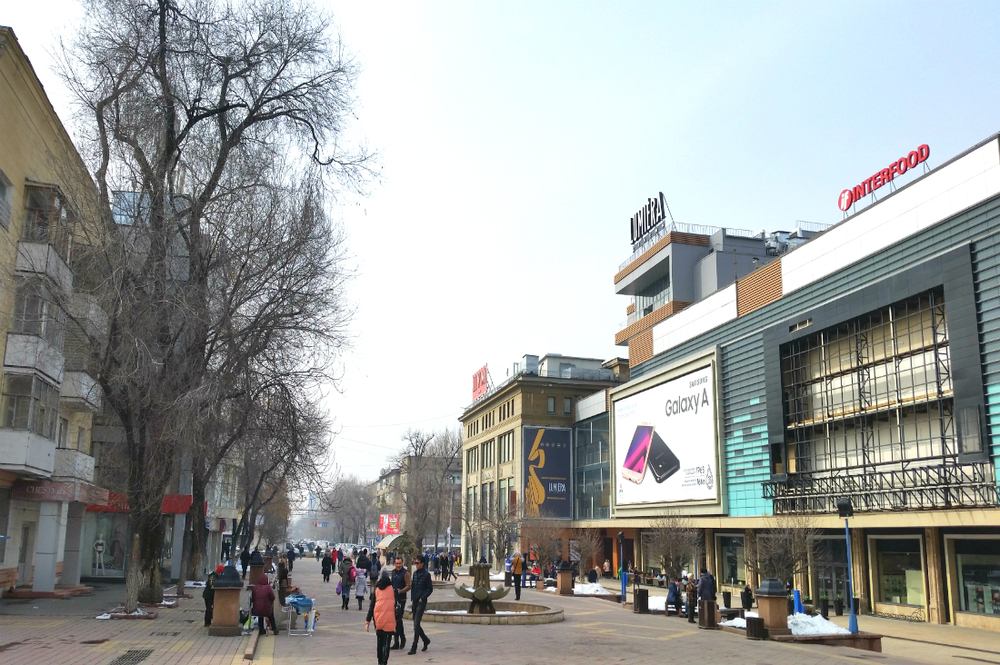
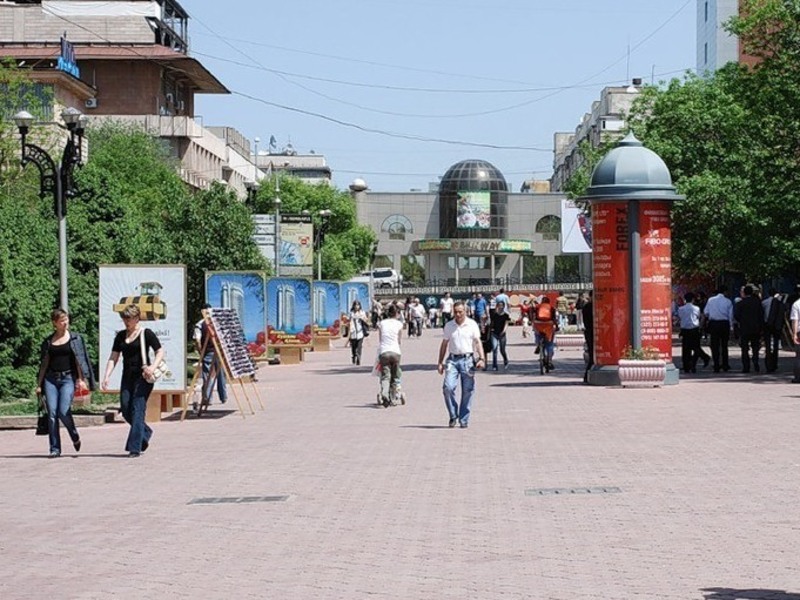
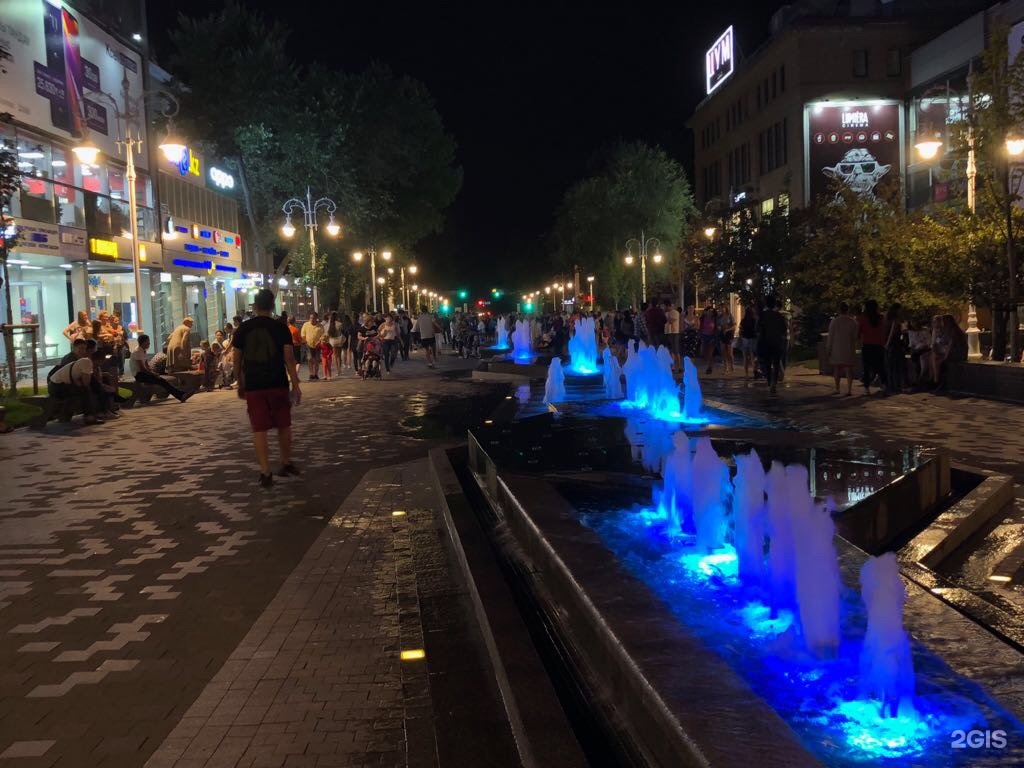
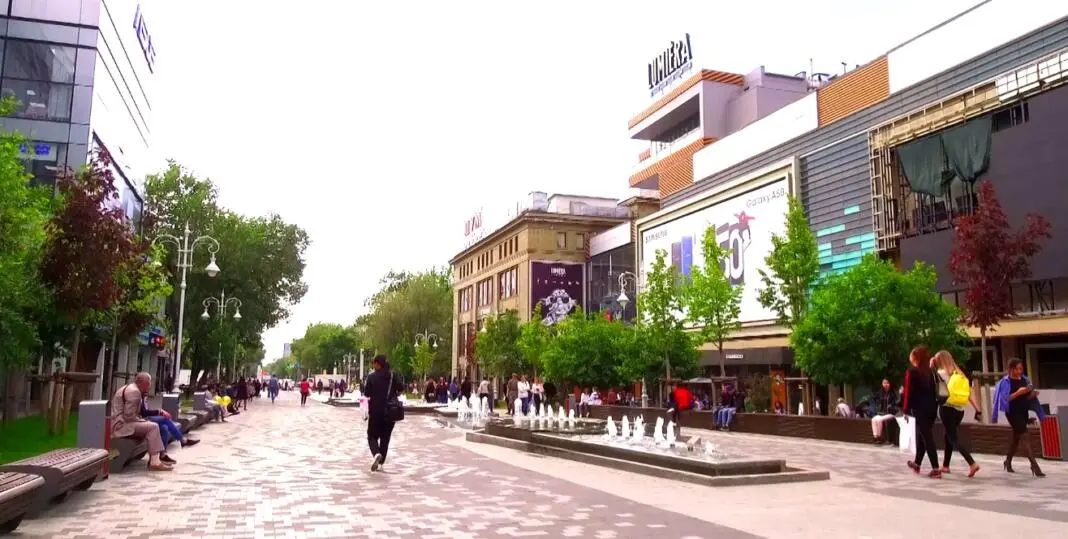
Almaty's main pedestrian walking street. Filled with art, music, fountains, and cafes.
Essential Profile
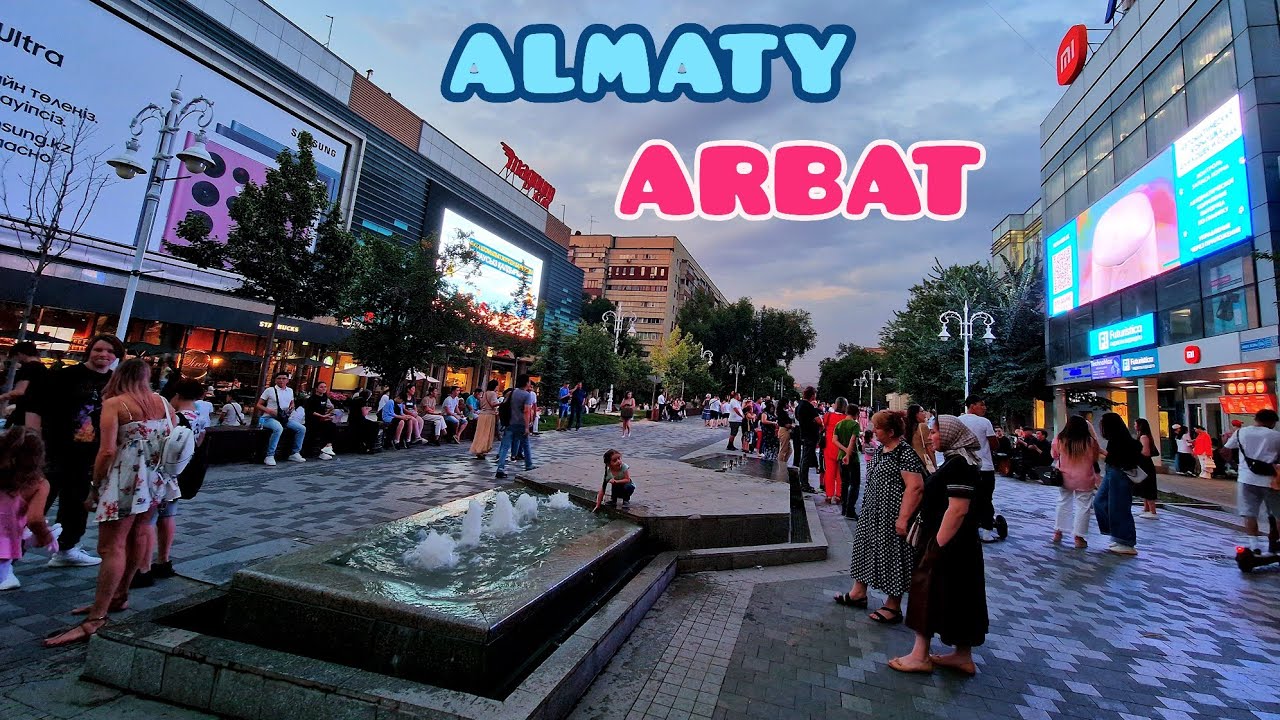
On a Friday evening in September, the Arbat is what Almaty looks like when it's comfortable with itself.
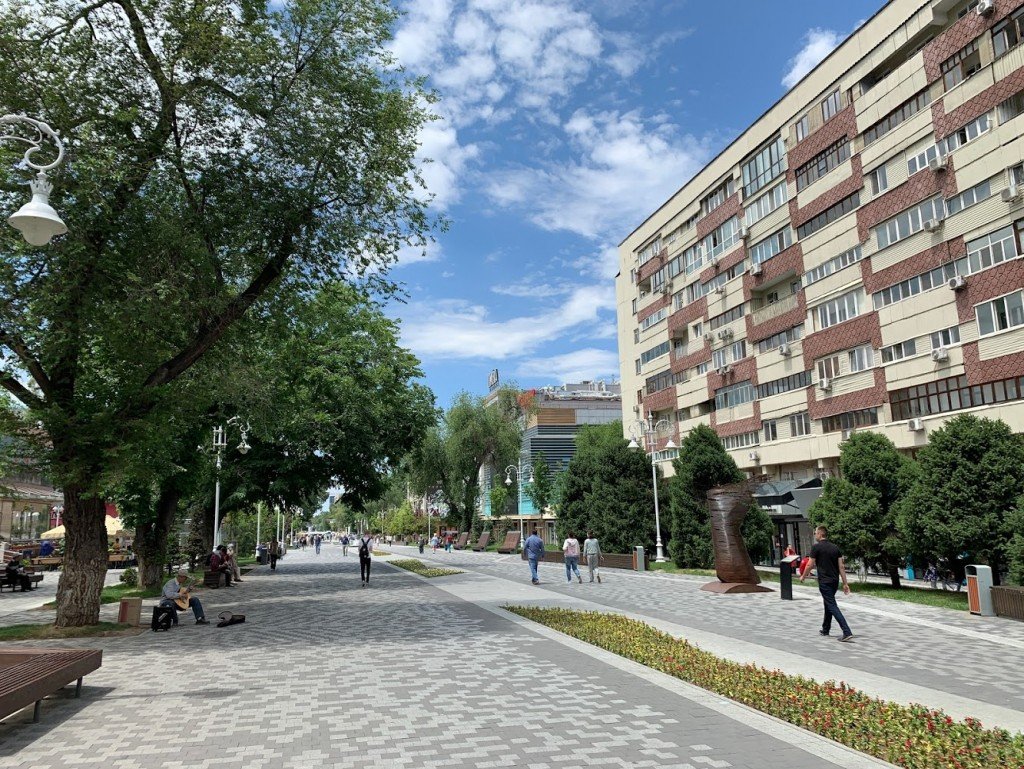
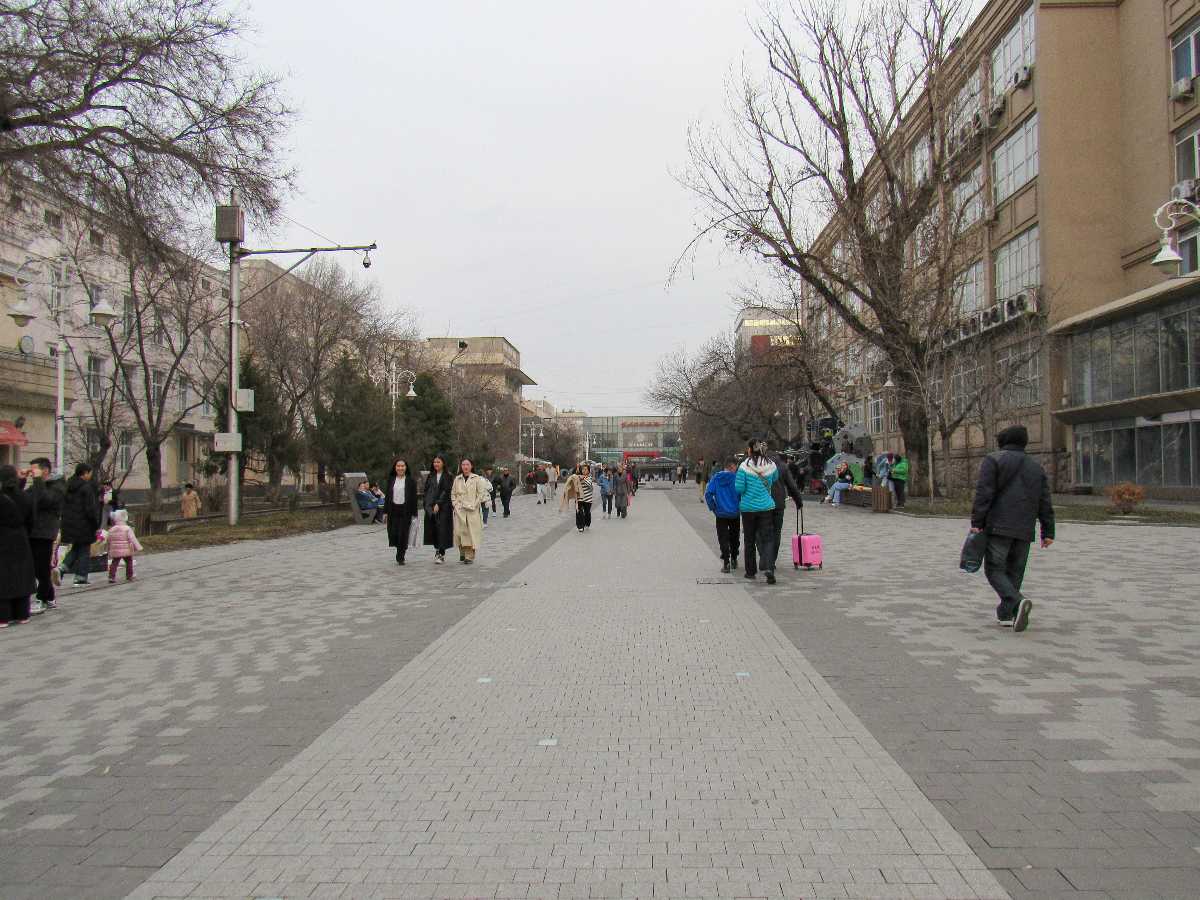
The street — Zhibek Zholy, which means Silk Road in Kazakh, the pedestrian section that locals still call the Arbat after the famous Moscow walking street — runs through the historic center, a few blocks north of Panfilov Park, wide enough for buskers and strolling families and café tables and all of this simultaneously. By seven in the evening, the day's heat has loosened, and the city has come out to perform the act of simply being in public that Soviet city planning optimistically imagined and that Almaty, in this stretch of its geography, has actually achieved.
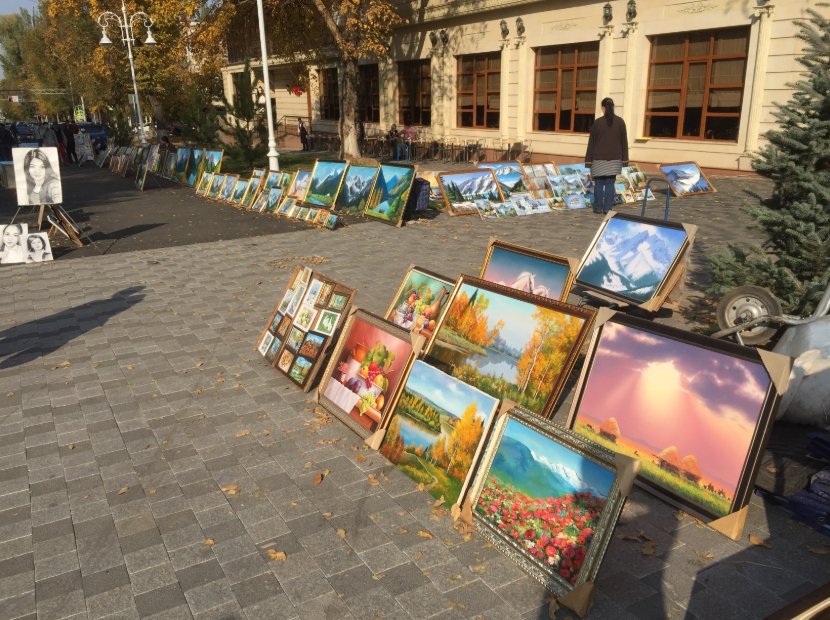
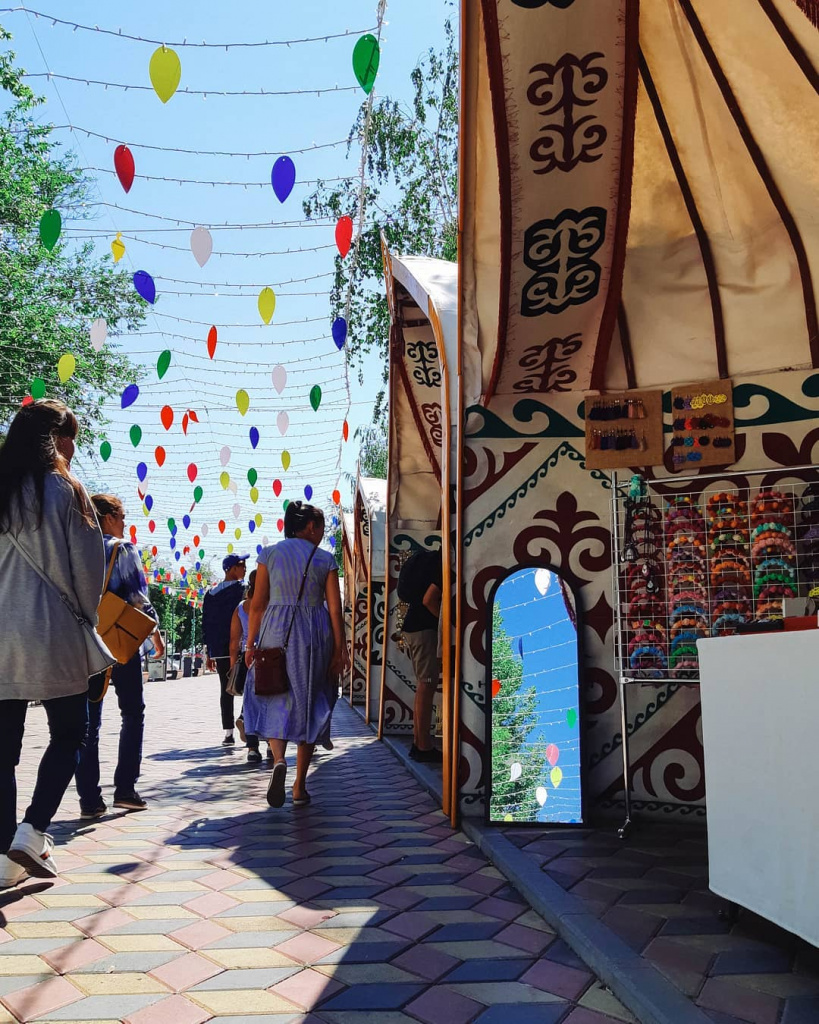
There are musicians. Not always great musicians, but musicians: someone with a dombra, someone with an acoustic guitar, the occasional brass duo, children being taught to play for the first time. There are artists selling their work on folding tables, some of it tourist-adjacent and some of it genuinely good. There are cafes with tables on the street where the menu extends into the evening and the conversations do too.
This is not a destination the way Panfilov Park or the Green Bazaar is a destination. The Arbat is a condition — a stretch of the city where the ratio of space to purpose is specifically calibrated to allow people to be in it without a particular reason. Which is, in any city, the thing that's hardest to design and most valuable to preserve.
The street runs between Panfilov Street and Abylai Khan Avenue, roughly 400 meters. It's pedestrianized, which means no vehicles, which means the sound level is human rather than mechanical. That distinction, you've spent time in Almaty's traffic-dense city grid, registers immediately when you turn it.
The ‘Wow-Factor’
The Arbat's wow-factor isn't architectural. It's the sound of a city that has found, in particular stretch of pavement, the right balance between space and purpose and permission.
The dombra player was on the south end near the park entrance — not a performance so much as a practice, but the sound carried well on the October evening: two strings producing something that lives between melody and resonance, the Kazakh instrument that sounds like it was designed to carry across open steppe, heard here instead among the street lamps and the café tables and the couples walking nowhere in particular.
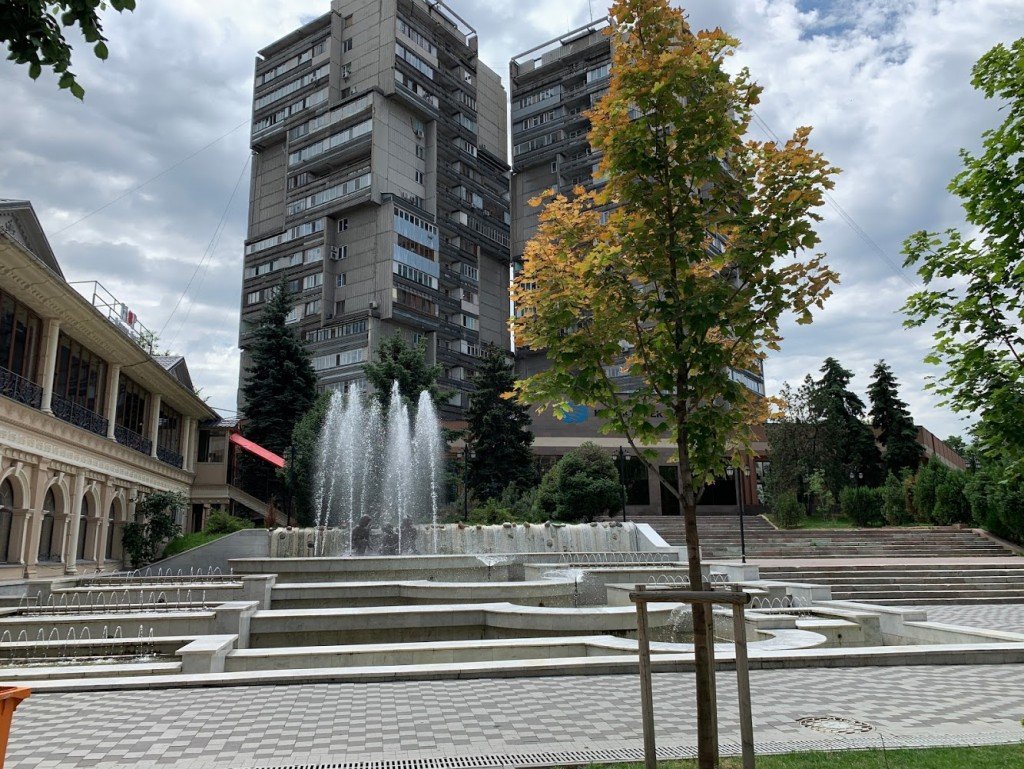
That's the specific wow-factor of the Arbat. Not the art (though there is art) and not the cafes (though the cafes are good) and not the architecture (which is Soviet-era eclectic, pleasant but not remarkable) — the sound of a city where people have chosen to be in the same space together for no functional reason, which is the civilian achievement that civic design exists to enable and that is surprisingly rare when it's actually working.
The street is at its best on warm evenings: late spring through early autumn, after 7pm when the day's business has concluded and before midnight when the night becomes its own category. Weekend afternoons also work — families, children, the informal exhibition of painters who arrange their work against the walls and benches with the casualness of people who've done it many times before.
The mountain backdrop is visible from the southern end on clear days: the Trans-Ili Alatau framed at the end of the pedestrian corridor. It's not always there — the haze comes and goes — but when it is, the visual effect of a pedestrian street opening toward a mountain range is the kind of urban composition that city planners spend entire careers trying to manufacture and that here happened mostly because of geography.
Deep History & Culture
The street that became the Arbat follows a corridor that has been used for commerce, movement, and social activity for as long as Alma-Ata has been a city.
The Russian fortress of Verniy, established in 1854, was accompanied by the commercial and administrative infrastructure that all colonial settlements required: trading posts, markets, the facilities of a garrison town that was also a transit point for the region. The streets that emerged from that foundation followed the logic of movement — where people naturally went, commercial activity followed. Zhibek Zholy, even before it was named for the Silk Road, was part of that organic infrastructure.
The Soviet urban planning that reshaped Alma-Ata in the mid-20th century rationalized the city grid, widened the principal streets, built the housing blocks and institutional buildings that still define the character of most neighborhoods. The pedestrianization of the Arbat section — converting what had been a vehicular street to a walking zone — came through Soviet urban planning theory that believed in designated public social spaces. The result, in Almaty's case, happened to work.
The street's name — locally "the Arbat," borrowed from the famous walking street in Moscow that itself became a template for Soviet-era pedestrianization — tells you something about the cultural orientation of the Soviet Alma-Ata intelligentsia: the Moscow original was a gathering place for artists, poets, and musicians, and the Almaty version aspired to the same function. Whether the aspiration was fully realized is debatable; what's not debatable is that the street became, and has remained, the city's primary casual public gathering space.
The Zhibek Zholy (Silk Road) naming itself is post-independence — a reclamation of Kazakh cultural geography from Soviet-era naming conventions that emphasized Russian and Soviet historical figures. The name places the street in the longer arc of the city's position on the actual Silk Road rather than its position in Soviet administrative geography.
Practical Digital Logistics
The Arbat is in the center of Almaty. Getting there is not a logistical challenge.
From the Almaly metro station, the street is a five-minute walk north. Taxis from anywhere in the central districts cost 500 to 1,500 KZT depending on distance and time of day. The pedestrian zone itself is car-free, which means you arrive on foot from whichever direction you approach.
The street runs between Panfilov Street (south) and Abylai Khan Avenue (north), a distance of roughly 400 meters. It connects naturally to Panfilov Park at the southern end — the park's northern edge and the Arbat's southern end occupy the same block — and extends north toward the Green Bazaar area. Walking the full length takes about 15 minutes at a casual pace, or considerably longer if you stop at every café table and look at every painting.
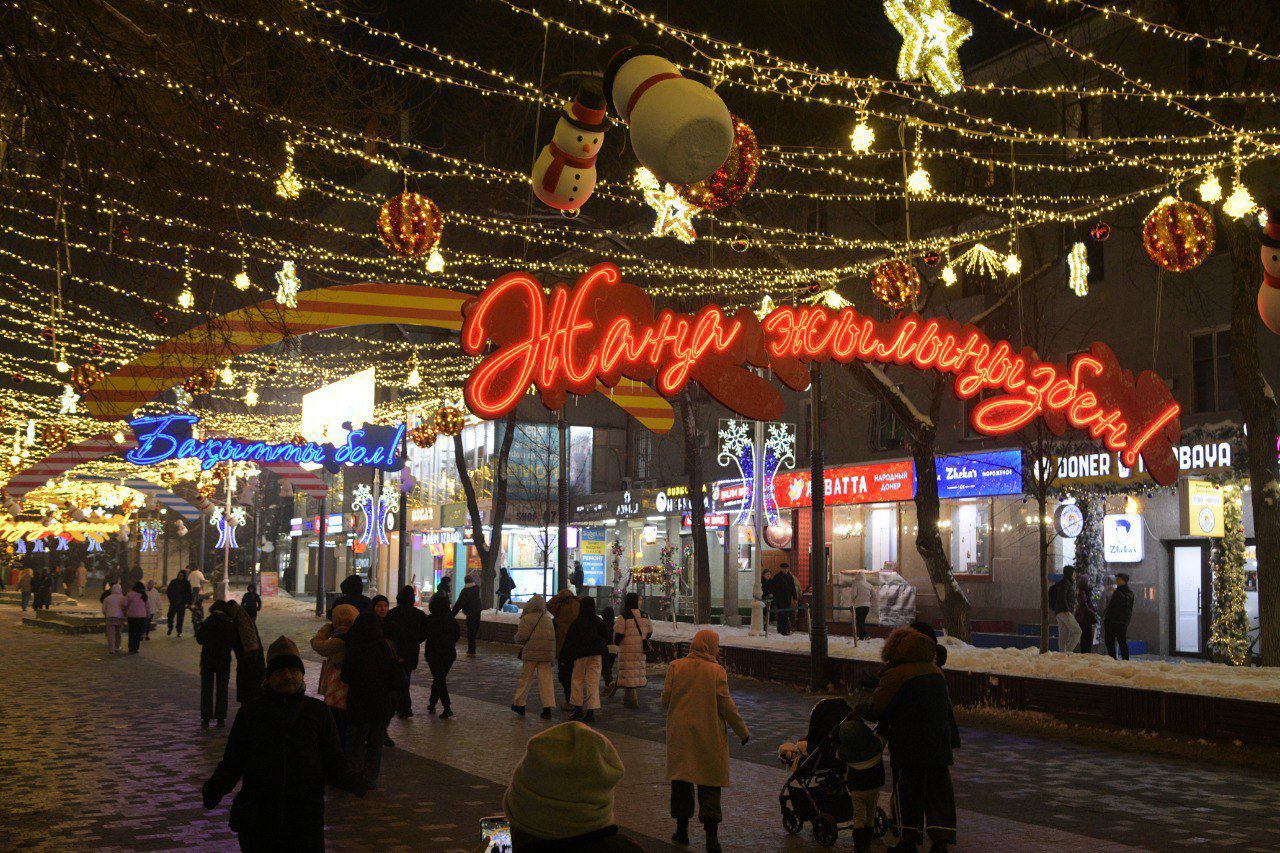
There's no entry fee, no ticket, no opening hours in the official sense — the street is a public pedestrian space and is accessible at all hours. The street performers and outdoor café culture operate from late morning through late evening in summer, with reduced activity in winter. The street is pleasant but not at its best in January; June through October is the proper window.
The Almaly metro station is the closest transit connection. The Abay metro station is also within walking distance. Most visitors combine the Arbat with Panfilov Park, the Museum of Folk Musical Instruments, and the Green Bazaar into a single walking circuit — all within 15 to 20 minutes on foot of each other.
Nothing at the Arbat itself costs money that you don't choose to spend. It's a street for being in, not a destination that charges admission.
Must-Do Activities
The Arbat doesn't require an itinerary. But there are things worth doing here more deliberately than others.
Walk it twice. in the afternoon to understand the geography and what's where, in the evening when the street is at its social peak. The two-visit approach reveals a place that operates differently under different light conditions: the afternoon Arbat is cafe tables and children and the quiet intensity of artists arranging their work; the evening Arbat is music and movement and the specific energy of a city that is, for a few hours, not in a hurry.
Look at the paintings. The informal art market that lines the street — artists displaying on folding tables or against walls — contains everything from tourist-grade landscape reproduction to work that is genuinely worth owning. The quality varies enormously, which is part of the interest. Spending twenty minutes actually looking rather than glancing as you pass reveals a street-level art market that reflects the range of what Almaty's artistic community is making.
Eat on the street. The café terraces that operate in the summer months are where the street's social character is most concentrated. Finding a table, ordering coffee or tea or something more substantial, and spending an hour watching the street rather than passing through it gives you the Arbat as a social phenomenon rather than a transit corridor.
Listen for the dombra. Among the various musicians who perform on the street, the traditional Kazakh instrument players are the specific reason to slow down. The dombra is a two-stringed instrument that produces a sound unlike anything in Western musical tradition — warm, resonant, capable of carrying both grief and celebration in the same note. Hearing it in the street context, performed casually rather than ceremonially, is an Almaty experience worth stopping for.
Combine with Panfilov Park. The park and the Arbat are five minutes apart on foot and complement each other in schedule — park in the morning, Arbat in the evening, the Museum of Folk Musical Instruments (at the park's edge) whenever it's open.
Local Flavors & Amenities
The streets immediately around the Arbat contain a concentration of Almaty's best casual dining — a function of the foot traffic the pedestrian street generates and the neighborhood's position in the central city grid.
The café culture on and adjacent to the Arbat is specifically good in the summer months, when terraces open and the evening social scene extends into the warm nights. The independent coffee shops in this area — concentrated especially on the side streets running east and west off Zhibek Zholy — serve espresso that would not be out of place in any major European city, alongside food that has absorbed regional influences without losing coherence. This is where Almaty's creative and professional class tends to gather in the evening, which tells you something about the caliber of the establishments.
For a proper Kazakh meal in the neighborhood, shashlik restaurants operate in multiple locations within walking distance of the Arbat. The smell of lamb grilling over charcoal in the early evening is as reliable a Almaty signpost as the mountains. Follow it.
The Green Bazaar is a 10-minute walk north from the Arbat, which makes the combination of a bazaar morning and an Arbat evening the natural structure for a central Almaty day. The baursaks from the bazaar perimeter stalls — fried dough, golden, eaten hot from the paper bag — are breakfast material regardless of what time you actually eat them.
Accommodation in the Arbat area ranges from Soviet-era hotels on the main city grid (functional, inexpensive, central) to boutique hotels in the side streets (more atmospheric, generally more expensive) to the international chains in the Esentai district further south. For the experience of walking to the Arbat in the morning without arranging transport, central accommodation in the Almaly district is the logical choice.
Essential Insider Tips
The Arbat is a street that rewards a certain quality of attention, and the tips that matter are mostly about showing up in the right way.
Come in the evening, not the midday. This can't be said too often. The Arbat's character emerges after 6pm when the day cools and the social activity intensifies. Midday is pleasant; evening is the thing. If you have limited time in Almaty and the Arbat is on your list, arrange your day so you're there between 7pm and 10pm.
Go on a weekend. Saturday evenings produce the fullest expression of what the Arbat is: families, musicians, the outdoor café scene at peak capacity, artists who bring more work than they do on weekdays. Sunday mornings are also interesting — a quieter version, the street finding its pace before the day builds.
The art prices are negotiable. The informal art market operates on the logic of all street markets: the first price stated is not the final price if you're genuinely interested. This doesn't mean aggressive bargaining is appropriate; it means that expressing genuine interest in a specific work and asking the artist's best price is a normal part of the transaction. Most of the artists are there specifically because they want to sell to people who actually want the work.
Pay attention to the music. The street performers on the Arbat range from background noise to genuinely worth stopping for. The dombra and kobyz players — when you find them — are the reason to stop and listen rather than walk past. Traditional Kazakh music performed casually in a public space is not something you find everywhere, and this is of the places in Almaty where it happens naturally.
It connects to everything. Panfilov Park, Green Bazaar, Museum of Folk Musical Instruments, the metro — the Arbat is at the center of the walking circuit that covers central Almaty's most meaningful destinations. Build a day around it rather than treating it as a detour.
Sustainability & Community
The Arbat's sustainability conversation is, unusually for a public street, partly about the cultural sustainability of what happens on it.
The informal art market that gives the Arbat part of its character depends on a community of local artists who choose to sell here rather than in galleries, which requires both that the street maintain a public character that draws the foot traffic that makes the market viable, and that the street itself be pleasant enough that visitors want to stop rather than pass through. These conditions aren't self-maintaining — they require city investment in the physical space and a civic culture that treats the pedestrian street as worth protecting from commercial pressure.
The dombra players and other traditional musicians who perform on the Arbat are doing something that isn't purely economic. They're maintaining a public presence for traditional Kazakh music in a city where that music is increasingly competing with global entertainment industry content. Stopping to listen, and paying if they have a case open, acknowledges that what they're doing has value in a context where value is otherwise assigned by algorithms.
The neighborhood around the Arbat — the Almaly district's central streets — faces pressure from commercial development that prioritizes high-margin retail over the mixed-use character that makes urban neighborhoods interesting. Supporting the independent cafes, bookshops, and small businesses rather than defaulting to chain options contributes, marginally and cumulatively, to the economic viability of the neighborhood that makes the Arbat worth visiting.
Don't litter. This is stated because the Arbat's quality as a public space is directly related to how it's treated, and it's treated according to the standards its visitors implicitly set. Be of the people who carries their cup to a bin.
Key Facts
- Pedestrian Heart
- Known officially as Panfilov Street, the 'Arbat' is the city's primary pedestrian-only thoroughfare and cultural heart.
- Art Stalls
- Local artists display and sell original oil paintings, traditional Kazakh handicrafts, and unique souvenirs along the central walk.
- Street Performance
- The street is a vibrant stage for musicians, from traditional dombra players to modern indie bands, creating a lively urban soundtrack.
- Historic Facades
- Lined with beautiful 19th and 20th-century buildings, the Arbat highlights the city's architectural transition from Tsarist to Modern.
- Coffee Culture
- Home to some of the city's best outdoor cafes and boutique restaurants, it is the prime spot for afternoon people-watching.
- Digital Walk Modern
- Recently, the Arbat features interactive AR kiosks that overlay historical city images onto the modern streetscape.
Photo Gallery
Video coming soon
Arbat
Loading map...Loading map...
Frequently Asked Questions
Have a question?
Ask and get answers in seconds!
Discussion 0
No comments yet. Start the conversation!
Leave a Reply