Altyn-Emel: Where the Desert Sings
Journey into a Martian landscape of singing sands, multi-colored mountains, and ancient nomadic mysteries. A UNESCO World Heritage masterpiece.
Essential Profile
Genghis Khan named this saddle of land golden. It's a claim worth interrogating: generals name landscapes for military utility, not scenic value, and Genghis Khan was not especially given to landscape appreciation. But the name has persisted — Altyn-Emel, golden saddle — and the landscape it describes has turned out to be of the most extraordinary in Kazakhstan.
Altyn-Emel National Park covers 460,000 hectares between the Ili River and the Ak-Tau mountain range, approximately 250 kilometers northeast of Almaty. The park was established in 1996 as a protected area for of the most biodiverse lowland steppe ecosystems in Central Asia, and it contains within its boundaries a remarkable concentration of geological and ecological phenomena: the Singing Dunes (a massive barchan dune that produces audible sound under the right conditions), the Aktau Mountains (multi-colored chalk and clay formations with Paleozoic marine fossils), Tamgaly petroglyphs, stands of the saxaul tree (the ecological keystone of the Central Asian desert steppe), and a wildlife population that includes Przewalski's horse, argali sheep, and wild boar alongside the steppe raptors that hunt the flat terrain.
The park's name comes from the Mongol-era geography that Genghis Khan passed through during the 13th-century campaigns that reshaped Eurasia. The specific saddle of land between the mountains and the river would have been a natural route for mounted armies moving east-west along the Ili valley — an ancient passage through a landscape that humans have moved through for as long as they've been moving across the Eurasian steppe.
For visitors, Altyn-Emel represents what a day (or preferably two days) in the Kazakh steppe hinterland looks like when the landscape is at its most geologically dramatic: colorful mountains, a singing sand dune, wild horses, and the specific silence of terrain that extends to every horizon without interruption.
The ‘Wow-Factor’
The sand sings. This is not a metaphor or a marketing phrase. The dune actually produces sound.
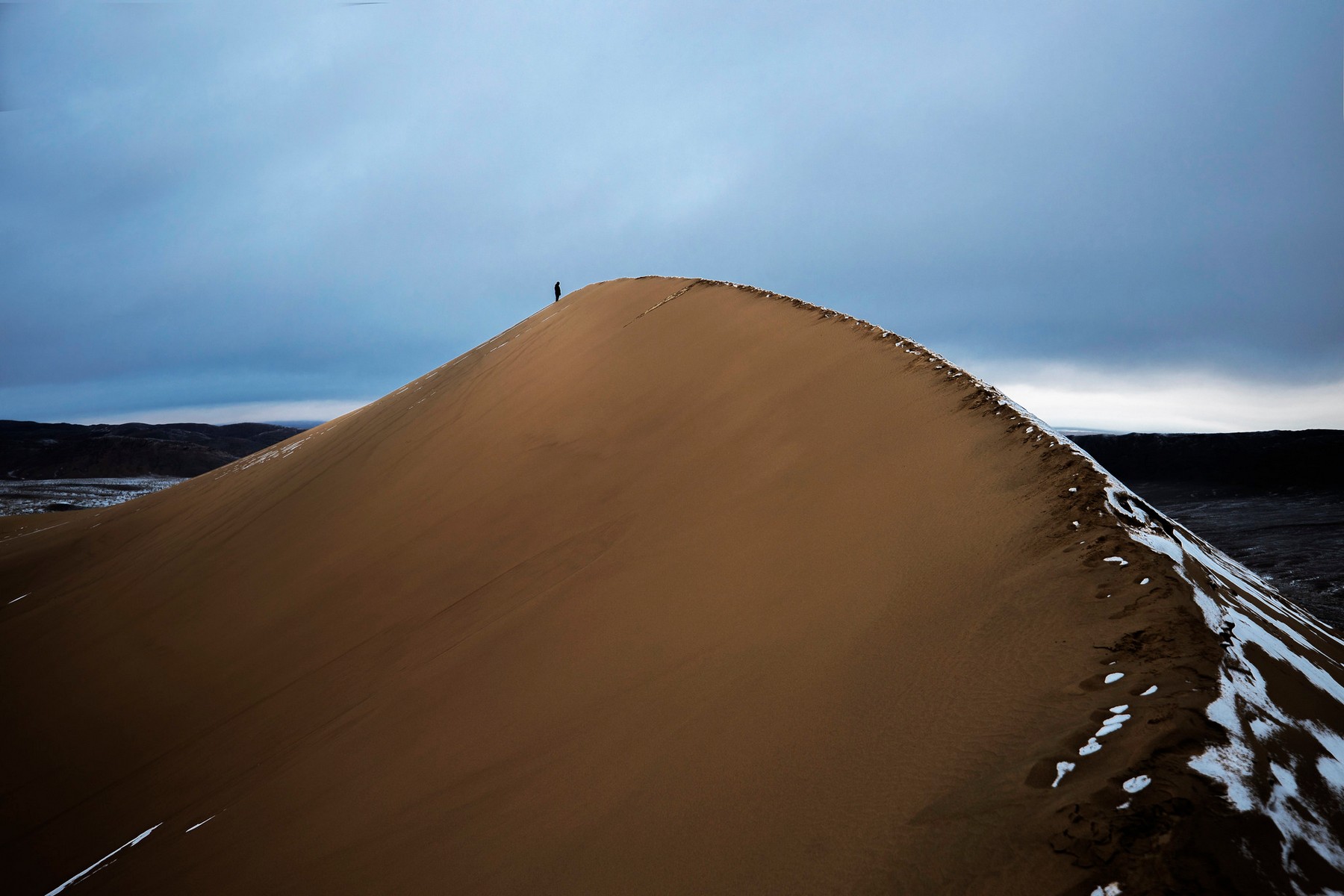
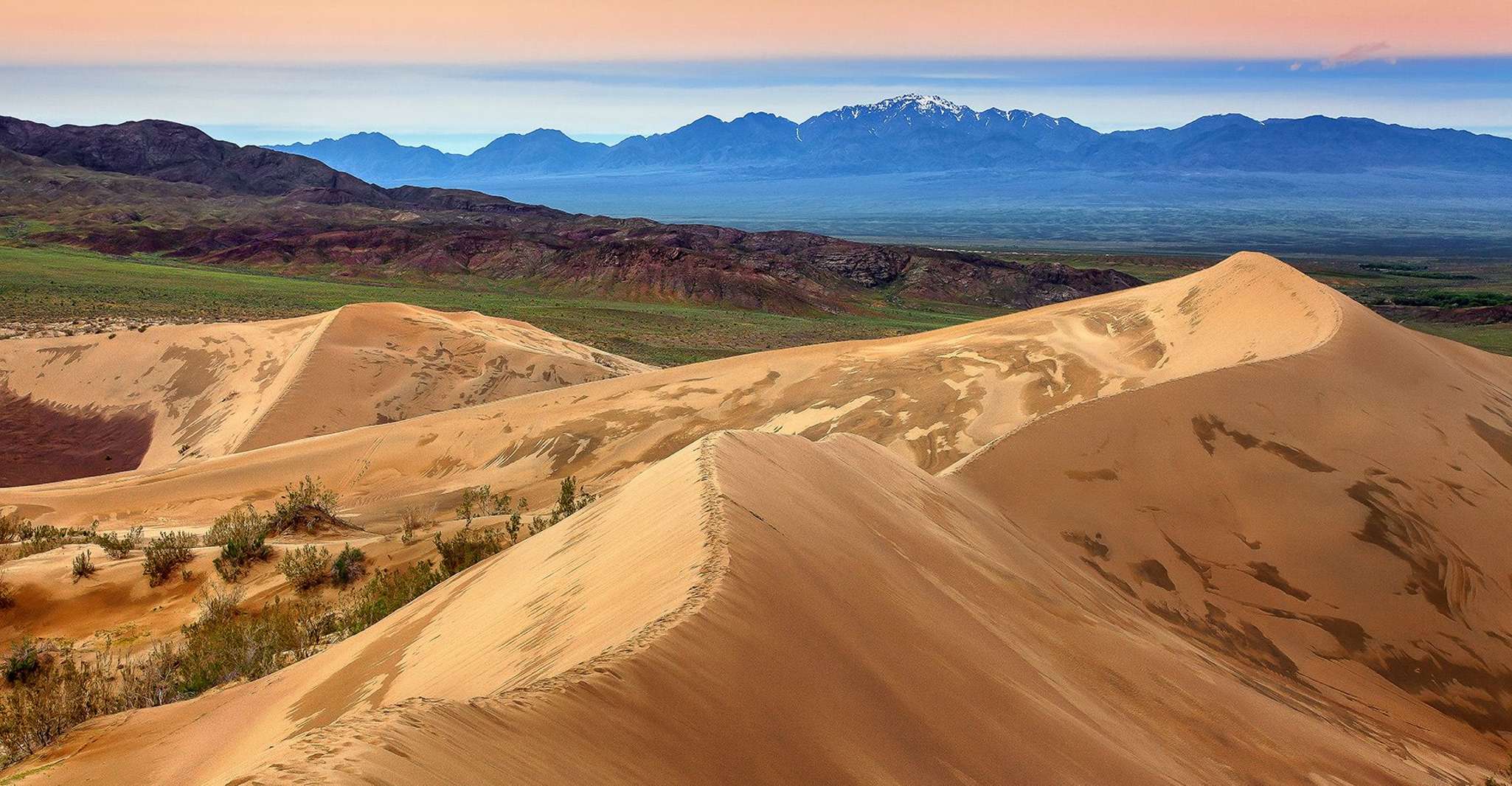
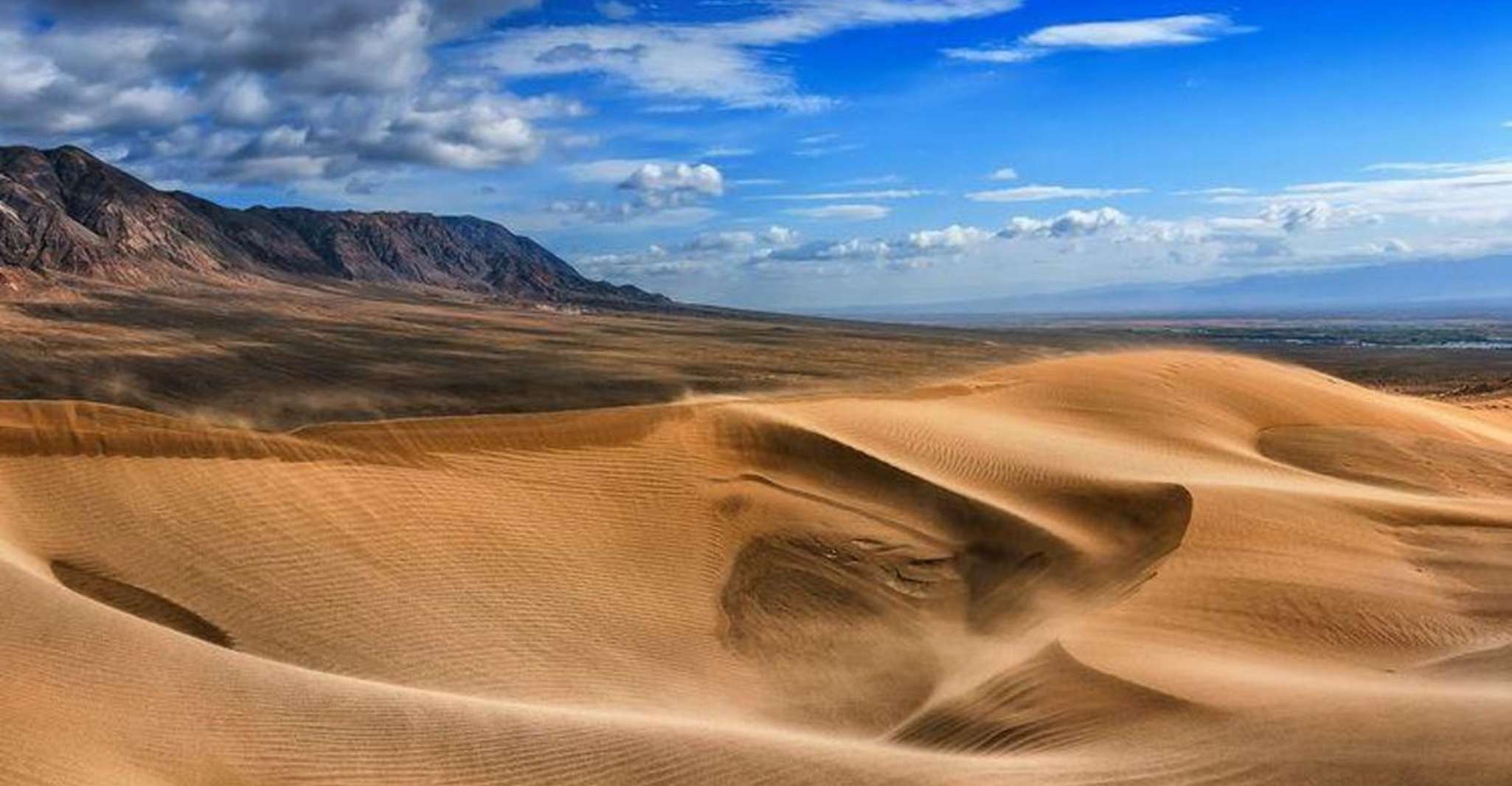
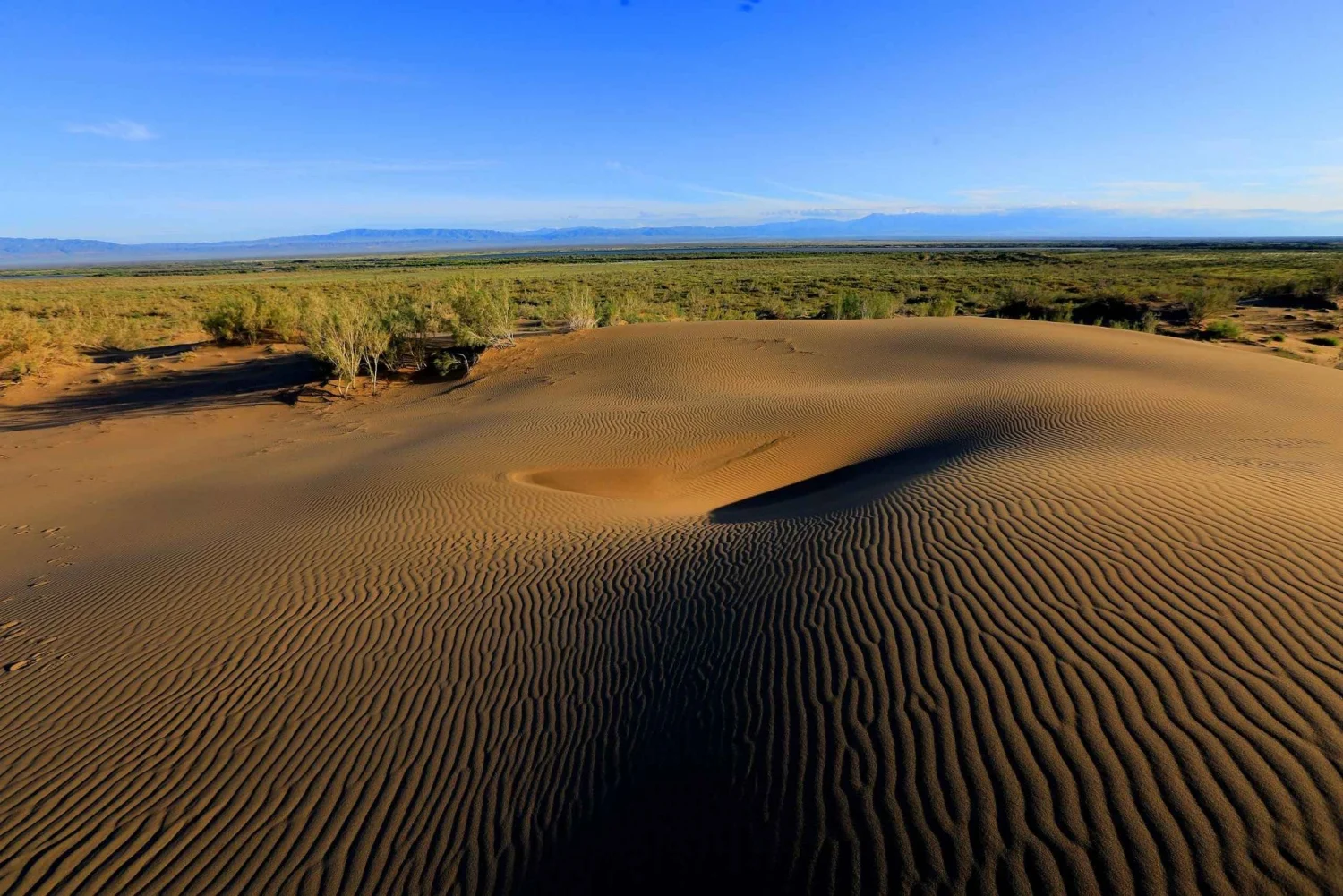
The Singing Dunes (Aiguai-Kum in Kazakh) of Altyn-Emel are a massive barchan formation — 150 meters high, 3 kilometers long — that emits a deep resonant hum when the sand surface is disturbed: when wind moves across it at the right angle, when visitors climb the face and disturb the granules, or during the specific atmospheric conditions that set the dune vibrating on its own. The sound has been described variously as an organ, a low-flying aircraft, a struck bell at enormous scale. It's none of these things precisely. It's the dune.
The acoustic phenomenon occurs because of the specific size distribution of the sand grains — consistent within a narrow range — and the way they interact with each other in motion. The physics is understood. The experience of standing at the base of the dune and hearing the sound coming from within the sand, rising through your feet before it reaches your ears, is not something the physics fully explains.
I stood at the top of the dune after the climb — 45 minutes of effort, the sand shifting underfoot in the two-steps-forward,-step-back manner of desert face climbing — and waited for the wind to change. It did. The dune began to hum. It lasted perhaps ninety seconds. Then it stopped.
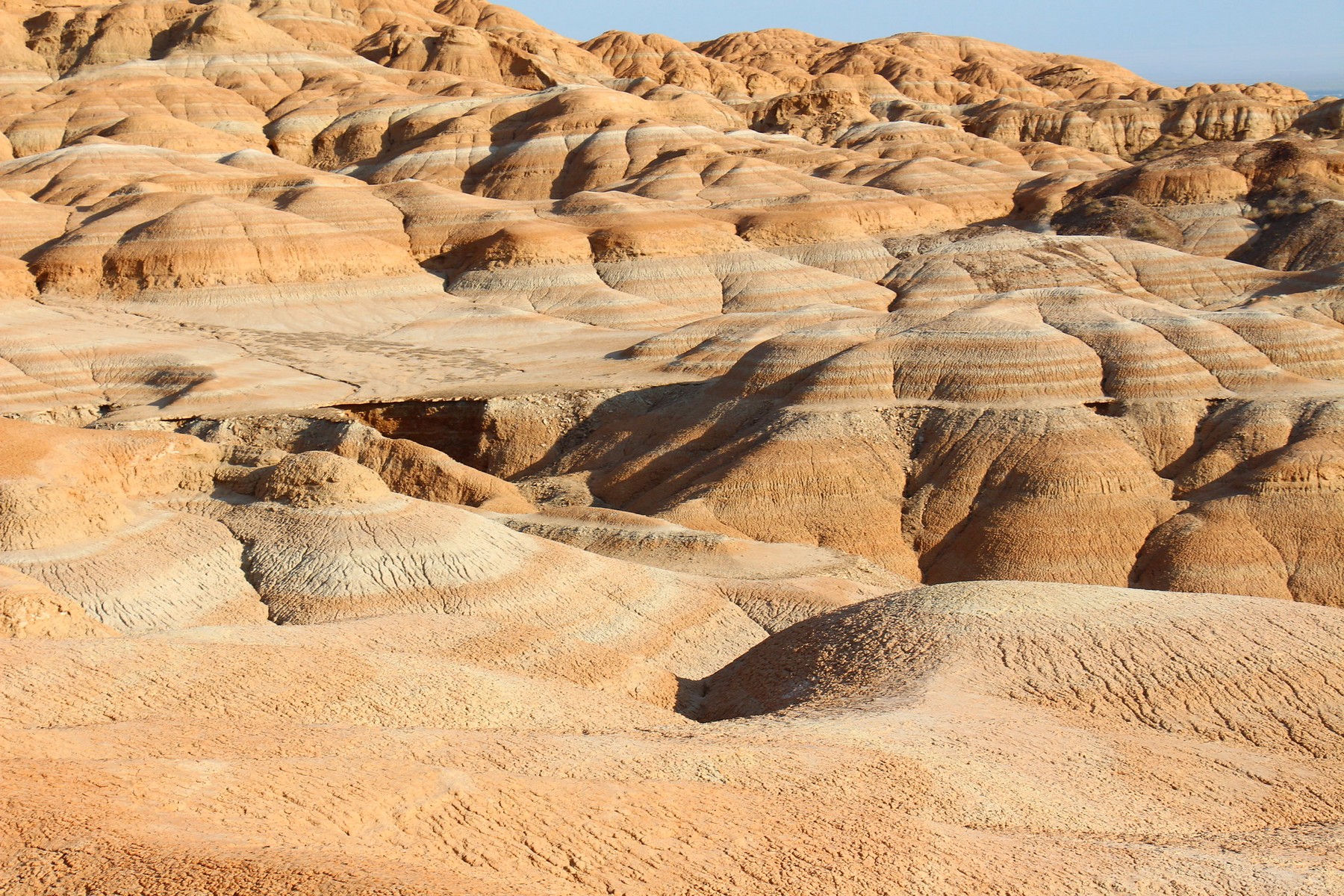
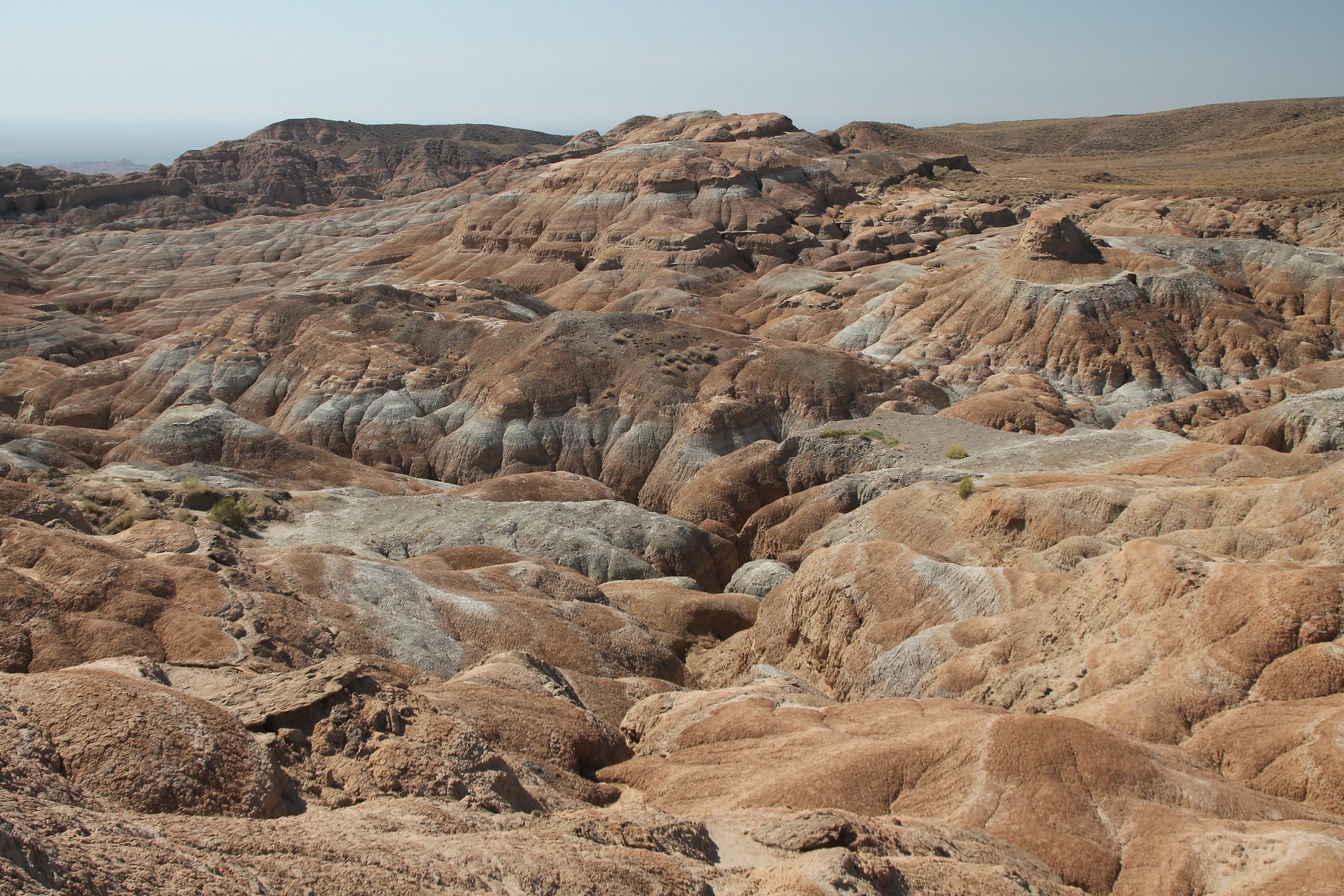
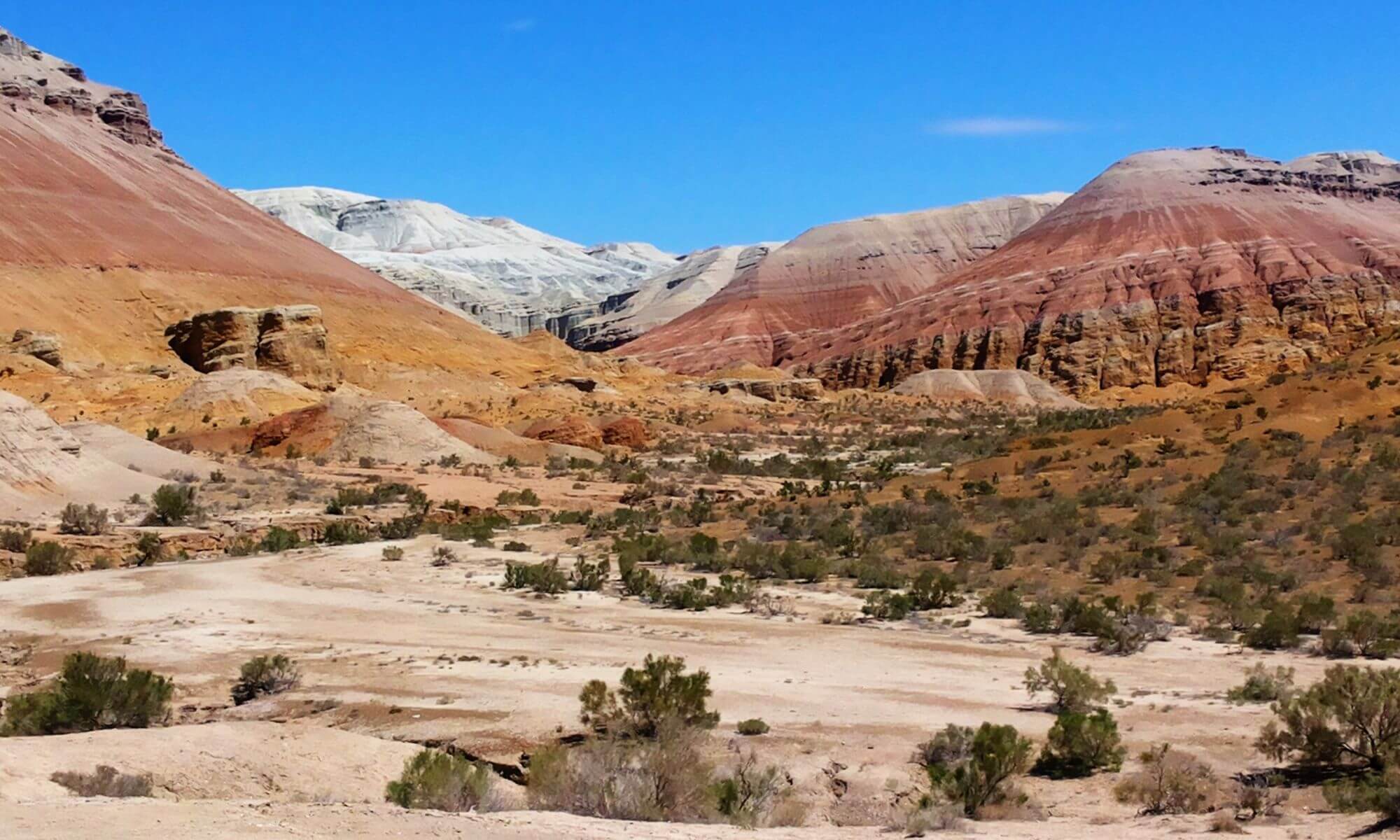
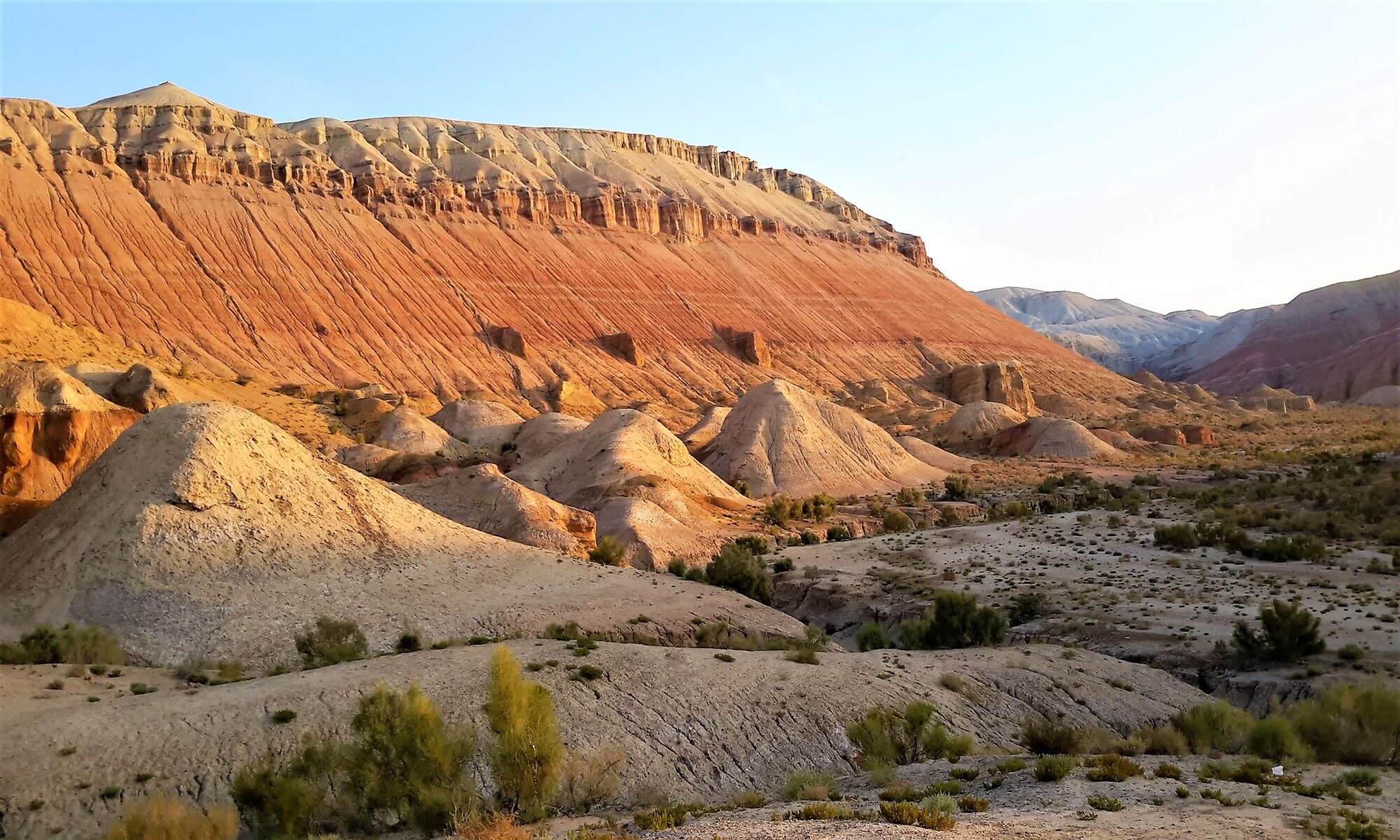
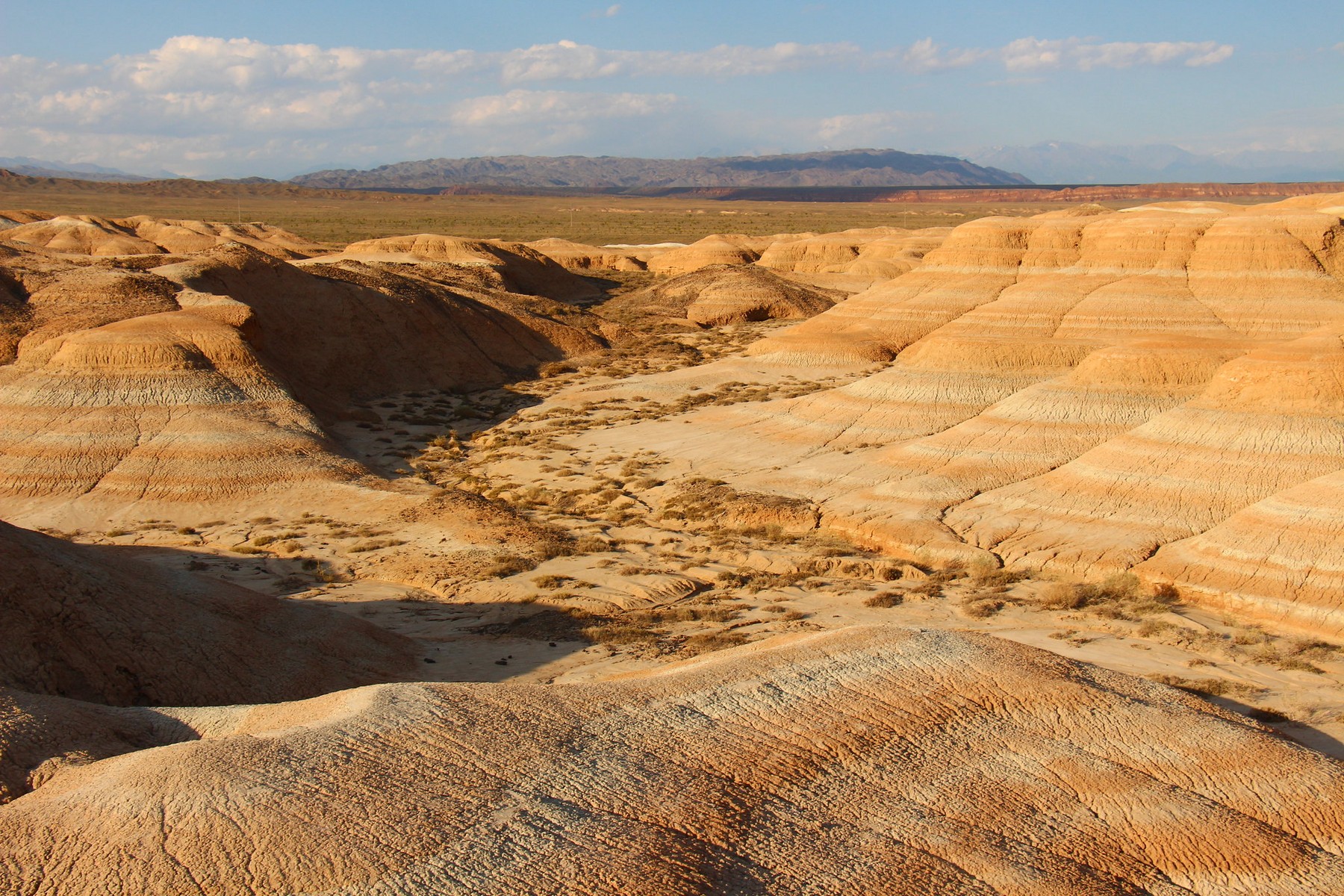
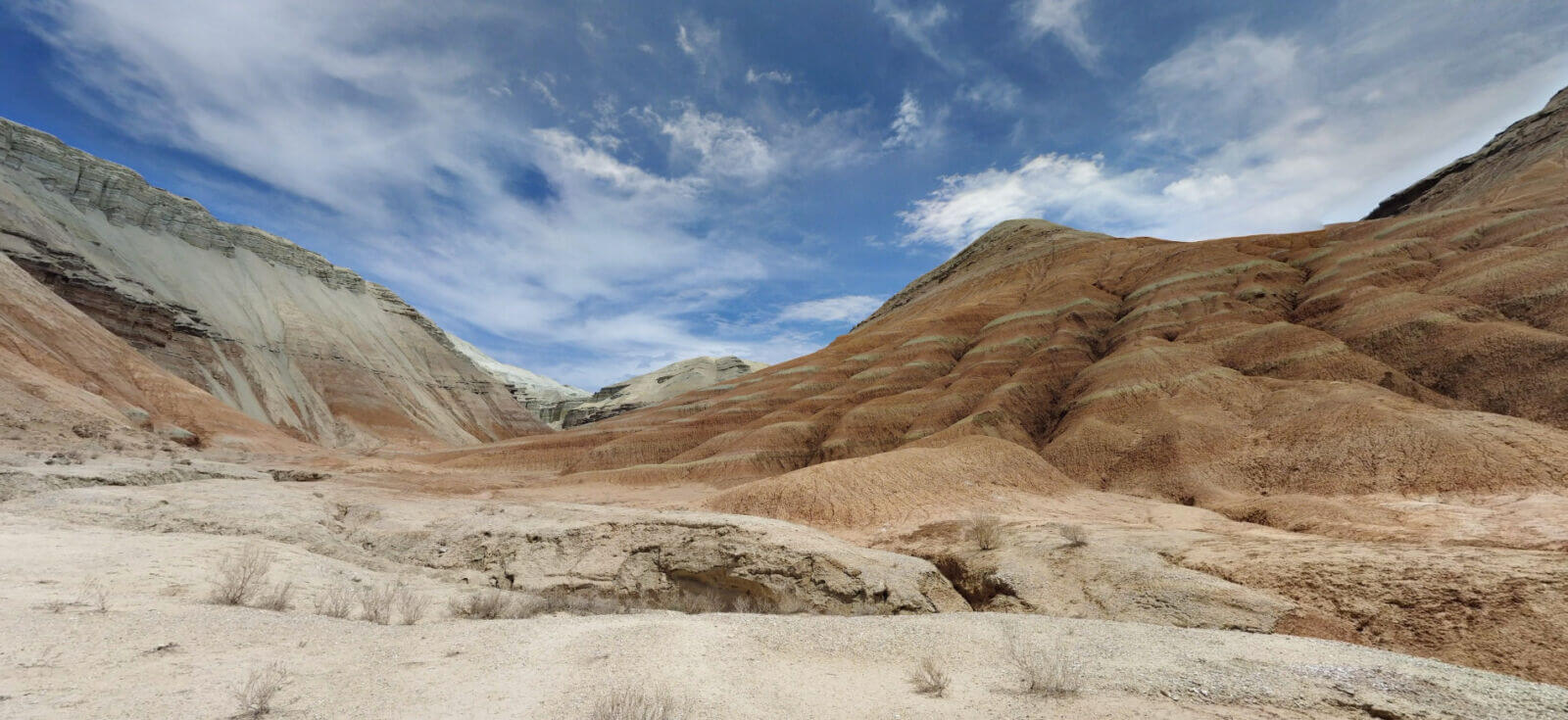
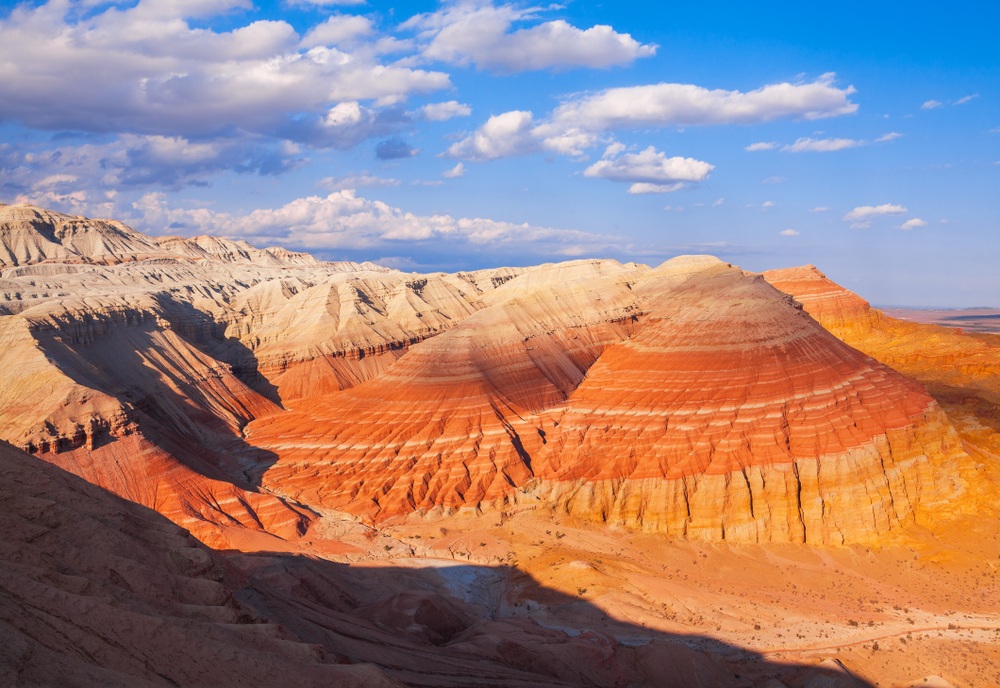
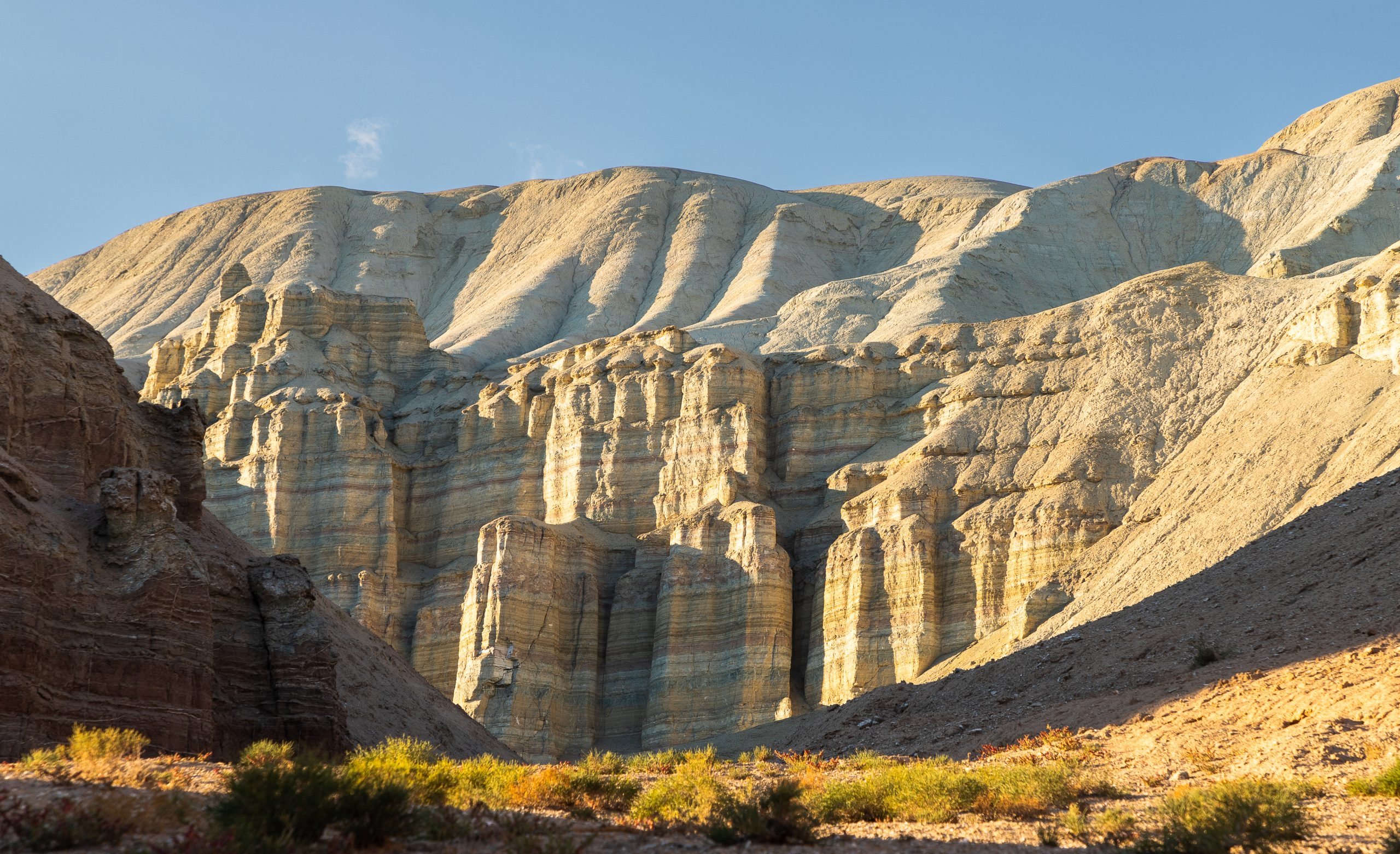
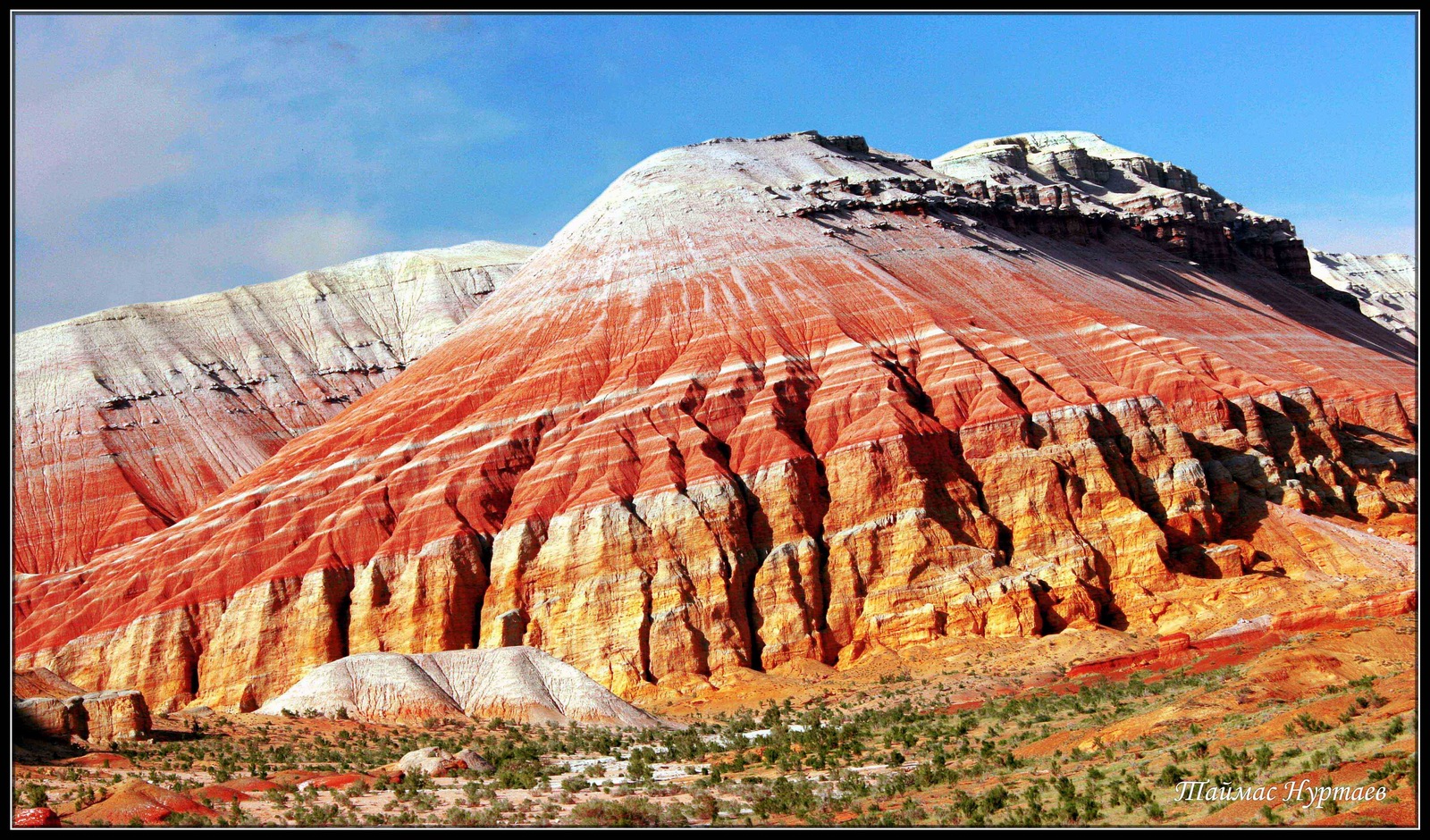
The Aktau Mountains nearby — chalk-white and rust-red formations visible from the dune summit — provide a second visual jaw-drop in what's becoming an embarrassing concentration of remarkable things in a single park.
Satybaldy, a ranger at Altyn-Emel who has been working the Singing Dunes for eight years, told me visitors are sometimes upset when the dune doesn't sing for them. "It chooses," he said. Then he smiled. "Usually it sings."
Deep History & Culture
The Ili River valley, which forms the northern boundary of Altyn-Emel, has been a transit corridor through Central Asian history for as long as humans have moved east to west and back again.
The Saka culture, those steppe warrior-pastoralists whose kurgan burial mounds appear across the Kazakh steppe, used the Ili valley as part of their seasonal migration territory from around 800 BCE. The petroglyphs at Tamgaly, within the broader Almaty region (though outside the park boundaries), represent their pictorial tradition — hunters, ibex, ritual scenes carved into rock faces that became central to the nomadic visual vocabulary.
The Mongol Empire, which absorbed Central Asian territory during the 13th-century campaigns of Genghis Khan, passed through the Ili valley as part of the westward expansion that transformed Eurasia. The Altyn-Emel saddle — Genghis Khan's golden saddle — was a strategic geography: a crossing point between the mountain ranges that channeled movement along specific corridors. Medieval armies, Silk Road caravans, and seasonal nomadic migrations used the same terrain for different purposes but by the same logic: the landscape directed movement, and this particular landscape directed a great deal of it.
The Kazakh Khanate's control of this territory came through the Great Zhuz, the southernmost Kazakh confederation whose seasonal pasture territory extended across what is now the Almaty Region. The river valley and its adjacent steppe were zhailyau territory — summer pasture — and the Ili River itself was a primary water source for communities moving through the region.
Soviet-era mapping and the establishment of the national park after independence (1996) formalized the boundaries of a space that humans had been using continuously for millennia. The Przewalski's horses that the park now protects are reintroduced descendants of animals that were extinct in the wild by the 1960s — their presence in Altyn-Emel is of the conservation world's meaningful success stories, in a place whose history of human use stretches back to the earliest civilizations of the steppe.
Practical Digital Logistics
The practical reality of Altyn-Emel: it's 250 kilometers from Almaty, requires a 4x4 for meaningful access to the interior, and delivers better experiences the more time you give it.
The main road from Almaty to Basshi village (the park entrance) is paved and takes approximately 3 to 3.5 hours. The final approach to the Basshi gate is straightforward. Park entry is paid at the gate — fees vary by nationality and activity type, rangers advise on current rates, bring cash.
Within the park, the major destinations (Singing Dunes, Aktau Mountains, Przewalski's horse territory) are separated by distances that require a vehicle: the dunes are roughly 20 kilometers from Basshi, the Aktau Mountains are 50 to 80 kilometers. These distances are on desert tracks that range from manageable to technical depending on recent weather conditions. Standard vehicles manage the main tracks in dry conditions; after rain, parts of the network become impassable without high clearance and four-wheel drive. Most organized tours from Almaty include appropriate transport.
Two-day itineraries work well: the dunes and horse territory on day, the Aktau Mountains on day two, with an overnight at of the guesthouses in Basshi or the park's accommodation options.-day trips from Almaty are possible but require very early starts and allow major destination properly.
The Singing Dunes are best climbed in the morning, before the midday heat (July temperatures at the dune face can exceed 50°C in direct sun). The Aktau Mountains are best visited in morning or late afternoon light, when the colors are most vivid. Schedule accordingly.
There are no fuel or food facilities inside the park beyond the Basshi gateway area. Carry everything you need for the day from Almaty or Basshi before entering.
Must-Do Activities
Altyn-Emel's major attractions are geographically spread across a park the size of a small country, which means prioritization is essential.
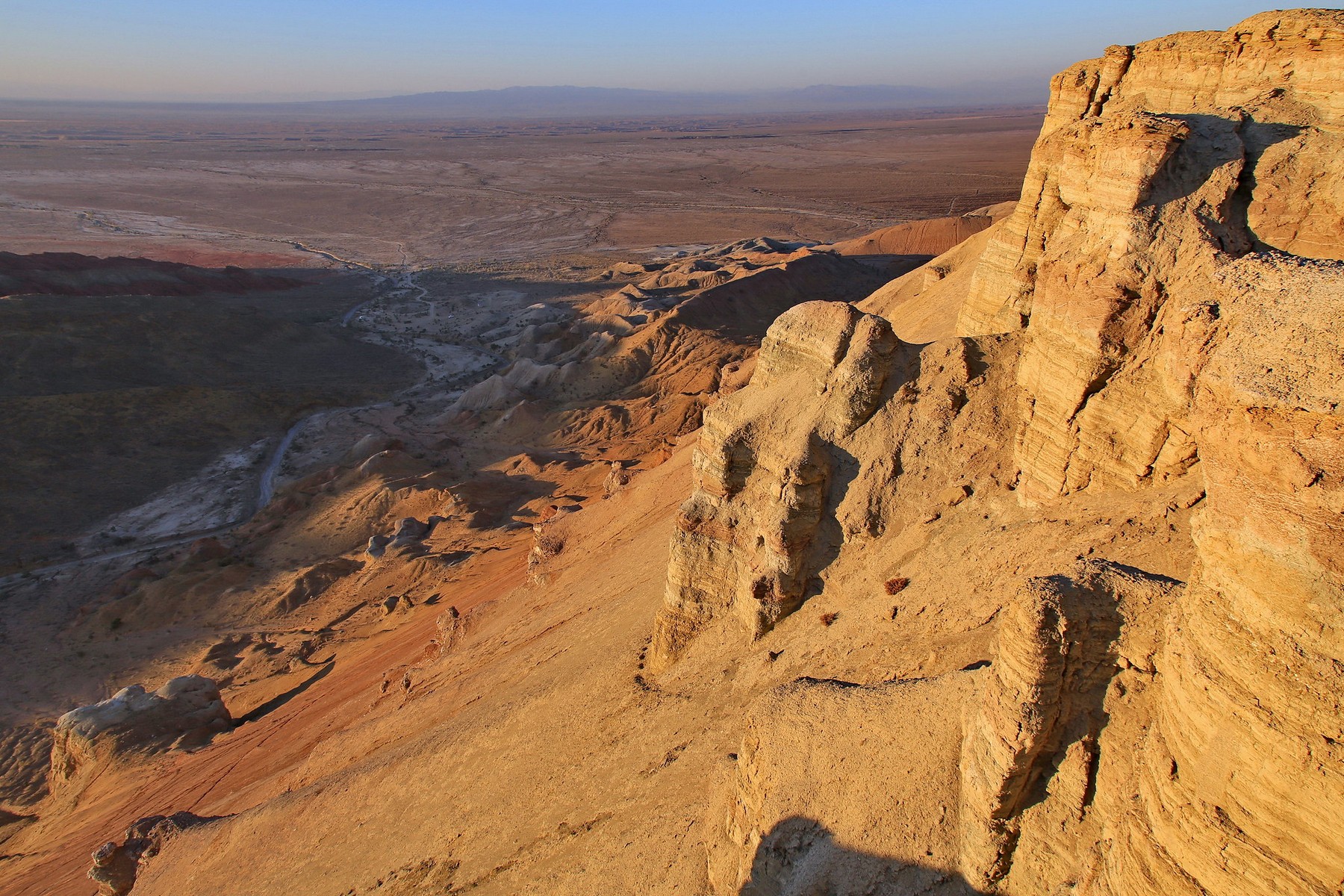
Climb the Singing Dune. The climb takes 40 to 60 minutes for the 150-meter ascent — the sand shifts underfoot with every step, which is exactly as frustrating and exactly as worth it as advertised. The summit gives a panorama of the Ili River valley, the Aktau Mountains in the distance, and the specific view of the dune itself from above: a perfect crescent of desert, wind-shaped, against the flat steppe. The singing, if it happens, happens on the descent when you disturb the sand face. Start early, before the heat builds.
Watch for Przewalski's horses. The park has a herd of reintroduced Przewalski's horses — the world's last genuinely wild horse species, extinct in the wild by 1969 and brought back through of conservation biology's most sustained breeding programs. The herd roams the park's steppe territory; sightings are not guaranteed but ranger guides can direct you to current territory. Seeing these animals in a semi-wild context, knowing what they represent biologically and historically, is a different experience from seeing them in a zoo.
The Aktau Mountains at morning or late afternoon. The colored chalk and clay formations change completely with light angle. Two hours at the right time of day produces a different landscape than the same two hours at midday. Plan the Aktau Mountains for your first or last activity of the day.
The saxaul forest. This is not dramatic photography territory, but the saxaul — a desert tree that grows in the most arid steppe terrain and forms the ecological foundation of the Central Asian desert ecosystem — is worth understanding in context. Ranger guides explain why these gnarled, not especially beautiful trees are ecologically non-negotiable in a way that changes how you look at the landscape.
Overnight in the park. The night sky above Altyn-Emel, 250 kilometers from Almaty's light pollution, is extraordinary. Stay for it.
Local Flavors & Amenities
Food and accommodation around Altyn-Emel operates on the logic of a remote national park: functional, local, and not the reason you came.
Basshi village, the park gateway, has a small number of guesthouses and a canteen-style facility at or near the park administration building. The food is standard Kazakh: lamb in various preparations, bread, tea, soup. It's the food that's available in this place, made by people who live here — not a curated experience, not a restaurant in the conventional sense, but a meal that refuels you for the afternoon's activities. This is sufficient and, in the context of a remote desert park, actually more than you have any right to expect.
The guesthouses in Basshi provide basic accommodation — beds, functional facilities, food included or available for a supplement. Rates are modest. For or two nights, this is the right choice over commuting from Almaty, because the park at dawn (before the day-trip vehicles arrive) and at dusk (after they leave) is a different experience from the mid-morning window when most visitors are present.
The park administration also manages some on-site accommodation options closer to the major attractions; the availability of these varies and should be confirmed directly with the park. For those who prefer wilderness camping, the park permits camping in designated areas with a permit.
For visitors who require better accommodation, Almaty is 250 kilometers away and has everything — including the restaurants, hotels, and amenities of a major city. The commute adds 3 to 3.5 hours each direction, which is meaningful in a park where early morning timing significantly improves the experience of the major attractions.
The park's gift shop at the visitor center carries basic souvenirs and some local craft items. More extensive souvenir shopping is best done in Almaty.
Essential Insider Tips
The information that makes the difference between a good Altyn-Emel visit and a great.
The dune surface temperature is not theoretical. In July and August, the sand face of the Singing Dune reaches temperatures that burn through thin shoes and make extended contact painful. Don't climb the dune in flip-flops. Don't climb it barefoot unless you enjoy making very fast decisions. Start the climb before 10am when the sand is still cool enough from the overnight temperature to be manageable. The view from the top is worth the effort; the effort at midday in summer is not worth the risk.
The Przewalski's horse sightings require patience and the right timing. The horses graze in the cooler morning hours and shelter in the afternoon heat. Ranger guides know the current territory patterns. Morning drives toward the horse territory, before the heat builds, produce significantly higher sighting rates than afternoon. If you're doing a-day trip and the horses are a priority, arrive at the park gate when it opens.
The dune sings most reliably when the temperature difference between day and night is large. This happens in spring and autumn, when clear nights cool the dune and warm days heat the sand face. The resonance effect in summer requires wind conditions that are less predictable. The park rangers can advise on recent conditions.
Water consumption in the desert is not a suggestion. A 150-meter sand dune climb in dry heat requires more water than the same effort at sea level. Three liters per person for a morning of activity is not excessive; two may not be enough. Dehydration in desert heat moves faster than it feels like it's moving.
The park has a single entrance/exit at Basshi. This sounds obvious until you've been driving desert tracks for three hours in the wrong direction. Download offline maps (Maps.me covers the park tracks reasonably well) before you lose cell coverage at the gate.
Sustainability & Community
Altyn-Emel is doing something that parks in more conventionally famous regions struggle with: maintaining a genuine wilderness character while absorbing increasing visitor numbers.
The Przewalski's horse reintroduction is the park's flagship conservation story, and it's a serious. The horses in the park are part of a global breeding program that brought a species back from extinction — the last wild Przewalski's horses disappeared in Mongolia in the 1960s. The Altyn-Emel herd is managed carefully: population monitoring, veterinary oversight, habitat management that supports natural grazing behavior. This is not a "wild animal" spectacle in the safari sense; it's a functioning conservation breeding population that happens to be observable by visitors in a large natural landscape.
The Singing Dune's ecology is more fragile than it looks. The barchan formation moves under wind pressure, and visitor foot traffic disrupts the sand face in ways that are cumulative over thousands of visits. Staying on the main climbing route (rangers mark it) rather than spreading across the full face reduces this impact. Running or sliding down the face, while satisfying, is also damaging and discouraged.
The desert steppe ecosystem — saxaul forest, desert grasses, reptile and mammal communities adapted to extreme conditions — is irreplaceable in its specificity. Vehicles that drive off the designated tracks create lasting damage to ground that grows things at geological timescales. Tour operators using the park are required to stay on established routes; independent visitors should do the same.
The community in Basshi has an increasingly tourism-oriented economy. Local guesthouse owners, guides, and service providers who depend on park visitors have a direct stake in the park's continued protected status. Spending money in Basshi — accommodation, food, local guide hire — supports the economic argument for conservation over alternative land uses in a region where those arguments are not settled.
Key Facts
- Singing Dune
- The massive sand dune is world-famous for the low-frequency humming sound it produces during dry weather and shifting winds.
- UNESCO Biosphere
- The park is a recognized World Heritage Site, protecting some of the most unique and fragile desert ecosystems in Central Asia.
- Rare Wildlife
- The park is a sanctuary for the reintroduced Przewalski's horse and large herds of Turkmenian kulans (wild donkeys).
- Volcanic Hills
- The Katutau mountains within the park showcase surreal lava formations and ancient volcanic activity from the Permian period.
- Archaeological Depth
- The Besshatyr burial mounds offer a glimpse into the Scythian culture with 31 large mounds dating back to the 6th century BC.
- Territorial Scale
- Covering over 4,600 square kilometers, it is one of the largest and most ecologically diverse protected areas in the nation.
Photo Gallery
Experience Altyn-Emel
Altyn-Emel National Park
Loading map...Loading map...
Planning Your Visit
Have a question?
Ask and get answers in seconds!
Discussion 0
No comments yet. Start the conversation!
Leave a Reply