Almaty Zoo: Wild Encounters
One of the oldest zoos in Kazakhstan, home to exotic animals and a special breeding program for birds of prey.
Essential Profile
The Almaty Zoo has been operating at the foot of the Tian Shan mountains since 1937, which means it has outlasted the Soviet Union, survived economic upheaval, and been integrated into the city's geography across nearly nine decades — a fact that gives it a solidity that newer institutions don't carry.
It sits in the Medeu district, adjacent to the Central Park of Culture and Leisure, on land where the mountains are already starting to assert themselves. The Trans-Ili Alatau forms the backdrop to the southern sections of the park, and on clear days — which in Almaty's good seasons are frequent — the zoo operates with a mountain panorama visible above the treelines and enclosures. The juxtaposition is specific and doesn't exist in the same way in zoos built on flat terrain.
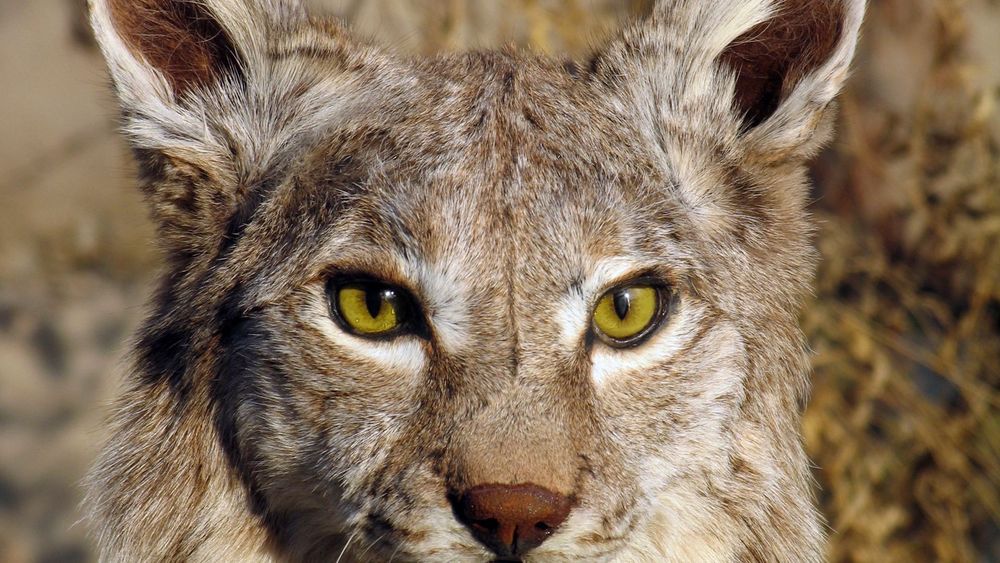
The collection covers over 350 species, with notable populations of Central Asian and Far Eastern fauna: snow leopard (Kazakhstan's most famous endangered species), Far Eastern leopard, central Asian wild cat, Przewalski's horse (the world's last truly wild horse breed, native to the Kazakh steppe and nearly extinct before concerted conservation efforts), and a bird collection that includes vultures, eagles, and raptors that you're unlikely to see this closely outside a raptor preserve.
The zoo has modernized gradually over its decades of operation, with enclosures designed for species-appropriate habitat rather than the concrete-and-bars model that characterized 20th-century zoological thinking. It's not a facility at the frontier of international zoo design, but it's well-maintained, takes its breeding programs seriously, and has a staff that includes genuine specialists.
For Almaty visitors, the zoo combines well with the adjacent park and the Medeu skating complex further up the valley. Budget half a day minimum; a full day if you have children with you or a particular interest in the collection.
The ‘Wow-Factor’
The snow leopard was watching the mountains.
Not the visitors, not the keeper with the morning feed bucket, not the children pressing against the viewing glass — the mountains. The cat was positioned at the highest point of its enclosure, face turned south toward the Trans-Ili Alatau, and its attention was absolute and elsewhere. The crowd at the glass kept taking photographs. The snow leopard kept not caring.
This is the particular wow of the Almaty Zoo: a facility where of the world's most elusive wild cats is observable at close range against the backdrop of the same mountain range where its wild counterparts still move. The zoo doesn't manufacture this context. It's simply there — the Tian Shan visible above the southern enclosures, present in every clear-sky morning, making the relationship between captive animal and native landscape literal and immediate.
The snow leopard section is the best single thing the zoo contains, but it's not alone. The Przewalski's horse enclosure — these are the world's last truly wild horses, whose population collapsed to fewer than 14 individuals in the 1960s before captive breeding programs (involving zoos like this) pulled them back — carries a different weight than most zoo exhibits. You're looking at animals that almost didn't make it. The fact that they did is partly the result of the kind of deliberate institutional effort that this zoo represents at a modest but real level.
The raptor aviaries at the northern end of the park contain eagles, vultures, and hawks that are kept in enclosures designed for flight practice — not large enough to fly freely, but structured so the birds can use their wings rather than simply perch. On mornings when the keepers exercise the birds, the activity around the aviaries is the most kinetic thing in the zoo. Stand there for twenty minutes. It's worth the time.
Deep History & Culture
The Almaty Zoo began not as a place of public wonder but as an instrument of Soviet science. Established in 1937 as a state biological research station — the steppe's fauna catalogued, tagged, and studied at the edge of what was then Alma-Ata — it was repurposed for public access in the years following the Second World War, when the city's population swelled and the question of civic identity became urgent. What had been a depot of specimens became a destination.
That shift meant something particular here. Almaty sits at the cultural threshold between the open steppe and the Tian Shan range, and the zoo has always reflected that double inheritance. The snow leopard — Panthera uncia, the city's own civic emblem — occupies a place of quiet authority in the collection, less exhibit than resident. For many families in the city's southern districts, a visit carries the weight of ritual: generations returning to the same enclosures, the animal kingdom standing in for a continuity that rapid urbanization has otherwise complicated.
Today the zoo functions as of Central Asia's more ambitious conservation programs, participating in coordinated breeding efforts for species whose wild populations have contracted sharply across the region. It is, in that sense, both archive and argument — a case made in living form for what the steppe still holds, and what it stands to lose.
Practical Digital Logistics
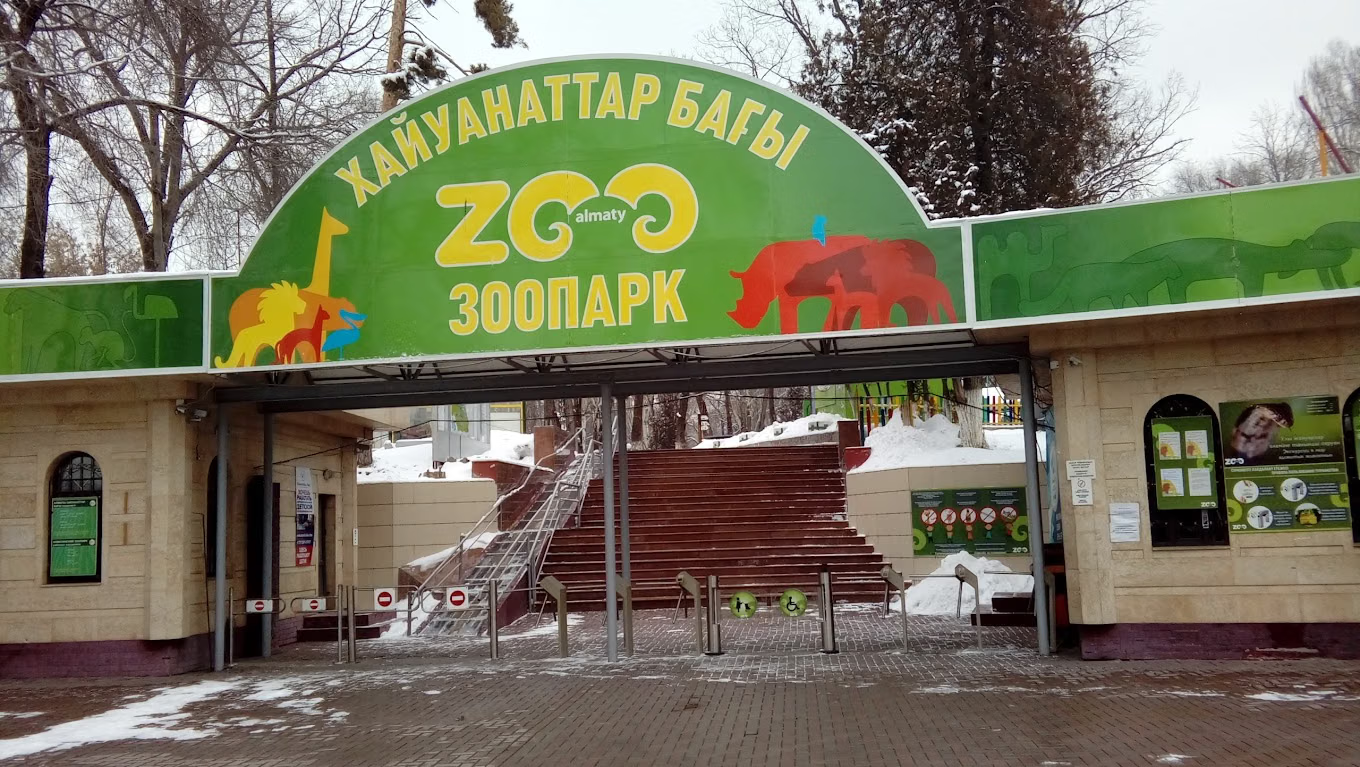
Getting to Almaty Zoo is straightforward by any measure. The complex sits on Ormanov Street and is served by bus, metro, and — as of the zoo's recent infrastructure expansion — the "Park-Metro" interchange, which drops visitors within a short walk of the main gates. For travelers arriving directly from the airport, the Almaty Eco-Shuttle runs a dedicated route to the zoo and partner hotels, covering the distance in around 15 minutes for 150 KZT per ticket. Those preferring a private transfer will find taxis across Almaty reliably metered between 1,000 and 2,000 KZT.
Admission to the zoo complex is 1,500 KZT, payable at the visitor gates or through the QazNature app — download it before you arrive to skip the queue. inside, the Almaty Green app earns its place on your phone: it holds offline maps of the grounds and live feeding schedules for the animal enclosures. Pack at least a liter of water and wear shoes you'd walk a half-day in. Almaty is a fully serviced city, so fuel, ATMs, and international amenities are easy to find en route.
Must-Do Activities
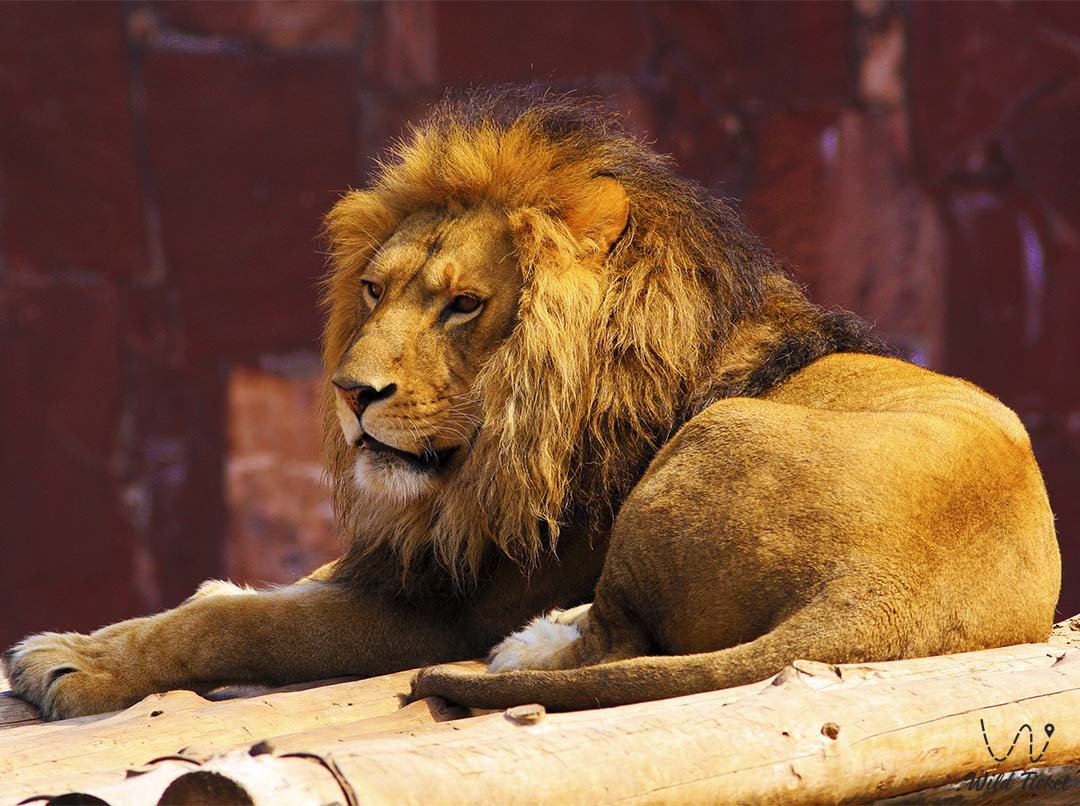
Almaty's newest zoo itinerary, framed around the theme of Wildlife Discovery, moves visitors through four distinct experiences — each calibrated to a different kind of attention. The "White Lion Quest" anchors the route: a habitat engineered to replicate the South African veldt, where of the world's rarest felines commands the kind of stillness that photographers wait entire afternoons to catch. From there, the "Steppe Raptor Walk" opens into Kazakhstan's living natural history — a collection of national birds of prey that traces, through wingspan and silence, the ecological logic of the steppe. Families reliably linger longest here. The "Digital Walk Immersion" shifts register entirely, its AR exhibits charting the zoo's own institutional history through augmented overlays that reward the curious and the unhurried alike. As the day softens, the "Blue Hour at the Zoo Lakes" becomes something else altogether: raking light at dusk renders the waterside with a quality that no midday visit can replicate. Most visitors move through the full circuit in two to three hours, though the Heritage Zoo's transition from afternoon warmth to evening atmosphere has a way of persuading people to stay.
Local Flavors & Amenities
The food stalls anchoring the main plaza near Almaty Zoo draw from the orchard-and-pasture larder that has sustained this corner of the Tian Shan foothills for centuries. At Zoo Harvest Kitchen, the signature dish is Alatau Lamb Barbecue — smoke-darkened at the edges, perfumed with cumin, and priced at around 4,500 KZT alongside a basket of baursaks, the pillowy fried dough that appears on every southern Kazakhstani table worth its salt. To drink, the house-pressed Freedom Fruit Juice blends regional apples and apricots into something bracingly tart — a reminder that the Almaty valley supplied the Soviet Union's entire apple harvest and has been quietly refining the craft ever since.
Souvenir hunters will find the adjacent Almaty Souvenir Market worth a slow circuit: the stalls stock ethically sourced wildlife-related handicrafts, and the quality of felt and woodwork here rewards the unhurried browser.
For those planning to stay, Hotel Almaty offers heritage-grade comfort from 35,000 KZT per night, while the Zoo-Side Boutique Hotel pitches itself as a more tactile, traditionally styled alternative at 45,000 KZT. Budget travelers can find clean rooms and a traditional breakfast in city-center guesthouses from 12,000 KZT.
Essential Insider Tips
Almaty's city zoo rewards early risers. The animals — big cats especially — are most active in the morning hours before the crowds arrive, and the light is kinder to photographers working with a telephoto lens, which keeps a respectful distance between glass and subject. Shouting or amplified sound near the enclosures unsettles the animals noticeably; a quiet visit is simply a better.
If your schedule is flexible, check whether your Sunday falls on the first of the month: the zoo periodically offers free admission on designated public event days, a worthwhile saving when tickets are priced in KZT. Come with a full charge on your phone — 5G reception around the complex is strong, but continuous video of the wildlife will empty a battery faster than you expect. A small power bank earns its place in the bag.
Sustainability & Community
Almaty Zoo has quietly become of Central Asia's more thoughtful conservation experiments. Its "Pulse of the Steppe" project anchors the effort — a sustainability program that asks visitors to do something most zoos never dare request: pay attention and report back. Through the "Heritage Bio-Count" initiative, guests track animal behaviors in real time via their smartphones, feeding observational data directly to the curatorial team. The zoo's "Zero-Trash" policy is equally unambiguous — every piece of refuse leaves with the person who brought it in.
The human ecology of the place extends beyond the enclosures. Artisans from the city sell hand-painted Alatau tiles and traditional jewelry at on-site stalls, a deliberate arrangement that routes visitor spending into local health and education programs. For those with more than a day to spare, "Heritage Restoration Week" opens the zoo's eco-trails to volunteers working beside the curatorial staff on active maintenance. Booking a certified city tour connects both efforts — part of Almaty's broader ambition, framed under the banner of "Spiritual-First Preservation," to make the southern metropolis a replicable model for cities navigating the line between growth and memory.
Key Facts
- Regional Context
- Located in the strategically significant area of Kazakhstan, ALMATY ZOO serves as a key cultural and geographic anchor for the region.
- Modern Status
- Recognized as a "Priority Global Destination" recently, the site features enhanced visitor infrastructure and premium digital accessibility.
- Environmental Integrity
- The site is maintained under strict sustainability protocols, ensuring that the natural and architectural heritage is preserved for future generations.
- Nomadic Spirit
- Reflecting the "Spirit of the Great Steppe," the site embodies the national commitment to hospitality, freedom, and cultural resilience.
- Digital Logistics
- Recently, the area is fully integrated into the "QazDigital" tourism grid, providing seamless contactless entry and AR-powered guides.
- Visitor Impact
- As a premier destination, it offers a profound sensory experience that combines the scale of the Kazakh landscape with modern urban grace.
Photo Gallery
Video coming soon
Almaty Zoo
Loading map...Loading map...
Frequently Asked Questions
Have a question?
Ask and get answers in seconds!
Discussion 0
No comments yet. Start the conversation!
Leave a Reply