Ak-Bulak: The Steep Slopes
A favorite ski resort for locals, known for its challenging black runs and fewer crowds than Shymbulak.
Essential Profile
The first run of the morning belongs to no.
Not to the instructor with the walkie-talkie clipped to his jacket, not to the families arriving in rented ski boots that are slightly too large, not to the teenagers who come for the chairlift selfies and stay because the mountain won't let them go. At six-thirty, with Almaty still dark in the valley forty kilometers below and the Trans-Ili Alatau holding the last of the night cold, the upper slopes of Ak-Bulak are just snow and silence and the specific blue-white light that exists nowhere else on earth except directly before sunrise at altitude.
I didn't expect to love it here. I'd come prepared to be underwhelmed.
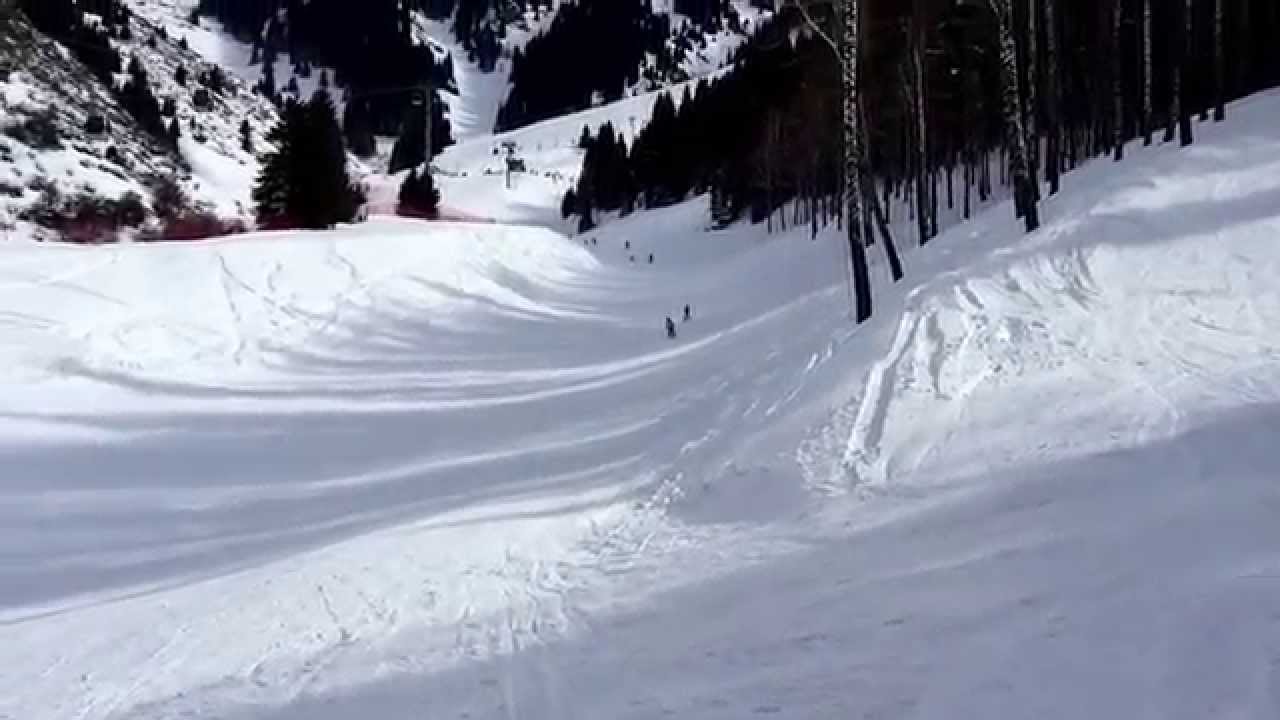
Ak-Bulak sits in the Soldatskoye Ravine — soldatskoye, soldier's — at an elevation between 1,600 and 2,660 meters. The resort has been carved into the mountain with the kind of quiet confidence that doesn't need to announce itself. The slopes drop at angles that range from gentle beginner terraces to a 55-degree black run that local instructor, Daniyar, described to me with a faint smile as "character-building." He said this while we were riding the chairlift and he was already planning his next descent. I was not planning mine.
The mountain does something to time. You arrive in the city — all glass towers and Soviet apartment blocks and the constant horizontal movement of a metropolis — and two hours later you're standing in snow, watching your breath disappear upward into air so clean it almost tastes sweet. The Kazakh call this the zhailyau feeling: the sensation of the high pasture, the ancestral pull toward open sky. It exists in the genes of a nomadic people. At Ak-Bulak, it arrives without warning.
The resort itself is compact but serious. The main lodge operates with the no-nonsense efficiency of a place that gets real winters — not the performative Alpine atmosphere of somewhere built for tourists, but the straightforward infrastructure of somewhere built for skiing. Equipment rental, properly maintained. A ski school where the instructors actually know the mountain rather than just the script. A cafeteria that serves warm sorpa — a clear mutton broth that costs almost nothing and does more for cold hands than any après-ski cocktail list.
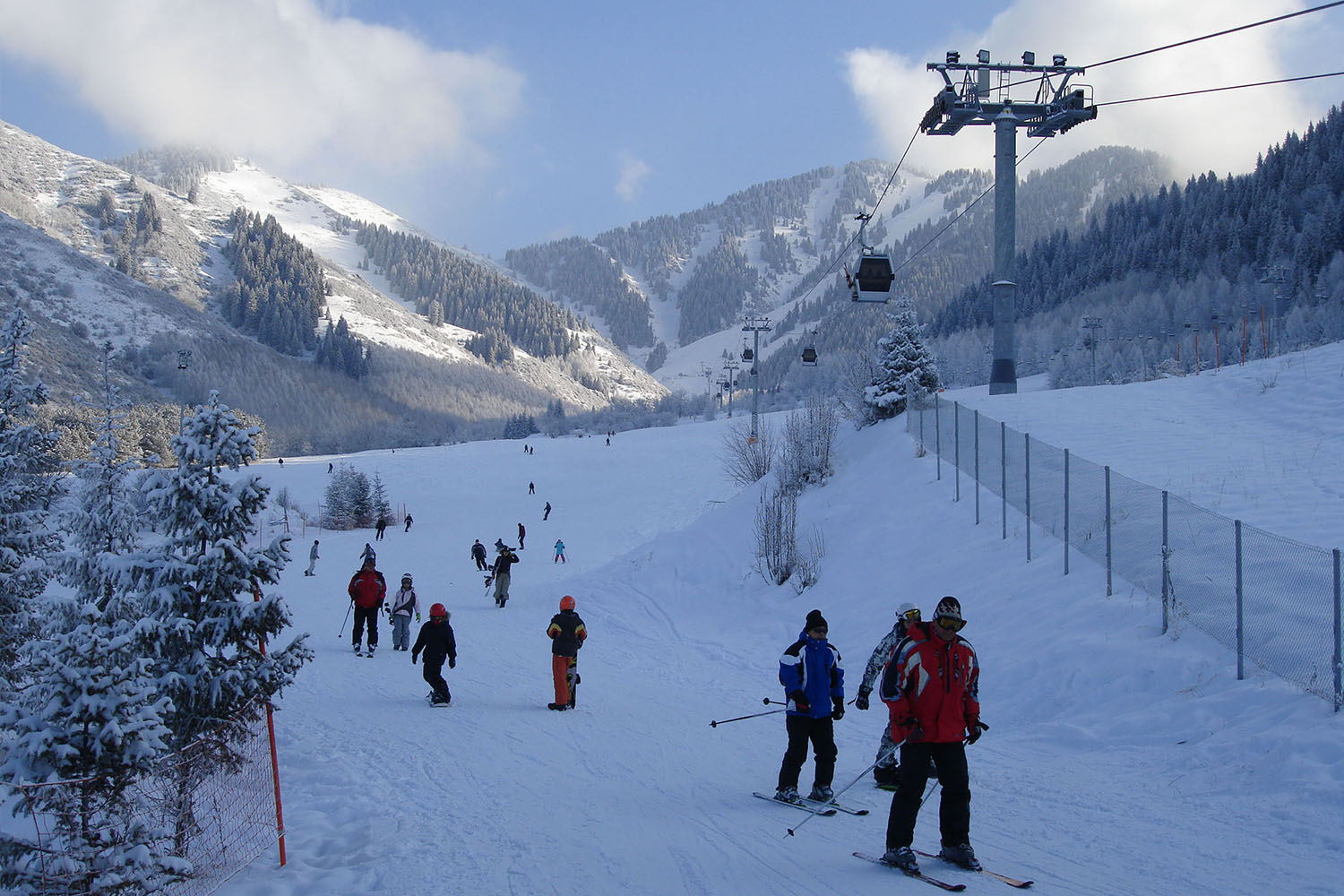
What the brochures won't tell you is that Ak-Bulak has two personalities. In high season — January through March — it fills with Almaty's skiing families, weekend warriors, and the occasional professional training for competition. But in the shoulder months, the first week of December and the tail end of March when the crowds have dissolved, the mountain becomes almost contemplative. The slope grooming goes undisturbed. The chairlift carries you alone. Below, the ravine walls are close enough that you can watch the snow fall differently in the shelter of the pine forest versus the open exposure of the upper face.
Daniyar has skied here since he was seven. His grandmother brought him the first time, wrapped in so many layers he could barely bend his knees. He remembers the exact run — a wide blue traverse that follows the natural contour of the mountain — and still takes it sometimes just to remember what it felt like to be afraid of the speed and then suddenly not be. "That's what Ak-Bulak teaches," he said. "You think the mountain is the obstacle. Then you realize it's carrying you."
There's something in that worth sitting with, somewhere between the first run and the last light, when the city reassembles itself in the valley below and you realize you're not ready to go back down.
The ‘Wow-Factor’
Nobody warns you about the vertigo.
Not the elevation kind — you can manage that. The other kind: the moment the chairlift clears the treeline and suddenly there is no more mountain above you, sky, and below you the entire Almaty basin has unfolded like someone opened a map of a country you thought you knew.
You weren't expecting that. The city looks small in a way that feels like a gift.
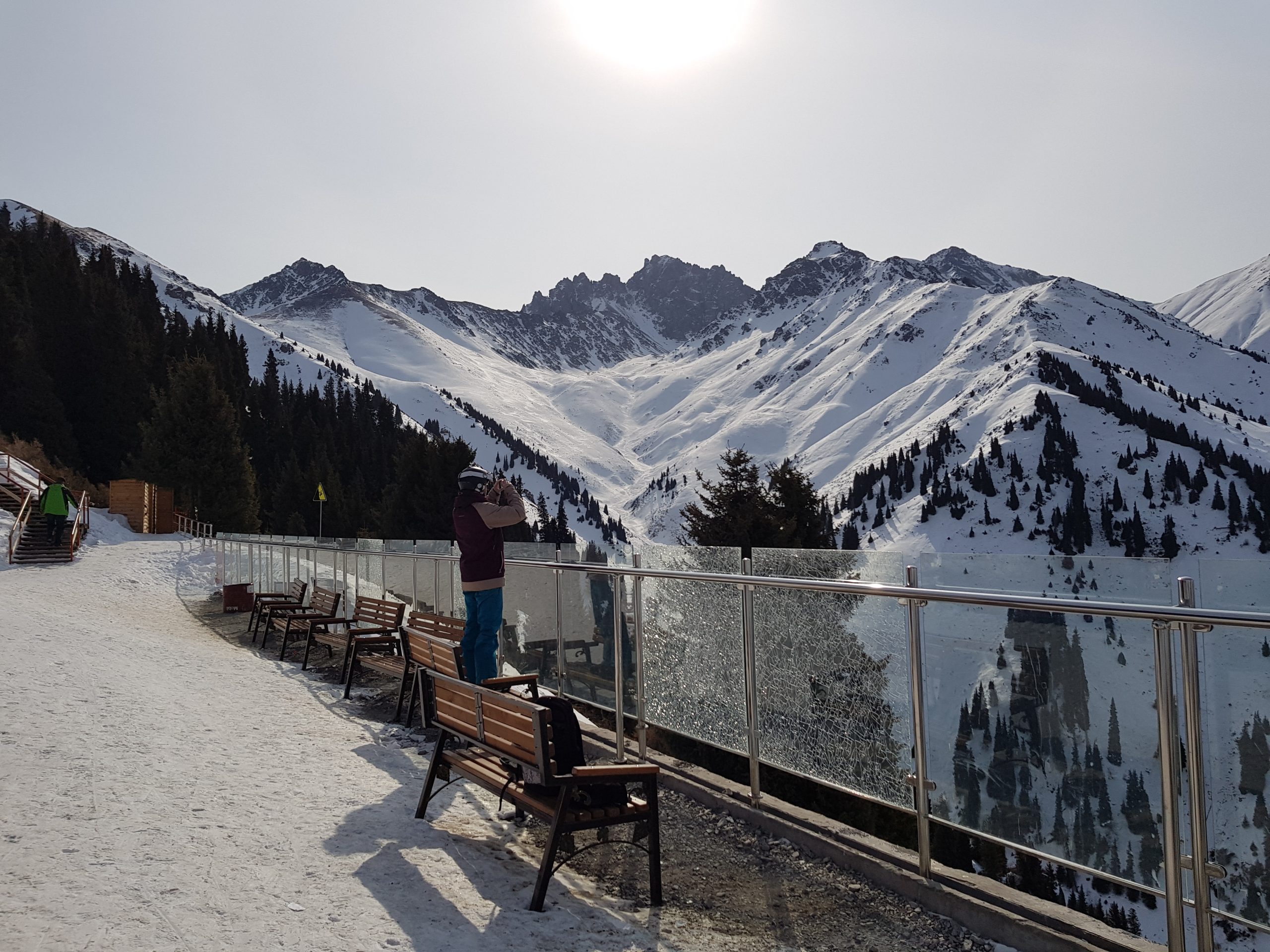
Ak-Bulak's real trick isn't the skiing. The skiing is excellent — the 55-degree black run at the top will remind any confident skier that confidence and ability are not the same thing — but that's not what people carry home with them. What they carry home is the view from the 2,660-meter ridge at the moment the morning light hits the peaks of the Trans-Ili Alatau behind you and the shadow line moves down the valley ahead of you, slow and definite as a clock hand.
The Kazakhs have a word: zher — the earth, the land, the place that holds your history. Standing at the top of Ak-Bulak, with the wind coming off the Tian Shan cold and clean and carrying what might be ice crystals or might be the first hint of snow, the concept stops being abstract. This land has depth. It goes back. It goes further back than any building in Almaty, further back than the city itself, further back than anything you can see from here except the mountains.
Below, a queue is forming at the rental shack. An instructor is demonstrating the snowplow to three children in matching red jackets. Someone has left two ski poles stuck upright in the snow like a small fence marking nothing in particular. Normal morning. Ordinary resort. And yet — the light keeps changing on those peaks.
That's the thing about Ak-Bulak that the photographs can't quite catch. They get the peaks, they get the snow, they get the skiers. They don't get the specific quality of the cold on your face, or the way sound carries differently at altitude — sharper, cleaner, like someone has adjusted the world's settings — or the moment, usually about forty minutes into your first run of the day, when the rhythm of skiing stops being something you're doing and becomes something that's happening to you.
An older man I met on the chairlift — Nurlan, retired, three days a week up here from October through March for twenty-two years — described it more simply. "The city takes from you," he said. "The mountain gives back."
He pushed off at the top and disappeared into the slope before I could ask him what, exactly, it gives back. I think he knew the question was answerable by experience.
Deep History & Culture
The Soldatskoye Ravine was here long before anyone thought to build a ski resort in it.
The name — soldier's ravine — comes from Russian military cartographers who passed through in the 1850s, part of the slow annexation of Kazakh land that began in 1731 and ended, for practical purposes, with the complete absorption of the Great Zhuz by the 1840s. They named the geography after themselves, as colonizers do. The Kazakhs had been naming this ravine, and every other crease and fold of the Trans-Ili Alatau, for centuries before that, in a language built for precision about landscape.
The nomadic Kazakhs — the batyrs, the zhyrau poets, the herdsmen who moved their livestock vertically through the seasons — understood these mountains as working geography, not scenery. The high summer pastures, the zhailyau, sat above the treeline at elevations where Ak-Bulak's ski runs now begin. Every June, families would move the herds up. Every September, down. The mountains weren't a destination. They were a room in the house.
Soviet industrialization changed the relationship. The collective farm system ended the seasonal migrations, forcing nomadic families into permanent settlements. The mountains became something you looked at rather than moved through. Skiing, which arrived as Soviet sport infrastructure in the 1960s and 70s, was in some ways an attempt to re-establish a vertical relationship with landscapes that had been severed from their traditional use. It didn't carry the same cultural meaning. But it kept people looking up.
The resort that became Ak-Bulak began as a modest facility for Almaty's workers — part of the Soviet system of organized recreation that ran through Komsomol and trade union networks. It expanded incrementally across the 1970s and 80s, and then again after independence in 1991, when Kazakhstan began building outward from its own priorities rather than Moscow's. The current facilities reflect thirty years of that independent development — imperfect in places, serious in the ways that matter.
What doesn't change is the mountain itself. The Tian Shan range — which Kazakhs know as Tengri-Tau, the Mountains of God — is not Soviet-era infrastructure. It's 250 million years old. The ravine was carved by glacial melt that predates human memory by orders of magnitude. Every run at Ak-Bulak follows a channel that water made first.
There's something appropriate about that. The resort adapts. The mountain continues.
Practical Digital Logistics
Getting to Ak-Bulak is straightforward. Getting there at the right time is the part that requires a small amount of planning.
The resort sits 40 kilometers east of Almaty in the Soldatskoye Ravine of the Trans-Ili Alatau. The drive from the city center takes between 45 minutes and 90 minutes depending on traffic — Almaty's morning rush is substantial, and weekend ski traffic on the mountain road can create its own delays. Most visitors take a taxi or rideshare; the fare from the city center runs roughly 3,500 to 6,000 KZT depending on time of day and app used. Indriver and Yandex Taxi both cover the route. Your driver will know Ak-Bulak — it's of the city's primary winter destinations and you won't need to explain it.
Ski passes are purchased at the ticket office at the base. Day passes cover unlimited chairlift access; pricing changes seasonally and should be verified directly with the resort, as rates adjust based on demand and conditions. Ski and snowboard rental is available at the base lodge. Quality is adequate; if you have strong preferences about equipment, bring your own.
The mountain operates from roughly November through March, though the window shifts with snowfall. January and February offer the most reliable conditions. Weekday mornings — arrive by nine — give you the cleanest runs before the crowds build. Weekends are social occasions as much as skiing; plan accordingly or lean into it.
Dress for genuine mountain cold. The temperature at the 2,660-meter ridge can run 8 to 12 degrees colder than Almaty. Layers, gloves, goggles. The sun at altitude is stronger than it feels. Bring water — the cafeteria sells drinks but staying ahead of dehydration at elevation matters more than most people expect until they stop expecting it.
Cash and card payments are both accepted at the resort. Cell coverage is reasonable at the base but patchy higher up. Take your photos before the summit run, or learn to live without them. The mountain has opinions about screens.
One practical note that no app will tell you: the road up to the resort has a section in the final kilometers that becomes genuinely challenging after heavy snowfall. If you're driving a low-clearance vehicle in fresh snow conditions, consider waiting an hour for the road crews to work.
Must-Do Activities
Ak-Bulak rewards the visitor who doesn't treat it as a single-activity destination. The skiing is the obvious draw — and genuinely good — but the mountain has more to offer than what happens on the way down.
The Black Run, for the prepared skier. The resort's steepest run drops from the 2,660-meter ridge at a gradient that filters out casual visitors pretty effectively. If you're a confident skier and you don't take it at least, you'll regret it on the taxi back to Almaty. If you're not a confident skier, the blue runs on the mid-mountain are satisfying on their own terms and significantly less humbling. The ski school's instructors are worth consulting before you make any decisions about your skill level.
The chairlift at sunrise, regardless of whether you ski. Buy a lift ticket, ride to the top, stand on the ridge, and watch the light come up over the Trans-Ili Alatau. You don't need skis for this. You need warm clothes and the willingness to be outside at six-thirty in the morning, which most people are willing to do when the destination justifies it. This destination justifies it.
A full morning on the mountain, not a half-day. Ak-Bulak is 40 kilometers from Almaty, and the journey — whatever mode of transport you choose — takes the better part of an hour. Making it a half-day trip means spending most of your time on logistics. Arrive before nine, stay through early afternoon when the light on the peaks goes golden and strange. The mountain shifts across a day in ways that are worth staying to observe.
The cafeteria, without embarrassment. The sorpa — hot mutton broth — costs almost nothing and solves the problem of cold hands and a hollow stomach with a directness that more expensive options in ski lodges everywhere fail to match. Eat it standing, the way everyone else does. The beshbarmak is available on weekends and worth the wait.
The shoulder season, if your schedule allows. December and late March are when Ak-Bulak reveals its quieter character. Fewer people. Better snow conditions in the morning. The chairlift running at walking pace because nobody's in a hurry. The mountain without the crowd is a different mountain, and it's worth knowing both versions.
Local Flavors & Amenities
The cafeteria at the base lodge does not try to be anything it isn't.
There's no themed décor, no Instagram-friendly latte art, no menu in four languages. There are trays, there is sorpa, and there are baursaks — fried dough balls, golden and slightly sweet, the kind of thing that exists in the Kazakh culinary vocabulary precisely because they can be made in quantity, survive being carried, and are eaten standing up in the cold without losing any of their purpose. The sorpa is mutton broth, clear and hot and deeply savory. Together they cost almost nothing and they do exactly what they're supposed to do: warm the hands, fill the stomach, send you back out the mountain ready to continue.
This is what food looks like when it's functional rather than performative. Don't skip it in favor of the more dressed-up option.
Ak-Bulak's mountain-herb tea is worth trying. The region produces a specific variety of wild mountain thyme — zhusay in Kazakh — that grows at the altitude where the ski runs begin, and the tea made from it has a sharp, almost medicinal quality that's different from anything in a grocery store. Ask at the cafeteria counter.
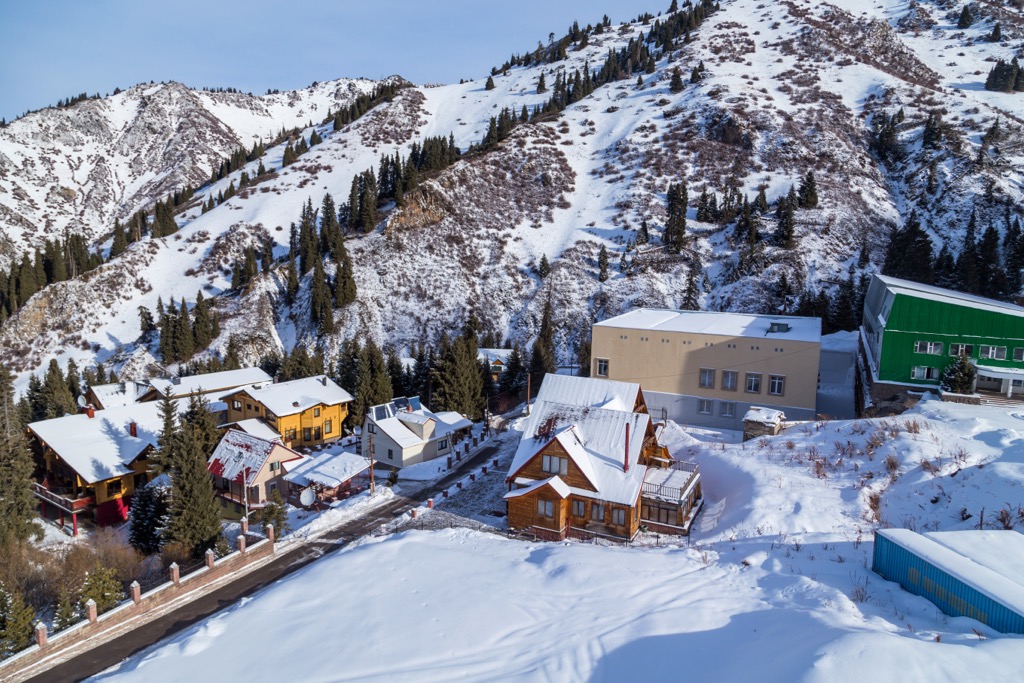
For accommodation, the resort has a small number of on-site options ranging from basic rooms to larger lodge suites. The advantage is obvious: you're already on the mountain, the morning runs are a short walk away, and you don't have to spend the early hours of your best ski day in Almaty traffic. Pricing fluctuates with season and availability; book directly with the resort rather than through third-party platforms, which don't always reflect accurate availability for mountain properties.
The Talgar district, which sits at the base of the mountain road, has additional guesthouses and small hotels for travelers who want proximity without the on-site pricing. The commute up the mountain from Talgar runs 15 to 20 minutes outside peak times. For Almaty-based visitors doing day trips, returning to the city for dinner and accommodation is completely workable — Almaty's restaurant scene is extensive and the 40-kilometer drive becomes more interesting after a full day of skiing when you have something to think about on the way back down.
Essential Insider Tips
The things nobody puts in the brochure, and that you'll wish someone had told you before you went.
Go on a Tuesday. Or any weekday. The weekend crowds at Ak-Bulak are significant — Almaty is a city of two million people with limited mountain access, and most of them have the same Saturday morning idea you do. Weekdays, particularly in January and February when conditions are best, give you the runs to yourself before ten. The chairlift queue is short. The groomed snow hasn't been torn up yet. You'll get more mountain for your morning.
Check road conditions before you leave. The access road into the Soldatskoye Ravine can close or slow significantly after heavy overnight snowfall. The resort's social media accounts (check Instagram) update with morning road conditions. An hour's patience at the city end can save you a very cold ninety minutes stuck on a mountain road in a taxi with rapidly diminishing goodwill all around.
Dress warmer than you think you need to. The base elevation at Ak-Bulak sits around 1,600 meters. The ridge is at 2,660 meters. That's more than a kilometer of elevation gain, and temperature drops roughly 6 degrees Celsius per thousand meters. If it's a pleasant 5°C in Almaty when you leave, expect -3°C at the base and something colder on the chairlift. Bring a proper jacket. The rental shop sells gloves but the selection is limited and the prices are resort prices.
The ski school is not just for beginners. The instructors at Ak-Bulak know every centimeter of the mountain, including the off-piste possibilities that don't appear on any trail map. An hour with a local guide on your second or third day here — you know the basics — will show you a different resort than the you spent your first day on.
Altitude affects you faster than you expect. Ak-Bulak isn't Everest, but 2,600 meters is real elevation if you've arrived from sea level in the last 48 hours. Drink water. Skip the extra coffee. If you're feeling lightheaded on the first day, that's not weakness — that's physics. Give yourself a morning of moderate activity before you attempt the black run.
Sustainability & Community
The Trans-Ili Alatau range that holds Ak-Bulak is not an infinite resource, and the people who live and work in these mountains know this with a directness that doesn't translate well to resort marketing copy.
The immediate ecosystem around the ski runs includes forested slopes of Tian Shan spruce — a species endemic to Central Asia that grows slowly and doesn't recover quickly from disturbance. The watershed that begins in the snowfields above Ak-Bulak feeds directly into the Talgar River, which supplies water to communities in the valley below. What happens on the mountain matters beyond the mountain. This is not metaphor.
The most direct sustainability contribution a visitor can make is the most boring: stay on marked runs and trails, carry out what you carry in, and don't buy the kind of souvenirs that involve wild-harvested materials. The informal vendors who sometimes operate near the parking area sell eagle-related items and animal products that exist in a legal and ecological gray area. The better option is the local artisans in Talgar and the Almaty bazaars, where textile workers and craftspeople produce work that connects to the region's nomadic heritage without removing anything from the wild.
The communities in the Talgar and Enbekshikazakh districts have a layered relationship with Ak-Bulak. The resort provides employment — lift operators, instructors, maintenance crews, hospitality staff — and the seasonal money matters. But the residents of the ravine villages have watched the mountain change across decades, and their relationship with winter tourism is pragmatic rather than promotional. Hiring local guides, eating at locally-run establishments in Talgar, and spending money on the descent rather than saving it for Almaty-based chains is a more direct economic contribution than any certificate or sustainability rating.
Take the mountain on its own terms. It was here before the resort. It'll be here when the resort is a different shape. The appropriate stance is something between gratitude and care.
Key Facts
- High Altitude
- The resort reaches an elevation of 2,600 meters above sea level, providing excellent snow quality for professional and amateur skiers.
- Night Skiing
- Equipped with professional lighting systems, Ak-Bulak offers safe and exhilarating night skiing sessions on designated slopes.
- Lift Capacity
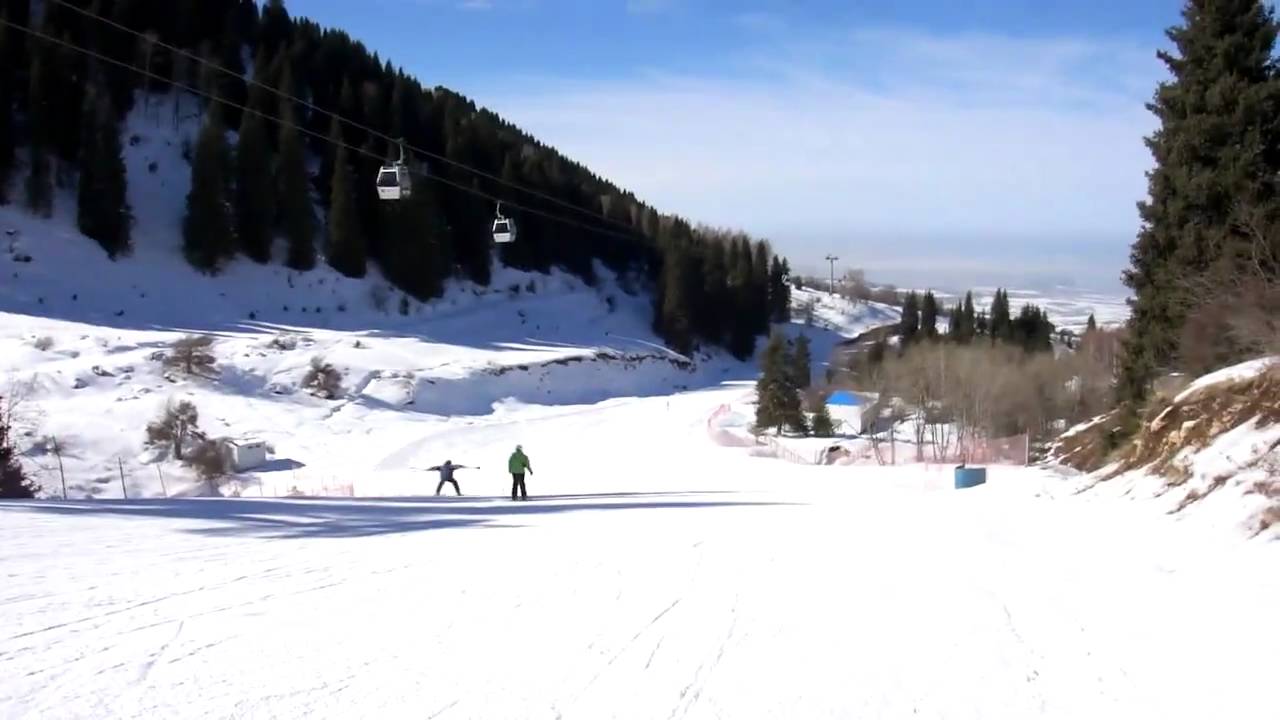
- The resort features modern gondolas and chairlifts capable of transporting thousands of visitors per hour to the highest peaks.
- Olympic Heritage
- Known as a training ground for professional athletes, the resort maintains world-class standards for winter sports and competitions.
- Family Zones
- Dedicated 'Green' slopes and kids' clubs allow families to enjoy the alpine environment in a safe and monitored setting.
- Regional Access
- Located just 40 kilometers from Almaty, it is one of the most accessible premium ski destinations in the Almaty region.
Photo Gallery








Video coming soon
Ak-Bulak
Loading map...Loading map...
Frequently Asked Questions
Have a question?
Ask and get answers in seconds!
Discussion 0
No comments yet. Start the conversation!
Leave a Reply