Central State Museum: The History of the Steppe
The largest museum in Almaty, housing over 200,000 artifacts from the Bronze Age to the modern era.
Essential Profile
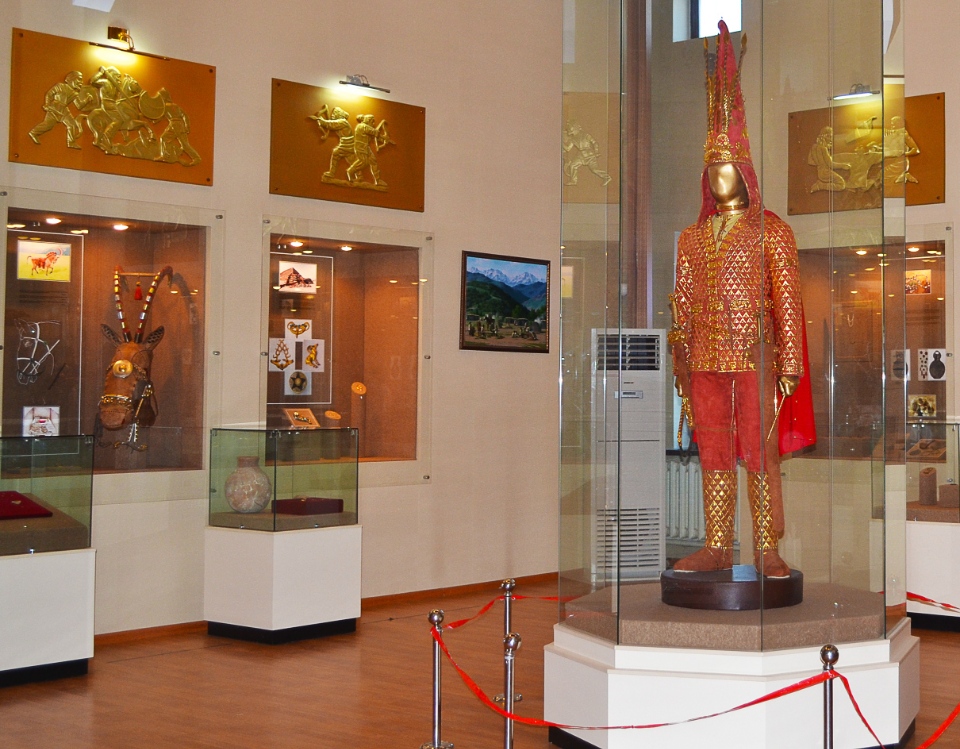
The Golden Man is smaller than you expect. The warrior who stands at the center of the Central State Museum's most famous display — the reconstructed costume of a Saka noble from the 5th century BCE, clad head to foot in gold — is estimated to have been a young man, probably in his early twenties when he died. The gold covering him weighs more than four kilograms. It was buried with him at a site called Issyk, 50 kilometers east of Almaty, sometime around 400 BCE. The mountain preserved it for twenty-four centuries. The museum now holds the reconstruction — the original artifacts are behind glass nearby — and the cumulative effect of that much concentrated gold on a single human form is of the most arresting things in any museum in Central Asia.
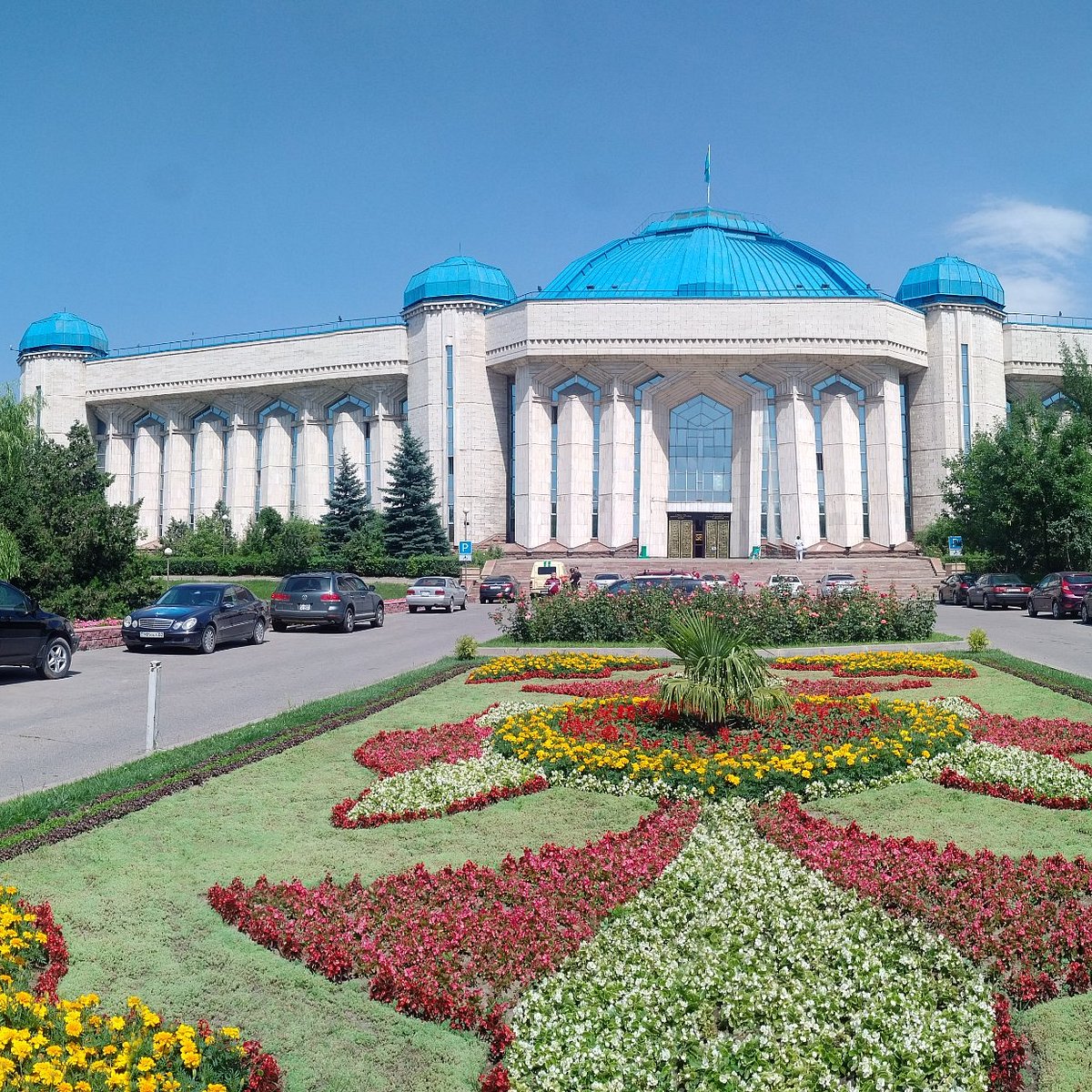
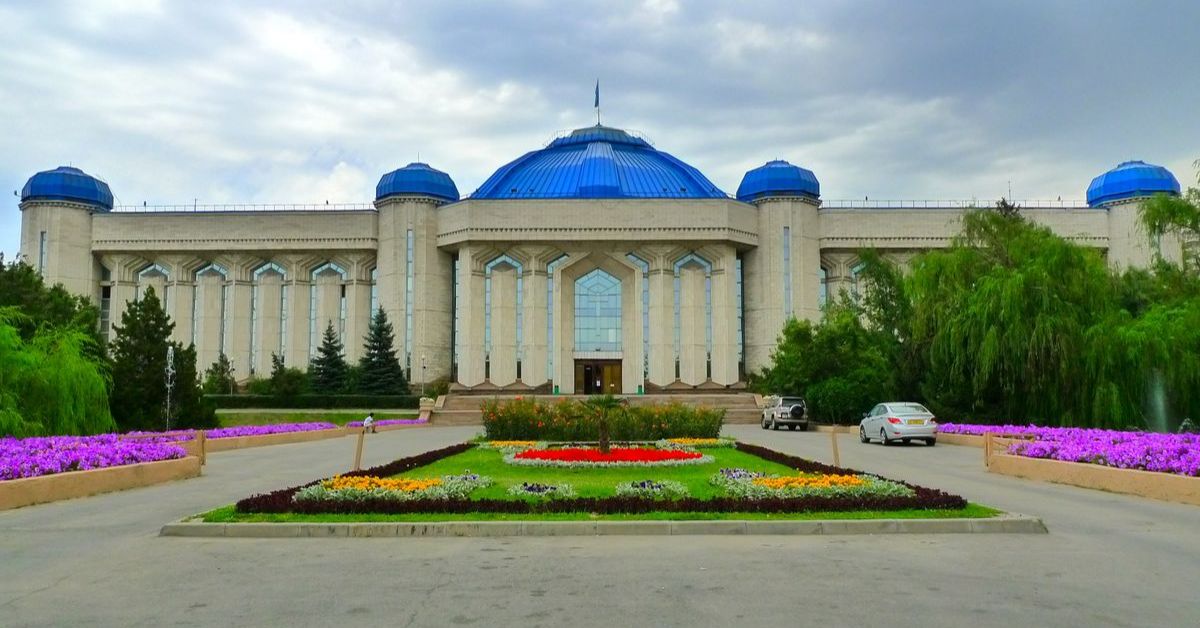
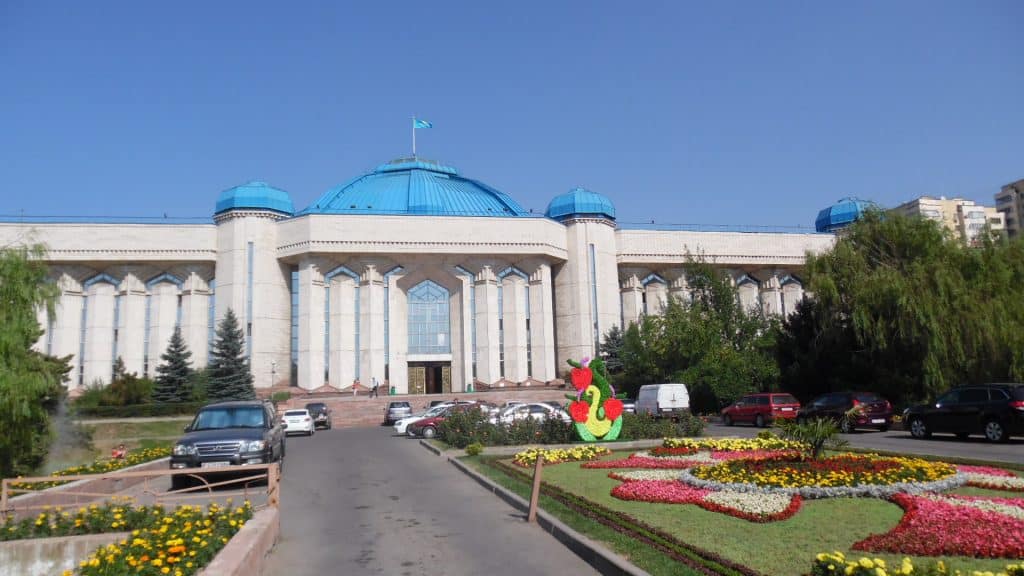
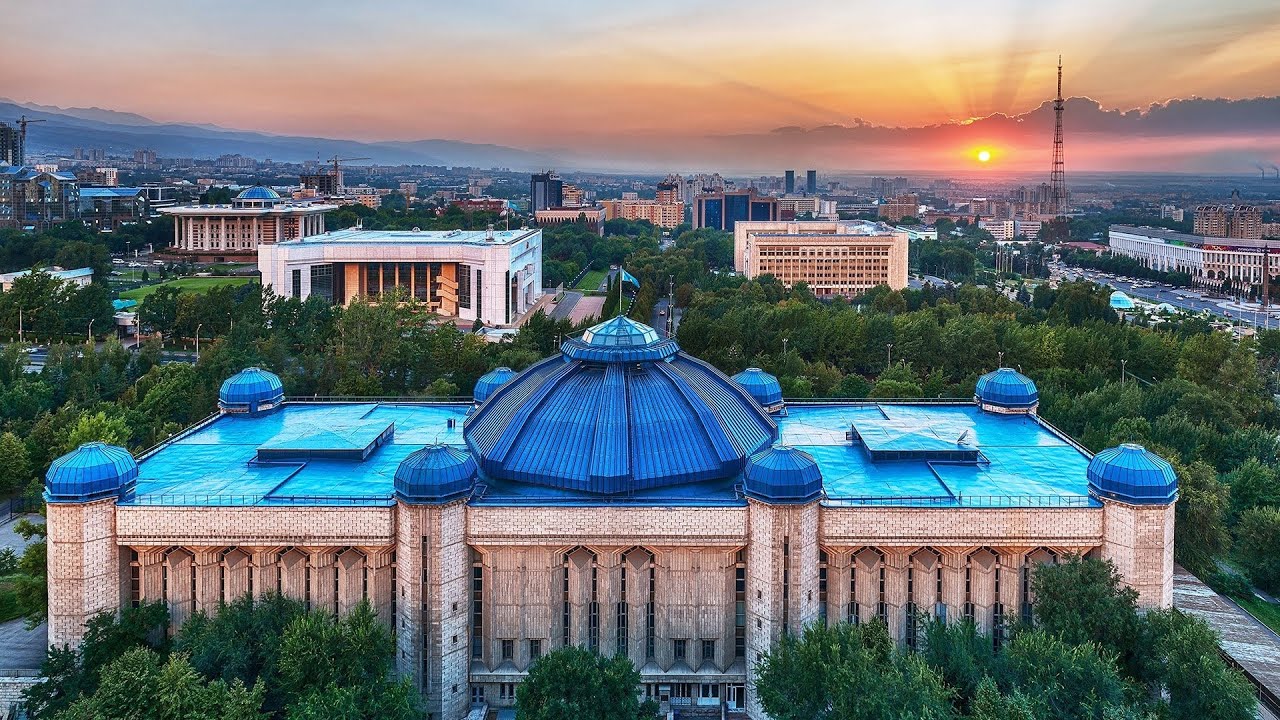
The Central State Museum of Kazakhstan in Almaty is the country's primary national museum, and it is the kind of institution that takes several visits to absorb. Housed in a building designed in 1985 in a form that references the circular geometry of the traditional Kazakh yurt — a circular plan, a dome, a structure that reads as nomadic even in its permanence — the museum contains over 300,000 objects covering the full sweep of Kazakh and Central Asian history from the Paleolithic to the present.
What the Museum Contains
The collections divide roughly into: archaeology (the Saka gold being the crown jewel, alongside objects from Bronze Age settlements, Silk Road excavations, and medieval Kazakh sites); ethnography (traditional Kazakh material culture — yurts, felt work, silverware, weapons, clothing, musical instruments, the objects of nomadic daily life); natural history (the ecology and geology of Kazakhstan); and history of the Soviet and independence periods. A full circuit of the major galleries takes three to four hours at a moderate pace; serious visitors could spend a day.
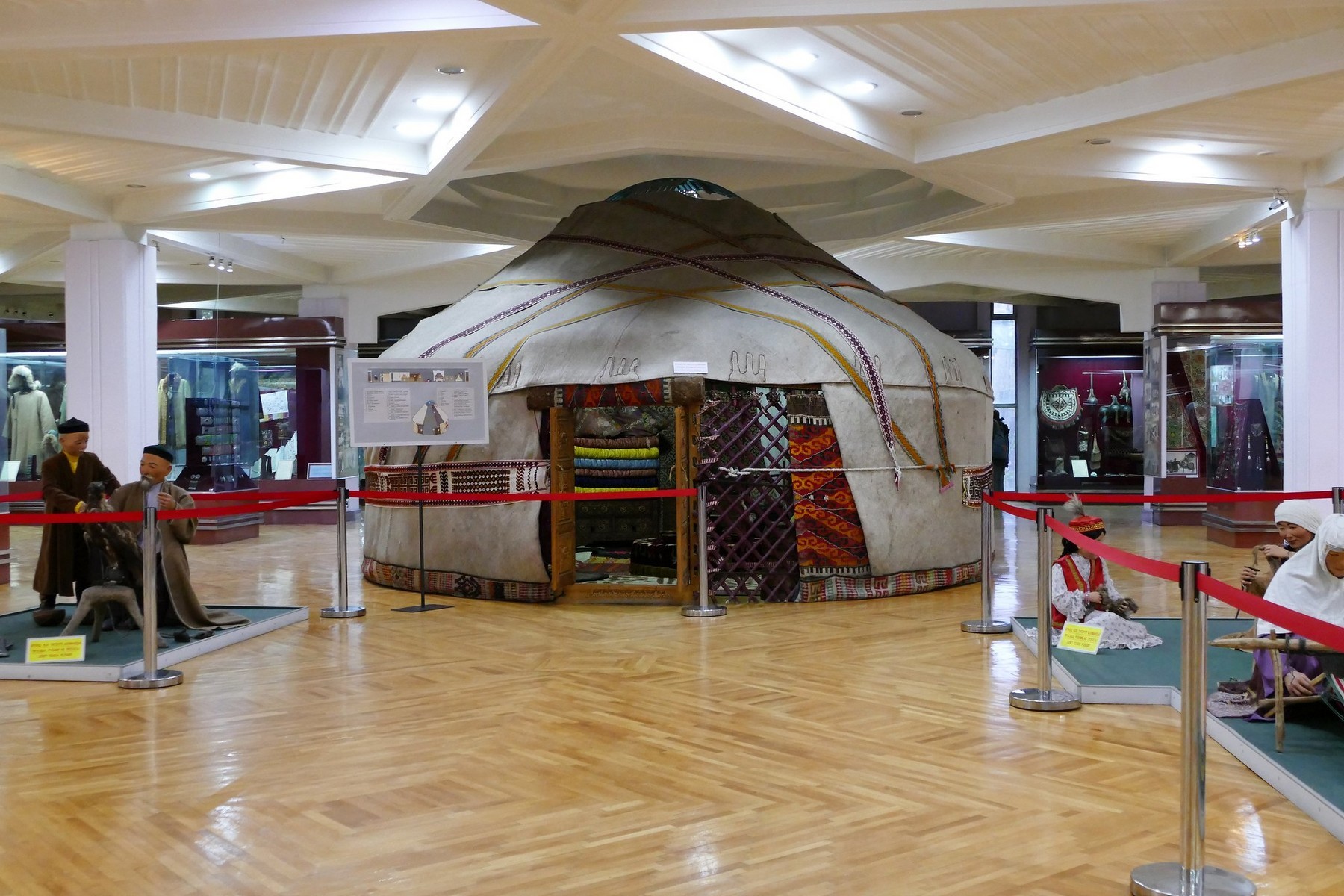
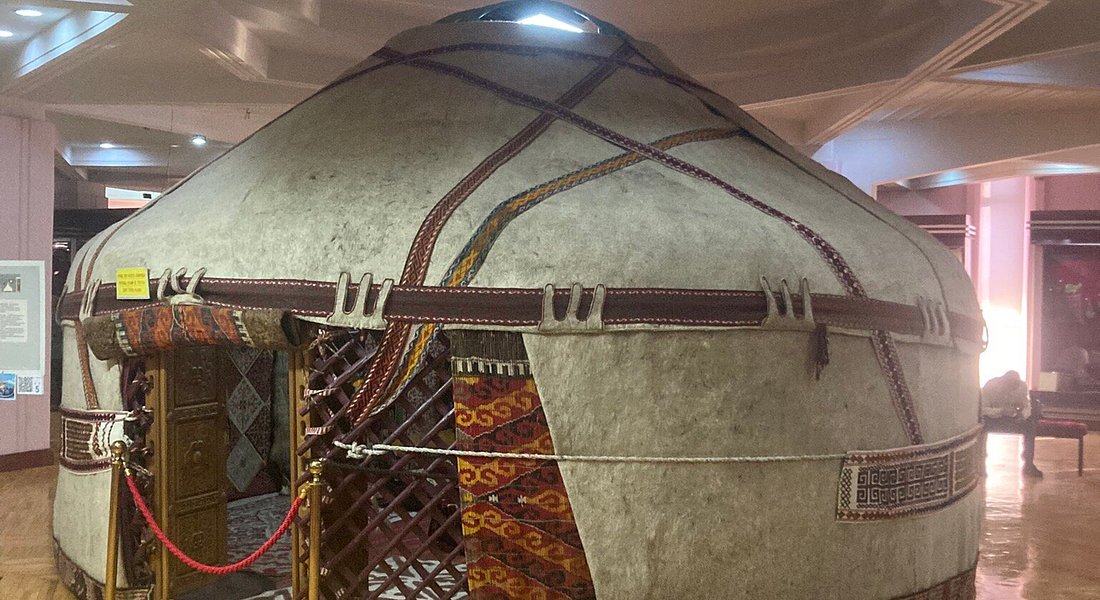
The ethnographic section is particularly rich. The full-scale reconstructed yurt in the main hall — with its carved wooden frame, layered felt walls, and interior furnishings — is not a replica assembled for tourists. It's an actual Kazakh yurt of the type that was in regular domestic use until the Soviet collectivization of the 1930s destroyed the nomadic economy. Standing inside it, you understand the proportions of nomadic domestic life: the low ceiling, the warmth of felt, the way the smoke hole at the center also functions as a skylight. It's an architecture of genius adapted to specific conditions over centuries.
Why It Matters
Arman Bekzhanov, who teaches Kazakh history at a university in Almaty and brings his students to the museum at the start of every academic year, says the same thing every time he enters the hall with the Golden Man: "This tells you who was here before, and what they were capable of." He means it as a corrective to the assumption — common among visitors who've absorbed the "Borat" Kazakhstan as their primary reference — that this is a place without deep history. The Gold Man is the most concise possible rebuttal. He predates the Roman Empire by several centuries. He was buried with more skill and artistry than most people currently alive will ever achieve. He was here, and his civilization was sophisticated, and the museum exists to make that fact undeniable.
The ‘Wow-Factor’
You can prepare yourself for the Golden Man intellectually — read about him beforehand, understand that he's a reconstruction of the artifacts found at the Issyk kurgan, appreciate that the original gold pieces are displayed separately. You can do all of this and still be stopped by him.
The problem is scale and accumulation. Four thousand individual gold pieces on a single human form. Each piece — the tigers, the snow leopards, the horses, the geometric patterns on the boots — individually intricate. Collectively, when seen all at on a standing figure, overwhelming. The color of 2,500-year-old Kazakh gold is different from modern gold: warmer, more orange, less yellow, a color that photographs can approximate but never quite replicate. In the museum's display, with the light arranged to fall on the figure from above, the effect is of something still, somehow, alive.
That's the primary wow factor. But the museum delivers secondary throughout its galleries.
The full-scale yurt in the ethnographic section is. Not because you haven't seen photographs of yurts — you have — but because photographs don't communicate the smell of felt and wood, the specific acoustic quality of a circular space with a felt ceiling, the way the interior is organized according to a logic that took centuries to develop: the tor (place of honor) opposite the door, the women's side and the men's side, the fire in the center, every object positioned according to a cosmology of domestic space that is as sophisticated as any architectural tradition anywhere.
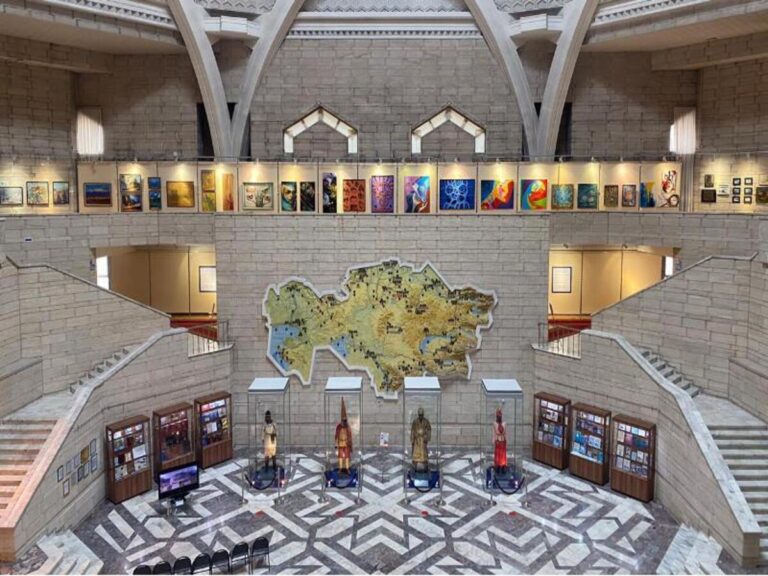
The third wow is the breadth. A building that can contain Paleolithic tools, Saka gold, a full Kazakh yurt, a collection of Soviet-era political posters, and a natural history section covering the geology of a country the size of Western Europe — and have them all feel as if they belong together — is doing something architecturally and curatorially ambitious. The building's yurt-geometry does some of that work. The rest is the coherence of Kazakh cultural identity, which turns out to be strong enough to hold the full sweep of this history without losing the thread.
Deep History & Culture
A national museum is always an argument. Every object selected, every label written, every gallery arranged is a claim about what a nation is and where it came from. The Central State Museum of Kazakhstan has been making this argument — and revising it — since the late 19th century, and the revisions tell you as much about Kazakh history as the objects do.
The Tsarist Origins
The museum was established in 1831 in what was then the Russian colonial administration of the steppe, initially as a collection of ethnographic and natural history specimens assembled for the empire's understanding of its new territories. This was the standard colonial museum logic: collect the objects of the colonized population, catalog them, place them under glass, and study them from the perspective of the administrator. The Saka gold, the Kazakh felt work, the nomadic artifacts — all framed, in that original context, as curiosities of a society the empire had absorbed.
The Kazakh people whose objects the museum was collecting had a different understanding of those objects. The Saka warriors whose burial mounds dotted the Almaty plain were not curiosities. They were ancestors. The felt patterns on the yurt walls were not decorative traditions. They were cosmological maps, encoding relationships between earth, sky, and human life that had been refined over centuries of nomadic practice.
Soviet Reframing
The Soviet period brought a different kind of museum logic: the emphasis shifted to the progressive narrative of history, in which the Kazakh nomads were positioned as a pre-modern society being improved by Soviet industrialization. The museum's Kazakh history was presented through a Marxist lens — the Saka and the Kazakh Khanate as stages in the inevitable march toward socialist modernity, the Russian annexation reframed as "voluntary joining," the Asharshylyk of 1930–1933 — which killed between 1.5 and 2.3 million Kazakhs when Soviet collectivization destroyed the nomadic economy — unmentioned or minimized.
The Soviet museum also preserved, somewhat inadvertently, materials that would later become crucial to Kazakh cultural recovery. The ethnographic collections assembled in the late 19th and early 20th centuries documented nomadic material culture at the precise moment when that culture was about to be violently disrupted. The shyrdak felt rugs, the dombyra instruments, the silver jewelry — held in a Soviet collection as artifacts of a disappearing primitive society — survived to tell a different story after 1991.
The 1985 Building
The current museum building, opened in 1985, was designed in a form that is itself a political statement: the circular plan, the domed roof, the reference to yurt geometry throughout. This was a Soviet-era building making a Kazakh cultural claim — a late concession to the cultural identity politics that were already straining the Soviet system before its collapse. The building remains of the most thoughtful pieces of architecture in Almaty, its form doing real work in telling you what kind of institution you're entering.
After Independence: The Revision
Kazakhstan's independence in 1991 brought an immediate reckoning with the museum's framing. The Russian annexation was renamed — the term "voluntary joining" was replaced with accurate language. The Asharshylyk was acknowledged and given memorial space. The Kazakh Khanate was restored to its proper significance as the political and cultural foundation of Kazakh identity. The Soviet-era interpretive framework, which had presented Kazakh history as a process of progressive improvement leading to Soviet modernity, was dismantled.
Arman Bekzhanov, who brings his students here every September, describes the post-independence museum as "the place where Kazakhstan got to introduce itself." The revision was not seamless — museum interpretation moves slowly, and some of the old framing persisted in labels longer than it should have — but the direction was clear. The Central State Museum became, after independence, a Kazakh national museum rather than a regional colonial museum. The difference is not cosmetic. It changes what you see when you walk through the door.
Practical Digital Logistics
The museum is in central Almaty, a short distance from Republic Square and the city's main administrative zone — easy to reach from most parts of the city.
Getting There
The museum sits on the intersection of Furmanov Street and Samal, in the area south of Republic Square. From central Almaty hotels, a taxi costs 500–1,500 KZT and takes 10–20 minutes depending on traffic. The ride-sharing apps Yandex Go and inDrive are both reliable and typically cheaper than street taxis.
Public buses run along Furmanov; several routes stop within a short walk of the museum. The Almaty metro is also practical — the Baikonur station is walkable from the museum via a 15-minute walk, or a short taxi leg. If you're on foot from Panfilov Park or the Green Bazaar area, the museum is roughly 20–30 minutes' walk southward.
Entry Fees and Hours
The standard adult entry fee runs around 2,000–3,000 KZT at the time of writing. Reduced rates apply for students, pensioners, and children. Photography inside the galleries is permitted in most areas with a standard ticket; some special exhibitions may have additional restrictions — check at the ticket desk.
Hours are typically 9 or 10 a.m. to 6 p.m., closed on Mondays. These can change with seasonal schedules and special exhibitions, so it's worth confirming on the museum's official website or by phone before visiting.
How Long to Allow
A selective visit focusing on the highlights — the Golden Man and Saka gold collection, the yurt, the Silk Road artifacts — can be done in two hours. A thorough visit to all floors covering archaeology, ethnography, natural history, and the history of the independence period takes four to five hours. Most visitors land somewhere in the middle. If you're arriving late in the day, focus on the first and second floors where the Saka collection and the ethnographic exhibits are located.
Guided Tours
Official guided tours are available in Kazakh and Russian; English-language guides are available with advance booking. The guided tour is worth considering for the Saka collection specifically — the context around the burial practices, the significance of the specific animal motifs, and the story of the Issyk excavation adds considerably to what the labels tell you. Without that context, you're looking at gold. With it, you're looking at a specific person, a specific moment, a specific civilization.
What to Bring
The museum is air-conditioned, which is welcome in summer and cool enough in winter to warrant a light layer. Comfortable flat shoes — the floors are hard and the galleries extensive. The café in the museum is adequate for a coffee or light lunch; the area around the museum has several cafes within a short walk for anything more substantial.
Must-Do Activities
The museum is dense enough that it rewards a plan — not a rigid itinerary, but a sense of priority. Here's how to use the time well.
Start with the Saka Gold Collection
This is non-negotiable. The Golden Man reconstruction and the original Issyk burial artifacts are the centerpiece of everything the museum does, and seeing them first gives you the conceptual anchor for understanding everything that follows. Take your time here. Read the labels. Ask the gallery attendant questions if you can — many are more knowledgeable than their role suggests, and some are genuinely enthusiastic about the collection.
The animal-style gold objects beyond the Golden Man himself are worth equal attention: the golden tigers with their distinctive curved-body posture, the snow leopards, the ibexes, the horses. This is a complete aesthetic vocabulary, refined over centuries by Saka metalworkers, and it would go on to influence the design traditions of cultures from China to Scandinavia via the nomadic highways of the Eurasian steppe.
Spend Time in the Ethnographic Hall
The yurt is the second unmissable object in the building. Walk through it. Sit inside if the staff permits. The objects arranged around the yurt interior — the carved wooden chest (sandyk), the hanging felt decorations (tuskiiz), the dombyra on its stand — are not decor. Each has a function and a meaning in the grammar of nomadic domestic space.
The surrounding ethnographic galleries show the full range of Kazakh material culture: ceremonial objects, everyday tools, textiles, jewelry, weapons. The shyrdak felt rugs with their interlocking geometric patterns are among the most visually compelling objects in the collection. Allow at least 45 minutes in this section.
The Silk Road Gallery
The objects relating to Kazakh and Central Asian participation in the Silk Road — coins, ceramics, glass vessels, trade goods from excavated sites along the northern route — tell a story about connectivity and cosmopolitan exchange that contradicts every assumption about Central Asian isolation. These are not provincial artifacts. They are evidence of a civilization at the center of global trade.
The Natural History Floor
If time allows, the natural history section is worth a visit for its coverage of Kazakhstan's extraordinary geographic diversity: the steppe ecosystems, the mountain zones, the deserts, the wetlands, the Caspian basin. For visitors who will be spending time in Kazakhstan's landscapes, this section provides useful context. The mineral and fossil collections are also genuinely impressive.
Leave Time for the Shop
The museum shop stocks a range of books on Kazakh history and culture — some excellent, some less so — as well as reproductions of objects from the collection and handcrafted items. The books on Kazakh ornament and traditional design are the best value purchases in any Almaty gift shop. They're worth buying even if you can't read Kazakh or Russian, because the images speak independently.
Local Flavors & Amenities
The museum's immediate neighborhood is of Almaty's more interesting zones for food, because it sits at the intersection of the city's older central district and the more recent development around Republic Square — which means you have options ranging from informal Kazakh cafes on the side streets to the kind of restaurants that serve business lunches to government-adjacent crowds.
Inside the Museum
The museum café is functional rather than inspired — acceptable coffee, sandwiches, light meals — but the location (inside the building, with access to the courtyard) makes it a reasonable place to break a long visit. Prices are moderate. Don't expect the food to be the point.
Eating Near the Museum
Within ten minutes' walk of the museum, the options improve significantly. The streets south and east of the museum building have several good Kazakh restaurants serving the standards: beshbarmak (slow-cooked lamb over flat noodles, the dish you eat at important occasions), shashlik (marinated meat over charcoal, the dish you eat because it's Tuesday and you're hungry), lagman (hand-pulled noodle soup that arrives in a bowl large enough to require both hands). These are working restaurants serving local clientele, not tourist-facing operations — the menus are typically in Kazakh and Russian, the prices are reasonable, and the food is better for both of those facts.
For coffee and lighter fare, the area around Furmanov and the nearby streets has seen an expansion of European-style cafes in the past decade, reflecting Almaty's growing middle class and its appetite for the full range of city café culture. You can have a good flat white and an almond croissant within five minutes of the museum entrance. Kazakhstan contains multitudes.
The Nearby Green Market
The Green Bazaar (Zeleny Bazar), roughly 20 minutes' walk north of the museum, is the best food market in Kazakhstan and worth the detour from any neighborhood. The ground floor is meat, dairy, and dried goods; the upper floor is produce. The dried fruit and nut section — apricots, walnuts, raisins, pistachios — is where you should spend money. The spice vendors know their inventory. The honey sellers will let you taste. Go hungry.
Accommodation
Staying in the central Almaty district puts you close to the museum, the Green Bazaar, Panfilov Park, and the city's main commercial and café zones. The range of accommodation runs from the large international hotels near Republic Square (Rixos Khadisha and the Marriott serve the business and diplomatic tier) to mid-range options along Furmanov and the surrounding streets, to budget guesthouses in the residential areas. The district is well-served by taxis and public transport for reaching other parts of the city — the Tian Shan gorges, the ski resorts, the further reaches of the city's heritage sites.
Essential Insider Tips
Things that improve a visit to the Central State Museum that the official information doesn't typically tell you.
Go on a Weekday Morning
School groups descend on the museum on weekday mornings and on weekend afternoons — large, guided, and audible from several galleries away. A Tuesday or Wednesday morning, before 11 a.m., is as quiet as this museum gets. The Saka gold collection especially rewards quiet: you want to be able to stand in front of the Golden Man without a group of thirty students being photographed in the same frame.
Book a Guide for the Saka Collection
This is the single best investment you can make in this museum visit. The official signage is adequate; a knowledgeable guide turns the Saka collection from an impressive gold display into a three-dimensional civilization. The animal-style motifs, the specific burial practices, the Issyk excavation story, the scholarly debates about the Saka identity — all of this context is available, but it requires a guide who knows it and wants to share it. English-language guides can be arranged through the museum in advance; ask when booking.
Photography Without Flash
Flash photography is prohibited throughout the galleries and will earn you a sharp correction from the gallery attendants. This is correct policy — flash damages light-sensitive objects — but also unnecessary if you've prepared. Modern cameras handle museum lighting well at ISO 1600–3200 without a flash. If you're shooting the Golden Man reconstruction, the museum's own lighting is designed to be photographed and produces excellent results with a slightly longer exposure.
The Last Friday of the Month
Entry is free on the last Friday of every month. This is excellent value and also means the museum is busier than usual on those days. Plan accordingly.
Combine with Nearby Heritage
The museum is most effectively visited as part of a central Almaty heritage day that also includes Panfilov Park (20 minutes' walk, Zenkov Cathedral and Memorial), the Presidential Park area, and the Kazakhstan Museum of Arts (also near Republic Square, with Kazakh and Central Asian fine art). These three institutions cover different aspects of Kazakh cultural identity and work together well without requiring a car or much effort.
Read Something Before You Go
The museum rewards visitors who arrive with some prior context. A basic timeline of Kazakh history — Saka period through Russian annexation through Soviet period through independence — takes 30 minutes to acquire from any reliable source and makes the museum's narrative coherent rather than sequential. The Saka gold means more if you know who the Saka were. The Asharshylyk gallery lands harder if you already understand the scale of what happened. Come with context; leave with more.
Sustainability & Community
A museum is not neutral. What it collects, how it frames what it collects, who it employs, and how it prices its admission — all of these are decisions with consequences, and a visitor's engagement with those decisions matters.
The Conservation Question
The Central State Museum holds over 300,000 objects, many of them irreplaceable artifacts of civilizations that no longer exist in the forms that produced them. The Saka gold pieces are among the most fragile objects in the building — not physically fragile in the normal sense, but culturally fragile, in that the knowledge system that produced them and understood their significance has to be actively maintained and transmitted rather than passively preserved.
Visiting the museum is itself a form of support: entry fees contribute to operating costs, and attendance numbers influence the museum's ability to justify continued investment in conservation, research, and staffing. Going, and going attentively, is the most direct contribution a visitor can make.
The Craft and Community Connection
The museum shop is of the best places in Almaty to buy objects that support traditional Kazakh craft practices. The felt work, the silver jewelry, the embroidered textiles — when these come from the museum's certified suppliers, they're connected to practitioners who are keeping the techniques alive rather than producing mass-market replicas. Ask at the shop about provenance; the staff are usually able to tell you where specific items come from.
Beyond the museum, the craft market culture of Almaty — the Antique Market on Sunday mornings, the specialist shops in the old city center, the cooperative studios that support traditional artisans — represents a small but real ecosystem of people keeping Kazakh material culture in living practice rather than freezing it as museum artifact. Spending money in these places is a more meaningful act than it might appear.
The Interpretation Conversation
If you're interested in how the museum frames its history — which interpretive choices it has made, which narratives it foregrounds — talking to the guides and staff is often illuminating. The museum has been through several phases of reinterpretation since independence, and the people who work there have views on where the work is complete and where it isn't. Those conversations are available if you ask for them.
Museum educator and collection specialist Dinara Suleimanova has been working on the ethnographic galleries for twelve years. She is direct about the compromises involved in any museum's interpretive choices: "We try to tell a true story about Kazakhstan. But every true story has to leave something out. Our job is to keep choosing what to leave out honestly." It's an honest description of what museums do, and it applies here as much as anywhere else.
Key Facts
- Anthology of KZ
- The museum is one of the largest in Central Asia, housing over 300,000 artifacts from the Bronze Age to modern day.
- Golden Man Replica
- The museum features a prominent replica of the 'Golden Man,' the national symbol of Kazakhstan's ancient Saka heritage.
- Blue Dome Design
- The building is easily recognized by its distinctive blue central dome, reflecting traditional Islamic and nomadic architectural motifs.
- Ethnographic Depth
- Detailed exhibits of traditional yurts, horse tack, and silver jewelry offer a deep dive into the soul of the nomadic lifestyle.
- Space Heritage
- A dedicated hall showcases the nation's contemporary history, including its role as the global gateway to space via Baikonur.
- Academic Hub
- The museum serves as a primary research center for historians and archaeologists studying the diverse cultures of the Great Steppe.
Photo Gallery
Video coming soon
Central State Museum
Loading map...Loading map...
Frequently Asked Questions
Have a question?
Ask and get answers in seconds!
Discussion 0
No comments yet. Start the conversation!
Leave a Reply