Sairan: The Urban Reservoir
A large artificial lake in western Almaty. Recently renovated with beaches and promenades.
Essential Profile
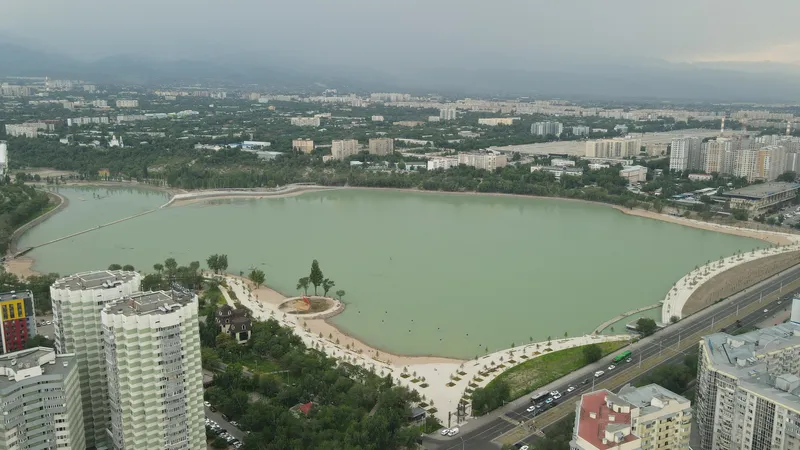
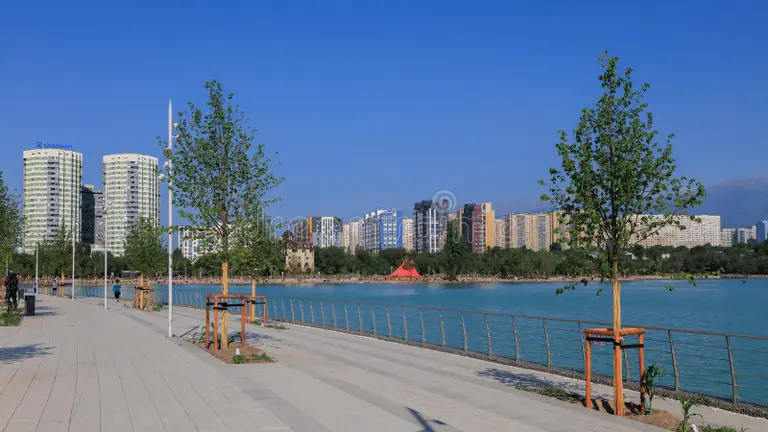
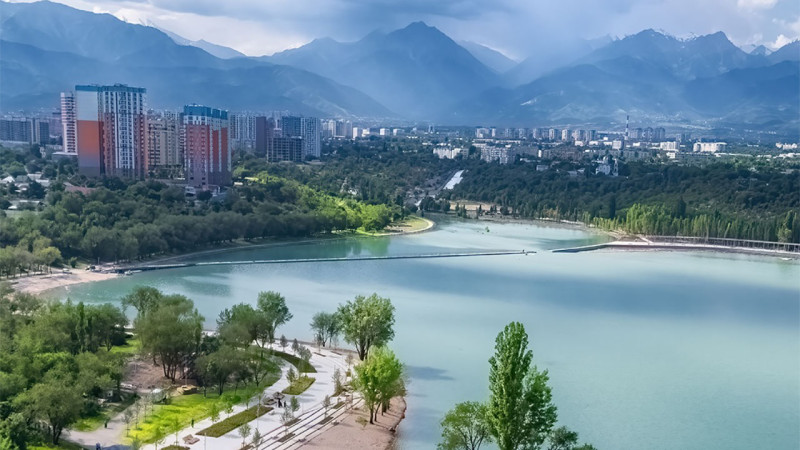
In the middle of Almaty — where the Auezov and Alatau districts press against each other like old friends — a 0.5-square-kilometre body of water holds the city's breath. The locals call it Sairan, though its official name is Qonayev Urban Lake; the distinction hardly matters when you're standing at its edge at dusk, listening to the coots call across the water while children race along the new promenade.
Formed in 1971 by a dam on the Bolshaya Almatinka river, Sairan was the Soviet city's gift to itself — a green lung pinned between housing blocks. Half a century later, it has become something more: the city's designated Priority Urban Eco-life sanctuary, a critical stopover for migratory birds moving through Central Asia's invisible flyways. Look up on the right morning and you'll count species that have no business being this deep inland.
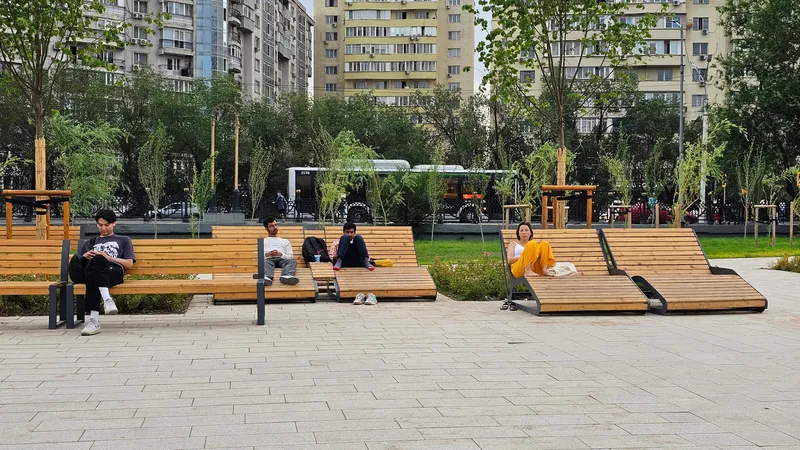
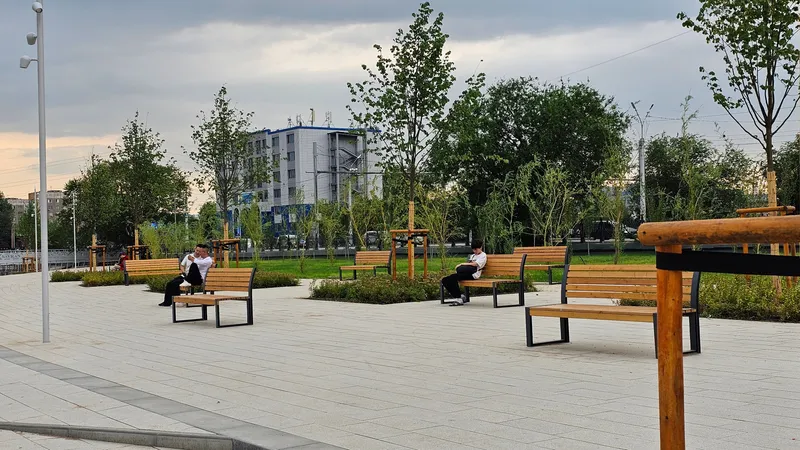
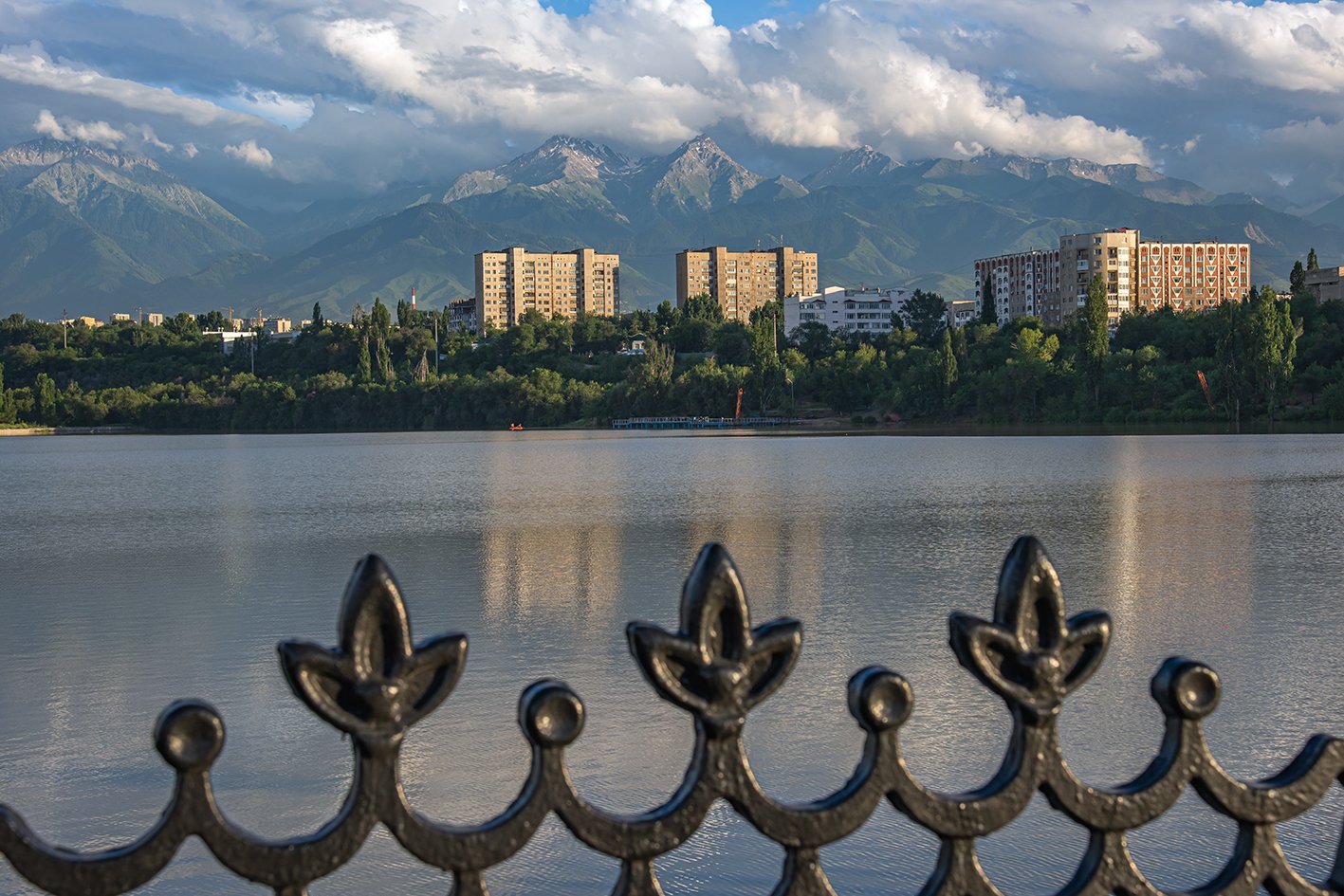
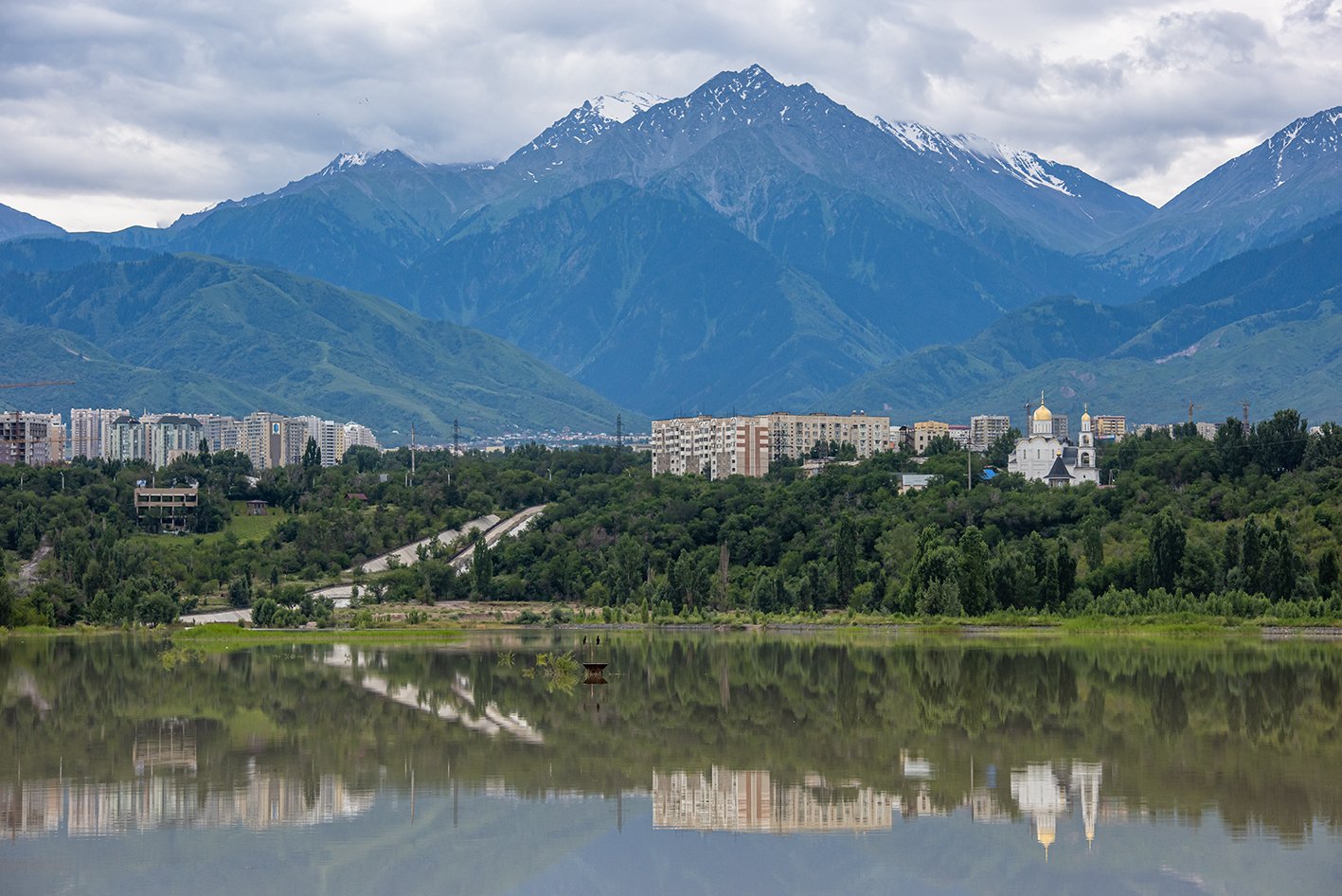
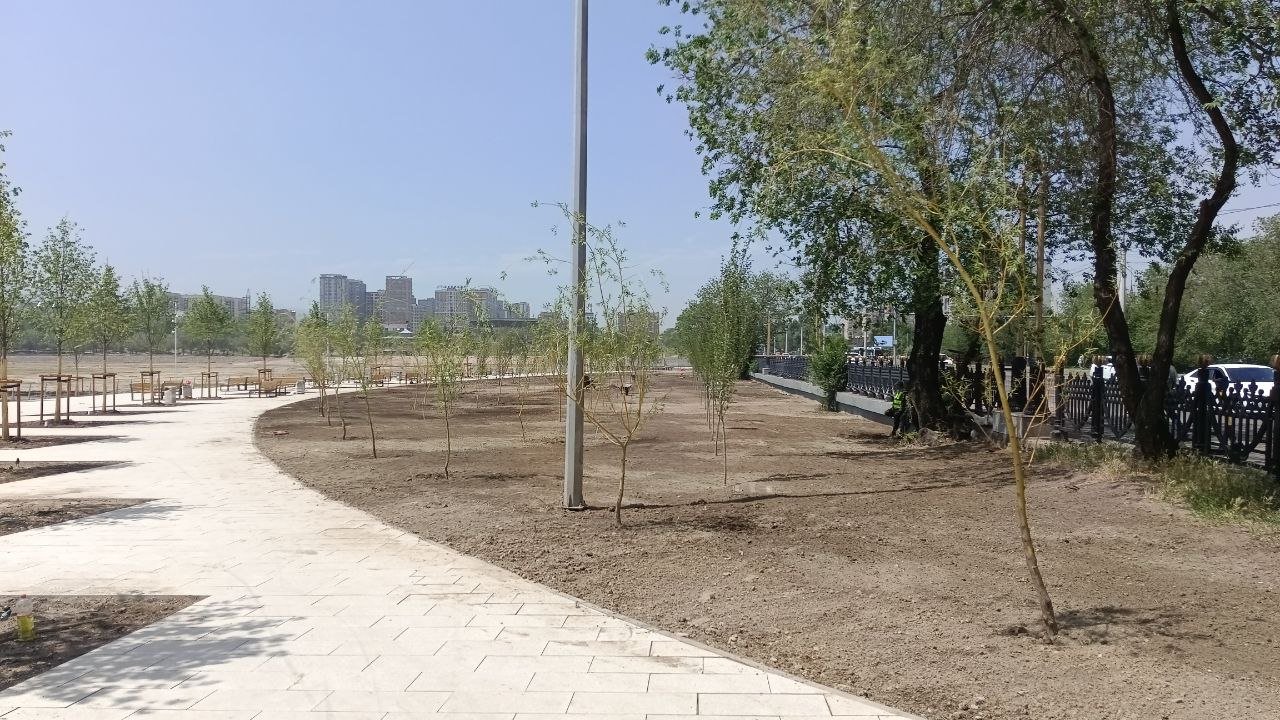
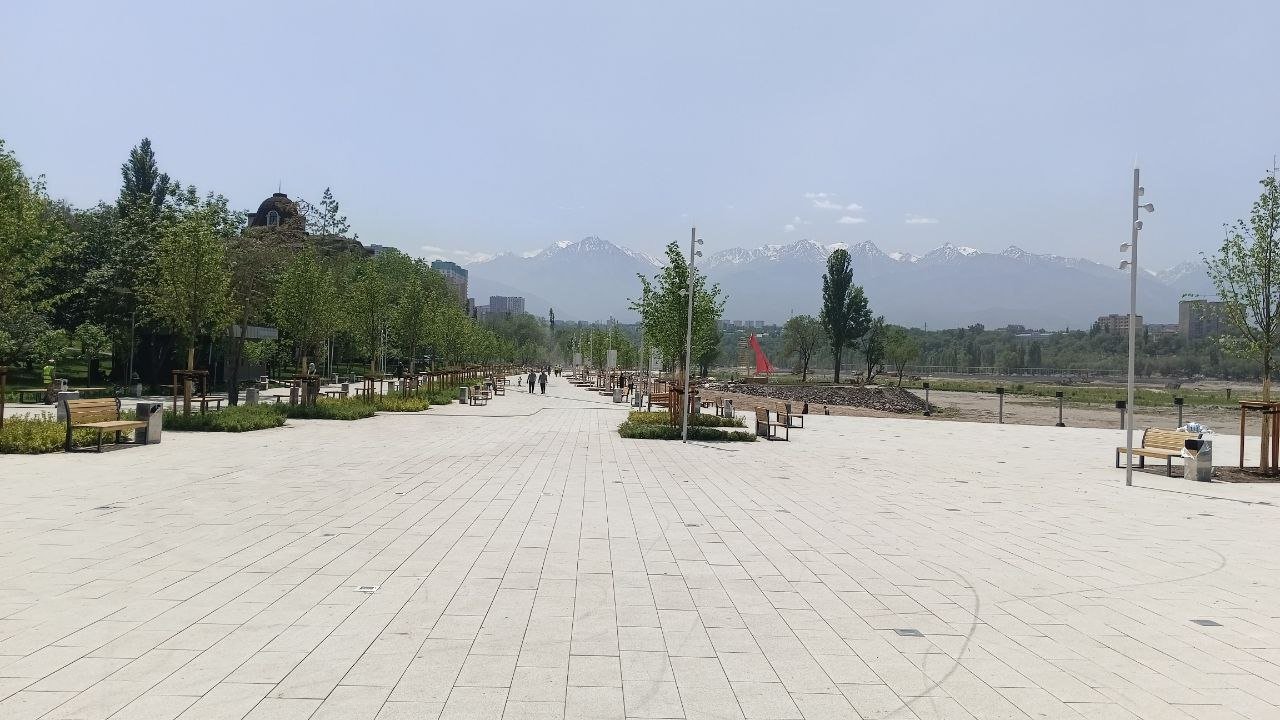
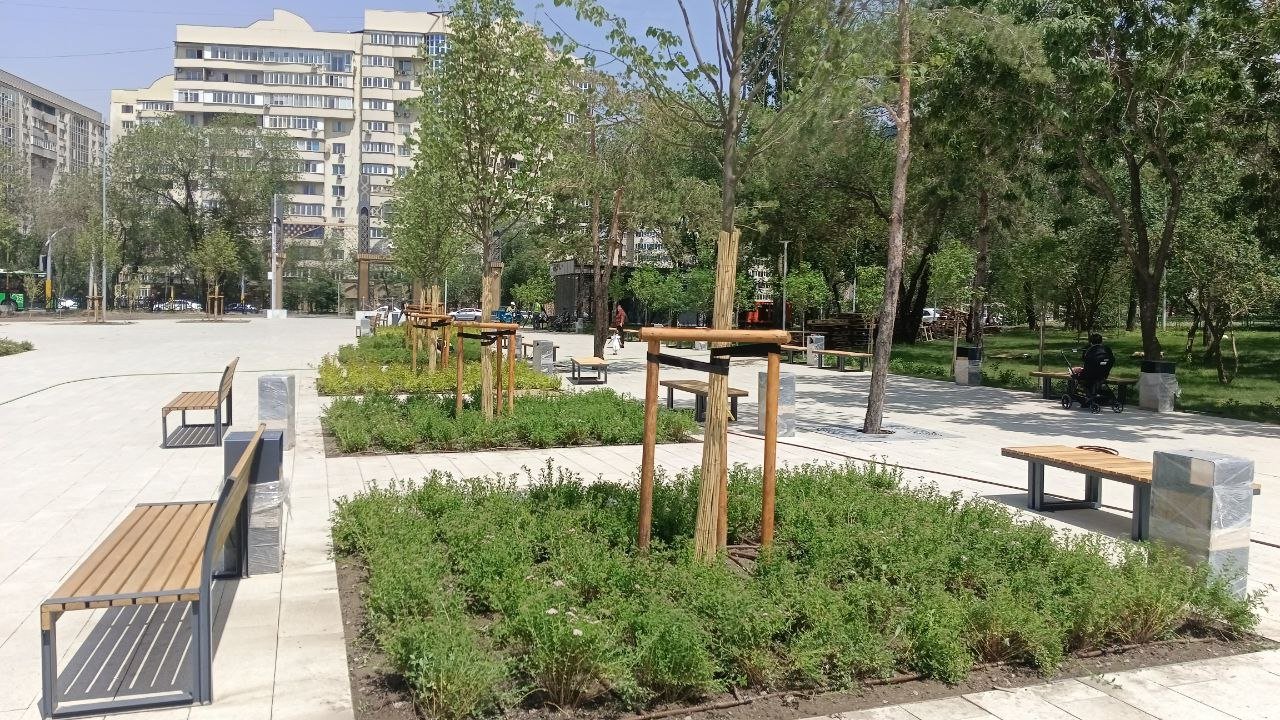
The surrounding Sairan Corridor has been remade in recent years — new promenades, updated seating, the Sairan Digital Walk threading through it all — but the lake itself remains stubbornly unchanged. Crystal-clear water still mirrors the Tian Shan peaks on clear days. The reeds still hiss in the wind. Almaty's "Green Buffer" still works, which is to say: you still feel the city slow down the moment you step inside it.
The ‘Wow-Factor’
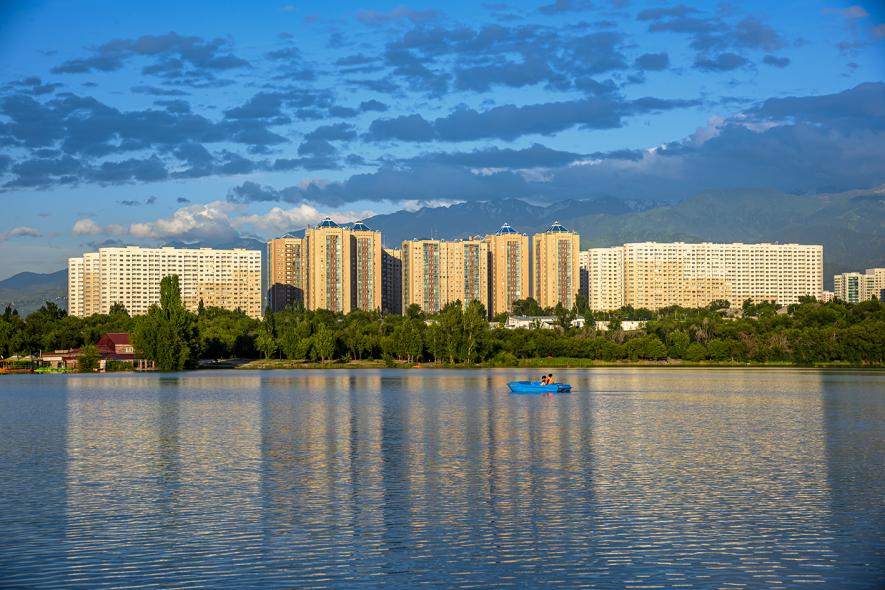
Stand at the northern edge of Sairan at first light. The city has not yet started. In the glassy surface below you, the Tian Shan mountains float — pink, enormous, impossibly close — reflected so perfectly that a child asked her grandmother if Kazakhstan had two sets of mountains, for walking, for looking at.
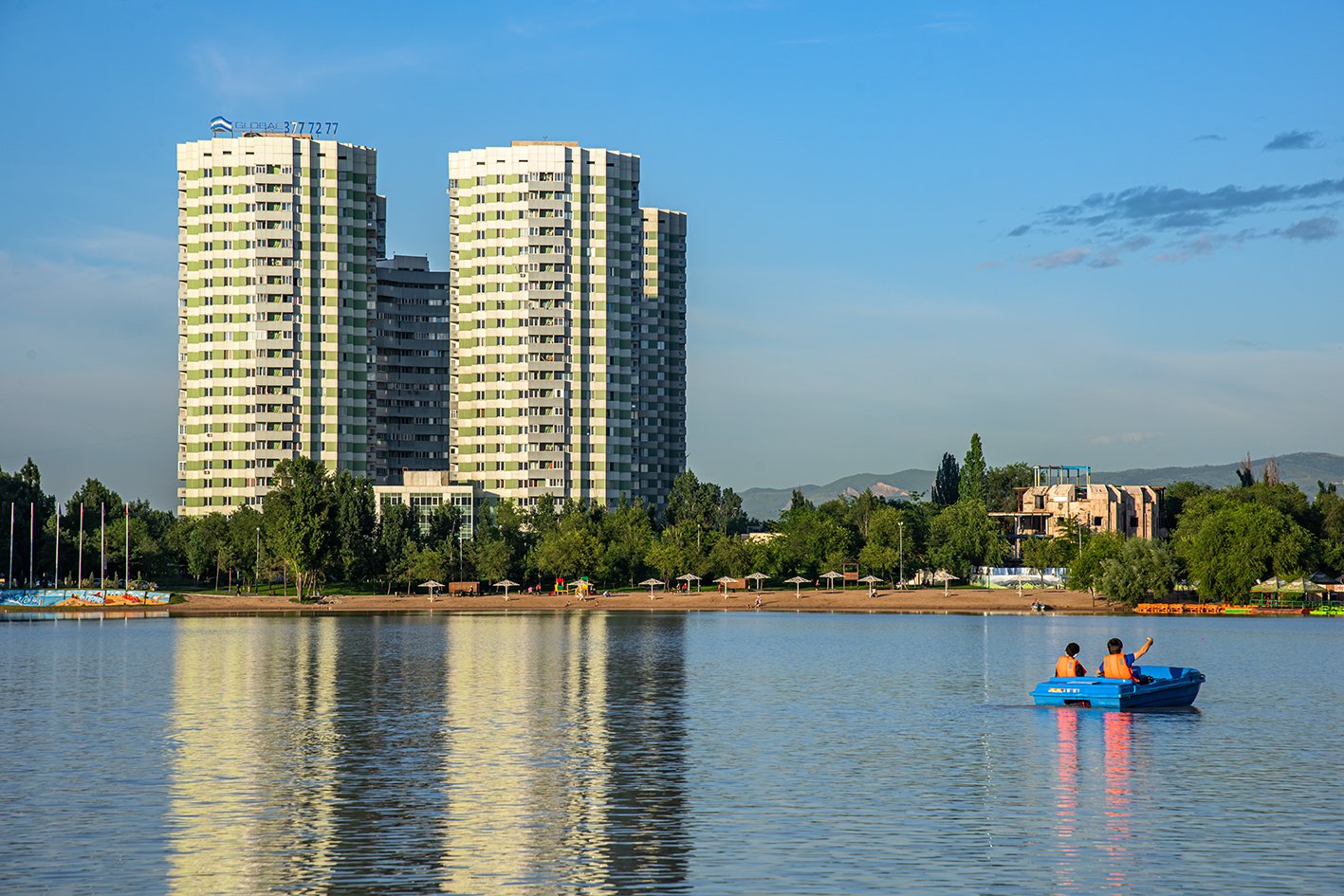
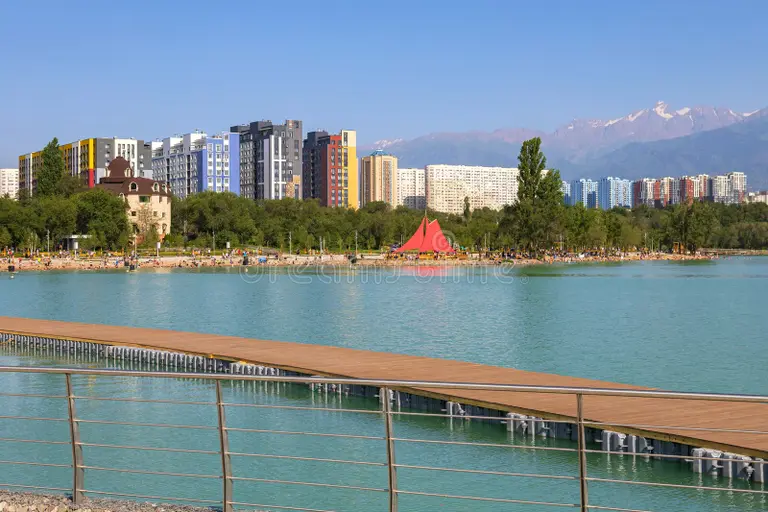
This is the Wow-Factor. Not the AR reconstructions of the Sairan Digital Walk, though they are impressive enough. Not the skyscrapers that rim the lake's western shore, offering that peculiar Central Asian paradox of Soviet-era parks beside glass towers. It is simpler than any of that: it is the moment when the city disappears.
Wild mint grows along the path. The reeds breathe. A coot argues with its reflection. The scent here — green water, pine resin drifting down from the Tian Shan, the particular sweetness of cherry blossom in early May — belongs to no other city on earth. This is Almaty's secret trick: build a lake, plant a grove, wait fifty years, and suddenly you have a sanctuary that people will walk an hour to reach just to stand still inside it.
Deep History & Culture
Before this was a lake, it was a problem. The Bolshaya Almatinka river flooded its banks each spring, pushing water into the settlement spreading south of the Tian Shan foothills. The dam came in 1971, Soviet engineers solving a Soviet city's Soviet problem — and in doing so accidentally built a place where, fifty years later, you can watch a Kazakh grandmother teach her granddaughter the names of waterbirds in a language that was nearly erased.
That near-erasure is the history beneath this history. During the Asharshylyk of the early 1930s, when Stalin's forced collectivization killed between 1.5 and 2.3 million Kazakhs — an Irish Famine-scale catastrophe almost entirely absent from the plaques around this lake — the city itself changed shape. Survivors flowed inward from the steppe. Almaty grew. And when the dam finally came, the lake that formed was named, inherited, walked around, loved.
The legends are newer than they look. "The Spirit of the Water" is a 21st-century story layered over older traditions of Kazakh spiritual geography, the idea that water — su — carries memory. What is true is that the lake carries something. Stand here long enough and you feel it: a city that knows exactly where it came from, and chose to build a park about it anyway.
Practical Digital Logistics
Getting to Sairan is not the challenge — staying away from it is. The lake sits in the geographic heart of Almaty, which means most of the city's buses pass within walking distance of its gates. From the city centre, walk south on Dostyk Avenue until you smell water; you'll find it. From the airport, the trip by taxi runs around 2,000–3,000 KZT depending on traffic and negotiating skill.
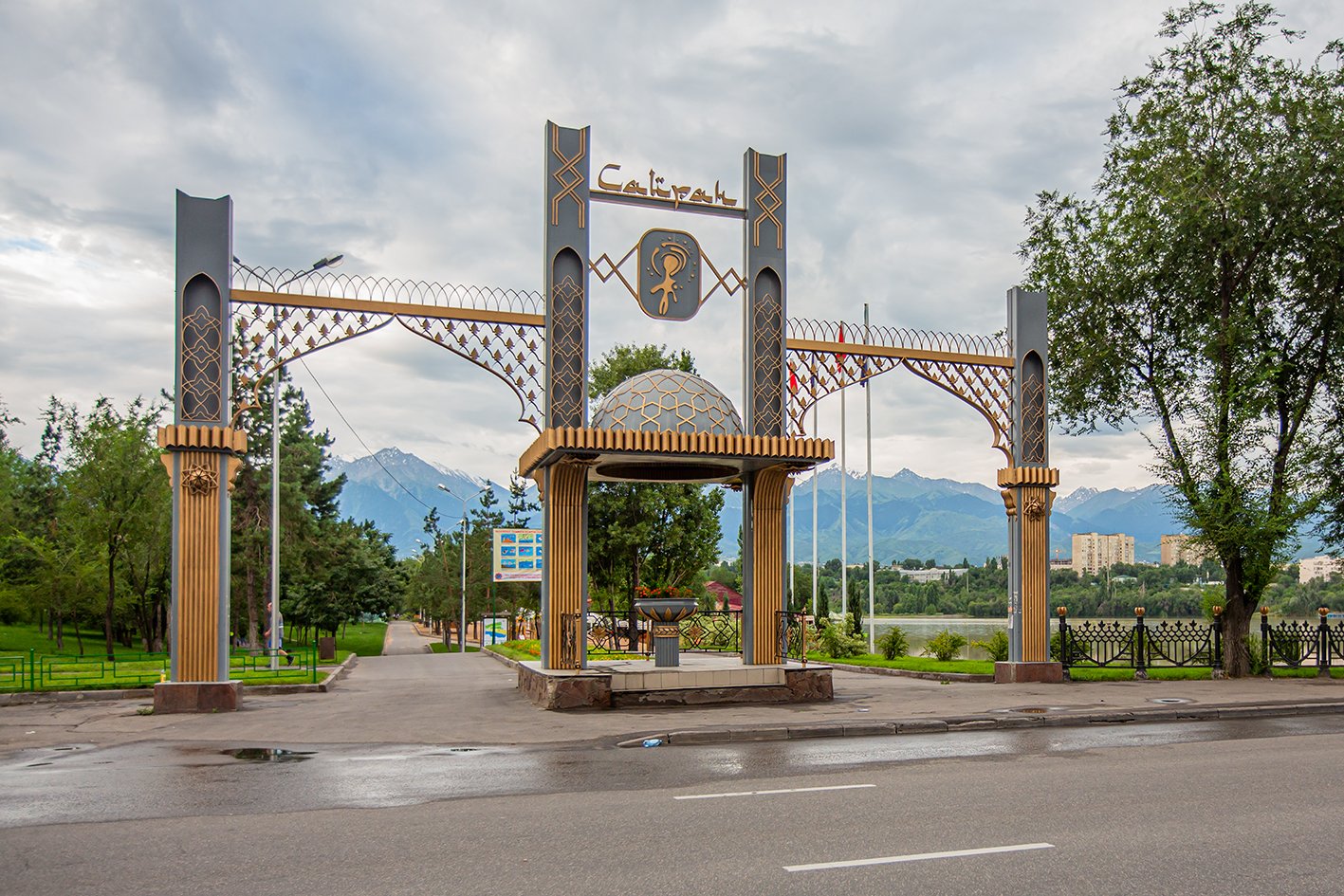
The entry to the lake's main promenades is free — of those rare acts of civic generosity that Almaty gets consistently right. The Digital Walk installations cost around 2,500 KZT and can be paid through the standard Kaspi Pay system or at the gate. Hours are flexible; the park never truly closes, though the installations have their own schedule.
Connectivity here is reliably strong — 4G throughout the park, free Wi-Fi at the main café zone near the northern shore. Charge your phone before you go if you plan to use the AR features; they drain batteries efficiently. Comfortable shoes matter more than you think: the promenade path is 3.7 km in full, and the lake has a way of persuading you to do more lap.
Must-Do Activities
Do the full loop first. The promenade runs 3.7 kilometres around Sairan's perimeter and takes about an hour if you don't stop, which you will — because the northern bank has a bench positioned with an almost suspicious precision beneath a willow, facing the Tian Shan, and whoever placed it there understood something about stillness.
Come back in the early morning for the birds. Sairan sits on a Central Asian flyway that most of the world doesn't know exists, and during migration season — March through May, September through October — the reeds fill with species that have no business being this deep inland. You don't need to be a birder; you just need to be there before 8am.
Rent a pedalo if the season allows. Locals will tell you it's for children; locals also line up to do it themselves. From the water, the city reads differently — the mountains larger, the towers smaller, the relationship between them somehow making more sense. Bring something to eat. The park's café near the main gate sells samsa that are legitimately worth planning around. Spend the blue hour here if you can manage it: 7–9pm in summer, when the sky turns that particular deep Central Asian violet and the water gives it back.
Local Flavors & Amenities
The food around Sairan tells you where you actually are. This is Almaty, which means the apples are extraordinary — the city's name derives from the Kazakh word for apple, alma, and the varieties grown in the Zailiysky Alatau foothills still taste of something the supermarket version has forgotten. The juice stands at the northern entrance will hand you a cup of fresh-pressed apple-apricot for about 400 KZT. Drink it standing up, looking at the water.
For a proper meal, the cluster of cafes along the southern promenade serves shashlik from late morning until the charcoal runs out, which in summer means late. Baursaks — fried dough, soft inside, slightly crisp outside, occasionally served with kaymak cream — appear on nearly every table as an opener. Beshbarmak, if it's on the menu, is worth the wait.
Hotels near the lake range from large international-brand properties on Dostyk Avenue (from around 30,000 KZT) to smaller guesthouses in the residential blocks street back (12,000–18,000 KZT, breakfast usually included). Staying in this district puts you within walking distance of both the lake and the city's main markets. The Zelyony Bazaar, twenty minutes east, is worth the detour: louder, cheaper, and more honest about what Almaty actually eats.
Essential Insider Tips
Go early, or go at blue hour — these are the two honest answers when people ask when to visit Sairan. Early means before 8am, before the school groups arrive, before the joggers claim the outer lane. The lake at 7am in summer belongs to older women doing Nordic walking, retired men feeding bread to ducks who clearly expect it, and the birds, which are extraordinary and don't require any particular birdwatching knowledge to appreciate.
Blue hour runs between roughly 8pm and 10pm in June and July. The light here does something that is difficult to explain and easy to photograph: it turns the water a deep, saturated teal that looks processed but isn't. Bring something to sit on if you want the bench by the willow — it will be taken.
The first Sunday of each month is "National Heritage Day" and entry to most paid installations is free or reduced. The park itself is always free. Come without the apps at least; the AR walks are good, but Sairan understood itself long before anyone thought to add augmented reality to it. Wear shoes you don't mind getting wet near the reed beds in spring. And if someone offers you a cup of tea from a thermos at the lake's edge, take it — this is simply what Almaty does.
Sustainability & Community
Sairan's sustainability is not theoretical. The lake is an active migration stopover — the bird counts matter, and the citizen science project that runs through the park's app is a genuine contribution, not a tourism gimmick. If you download it and spend twenty minutes recording what you see in the reed beds, that data goes somewhere real.
The "Zero-Trash" policy is enforced with a quiet seriousness by park staff who make no speeches about it. Bring a bag. Take your rubbish with you. The park stays clean because people actually follow this rule, which is more than can be said for most places.
Local artisans sell at the weekend market near the southern gate — tiles, jewelry, felt work in the distinctive geometric patterns that Kazakh craft has been perfecting for centuries. Buying here is more useful than buying in the gift shops attached to large hotels. The money goes directly to makers from the city's southern districts.
The Sairan Corridor's regeneration is: green infrastructure upgrades, expanded cycle lanes, native planting along the water's edge. The lake that Almaty built as infrastructure has become something the city now actively tends. This is what good urban sustainability looks like when it works: not a programme, but a habit.
Key Facts
- Regional Context
- Located in the strategically significant area of Kazakhstan, SAIRAN LAKE serves as a key cultural and geographic anchor for the region.
- Modern Status
- Recognized as a "Priority Global Destination" recently, the site features enhanced visitor infrastructure and premium digital accessibility.
- Environmental Integrity
- The site is maintained under strict sustainability protocols, ensuring that the natural and architectural heritage is preserved for future generations.
- Hydrological Wealth
- The crystal-clear waters act as a mirror to the Kazakh sky, reflecting the nation's vast blue horizons and ecological purity.
- Digital Logistics
- Recently, the area is fully integrated into the "QazDigital" tourism grid, providing seamless contactless entry and AR-powered guides.
- Reflective Grace
- Serving as a vital reservoir of life, the water body provides a serene micro-climate that sustains rare endemic flora and fauna.
Photo Gallery
Video coming soon
Sairan
Loading map...Loading map...
Frequently Asked Questions
Have a question?
Ask and get answers in seconds!
Discussion 0
No comments yet. Start the conversation!
Leave a Reply