Assy Plateau: Observatory in the Clouds
A high-altitude summer pasture famous for its massive observatory dome and nomadic yurt camps.
Essential Profile
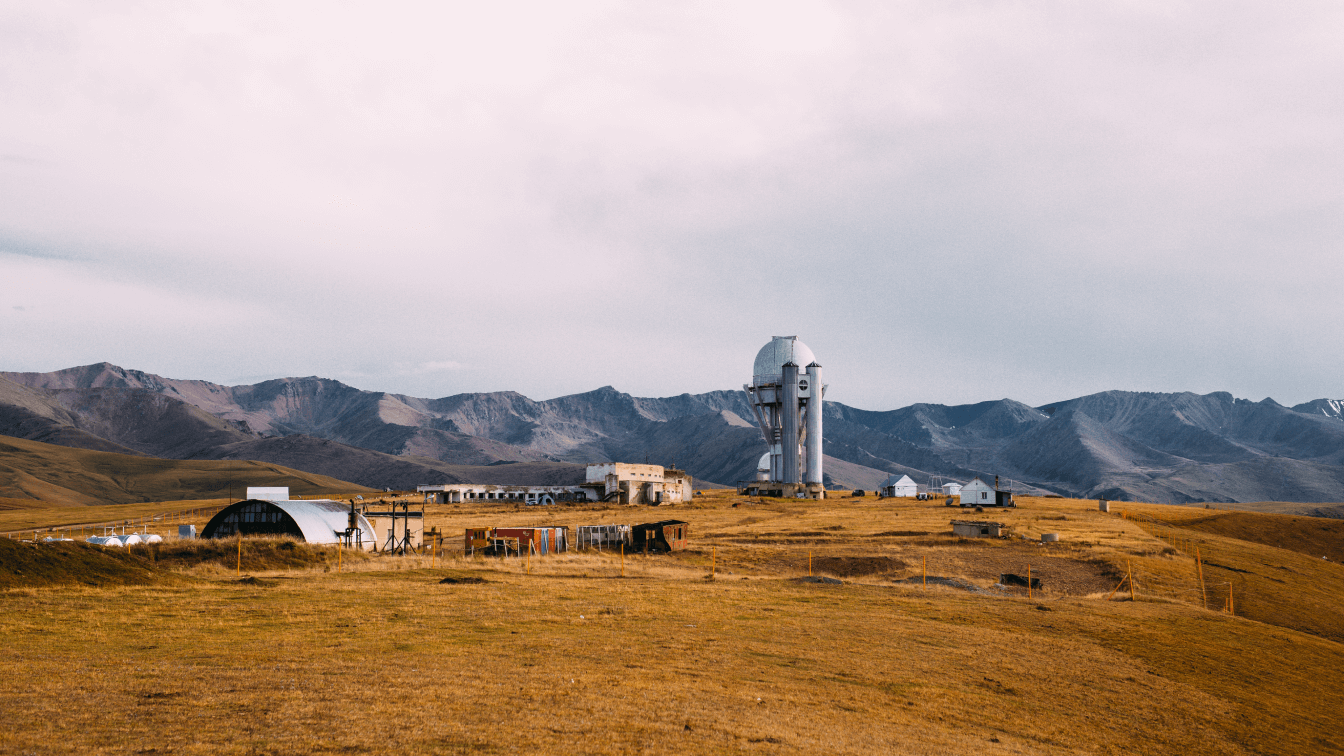
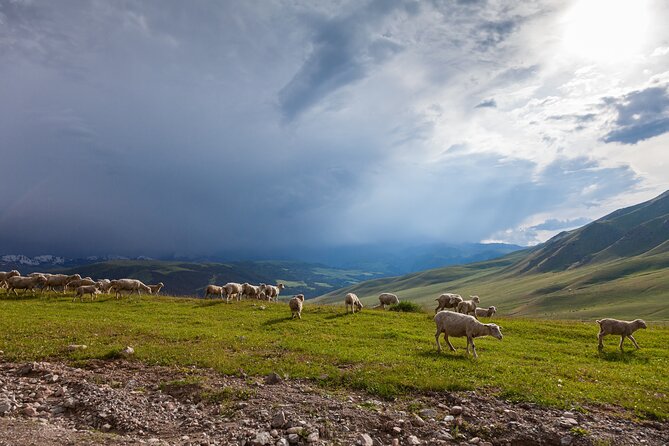
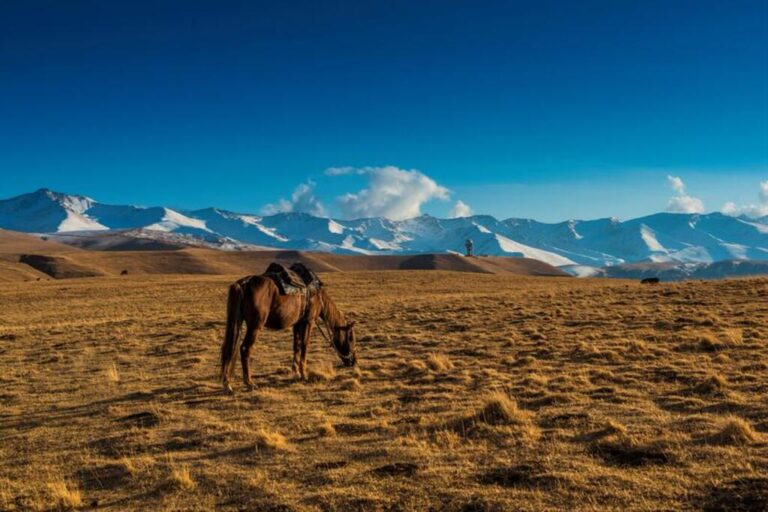
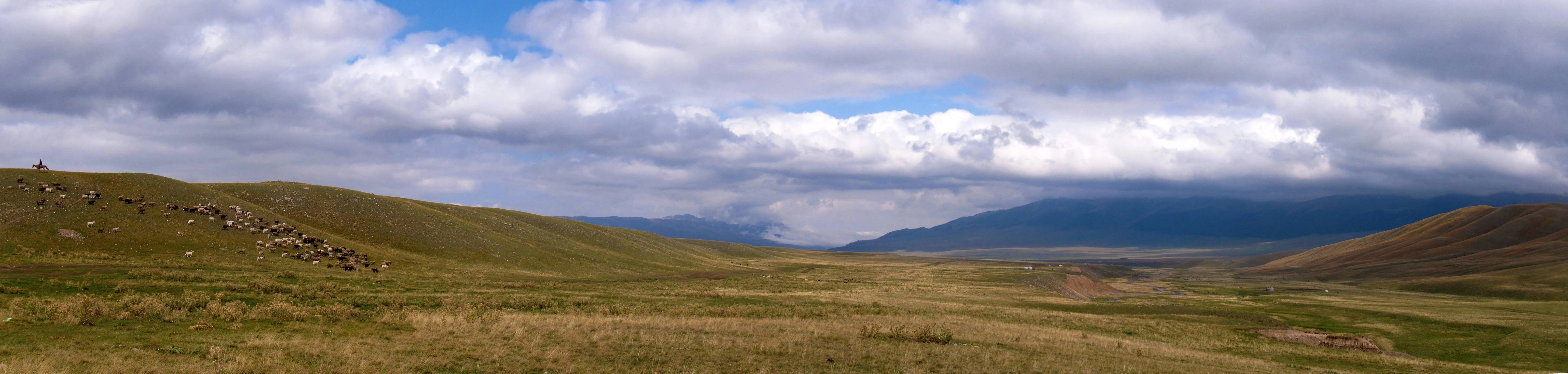
The telescope dome catches the last light before anyone else does — a white hemisphere on the plateau rim that turns amber and then rose while the valley below is still in shadow. Below it, the zhailyau stretches for kilometers in every direction: summer pasture that Kazakh nomadic families have been moving their herds for generations, arriving in late May when the snow retreats and departing before October's first serious frost. Up here at 2,800 to 3,000 meters above sea level in the Trans-Ili Alatau mountains, the world feels organized differently — the horizon farther away, the sky more densely present, the wind something you lean into rather than walk through.
The Assy Plateau sits roughly 100 kilometers east of Almaty, accessible via a mountain road that climbs from the Turgen valley. The drive takes between two and three hours depending on conditions and the ambition of whoever is driving — the final section involves switchbacks that most sedans handle reluctantly.
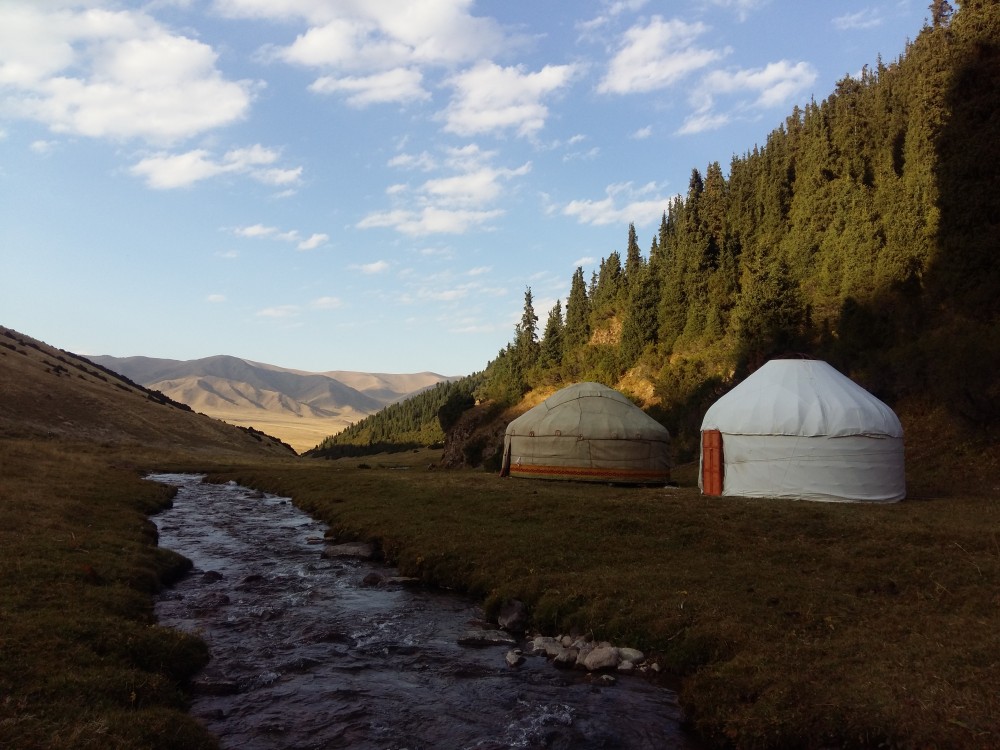
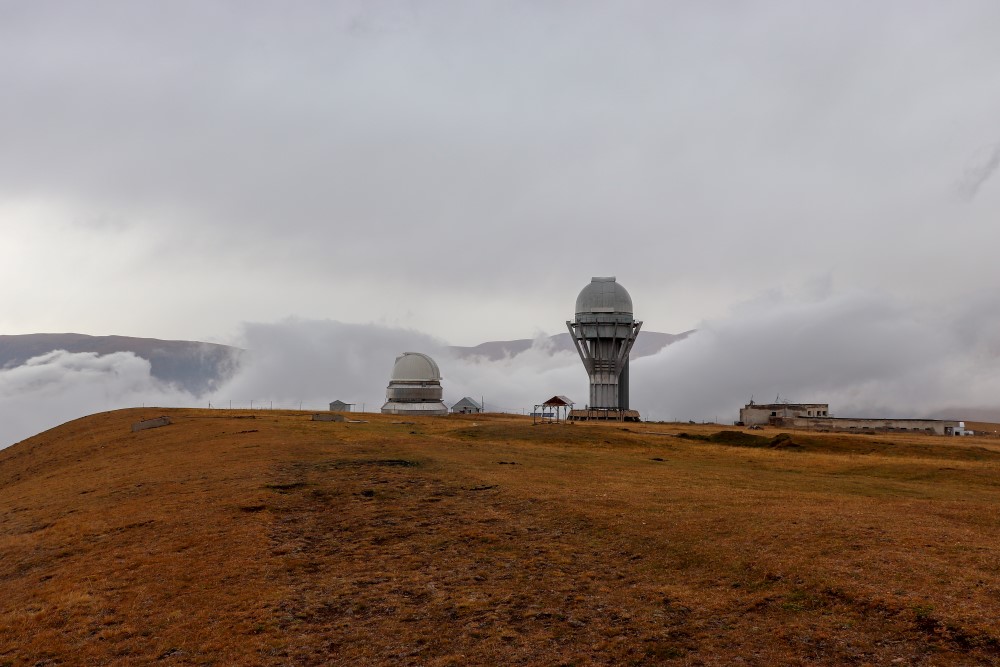
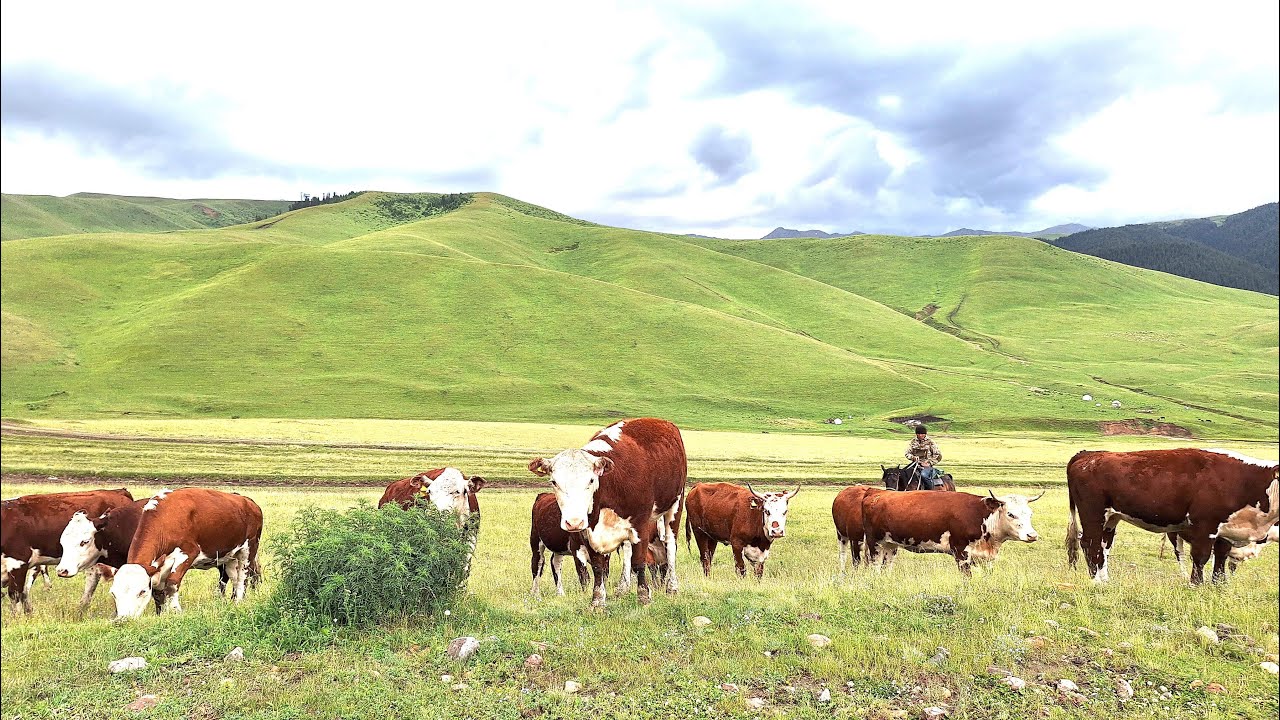
What makes Assy distinctive among Kazakhstan's many high-altitude plateaus is the combination of elements: the astrophysics research station (the Assy-Turgen Observatory, operated by the Astrophysical Institute of Almaty) perched on the plateau's eastern rim; the ancient petroglyphs scattered across the surrounding rock faces, left by Bronze Age peoples whose specific identities remain subject to debate; and the continued presence, each summer, of Kazakh herding families whose yurts appear among the meadows with a regularity that has its own kind of permanence.
The plateau's atmospheric conditions — low light pollution, high altitude, low humidity through summer months — have attracted serious attention from astronomers since the Soviet era. The observatory was built during that period and has operated, with interruptions, ever since. On clear nights, which are common from June through September, the star field visible from the plateau is the kind that urban dwellers have largely forgotten exists.
The Numbers: Altitude 2,800–3,000m. Distance from Almaty: ~100km. Best months: June–September for clear skies; May and October are transitional. Road condition: 4WD recommended for the upper section.
The ‘Wow-Factor’
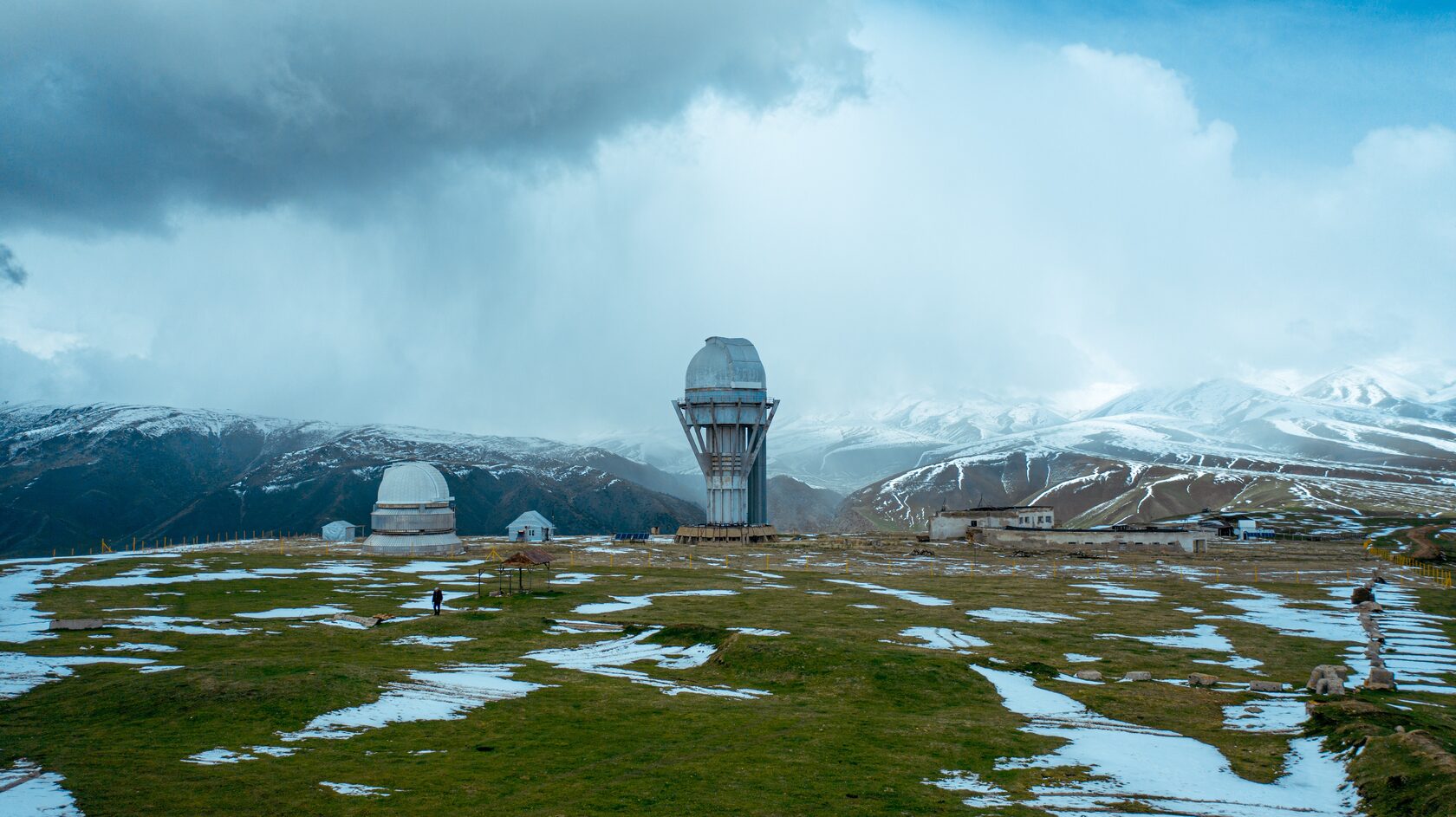
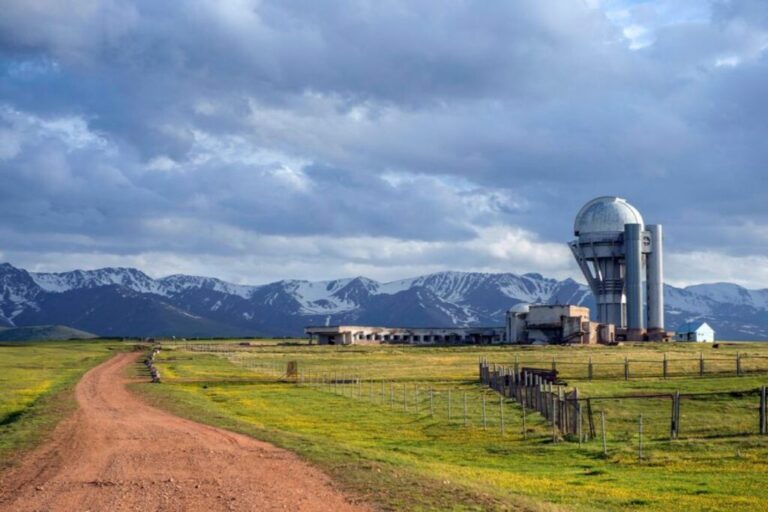
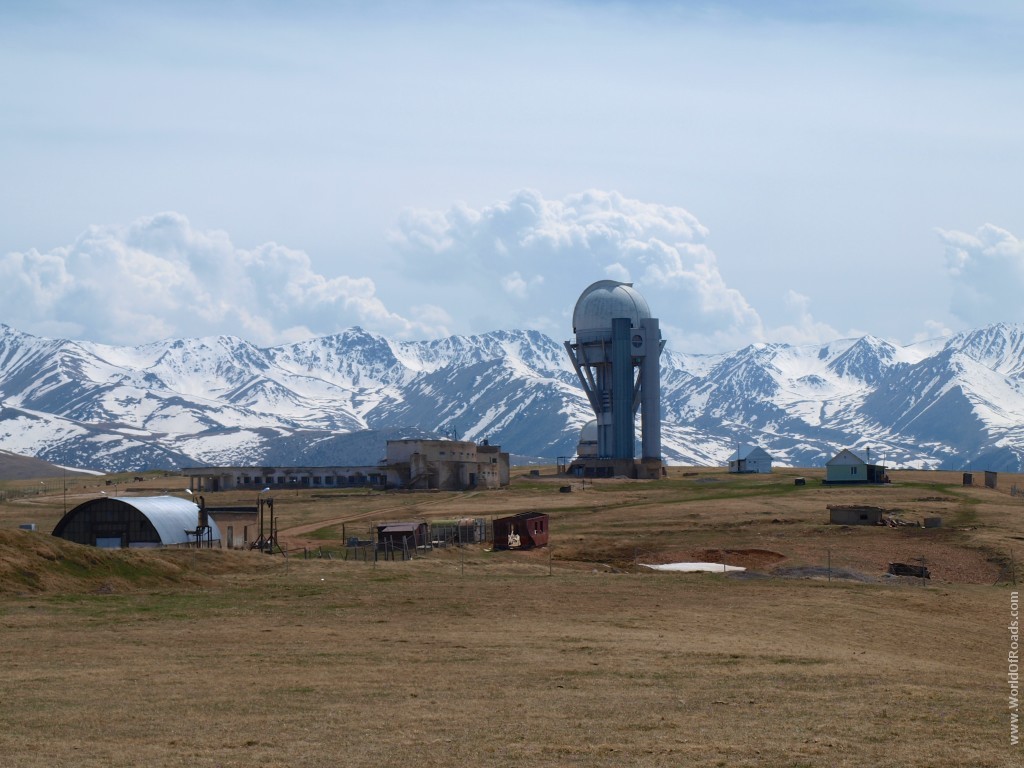
The observatory dome is visible from ten kilometers away. Then it disappears as the road curves into a fold in the plateau. Then it appears again, closer, from a different angle — and the scale of the thing becomes clear. It's enormous. A single white hemisphere against a sky that, at this altitude, is not the pale blue of Almaty but a deeper, more saturated color that photographers describe as "alpine blue" and that everyone else just stops and stares at.
But the dome isn't the wow. The dome is the punctuation. The wow is the space around it.
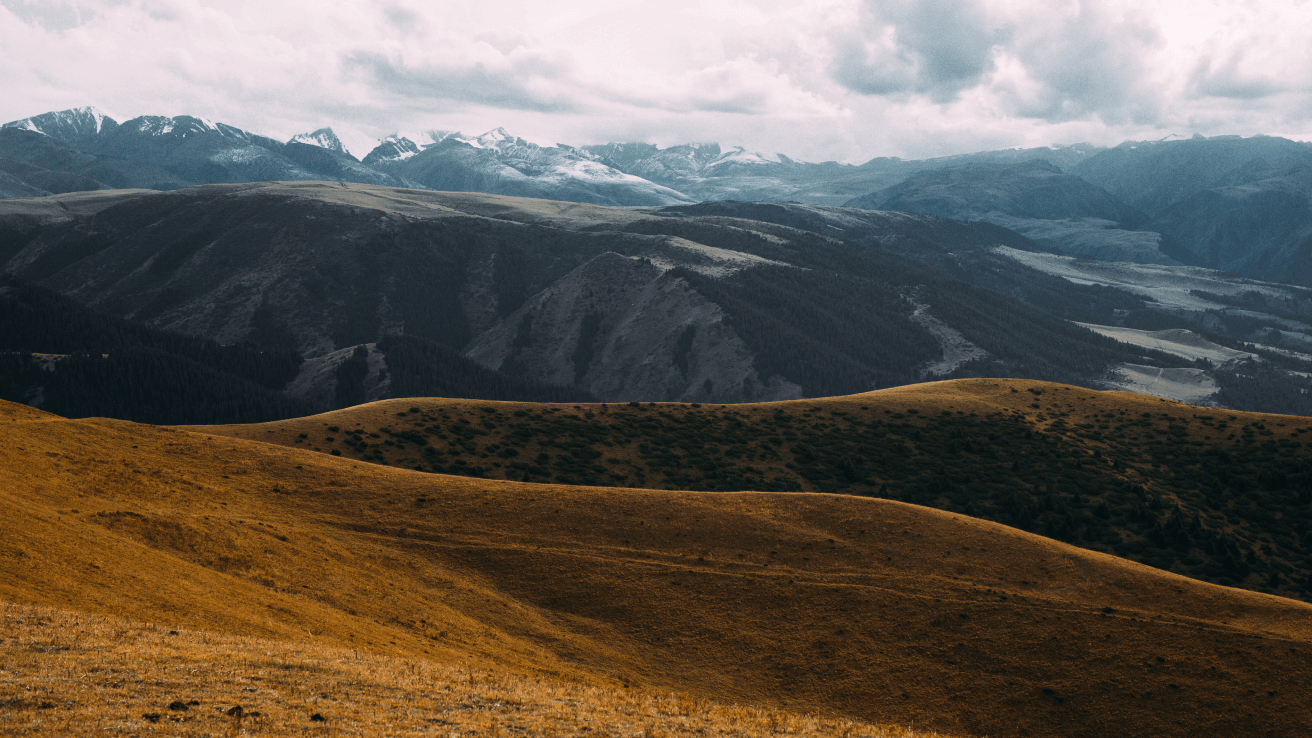
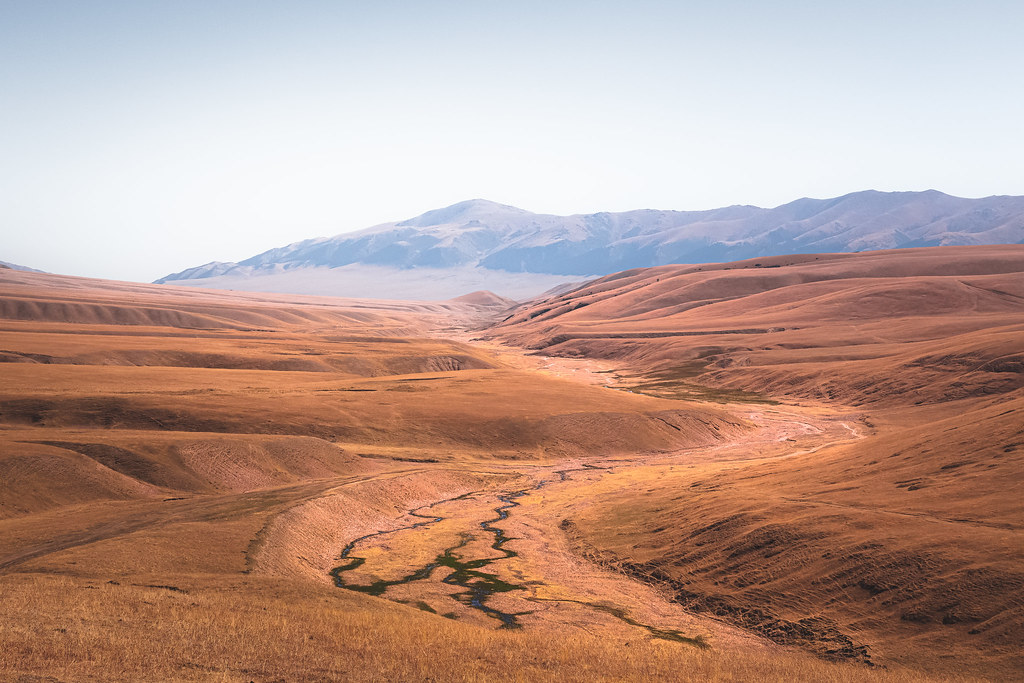
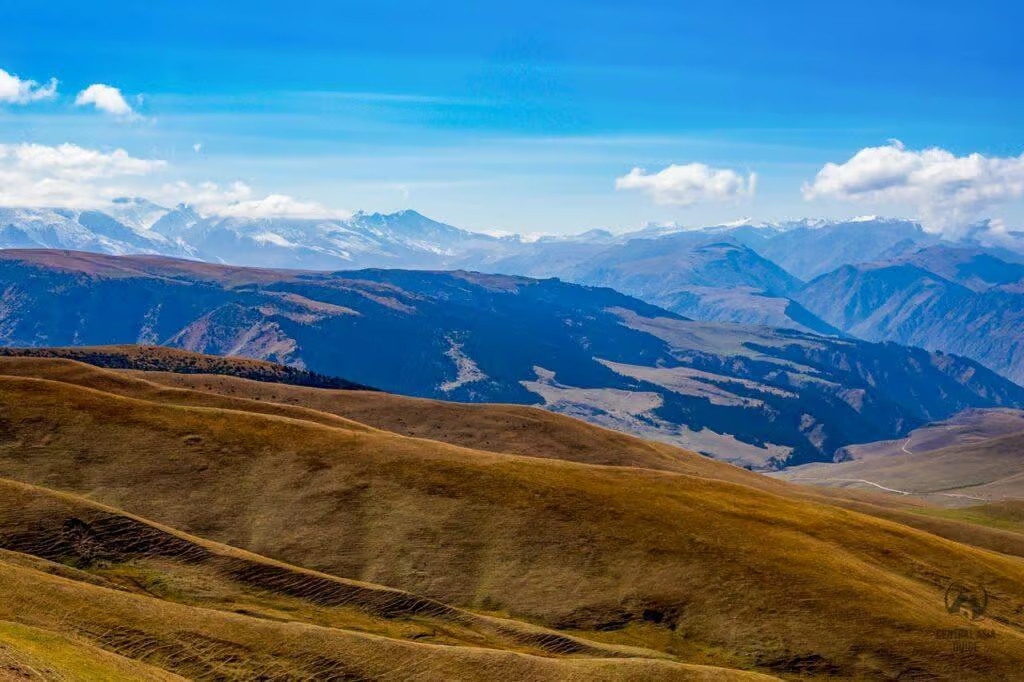
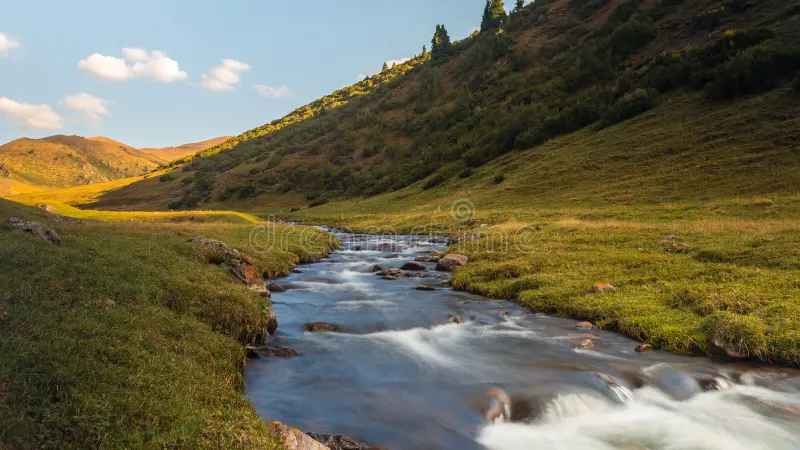
The Assy Plateau is vast in a way that photographs consistently fail to communicate — not just horizontally, but vertically. The plateau sits above the treeline, which means nothing interrupts your sightline to the surrounding ridgelines. The Tian Shan peaks to the south and east rise past 4,000 meters. The Almaty basin, visible from the plateau's western edge on a clear day, sits 2,000 meters below in a haze that makes it feel like a different world. Which it is.
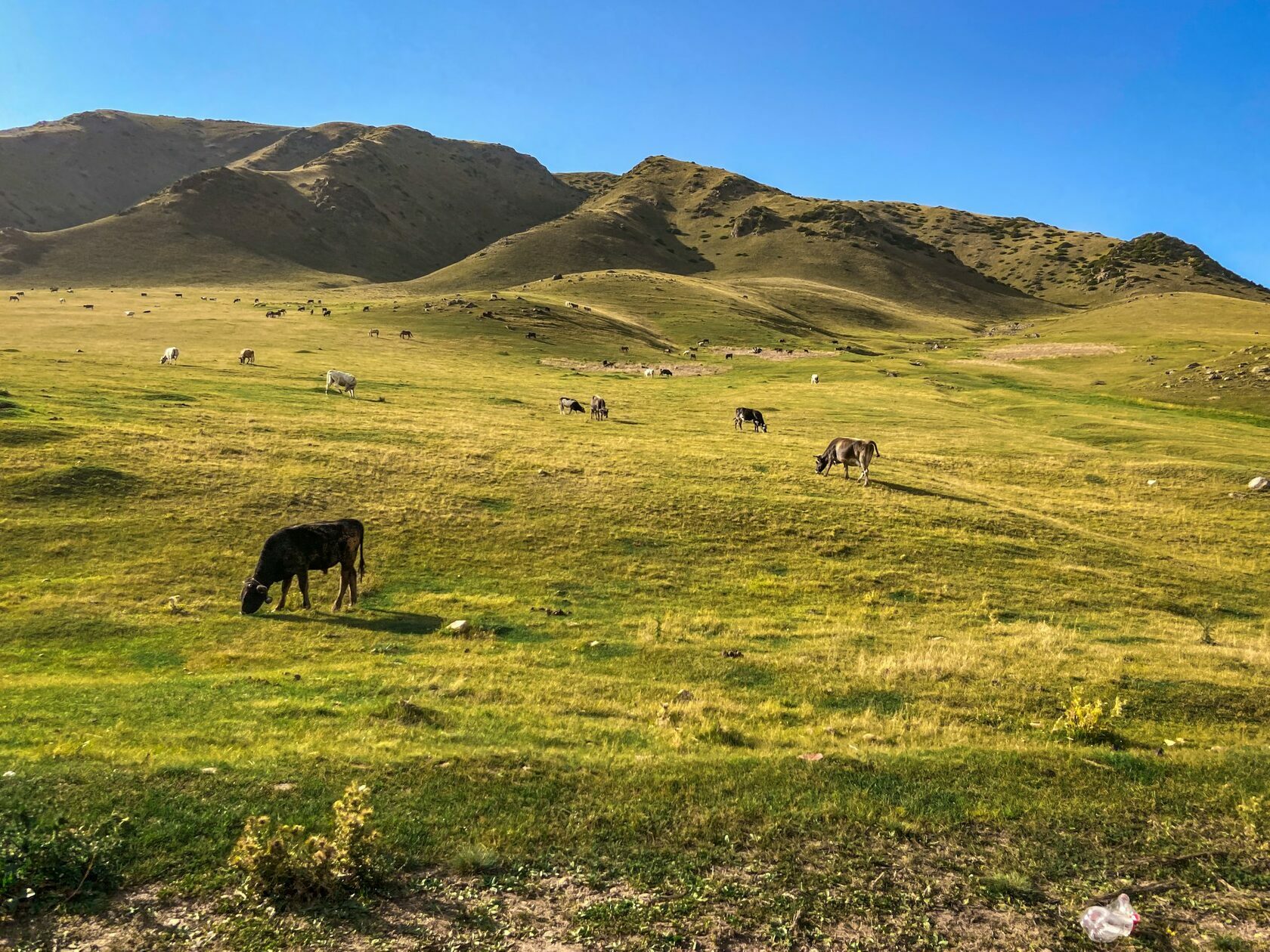
The air at this altitude smells of wild thyme, horse, and something mineral — the particular combination of altitude, grass, and granite that doesn't exist at lower elevations and can't be replicated. The wind comes in long, unhurried sweeps across the plateau with nothing to interrupt it. And the silence, except for that wind and the occasional sound of cowbells from a herd passing through the meadows, is the kind that makes people stop talking.
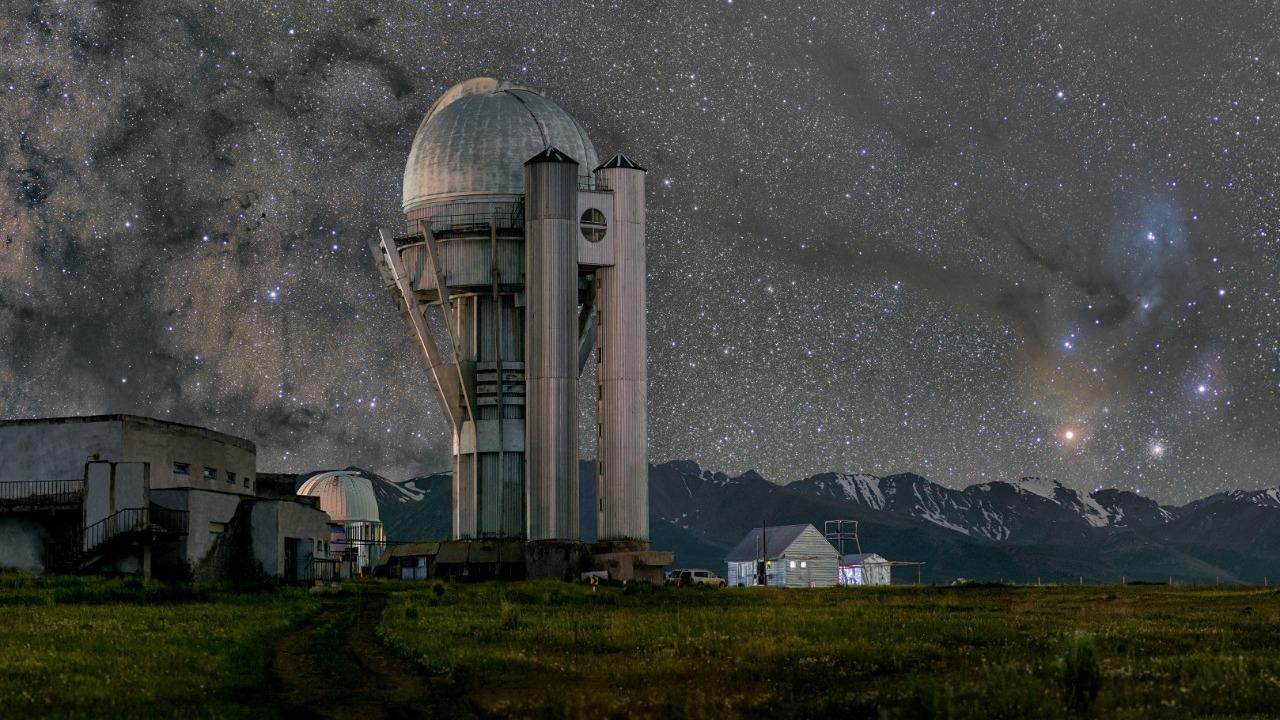
Come at sunset if you can arrange transport back safely. Come at night if you can arrange to stay. The star field visible from Assy on a clear summer night is not a casual reward — it's a recalibration. The Milky Way appears as a structural element of the sky rather than a suggestion. Aizhan, a guide who has been bringing visitors up since 2015, describes the look on people's faces the first time they see it properly: "They forget to talk," she says. "That's how I know it worked."
Deep History & Culture
The petroglyphs are not announced. There are no signs pointing to them, no roped barriers, no interpretation panels explaining what you're seeing. They simply appear on the flat faces of granite boulders scattered across the plateau — figures of deer, horses, hunters, geometric patterns — carved with iron tools by hands that worked this same high-altitude landscape between three and five thousand years ago.
These were Saka people, or their predecessors: the horse-mounted nomadic cultures of the Eurasian steppe whose presence on the Kazakh zhailyau long predates any state formation. The Saka warriors who appear in Greek and Persian accounts from the fifth century BCE were moving their herds across these plateaus seasonally, following the same altitudinal logic that Kazakh herders follow today. The petroglyphs aren't evidence of a civilization that vanished — they're evidence of a practice that continued, in different forms, for millennia.
The Kazakh Khanate, established in 1465 by Khans Janibek and Kerei, incorporated these high-altitude pastures into a governance structure that managed nomadic movement across enormous territories. The Alatau mountain ranges formed natural seasonal boundaries — lower valleys in winter, high plateaus like Assy in summer — and the pattern of movement was encoded in law, custom, and memory. The word zhailyau in Kazakh refers specifically to this summer highland pasture, and it carries connotations not just of geography but of an entire way of organizing time and life.
Russian annexation of the Kazakh lands, completed by force between 1731 and 1848, eventually brought a different kind of presence to these mountains. The Trans-Ili Alatau became the administrative frontier of the Russian Empire's Central Asian territories. By the 1850s, the military fortification at Vernyi (later Almaty) had been established in the valley below.
The Soviet period brought the observatory. In the late 1950s and 1960s, the Assy-Turgen plateau was identified as an ideal site for an astrophysics research station — high altitude, low light pollution, stable atmospheric conditions through the summer months. The facility built there operated as part of the Astrophysical Institute of Alma-Ata, contributing to Soviet astronomy research for decades. The observatory survived the collapse of the Soviet Union and continues to operate, with interruptions and inconsistent funding, as a research and educational facility.
For Kazakhs, the Assy Plateau carries the full weight of this layered history: Bronze Age rock art, centuries of nomadic seasonal use, Soviet scientific infrastructure, and — continuing through all of it — the families who arrive each spring with their herds and erect their yurts in the same meadows their grandparents used. The observatory is modern. The zhailyau is not.
Practical Digital Logistics
Getting There
Assy Plateau is 100 kilometers east of Almaty via the Turgen Gorge road. The route is straightforward until the final 20-kilometer climb from Turgen village to the plateau, where the road narrows and the surface deteriorates. A capable 4WD vehicle is strongly recommended for this section — not because a sedan will definitely get stuck, but because the consequences of getting stuck are serious given the altitude, distance, and lack of cell coverage.
Most Almaty-based adventure tour operators run day trips and overnight excursions to Assy. Prices for private 4WD tours run 35,000–55,000 KZT per day for the vehicle, typically carrying up to four passengers. Shared transfers — when available — reduce the cost considerably. Check with travel agencies on Zhibek Zholy in Almaty for current schedules.
Entry Fees
Access to the plateau falls within the national park fee structure. The entrance is payable via the QazPark digital system or in cash at the visitor point near Turgen. Expect around 1,500 KZT per person. The observatory itself operates independently — visit access depends on whether researchers are present and willing to accommodate tourists, which is inconsistent. Call the Astrophysical Institute in Almaty before making this a primary reason for the trip.
What to Bring
This is not a list for negotiation. Water: minimum three liters per person. Even on warm August days, the plateau wind causes rapid dehydration. Warm layers: temperature at 3,000 meters can drop below zero on any summer afternoon when clouds move in — this happens fast and without the gradual cooling you'd experience at lower altitudes. Sunscreen: the UV index at this altitude is significantly higher than in Almaty, and the reflected light off snow patches amplifies it further.
Connectivity
Mobile coverage on the plateau is unreliable across all Kazakhstani carriers. Download offline maps before you leave Almaty — Google Maps and Maps.me both function without signal. There is no fuel available on the plateau; fill up in Almaty or Turgen before ascending.
Accommodation
The observatory has occasionally hosted researchers who camp on site. For regular visitors, accommodation is in Turgen village (basic guesthouses, 8,000–15,000 KZT) or back in Almaty. The drive from Turgen to the plateau takes 45–60 minutes each way in good conditions.
Must-Do Activities
Hunt the Petroglyphs
The Bronze Age rock carvings scattered across the plateau's granite outcrops don't come with a map. This is both a frustration and the whole point. Give yourself two hours, walk away from the road in any direction, and keep your eyes moving across the boulder faces. The figures appear when you're not quite looking for them: a running deer, a mounted archer, a geometric spiral that no has fully explained. Bring a guide if you want systematic coverage — if you want discovery, walk alone. The carvings haven't been moved or roped off, which means you're seeing them exactly where Bronze Age hands left them.
The Observatory: Manage Your Expectations
The Assy-Turgen Observatory is a Soviet-era research facility, not a visitor attraction. Access depends entirely on who is working that day and whether they have time. On lucky visits, a researcher will walk you through the main telescope dome — a 1-meter reflector instrument that was serious hardware when it was installed and remains operational — and explain the facility's work on variable stars and near-Earth objects. On unlucky visits, the gate is closed. Don't build your entire itinerary around it. Let it be a bonus.
Stargazing After Dark
If you can arrange to stay on the plateau until midnight, do it. The Milky Way becomes structural here — a dense band across the sky that takes several minutes to fully comprehend. The light pollution from Almaty is faintly visible to the southwest as a pale orange dome on the horizon, which makes the darkness above more absolute by contrast. Bring a sleeping bag, a ground mat, and the willingness to be cold and awake at 2am staring upward.
The Blue Hour Shot
Photographers who have done the research know this already: the Assy-Turgen Observatory dome photographs best in the twenty minutes after sunset, when the dome's white surface catches the residual blue of the sky and the surrounding plateau grass shifts from green to grey-green to black. The light lasts exactly long enough to force decisions. A tripod is required.
Visit a Yurt
From June through August, Kazakh herding families maintain yurts across the plateau for the summer season. Some are open to visitors; the customary greeting is respectful approach, a request for permission, and acceptance of whatever hospitality is offered — usually kumys (fermented mare's milk), bread, and conversation conducted without a shared language but with universal comprehensibility. Bring a small gift from Almaty if you want to reciprocate properly. Don't overstay. These are working families, not a tourism product.
Local Flavors & Amenities
The tea arrives in a kese — the small handle-free bowl that the Kazakh approach to drinking insists upon — and it's not a commercial preparation. Nurlan, who has maintained a yurt on the plateau's eastern section every summer since 2009, pours it from a pot that has been sitting on a small wood fire for the better part of an hour. The flavor is mountain herbs and something deeper, a base note that might be smoke or might just be altitude. He refills the bowl before it empties, which is the etiquette. You can drink three or four rounds before he'll stop pressing.
Food on the Assy Plateau is structured around what the mountains provide and what people carry up with them. There's no restaurant here in any formal sense. The small seasonal operations near the plateau access road serve shashlik (charcoal-grilled meat on skewers), baursaks, and tea. They're roadside setups aimed at Almaty day-trippers making the weekend drive, and they're fine for a quick stop. Don't expect atmosphere.
Kumys and Alatau Honey
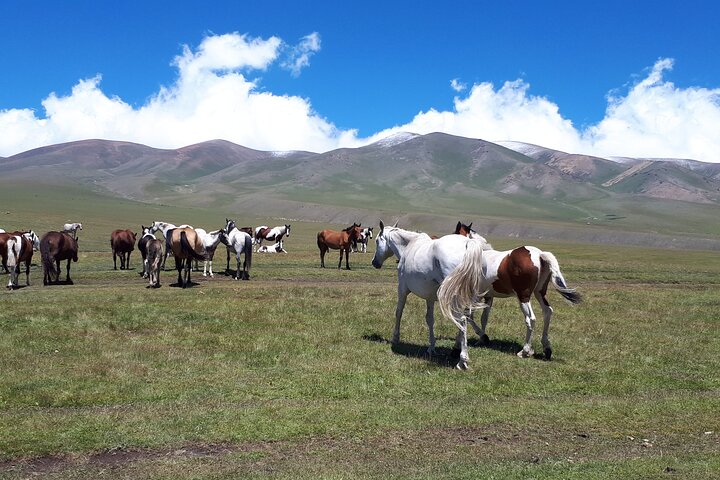
The genuine food experience on the Assy Plateau comes from the herding families who spend the summer here. Kumys — fermented mare's milk, slightly sour and faintly fizzy, with an alcoholic content mild enough that it's served to all ages — is produced daily during the summer season and is the defining taste of any plateau visit. You won't buy it in a shop; you'll be offered it in a yurt, by someone whose horses are grazing fifty meters away.
Alatau honey is worth seeking out before you leave the mountain. The wildflower meadows of the Trans-Ili Alatau produce honey with a flavor complexity that's genuinely distinct from commercial alternatives — the sourwood and alpine clover produce something faintly medicinal and deeply rich. The herbal market that operates seasonally near the plateau entrance sells directly from local beekeepers. Prices are lower than in Almaty, and the product is unequivocally the same thing that was in the hive two weeks ago.
Accommodation
For overnight stays, Turgen village (45–60 minutes from the plateau) has guesthouses ranging from 8,000 to 18,000 KZT per night — basic but clean, with reliable water and usually some form of breakfast. The "Assy Eco-Lodge" style camps that periodically appear on the plateau offer yurt accommodation or elevated cabin sleeping closer to the stars. Prices vary significantly by season and operator; expect 25,000–40,000 KZT per night for the curated versions.
If you're serious about the stargazing and want to be on the plateau at 2am without a car journey, the most honest approach is wild camping — legal in Kazakhstan's highland zones with appropriate permits, and entirely possible on the plateau with a quality three-season tent. The wind at night is the main variable. Check it before you commit to a thin sleeping mat.
Essential Insider Tips
The Road Condition is the Variable That Matters Most
Check the Turgen road condition before you leave Almaty. The plateau is not accessible year-round, and the final 20 kilometers of the approach road become genuinely impassable in late autumn, winter, and early spring when snow accumulates or the ground freezes into ruts. Even in summer, after heavy rain, sections of the track require real clearance. The Almaty Tourism Information Center can tell you current conditions; tour operators who specialize in Alatau excursions monitor this daily. Do not assume accessibility based on the calendar date alone.
Observatory Access Is Unpredictable
The Assy-Turgen Observatory is a working research facility funded inconsistently. Its availability for visitors depends on staffing, weather, and research schedules — none of which are published in advance. If a visit to the telescope dome is important to you, contact the Astrophysical Institute of Almaty before your trip to ask whether there are scheduled public events. Twice yearly, usually in summer, the institute hosts public viewing nights that provide guaranteed access. For unplanned visits, it's genuinely a question of turning up and finding out.
The Weather Turns Without Warning
Temperature at 3,000 meters can drop 10–15°C within an hour when cloud moves in off the Tian Shan ridges. This happens regularly even in July and August. Bring an insulating layer regardless of the forecast. The weather on the plateau is not the weather in Almaty; they're effectively different microclimates.
Altitude Acclimatization
Almaty sits at around 900 meters. The plateau is at 2,800–3,000 meters. That gap is enough to cause noticeable effects in people who aren't acclimatized: mild headaches, slight breathlessness on exertion, faster fatigue. None of this is dangerous for healthy adults, but it's worth knowing that your first hour on the plateau will feel harder than equivalent effort at lower altitude. Drink water steadily. Move at a pace that feels slightly slower than necessary.
Photography: The Practical Notes
CPL filters improve plateau photography significantly by cutting the glare off the dome's white surface and deepening the blue of the alpine sky. The blue-hour window after sunset is the best time for shots of the observatory against sky. For the Milky Way, a fast wide lens (f/2.8 or faster) on a sturdy tripod is the minimum requirement — the plateau is dark enough to make it work, but exposure times of 15–25 seconds are needed, and camera shake becomes the limiting factor.
Stay Humble Around the Herders
The Kazakh families who summer on the plateau don't need or want your sympathy, your Instagram story, or your interpretation of their lifestyle. They need the plateau to continue being what it's been for generations. Approach with genuine respect, accept hospitality on its own terms, and don't make their lives content for your social media unless you have specific permission and a good reason.
Sustainability & Community
The Assy Plateau's sustainability is inseparable from a question that precedes any formal conservation program: whose plateau is it? The Kazakh herding families who have been moving their livestock the zhailyau every summer for generations have a prior claim to that question that no tourism framework can supersede. Meaningful sustainability here starts with acknowledging that.
The Herders' Presence is the Ecosystem
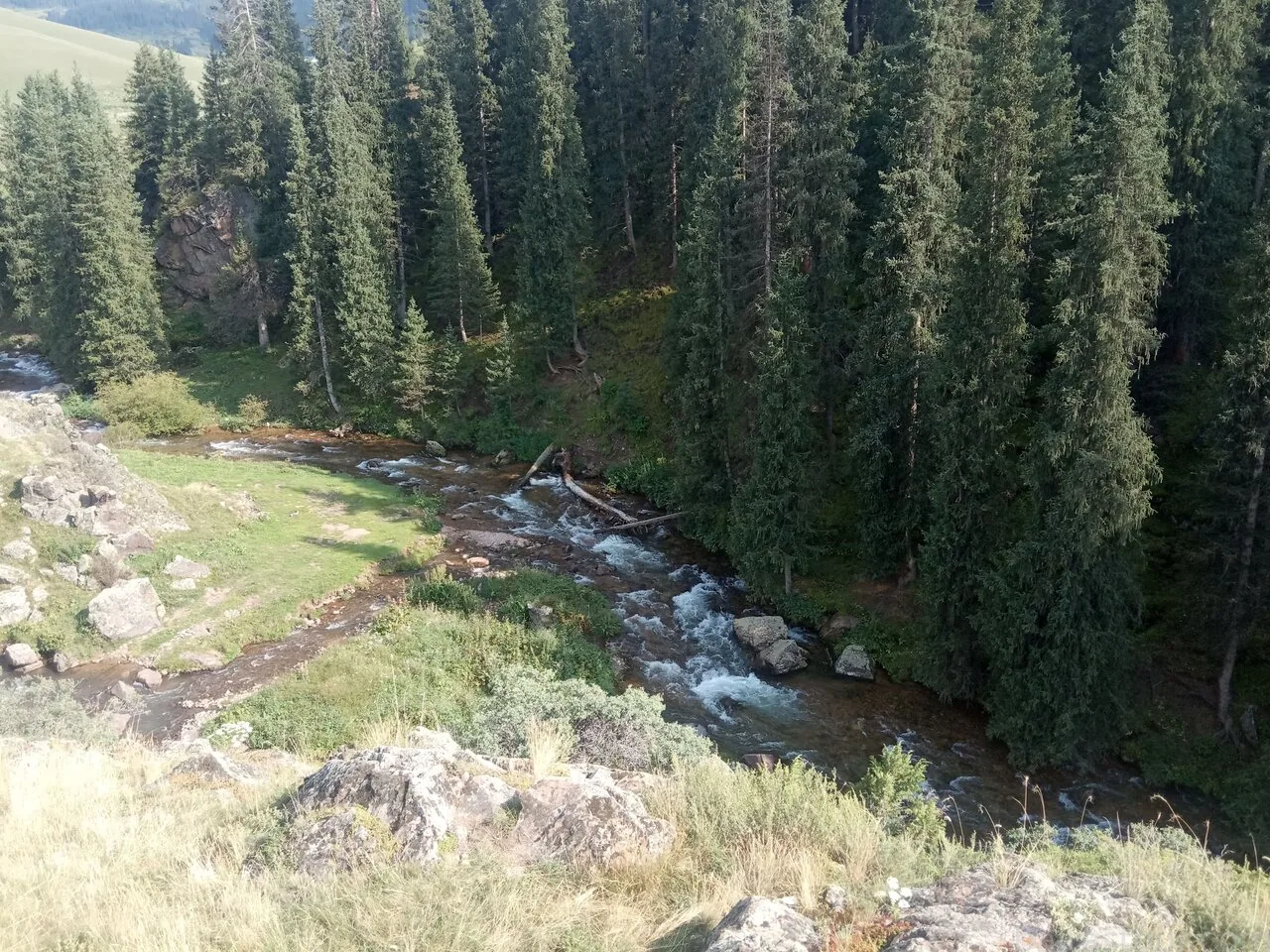
The Trans-Ili Alatau's high-altitude meadows have co-evolved with centuries of managed grazing. The grassland ecology of the Assy Plateau is, in a specific sense, a product of the nomadic practice — not a wilderness interrupted by it. Visitors who arrive expecting pristine wilderness untouched by human activity are misreading what they're seeing. The plateau is a managed landscape, and the people managing it have been doing so longer than any conservation agency.
Supporting that community is the most direct sustainability contribution a visitor can make: buy honey and herbal products from families rather than from commercial operations in Almaty, accept hospitality when it's offered and reciprocate appropriately, and treat the yurts, horses, and livestock with the same consideration you'd extend to anyone's working property.
The Observatory's Preservation
The Assy-Turgen Observatory operates on chronically insufficient funding. The Astrophysical Institute of Almaty accepts donations through its official channels, and contributions from international visitors constitute a meaningful supplement to the facility's research budget. If you visit and find value in what the facility represents — a working scientific institution on a dark-sky plateau in Central Asia — consider contributing directly.
Leave No Trace: The Literal Version
The plateau has no waste collection infrastructure. Everything you carry up must come back down. This applies to food packaging, human waste if you're camping (pack out or bury deep), and any gear you no longer want. The "Zero-Trash" principle isn't a slogan here — it's a practical necessity.
The rock art is irreplaceable. Do not touch, trace, chalk, or otherwise mark the petroglyphs. Do not camp in their immediate vicinity. The Bronze Age people who made them didn't do so for your Instagram caption, and they deserve better than accelerated deterioration from casual contact.
Key Facts
- High-Altitude Pasture
- Situated at 2,700 meters, this vast plateau has served as a summer 'jailau' for nomadic herders for thousands of years.
- Observatory Site
- Home to the Assy-Turgen Observatory, the site offers some of the clearest skies in the world for deep-space observation.
- Nomadic Heritage
- Ancient petroglyphs and royal burial mounds scattered across the plateau offer clues to the region's deep prehistoric and Iron Age history.
- Jeep Safari Hub
- The rugged terrain of the plateau is a premier destination for off-road enthusiasts and 4x4 mountain expeditions from Almaty.
- Alpine Flora
- During the summer months, the plateau is covered in a vibrant carpet of alpine flowers, including rare edelweiss and wild irises.
- Red Rock Vistas
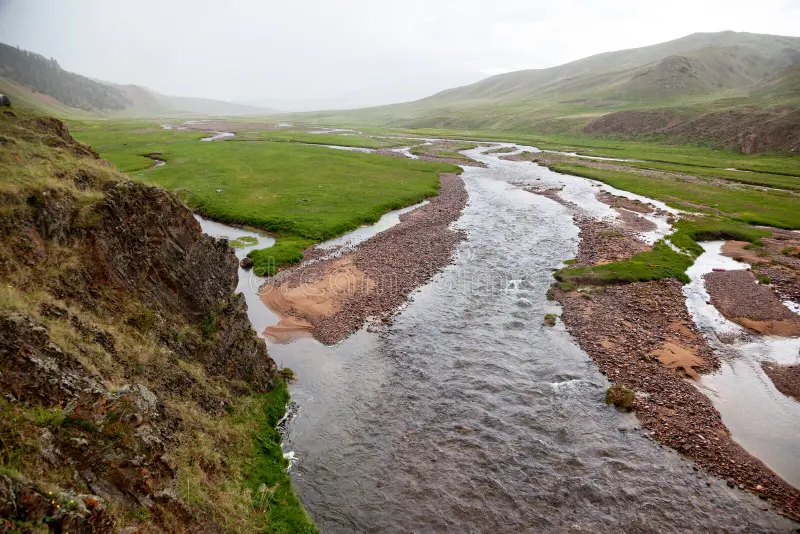
- The plateau overlooks the dramatic red canyons of the Turgen River, providing a sharp color contrast with the green alpine meadows.
Photo Gallery
Video coming soon
Assy Plateau
Loading map...Loading map...
Frequently Asked Questions
Have a question?
Ask and get answers in seconds!
Discussion 0
No comments yet. Start the conversation!
Leave a Reply