Dostyk Park: River Walk
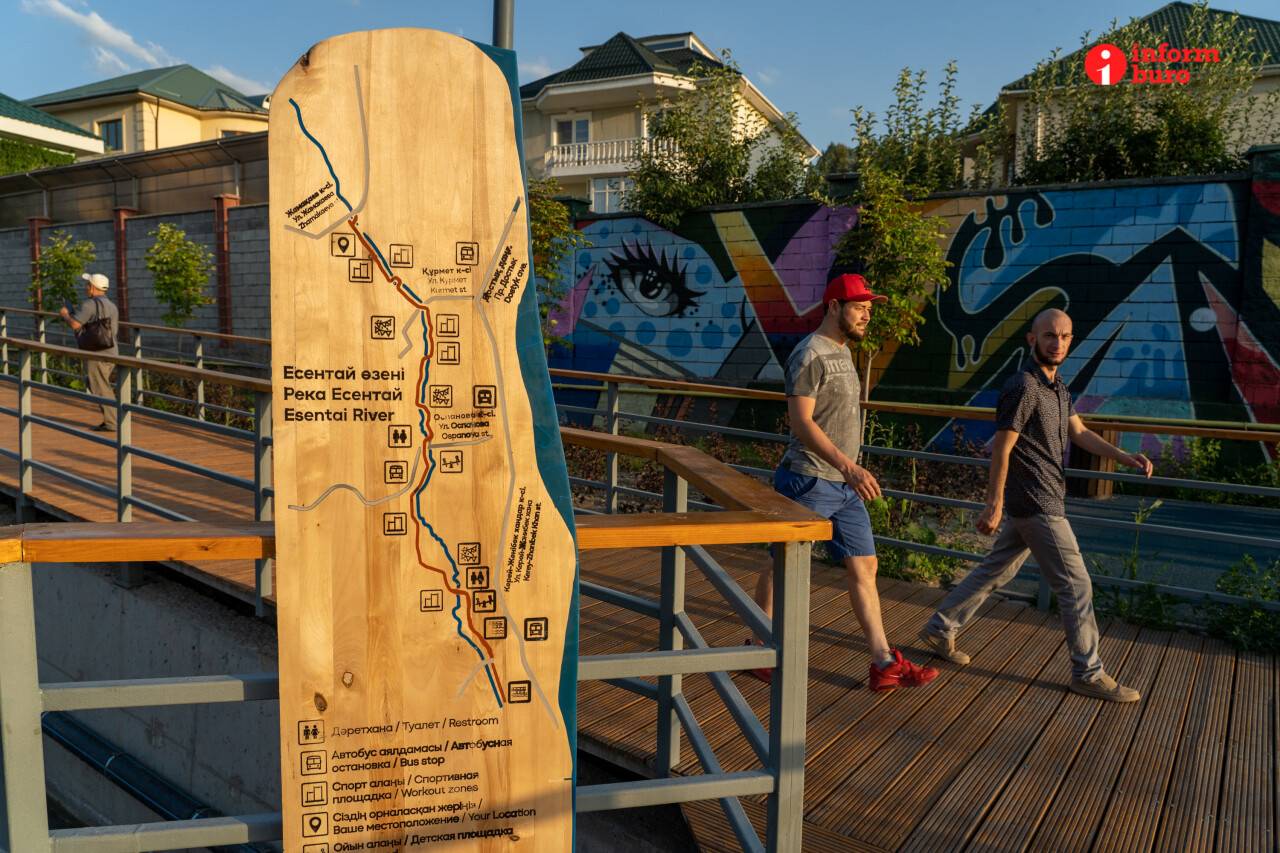
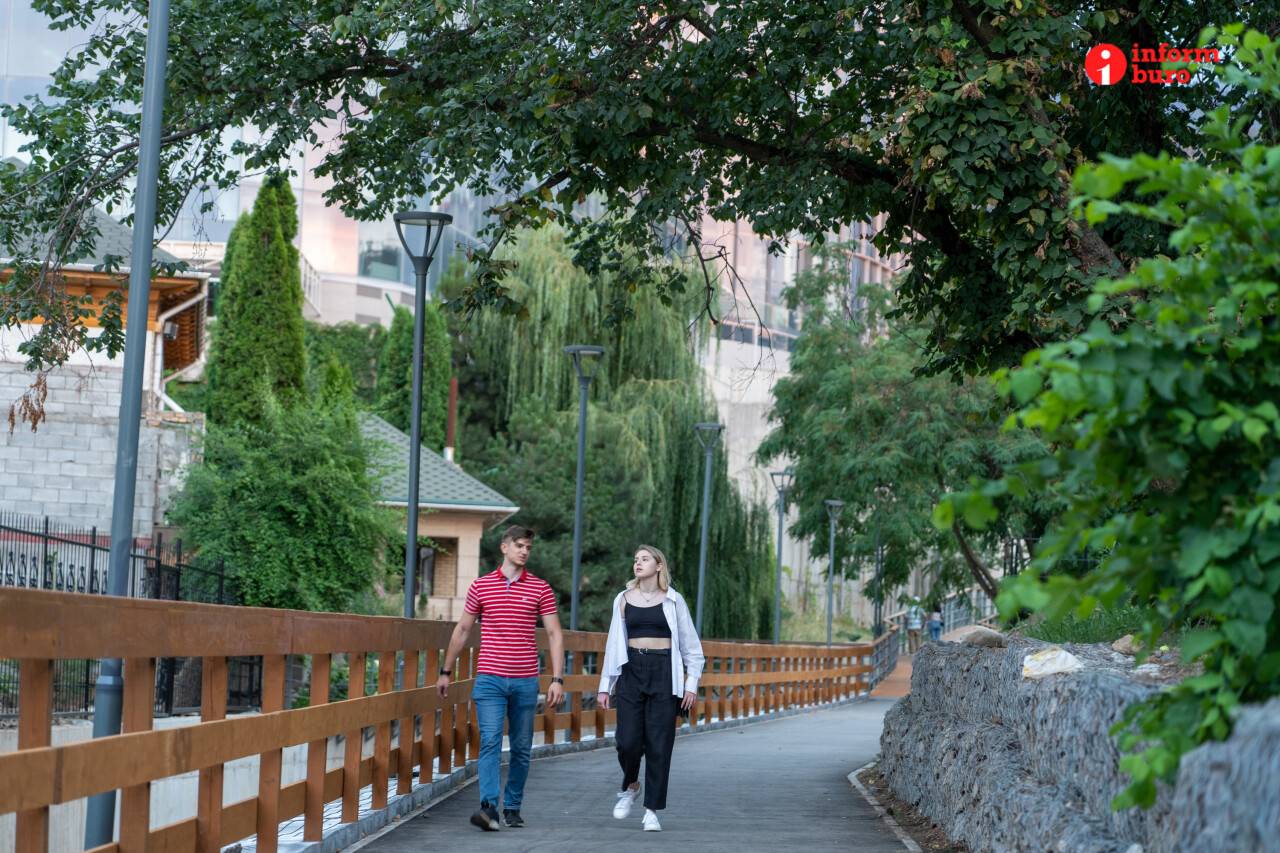
A newly developed park along the Esentai river, popular for evening strolls and jogging.
Essential Profile
Walk south from Almaty's center along Dostyk Avenue — the wide, tree-lined boulevard that runs from the city's commercial heart toward the Tian Shan — and the city begins to change its character. The grid loosens, the pace slows, the air cools, and eventually you arrive at the Almaty river channels and the park that flanks them. Dostyk Park sits at the point where the city meets the mountain water, where the Almaty River comes down from the gorges and encounters the neighborhoods that have grown up around its banks.
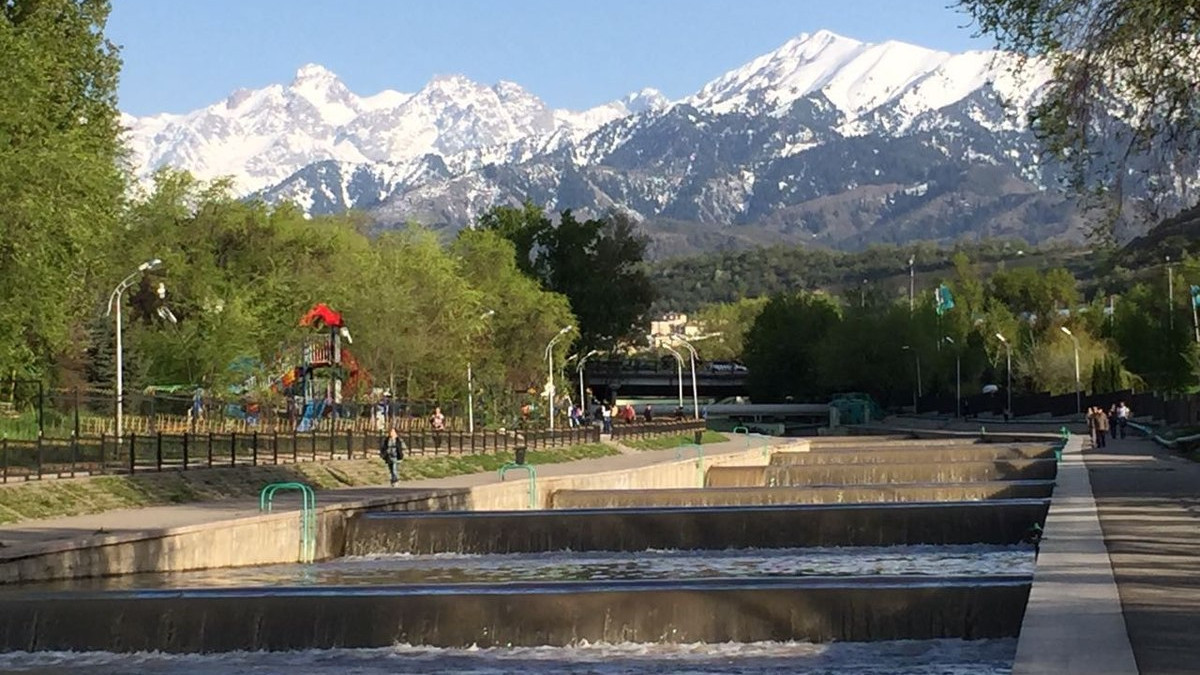
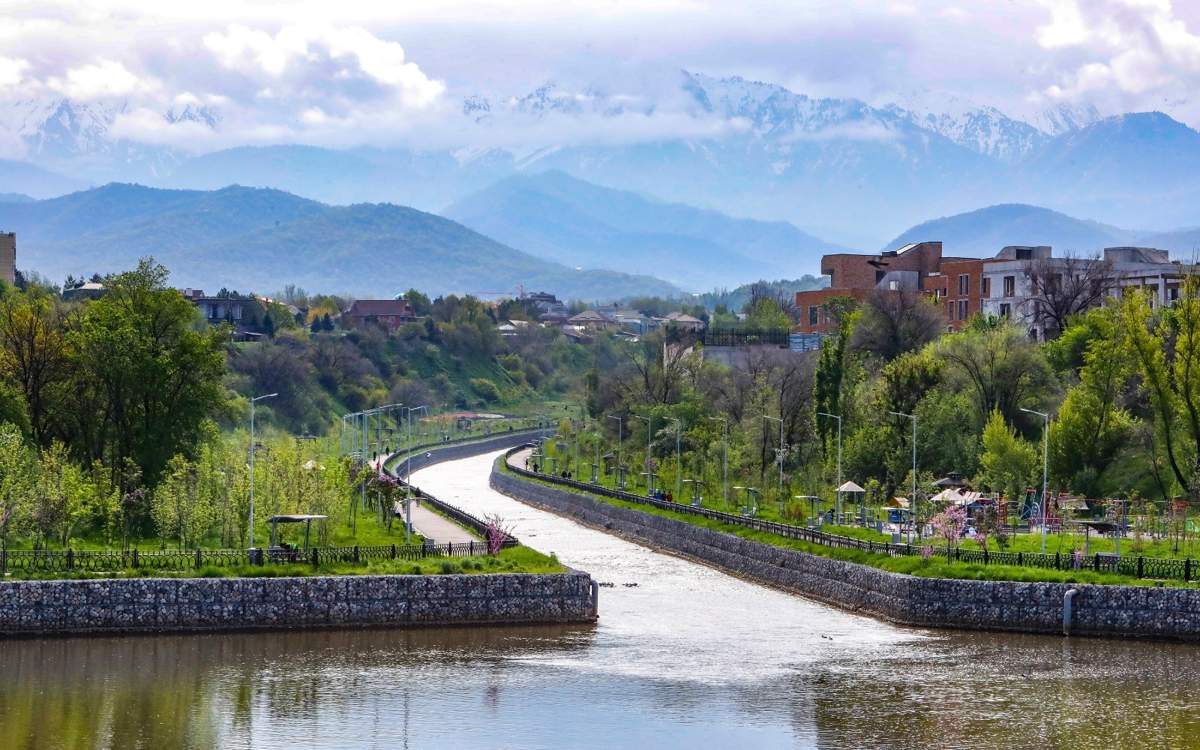
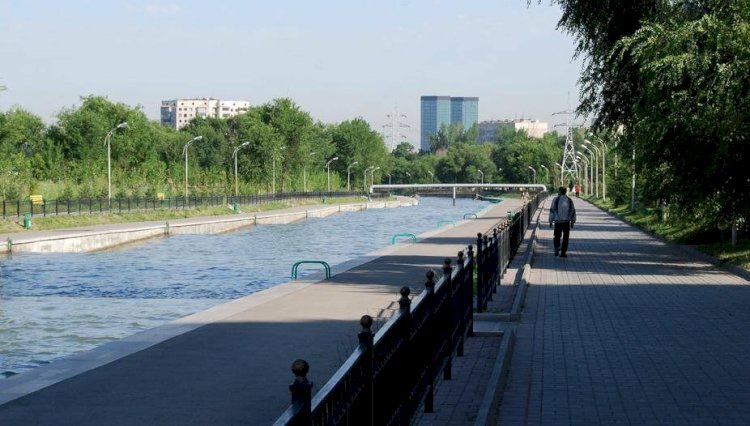
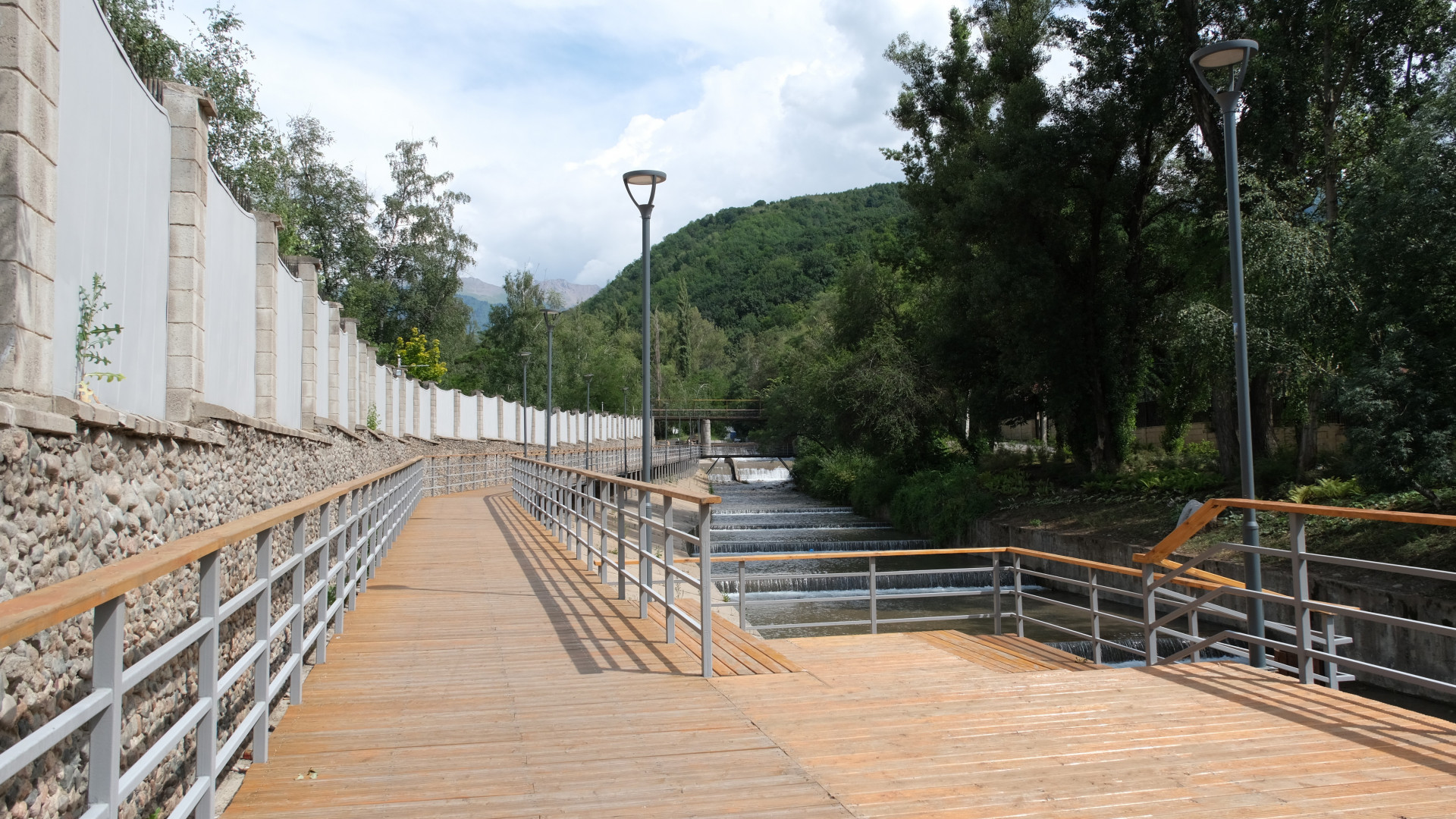
This is a park defined by its river. The Almaty River runs along the park's edge with the particular sound of mountain water: fast, rocky, cold even in August, carrying snowmelt from the Tian Shan down through the city and out the plain. The park follows that corridor — long and narrow, organized along the river's logic rather than a central axis.
What the Park Is
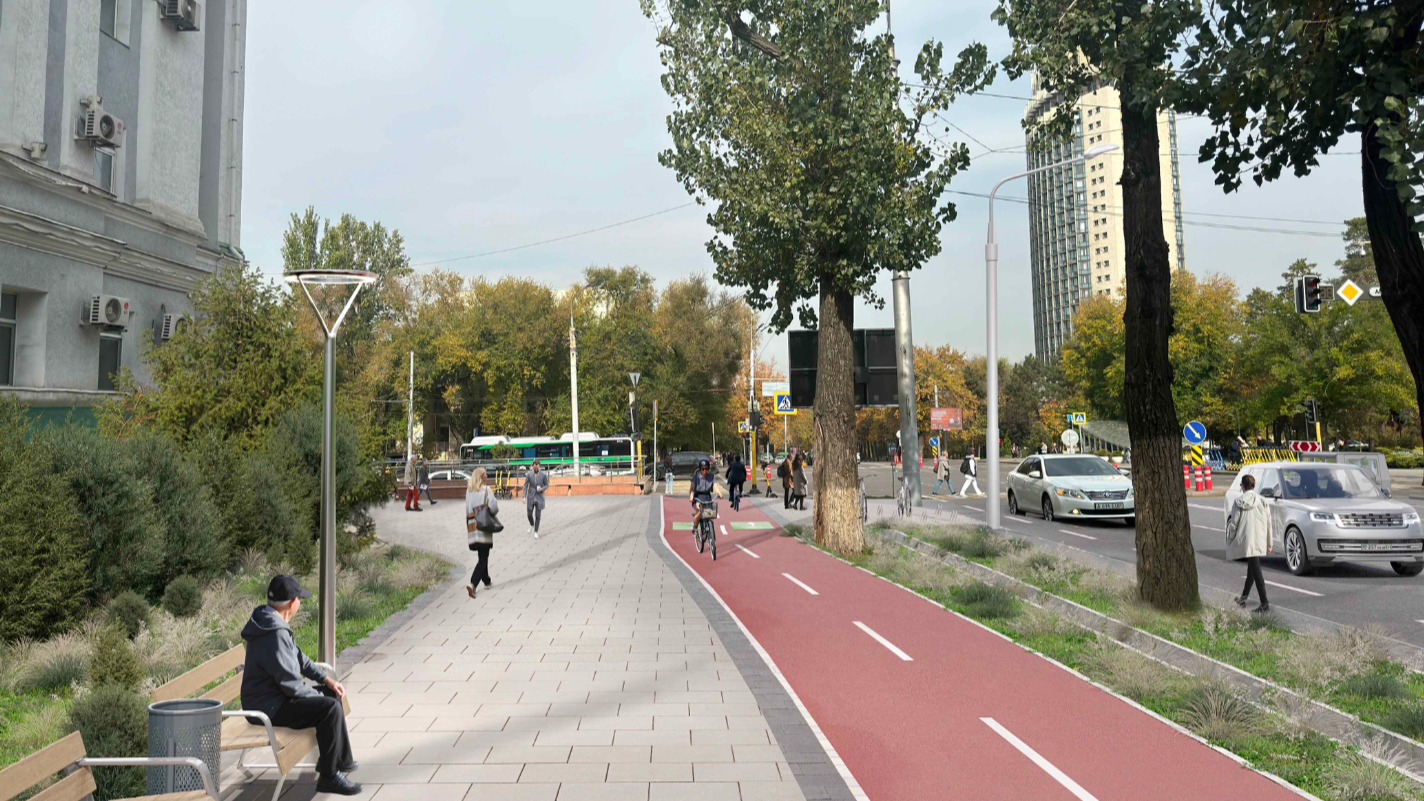
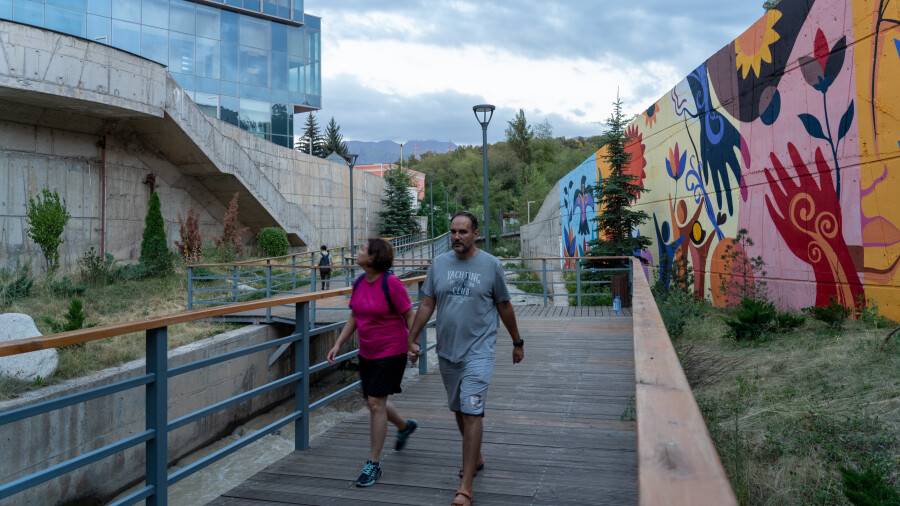
Dostyk Park occupies roughly ten hectares in the Medeu district, of Almaty's more affluent residential neighborhoods, where the city grades upward toward the foothills. The park runs along the Almaty River channel, shaded by mature trees — poplars, willows at the water's edge, elms that appear throughout Almaty's older parks — and includes pathways, small bridges across the river channels, seating areas, and the quieter, more residential quality that distinguishes it from the larger Central Park to the north.
The avenue it borders — Dostyk, meaning "friendship" in Kazakh — is of Almaty's prestige streets, lined with embassies, large residences, and the kind of architecture that suggests careful cultivation. The park itself is more democratic than its surroundings. Walkers and cyclists and young families and old men with newspapers all use this space without reference to the neighborhood's economic register.
Why the River Matters
The river gives the park its defining quality. In summer the water runs cold from the mountain snowmelt, cooling the air along the whole corridor by several degrees — a measurable and welcome difference from the surrounding city streets. In spring, when the snowmelt peaks, the sound fills the park entirely; you feel it through your feet on the path as much as hear it. This is the mountain coming down to the city, and the park exists because someone understood that keeping that river corridor green and open was worth more than any building that could occupy the same ground.
That instinct was correct. Dostyk Park is of the places in Almaty where the city's relationship with its mountain origins is most directly felt. The Tian Shan is always visible from Almaty, but here it is also audible — a continuous, low sound that the city cannot quite drown out, no matter how busy the avenue gets on the other side of the tree line.
The ‘Wow-Factor’
The surprise of Dostyk Park is the river. Not the trees — those you can see from outside the park boundary, the crowns of mature poplars visible above the wall — but the river itself, which you don't hear until you're inside the park, and which changes the character of the whole space the moment you do.
Mountain rivers have a specific acoustic quality that flat urban parks lack entirely. The Almaty River runs over smooth stone, fast and cold, and the sound it produces is not the gentle murmur of a landscaped water feature. It's continuous, directional, and distinctly alive — the sound of water that started as snow somewhere high in the Tian Shan and is now passing through the city on its way somewhere else. Standing on of the small bridges that cross the river channels, you can feel the vibration of the water through the soles of your feet. That's the wow factor: the physical sensation of the mountain in the middle of the city.
The visual element compounds it. The willows that grow at the water's edge have been there long enough to develop the particular character of old willows — trailing, patient, the branches dipping into the current and dragging slightly. In late morning, when the light comes through the canopy at the right angle, the river surface turns the color of old glass, and the shadows of the willow branches move across it in slow, irregular patterns. This is the kind of thing that makes people stop walking and simply stand on the bridge for a while, which is not usually how people move through a city park.
The park's quieter character is itself a form of wow. Dostyk Park is not Almaty's largest or most famous park. It doesn't have a Ferris wheel or a lake. What it has is the river, the old trees, and the particular quality of stillness that water and shade produce together. In a city of two million people, this kind of quiet is genuinely rare, and genuinely valuable.
Deep History & Culture
The land that Dostyk Park occupies has been shaped by water for longer than Almaty has existed. The Almaty River — called the Almatinka in Russian-era documents, deriving its name from the same root as the city — drains a significant portion of the Tian Shan's northern slope, and the channels and branches of its lower course have always defined the topography of the city's southern edge. Before the Russian military fortress of Verniy was established in 1854, the river and its tributaries moved through the seasonal grazing lands of the Great Zhuz, the Kazakh confederation whose traditional territory ran through the foothills of the Tian Shan.
The Kazakh Khanate and the River Corridors
The Great Zhuz clans who used this landscape understood the river corridors as routes and resources simultaneously. The Almaty River's lower course provided reliable water for livestock on the summer approach to the mountain pastures, and the flat land near its banks was good seasonal camp ground. The specific site of what is now Dostyk Park — sheltered by the hills rising behind it, close to the river, oriented south toward the Tian Shan passes — had the qualities that nomadic use calculus valued.
After the Kazakh Khanate was founded in 1465 by Janibek and Kerei Khans, this region remained part of the Great Zhuz's traditional economy. The Silk Road's northern branches ran some distance to the west, but the trade and movement patterns of the steppe world passed through the Zhetysu corridor that included the Almaty foothill zone. The river was a landmark and a waystation on routes that had been in use for centuries.
Russian Annexation and the Transformation of Verniy
The Russian empire's annexation of the Kazakh steppe — conducted between 1731 and 1848 through military expansion and coerced treaty — reached the foothills of the Tian Shan by 1854, when the fortress of Verniy was established at the site of present-day Almaty. The Almaty River became, almost immediately, part of the infrastructure of the colonial city: its water was used for irrigation, its banks were developed, its channels were partially redirected to serve the growing settlement.
The park zone along the Dostyk corridor developed gradually through the late 19th and early 20th centuries as Verniy grew from a military installation into an administrative city. The avenue of trees along the river channel was part of the colonial urban planning that reflected Russian conventions of civic life: a promenade, shade, a civilized corridor between residences and the natural boundary of the river.
The 1887 Earthquake and What Survived
The earthquake that leveled much of Verniy in 1887 left the river unchanged. The buildings fell; the Almaty River kept running. The trees along its banks, with their root systems established in the riverbank soil, survived better than most of the city's structures. The post-earthquake rebuilding of Verniy — and its subsequent transformation into Alma-Ata under Soviet administration — brought new urban planning, new street grids, new names for old places. But the river stayed, and the corridor of green along its banks stayed with it.
After Independence
Kazakhstan's independence in 1991 brought a renaming of the avenue — from its Soviet designation to Dostyk, "friendship" in Kazakh — and a renewed attention to the green corridors of Almaty as civic resources. The park along the river received investment in paths, bridges, and lighting, formalizing what had always been an informal walking corridor into a managed public space. The river itself, the oldest thing in the park, continued to do what it had always done: come down from the Tian Shan, pass through the city, and carry the sound of the mountain with it.
Practical Digital Logistics
Dostyk Park is centrally located and straightforward to reach from most parts of Almaty.
Getting There
The park runs along Dostyk Avenue in the Medeu district — of the main arteries connecting the city center to the foothills and the Medeu ice rink further south. From the central Almaty hotels and the Green Bazaar area, a taxi costs around $2 to $4 and takes ten to twenty minutes depending on traffic. Yandex Go and inDrive are both widely used ride-hailing apps in Almaty and typically undercut street taxi prices. Several bus routes run along Dostyk Avenue; the stop nearest the park entrance is within a five-minute walk of the river zone.
On foot from Panfilov Park or Central Park, the walk south along Dostyk Avenue takes around twenty to thirty minutes and is pleasant in its own right — the avenue is tree-lined and the traffic calms as you move south toward the foothills.
Entry and Hours
The park has no gate and no entry fee. It is open all day and accessible at any hour, though the lighting is concentrated near the main path and the riverside benches, so late-night visits to the less-developed sections require a flashlight in darker months. There are no amusement rides or ticketed attractions inside the park; everything is free, including the benches and the bridges over the river channels.
What to Bring
Comfortable walking shoes — the main path is paved and well-maintained, but the sections closer to the river bank involve uneven ground and some root-cracked surfaces. A water bottle; there are no vending points inside the park. In summer, sun protection for the sections of the path that run outside the tree canopy. In spring, expect mud near the river bank during periods of high flow.
Getting Around
The park is linear — it follows the river channel rather than enclosing a central space — so the natural way to experience it is as a walk along the waterfront from end to the other and back, or as a-way walk with a taxi at either end. The full length of the park takes about forty minutes to walk at a comfortable pace without stopping. Most visitors do it in and a half to two hours, including time at the bridges and the quieter sections near the water.
Combining with Other Destinations
Dostyk Park connects naturally with the southern Almaty neighborhoods — the Medeu ice rink and Shymbulak ski resort are both accessible by continuing south along Dostyk Avenue and the gorge road, making a park walk a pleasant opening to a day that ends up in the mountains. The Almaty Museum of Arts on Dostyk Avenue is a short walk away and pairs well with a park visit for a half-day of low-pressure Almaty culture.
Must-Do Activities
The activities here are not programmed or scheduled — they are whatever you decide to do with a linear park alongside a mountain river. That freedom is part of the appeal.
Walk the Full River Corridor
The most satisfying way to experience Dostyk Park is to walk its full length from end to the other, keeping the river in sight or earshot throughout. The path crosses the water on several small bridges; take them all. Each bridge gives you a slightly different view of the river — the upstream perspective showing the water coming toward you, the downstream showing where it goes. In spring, when the snowmelt swells the river to its fullest, standing on a bridge with the water rushing below is the closest thing to white water that Almaty's streets offer.
Sit by the Water
The benches and flat stone sections near the water's edge are the park's best-used feature — particularly in the summer afternoon, when the river air is several degrees cooler than the surrounding streets and the shade of the willows is deep and real. Bring a book, or don't. The river provides its own entertainment, particularly in the sections where the channel narrows and the water picks up speed over the rocks.
Morning Walk with Coffee
The park is at its quietest between seven and nine in the morning, when the serious walkers are out and the rest of the city is still organizing itself. This is when Dostyk Park feels most like a neighborhood park and least like a destination — which is to say, it feels best. Many residents of the Medeu district use this walk as a daily ritual, the river as a fixed point in a changing day. Almaty has dozens of coffee shops within walking distance of the park; pick up a cup on the way in and the walk takes on an entirely different quality.
Photography Along the Bridges
The bridges that cross the river channels create natural composition frames. The view from the central bridge in late afternoon, with the low sun hitting the water at an angle and the willow branches catching light on the far bank, is of those photographs that practically takes itself. A polarizing filter helps. So does patience — the best light lasts about fifteen minutes, and it's worth waiting for it.
Evening in the Park
The park after dark in summer, with the river running black and the willows lit by the path lamps, is a different and worthwhile version of the place. The city sounds recede further at night, the river sounds remain, and the specific quality of urban solitude that a well-designed park offers — surrounded by city, insulated from it — is most available at this hour. It is a good place to think, or to stop thinking, depending on what you came to do.
Local Flavors & Amenities
The park has no food inside it, which is the appropriate condition for a river walk in a city full of good cafes. The Medeu district that surrounds Dostyk Park is of Almaty's better-served neighborhoods for food and coffee, and the options within five minutes' walk of the park are plentiful.
Eating Near the Park
Dostyk Avenue itself and the side streets around the park have a range of cafes and restaurants that reflect the neighborhood's comfortable demographic. You'll find everything from Kazakh cooking — beshbarmak and shashlik and lagman, the staples that anchor any proper meal in Almaty — to the European-style cafes that have proliferated throughout the city's southern districts over the past decade. A sit-down lunch in the area runs between $5 and $15 per person depending on the restaurant. Coffee shops charge roughly $2 to $4 for a good espresso-based drink.
For the most direct experience of Kazakh food culture, the small cafes on the side streets east of Dostyk Avenue are more interesting and less expensive than the avenue's main restaurant strip. Look for places where the menu is written in Kazakh rather than English — the food will be better and the prices lower.
Tea and the Ritual of Stopping
Tea is available at most cafes in the area, and ordering a pot of Kazakh-style tea — served in small piala bowls, refilled without being asked — is a way of slowing down that the city rewards. Many of the smaller cafes near the park have outdoor seating facing the street or the river corridor; combining a pot of tea with the river sounds drifting over from the park is of the more pleasant afternoon experiences available in this part of Almaty.
Staying Nearby
The Medeu district has a range of accommodation options, from international hotels near Republic Square (roughly $70 to $150 per night for a mid-range option) to smaller boutique hotels and serviced apartments in the residential streets around the park (around $30 to $70 per night). Staying in this neighborhood positions you within walking distance of the park and the southern gorge road, with easy taxi access to the rest of the city. It's of the calmer central neighborhoods for a base, better suited to visitors who want proximity to the mountain corridor than to those who want the density of the commercial center.
Airbnb and local apartment rental platforms list options in this area at competitive rates, and the neighborhood's residential character means that short-term rentals feel less transactional and more like actually living in the city for a few days. For visitors spending a week or more in Almaty, this is worth considering over a hotel.
Essential Insider Tips
A few observations that make Dostyk Park work better as a visit.
Go in the Morning or Late Afternoon
The park in the middle of the day in summer is fine but unremarkable — the sun is overhead, the shadows are short, the river looks the same as it did an hour ago. Early morning changes the equation completely: the light comes in sideways through the tree canopy, the river surface catches it in moving strips, and the park is occupied primarily by regular walkers who are there every day and know exactly what they're doing. Late afternoon is the other good time — the shadows lengthen, the light warms, and the Tian Shan visible at the southern end of the avenue takes on that particular amber color that makes Almaty's mountain views worth stopping for.
Spring is the Best Season
The park in winter is leafless and quiet in a way that has its own appeal. Summer is full and green. But spring — April through May — is when Dostyk Park is at its best. The river is running at its highest volume, the sound filling the whole corridor, and the willows are coming into leaf in the specific pale green that lasts about two weeks. If you're in Almaty in April, make time for this walk.
The River Bank Sections Require Attention
The paved main path is smooth and accessible. The sections closer to the river bank — where the willows are and where you get the closest to the water — involve uneven ground, exposed roots, and surfaces that can be slippery when wet. Worth navigating, but worth watching your footing. This is particularly true after rain and in spring when the bank is soft.
For Photography
A circular polarizing filter makes a significant difference on the river shots — it cuts the reflection off the water surface and allows the rocky bed and the current patterns to show through. The best river photographs are made from the bridges at the moments when cloud or tree shadow partially covers the water; the contrast between lit and shadowed sections gives the image depth that full sunlight flattens out. Try both ends of the park for composition variety — the river looks different from north and south.
This Park Is Best Discovered Slowly
Dostyk Park rewards the kind of visitor who allows it to set the pace rather than imposing. It is not a destination with a checklist. It is a place where the river does most of the work, and the best thing you can do is give it enough time to do it. An hour is fine. Two hours, with a stop on every bridge, is better.
Sustainability & Community
A river park in the middle of a growing city carries a particular kind of responsibility. Dostyk Park's sustainability is not primarily an ecological question — the Almaty River will keep flowing regardless of what happens to the park paths — but a civic. The question is whether the city continues to treat this green corridor as something worth protecting or begins to see it as space available for other purposes.
The Almaty River Itself
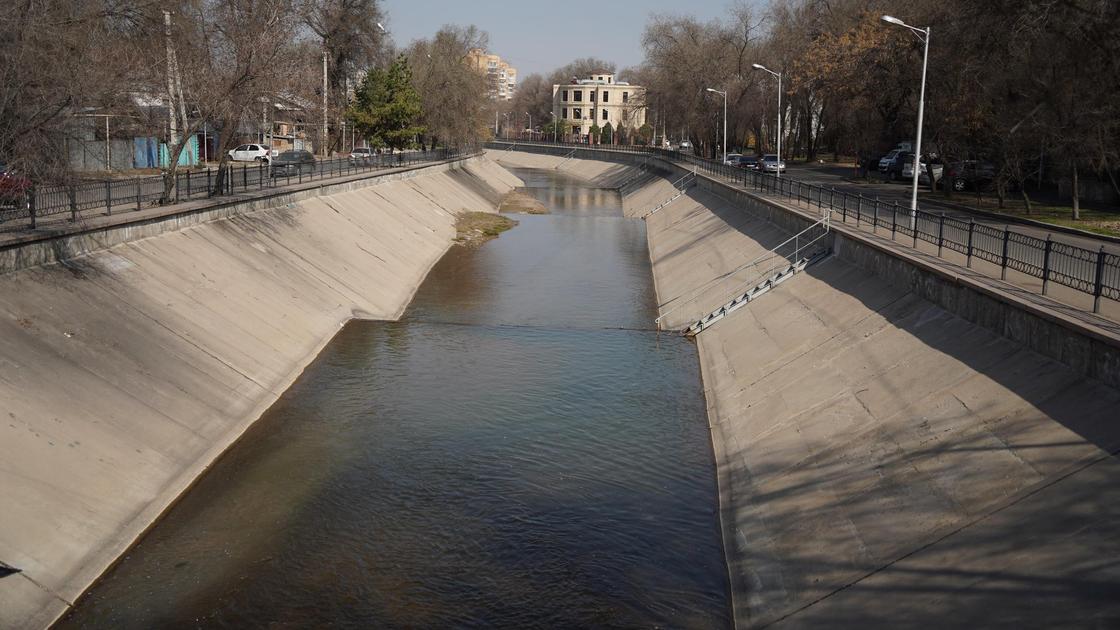
The Almaty River system has been under pressure for decades. The channels that run through the city have been partially enclosed, redirected, and managed as flood-control infrastructure rather than ecological corridors. The sections that remain open and accessible — through Dostyk Park and a handful of other riverside zones — are the parts of the river where urban residents still have direct contact with the water. That contact matters. Cities that wall off their rivers tend not to get them back the decision is made.
Visiting the park with that awareness is its own form of advocacy: the more people use the riverside corridor, the stronger the case for keeping it. The park's value is demonstrated by its use, and its use is the argument for its preservation.
What Good Visiting Looks Like
There are no bins on the riverside sections of the path, which means carry-in carry-out applies. The river channels in particular are vulnerable to litter, which the current carries downstream and concentrates at the bends. Don't add to that load. The same principle applies to the willow bank sections — these are the park's most ecologically interesting areas, home to the birds and insects that make a riverside habitat something beyond a linear path, and they need their ground cover undisturbed.
Dogs are welcome in the park on leads; off-lead dogs in the willow sections disturb the nesting birds that use the riverside vegetation in spring. Check the park signage for current rules during nesting season.
The Neighborhood Connection
Dostyk Park sits in of Almaty's more established residential neighborhoods, and the local community has a strong relationship with the space. The morning walkers who use it daily are the park's most consistent advocates and stewards. Treating the park as they do — quietly, carefully, as a regular part of city life rather than a tourist attraction — is the most accurate way to honor what it actually is.
The Almaty River, coming down from the Tian Shan, will still be here long after every visitor who has ever walked alongside it. The question is what kind of corridor it passes through when it reaches the city. At Dostyk Park, the answer is still: trees, and water, and the sound of something larger than the city that surrounds it.
Key Facts
- Golden Square Park
- Located in the heart of the city's historical 'Golden Square', this park is a sanctuary of Soviet-era architecture and greenery.
- War Memorials
- The park contains several significant monuments dedicated to the heroes of the Great Patriotic War and the nation's struggle for independence.
- Quiet Retreat
- Away from the busy thoroughfares of Abay and Dostyk avenues, it offers a peaceful environment for reading and afternoon reflection.
- Public Art
- The park is home to several classic sculptures and decorative fountains that highlight the artistic heritage of the early Almaty republic.
- Historic Vicinity
- Neighboring the Ritz-Carlton and the Hotel Kazakhstan, the park is a focal point for the city's diplomatic and elite social circles.
- Urban Connectivity
- Directly accessible via the Abay Metro station, it is a primary starting point for walking tours of the city's southern monuments.
Photo Gallery
Video coming soon
Dostyk Park
Loading map...Loading map...
Frequently Asked Questions
Have a question?
Ask and get answers in seconds!
Discussion 0
No comments yet. Start the conversation!
Leave a Reply