Atakent: The Green Arch
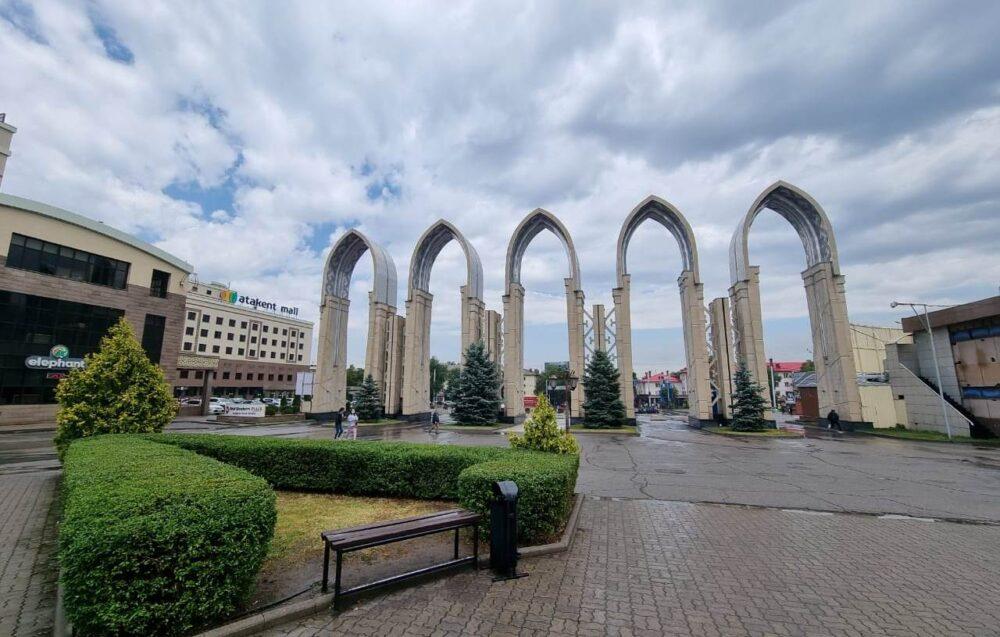
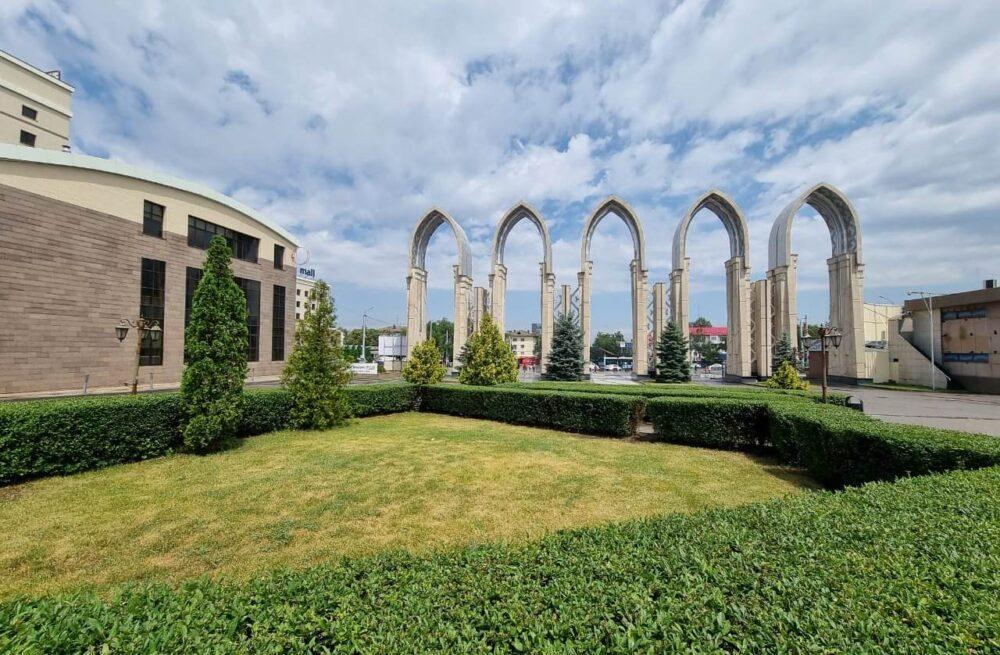
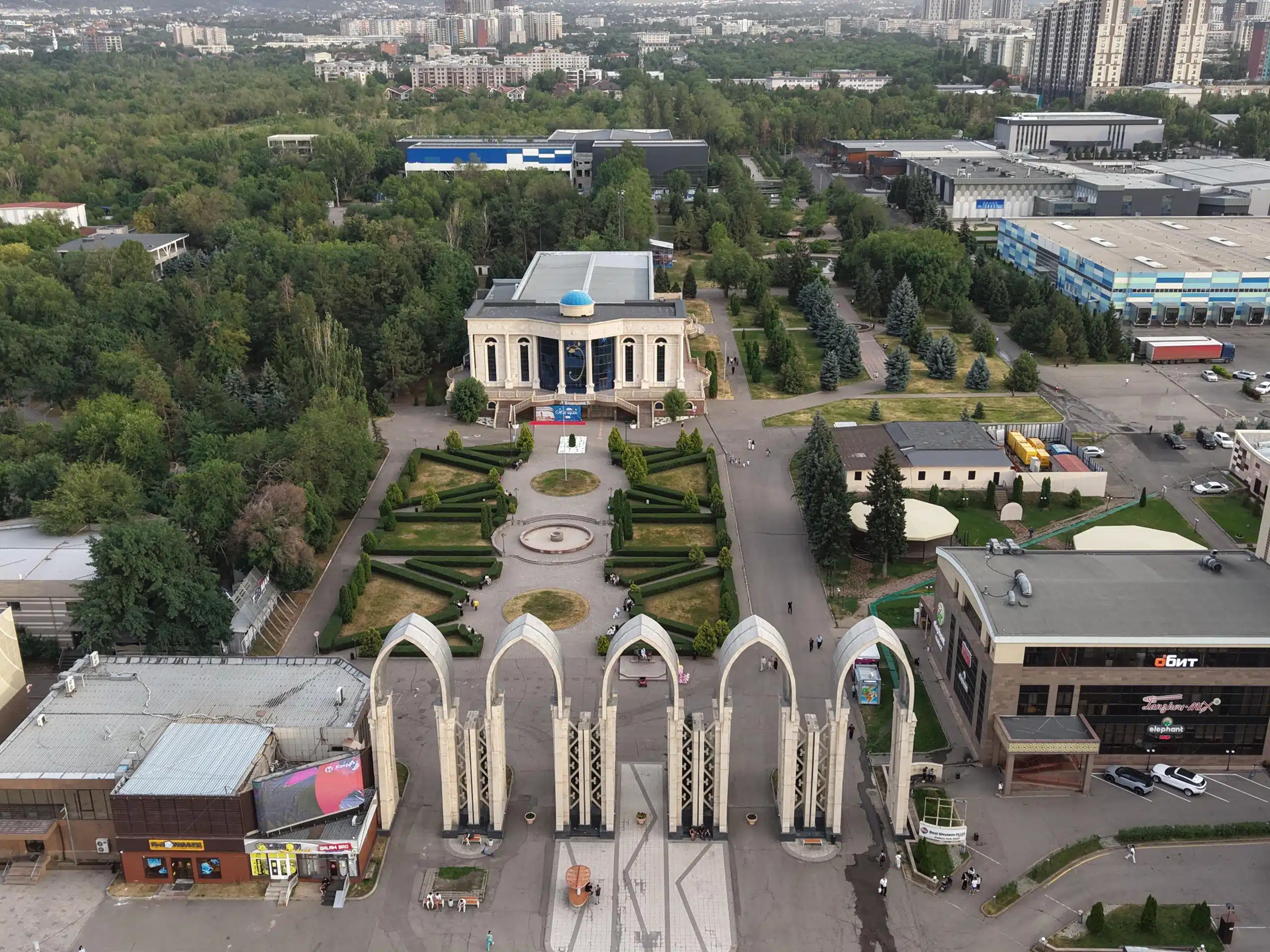
A landmark exhibition center and park, recognizable by its grand entrance arches and the giant squirrel statue.
Essential Profile
On a Saturday morning in spring, the paths through Atakent's sixty hectares are populated with a particular kind of Almaty life: elderly men playing chess under the trees, families with strollers moving toward the main fountain, couples eating ice cream from the vendors near the central pavilions, teenagers sitting in circles on the grass with nowhere specific to be. The exhibition halls may be hosting a trade fair. The weekend market is running near the south entrance. The city has claimed the grounds and made them its own.
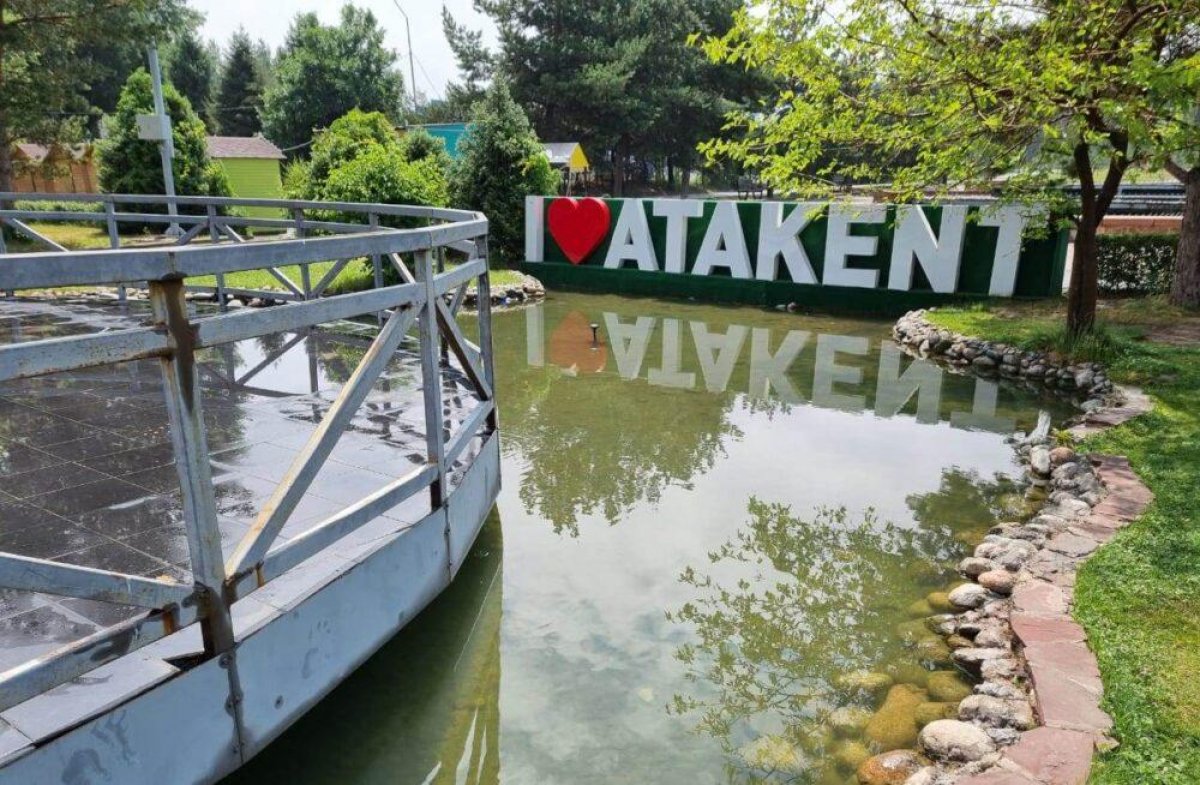
Atakent — short for Atameken, meaning "fatherland" or "ancestral land" in Kazakh — is the Almaty International Exhibition Center, located in the Bostandyk district at the intersection of Timiryazev and Auezov Streets. The complex spans over 60 hectares, making it of the larger urban recreational and commercial spaces in the city, and serves a dual function that defines its character: it's both a serious business venue (hosting trade fairs, industrial exhibitions, business congresses, product launches) and a genuine public park that Almaty residents treat as accessible green space year-round.
The distinction matters for visitors. Atakent is not primarily a tourist attraction. It's a functioning urban complex that happens to be large enough, verdant enough, and active enough to make for an interesting several hours if you're looking for a different cross-section of Almaty life than the commercial center or the mountains provide.
The main pavilion infrastructure dates from the Soviet period, when the site served as the Kazakh Soviet Republic's primary exhibition venue. Post-independence additions have expanded the facilities and updated the commercial elements, but the parkland retains the scale and openness of its Soviet-era layout — a generous hectarage that functions as lung space in a city that can be dense and traffic-heavy elsewhere.
Key Facts: Location: Bostandyk district, corner of Timiryazev/Auezov. Area: 60+ hectares. Access: Multiple entry points; check current operating hours. Exhibition schedule: varies seasonally — see the Atakent website.
The ‘Wow-Factor’
The wow factor at Atakent is not immediately architectural. It's spatial — and it takes a few minutes of walking to understand what you're experiencing.
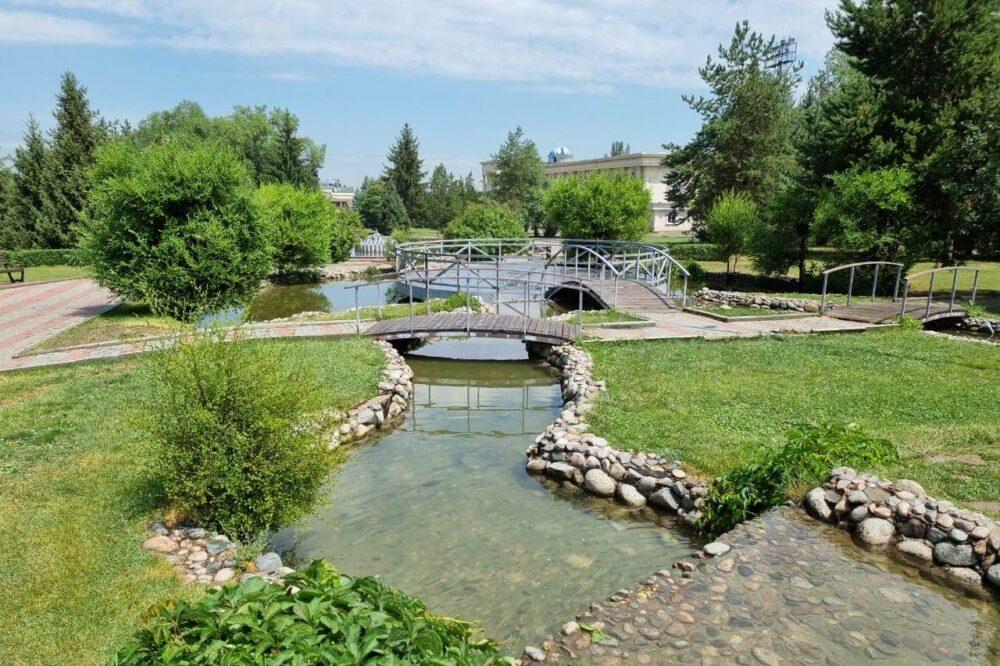
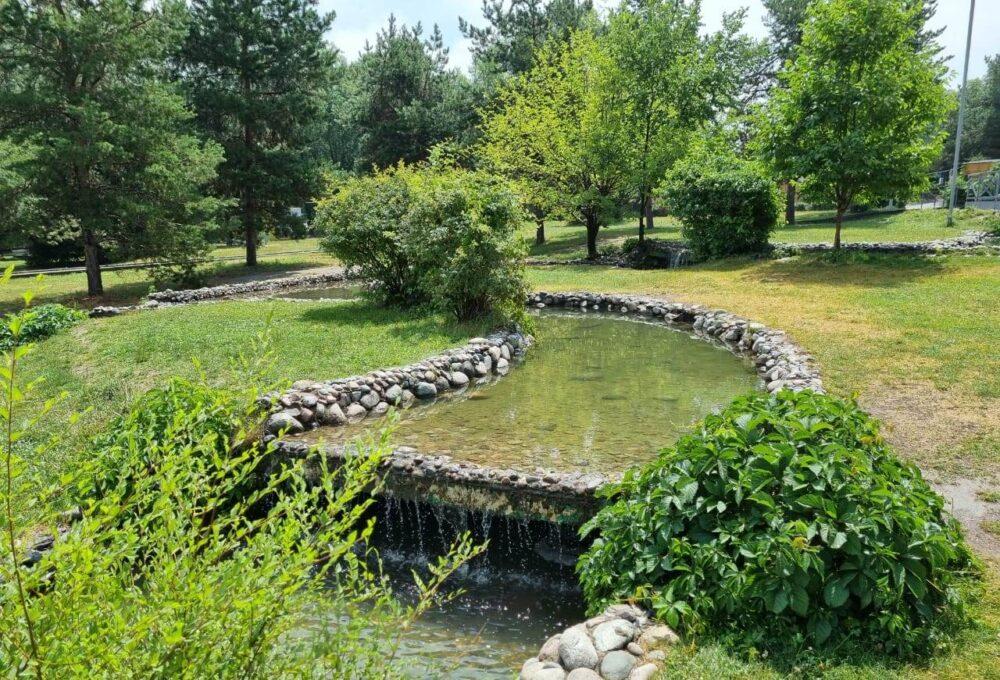
Almaty is a city that presses in. The streets are trafficked, the buildings come to the edge of the pavement, the mountains are present but distant. And then you walk through the Atakent gates and the city opens. Sixty hectares of parkland extend in front of you, the tree canopy reaching high enough to create actual shade, the paths wide enough to move without negotiating pedestrian traffic. The air changes. The noise level drops. You're still in Almaty, but you're in a different register of it.
This is the reveal: not a specific architectural set piece, but the accumulated effect of scale and greenery in a city that is sometimes short of both. The mature trees planted across the grounds during the Soviet era have had decades to develop, and they've produced the kind of canopy that urban planners now spend enormous capital trying to create from scratch. Walk under them in May when the apple blossoms from the neighboring orchards are still carrying in the breeze. Walk under them in October when the leaves are turning. In January, under snow, they're another thing entirely — the branches geometrically white against the Alatau sky.
The fountains at the complex's center are the formal focal point, and they draw the weekend crowds appropriately. Children wade in the shallow spray perimeter. Families photograph themselves against the water backdrop. But the bigger payoff is twenty minutes further into the grounds, past the main pavilions, where the park thins out and the Saturday chess players have settled in for the morning and the city feels, for a moment, genuinely unhurried.
Deep History & Culture
The land beneath Atakent has been contested ground across several different eras of Kazakhstani history, each layer visible in the complex's current form.
The site that would become Atakent was part of the broader Almaty basin — Zailiysky Alatau foothills territory that Kazakh nomadic families of the Great Zhuz had been using as winter pasture for generations before Russian military forces established the Vernyi fortification in 1854. The Russian annexation of Kazakh lands, completed between 1731 and 1848, had brought this territory into the Russian Empire's administrative structure and opened it to Russian and later Soviet development.
Under the Soviet Union, the site was developed as Almaty's VDNKh — the "Exhibition of Achievements of the National Economy," a format replicated across Soviet cities as both propaganda vehicle and public amenity. The Soviet VDNKh complexes were designed to display industrial and agricultural output, demonstrate Soviet technological progress, and provide urban populations with accessible green space. The Almaty version served all three functions, with pavilions dedicated to the Kazakh Soviet Republic's sectors: livestock and agriculture, industry, science, culture. The parkland was designed and planted during this period, which is why the trees are now mature.
The Asharshylyk of 1930–33 — the catastrophic Soviet-engineered famine that killed between 1.5 and 2.3 million Kazakhs — was, among other things, a war against the nomadic agricultural system that the VDNKh's livestock pavilions would later celebrate in sanitized Soviet terms. The disconnect between what those displays represented and what had actually happened to Kazakh pastoral life in the preceding decades is the kind of irony that Soviet public culture was specifically designed not to acknowledge.
Post-independence, the complex was renamed Atakent — "ancestral land" — and gradually repositioned as a commercial exhibition center while retaining its public park function. The Soviet-era pavilion architecture remains structurally, adapted for different uses across different decades. The parkland continues. The chess players continue.
The name change matters: naming an exhibition center "ancestral land" is a statement about reclamation — the assertion that this ground, and what happens on it, now belongs to a sovereign Kazakhstani state rather than to the Soviet system that built the structures standing on it.
Practical Digital Logistics
Getting There
Atakent is in the Bostandyk district of Almaty, at the corner of Timiryazev and Auezov Streets. Taxis via Yandex Taxi or InDriver run 800–1,500 KZT from central Almaty. Public bus routes stop on Timiryazev; the 2GIS app maps current routes reliably.
The complex has multiple entry points; the main entrance gate on Timiryazev is the most straightforward for first-time visitors. On exhibition days, the entrance can be busier; weekday mornings are typically the quietest time to arrive.
Entry and Hours
The park grounds are free to enter. Exhibitions and trade fairs within the pavilion buildings charge separate admission fees that vary by event. Check the Atakent website (atakent.kz) for the current exhibition schedule before visiting if attending a specific event is your reason for coming. If you're visiting for the park and general atmosphere, no ticket is needed.
The grounds are accessible from early morning to late evening. Some pavilion facilities have independent hours that differ from the park — check current information if specific buildings are your destination.
Getting Around
The complex is large enough that the map on the Atakent website is worth downloading or screenshotting before entry. The main axis from the entrance to the central fountain area is clearly marked. The further reaches of the park are less manicured and more genuinely park-like — worth exploring on foot if you have time. Comfortable walking shoes are advisable; the ground surface varies across the 60-hectare site.
Mobile Coverage
4G signal is strong throughout the grounds on all major Kazakhstani carriers. There is public Wi-Fi in the main pavilion buildings, reliability varies. The 2GIS app provides the most accurate walking navigation within the complex.
Must-Do Activities
Walk the Full Perimeter
The most useful orientation activity at Atakent is a walking circuit of the entire complex — roughly 3 kilometers of path that reveals the full range of what the grounds contain. Start at the main entrance, follow the central axis to the fountain plaza, then branch off into the quieter sections away from the main pavilions. The Soviet-era tree planting becomes denser toward the northern and eastern edges, where the grounds take on the feel of an actual forest rather than a managed park.
Attend a Trade Fair or Exhibition
Check the Atakent schedule before your visit. The complex hosts dozens of specialized exhibitions annually: the agricultural fair (one of the largest in Central Asia), construction industry exhibitions, electronics showcases, food and hospitality trade fairs. If coincides with your visit, the entry price is typically 1,000–2,000 KZT and the experience of a genuine professional trade event — not a tourist attraction, but the actual business life of a major Central Asian economy — is genuinely interesting.
The Weekend Market
On weekends, informal markets set up near the south and east entrances selling fresh produce, dry goods, and craft items. The produce is local and genuinely seasonal — apples and apricots from the Almaty region in autumn, berries in summer, root vegetables in winter. Prices are lower than the supermarkets and the quality is higher. Come in the morning when the selection is freshest.
Chess in the Park
The chess tables under the older trees in Atakent's quieter sections have been occupied on weekend mornings by the same rotating cast of regulars for years. Most visitors walk past without stopping. If you play — even at a modest level — stopping and watching or asking for a game will be received with more warmth than you'd expect from players in most other cities. The games are serious, but the atmosphere is not unwelcoming.
Photography
The combination of mature trees, Soviet-era pavilion architecture, and contemporary Kazakh park life makes Atakent unusually photogenic for a commercial complex. The light through the tree canopy in late afternoon creates the kind of dappled, warm illumination that photographic algorithms consistently reward. The fountains at the center photograph well in the blue hour. Bring a camera even if photography isn't your primary reason for visiting.
Local Flavors & Amenities
The food at Atakent is the food of a working urban park — practical, honest, and better than you'd expect from a commercial complex. The permanent vendors near the central fountain area serve shashlik from morning through late afternoon: lamb and chicken skewers over charcoal, arriving with flatbread and a simple salad of cucumber, tomato, and. Around 3,500–4,500 KZT for a full portion. They've been doing this the same way for years and it shows.
Gulsim, who runs of the food stalls near the main plaza, presses freshly squeezed apple juice from Almaty-region apples during the autumn season — the same juice that you can buy in supermarkets in a bottle, and the same juice that tastes entirely different from a glass poured two minutes after pressing, still slightly warm from the press. She doesn't sell it year-round. When the apples stop coming, she switches to other juices. When visitors ask why, she looks at them as if the answer is self-evident.
The weekend market vendors near the south entrance sell dried apricots, walnuts, and almonds at prices significantly below what you'll pay at the central Zeleniy Bazaar — a function of lower overheads and the fact that they're selling primarily to local residents rather than to visitors. Fill your pockets with dried fruit before you leave.
Accommodation Near Atakent
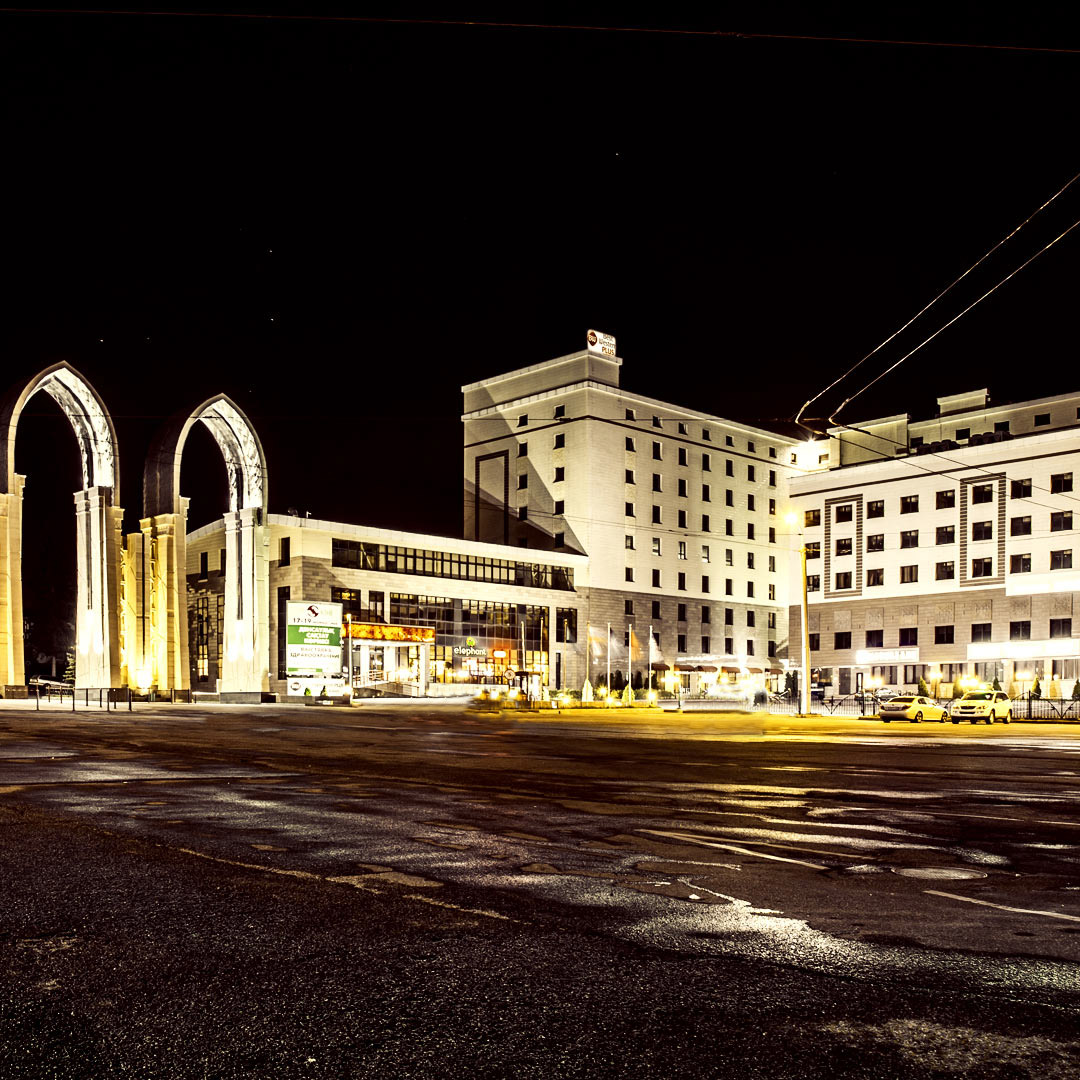
The Best Western Plus Atakent Park Hotel sits adjacent to the complex and offers reliable international-standard accommodation starting around 35,000–45,000 KZT per night. For more modest options, the surrounding Bostandyk district has mid-range hotels and family guesthouses at 12,000–20,000 KZT. The district is quieter than central Almaty, which is either an asset or a limitation depending on what you want from your Almaty base.
Essential Insider Tips
Check the Exhibition Calendar First
The single most useful thing you can do before visiting Atakent is spend five minutes on the atakent.kz website looking at what's scheduled during your visit. If a relevant trade fair or exhibition is running, the complex transforms from a pleasant park with pavilions into a genuinely immersive professional event — a direct window into the sector concerned, with hundreds of industry participants from across Kazakhstan and Central Asia. If nothing is running, the park and market are still worth an easy half-day.
Timing for the Market
The informal weekend market operates its best hours from 8am to noon — the fresh produce and homemade goods are sold in the morning by vendors who often leave by early afternoon. Arriving after 1pm on a Saturday means the best items are gone and the stalls are beginning to pack up. Set your alarm accordingly.
The Photography Window
The mature trees at Atakent create exceptional dappled light conditions in the 90-minute window before sunset from May through September. The combination of Soviet-era architectural backdrop, tree canopy, and late-afternoon light gives the complex a photographic quality that seems disproportionate to a commercial exhibition center. The fountain plaza is at its best in this window; the quieter sections toward the complex's northern edge are even better.
Dress Code for Exhibitions
The park is casual. Professional exhibitions within the pavilion buildings have an implicit dress expectation of business casual — collared shirts for men, equivalent for women. This isn't enforced at the entrance, but arriving in activewear at a trade fair will make you conspicuous. If attending a professional event, dress as if you're attending a business meeting.
Almaty Weather in the Context of Atakent
The site is significantly warmer than the mountain areas above the city. In summer, the lack of shade in some sections of the grounds means genuine heat exposure — bring water and a hat for mid-afternoon visits.
Sustainability & Community
The Atakent complex's sustainability questions are urban rather than ecological — the relevant questions here are about economic sustainability, community benefit, and the preservation of what makes the complex genuinely useful to Almaty residents rather than just visually impressive.
The Park's Value to the Community
The park function of Atakent is arguably its most significant contribution to Almaty's quality of life: sixty hectares of mature tree cover, accessible public space, and seasonal market activity in a district that would otherwise have limited green space. Maintaining the park as genuinely public — free to enter, welcoming to all income levels, not progressively converted to private commercial use — is the sustainability commitment that matters most here. Visitors who use the park respectfully, pick up their waste, and treat the space as community property rather than tourist attraction are participating in that maintenance.
The Weekend Market Ecology
The informal vendors who sell at the weekend market operate outside the formal commercial exhibition structure. Most are small-scale producers selling their own output: farmers bringing produce from the peri-urban agricultural zone south and east of Almaty, home producers selling preserved foods and honey, artisans with craft pieces made in small volumes. Buying from them directly is the most economic-development-positive thing a visitor can do at Atakent. The money goes to families, not corporations.
The Exhibition Function
The professional exhibitions and trade fairs that form the core of Atakent's commercial purpose support Kazakhstani business development by providing affordable professional infrastructure to small and medium enterprises that couldn't access international trade fair environments independently. Attending as a visitor contributes to the exhibition economy; treating exhibitors as people rather than salespeople — genuine curiosity about what they're making and selling — is the most respectful form of participation.
Physical Maintenance
The Soviet-era pavilion architecture requires maintenance investment that the Atakent management funds through commercial activities. Using designated paths, not disturbing planted areas, and treating the facilities with reasonable care are the baseline contributions any visitor can make to keeping the complex functional for the next generation of Almaty residents who will use it.
Key Facts
- Global Promo Hub
- As the primary international exhibition center in Almaty, Atakent hosts major forums, trade fairs, and scientific congresses.
- Squirrel Monument
- It is the site of the famous 'Global Squirrel' art installation, which has become a modern icon and photo spot for the city.
- Park Environment
- The center is nestled within a lush park zone, offering visitors a blend of professional business and natural relaxation.
- Sports Legacy
- The complex includes several world-class sports facilities, swimming pools, and training centers for the Almaty community.
- Urban Transit
- Located in the geographic center of the city, Atakent is a primary transportation node with excellent bus and metro connectivity.
- Botanical Link
- The west side of the complex opens directly into the Almaty Botanical Garden, offering miles of scenic walking paths.
Photo Gallery
Video coming soon
Atakent
Loading map...Loading map...
Frequently Asked Questions
Have a question?
Ask and get answers in seconds!
Discussion 0
No comments yet. Start the conversation!
Leave a Reply