Bayanaul National Park
Switzerland of Kazakhstan. Lakes, pines, and legends.
Essential Profile
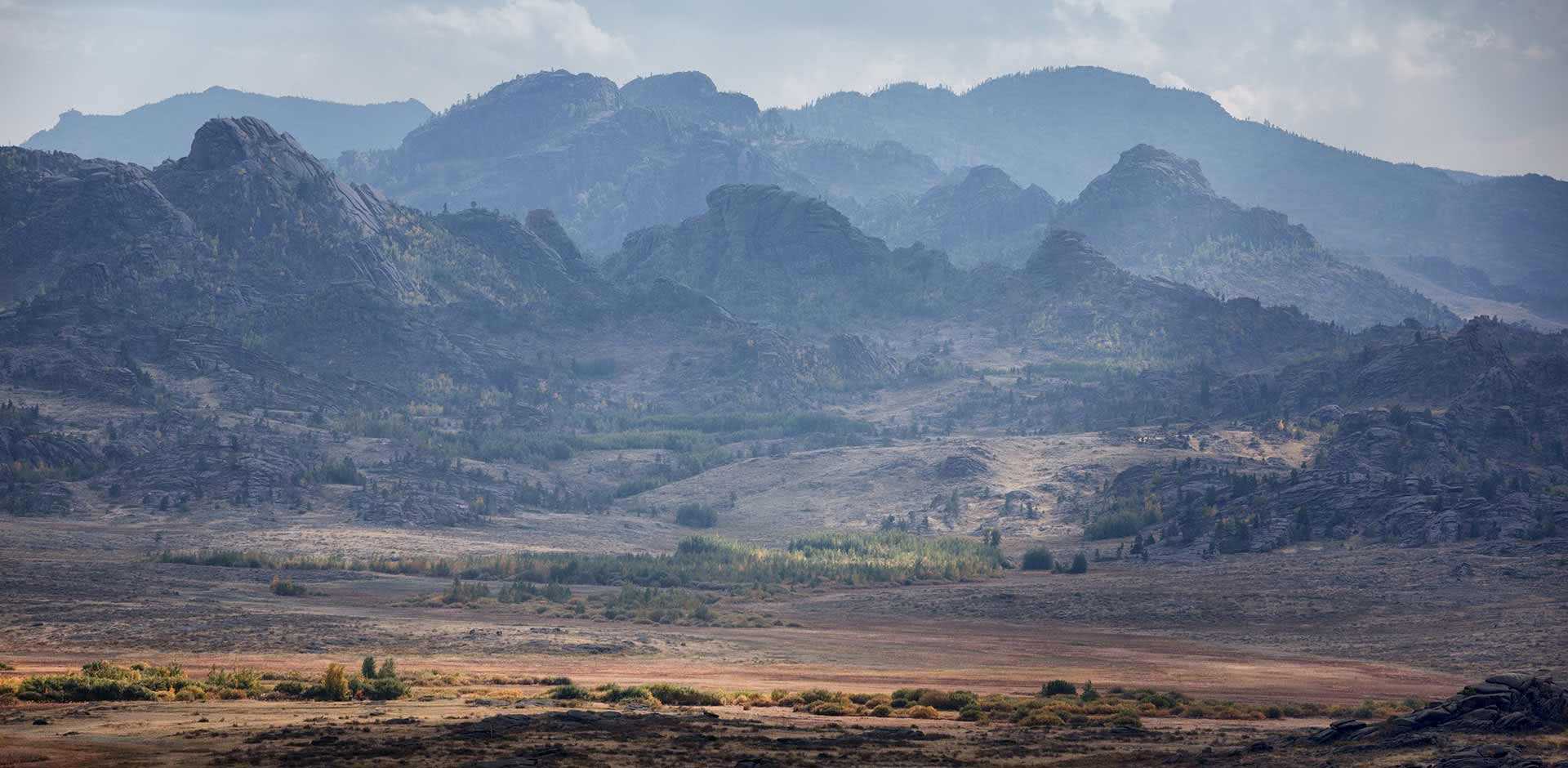
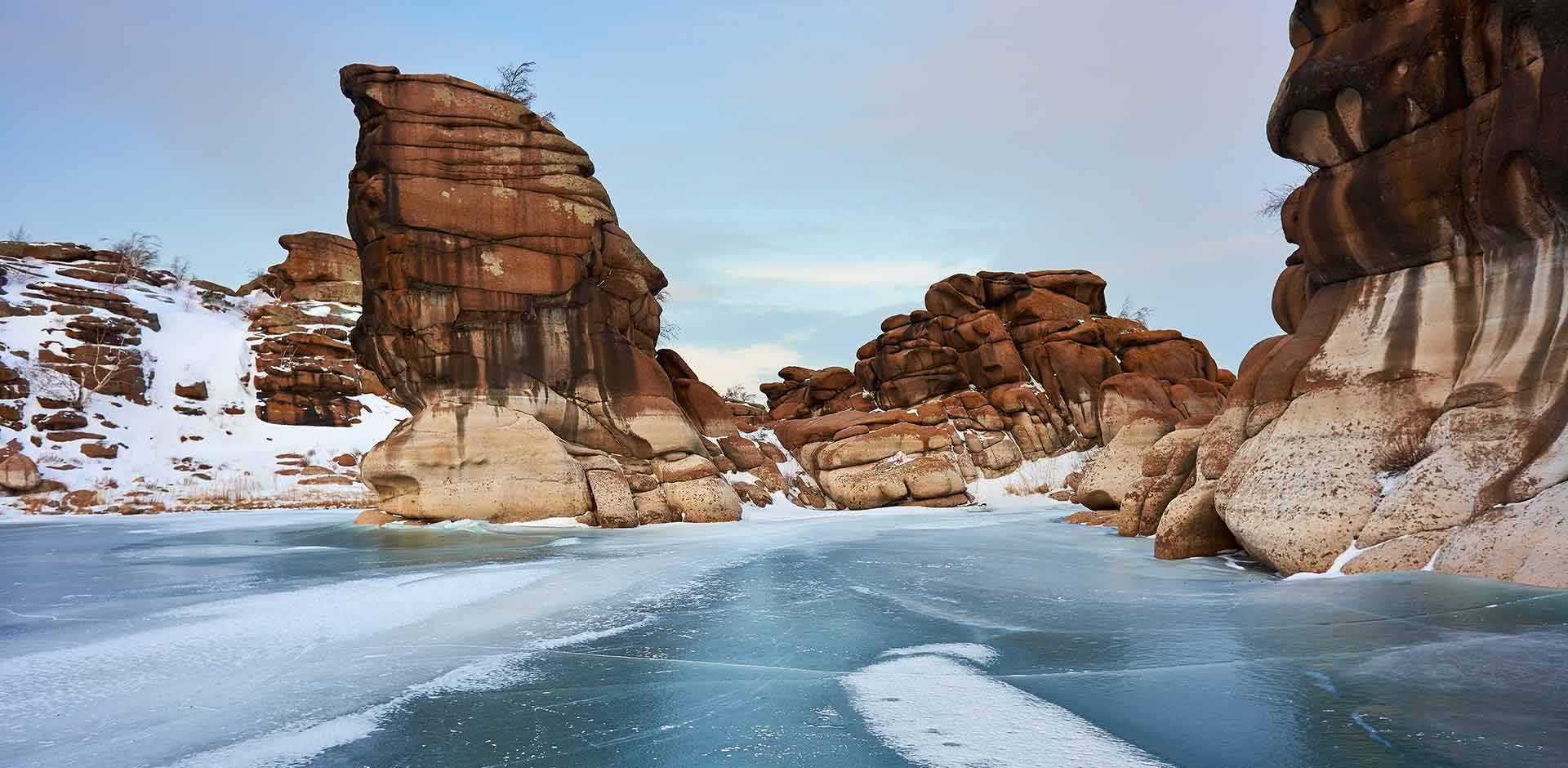
Somewhere between Pavlodar and the park boundary, the steppe stops being flat. Granite outcrops begin appearing at the roadside — first isolated boulders, then groups, then full formations that have been eroded by wind and temperature cycles over millions of years into shapes so specific they've earned individual names. The Sleeping Warrior. The Duck. The Elephant. By the time the road descends to Lake Jasybay's shoreline, you're in a landscape that belongs to a completely different geological register than the Kazakhstan you've been driving through.
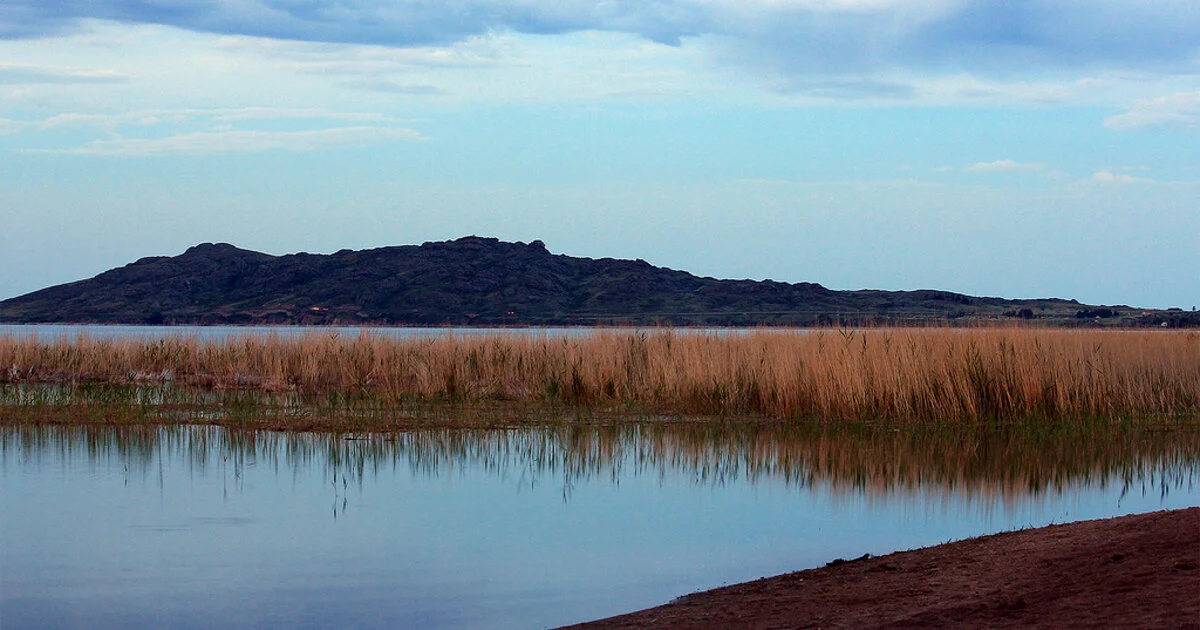
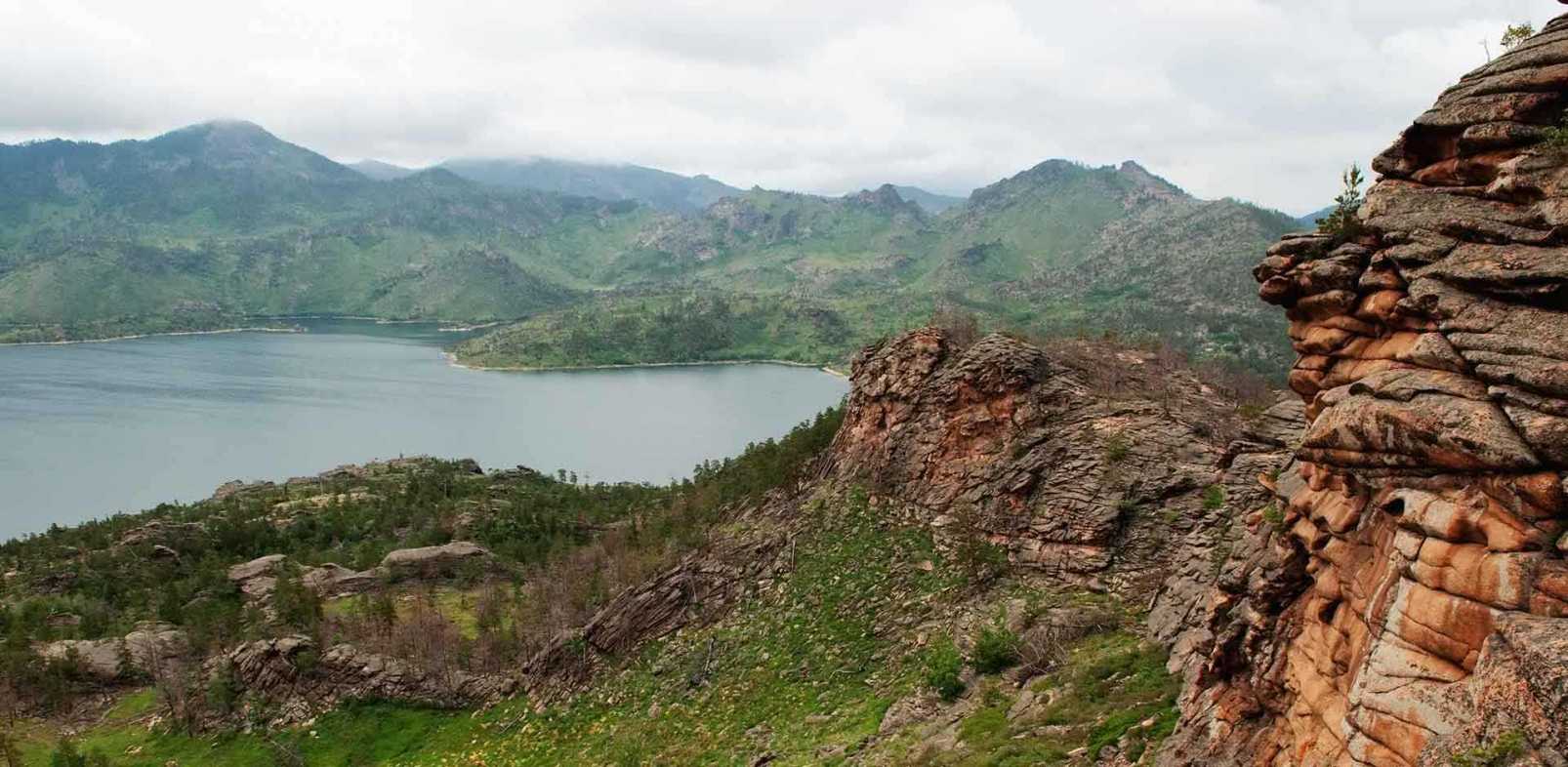
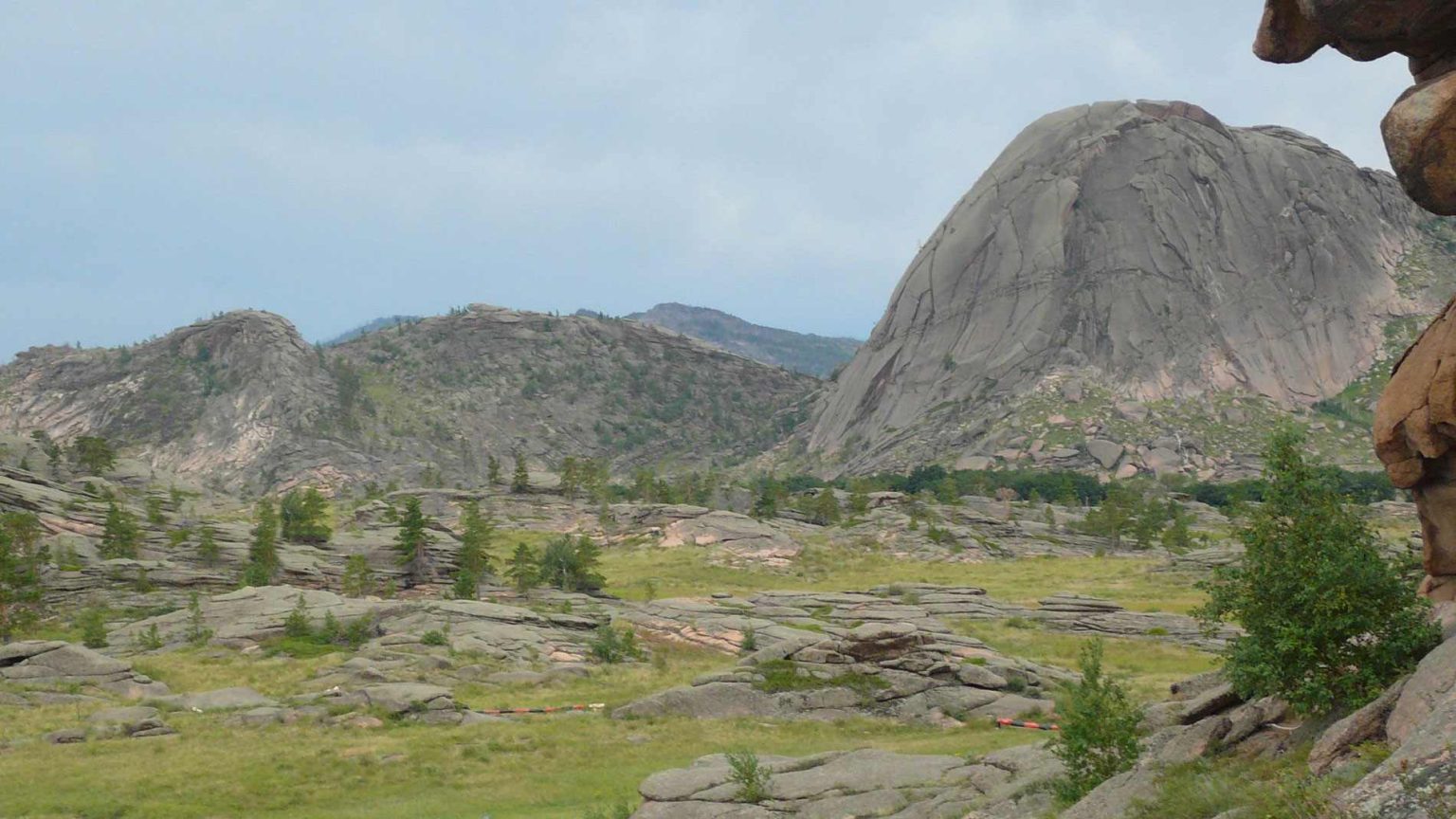
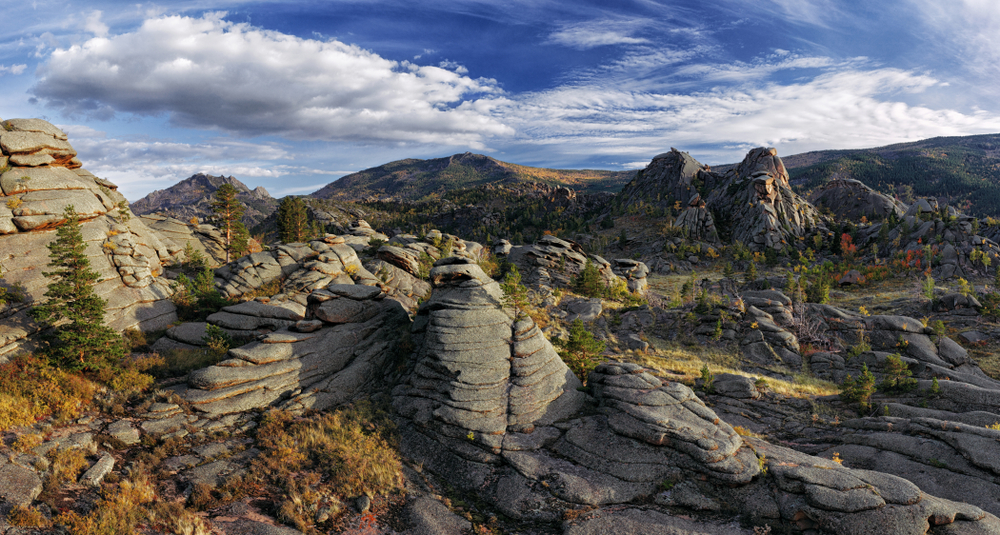
Bayanaul National Park sits in the Pavlodar Region, approximately 230 kilometers from the regional capital. The Bayanaul Mountains — technically a low-mountain range, the highest peaks barely reaching 1,000 meters — rise improbably from the flat northern steppe: granite hills, mixed birch and pine forest, a series of lakes (Jasybay, Sabyndykol, Toraygyr) whose spring water clarity reflects sky and forest with photographic precision.
Established in 1985, Bayanaul holds the distinction of being Kazakhstan's first national park — a formal recognition, late in the Soviet period, that this landscape warranted protection. The park covers 68,000 hectares, encompassing the full range of what makes the area distinctive: the granite formations, the lake system, the forest cover that represents of the very few significant stands of natural woodland in Kazakhstan's northern steppe zone.
The park is popular with residents of Pavlodar, Ekibastuz, and Karaganda who use it as the nearest accessible mountain and forest recreation area — a role it serves well, with camping and basic resort infrastructure developed around the main lakes. For international visitors arriving from Almaty or Astana, it represents an entirely different facet of Kazakhstan's landscape: not Tian Shan scale, not southern desert, but a quiet, forested hill country that the northern steppe makes extraordinary by contrast.
Key Facts: Area: 68,000 hectares. Location: Pavlodar Region, ~230km from Pavlodar. Established: 1985 (Kazakhstan's first national park). Main lake: Jasybay. Access: Private vehicle or organized tour from Pavlodar.
The ‘Wow-Factor’
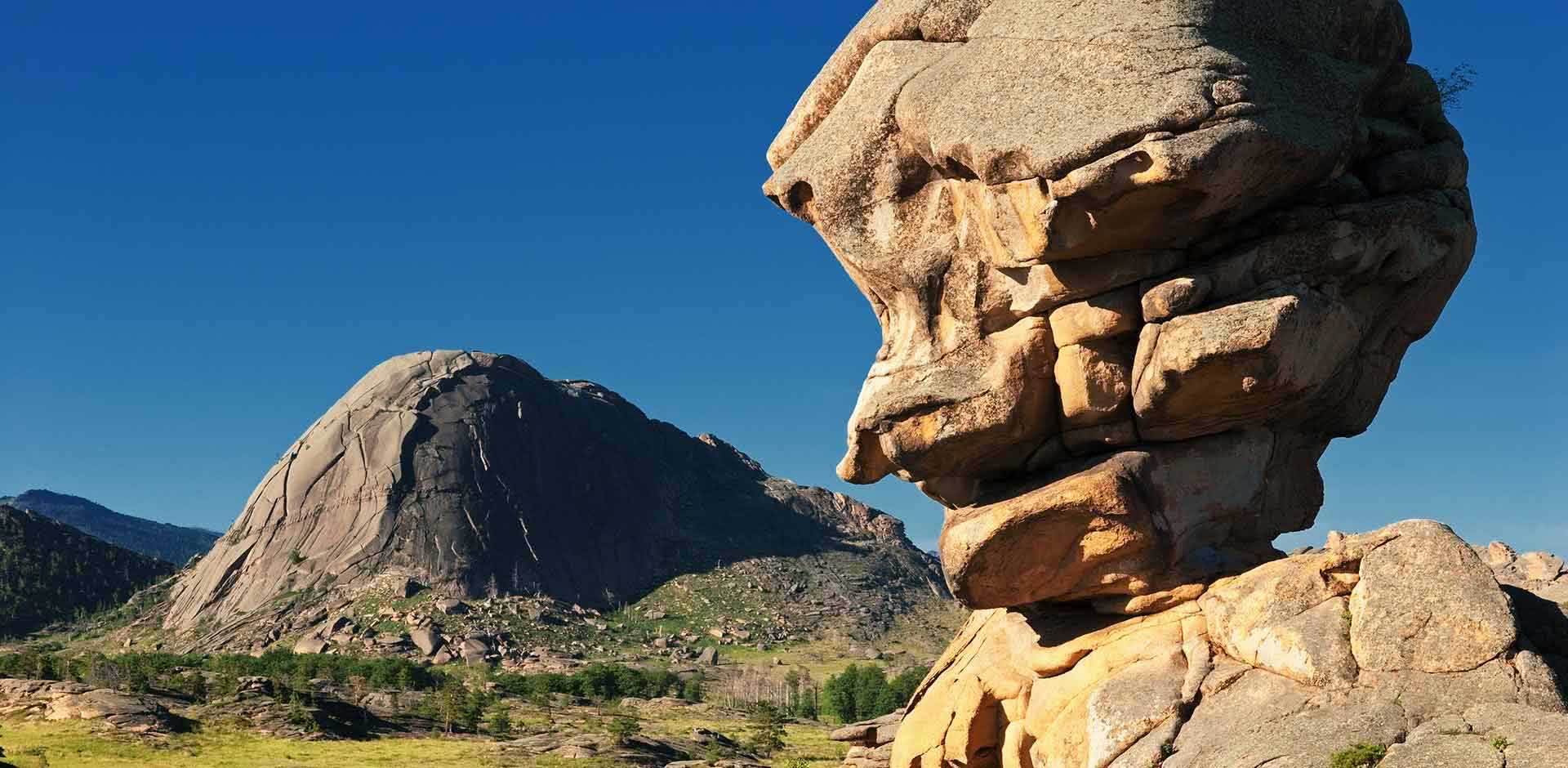
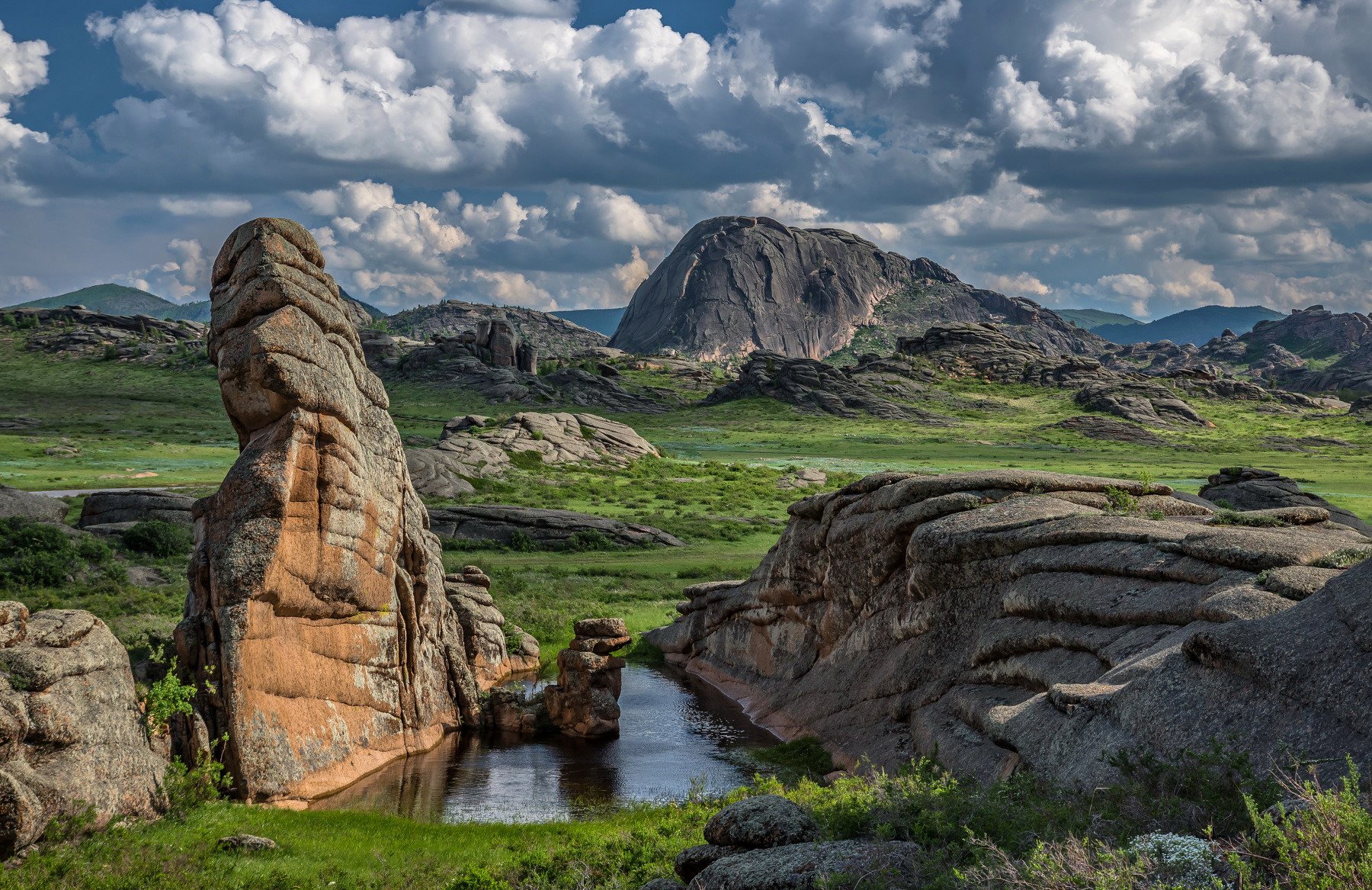
The Kempirtas rock — "Old Woman Stone" — appears as you round a bend on of the park trails, and the profile is unmistakable. A large granite formation, wind-eroded over millions of years, that in silhouette against the northern sky reads precisely as a hunched figure: a nose, a chin, a stooped back. The local name for it — kempir means "old woman" in Kazakh — predates any park designation. People noticed this rock and named what they saw, and generations of children have been brought here to see the stone woman, and the form is specific enough that it works.
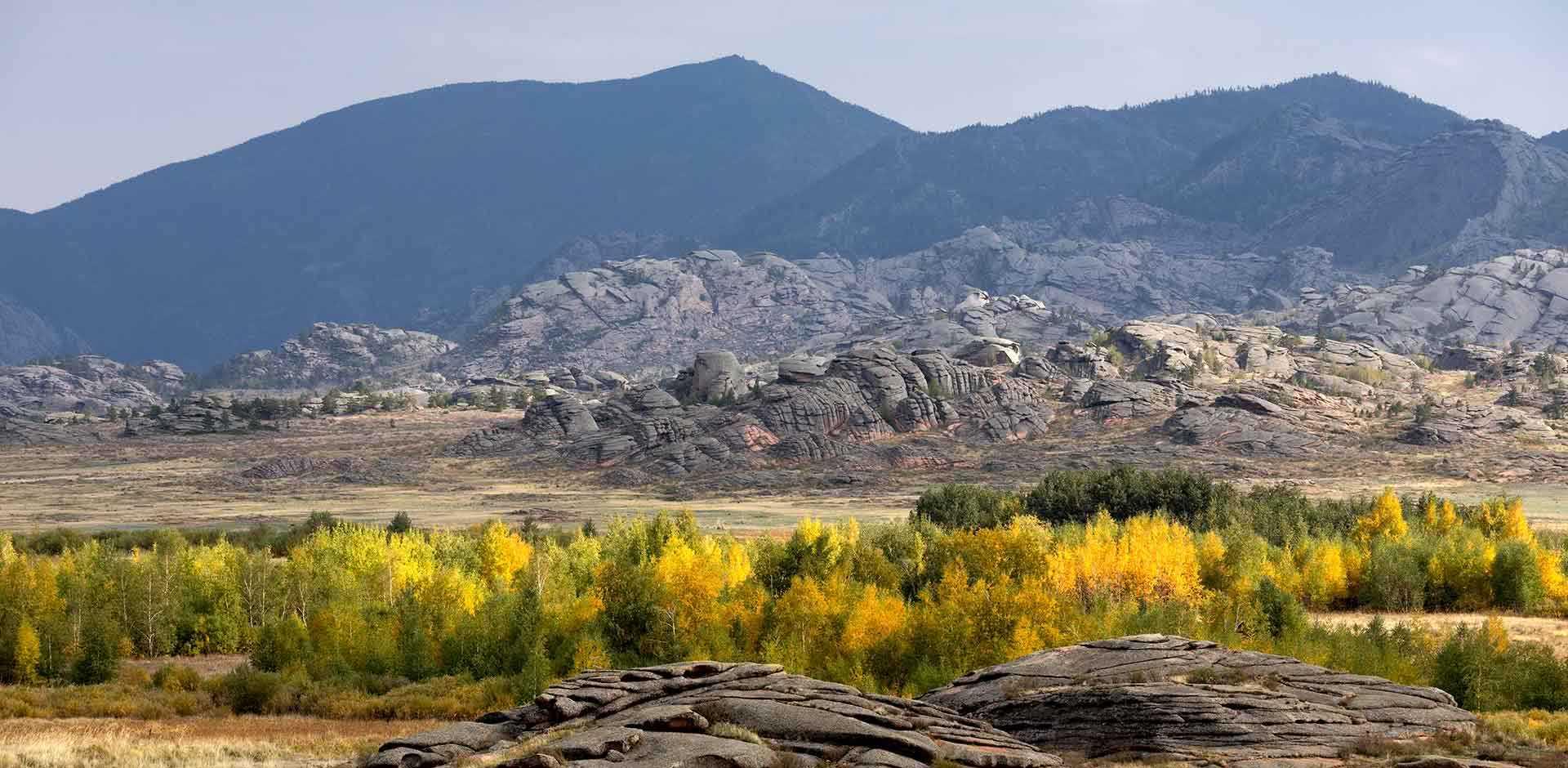
This is Bayanaul's particular kind of wow: not the overwhelming scale of the Tian Shan or the alien drama of the Charyn Canyon, but something quieter and stranger — a landscape that the human eye finds legible. The granite formations across the park's hill country have been shaped by differential weathering into forms that the imagination reaches for: faces, animals, objects. The Kempirtas is the most famous. The Sleeping Warrior on another ridge is nearly as distinct. The park's unofficial trail names reflect this tendency toward resemblance.
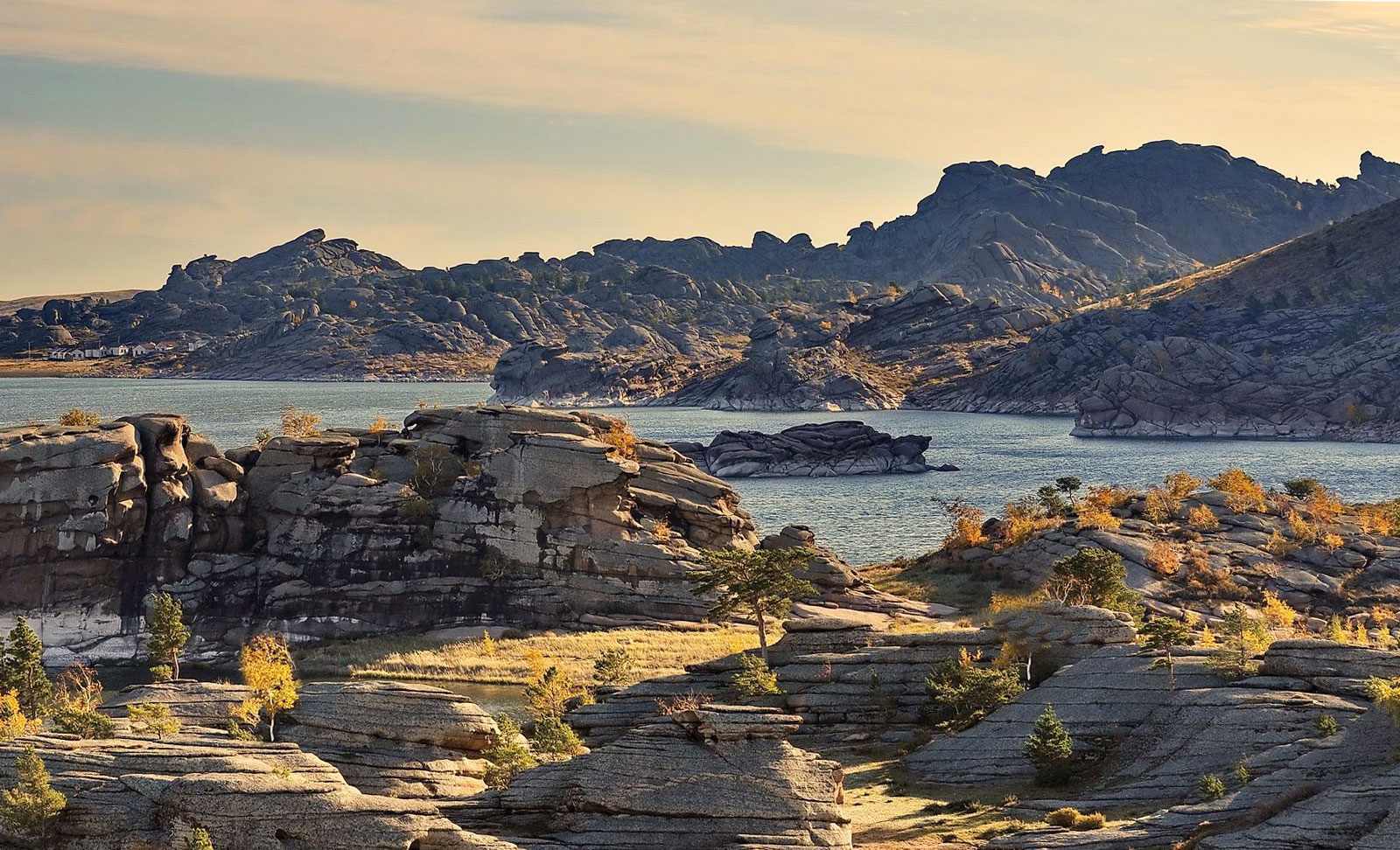
The lake below — Jasybay — provides the color counterpoint. Fed by springs percolating through the granite, it holds a clarity and a blue-green tone that the surrounding pine forest deepens. On calm mornings, the reflected image of the surrounding hills and the irregular granite outcrops sits in the water with the patience of a painting. At sunset, when the granite catches the low orange light and the lake reflects it back, the color contrast between warm stone and cool water is the reason photographers come here specifically rather than anywhere else in northern Kazakhstan.
The wow here is accumulative rather than singular. The granite. The forest. The lake. The named stones. Give it at least two days and the landscape accumulates into something specific and not easily forgotten.
Deep History & Culture
The granite formations of the Bayanaul Mountains are among the oldest exposed rock surfaces in Kazakhstan. The geological basement here dates to the Precambrian period — some formations are over 300 million years old — exposed and shaped by the differential erosion that left the distinctive stone figures that have been naming themselves to Kazakh observers for as long as the Kazakh people have been in this part of the steppe.
The Kazakh Middle Zhuz managed this territory for centuries, using the wooded hills and spring-fed lakes as seasonal pasture — a summer zhailyau that provided respite from the flat heat of the surrounding steppe. The rock formations were known by specific names in the nomadic tradition; the Kempirtas and others appear in Kazakh oral literature and local lore predating any written record of the region.
The Saka warrior cultures, present in Kazakhstan from the fifth century BCE, left burial mounds (kurgan) across the surrounding steppe. The Bayanaul area has yielded archaeological finds consistent with Saka and later Turkic period habitation, confirming the long human relationship with this particular hill country.
The most prominent historical figure connected to Bayanaul is Kanysh Satpayev (1899–1964), born in the Bayanaul district and later founder of the Kazakhstan Academy of Sciences — a geologist whose discovery of major ore deposits in Kazakhstan during the Soviet period made him of the most significant scientists in the country's history. His connection to this specific landscape — the granite, the mineralogy, the particular attention to rock formations — is not incidental. The Bayanaul countryside shaped the eye that later found Kazakhstan's resources.
The Soviet period brought the park's formal establishment in 1985, but the landscape's cultural significance to the Kazakh people is measured in a timeframe that the Soviet administrative calendar can't encompass. The mountains were sacred before they were designated. The names of the rocks are older than any park boundary.
Practical Digital Logistics
Getting to Bayanaul: The Honest Logistics
Marat drives the Pavlodar–Bayan route six days a week and will tell you, without prompting, that the highway changed everything. Before it was repaved, the 230-kilometer journey from Pavlodar to Bayanaul National Park was an exercise in patience — washboard asphalt, slow trucks, the occasional livestock crossing. Now the road rolls smooth and wide across the steppe, and most drivers cover the distance in under three hours.
By Car
The drive from Pavlodar is straightforward: head south on the M-38 highway, then follow signs toward Bayanaul. The road is well-paved for the entire route and suitable for standard sedans — no four-wheel drive required unless you plan to venture deep into the park's backcountry tracks. Petrol stations are plentiful along the highway but taper off you enter the park itself, so fill up in Bayanaul village before heading to the lakes.
If you're coming from Astana, the journey is roughly 430 kilometers northeast — about five hours of driving — through open steppe that turns surprisingly green in May and June.
By Shuttle
An eco-shuttle runs twice daily between Pavlodar and Bayanaul during the main season (roughly May through September), departing from Pavlodar's central bus station in the morning and early afternoon. The fare runs around 4,500 KZT each way. Schedules shift seasonally — confirm current departure times at the station or through local guesthouses before you arrive.
By Taxi
Private taxis from Pavlodar make the round trip for approximately 30,000 to 40,000 KZT, depending on the driver and negotiation. This is worth considering if you're traveling with gear, or in a small group that can split the cost. Many drivers will wait at the park for you rather than requiring a separate return booking — agree on terms before you leave.
Entry and Fees
Park entry costs 2,000 KZT per person, paid either at the visitor gates near the main lake beaches or through the QazPark mobile app, which allows you to purchase access before arrival. The app also shows current occupancy levels at the park's most popular areas around Lake Jasybay — useful during peak weekends in July and August when Kazakhstani families arrive in force, turning the granite shore into something between a resort and a reunion.
Navigation Inside the Park
Download the Bayan Trace app before you go. It carries offline maps of the park's trail network, lake access points, and campsite locations — genuinely useful when mobile signal drops, which it will in the more remote sections. The park's signage is adequate at the main lake areas but thins out quickly on the hiking trails above the treeline.
What to Pack
Even in summer, the park sits at elevation and the temperature inside the forest and along the ridge trails runs five degrees cooler than the surrounding steppe. A light layering system — fleece or windbreaker — is worth carrying even if you leave Pavlodar in a t-shirt. Bring at least three liters of water per person for any full-day hiking; the lakes are beautiful but not suitable for drinking without filtration.
Accommodation
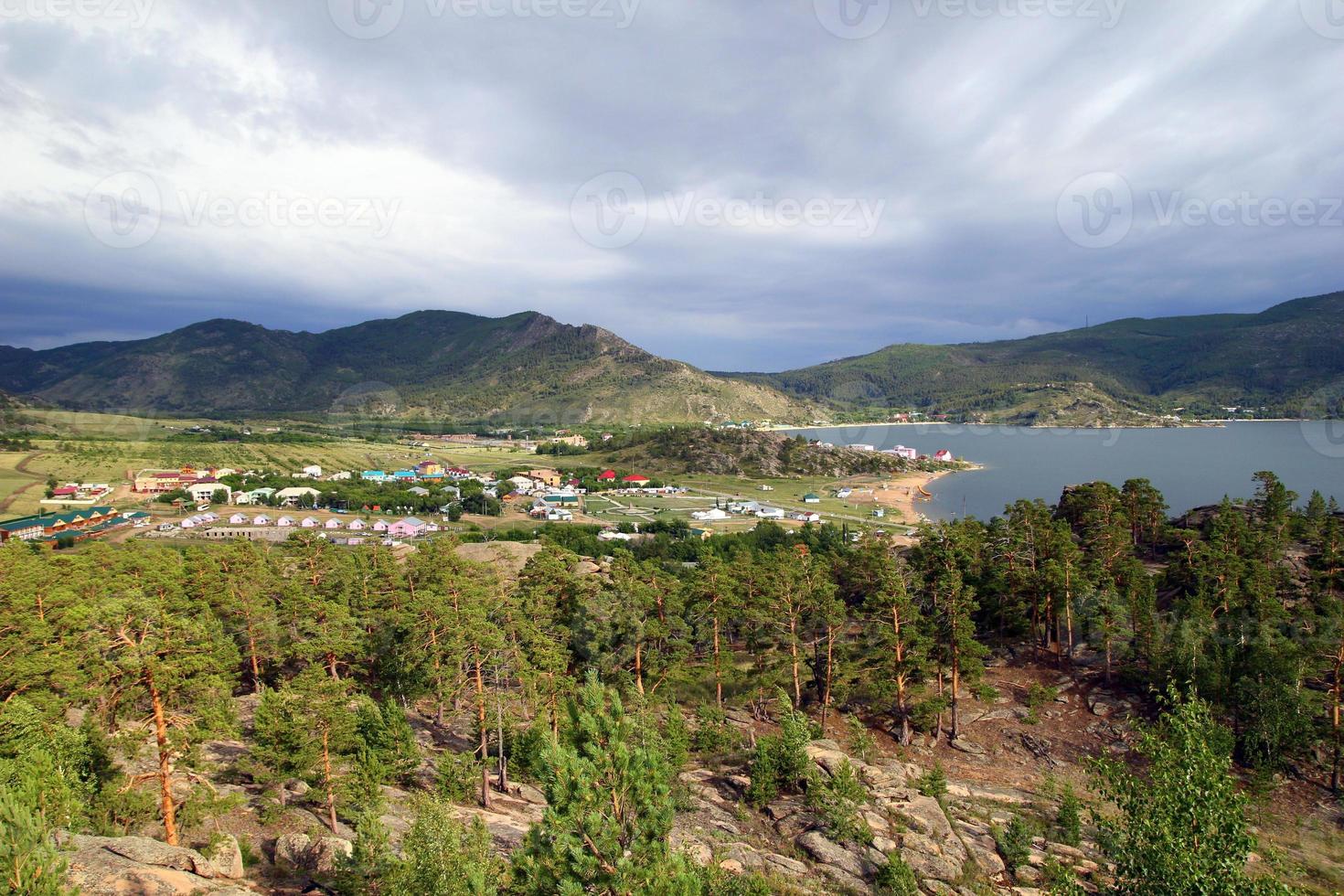
Most visitors stay at guesthouses in Bayanaul village or in the small resorts that cluster near Lake Jasybay. These range from basic but clean Soviet-era sanatoriums to newer family-run guesthouses with home-cooked meals. Camping is permitted in designated areas within the park — register your campsite plan at the visitor gate. Weekends in summer book out; mid-week stays are considerably quieter and offer the park as it actually sounds: wind through granite, woodpeckers in the birch stands, and the particular silence of a lake at dawn when the families are still sleeping.
Best Time to Visit
May through early October is the practical window. Snow lingers on the high ridges into April, and the trails turn muddy in early spring. High summer (July–August) is warm and busy. September is arguably the finest month — the birch forests go gold, the crowds thin, and the granite boulders hold the day's warmth long after the sun drops behind the ridgeline.
Must-Do Activities
Five Things Worth Doing in Bayanaul
Dinara spent two days in Bayanaul before she admitted she'd planned for. "The lake kept changing," she said, meaning the quality of light on Lake Jasybay across a full day, the way the granite spires above the water turn from gray to copper to something close to amber as the sun tracks west. Bayanaul is a place that rewards staying longer than you intended. Here's how to use the time.
Hike to Kempirtas: The Rock That Needs Looking At Twice
The granite formations scattered across Bayanaul's ridgelines each have personalities, but Kempirtas — the "old woman stone" — is the that stops people mid-sentence. Depending on where you stand, the rock resolves into the weathered profile of a face, features etched by three hundred million years of freeze and thaw. The trail up is moderate, roughly two hours round-trip from the main trailhead. Go in the morning when the shadows are long and the profile sharpest. A local guide will name the formation in Kazakh — Kempir, the old woman — and tell you the story that surrounds it, which shifts depending on who's telling it.
Row Out Lake Jasybay
Lake Jasybay is Bayanaul's most-visited destination, and during summer weekends the beaches fill with families from Pavlodar and Ekibastuz. The water, filtered by the granite basin over millennia, runs startlingly clear. Renting an eco-boat and paddling toward the center of the lake puts the surrounding ridgeline into perspective — the reflection of the spires doubles the landscape, the sky meeting the granite in the water beneath you. Early mornings and weekday afternoons are substantially quieter. The boats are available from the main beach area; negotiate directly with the rental operators on-site.
Follow the Satpayev Heritage Walk
Kanysh Satpayev, born in Bayanaul in 1899, became the founding president of the Kazakhstan Academy of Sciences and arguably the most important geologist in Central Asian history. The heritage walk connects the memorial sites in the village and surrounding hills: his childhood home, a small museum dedicated to his work, and several sites that shaped his early understanding of the landscape he would later map and interpret for the world. The walk takes a half day at an easy pace. It's a rare chance to move through a landscape knowing that someone who grew up here changed how the entire region was understood.
Find the Auliye-Tas: The Holy Cave
Tucked into the granite above the valley, Auliye-Tas — the holy stone, or in some tellings, the cave of the saint — has been a place of quiet pilgrimage for longer than the national park has existed. The cave is not signposted with any fanfare, which is appropriate. You'll find offerings left by recent visitors: small stones arranged in patterns, cloth tied to nearby scrub. The approach requires some scrambling over loose granite — take it slow, wear shoes with grip, and give it the attention it asks for.
Shoot the Blue Hour at the Granite Spires
Bayanaul photographers — and there are many, particularly on weekends — know that the light does its best work twice: in the hour after dawn and the hour before dark. The western-facing granite spires catch the setting sun at an angle that seems almost engineered for the purpose, the rock going warm orange while the eastern slopes fall into blue shadow. Find your position before the light arrives. Bring a tripod if you have. And if you don't have a camera, just watch — it costs nothing, and the ledge at the top of the main ridge path offers a view across the Saryarka that extends, on clear days, to where the steppe flattens entirely into sky.
On Timing
Two full days is the minimum that does Bayanaul justice. Three is better. The village of Bayanaul has enough — guesthouses, a small market, home-cooked meals of beshbarmak and fresh bread — to make staying comfortable. The park's entrance gate is active from 8 a.m. daily. Check the QazPark app for crowd levels before heading to the main lake areas on weekends.
Local Flavors & Amenities
Eating and Staying in Bayanaul
Zainep didn't hand you a menu. She looked at the table — how many people, the time of day, whether you'd been hiking — and started cooking. At her guesthouse on the edge of Bayanaul village, the meal arrived without ceremony and without choice: a broad clay bowl of beshbarmak, the wide flat noodles slick with lamb broth, meat pulled from the bone and laid across the top, wilted translucent in the pot liquor. A side plate of kourt — small, chalky-hard dried milk curds, each a mouthful of salt and sour — appeared alongside, along with bread that was still warm. This is how the north eats: filling, honest, nothing wasted.
Food Near the Park
The village of Bayanaul itself has a handful of small cafes and guesthouses serving home-cooked meals. The standout for local flavor is the Bayan Harvest Kitchen — a modest dining room near the village center where Northern Pavlodar cooking takes center stage. Look for the lamb barbecue, slow-cooked over coal until the fat renders into the meat, and the soups built on broth that has been going since morning. Prices are reasonable; a full meal runs around 4,500 KZT per person.
In summer, the main beach area at Lake Jasybay supports several small food stalls selling samsa (baked pastries, usually lamb or pumpkin), grilled corn, and cold drinks. These are weekend operations primarily; mid-week, the options thin considerably.
One thing to seek out specifically: Bayanaul Mountain Honey. The wildflower meadows inside the park support bees producing honey with a particular brightness — wildflowers, pine resin, and something harder to name — and small jars are sold at the village market and by guesthouse owners who keep their own hives. Buy extra. It travels well and tastes of the place in a way that's difficult to reproduce.
Where to Stay
The Bayan Ridge Eco-Lodge sits close to the park boundary and runs sustainable accommodation from around 25,000 KZT per night — modern rooms, functioning plumbing, and the particular advantage of being outside before the day-trippers arrive. For something closer to traditional hospitality, several families in the village offer a room and a bed for around 15,000 KZT, with meals included if you ask ahead. These arrangements run on goodwill and word of mouth; ask at the park visitor center or in the village square.
Camping within the park is permitted at designated sites. Register at the entrance gate, follow the fire safety rules posted there, and give the wildlife the usual courtesies — food stored away, fires contained, nothing left behind.
A Note on Staying Near the Park
Pavlodar, 230 kilometers north, has every modern comfort: international hotel chains, a full range of restaurants, shopping. But arriving at the Bayanaul lakeside as dawn lifts off the granite — before the weekend families, before the boats go out — requires sleeping nearby. The guesthouses in the village are not luxury; they are sufficient and warm, which in September, when the birch trees are fully golden and the morning air has an edge to it, is exactly the right thing to be.
Essential Insider Tips
Bayanaul: What to Know Before You Arrive
Most of the things that make Bayanaul rewarding are also the things first-time visitors accidentally undermine. Here's what the park rewards, and what it doesn't forgive.
Come on a Weekday if You Can
This isn't precious advice — it's practical. Lake Jasybay on a Saturday in July carries hundreds of families from Pavlodar and Ekibastuz, and the main beach transforms into something between a carnival and a traffic jam. The park is still beautiful, but the particular qualities that make it worth the drive — the silence over the water, the echo of wind through the granite spires, the sense that you're somewhere genuinely remote — compress considerably. Tuesday through Thursday in summer, or any day in September, gives you something closer to the place itself.
The Granite Is Not a Prop
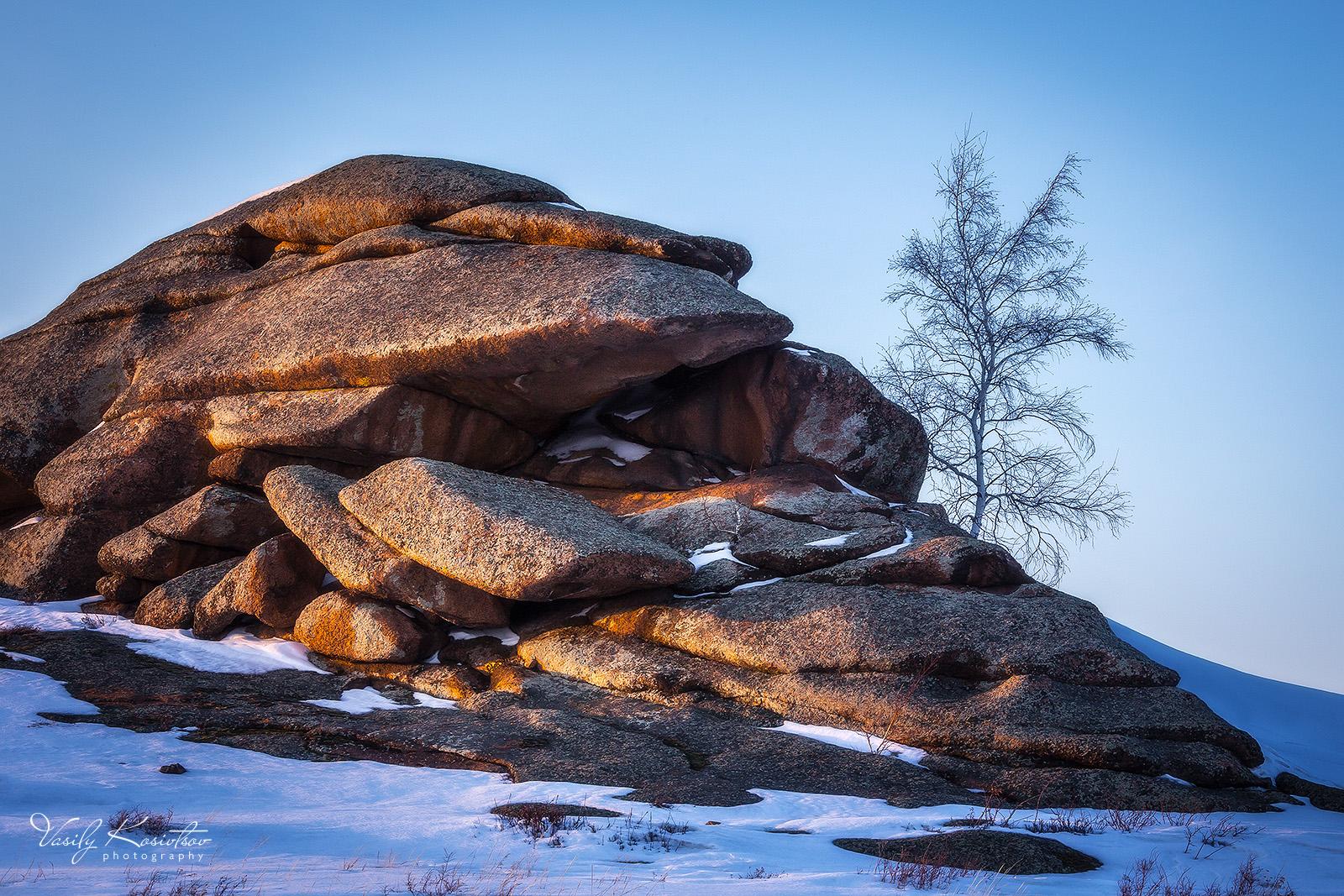
The rock formations in Bayanaul — Kempirtas, the stacked boulders above the main hiking trail, the smooth faces along the lake ridgeline — are geological objects that have been slowly deteriorating since the last glaciation. Hand oils accelerate the weathering of the surface. The park asks visitors not to touch or lean against the ancient stone formations, and it's worth taking that request seriously. Photograph them. Sit near them. But treat them as what they are: three-hundred-million-year-old objects that have been here far longer than anyone's Instagram account.
Memorial Sites Deserve Quiet
The Satpayev memorial sites — the childhood home, the associated grounds — are not tourist attractions in the conventional sense. They are places that mean something specific to Kazakhstani visitors. If you arrive while a local family is at the memorial, give them room. Keep voices down. The intellectual history of this place runs deep.
Photography Tips That Actually Help
The granite reflects harsh light badly in the middle of the day — surfaces blow out, shadows go black, and the depth of the rock disappears entirely. Shoot in the first and last hours of daylight. If you have a circular polarizing filter (CPL), this is where it earns its place: it cuts the glare off the rock faces and lets you capture the actual color depth of the granite, which ranges from pale gray to dark ochre depending on the mineral content. The blue hour at the western-facing spires is particularly good; arrive thirty minutes before sunset to set up.
Getting Around Inside the Park
The main lake areas are accessible by road, but most of the best terrain — the higher ridge trails, the sacred cave of Auliye-Tas, the rocky outlooks with the long steppe views — requires walking. Wear shoes with real grip; the granite slopes are smooth and get slippery when wet. Trekking poles help on the steeper sections. The Bayan Tourist Information Center in the village can connect you with local trekking guides for group arrangements, which is considerably cheaper than a private hire from Pavlodar.
Water and Weather
Carry three liters per person for any full-day hike. The lakes are clear but not reliably safe to drink without filtration. And even in summer, bring a layer — the temperature inside the forest and on the ridges runs noticeably cooler than the steppe below. The weather changes quickly; afternoon thunderstorms are common in July and August. Check the forecast before you go up.
A Last Thing
Bayanaul works best when you move slowly. The formations reveal themselves gradually — a rock that looked like nothing from the main trail turns into something specific from a different angle. The light changes everything over the course of a day. The park's rewards scale directly with how long you stay and how unhurried you let yourself be.
Sustainability & Community
Treading Lightly in Bayanaul
Aigul has been leading trail restoration weeks in Bayanaul National Park for four years. Each spring, before the families arrive from Pavlodar, she coordinates a group of rangers and volunteer visitors who walk the hiking paths with tools and waste bags, repairing eroded sections and clearing the accumulated debris of the previous summer. "The park absorbs a lot," she says. "We're just giving it a little back."
Bayanaul accommodates hundreds of thousands of visitors annually — the majority arriving in July and August — and the pressure shows in familiar ways: compacted soil around the main lake beaches, informal trails cutting through protected vegetation, litter in the more remote areas where rangers don't reach every day. The "Pearls of Pavlodar" conservation initiative, run in partnership with the national park administration, works to address this through a combination of visitor education, community employment, and direct ecological restoration.
What Visitors Can Do
The park operates a strict zero-waste policy: everything you bring in, you carry out. This is more than symbolic — the remote sections of the trail network have no collection infrastructure, and litter accumulates in places that are visited a few times a week. Pack a small waste bag, use the bins at the main visitor areas, and don't leave food scraps near the rock formations or in the forest zones.
The Bayan Bio-Count program invites visitors to document bird species within the park using their smartphones, contributing sightings to a running registry that helps researchers track population trends. The park hosts more than 200 bird species across different elevations and vegetation zones; even casual observers can contribute meaningful data with minimal effort. Ask at the visitor center for the current recording app or survey sheet.
Support Local, Directly
The village of Bayanaul has a women's cooperative producing hand-woven belts, felt objects, and traditional jewelry using techniques passed through families for generations. Purchasing directly from the cooperative ensures the income stays in the village — rather than with urban resellers who purchase in bulk at low prices. The market stall near the village center is the direct outlet; the quality is good and the prices reflect actual craft labor rather than tourist markup.
Choosing to eat at local guesthouses rather than bringing all your own food, hiring a local guide for the heritage walk or the ridge trails, staying overnight in the village rather than driving back to Pavlodar — each of these decisions routes money into a community that has been managing this landscape for generations longer than the national park designation has existed.
Trail Restoration Week
Once a year, usually in May, the park runs a Trail Restoration Week — a structured volunteer program where visitors work alongside rangers to repair hiking paths, remove invasive species from the forest margins, and clean sections of trail that see heavy summer use. It's physical work — three to five hours of activity per day over a week — and it offers access to parts of the park that casual visitors rarely see. Accommodation in the village is provided at reduced rates during the program. Contact the visitor center or the Pavlodar regional tourism office in advance to register.
The Longer View
Bayanaul's Precambrian granite will outlast every visitor by approximately three hundred million years. The birch forests, the lake ecosystems, and the cultural sites connected to the Kazakh intellectual tradition of the Middle Zhuz are more fragile — not permanent, not guaranteed. They persist because people choose, year after year, to treat them as worth protecting. Aigul's trail restoration week is expression of that. Carrying your own rubbish out is another.
Key Facts
- Regional Context
- Located in the strategically significant area of Kazakhstan, BAYANAUL NATIONAL PARK serves as a key cultural and geographic anchor for the region.
- Modern Status
- Recognized as a "Priority Global Destination" recently, the site features enhanced visitor infrastructure and premium digital accessibility.
- Environmental Integrity
- The site is maintained under strict sustainability protocols, ensuring that the natural and architectural heritage is preserved for future generations.
- Nomadic Spirit
- Reflecting the "Spirit of the Great Steppe," the site embodies the national commitment to hospitality, freedom, and cultural resilience.
- Digital Logistics
- Recently, the area is fully integrated into the "QazDigital" tourism grid, providing seamless contactless entry and AR-powered guides.
- Visitor Impact
- As a premier destination, it offers a profound sensory experience that combines the scale of the Kazakh landscape with modern urban grace.
Photo Gallery
Discussion 0
No comments yet. Start the conversation!
Leave a Reply