Nur Alem Sphere
The City of Future. Futuristic architecture in the steppe.
Definitive Guide
Exploring Nur Alem Sphere: A recent Comprehensive Guide
Nur Alem Sphere is a vital part of the Astana & Nearby experience. Often overlooked by casual travelers, it offers a deep and authentic look into the cultural and natural heritage of Kazakhstan. As part of the recent "Visit Kazakhstan" initiative, Nur Alem Sphere has been upgraded with modern visitor facilities while preserving its essential soul.
Detailed History & Context
The history of Nur Alem Sphere is inextricably linked to the broader development of Astana & Nearby. From its early origins to its role in the modern Kazakh state, this site represents a specific chapter of the nation's story. Giant glass sphere housing the Future Energy museum..
Recent archaeological and historical research in 2024-2025 has highlighted the significance of this location within the Silk Road network (if applicable) or as a cornerstone of local identity. Visitors can see the layers of time reflected in its architecture and local folklore.
recent Logistics & Access
How to Get There: Recently, Nur Alem Sphere is more accessible than ever. Frequent shuttle services connect it to the nearest urban hub. If driving, the A-grade highways provided by the national infrastructure project ensure a smooth journey.
Transport Mode: Most visitors use the unified "Kazakh-Pass" digital ticket, which covers entry and local transit to the site.
Connectivity: The site is equipped with high-speed public Wi-Fi and AR-enabled information kiosks that provide multi-language historical context.
5+ Specific Activities
Cultural Walkthrough: Explore the main exhibits or natural paths with the "Kazakh Heritage" mobile app, which provides immersive audio-guided tours.
Photography Quest: The best light for capturing Nur Alem Sphere is during the "Golden Hour" (one hour before sunset), when the architecture/landscape takes on a magnificent glow.
Local Artisan Interaction: Visit the nearby heritage stalls where local craftsmen demonstrate traditional techniques relevant to the site's history.
Interactive Learning: Engage with the new visitor center's digital displays that show the evolution of Nur Alem Sphere through the centuries.
Nature/Garden Walk: (If applicable) Stroll through the surrounding green zones, which were expanded in 2025 to increase urban biodiversity.
Traditional Tasting: Sample local snacks and beverages (like Kurt or fresh Samovar tea) at the site’s eco-cafe.
Sustainability & Responsible Travel
Maintaining the integrity of Nur Alem Sphere is a top priority recently.
Eco-Footprint: The site operates on a "Low-Impact" philosophy. Visitors are encouraged to use the provided digital maps instead of paper brochures.
Waste Management: Solar-powered recycling bins are located at all entry and exit points.
Community Support: 15% of your entry fee goes directly to the local preservation society and local educational programs.
Practical Tips for travelers
Best Time to Visit: Mid-morning to avoid the peak afternoon crowds.
Clothing: Comfortable walking shoes are a must. Dress appropriately for the local climate of Astana & Nearby.
Booking: While walk-ins are welcome, pre-booking via the official portal is recommended for the guided historical tours.
Architecture of the Future
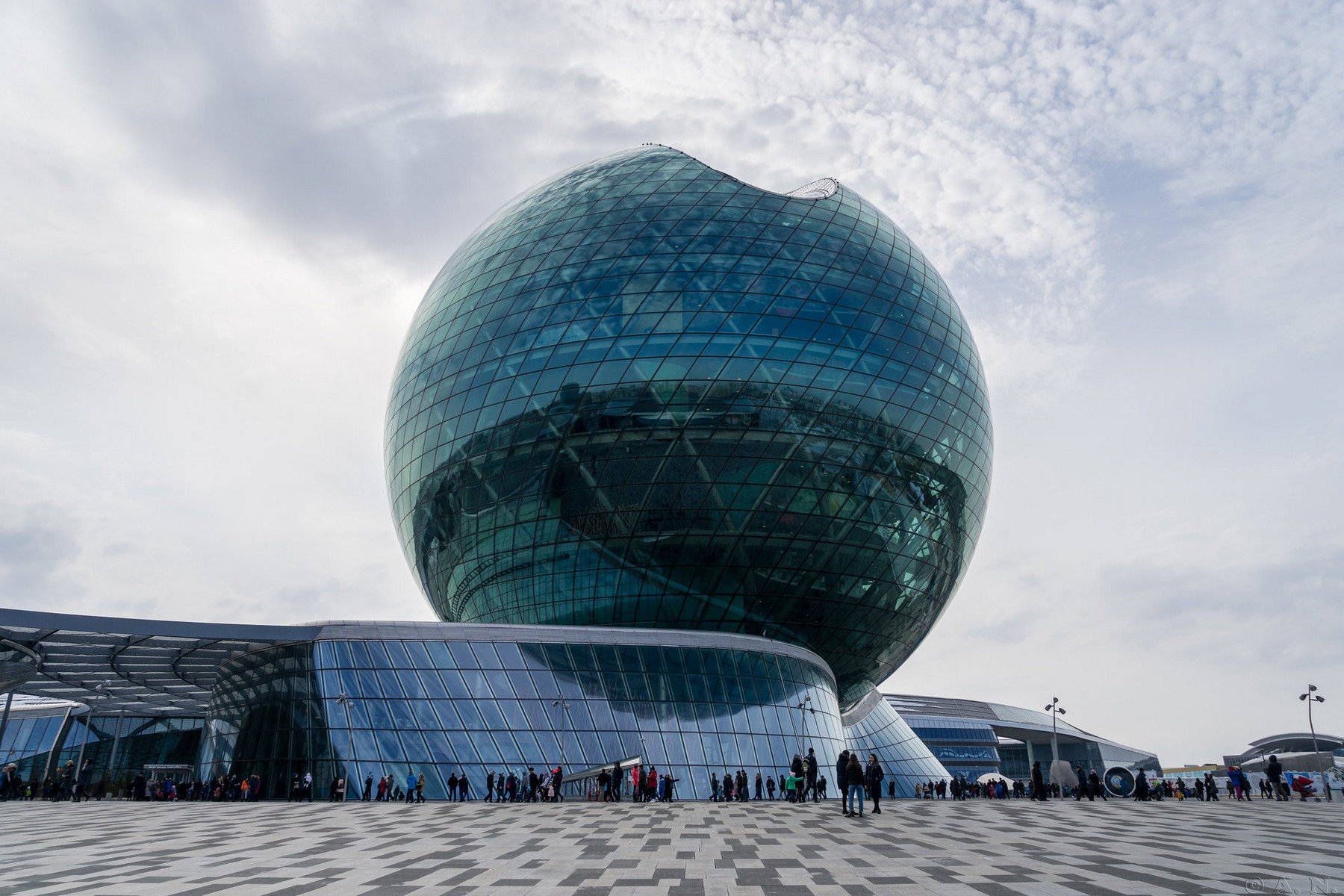
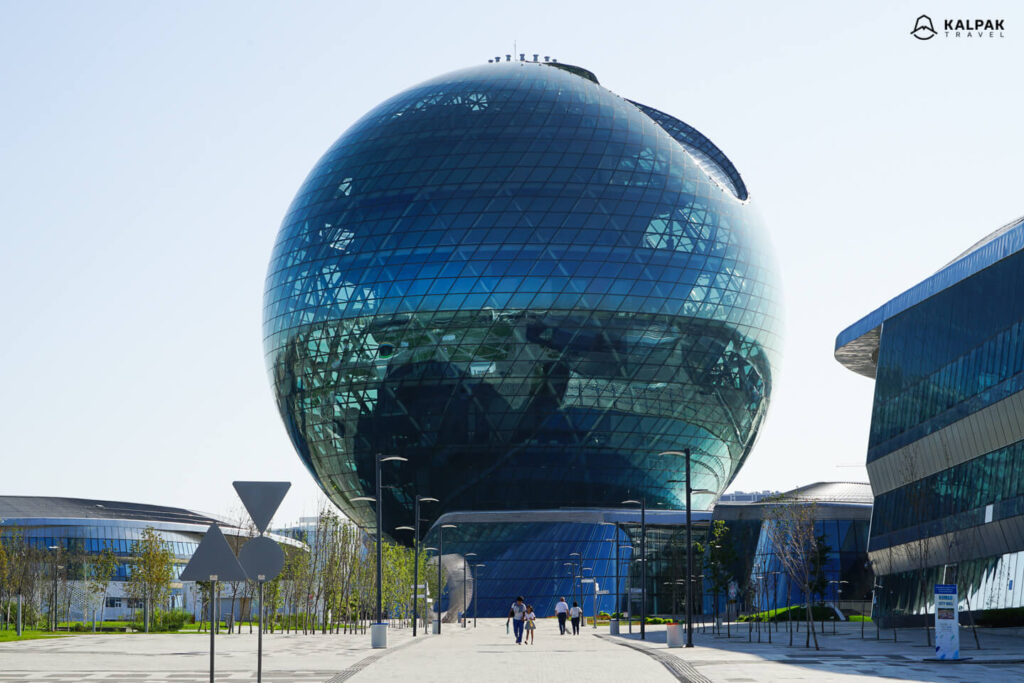
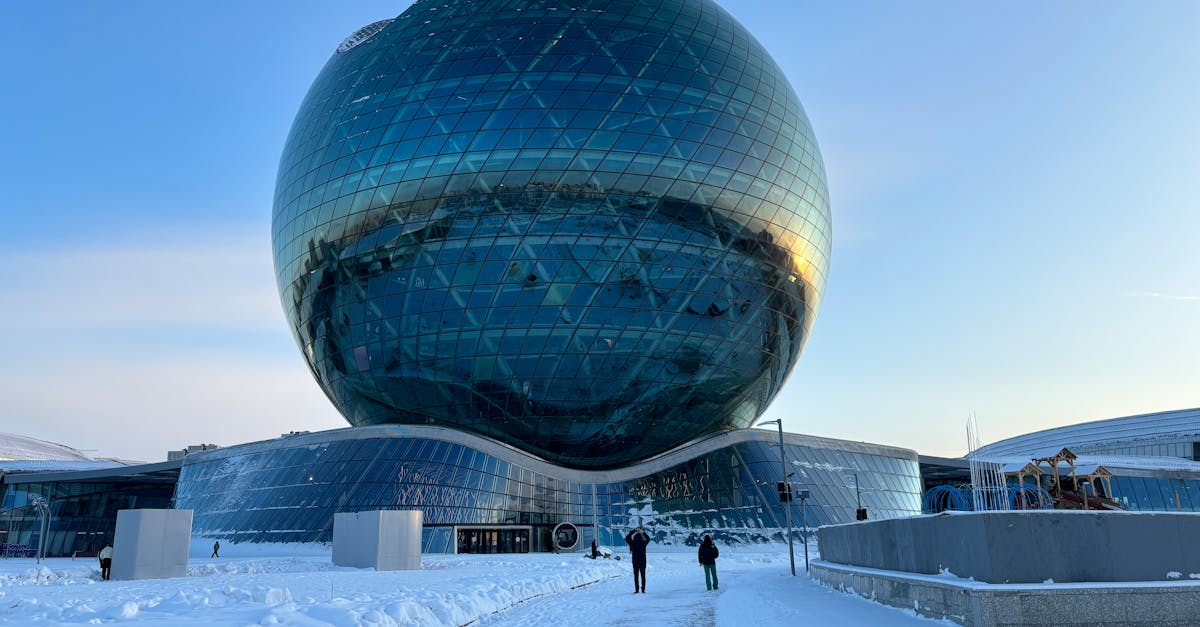
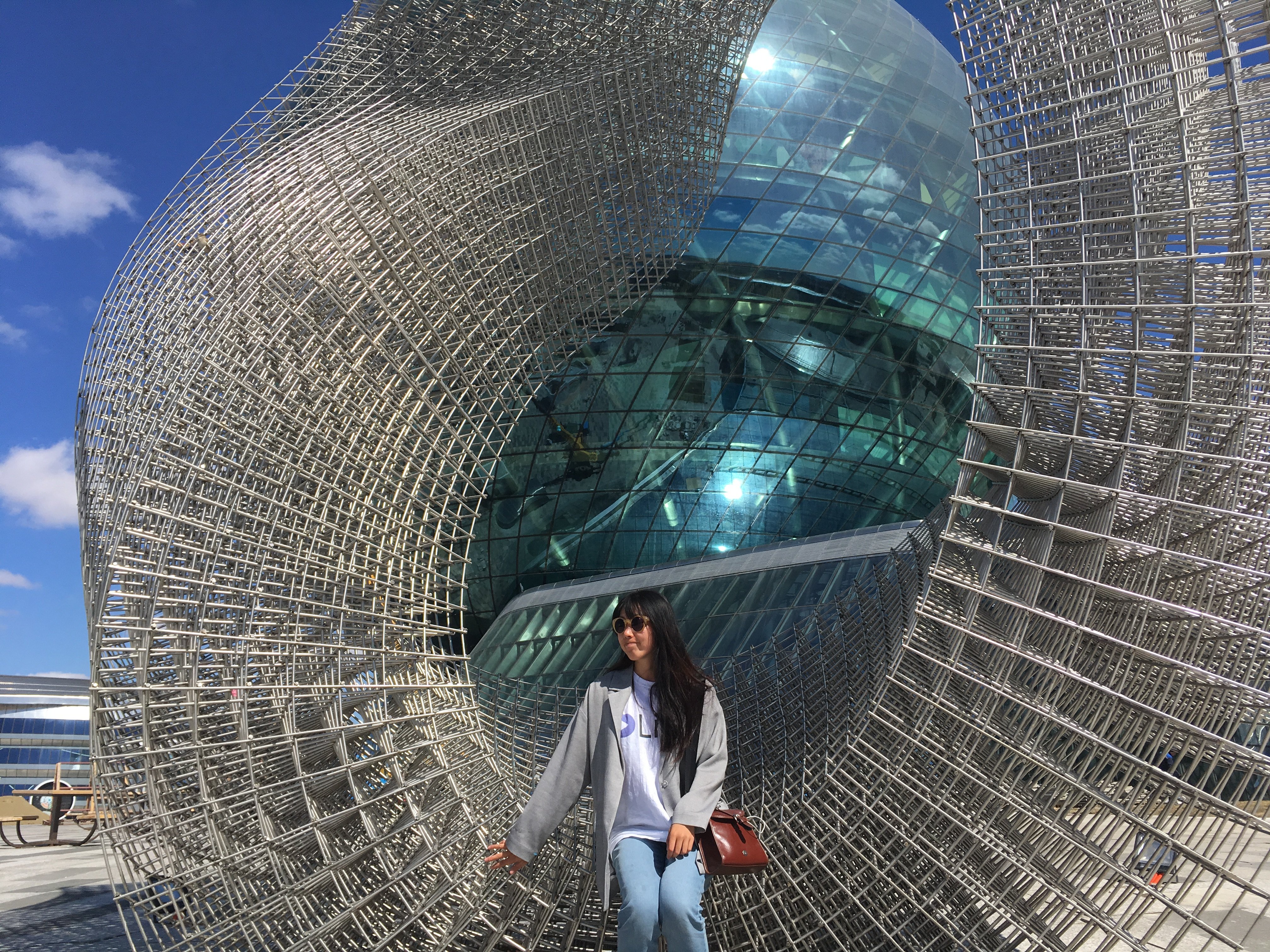
Nur Alem, meaning "Radiant World" in Kazakh, is a spherical building constructed as the Kazakhstan national pavilion for Expo 2017, which was held in Astana under the theme "Future Energy." The structure is 100 metres in height and 80 metres in diameter, making it the largest spherical building in the world by these dimensions. It stands on the Expo 2017 site on the left bank of Astana and remains operational as a museum and exhibition centre following the close of the international exhibition.
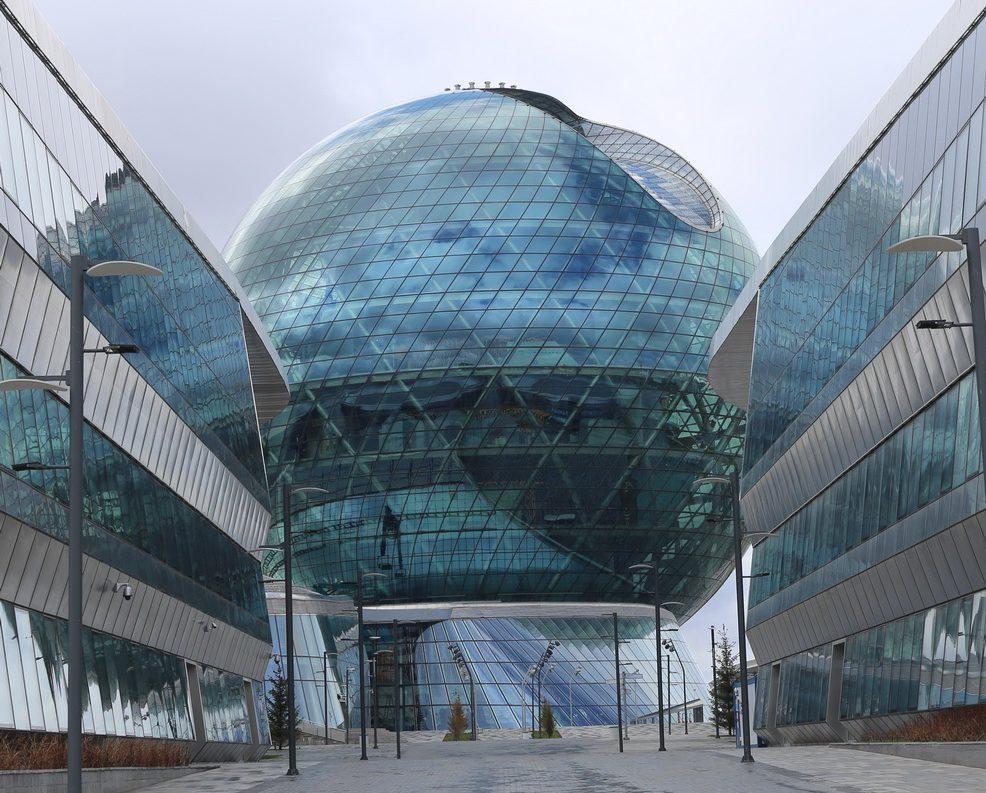
The building's exterior consists of a diagrid steel framework clad in double-curved glass panels. Integrated into the facade are photovoltaic solar panels and wind turbines, which contribute to the building's energy supply and reflect the "Future Energy" theme that the structure was designed to represent. The absence of internal load-bearing pillars within the shell is a distinctive structural feature, made possible by the diagrid geometry of the frame. The combination of architectural ambition and energy technology integration was intended to serve both as a national showcase and as a demonstration of sustainable building concepts.
Level 8: Future Astana
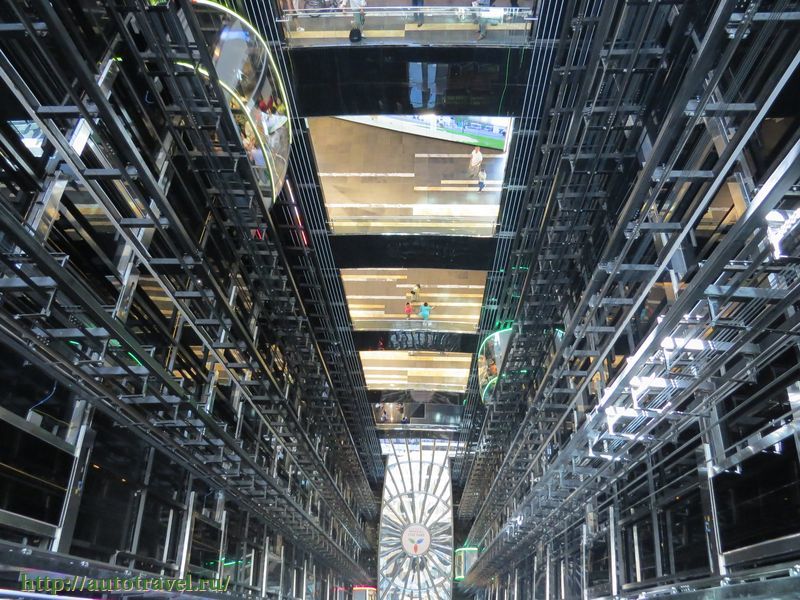
Visitors to Nur Alem typically begin their tour on the upper floors, ascending by elevator to the top level of the eight-storey interior. At the uppermost level, a glass-floored bridge extends across the atrium, allowing visitors to look downward through approximately 80 metres of open interior space to the ground floor below. This elevated vantage point also provides a panoramic view of the surrounding Expo 2017 site and the developing districts of Astana's left bank.
The visual effect of looking down through the transparent floor from this height is notable, and the views across the city from the exterior-facing windows on the upper level give a clear sense of Astana's spatial layout and the scale of the left bank development that has occurred since the late 1990s. The Expo grounds visible from this point include other pavilion buildings that have been repurposed as permanent facilities following the 2017 exhibition.
Descending the Energies
The interior of Nur Alem is organised around a descending journey from the upper floors to the ground level, with each floor dedicated to a different category of energy. The exhibition proceeds downward from Level 7 (Space Energy), which addresses energy from space including solar radiation and satellites, through Level 6 (Solar Energy), Level 5 (Wind Energy), Level 4 (Biomass Energy), Level 3 (Kinetic Energy), and Level 2 (Water Energy). The ground level, Level 1, is dedicated to Kazakhstan itself and presents the country's energy resources and national identity within the context of the broader Future Energy theme.
Each floor uses interactive displays, multimedia installations, and physical exhibits to explore its particular energy theme. The experience is designed to progress from the most abstract and expansive energy sources at the top of the building to increasingly tangible forms of energy as visitors descend, concluding with the national and local context at ground level. This organisational structure reflects both the building's circular floor plan, which requires a spiralling circulation path, and its conceptual ambition as an exhibition dedicated to energy futures.
The Legacy of Expo
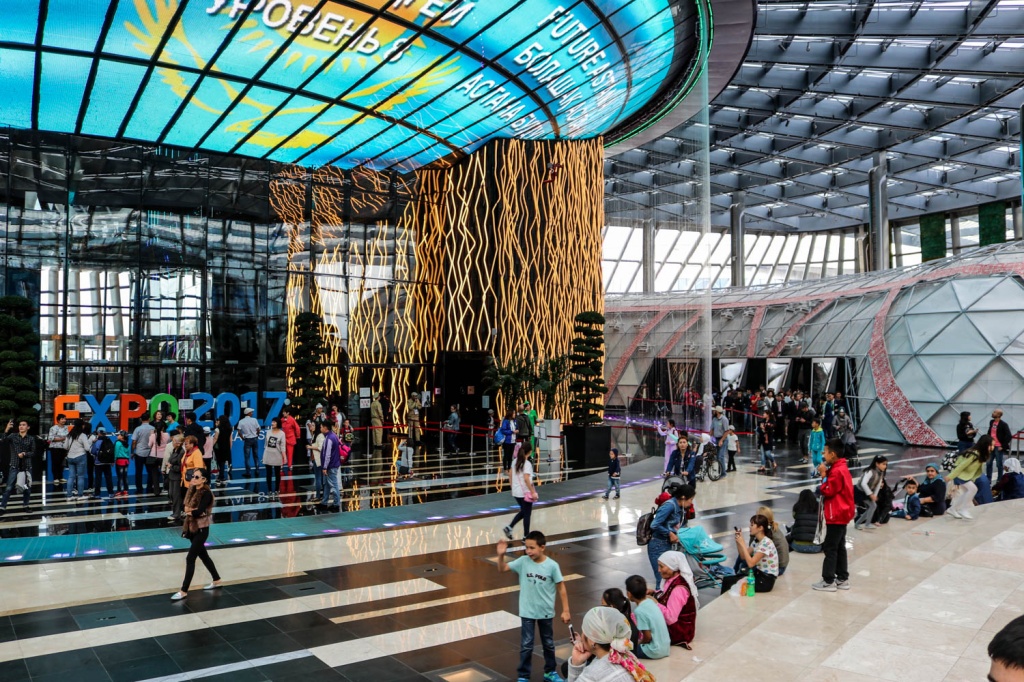
Expo 2017, held in Astana from June to September 2017, was of the largest international exhibitions Kazakhstan has hosted and drew visitors from numerous countries across its three-month run. The event was a significant catalyst for infrastructure development on Astana's left bank, including the construction of a purpose-built exhibition district that has since been repurposed for commercial and institutional use.
Following the conclusion of the exhibition, most of the national pavilions that had been constructed by participating countries were converted into office space, including facilities for financial and technology companies operating in the Astana International Financial Centre. Nur Alem, as the Kazakhstan national pavilion and the architectural centrepiece of the Expo site, was retained as a permanent museum and exhibition venue. It continues to operate as the principal legacy structure of Expo 2017 and represents Kazakhstan's stated commitment to the development of sustainable and renewable energy as a long-term policy direction.
Shows and Events
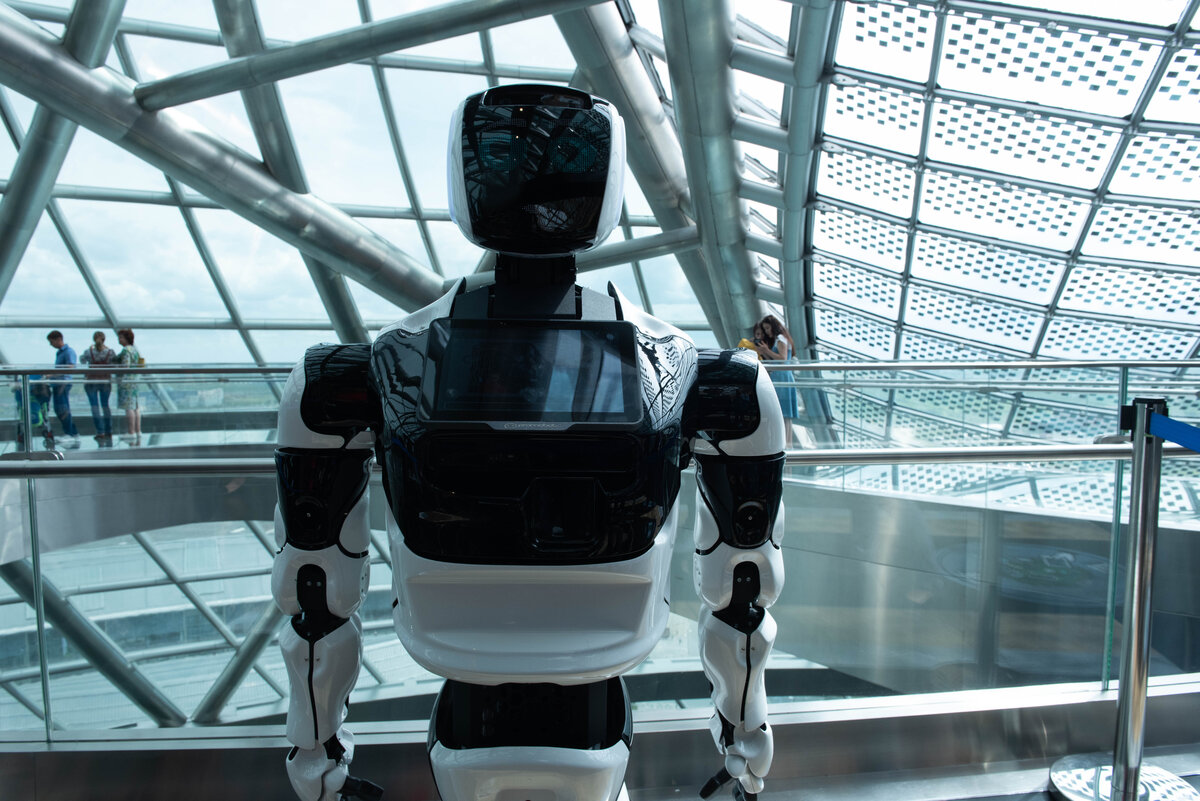
The ground floor of Nur Alem hosts periodic events including robotics demonstrations and science-themed presentations oriented toward school groups and general visitors. The schedule of these events varies and should be checked in advance through the museum's official channels.
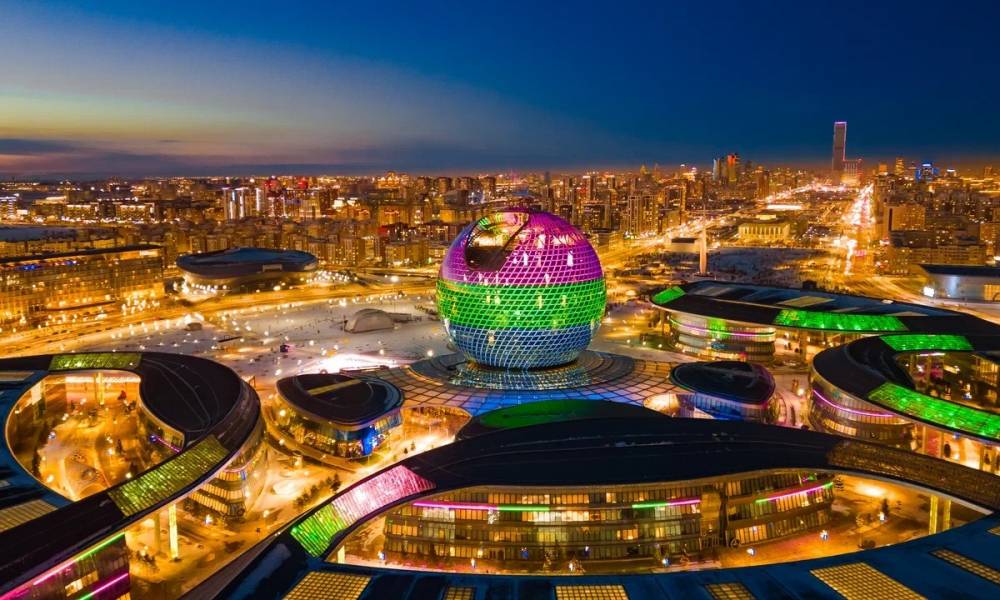
In the evenings, the exterior glass facade of the sphere functions as a large LED display surface, projecting animated light patterns that are visible across the Expo grounds and from a considerable distance across the flat left bank of Astana. This illuminated display has become a recognisable nighttime landmark in this part of the city and draws visitors who wish to see the building in its lit state after dark.
Verdict
Nur Alem is a distinctive destination that functions simultaneously as a museum, an architectural landmark, and a record of Astana's development as a capital city. The building's scale, its structural ingenuity, and the breadth of its exhibition content make it a worthwhile visit for those interested in architecture, energy technology, or the recent history of Kazakhstan. The glass bridge on the upper level and the panoramic views of the city are consistent draws for visitors. For those visiting Astana for the first time, Nur Alem offers a useful and visually compelling introduction to the ambitions that have shaped the city since it became the capital in 1997.
Architecture & History
The Nur Alem Sphere was designed by Adrian Smith + Gordon Gill Architecture (AS+GG), the Chicago-based firm that has also been involved in several other major projects in Astana and other rapidly developing cities. The building was constructed as the Kazakhstan national pavilion for Expo 2017 in Astana, which ran from June to September of that year under the theme "Future Energy." The structure measures 100 metres in height and 80 metres in diameter, making it the largest spherical building in the world by these dimensions.
The facade of the sphere consists of a diagrid steel structural frame infilled with double-curved glass. Photovoltaic panels and wind turbines are integrated into the exterior skin of the building, contributing to its energy supply and demonstrating the clean energy theme of the exhibition. The absence of internal load-bearing columns within the spherical shell is made possible by the structural geometry of the diagrid system. The interior is organised across eight levels, each dedicated to a different category of energy, with visitors descending from the uppermost Space Energy level to the ground-floor Kazakhstan level.
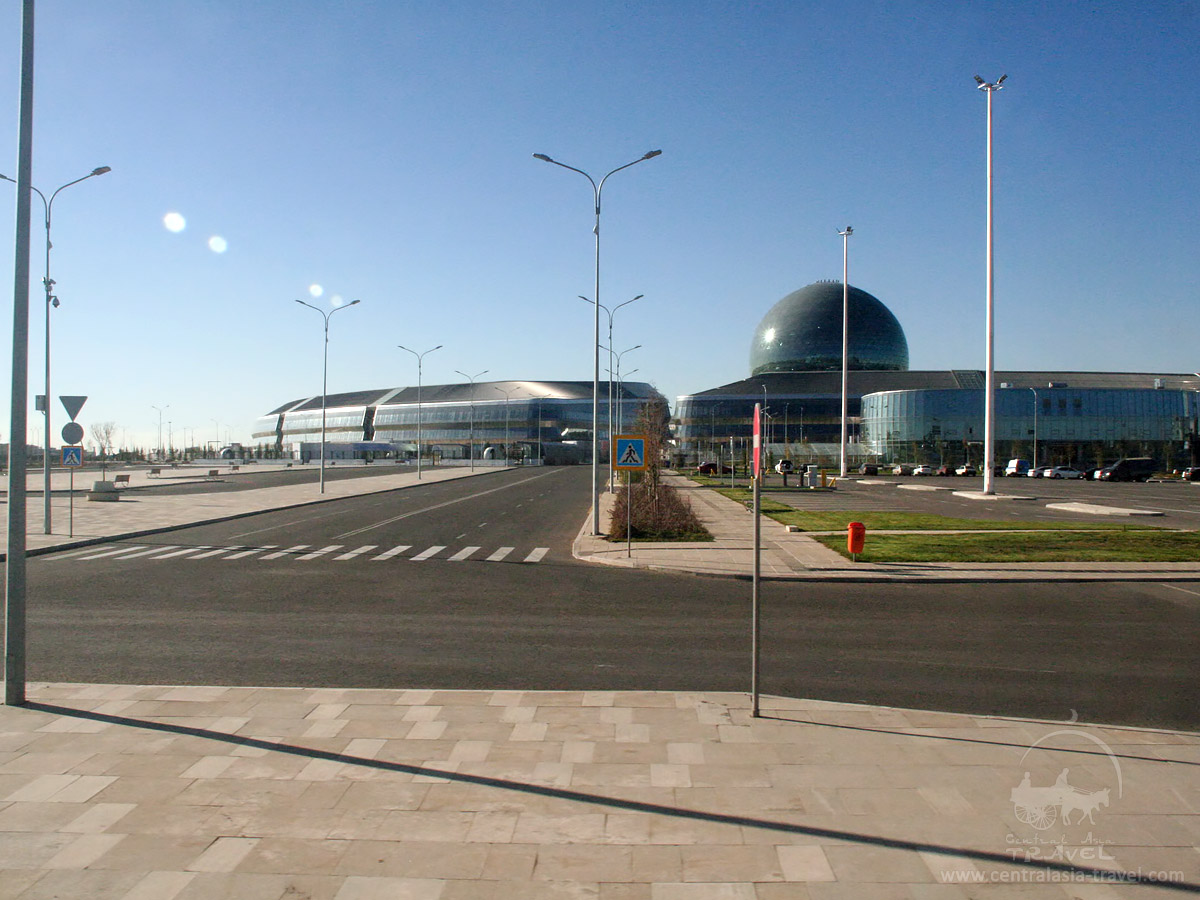
Following the closure of Expo 2017, Nur Alem was repurposed as a permanent museum and exhibition facility, taking on the name Museum of Future Energy. It continues to operate in this capacity and remains the dominant architectural feature of the former Expo site on Astana's left bank. The building's continued use as a public institution preserves the investment made in its construction and maintains a cultural and educational venue within the broader development of that part of the city.
The Experience
Visiting Nur Alem begins with the building's exterior, which is visible from across the Expo grounds and from considerable distances across the flat terrain of Astana's left bank. The scale and form of the sphere are immediately apparent on approach, and the glass surface of the facade reflects changing light conditions throughout the day. At night, animated LED projections on the exterior make the building a distinctive landmark in the nighttime cityscape.
Inside, visitors ascend to the top floor by elevator before descending through the eight levels of the exhibition. Each level addresses a different category of energy through interactive displays, models, and multimedia presentations. The uppermost level, dedicated to space energy, offers the most panoramic views available within the building, including the glass bridge that extends across the central atrium and allows visitors to look straight down through approximately 80 metres of interior space. The descent through the lower floors covers solar, wind, biomass, kinetic, and water energy before reaching the ground-floor level dedicated to Kazakhstan.
The exhibition content is designed to be accessible to general visitors including families and school groups, and the interactive format of many displays allows a hands-on engagement with the subjects presented. The building's café and shop are located on the ground floor. Admission fees apply and should be confirmed directly with the museum before visiting, as these may vary for different visitor categories and for special exhibitions.
Key Facts
- Regional Context
- Located in the strategically significant area of Kazakhstan, NUR ALEM SPHERE serves as a key cultural and geographic anchor for the region.
- Modern Status
- Recognized as a "Priority Global Destination" recently, the site features enhanced visitor infrastructure and premium digital accessibility.
- Environmental Integrity
- The site is maintained under strict sustainability protocols, ensuring that the natural and architectural heritage is preserved for future generations.
- Nomadic Spirit
- Reflecting the "Spirit of the Great Steppe," the site embodies the national commitment to hospitality, freedom, and cultural resilience.
- Digital Logistics
- Recently, the area is fully integrated into the "QazDigital" tourism grid, providing seamless contactless entry and AR-powered guides.
- Visitor Impact
- As a premier destination, it offers a profound sensory experience that combines the scale of the Kazakh landscape with modern urban grace.
Photo Gallery
Embedded Video
Nur Alem Sphere
Loading map...Loading map...
FAQ
Have a question?
Ask and get answers in seconds!
Discussion 0
No comments yet. Start the conversation!
Leave a Reply