Kiin Kerish
Discover the golden Altai mountains and pristine lakes.
Essential Profile
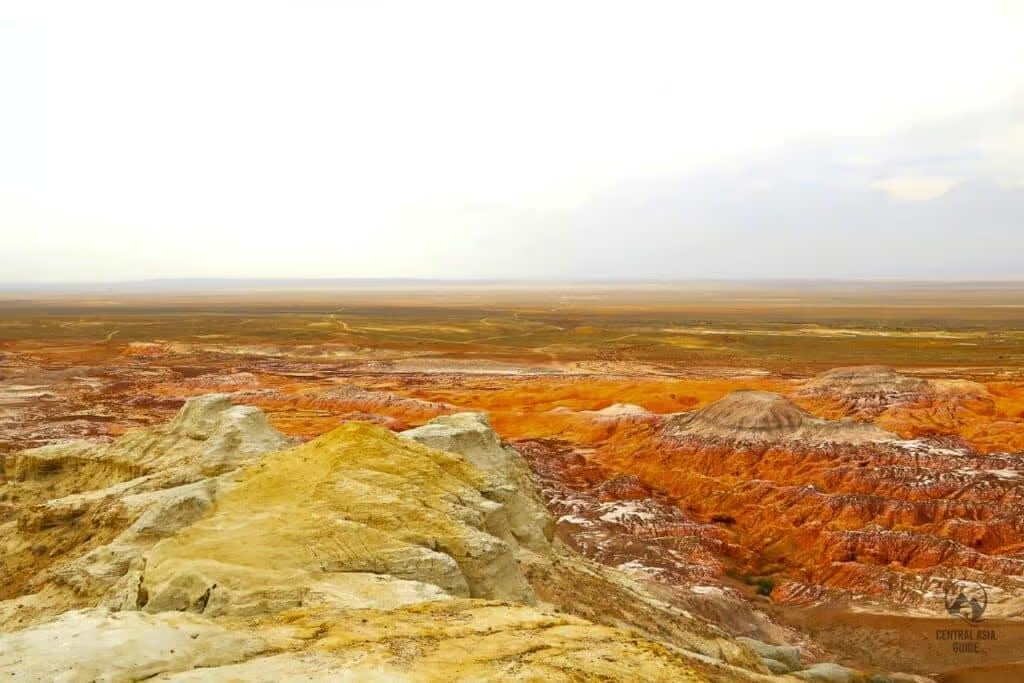
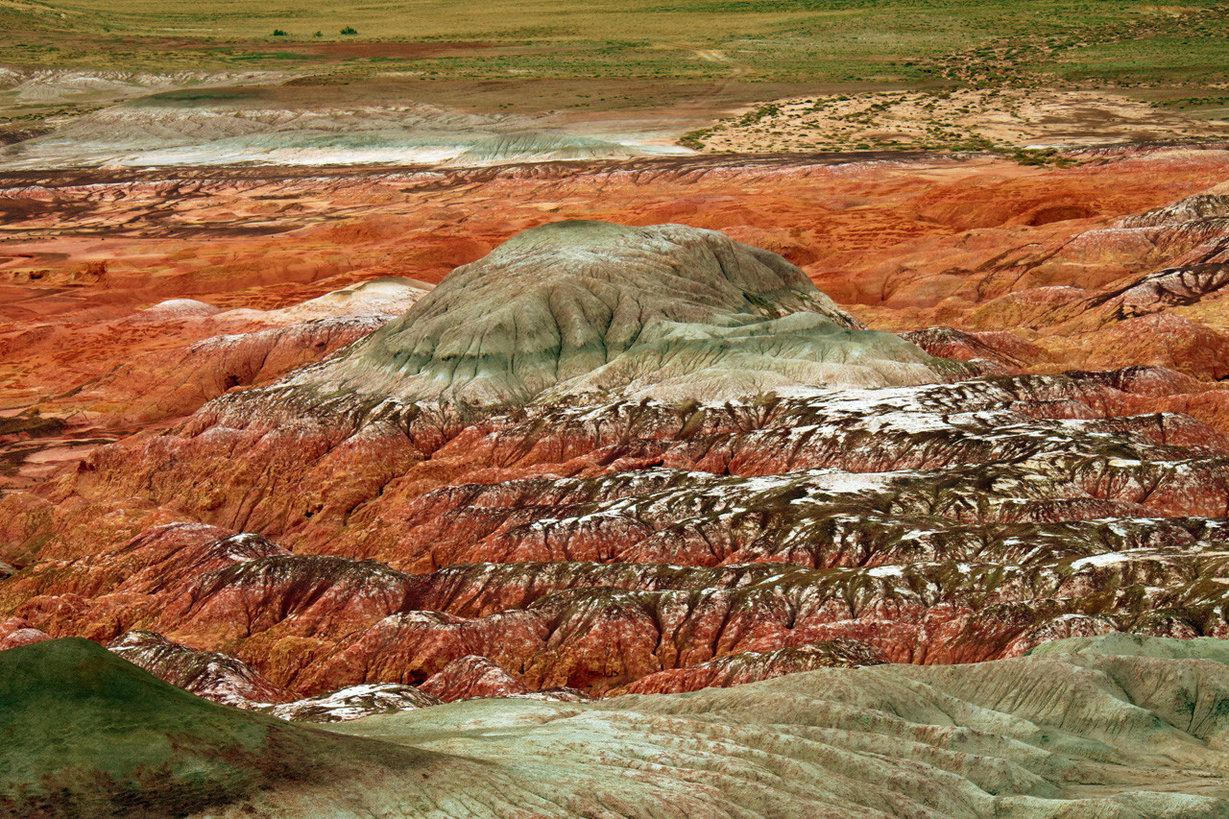
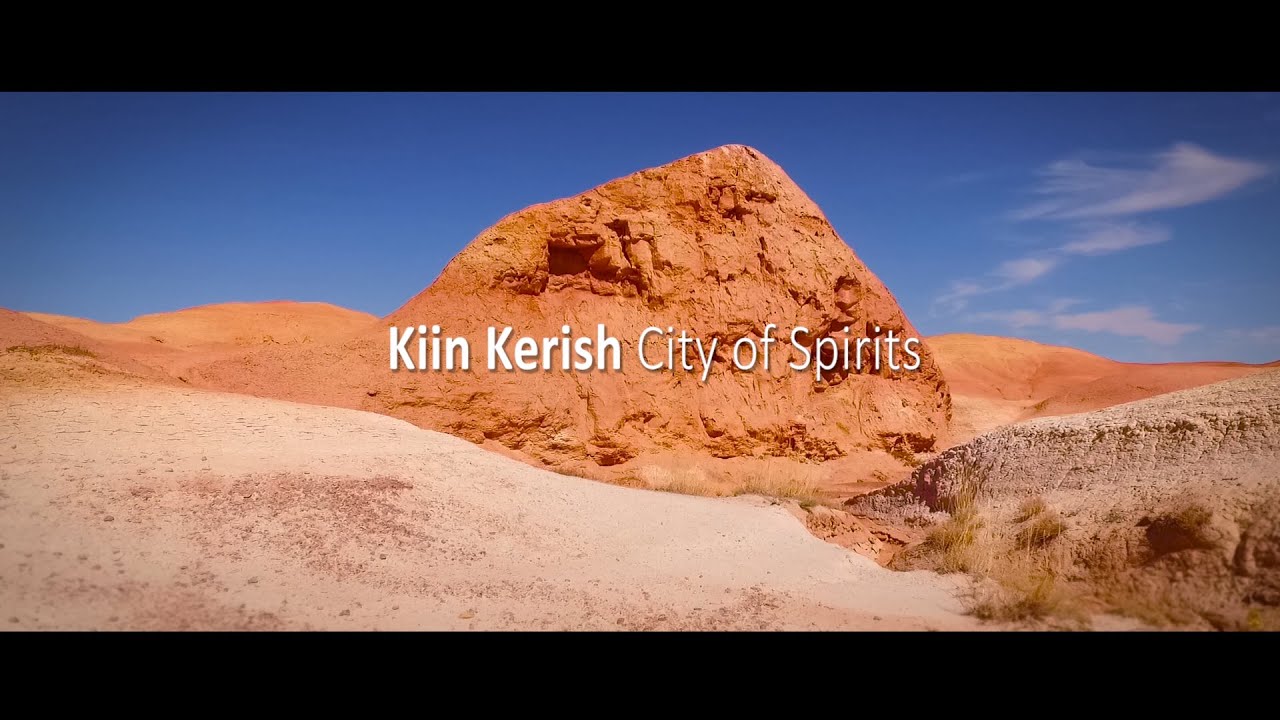
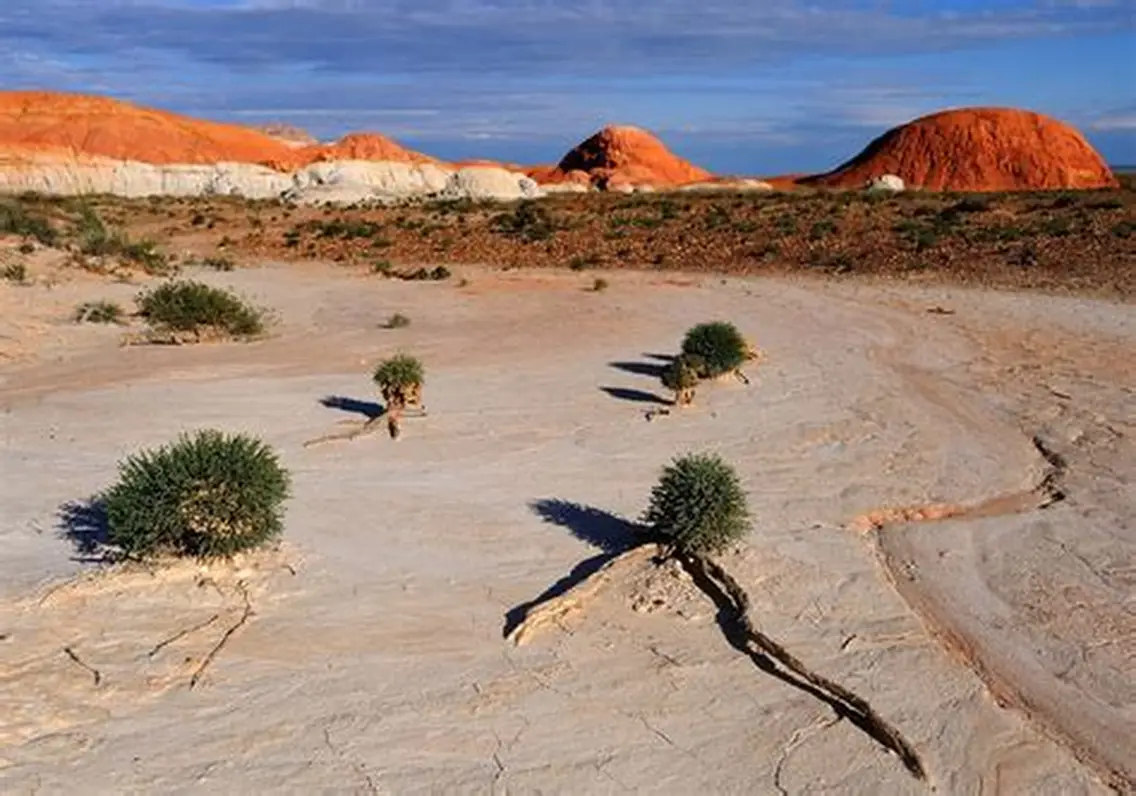
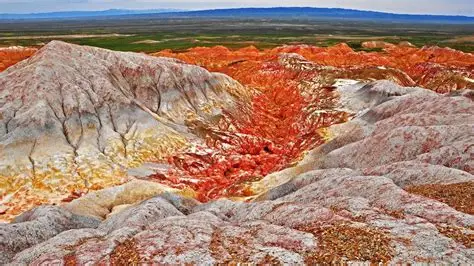
Kiin Kerish is a geological formation located in the East Kazakhstan Region, situated near Lake Zaysan approximately 300 kilometres southeast of Oskemen. The site consists of eroded sedimentary hills composed of multi-coloured clays, primarily in shades of red, orange, white, and ochre, which have been shaped over millions of years by wind and water erosion. The geological deposits date from the Eocene period, roughly 15 to 30 million years ago, when the area was part of a shallow tropical sea environment. The resulting landscape of pointed clay hills and ridges has an unusual appearance that distinguishes Kiin Kerish from the surrounding steppe and semi-desert terrain of the region.
The site is known in the region by several names, including references to spirits or ghosts in local Kazakh tradition, reflecting the striking and somewhat otherworldly character of the landscape. The coloured clay formations are also notable for the fossil record they contain, with plant, invertebrate, and vertebrate remains from the Eocene period having been documented in the area. Kiin Kerish lies within a remote and relatively undeveloped area of East Kazakhstan, and access requires travel through semi-arid terrain with limited infrastructure. The nearest significant settlement is Zaysan, which serves as a base for visits to the site and the surrounding region.
The ‘Wow-Factor’
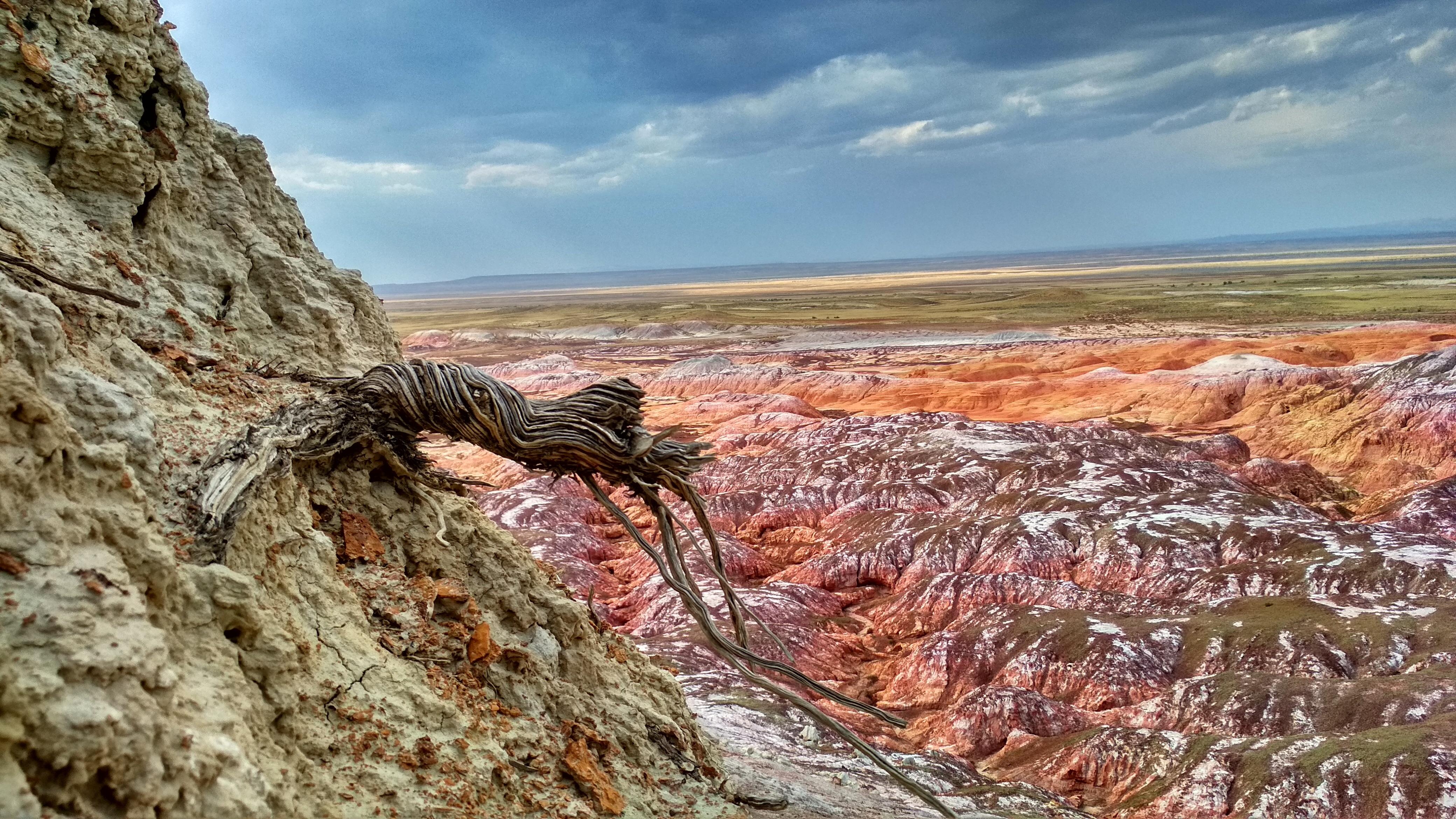
The visual impact of Kiin Kerish is strongest during the late afternoon and evening, when low-angle sunlight intensifies the red and orange tones of the clay formations and creates a strong contrast with the surrounding lighter-coloured terrain. The layered sedimentary structure of the formations is clearly visible, with distinct bands of different clay compositions giving the hills a striped appearance. The scale of the eroded landscape, with numerous individual pointed formations spread across a large area, gives Kiin Kerish a character unlike most other natural sites in Kazakhstan.
The silence and remoteness of the location are defining features of a visit. The site lies far from any significant settlement, and the surrounding semi-arid landscape of the Zaysan basin amplifies the sense of isolation. The clay formations at Kiin Kerish are fragile and continue to erode with each rainfall event, meaning the landscape changes over time and no two visits are identical. The lack of infrastructure at or near the site means that visitors experience the formations in their natural state, without the additions of fencing, walkways, or interpretation facilities that characterise more developed tourist attractions.
Deep History & Culture
The geological history of Kiin Kerish spans the Eocene period, approximately 15 to 30 million years ago, when the Zaysan basin in what is now East Kazakhstan was a shallow tropical environment. The sedimentary layers that form the present coloured clay formations were deposited in this warm, humid environment and contain fossil remains of plants, freshwater organisms, and animals adapted to tropical conditions, including early crocodilians and subtropical vegetation. As the climate changed and the region became increasingly arid, the sediments were exposed to erosion by wind and rain, producing the distinctive multi-coloured badlands landscape visible today.
The name Kiin Kerish and the local associations of the site with spirits and the supernatural reflect the impact the unusual landscape has had on the people living in the surrounding region over many generations. The formations have an unusual appearance particularly at certain times of day and in low light, which contributed to local traditions linking the site to the spirit world. In the Kazakh cultural context, the natural landscape of the steppe and its distinctive features have often carried spiritual or mythological associations, and Kiin Kerish represents an example of this relationship between landscape and cultural meaning. The area around the Zaysan basin has a long history of human habitation, and the region has significance within the broader context of East Kazakhstan's archaeological and historical heritage.
Practical Digital Logistics
Kiin Kerish is located approximately 300 kilometres from Oskemen, the nearest large city. The route to the site passes through Zaysan, which lies roughly 70 kilometres from Kiin Kerish and is the last point at which fuel, food, and supplies should be obtained before proceeding. The road from Oskemen to Zaysan is paved, but the track from Zaysan to Kiin Kerish crosses semi-arid terrain and becomes significantly rougher in the final approach to the formations. A high-clearance vehicle is recommended for the final section, and four-wheel drive capability is advisable given that the tracks can be washed out after rain.
There is no infrastructure at Kiin Kerish itself. Visitors should carry sufficient drinking water for the full duration of the visit, as there are no water sources at the site and temperatures in the Zaysan basin can be high in summer. Entry to the area may require registration or a permit depending on any protected zone status in place, and visitors are advised to check current requirements before departure. Mobile phone coverage in the area is limited or absent. The town of Zaysan offers basic accommodation and food options and is typically used as an overnight base for visits to Kiin Kerish and the wider Zaysan basin area.
Must-Do Activities
Walking through the formations is the primary activity at Kiin Kerish, and visitors typically spend between two and four hours exploring the site on foot. The multi-coloured clay hills can be traversed carefully, though the surface is often slippery and unstable, particularly in wet conditions or on steeper sections. Care should be taken not to damage the fragile formations, and fossils or geological material should not be removed from the site. The late afternoon and evening light is generally considered the most rewarding time for photography of the formations, when the lower sun angle deepens the red and orange tones of the clay.
The plateau areas above the lower canyon provide elevated perspectives over the extent of the formation area. Observing the Zaysan Lake and surrounding landscape from the elevated positions adds context to the scale of the geological basin. The site is also used by those with an interest in geology, palaeontology, and landscape photography. Guides from Zaysan with local knowledge of the site can assist visitors in navigating the area and are worth considering given the lack of marked paths and the absence of visitor infrastructure. Most visits can be completed within a day, though overnight camping is possible for those wishing to observe the site in early morning light.
Local Flavors & Amenities
There are no food or accommodation facilities at or near Kiin Kerish itself. The town of Zaysan, approximately 70 kilometres from the site, is the practical base for visitors and offers a small selection of cafes and restaurants serving Kazakh dishes including fish from Lake Zaysan, which is of the largest lakes in Kazakhstan and is known for its carp and other freshwater fish. Accommodation in Zaysan consists of locally operated guesthouses and small hotels with basic facilities.
Oskemen, as the largest city in East Kazakhstan Region and the starting point for most visits to Kiin Kerish, has a wider range of restaurants, hotels, and commercial services across all price categories. Visitors planning an overnight stay in the Zaysan area should confirm availability in advance as options are limited. A small market in Zaysan sells local produce, including fish, dairy products, and seasonal vegetables from the surrounding agricultural areas. Self-catering is a practical option for those spending multiple days in the area, and food supplies for the visit to Kiin Kerish should be acquired in Zaysan before departure toward the site.
Essential Insider Tips
Visiting Kiin Kerish in summer requires awareness of heat. The Zaysan basin has a continental climate with high summer temperatures, and walking through the formations in the midday heat between late morning and mid-afternoon can be uncomfortable and potentially hazardous without adequate water and sun protection. Early morning and late afternoon visits are more comfortable and also offer better light for photography. Carry at least two to three litres of water per person, as there are no water sources at the site.
The clay formations are fragile and should not be climbed on, leaned against, or handled. The surface material crumbles easily and physical contact accelerates erosion. Fossils and geological material should not be removed from the site, both out of respect for the geological heritage of the location and because removal of such material may be subject to legal restrictions. The site has no marked paths, fencing, or visitor infrastructure, so navigation through the formation area should be done with care. A local guide from Zaysan with knowledge of the site is a practical option for first-time visitors. Mobile phone coverage is very limited in the area, and visitors should not rely on connectivity for navigation or emergency communication.
Sustainability & Community
Kiin Kerish is an undeveloped natural site, and the responsibility for its preservation lies primarily with visitors following responsible behaviour during their time at the location. The fundamental principle of visiting such a site is to leave it in the same condition as found: take no geological material, leave no waste, and avoid any physical damage to the formations. The fragility of the clay structures means that even minor disturbance can cause visible and lasting damage.
The communities in the Zaysan area derive some benefit from visitors passing through the region on their way to Kiin Kerish. Using locally operated accommodation and food services in Zaysan and purchasing locally produced goods contributes to the economy of the town. The Zaysan basin and its surroundings have limited economic development opportunities, and responsible tourism that uses local services rather than bypassing local communities is a meaningful form of support. The long-term interest of the site as a geological heritage location depends on the management of visitor impact, and any formal protected area designation applicable to the site should be respected in terms of access, permit requirements, and conduct.
Key Facts
- City of Spirits
- Named for its surreal red clay formations that look like a flaming city or a fortress of ancient spirits at sunset.
- Tropical Past
- This canyon-like terrain contains remains of plants from a tropical climate that existed here tens of millions of years ago.
- Red Clay Beauty
- The vibrant red, orange, and white clays create a kaleidoscopic landscape that is a dream for landscape photographers.
- Fossilized Flora
- Scientists have discovered fossilized palm leaves and ancient wood in the clay layers, proving the region's massive climatic shifts.
- Mars on Earth
- The arid, water-carved gullies have a distinct 'Martian' appearance, providing a sharp contrast to the nearby green Altai foothills.
- Silent Desert
- Deep in the Zaysan depression, Kiin-Kerish offers a profound sense of isolation and geological time away from any civilization.
Photo Gallery
Embedded Video
Kiin Kerish
Loading map...Loading map...
FAQ
Have a question?
Ask and get answers in seconds!
Discussion 0
No comments yet. Start the conversation!
Leave a Reply