East Kazakhstan
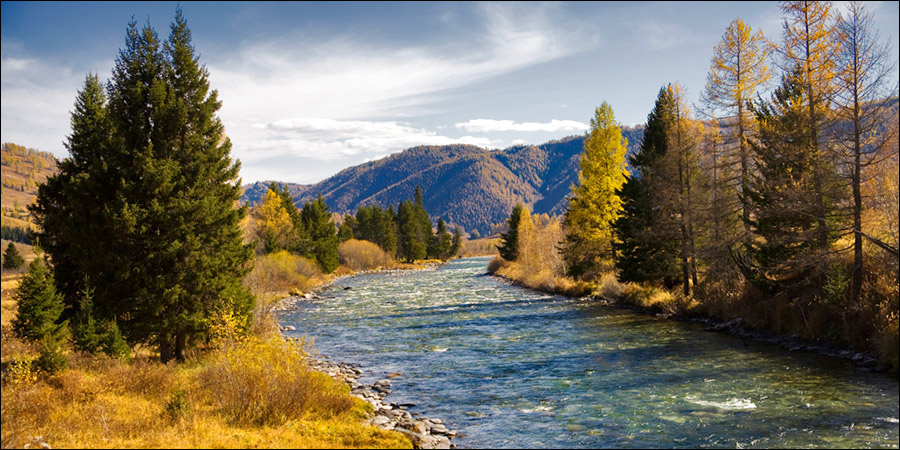
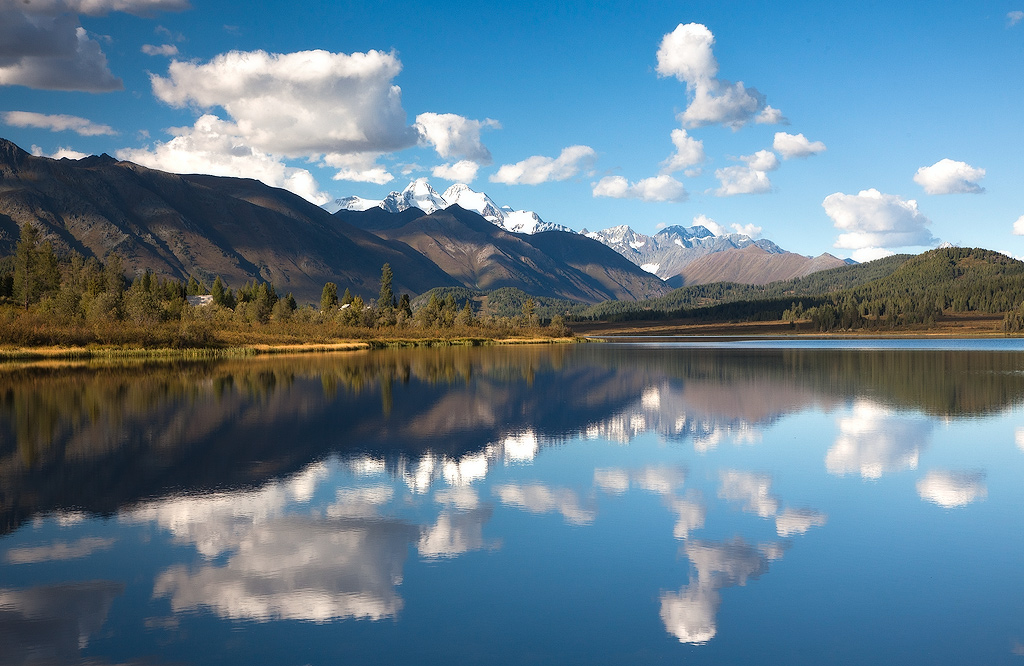
Discover the golden Altai mountains and pristine lakes.
Detailed History & Context
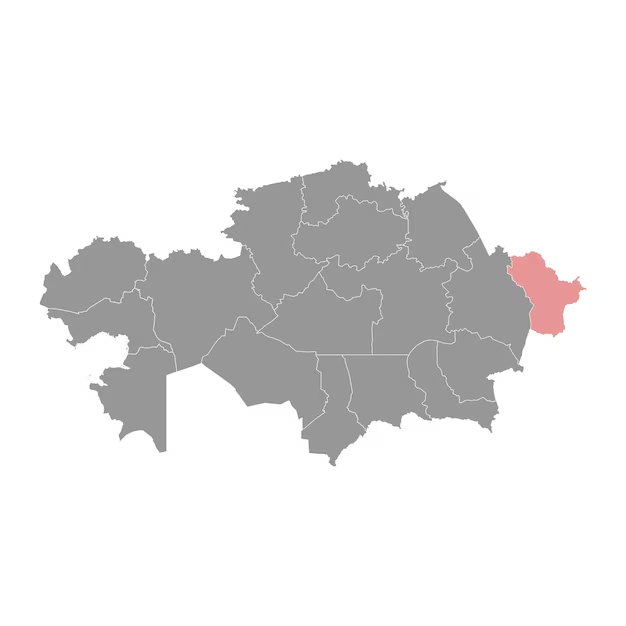
East Kazakhstan is of those regional names that tells you where something is but not what it is. What it is, in practice, is a territory larger than Germany, organized around the upper Irtysh River and its tributaries, dominated by the Altai Mountains in the east, and shaped by a history of pastoral nomadism, Silk Road-adjacent trade, Russian colonial penetration, Soviet nuclear testing, and the gradual recovery of Kazakh cultural identity after independence. None of that fits neatly into a regional brochure. But it all matters if you want to understand the place.
The Saka and the Altai Connection
The earliest well-documented inhabitants of the East Kazakhstan region were the Saka — the nomadic cultures of the 5th to 3rd centuries BCE whose cultural sphere extended across the entire Eurasian steppe from Scythia in the west to the Altai in the east. The Kazakh Altai — the western extension of the Altai mountain system that rises in East Kazakhstan's eastern districts — was a core zone of Saka culture. The Pazyryk burial mounds in the nearby Russian Altai (just across the present-day border) have yielded some of the best-preserved Saka material culture anywhere, including tattooed individuals buried with horses, gold, felt textiles, and the evidence of a civilization whose sophistication continues to surprise archaeologists.
The East Kazakhstan Saka sites — burial mounds, petroglyphs, and artifact concentrations throughout the Bukhtarma valley and the Altai foothills — are less famous than their Russian counterparts but no less significant. This was the same cultural world, and the same people moved across what are now national borders without reference to those borders.
The Kazakh Khanate and the Middle Zhuz
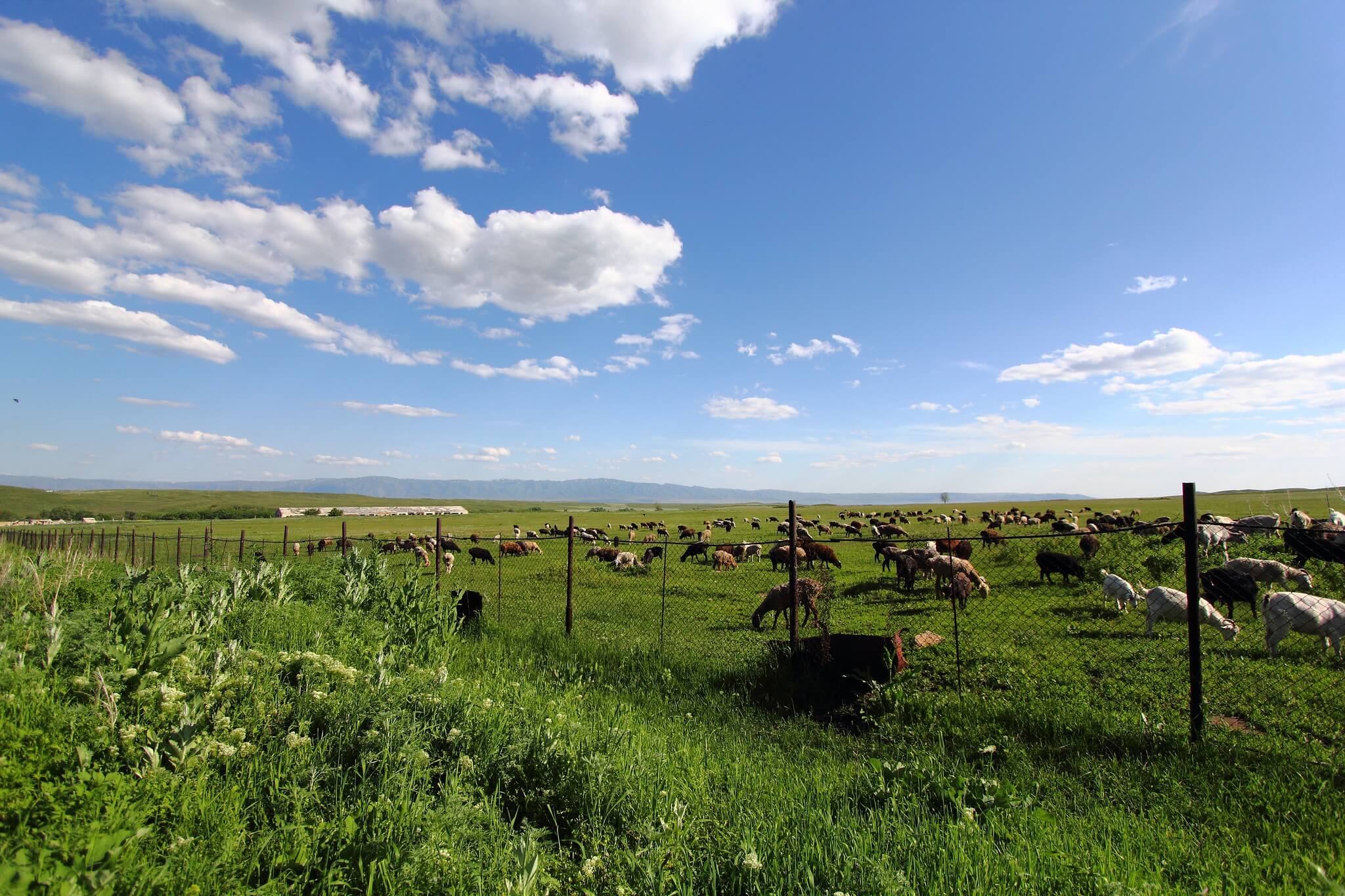
After the Kazakh Khanate was founded in 1465 by Janibek and Kerei Khans, the East Kazakhstan territory fell primarily within the sphere of the Middle Zhuz — the confederation of Kazakh clans whose traditional territory included the steppe and foothill zones of the central and eastern regions. The Middle Zhuz was the zhuz most directly affected by the Russian empire's eastern expansion, and the history of Russian annexation between 1731 and 1848 is, in large part, the history of the Middle Zhuz's subjugation.
The Altai region specifically was also contested with the Dzungar Khanate during the 17th and early 18th centuries. The Aktaban Shubyryndy — the catastrophic displacement of 1723, when Dzungar invasions drove tens of thousands of Kazakhs from their eastern territories — was particularly devastating for the communities of East Kazakhstan. The Irtysh River valley, which forms the backbone of the region, was a major corridor in these conflicts.
Russian Annexation and Colonial Transformation
The Russian empire established military fortresses along the Irtysh River in the early 18th century — Semipalatinsk (1718), Ust-Kamenogorsk (1720) — as part of the systematic fortification of the steppe boundary. These fortresses were not outposts at the edge of civilization; they were the advancing edge of an empire that intended to stay. The annexation of the Middle Zhuz territory that followed transformed the East Kazakhstan region from Kazakh nomadic land into a zone of Russian administrative control.
The fortress of Semipalatinsk — present-day Semey — became of the most significant cities in Russian Central Asia. It was here that the great Kazakh poet Abai Qunanbaiuly was born and educated, here that Fyodor Dostoevsky served his Siberian exile and wrote The House of the Dead, here that the first Kazakh newspapers appeared in the late 19th century, and here that the collision of Kazakh, Russian, and Central Asian intellectual traditions produced something genuinely extraordinary.
Soviet Transformation and the Nuclear Test Site
The Soviet period brought industrial development to East Kazakhstan — the Ust-Kamenogorsk metal processing complex, the Bukhtarma hydroelectric dam, the development of the coal and mineral resources of the Altai foothills. It also brought the Semipalatinsk Nuclear Test Site, established in 1949 on the steppe west of Semey, where the Soviet Union conducted 456 nuclear tests over four decades. The effects on the local population — increased rates of cancer, birth defects, and other radiation-related illness — were suppressed during the Soviet period and fully acknowledged after independence.
The Nevada-Semipalatinsk anti-nuclear movement, which played a significant role in the test site's closure in 1991, was of the first mass civic movements in Soviet Kazakhstan. The closure of the test site became of Kazakhstan's foundational acts as an independent state.
After Independence
Kazakhstan's independence brought the formal closure of the nuclear test site and the beginning of a long process of rehabilitation for the affected populations. The region was renamed from Semipalatinsk Oblast to East Kazakhstan Region, with Semey retaining a version of its traditional Kazakh name. The cultural and literary heritage associated with Abai — whose poetry, philosophy, and translations from Russian into Kazakh represent of the great intellectual achievements of 19th-century Central Asia — was rehabilitated and elevated to its proper place in Kazakh national consciousness. The Altai landscapes, the Irtysh River, the steppe archaeology and the mountain wilderness — all of these became recognized as the heritage of East Kazakhstan in a way that Soviet administration had obscured.
Digital Logistics & Access
East Kazakhstan is a large region and its access points depend on what you are specifically trying to reach. The two main cities — Semey (formerly Semipalatinsk) and Ust-Kamenogorsk (officially renamed Oskemen) — serve as the primary hubs for different parts of the region.
Getting to Semey
Semey is the cultural and literary heart of East Kazakhstan, home to the Abai Museum and the literary heritage associated with both Abai Qunanbaiuly and Dostoevsky's years of Siberian exile. It sits on the Irtysh River roughly in the center of the region. Flights from Almaty take approximately 1.5 hours; Air Astana and SCAT both operate the route, with round-trip tickets ranging from approximately $80 to $200 depending on booking timing. The train from Almaty takes around 18 to 22 hours; a comfortable option if you want to watch the steppe pass. The highway from Almaty is approximately 1,200 kilometers — a long drive across the central Kazakh steppe, best done over two days.
Getting to Ust-Kamenogorsk (Oskemen)
Ust-Kamenogorsk is the industrial and administrative capital of East Kazakhstan and the main gateway for the Bukhtarma Reservoir, the Katon-Karagay National Park, and the Altai mountain zones. Flights from Almaty take around 1.5 hours. The city is also reachable by bus from Semey (approximately 3 to 4 hours), and by road from the Russian Altai border crossings if you are traveling from that direction.
Getting Around the Region
East Kazakhstan is large. Between Semey and the Katon-Karagay National Park in the eastern Altai, the distance is approximately 700 kilometers. Getting around requires either a car — renting in Ust-Kamenogorsk or bringing your own — or a combination of inter-city bus services and local taxis. Marshrutky (shared minibuses) connect the main towns; private taxi rates between towns run approximately $20 to $50 depending on distance.
For the Katon-Karagay National Park and the mountain zones, a 4WD vehicle is strongly recommended for the final road sections. The national park administration is based in Ust-Kamenogorsk and should be contacted in advance for entry permits.
Connectivity
Mobile signal is good in Semey and Ust-Kamenogorsk and along the main highway corridors. It degrades in the mountain zones and is absent in the national park interior. Download offline maps before departing the main cities. The major cellular providers (Kazakhtelecom, Beeline, Kcell) all have reasonable coverage in urban areas of the region.
5+ Specific Activities
East Kazakhstan's range of activities reflects the region's extraordinary diversity. A single visit rarely covers more than a fraction of what is available.
Visit the Abai Museum in Semey
The museum dedicated to Abai Qunanbaiuly — Kazakhstan's greatest poet, philosopher, and cultural figure — is the essential starting point for understanding the intellectual heritage of the region. Abai's translations of Pushkin, Lermontov, and Byron into Kazakh; his own poetry, which engaged with both the Kazakh oral tradition and the European literary canon; his prose reflections on education, ethics, and Kazakh cultural identity — all are documented here with care. Entry costs approximately $3 to $5. The museum can be visited in two hours, though the resonance of what you encounter here tends to extend well beyond the exit.
Walk the Irtysh Embankment in Semey
The broad promenade along the Irtysh River in Semey is of the more pleasant urban riverside walks in Kazakhstan. The river here is wide and slow-moving, quite different from the mountain streams that characterize Almaty; the scale is continental rather than alpine, and the light on the water in late afternoon is characteristically steppe — horizontal, vast, unhurried.
Katon-Karagay National Park
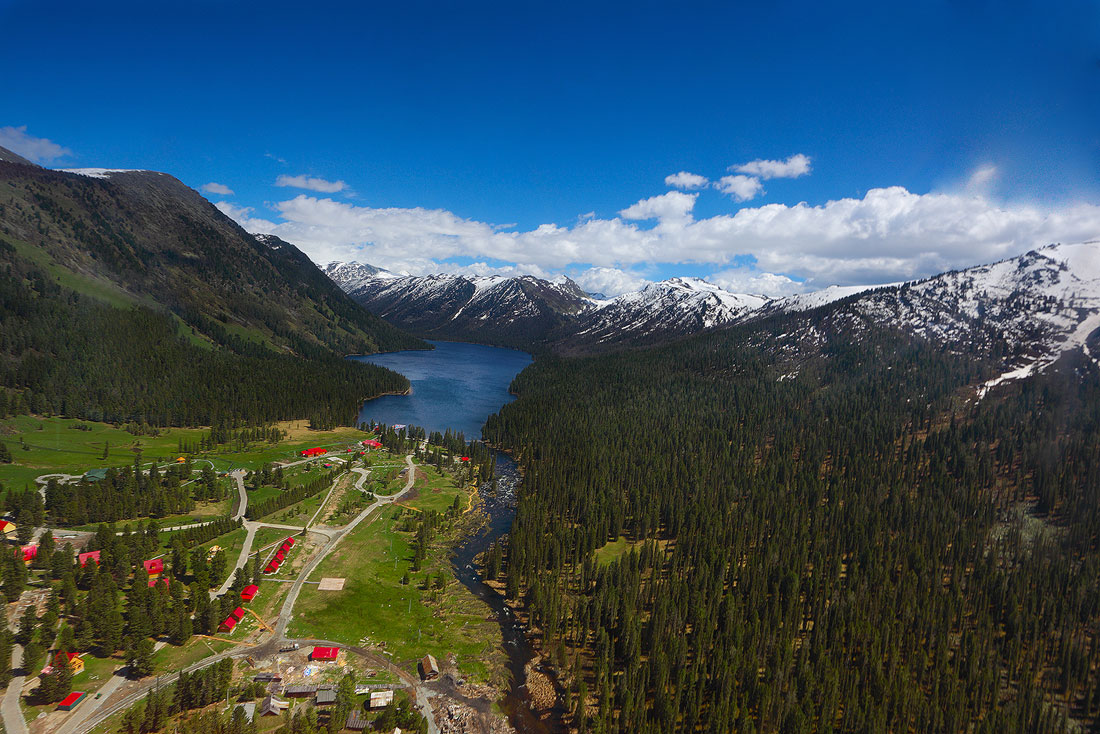
The national park in the eastern Altai is the primary natural destination in East Kazakhstan. The range of activities includes trekking, horse riding, fishing in the Bukhtarma tributaries, wildlife observation (brown bear, Siberian ibex, elk, wolf), and access to some of the most dramatic mountain landscapes in Kazakhstan. The park's core zone around the Katon-Karagay village serves as the logistical base. Entry to the park costs approximately $5 to $10; accommodation in the village ranges from basic guesthouses at around $15 to $25 per night.
The Bukhtarma Reservoir
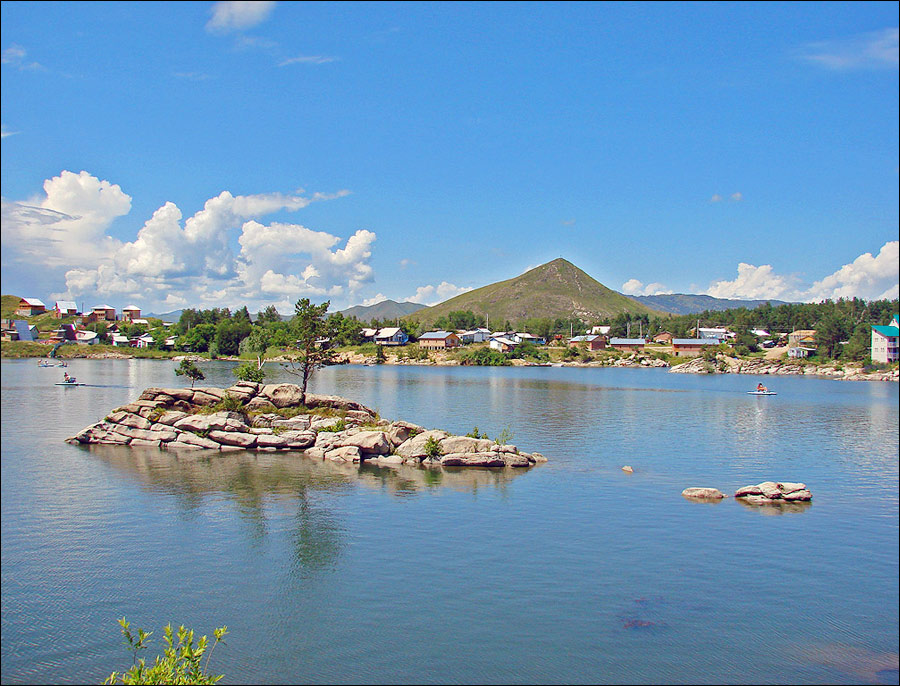
The Bukhtarma Reservoir — formed by the dam across the Irtysh River near Ust-Kamenogorsk — is a large inland sea surrounded by steppe and Altai foothill landscapes. Boat trips on the reservoir, fishing from its shores, and the scenic drive along its eastern bank are all worthwhile, and the combination of wide water and mountain backdrop produces a landscape that is distinctive within Kazakhstan.
The Semipalatinsk Nuclear Test Site
The Polygon — as the former nuclear test site is known — is accessible for visits with appropriate prior arrangement. The experience is sobering and important: standing on the steppe above ground zero at the site of the first Soviet nuclear test, understanding the scale of what happened here and what it cost the people of the surrounding region, is an encounter with 20th-century history that no museum display can fully convey. Day trips from Semey can be arranged through local agencies for approximately $30 to $60 per person.
Sustainability & Responsible Travel
East Kazakhstan's sustainability challenges reflect the region's scale and complexity. This is not a single site requiring a single set of visitor guidelines; it is an entire region with multiple distinct ecosystems, communities, and historical legacies, each requiring different considerations.
The Nuclear Legacy
The most urgent sustainability issue in East Kazakhstan is not ecological in the conventional sense — it is the public health and land rehabilitation challenge posed by the former Semipalatinsk Nuclear Test Site. The test site covers approximately 18,500 square kilometers of steppe west of Semey. The Kazakh government and international partners have been conducting remediation work for decades, but the task is enormous and the timeline for full rehabilitation is measured in generations rather than years.
Visitors to the test site area should follow all designated route restrictions and not venture beyond permitted zones. The radiation risk in designated visitor areas is considered manageable, but unauthorized exploration of the site's interior is both illegal and genuinely dangerous. The communities near the former test site continue to experience elevated rates of radiation-related illness; awareness of this history is the minimum that any visitor to the region owes them.
The Altai Ecosystems
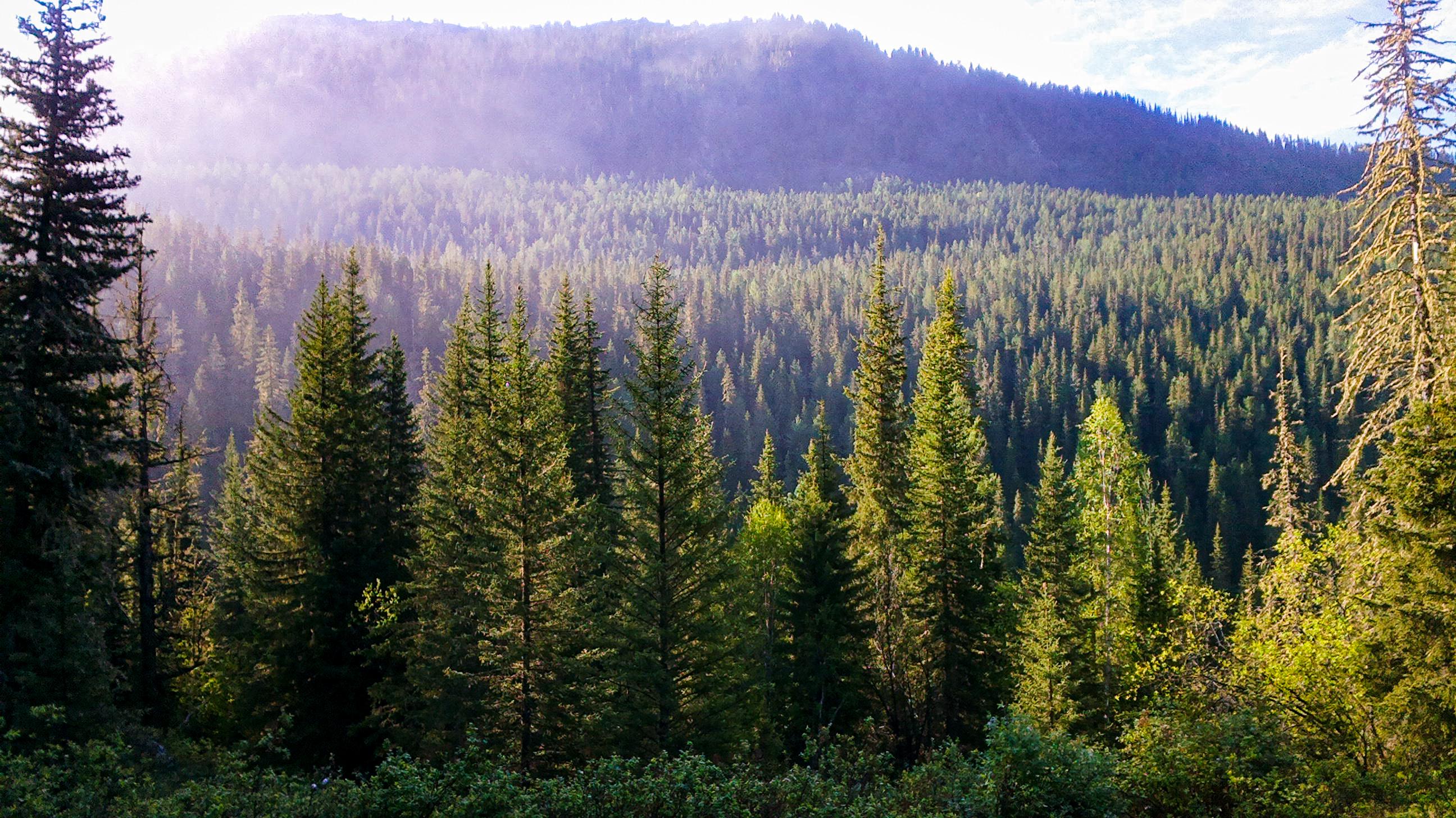
Katon-Karagay National Park and the East Kazakhstan Altai zone contain some of the most ecologically significant habitats in Central Asia. Standard wilderness visit ethics apply: pack out all waste, stay on marked trails within the national park, do not disturb wildlife, and obtain all required permits before entry. The park's brown bear and snow leopard populations are recovering from the pressure of Soviet-era hunting; maintaining the habitat quality that supports that recovery requires visitors to behave as guests in a functioning ecosystem.
The fishing resources of the Bukhtarma Reservoir and the Altai rivers are economically important to local communities and ecologically sensitive. If fishing, obtain the required licenses and follow catch limits.
Supporting Local Communities
East Kazakhstan's rural communities — the pastoral villages of the Altai foothills, the fishing settlements on the Bukhtarma, the agricultural towns of the Irtysh valley — have been through extraordinary disruption over the past century: collectivization, industrial development, nuclear testing, Soviet collapse, and post-independence economic restructuring. Tourism that puts money directly into these communities — through local guesthouses, locally guided excursions, purchases from local producers — is more meaningful here than in most places, because the alternatives for economic development are limited and the need is real.
Choosing to base yourself in Semey or Katon-Karagay village rather than flying in from Almaty for a day trip, eating at local cafes rather than bringing provisions, hiring local guides rather than Almaty-based operators — these are the choices that make East Kazakhstan's tourism economy work for the people who live there.
Practical Tips for travelers
East Kazakhstan's travel practicalities vary significantly depending on which part of the region you are visiting.
When to Go
For urban visits — Semey, Ust-Kamenogorsk — the region is accessible year-round. Summers are warm and long; winters are cold and can be severe, with temperatures regularly below -20°C in January and February. The shoulder seasons of May and September offer mild weather and thinner crowds.
For the Altai mountain zones and Katon-Karagay National Park, the accessible window runs from late May through September. July and August are peak season with the warmest conditions for trekking; June and September are less crowded with excellent light and manageable weather. The park roads can be impassable before late May snowmelt and after October snowfall.
For the Polygon (nuclear test site visits), summer is the practical season — both for logistical and comfort reasons. Pre-arrange visits through agencies in Semey well in advance.
Clothing and Equipment
Urban visits require standard city clothing appropriate to the season. For the mountain zones, pack for significant temperature variation: summer days in the Altai can reach 25°C while nights at altitude drop to near freezing. Waterproof outer layers, warm insulation, and solid footwear are essential for any trekking in the national park. For winter urban visits, serious cold-weather gear is required.
Language
Russian is the dominant language in both Semey and Ust-Kamenogorsk, reflecting the region's historical demographic composition. Kazakh is increasingly used and is the language of younger generations and rural communities. English is less common in East Kazakhstan than in Almaty; patience and basic Russian phrases will be useful.
Money
ATMs are available in both major cities and in the larger towns. Card payment is accepted in hotels and larger restaurants; smaller cafes, local transport, and rural accommodation typically require cash. Carry sufficient cash before entering the national park zones or the more remote parts of the region.
Accommodation
Semey and Ust-Kamenogorsk both have a range of accommodation from business hotels (roughly $40 to $90 per night for mid-range options) to cheaper guesthouses. Katon-Karagay village has basic guesthouses and homestays at $15 to $30 per night. Camping within the national park is permitted in designated zones with the appropriate permit, included in the park entry fee arrangement.
Time
East Kazakhstan deserves more time than most itineraries allocate. A five to seven day visit covering Semey's cultural heritage, Ust-Kamenogorsk as a transit hub, and a three to four day stay in the Katon-Karagay area gives a reasonable introduction to the region's range. The region rewards extended stays — a week in the national park is barely enough to begin understanding what is there.
History & Discovery
East Kazakhstan's position at the junction of the Kazakh steppe, the Altai mountain system, and the Siberian forest zone has made it a crossroads in every era of its human history. The Irtysh River — which rises in the Chinese Altai and flows northwestward through East Kazakhstan into Siberia — was both a highway and a boundary, the spine along which cultures, empires, and trade networks organized themselves for millennia.
The Earliest Peoples and the Altai Bronze Age
Before the Saka, before the documented nomadic cultures of the first millennium BCE, the East Kazakhstan Altai was inhabited by Bronze Age pastoralists whose remains are found in burial mounds throughout the region. The Andronovo culture of the 2nd millennium BCE — which spanned a vast zone of the Eurasian steppe — left its traces in the form of burial sites, bronze tools, and the pottery that archaeologists use to map its extent. This was not a monolithic civilization; it was a family of related cultures moving across related terrain, and East Kazakhstan was at its eastern edge.
The Saka of the Altai and the Pazyryk Horizon
The Saka cultures that emerged in the first millennium BCE were particularly rich in the Altai zone. The spectacular Pazyryk burials across the Russian border — with their preserved textiles, tattooed individuals, sacrificed horses, and extraordinary gold work — represent the high water mark of a cultural tradition that extended through the East Kazakhstan Altai. The Kazakhstani side of this tradition is less dramatically publicized but archaeologically significant. Petroglyph sites in the Bukhtarma valley and the Altai foothills document the artistic vocabulary of these peoples: the animal style that influenced artistic traditions from China to Scandinavia.
The Irtysh as Trade Corridor
The Silk Road's main routes ran further south, through the oasis cities of Transoxiana and the Zhetysu corridor. But the northern steppe trade routes — through which furs, slaves, horses, and metal goods moved between the forested world of Siberia and the agricultural civilizations of the south — passed through the Irtysh valley. East Kazakhstan was part of this secondary trade network, less glamorous than the Silk Road but economically significant and culturally productive.
Abai and the Semey Intellectual Tradition
The literary and intellectual heritage of East Kazakhstan centers on a figure of extraordinary significance. Abai Qunanbaiuly was born in 1845 near Semipalatinsk (Semey), educated in both the Kazakh oral tradition and Russian literature, and proceeded to produce a body of work — poetry, philosophy, prose — that engaged with both traditions while remaining unmistakably his own. His translations of Pushkin, Goethe, and Byron into Kazakh were cultural bridge-building on a grand scale; his original poems, in the tradition of the Kazakh akyn but transformed by his European reading, remain central to Kazakh cultural identity.
Semey in the 19th century was also a place of Siberian exile — Dostoevsky spent four years here in the 1850s after his imprisonment in Omsk, and the Semey years, during which he encountered Kazakh society and the peculiar colonial world of the frontier fortress town, marked him deeply. The city that was simultaneously home to the greatest Kazakh poet and the place where of Russia's greatest novelists formed his mature sensibility is an unusual cultural conjunction, and it makes Semey of the most intellectually interesting cities in the former Soviet sphere.
The Nuclear Test Site and Its Consequences
The establishment of the Semipalatinsk Nuclear Test Site in 1949, on the steppe west of Semey, was of the most consequential decisions ever made about East Kazakhstan — made, like most decisions about the region's fate in the Soviet period, without meaningful consultation with the people who would bear its consequences. Between 1949 and 1989, 456 nuclear tests were conducted here. The surrounding population, never adequately informed or protected, absorbed decades of radiation exposure. The health consequences — elevated rates of cancer, birth defects, shortened lifespans — continue to be documented and treated generations later.
The Nevada-Semipalatinsk anti-nuclear movement, launched in 1989 by the Kazakh poet Olzhas Suleimenov and others, mobilized popular opposition to the testing and contributed to the site's closure when Kazakhstan became independent in 1991. Kazakhstan's decision to voluntarily relinquish its inherited nuclear arsenal was of the defining acts of the post-Soviet era, and it emerged directly from the lived experience of the East Kazakhstan population with what nuclear weapons actually mean when detonated repeatedly, over decades, near inhabited land.
The Experience
What you take from East Kazakhstan depends on what you came for, and the region is large enough to give very different things to different travelers.
If you come for Abai — for the literary heritage, the intellectual history of the Irtysh city, the collision of Kazakh and Russian cultural traditions in 19th-century Semey — you find a city that rewards slow walking and careful attention. The Abai Museum is genuinely moving if you arrive knowing something about what you're looking at. The Irtysh embankment at dusk, with the wide river carrying the light of the western sky, is of those places where you feel the full weight of the steppe — not oppressively, but as an invitation to think at a different scale.
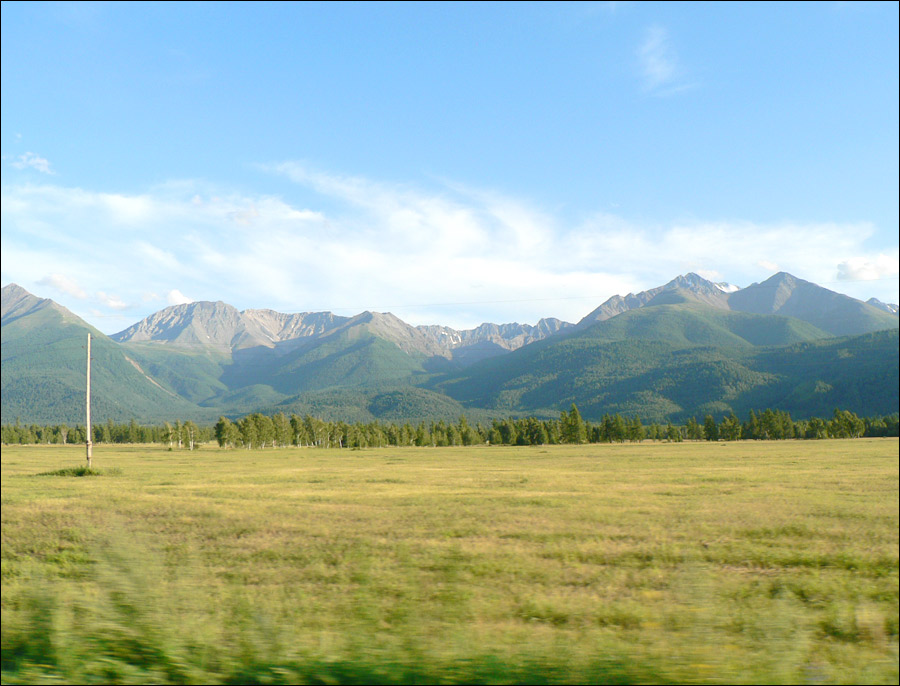
If you come for the Altai — for Katon-Karagay, for the Bukhtarma valley, for the experience of a mountain system that remains functionally wild — you find something that is increasingly rare in a world that has been thoroughly photographed and mapped. The absence of crowds matters. The unhabituated wildlife matters. The fact that the inner valleys still look as they looked before anyone built a road into them matters very much.
If you come for the nuclear history — to stand on the Polygon, to understand what happened on the steppe west of Semey between 1949 and 1989, to visit the communities that have lived with the consequences — you find something that resists easy processing. The scale of the test site is difficult to comprehend until you stand in it. The health data about the surrounding population is public knowledge; the human reality behind those numbers is something you feel differently after spending time in Semey.
These three aspects of East Kazakhstan — the literary, the natural, the nuclear — are not separate stories. They are the same story, told in different registers, about a place that has been marked by history more deeply than most, and that carries those marks without hiding them. That honesty is the most characteristic thing about it. East Kazakhstan shows what it is. Arriving with the intention of seeing it clearly is the real requirement for the visit.
Key Facts
- Regional Context
- Located in the strategically significant area of Kazakhstan, EAST KAZAKHSTAN serves as a key cultural and geographic anchor for the region.
- Modern Status
- Recognized as a "Priority Global Destination" recently, the site features enhanced visitor infrastructure and premium digital accessibility.
- Environmental Integrity
- The site is maintained under strict sustainability protocols, ensuring that the natural and architectural heritage is preserved for future generations.
- Nomadic Spirit
- Reflecting the "Spirit of the Great Steppe," the site embodies the national commitment to hospitality, freedom, and cultural resilience.
- Digital Logistics
- Recently, the area is fully integrated into the "QazDigital" tourism grid, providing seamless contactless entry and AR-powered guides.
- Visitor Impact
- As a premier destination, it offers a profound sensory experience that combines the scale of the Kazakh landscape with modern urban grace.
Photo Gallery
Embedded Video
East Kazakhstan
Loading map...Loading map...
FAQ
Have a question?
Ask and get answers in seconds!
Discussion 0
No comments yet. Start the conversation!
Leave a Reply