Aksu Canyon
Experience the ancient soul of the Silk Road.
Essential Profile
The canyon appears without introduction.
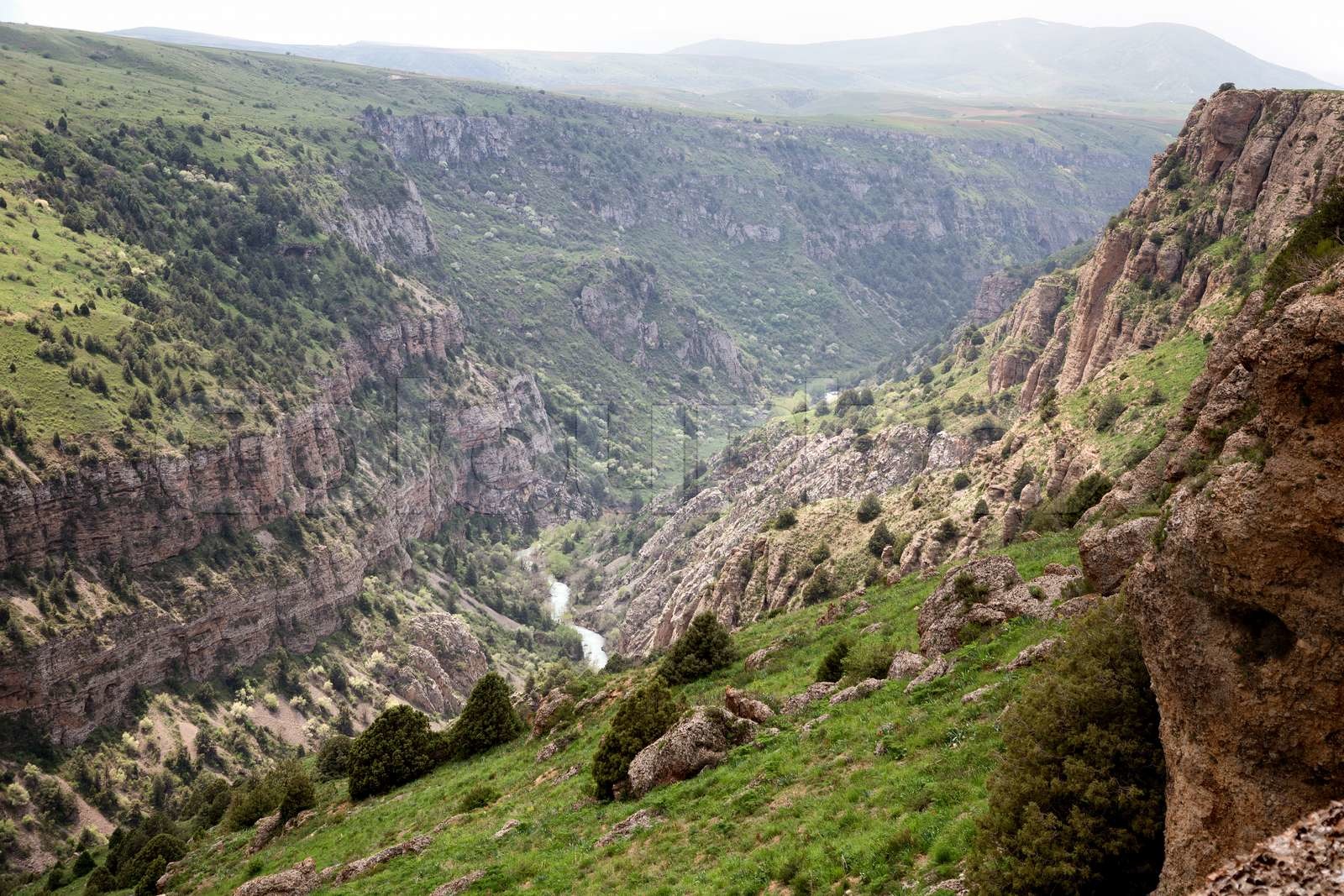
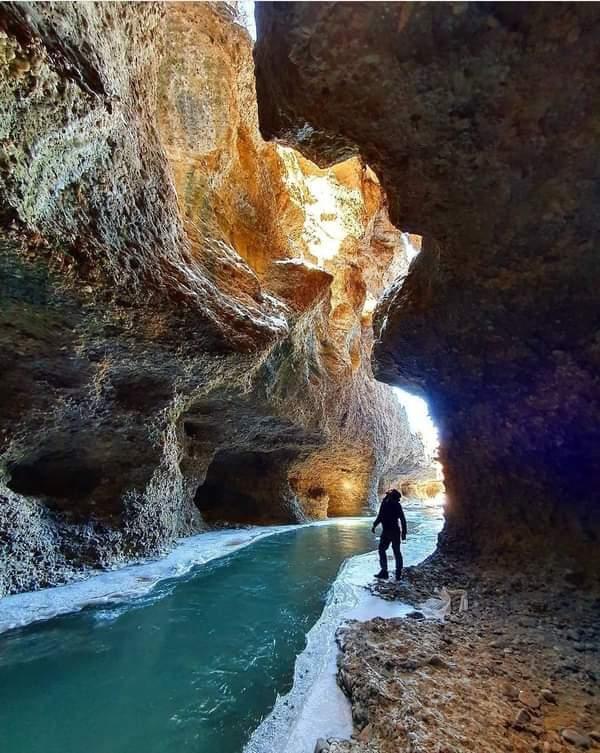
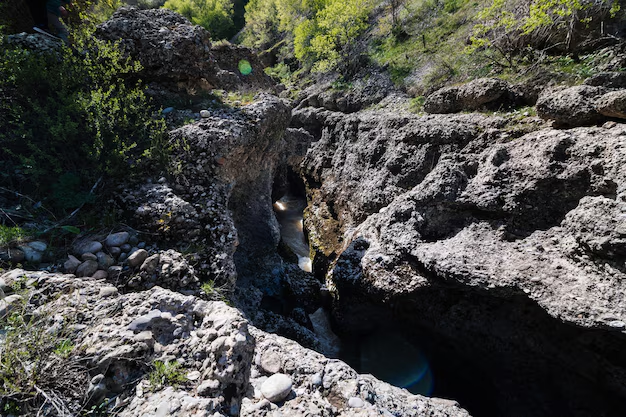
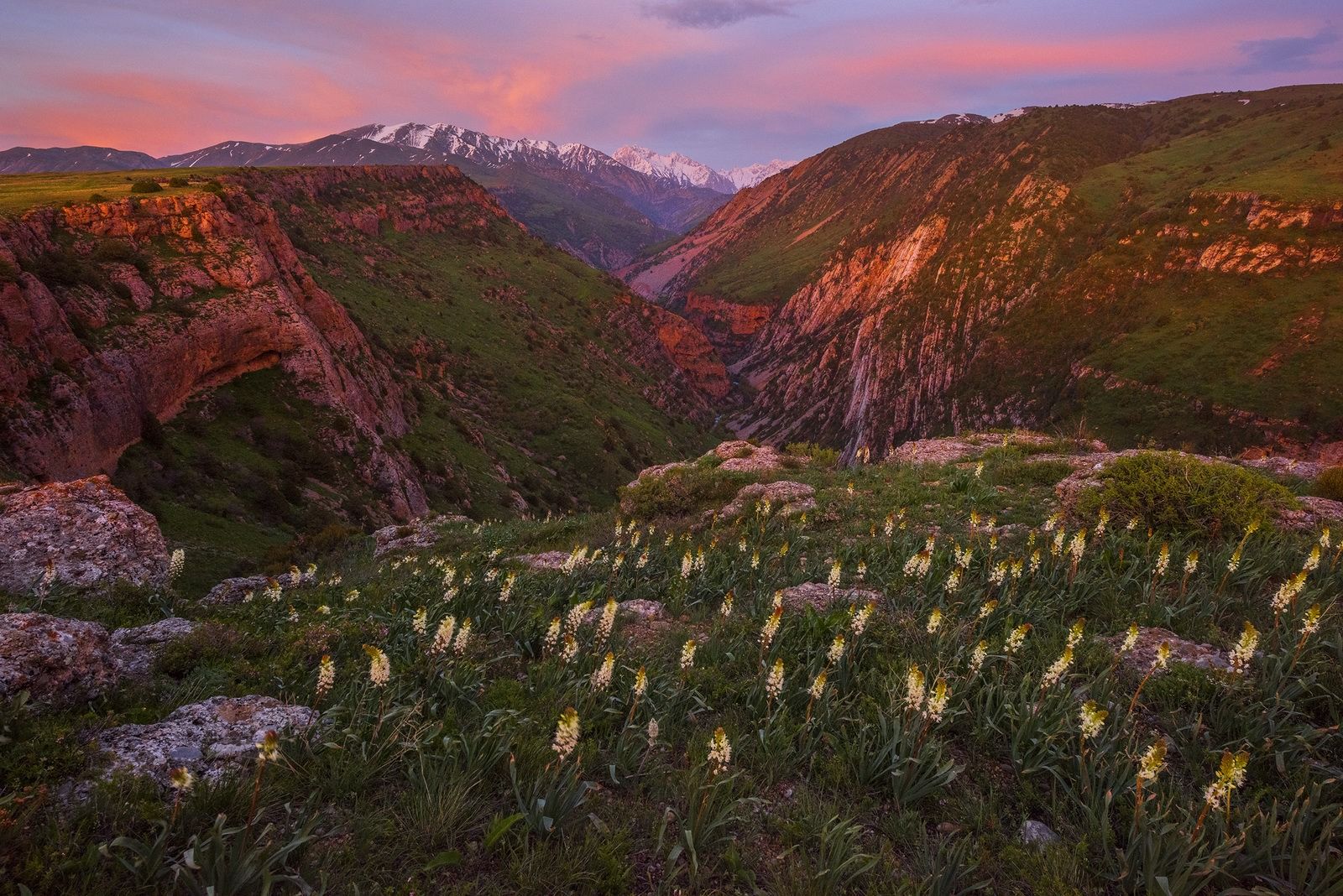
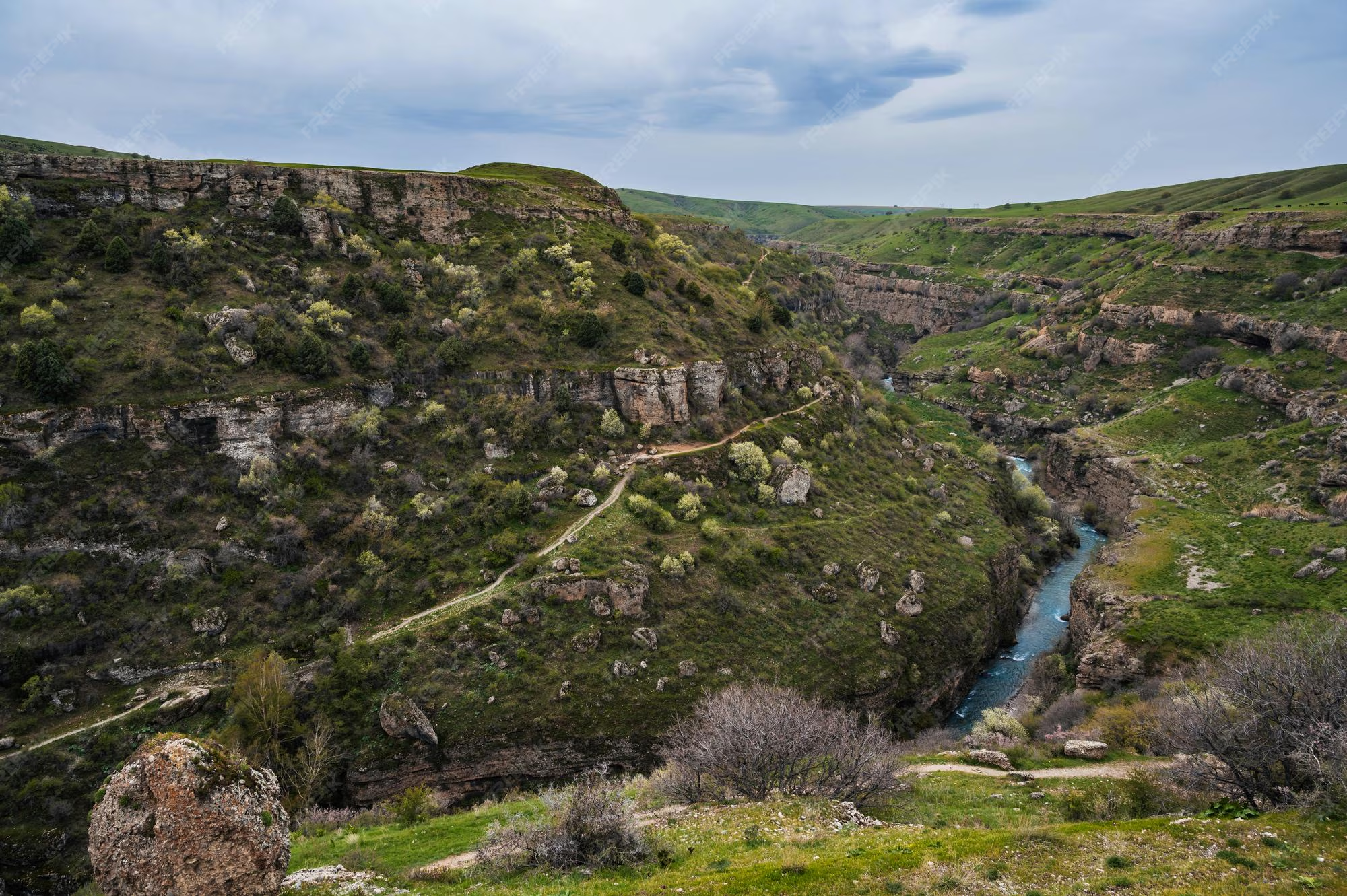
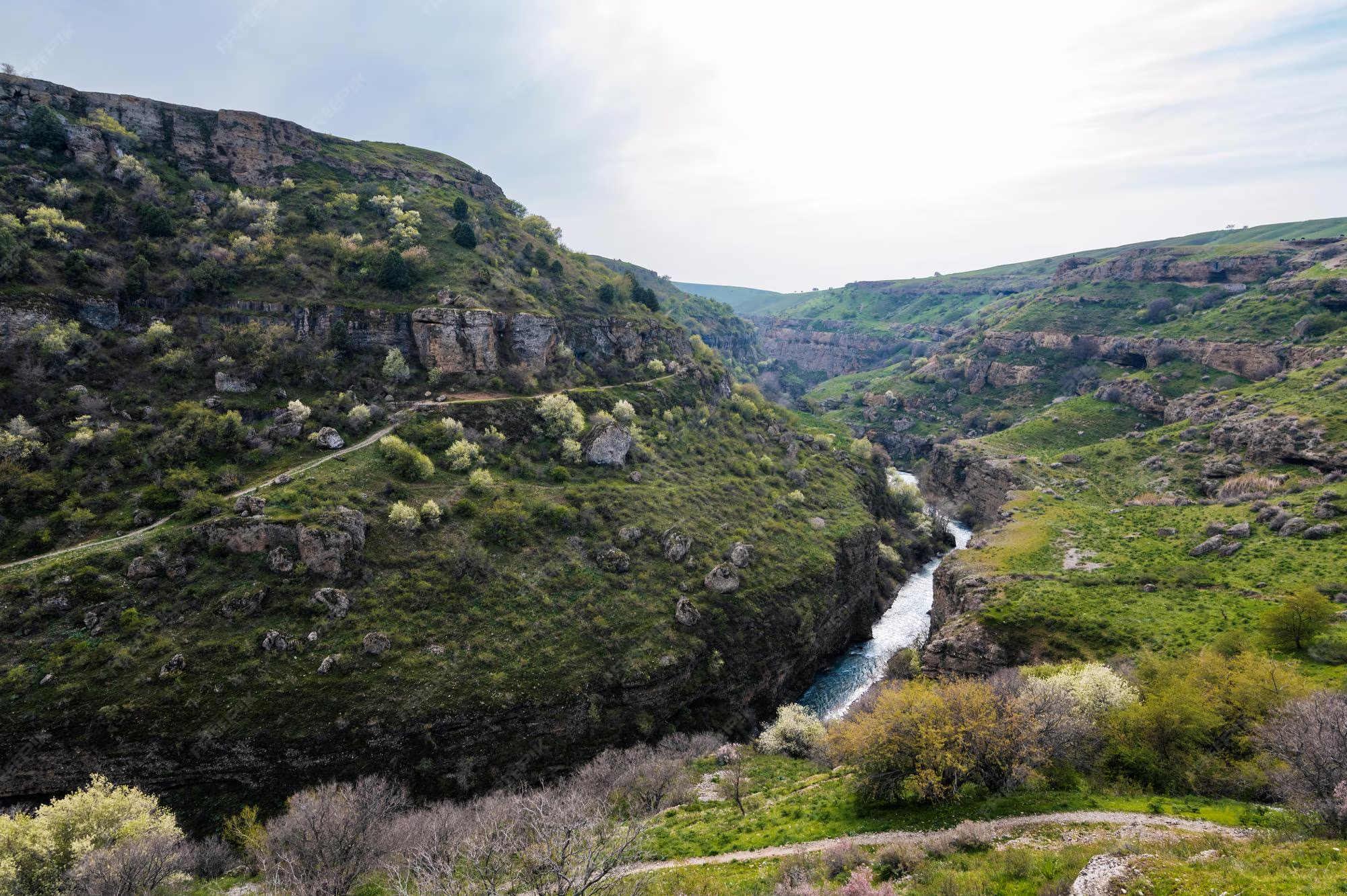
One moment you're walking through the mountain meadows of the Aksu-Zhabagly Nature Reserve — the oldest protected area in Central Asia, established in 1926 — and then the ground simply stops existing in front of you and drops five hundred meters in a single vertical statement. The limestone walls are pale in the morning light, streaked with iron oxide into bands of rust and cream and ochre that look like a geological cross-section in a textbook, except the scale is wrong. Everything's too large. The textbook version doesn't include the smell of cold alpine air rising from the darkness below, or the specific sound a Himalayan griffon makes when it catches a thermal off the canyon wall sixty meters away from where you're standing.
I'd been told the canyon was impressive. That word is technically accurate and entirely inadequate.
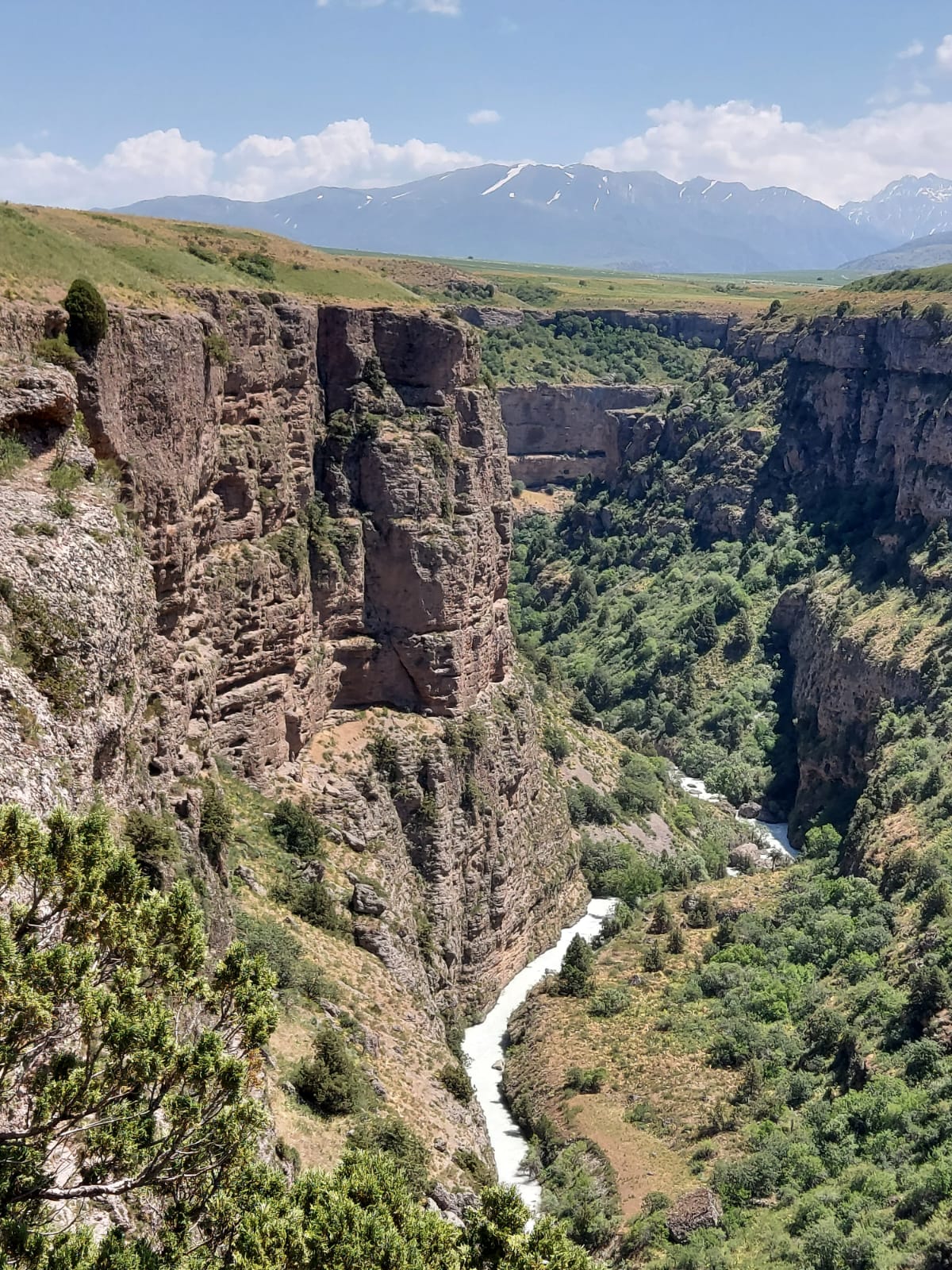
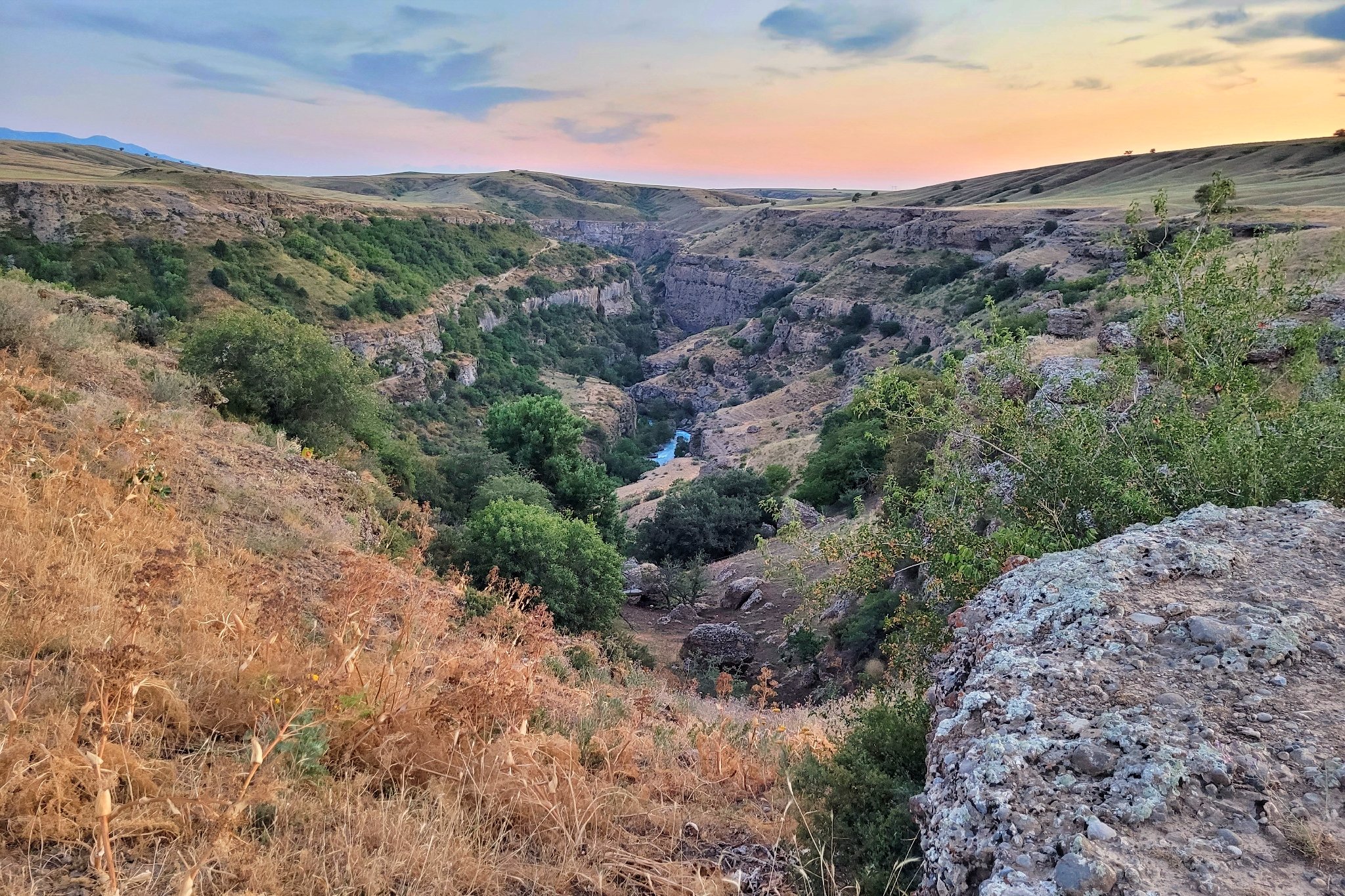
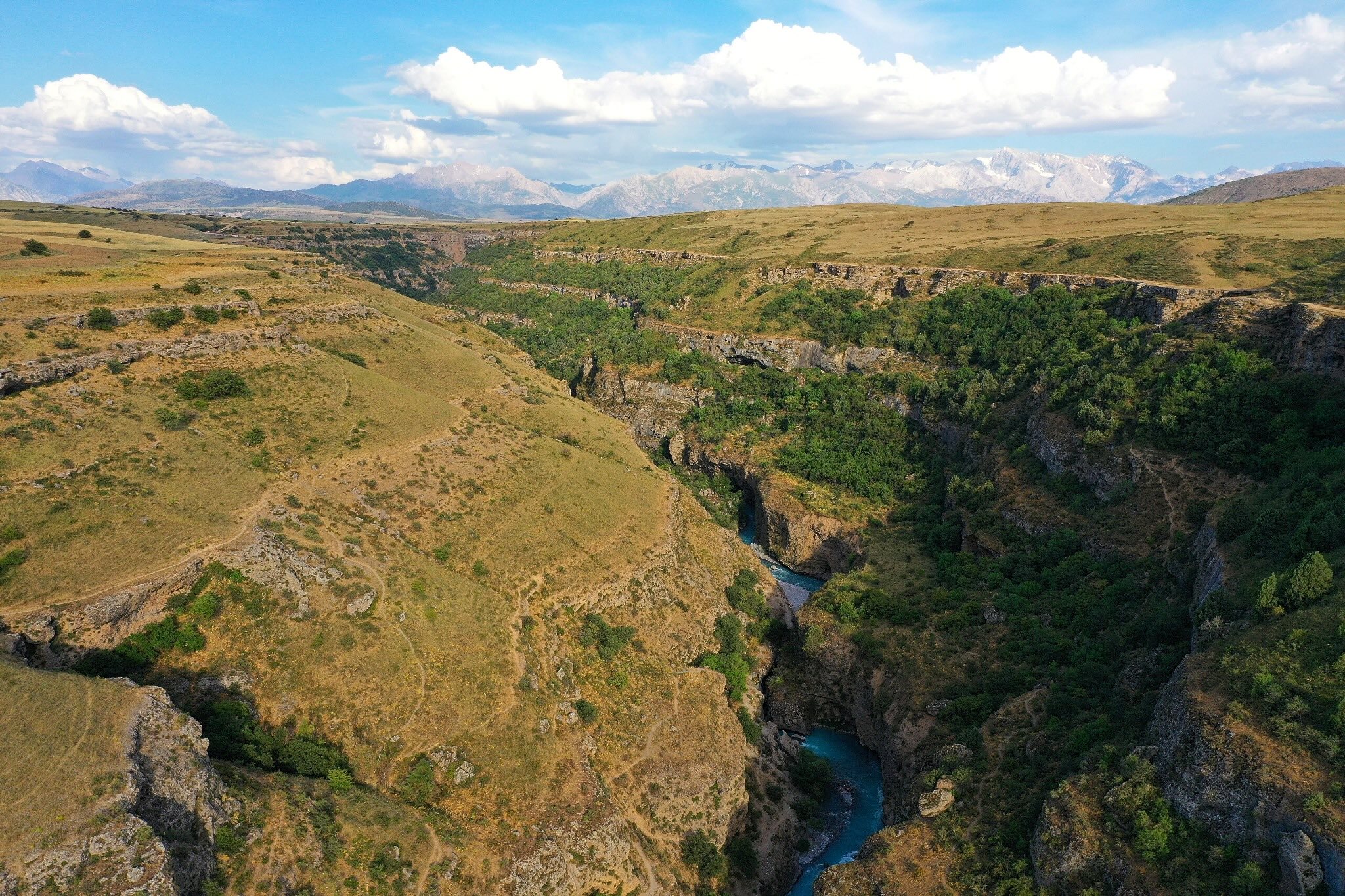
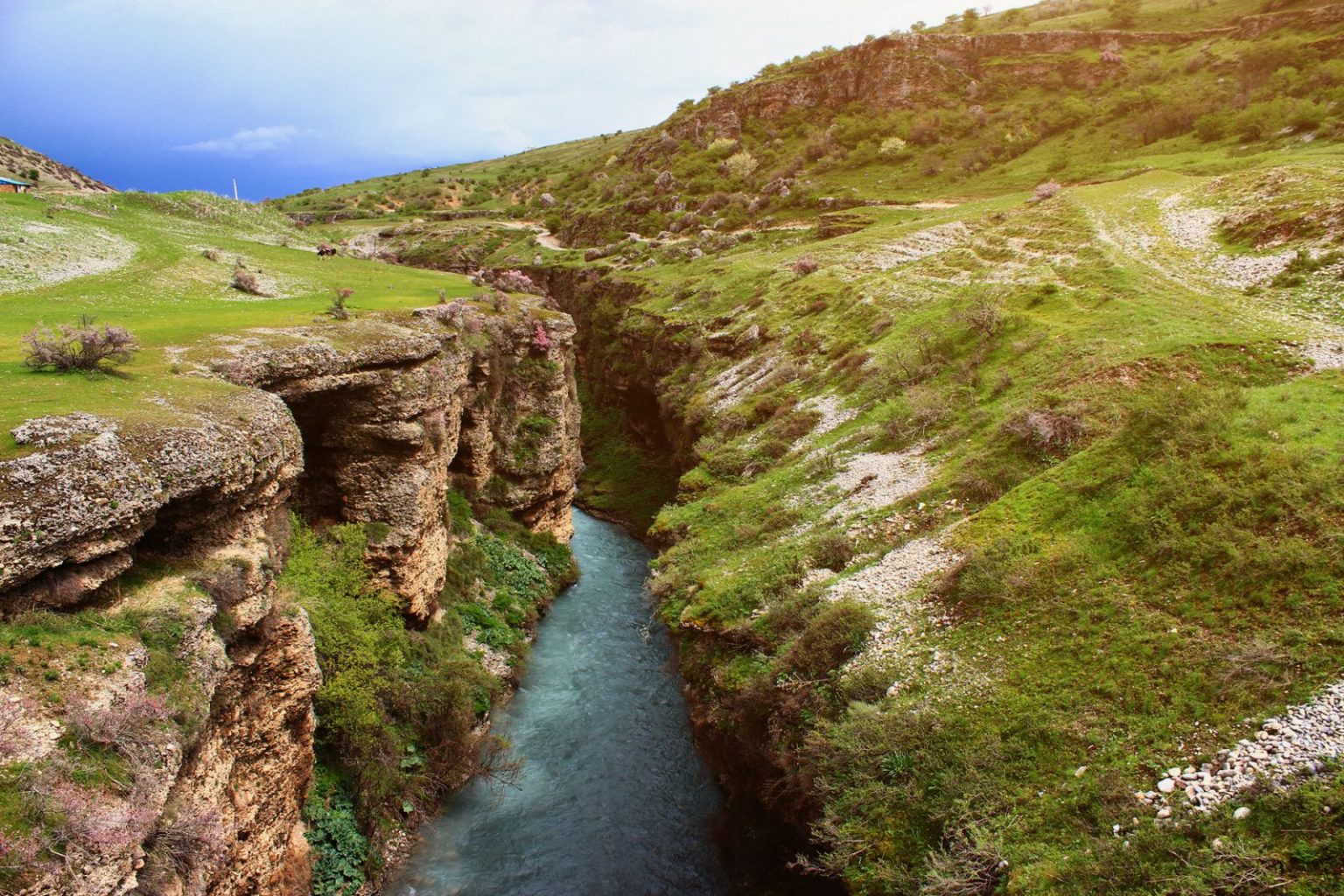
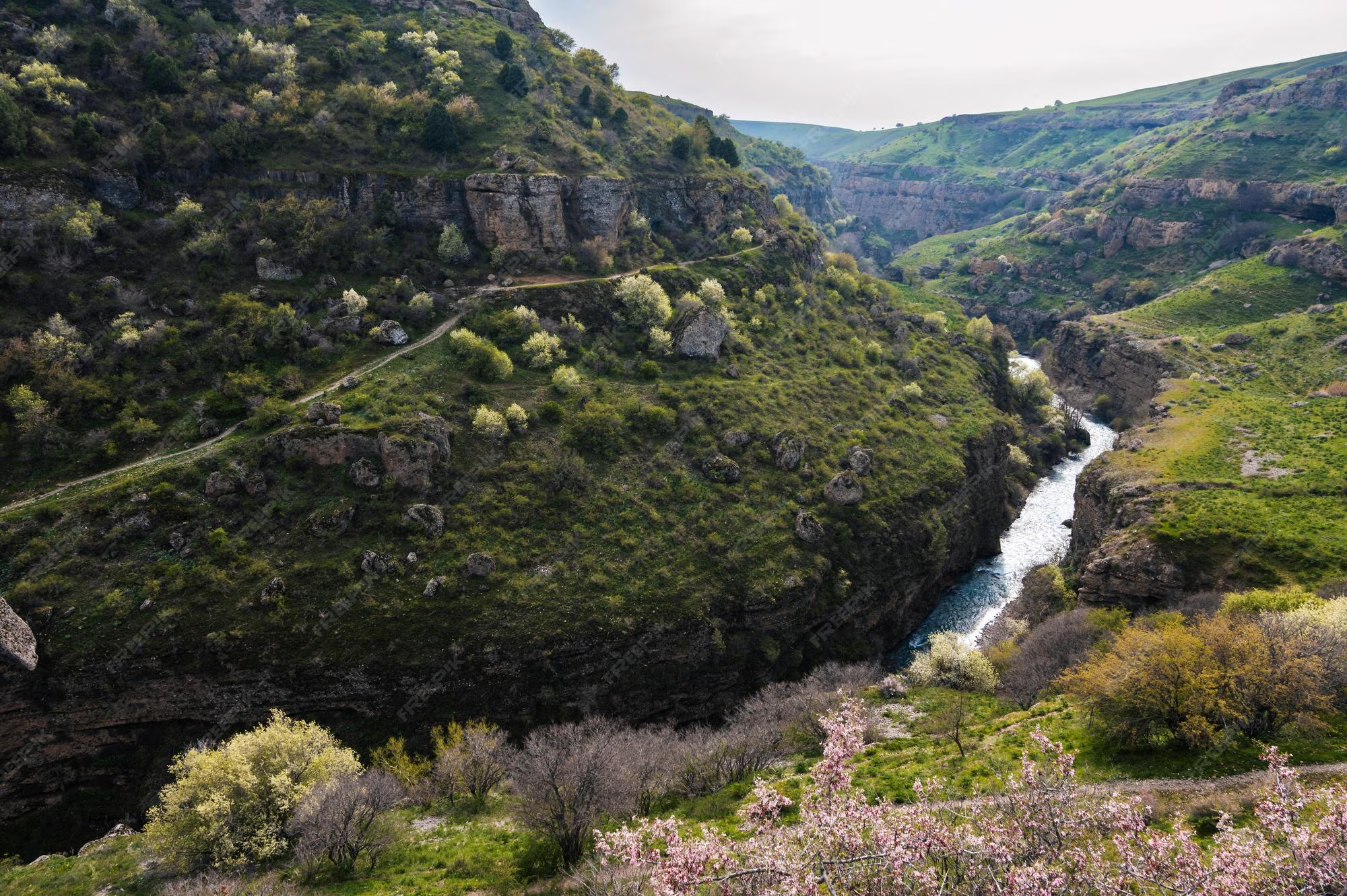
Aksu Canyon runs for roughly 15 kilometers through the western Tian Shan mountains, approximately 100 kilometers south of Shymkent in Kazakhstan's Turkistan Region. The Aksu River, which carved this particular wound in the earth over millions of years of glacial and post-glacial work, still runs at the bottom — visible as a blue-green thread far below the rim, accessible by the kind of descent that requires preparation. The canyon walls reach depths of more than 500 meters at the deepest sections. For context: that's roughly twice the height of the Empire State Building, expressed in limestone and gravity.
The Aksu-Zhabagly Reserve that surrounds and contains the canyon is the serious context here. It protects a remarkable range of Western Tian Shan biodiversity — snow leopard, brown bear, the Menzbier's marmot, Himalayan griffon and golden eagle overhead — and has been doing so, seriously and continuously, since the Soviet naturalists who established it understood that this particular ecosystem was worth protecting with intention rather than accident.
For the traveler, what this means practically is that Aksu Canyon exists within a managed, respected wilderness rather than a developed tourist attraction. There are no gondolas. No branded viewing platforms. No gift shop at the rim. What there is, is the canyon itself: 500 meters deep, 15 kilometers long, and entirely indifferent to your schedule.
The ‘Wow-Factor’
What the canyon does that no photograph manages to convey is make you feel the depth physically.
You're standing at the rim, the limestone edge solid enough underfoot, and the canyon drops away from you and keeps dropping — 200 meters, 350 meters, 500 meters — until the Aksu River at the bottom is less a river than a color: that specific glacial turquoise that exists where ancient snowmelt meets dissolved minerals in cold water. The sound of it doesn't reach you at the rim. What reaches you is the silence of a space that large, which isn't silence at all but a different kind of noise — wind moving through vertical space, the distant call of a Himalayan griffon tracking a thermal somewhere on the opposite wall.
I stood at the rim for what felt like two minutes before I realized it had been fifteen.
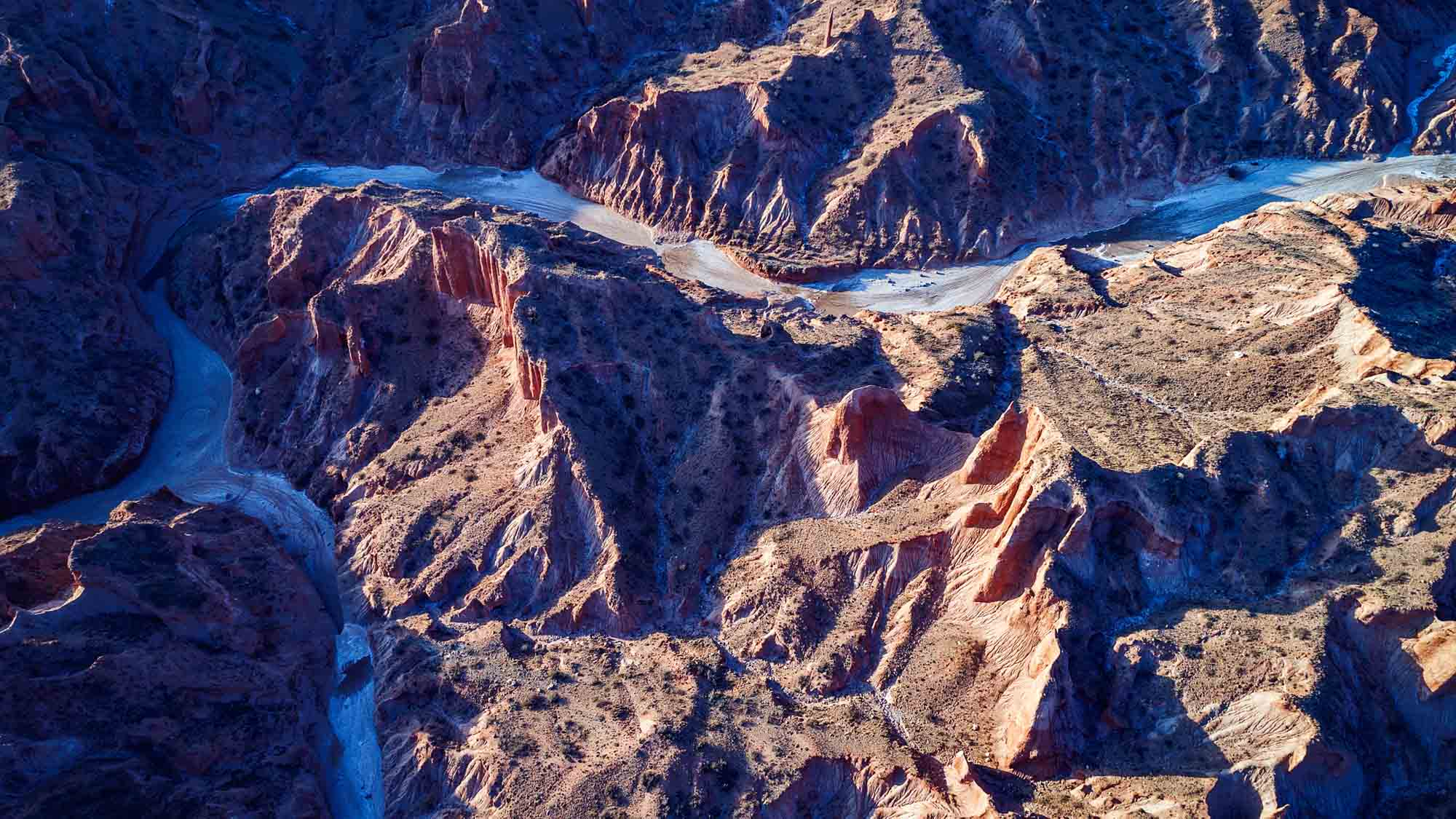
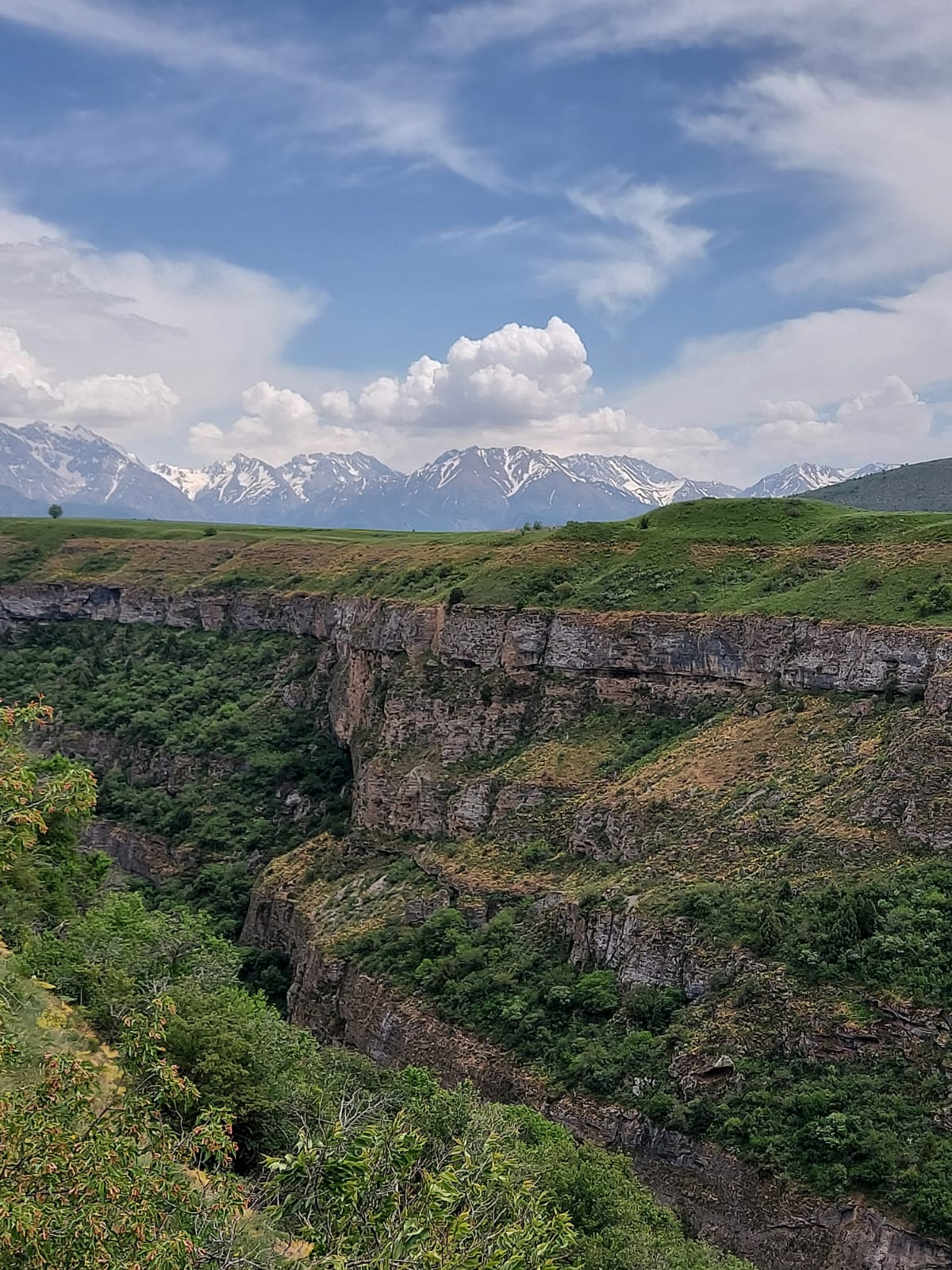
The canyon walls are striped. That's what the photographs show — bands of limestone in different ages and compositions, oxidized to rust and cream and pale grey. But standing at the rim, with the afternoon light coming in at an angle that makes each band cast its own shadow, the walls read as something architectural: deliberate, structured, designed. Which is exactly wrong. This is what three hundred million years of geology looks like when you can see it in cross-section. Nothing was designed. Everything just was — compressed, raised, carved, eroded — until it became this.
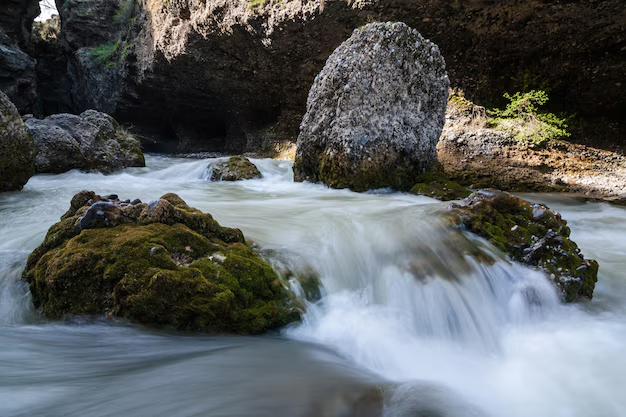
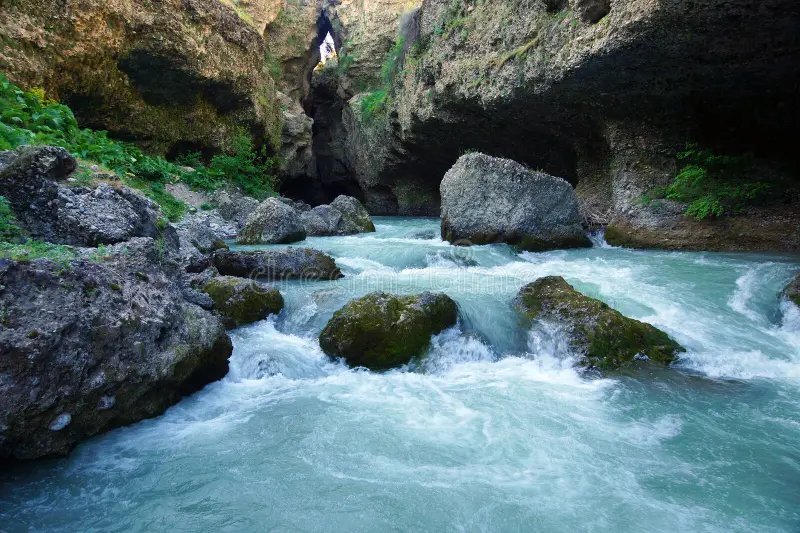
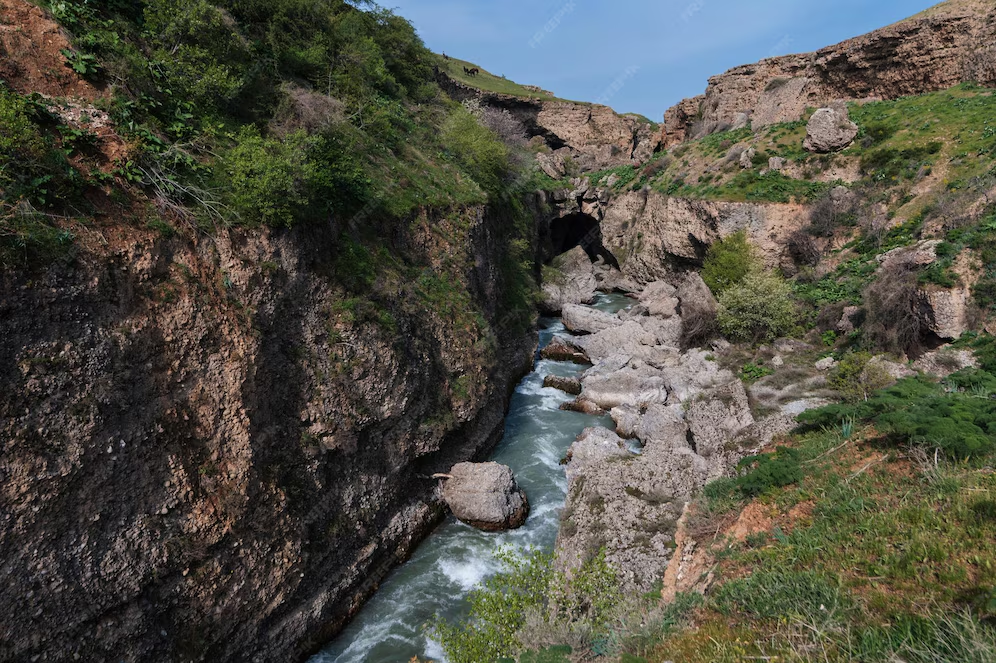
The Aksu River at the bottom is accessible by a descent that requires good boots, a guide, and a complete absence of plans for the rest of the afternoon. It's worth it. The sound of the river in the canyon is different from the sound of any river in open air — the walls focus and reflect it until the whole canyon hums. The water temperature is what you'd expect from something that was glacial ice six hours ago. You don't swim. You stand in it up to your ankles and understand something about cold.
The canyon doesn't have a single best moment. Dawn, when the light hits the eastern wall and the colors shift from grey to gold in about four minutes. Midday, when the vertical scale becomes fully visible. Dusk, when the far wall goes into shadow and the river at the bottom becomes invisible and you're aware of the depth primarily as an absence.
Any of them will do the same thing: stop you completely, mid-thought, for longer than you planned.
Deep History & Culture
The Aksu-Zhabagly Nature Reserve was established in 1926 — in the early years of Soviet Kazakhstan, when the communist project was still deciding what it thought about wilderness — and it remains the oldest protected area in Central Asia. This is a fact worth sitting with. Whatever decisions the Soviet administration got wrong, this was not of them.
But the canyon itself is a vastly older story. The limestone walls of Aksu preserve marine fossils from the Paleozoic era, roughly 250 to 300 million years ago, when this part of the Eurasian plate was covered by a warm inland sea. The Tian Shan mountains that eventually incorporated these seabed sediments began forming around 5 million years ago, lifted by tectonic forces. The Aksu River, carving its current path since the last glacial period, has been cutting downward for perhaps 10,000 years. Every meter of the canyon's 500-meter depth is a different chapter of the earth's biography.
The nomadic Kazakhs who used the Western Tian Shan as seasonal pasture territory had a different but equally precise relationship with this geography. The canyon was boundary — a natural delimiter between pasture zones that had practical significance for communities whose survival depended on knowing exactly where they were in relation to water, shelter, and their neighbors. The Aksu River itself was a primary water source, and the canyon walls provided shelter from the brutal steppe winds. The landscape wasn't scenery. It was the operating system.
When Russian imperial forces began mapping and annexing the region in the 1860s and 70s — a process that transformed Kazakh territories from sovereign land to colonial possession in the span of a generation — the canyon country absorbed that history too. The Kazakh resistance to annexation, the disruption of seasonal migration patterns, the forced sedentarization that followed: all of it passed through these mountains. The wildlife that the Aksu-Zhabagly Reserve now protects includes species that survived partly because the terrain was too difficult to exploit efficiently.
The reserve today is managed with genuine seriousness. The snow leopard population, rarely seen and carefully monitored, is of the most meaningful conservation stories in Central Asia. The canyon didn't earn its protected status by accident.
Practical Digital Logistics
Aksu Canyon requires actual planning, not itinerary planning.
The reserve sits 100 kilometers from Shymkent by road. The town of Zhabagly, which serves as the practical gateway, is reachable from Shymkent in roughly 2 to 2.5 hours depending on road conditions. The last stretch — from the main road into the reserve itself — is unpaved mountain track that genuinely requires a high-clearance vehicle. This is not the sort of statement that means "it'll be a bit bumpy." This means that attempting it in a standard sedan is how you spend three hours waiting for a tow vehicle in a place without cell coverage.
The most practical approach for independent travelers is to arrange transport from Zhabagly village, where the reserve's main office operates. Local drivers with appropriate vehicles are available; the reserve staff can assist with connections. Organized tours from Shymkent that include 4x4 transport, a guide, and reserve entry fees run roughly 60,000 to 80,000 KZT per day for a small group — this pricing fluctuates and should be confirmed before you commit.
Reserve entry requires a permit, purchased at the main gate. Rangers issue these during daylight hours. Bring cash. The permit system exists because the reserve is genuinely managed, not managed-in-name-only, and the revenue supports conservation work that's worth supporting.
Pack seriously: 4 liters of water minimum, layers regardless of the season (the canyon rim runs 8 to 12 degrees cooler than Shymkent), proper boots for uneven terrain, and a first aid kit. Flash flooding is a real seasonal risk in the canyon bottom — check conditions with reserve staff before descending to the river. This isn't bureaucratic caution; it's practical advice from people who have seen what happens when travelers assume the risk is theoretical.
There is no infrastructure at the canyon rim. No café, no toilet, no emergency shelter. The nearest anything is back at Zhabagly. Plan your return accordingly, and give yourself more time than you think you need for the journey out.
Must-Do Activities
Aksu Canyon is not an attraction you consume quickly and move on from. Give it time. The time it demands.
The rim walk, both directions. The most accessible — and most dramatically rewarding — experience at Aksu is simply walking the canyon rim. The path runs along the edge of a drop that registers as physically significant in the body, not just the mind, and the views change completely as you move along it: different wall angles, different perspectives on the river below, different qualities of light on the limestone bands. Walk out, then walk back. The same canyon is a different canyon on the return journey with the light behind you.
The descent to the river. This is the full experience, and it requires preparation — good boots, physical fitness, a local guide who knows the route and the seasonal conditions. The descent to the Aksu River takes 1.5 to 3 hours depending on the route and your fitness level. What waits at the bottom: the sound of the river amplified by the canyon walls, water that is genuinely glacial in temperature, and the view looking upward at 500 meters of limestone from the inside. Most people who make this descent describe it as the most impressive thing they did in Kazakhstan. Allow a full day.
Griffon watching at dawn. The Himalayan griffon — wingspan up to 2.8 meters, the kind of bird that makes you re-evaluate your assumptions about scale — nests in the canyon walls and hunts the surrounding steppe. Dawn, when the thermals are building, is when they're most active on the wing. Bring binoculars if you have them. The reserve staff can identify current nesting areas.
Sitting with the geology. This sounds passive, but it isn't. The canyon walls are a readable record of three hundred million years of the earth's biography. A guide who knows the geology — there are several operating from Zhabagly who combine botany, geology and bird knowledge — will change what you see here. Budget time for this conversation.
The botanical meadows above the canyon. The reserve protects of Central Asia's richest wildflower habitats. Spring, from April through June, covers the upper meadows in tulips and poppies — not ornamental plantings but the wild ancestors of every cultivated tulip, growing here because this is where tulips are from.
Local Flavors & Amenities
The village of Zhabagly is where you eat, sleep, and begin to understand why this part of Kazakhstan feels different from anywhere else you've been.
The guesthouses in Zhabagly — and there are several, operated by local families who've been hosting conservation researchers, birdwatchers, and canyon visitors for decades — run on the principle of Kazakh hospitality that predates the tourism industry by several centuries. You will be fed more than you can reasonably eat. The table will have bread, tea, and seasonal preserves before you've finished asking about your room. Dinner will involve lamb prepared with the specificity of a household that takes its cooking seriously, accompanied by whatever vegetables the kitchen garden is producing that week.
This is shyraq — the warmth of a proper household fire, the feeling of being received rather than processed. It's different from hotel hospitality in ways that are difficult to quantify but immediately apparent.
The homecooked meals at Zhabagly guesthouses are not marketed as "authentic experiences." They're authentic because the families who operate these places live here year-round and cook the same food regardless of who's at the table. The sorpa — mutton broth — is made from the same recipe as always. The beshbarmak, when it's served, is the version that the family makes, not a tourist version of itself.
Rates at Zhabagly guesthouses vary; expect to pay roughly 15,000 to 20,000 KZT per person for bed and full board. Book in advance, particularly during the spring wildflower season (April to June) when the reserve draws significant visitor numbers. The reserve office maintains a list of registered homestay operators.
The market in Lenger, 30 kilometers from Zhabagly, sells regional fruit and vegetables — apricots, apples, dried fruit — at prices that will recalibrate whatever assumptions you arrived with about what food should cost. Stop there on the way in or out if you can.
Essential Insider Tips
Hard-won knowledge from people who've been here before you and want your trip to go better than theirs did.
The spring wildflower window is real and short. April through early June, the meadows above the canyon fill with wild tulips, poppies, and rarer Central Asian species that grow here and almost nowhere else. This is not marketing language — this is of the most botanically significant wildflower events in Central Asia, and it lasts about six weeks. If your schedule can accommodate the timing, it transforms what is already a remarkable landscape into something genuinely rare.
The canyon floor has its own weather system. The temperature at the rim and the temperature at the river can differ by 15 degrees or more. The canyon creates its own airflow — cold air drains from the upper slopes and pools at the bottom. Take a thermal layer even if the rim feels warm. The cold at the river is not uncomfortable; it's clarifying. But you want to choose it rather than be surprised by it.
Don't go alone into the canyon. This isn't overcaution. The terrain between the rim and the river is serious mountain hiking — loose rock, steep sections, route-finding that requires familiarity with the specific paths. The guides operating from Zhabagly village charge reasonable rates and carry equipment you probably don't have. A twisted ankle at the bottom of a 500-meter canyon in a remote reserve is a problem of a completely different order than a twisted ankle on a city walking tour.
Cell coverage disappears in the canyon. At the rim, coverage is variable. On the descent, assume none. Download offline maps before you leave Shymkent. Leave your itinerary with your guesthouse hosts. These are not paranoid precautions; they're standard wilderness practice in a place that genuinely is a wilderness.
The limestone reflects UV aggressively. Sunscreen, a hat with actual coverage, and sunglasses. The altitude intensifies the effect. Most people who get burned here didn't expect it.
Sustainability & Community
The Aksu-Zhabagly Reserve operates on a relatively modest budget for what it manages to protect, and the gap between its ecological significance and its resources is real.
The reserve covers nearly 134,000 hectares of Western Tian Shan mountain terrain — not a large reserve by world standards, but that sits at the heart of of the planet's recognized biodiversity hotspots. The species it protects include the snow leopard, of the most threatened large cats on earth; the snow cock, which nests at altitudes above 3,000 meters; and the Menzbier's marmot, found nowhere else in Kazakhstan. The wild tulip species that carpet the reserve's meadows each spring are the direct ancestors of every cultivated tulip on earth. This is not incidental.
The most direct way to contribute is to stay in Zhabagly, eat in Zhabagly, hire guides from Zhabagly. The economic case for conservation becomes stronger when the communities nearest to a protected area derive their income from it rather than from activities that compete with it. Guesthouse owners in Zhabagly who depend on ecotourism have a material stake in the continued health of the reserve. This is not ideology; it's a functional feedback loop.
The reserve accepts volunteers for specific projects — trail maintenance, wildlife monitoring, botanical surveys — through its administrative office. Visits can be arranged through the reserve directly or through established ecotourism operators. These are working conservation projects, not tourism theater; the expectation is physical work in difficult terrain.
The women's cooperative in Zhabagly produces embroidery and textile work using traditional techniques and regional materials. The quality is genuine and the economic impact direct. These are preferable to mass-produced souvenirs from Shymkent that bear no relationship to the place you visited.
Leave the canyon exactly as you found it. Not as a principle. As a practice, specific and deliberate, every time.
Key Facts
- Regional Context
- Located in the strategically significant area of Kazakhstan, AKSU CANYON serves as a key cultural and geographic anchor for the region.
- Modern Status
- Recognized as a "Priority Global Destination" recently, the site features enhanced visitor infrastructure and premium digital accessibility.
- Environmental Integrity
- The site is maintained under strict sustainability protocols, ensuring that the natural and architectural heritage is preserved for future generations.
- Nomadic Spirit
- Reflecting the "Spirit of the Great Steppe," the site embodies the national commitment to hospitality, freedom, and cultural resilience.
- Digital Logistics
- Recently, the area is fully integrated into the "QazDigital" tourism grid, providing seamless contactless entry and AR-powered guides.
- Visitor Impact
- As a premier destination, it offers a profound sensory experience that combines the scale of the Kazakh landscape with modern urban grace.
Photo Gallery
Embedded Video
Aksu Canyon
Loading map...Loading map...
FAQ
Have a question?
Ask and get answers in seconds!
Discussion 0
No comments yet. Start the conversation!
Leave a Reply