Talgar Pass: The Top of the World
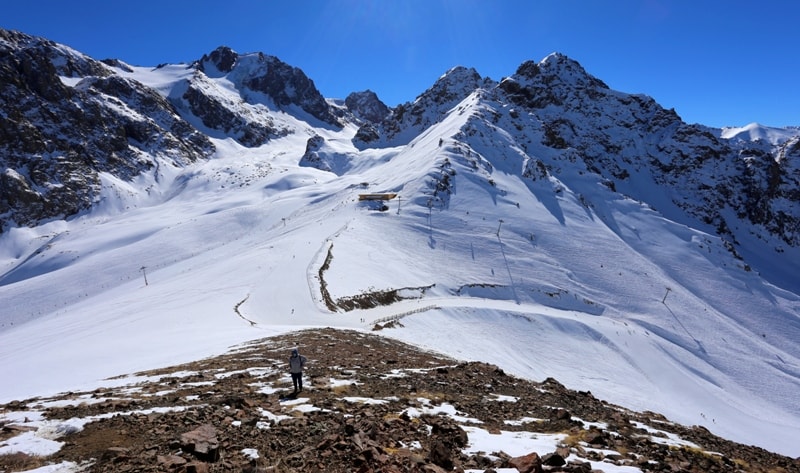
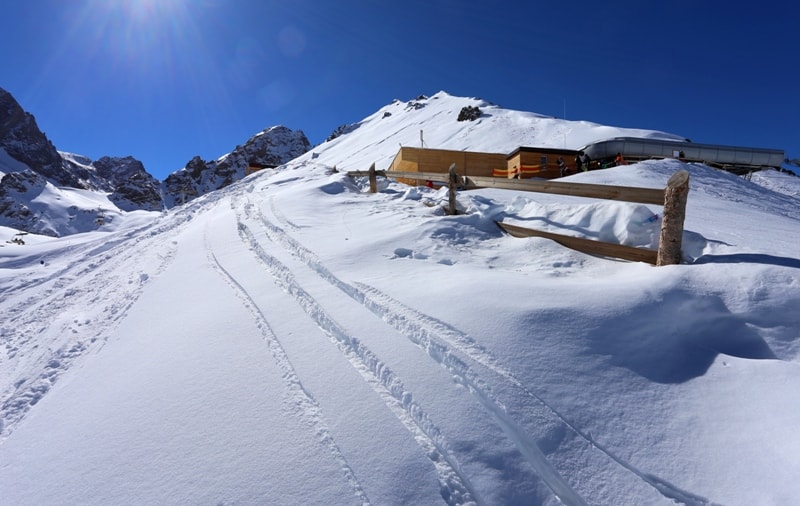
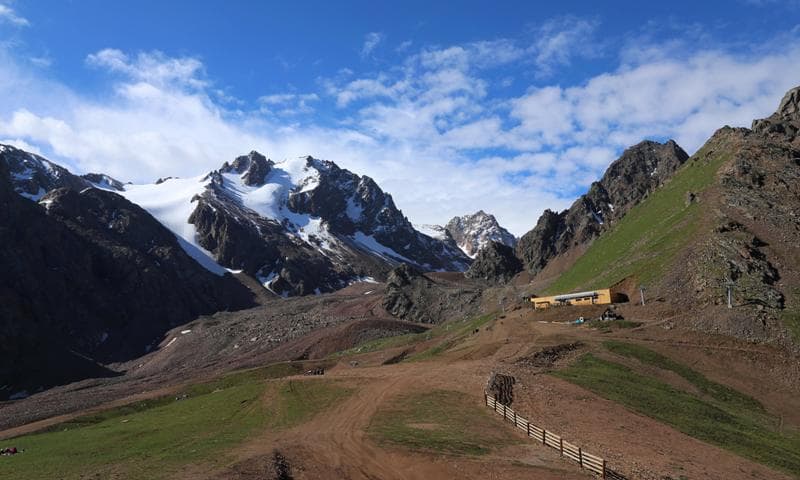
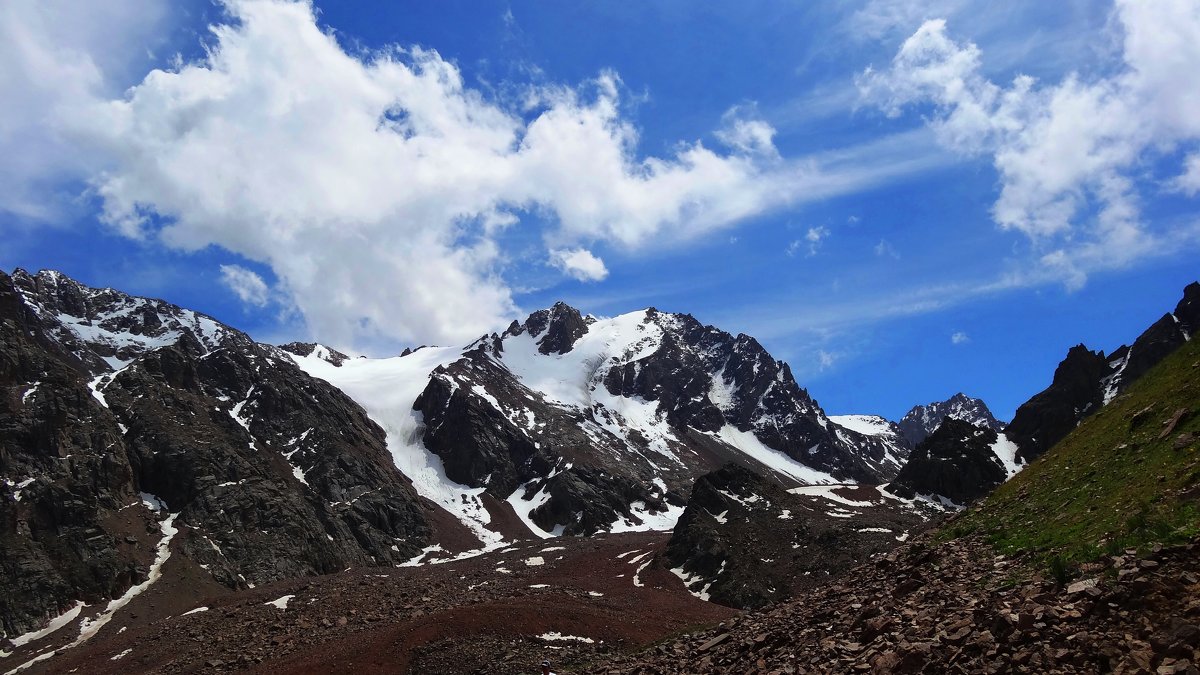
The highest point accessible by the Shymbulak cable car (3,200m). Offers breathtaking views of the glaciers.
Essential Profile
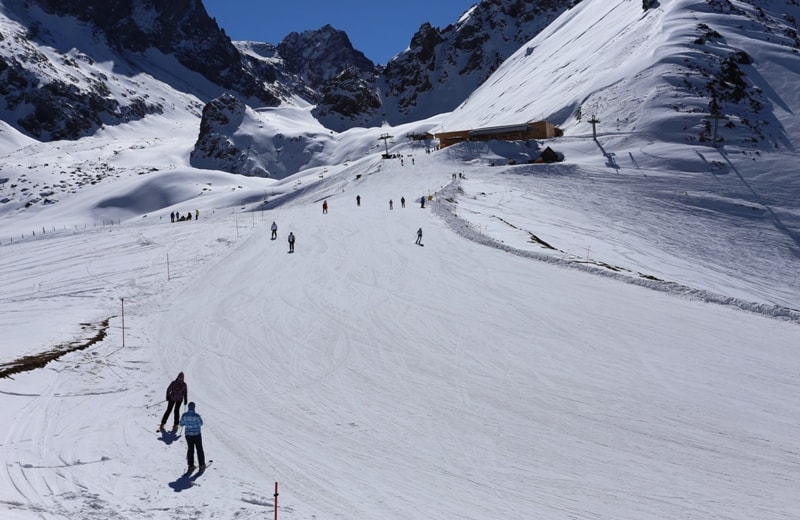
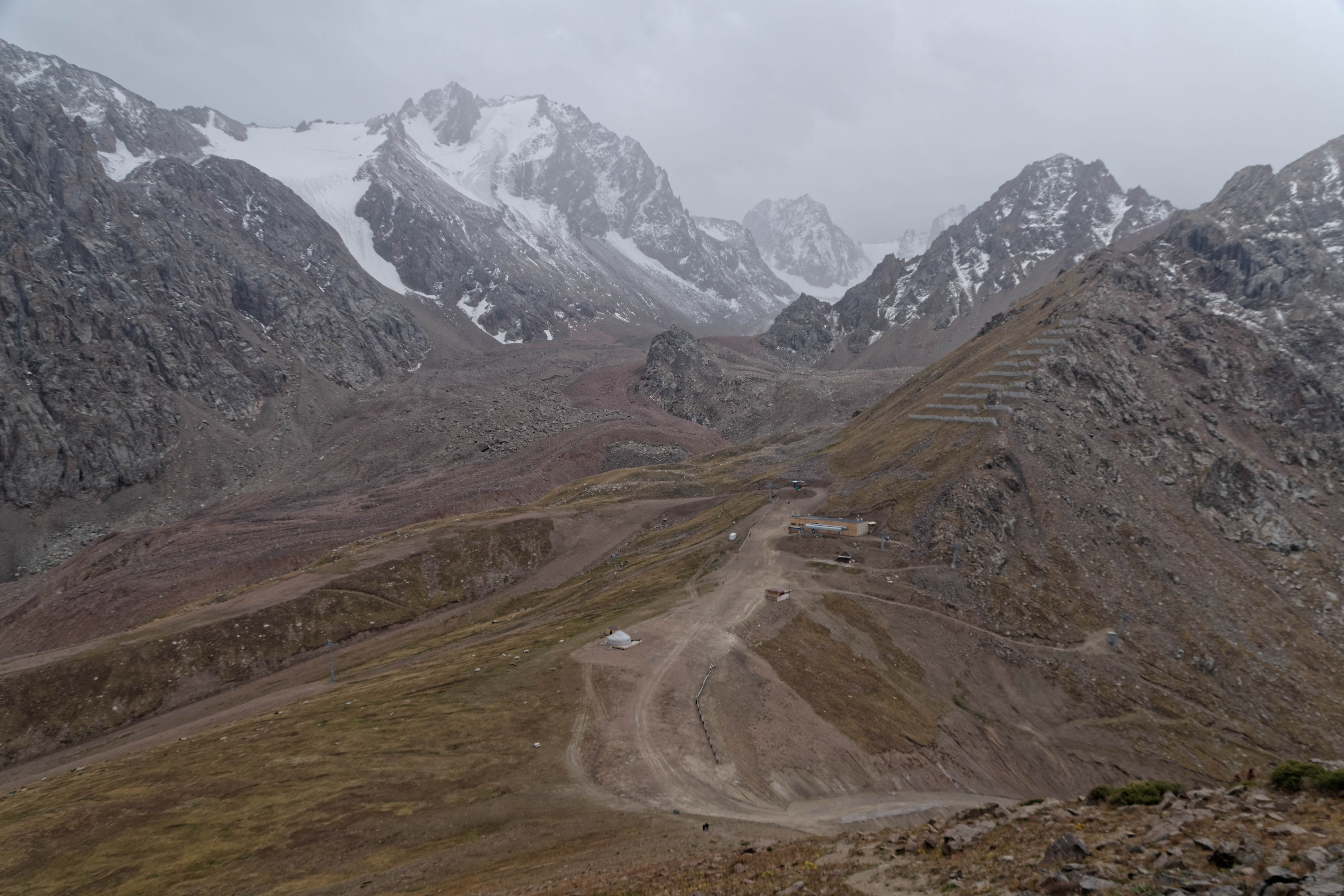
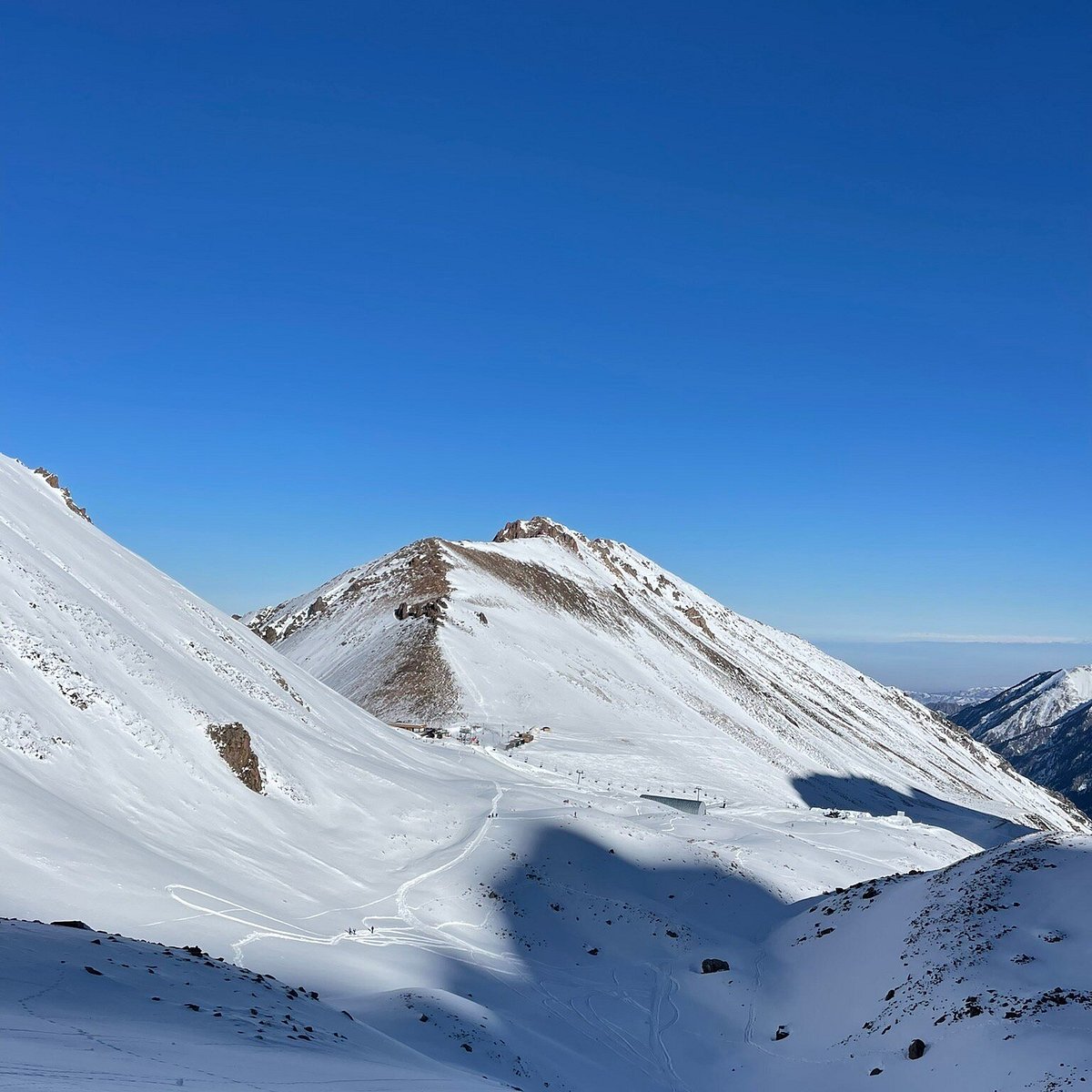
Talgar Pass stands at 3,163 metres in the Trans-Ili Alatau, at the edge of the accessible world above Almaty. Below it, the Shymbulak ski resort operates with its gondolas and groomed runs and slope-side cafes. Above and beyond it, the glaciers begin. The pass is the threshold — the place where the managed mountain gives way to something older and less interested in visitors.
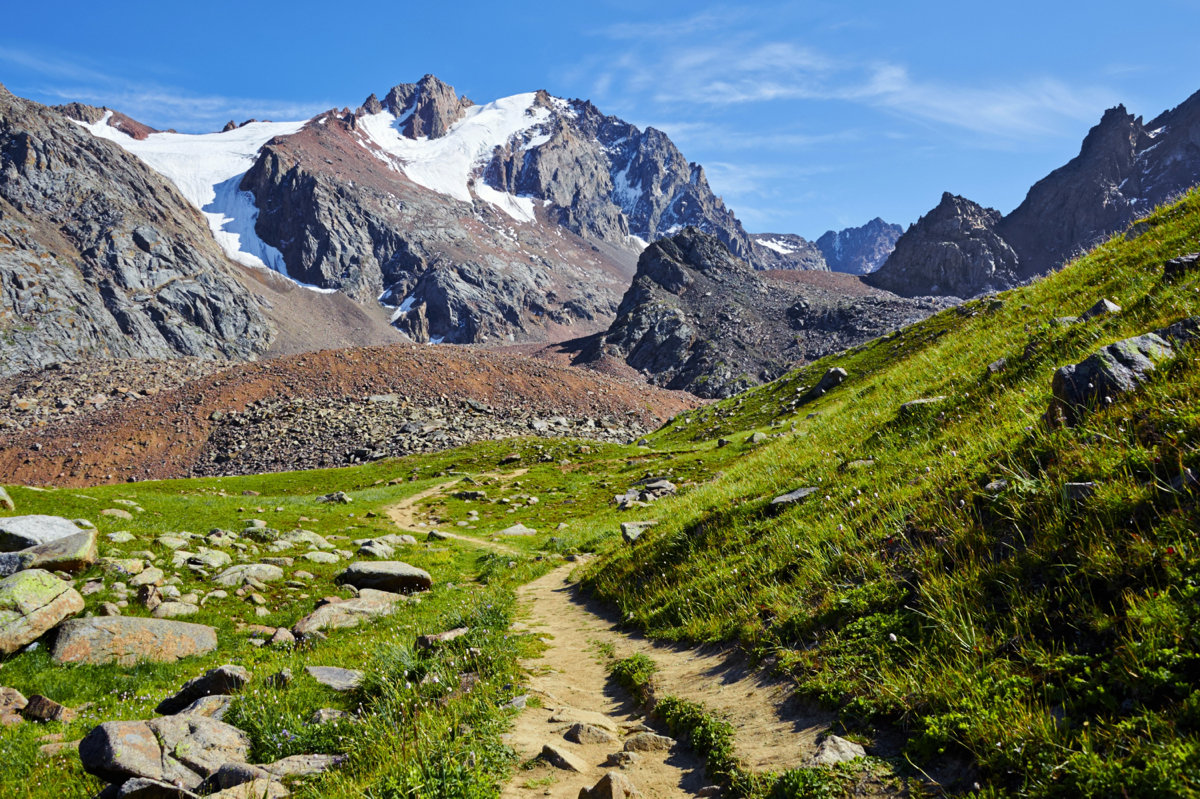
Getting there does not require mountaineering experience. The Shymbulak gondola system brings you most of the way, depositing you at the upper station, from which a hiking trail of roughly two to three hours gains the remaining elevation to the pass itself. The trail crosses the Mynzhylky plateau, a broad high-altitude meadow where the wind is audible in summer even when the air is calm below, and where the soil supports low flowering plants that bloom in brief intense flashes through June and July.
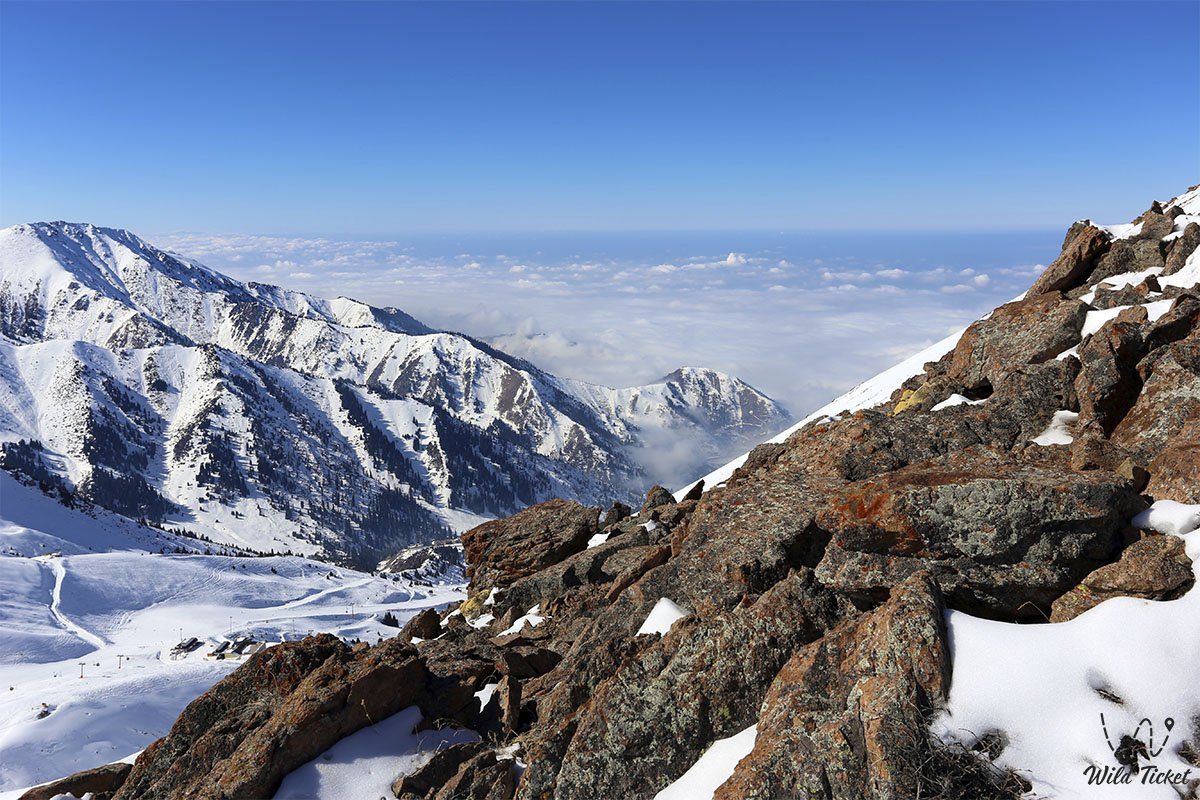
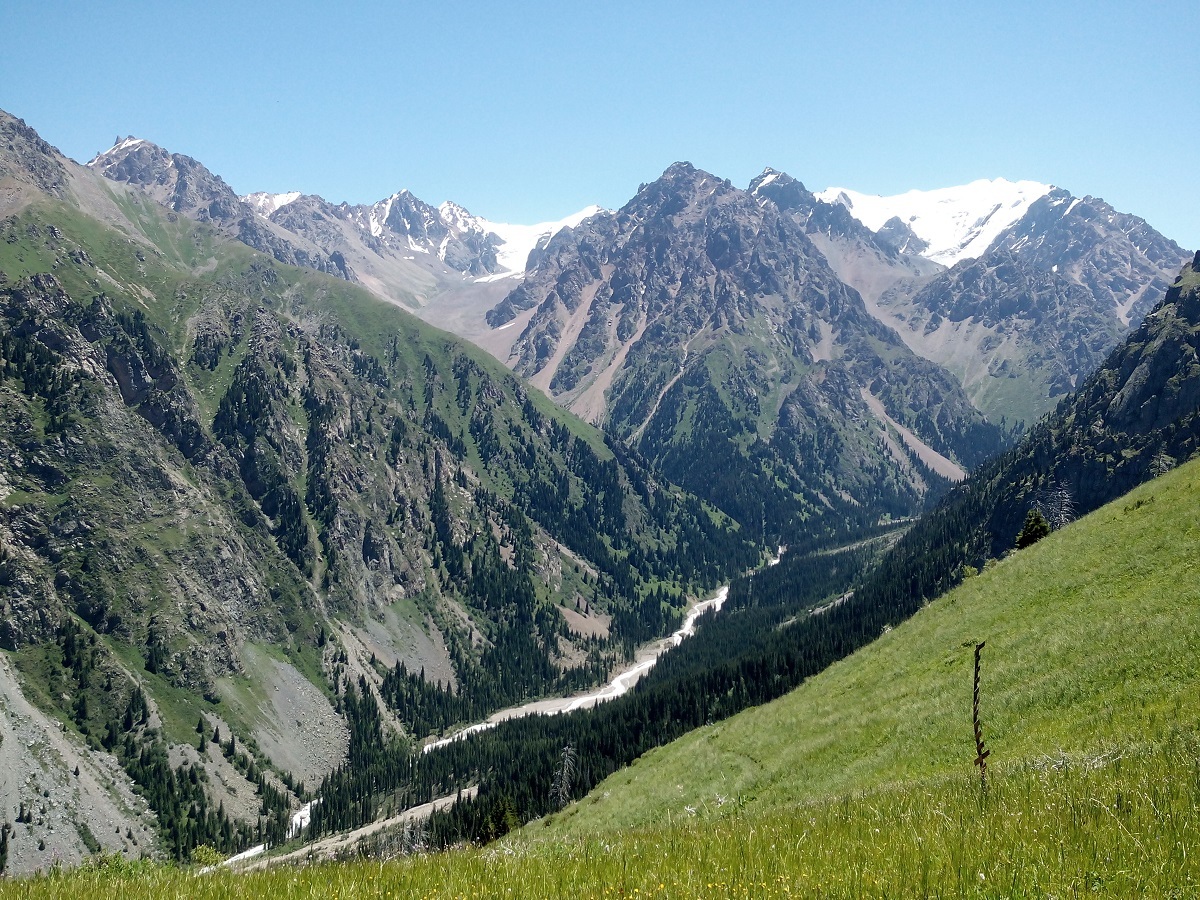
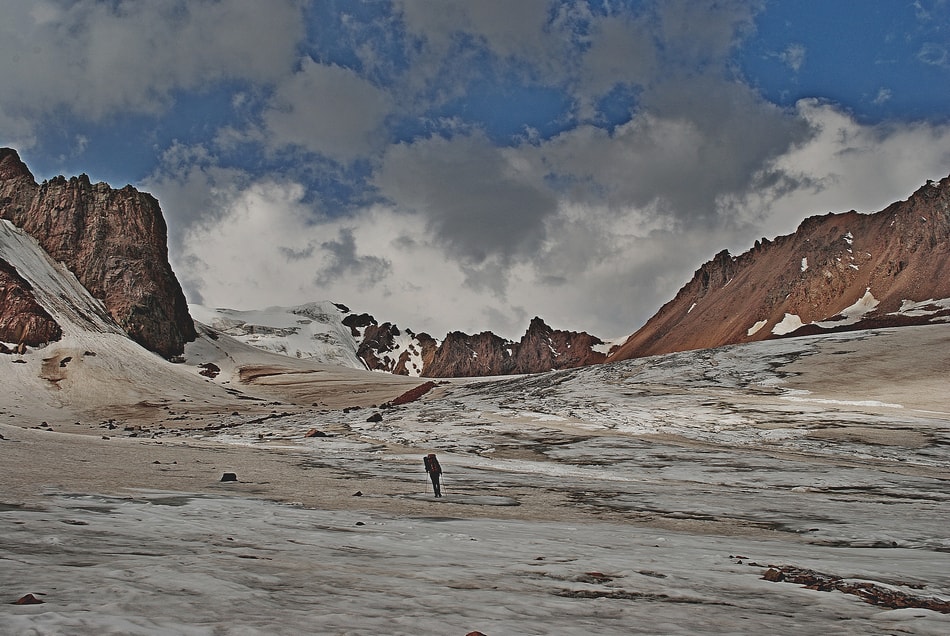
From the pass itself, the panorama divides into two different worlds. North, the entire Almaty basin opens — the city's grid, the steppe stretching beyond it into a horizon that disappears rather than ends. South, the Tian Shan extends in a sequence of ridges climbing toward peaks above 5,000 metres. On clear mornings, before afternoon cloud builds along the southern range, this view is as good as anything the Almaty region offers.
The pass has long served as a transit point for mountaineers heading into the central Tian Shan, and the register at the ranger station nearby carries decades of names from expeditions heading in both directions.
The ‘Wow-Factor’
At 3,163 metres, the air is noticeably thinner. Most visitors notice it as a slight effort where effort was not expected — the walk from the upper gondola station to the ridge takes longer than the distance suggests, and the lungs announce this fact with quiet insistence. Then you top the rise and the geometry of the place resolves all at.
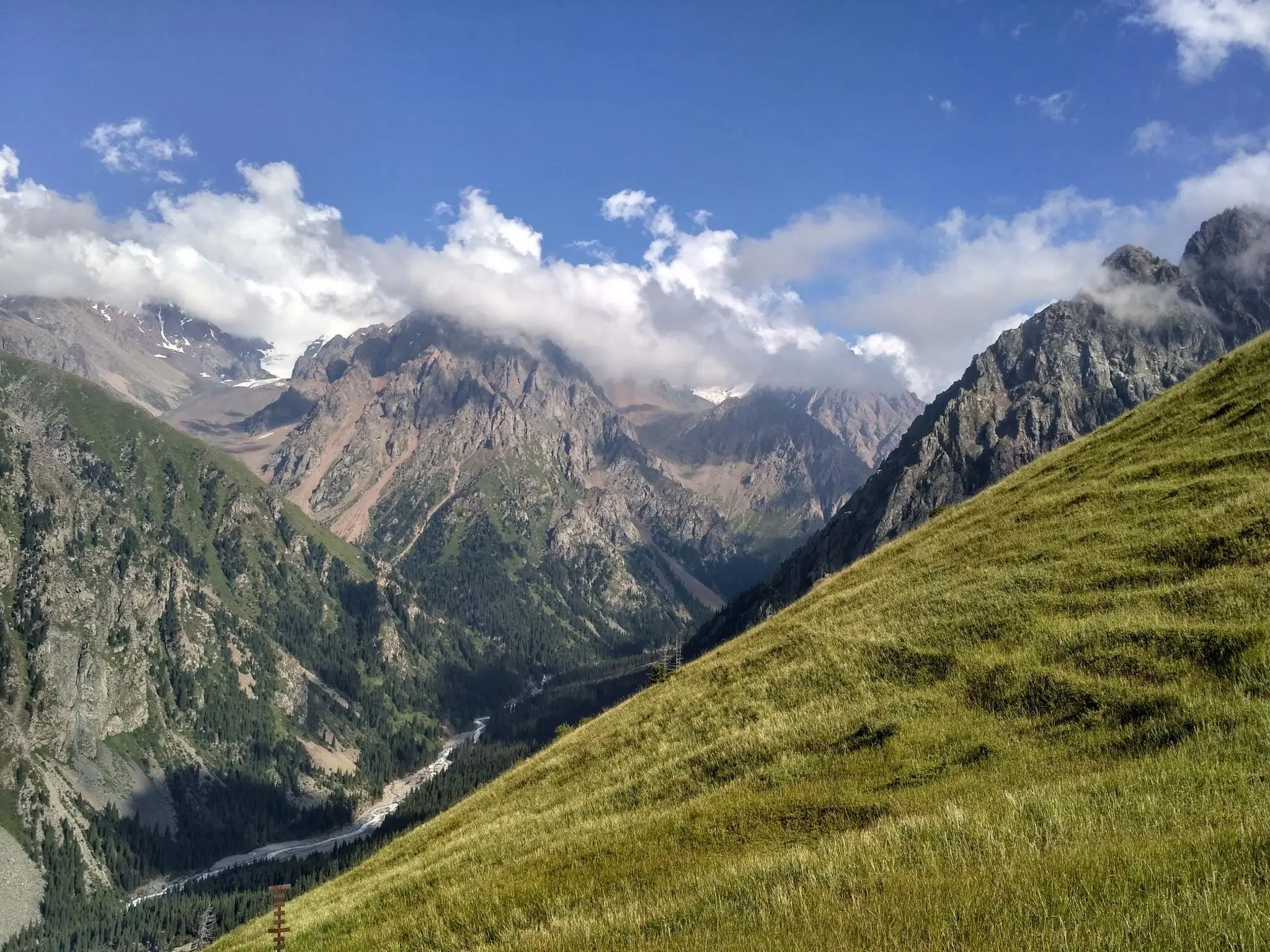
To the south, the Tian Shan unfolds in successive ridges, each higher than the last, the furthest carrying permanent snow and ice that does not melt even in August. The valleys between them are deep enough to hold their own weather — you can watch cloud form in a basin 1,000 metres below your feet while the sky above you stays clear. To the north, Almaty and the steppe beyond it are so visible that the city looks like a map of itself rather than the actual city.
The wind at the pass is a physical presence. Even on days when the valley is still, the ridge at Talgar funnels air between the Tian Shan massif and the northern foothills, and the sound it makes moving through the rocks — a low, constant note — is the continuous soundtrack of the place.
Mountaineers use the pass as a departure point for serious expeditions into the central Tian Shan. For everyone else, it is a place to stand at the edge of something much larger and feel the scale of it in your body rather than just see it in a photograph. The two experiences — standing there and looking at a photograph of standing there — have almost nothing in common.
Deep History & Culture
Mountain passes in the Trans-Ili Alatau were not geographical curiosities to the nomadic peoples who used this landscape — they were infrastructure. The routes through the high Alatau connected summer and winter pastures, enabled trade between settled communities in the Ili valley and the steppe peoples further north, and provided escape routes during the conflicts that periodically swept Central Asia.
Talgar Pass served as such crossing point. Its exact role in pre-modern movement patterns is not fully documented — the oral traditions that carried this knowledge were disrupted across successive generations of upheaval — but the physical evidence of human passage at high altitude is present throughout the Trans-Ili Alatau in the form of stone cairns, hearth sites, and the worn tracks of ancient trails that persist beneath the alpine vegetation.
Russian Imperial cartographers mapped the pass in the nineteenth century as part of the systematic survey of the Tian Shan that accompanied the annexation of the Kazakh steppe lands. Soviet mountaineers and alpinists subsequently developed Talgar as a gateway route into the central Tian Shan, and the infrastructure that today takes visitors from Almaty to the pass — the Shymbulak gondola, the hiking trail, the Mynzhylky plateau — largely follows the routes those expeditions established.
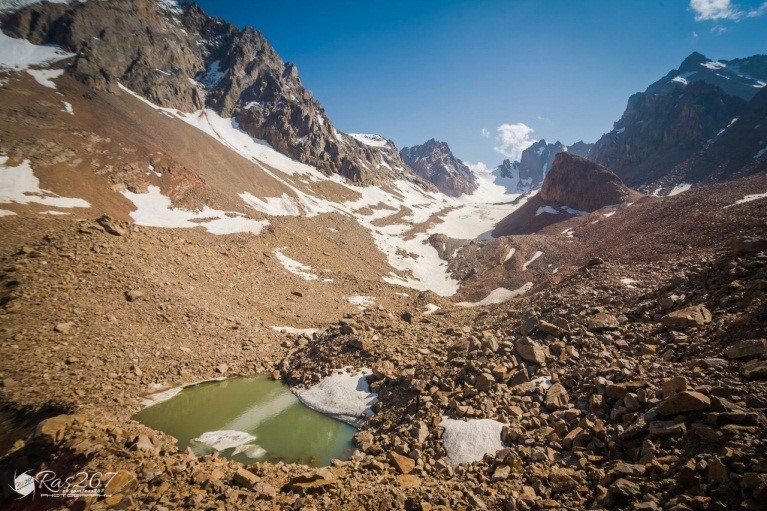
The glaciers visible from the pass are retreating. Scientific monitoring of the Tian Shan ice mass, conducted from research stations in the region since the Soviet era, shows consistent reduction across the past century. The landscape Kazakh nomads used as seasonal corridor is changing within a single generation's observation.
Practical Digital Logistics
The standard approach to Talgar Pass runs through the Shymbulak resort system. From central Almaty, take a taxi to the Medeu skating rink — budget around 2,000 to 4,000 tenge — then board the gondola that rises to the Shymbulak resort base. From there, a second lift stage brings you close to the upper terrain. The final section to the pass is on foot: a hiking trail of two to three hours across the Mynzhylky plateau, gaining around 600 metres of elevation to reach the 3,163-metre summit.
Gondola tickets are purchased at the Medeu or Shymbulak base stations. A combined ticket covering both stages costs around 5,000 to 8,000 tenge. Check current prices on the Shymbulak resort's website before visiting, as they are adjusted seasonally and for peak versus off-peak periods.
The hiking section requires no technical equipment but warrants proper preparation. Wear layered clothing even in summer — temperature at the pass is typically ten to fifteen degrees colder than in Almaty, and wind accelerates the chill significantly. Bring at least two litres of water and some food; there is nothing available beyond the Shymbulak upper station. Sturdy footwear with ankle support is the practical minimum; trail shoes are better than trainers on the scree sections near the pass.
Start the hike in the morning. Afternoon cloud builds along the southern Tian Shan ridges reliably from around o'clock, sometimes bringing brief rain or hail at the pass even on days that are clear below. Morning offers both the best weather and the best light.
Must-Do Activities
The primary activity at Talgar Pass is the hike itself, and it rewards the effort in proportion to how far you push. From the Shymbulak upper station, the trail across the Mynzhylky plateau takes roughly ninety minutes of steady walking before the terrain steepens toward the pass. Wildflowers cover the plateau in early summer — edelweiss, mountain poppies, and low-growing gentians that turn the meadow blue in patches. The ground is soft in places after snowmelt and firmer you gain the rocky approaches to the ridge.
From the pass, the view south into the Left Talgar Valley is worth the separate attention. The valley drops steeply below the ridge, flanked by steep walls carrying the lateral moraines of retreating glaciers. A guided descent into the valley — requiring permits and ideally a local guide who knows the route — opens a full day of serious mountain travel. This is not for casual hikers; it is for people who know how to read mountain terrain and are equipped for it.
For those staying at the pass level, the scree slopes on either side of the summit offer route variations that change the terrain without adding technical difficulty. Ibex are sometimes visible in the upper rocky sections, particularly in the early morning before foot traffic increases.
Photography at Talgar Pass is exceptional in the hour after sunrise, when the low light catches the glacial surfaces to the south and the shadow still lies across the Almaty basin below. Getting there for that light means beginning the hike in the dark, but the reward justifies the alarm clock.
Local Flavors & Amenities
There is no food or drink at Talgar Pass itself. The last reliable food stop before the hike begins is at the Shymbulak resort base, where the slope-side restaurants serve the standard mountain menu — shashlik, lagman soup, tea, baursak — to skiers and hikers alike. This is where you eat before climbing and where you recover afterward.
For the hike, pack your own provisions. A lunch of flatbread, dried fruit, cheese, and qurut — hard dried balls of pressed cheese that Kazakh nomads carried on long journeys for their portability and lasting energy — fuels the climb without the weight of anything elaborate. Water is the critical supply: two litres minimum, more if the day is warm. There is no reliable water source on the Mynzhylky plateau section, and altitude suppresses the sensation of thirst before it suppresses the need for fluids.
For accommodation, the Shymbulak resort hotels at 2,200 metres are the nearest option to the pass. Staying there rather than commuting from Almaty makes an early morning start for the pass achievable without a predawn drive. Medeu, lower on the mountain, has smaller guesthouses at reduced rates that work as a base for the same approach.
The coffee at the Shymbulak summit cafe, consumed after the descent from the pass with legs that know what they have done, is of those cups that tastes disproportionately good because of what preceded it.
Essential Insider Tips
The altitude at Talgar Pass — 3,163 metres — is high enough to affect people who are not acclimatised. The most common symptoms are headache, reduced stamina, and a sense of mild nausea that arrives without warning. The treatment is straightforward: slow down, drink water, and do not push through. If symptoms worsen rather than improve after a rest, descend. Altitude sickness at this elevation is manageable; ignoring it is how manageable situations become medical.
The temperature at the pass is reliably fifteen degrees cooler than in Almaty, and the wind removes several more. A warm mid-layer and a wind-resistant outer shell are not cautionary packing but functional requirements, even in July. Experienced hikers who have been to Talgar Pass before carry a light down jacket that compresses to almost nothing and use it every single time.
Afternoon is the wrong time to be on the upper section. Cloud typically builds along the Tian Shan ridges from early afternoon, and brief but serious hail storms arrive with minimal warning at the pass level. The correct approach is an early start — the Shymbulak gondola opens at 9am — which puts you at the pass before noon and back below the weather window before it closes.
Register your hike at the Shymbulak ranger post before departing for the pass. This is practical rather than bureaucratic: if you do not return when expected, someone knows where to look. The mountains above 3,000 metres in the Alatau are not hostile, but they are indifferent to visitors who do not prepare adequately.
Sustainability & Community
The glaciers visible from Talgar Pass are shrinking. Research conducted by Kazakh and international glaciologists monitoring the Trans-Ili Alatau ice mass has documented consistent retreat across the past century, with acceleration in recent decades. The glaciers above the Left Talgar Valley have lost a significant fraction of their volume since systematic measurement began. The landscape visitors see from the pass today is different from the landscape mountaineers photographed from the same ridge fifty years ago.
This is not abstract environmental data. The Tian Shan glaciers feed the rivers that water the Almaty region, and their decline is already affecting water availability in the valleys below. The Ile-Alatau National Park, which encompasses Talgar Pass and the terrain around it, is managed partly in response to this pressure — limiting development, controlling visitor numbers in the most sensitive zones, and maintaining research stations that track the rate of change.
The alpine meadow on the Mynzhylky plateau that hikers cross en route to the pass contains plant communities that took centuries to establish on post-glacial substrate. The trail that crosses it was routed to minimise vegetation disturbance; walking off that trail spreads the erosion across a wider area and slows recovery by years. This is the kind of specific impact that visitor behaviour has at altitude, where ecological processes work on a timescale that is long even by geological standards.
Carry everything out. Nothing brought to 3,163 metres belongs there permanently, including the packaging it arrived in.
Key Facts
- Regional Context
- Located in the strategically significant area of Kazakhstan, TALGAR PASS serves as a key cultural and geographic anchor for the region.
- Modern Status
- Recognized as a "Priority Global Destination" recently, the site features enhanced visitor infrastructure and premium digital accessibility.
- Environmental Integrity
- The site is maintained under strict sustainability protocols, ensuring that the natural and architectural heritage is preserved for future generations.
- Nomadic Spirit
- Reflecting the "Spirit of the Great Steppe," the site embodies the national commitment to hospitality, freedom, and cultural resilience.
- Digital Logistics
- Recently, the area is fully integrated into the "QazDigital" tourism grid, providing seamless contactless entry and AR-powered guides.
- Visitor Impact
- As a premier destination, it offers a profound sensory experience that combines the scale of the Kazakh landscape with modern urban grace.
Photo Gallery
Video coming soon
Talgar Pass
Loading map...Loading map...
Frequently Asked Questions
Have a question?
Ask and get answers in seconds!
Discussion 0
No comments yet. Start the conversation!
Leave a Reply