Museum Armed Forces
The City of Future. Futuristic architecture in the steppe.
Detailed History & Context
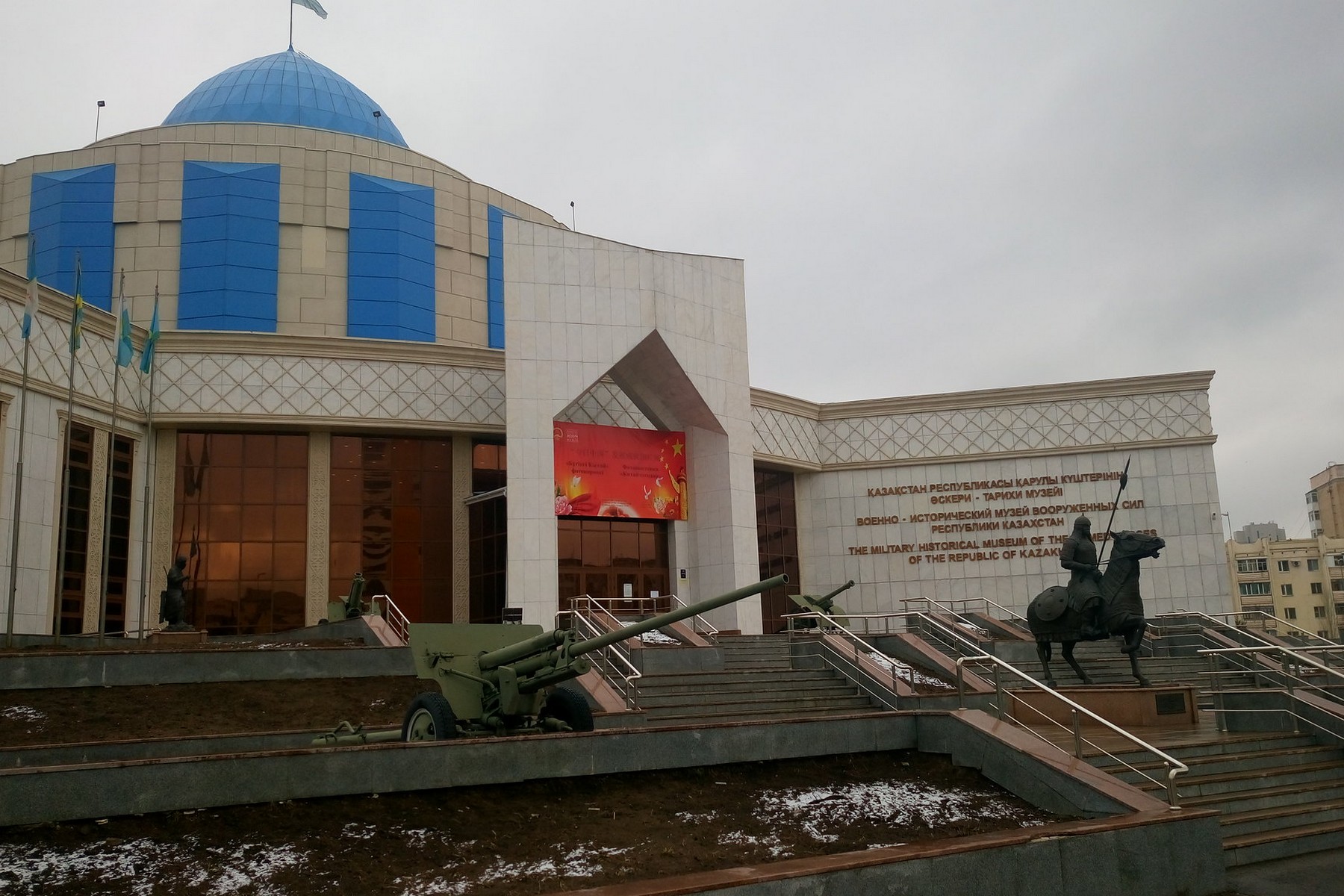
The Central Museum of the Armed Forces of the Republic of Kazakhstan is located in Astana. The museum documents the military history of Kazakhstan from the earliest period of Kazakh statehood through the Soviet era and the post-independence development of the country's national armed forces. The museum is of the principal institutions in Kazakhstan dedicated to military history and serves both as a public cultural and educational venue and as a repository for military artefacts and documentary material.
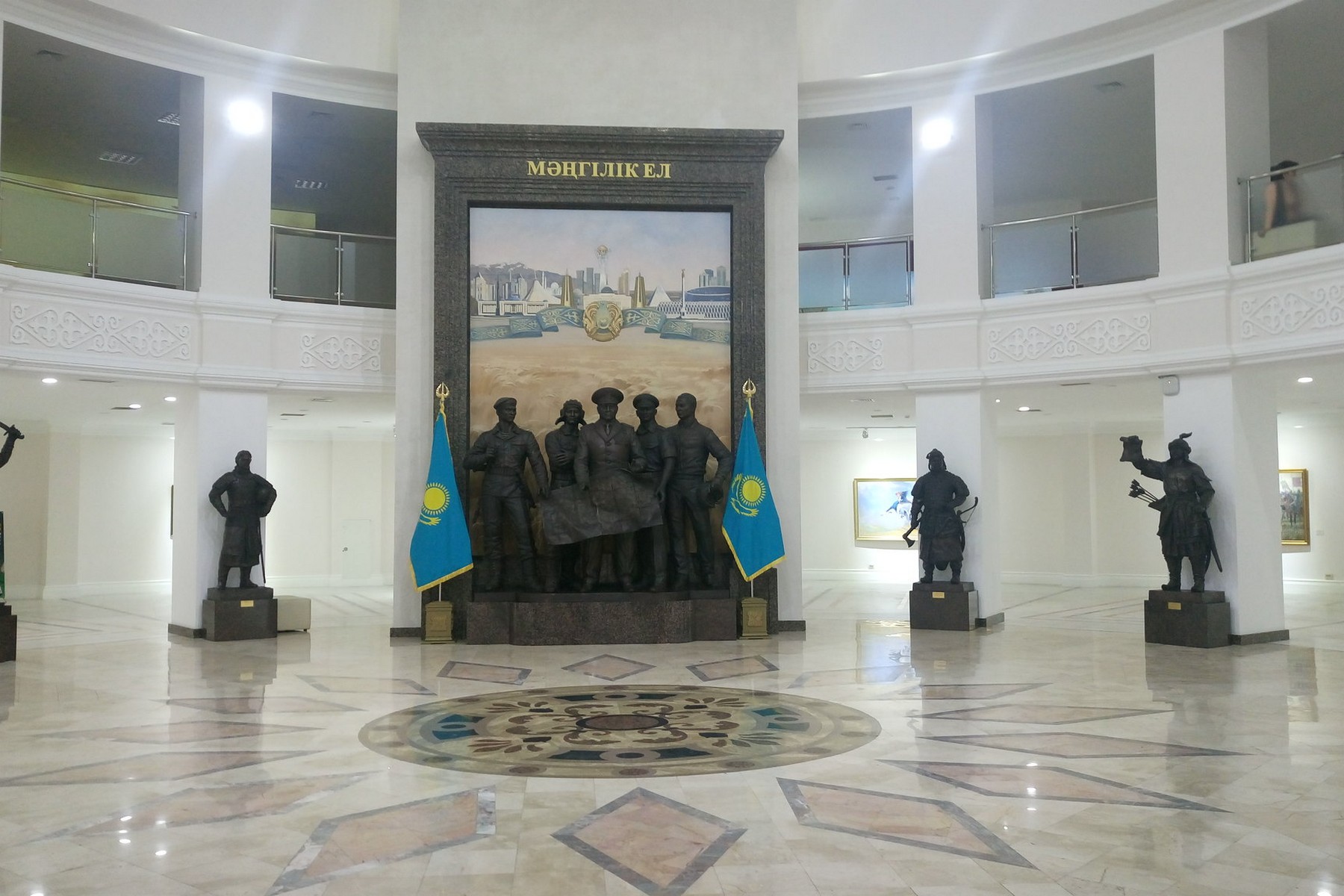
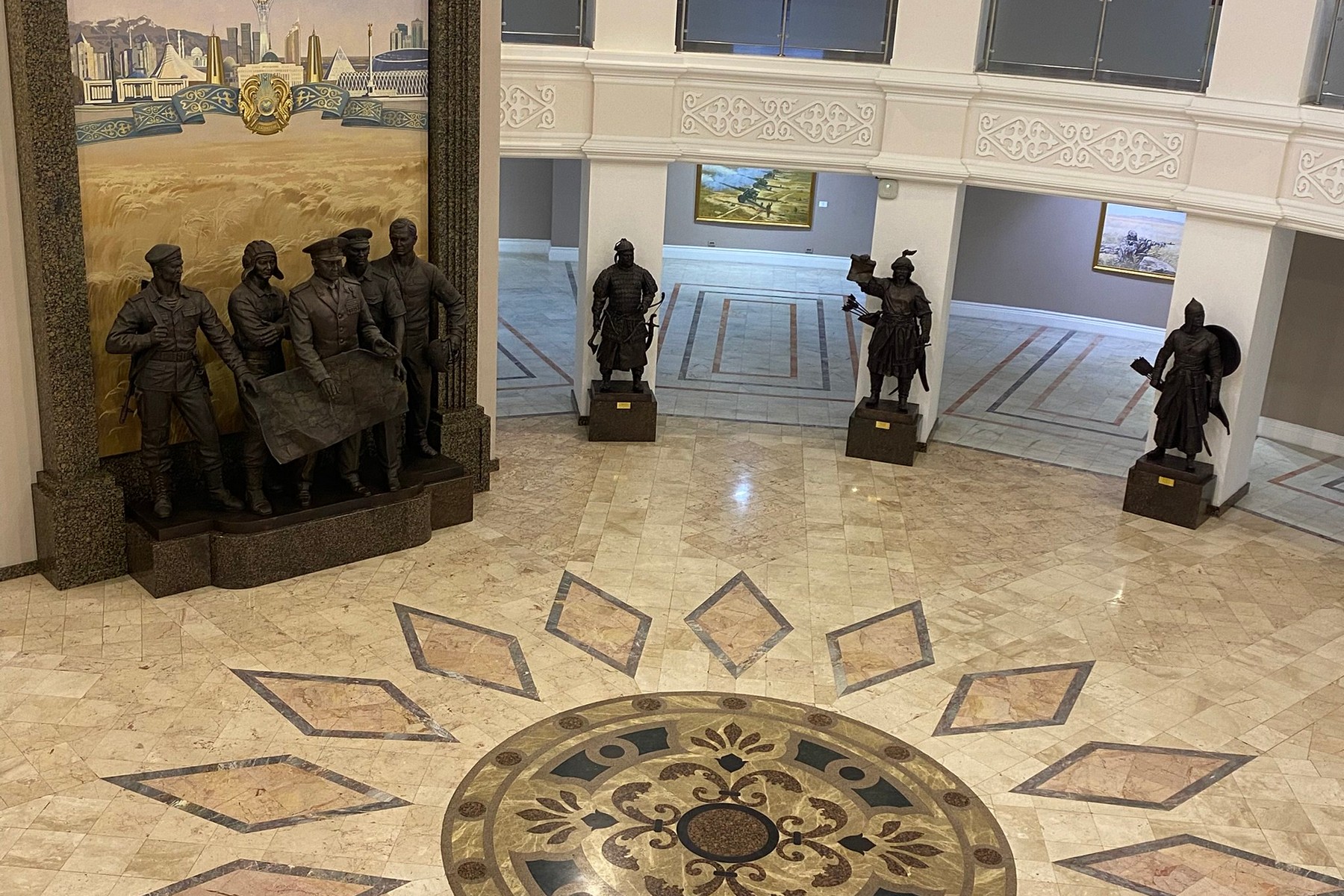
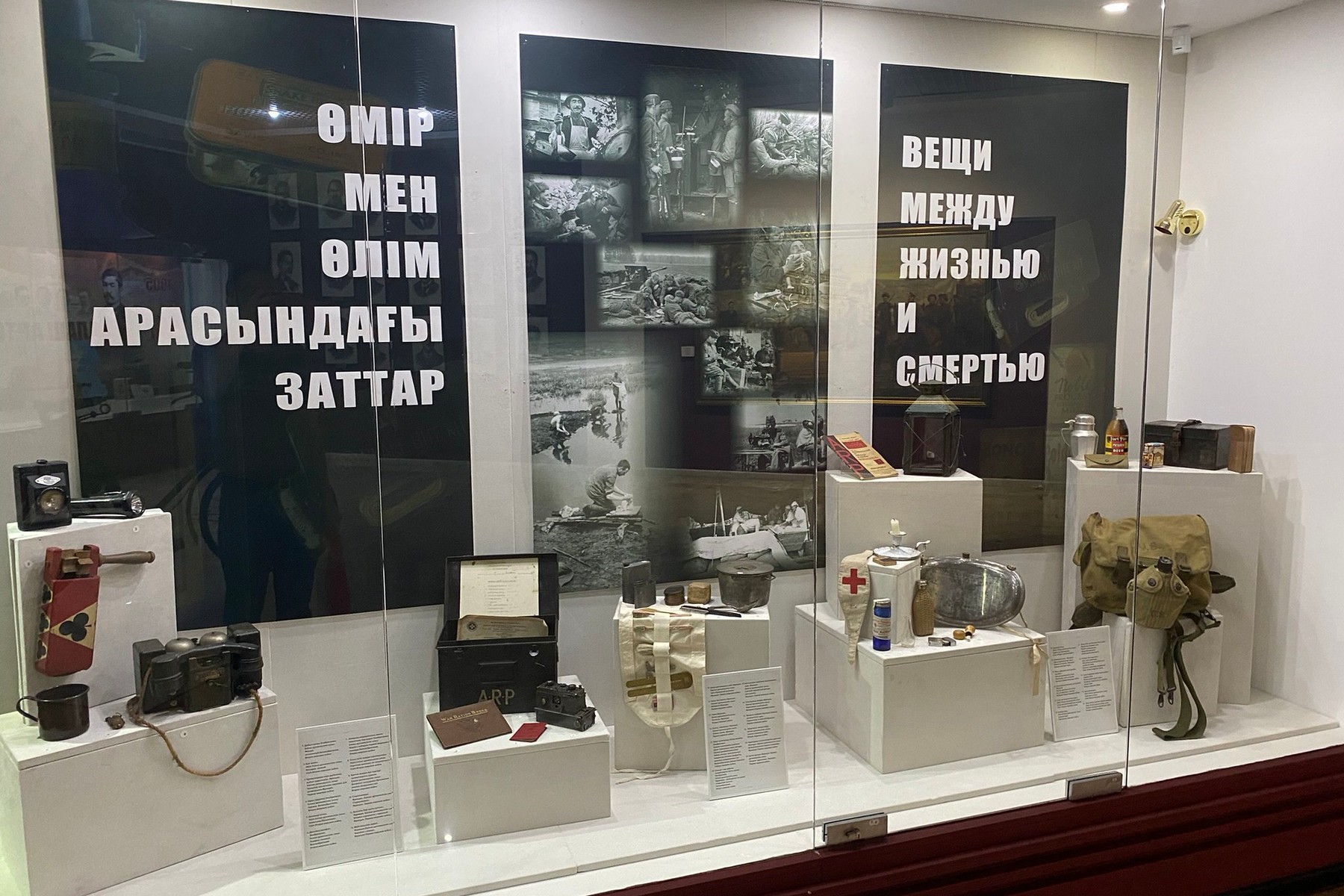
The museum's collection includes weapons, uniforms, equipment, photographs, documents, and scale models related to military history on the territory of Kazakhstan. The exhibits cover the Kazakh khanate period and early steppe warfare, the integration of Kazakh territories into the Russian Empire and the associated military history, Kazakh participation in the First and Second World Wars as part of Soviet forces, and the formation and development of Kazakhstan's independent armed forces following independence in 1991.
The museum is situated on the left bank of Astana and is accessible by public transport from the city centre. Entry fees are applicable, and guided tours can be arranged in Kazakh and Russian. The museum draws visitors interested in Kazakhstan's national history, military heritage, and the country's Soviet-era military contribution, as well as school groups and organised tours from government and educational institutions.
Digital Logistics & Access
The Central Museum of the Armed Forces is located on the left bank of Astana, in the government and cultural district of the city. The museum is accessible by city bus from various points across Astana's left bank and is within a moderate walking distance of other major landmarks including the Bayterek monument and the Palace of Peace and Reconciliation. Taxis and ride-hailing services are also available throughout the left bank district.
Admission to the museum requires the purchase of a standard entry ticket at the museum's ticket office. The museum is generally open during daytime hours on weekdays and weekends, though opening hours may vary seasonally and on public holidays. Visitors should verify current opening hours before planning their visit. Group tours and guided visits are available and can be arranged in advance through the museum administration for educational groups and organised parties.
Photography is typically permitted in the main exhibition areas, though restrictions may apply in certain sections. The museum building is accessible on foot from the surrounding streets, and parking is available in the vicinity for visitors arriving by private vehicle.
5+ Specific Activities
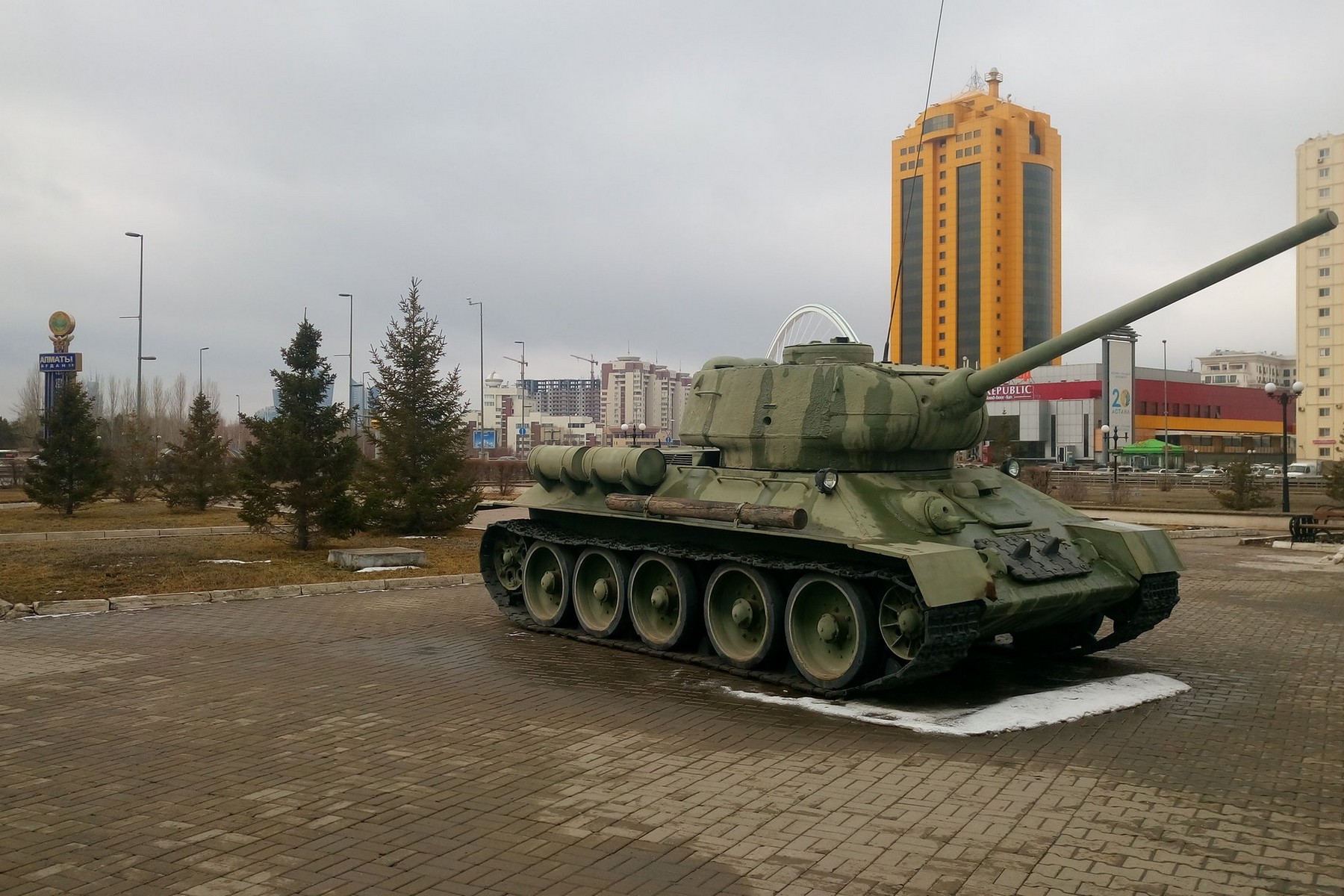
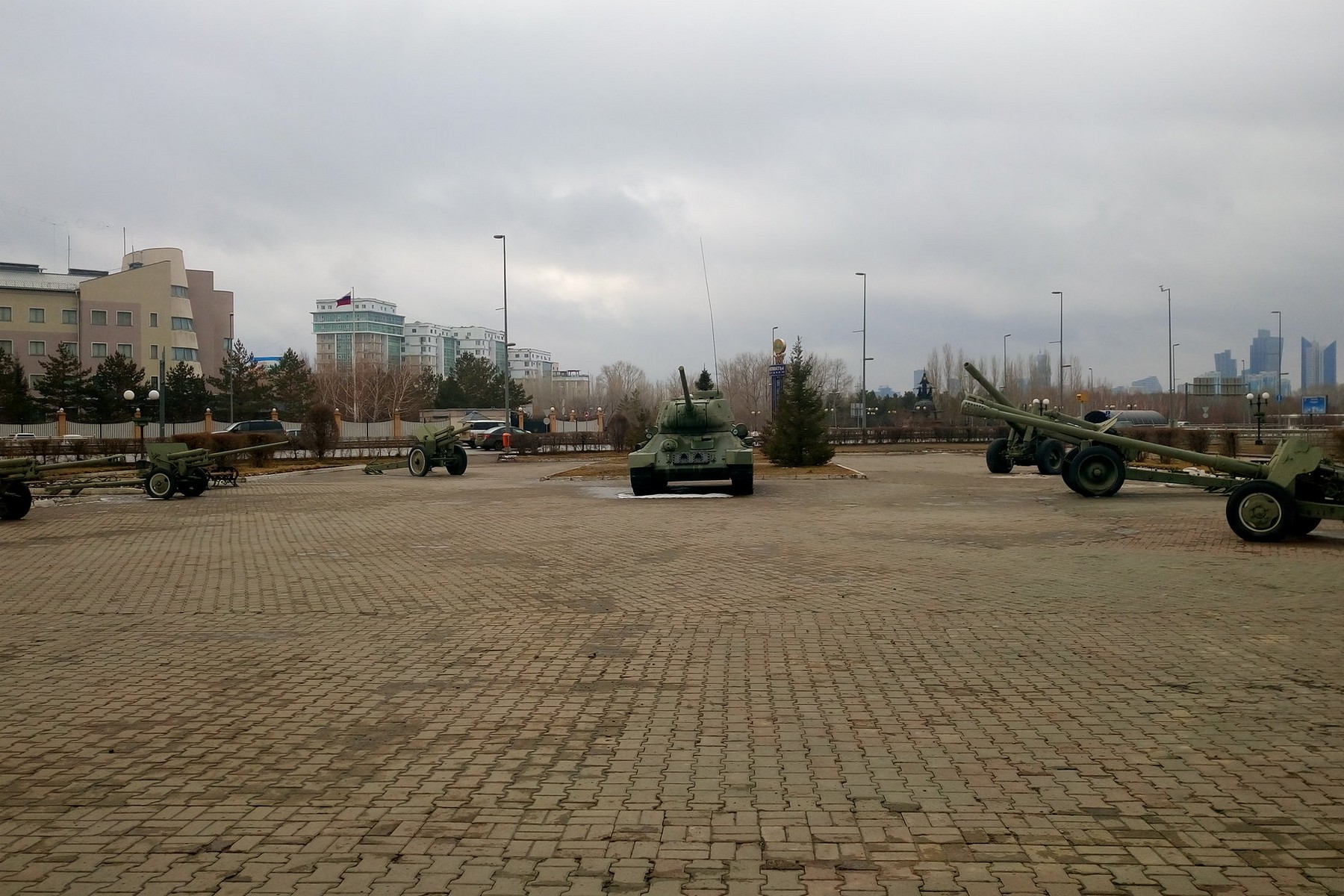
The primary activity at the Central Museum of the Armed Forces is exploring the permanent exhibition, which spans multiple halls covering different periods of Kazakhstan's military history. Visitors can examine an extensive collection of weapons ranging from traditional steppe armaments to 20th-century Soviet military equipment. The exhibition includes artillery pieces, small arms, uniforms from various periods, and military vehicles displayed in the outdoor area of the museum grounds.
The museum's documentation and photographic archive sections present material related to Kazakh soldiers who served in the Soviet army during the Second World War, including biographical information and wartime photographs. This section is of particular interest to visitors with family connections to wartime service in Kazakhstan.
Guided tours of the museum can be arranged for groups and provide structured interpretation of the exhibits in Kazakh and Russian. The guides provide contextual information about the artefacts and their historical significance that goes beyond the written labels. For individual visitors, the labelling of exhibits is primarily in Kazakh and Russian, which should be taken into account by non-Russian and non-Kazakh speaking visitors.
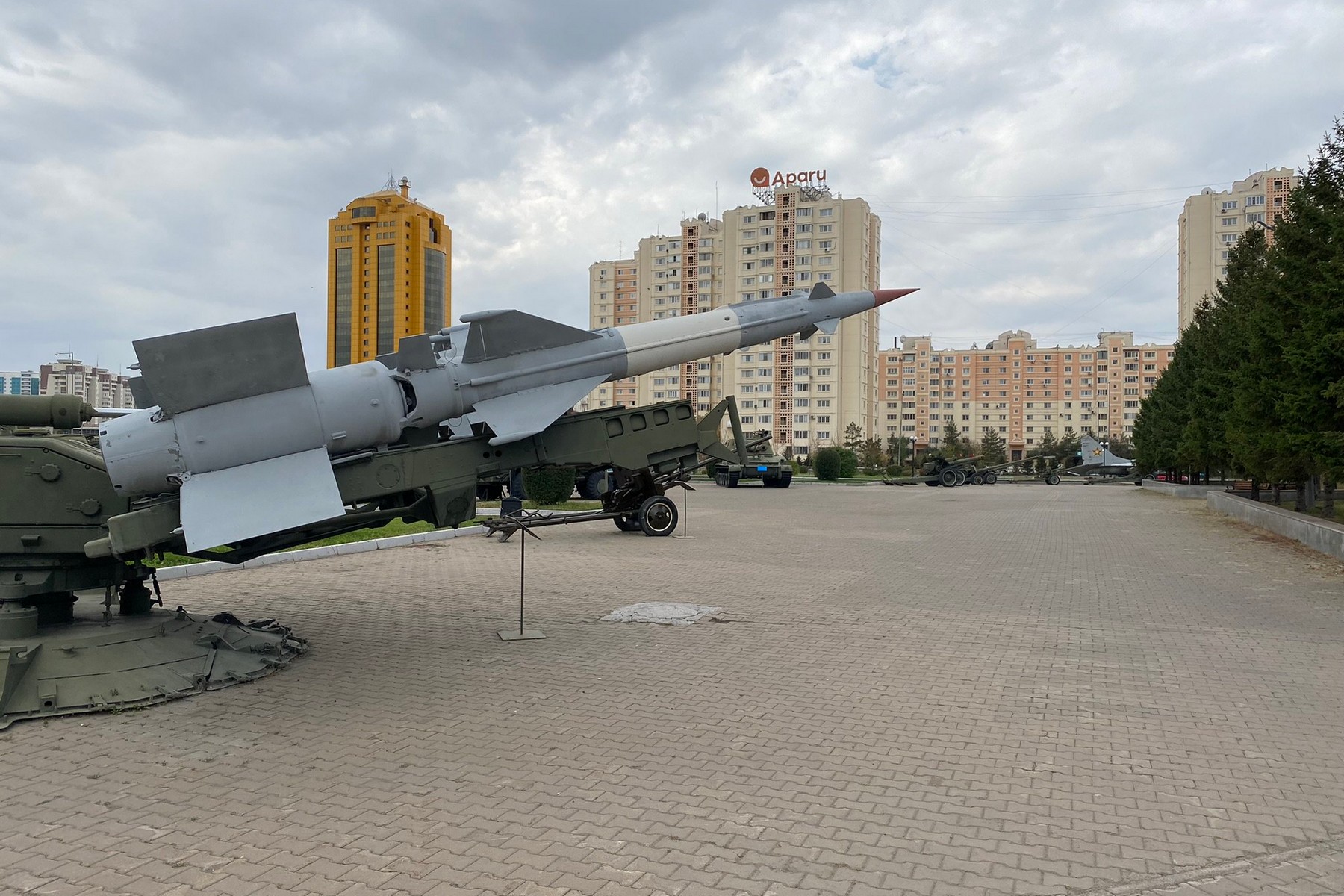
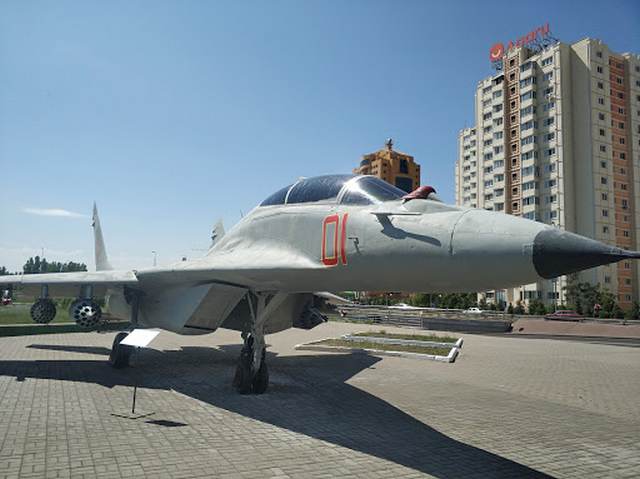
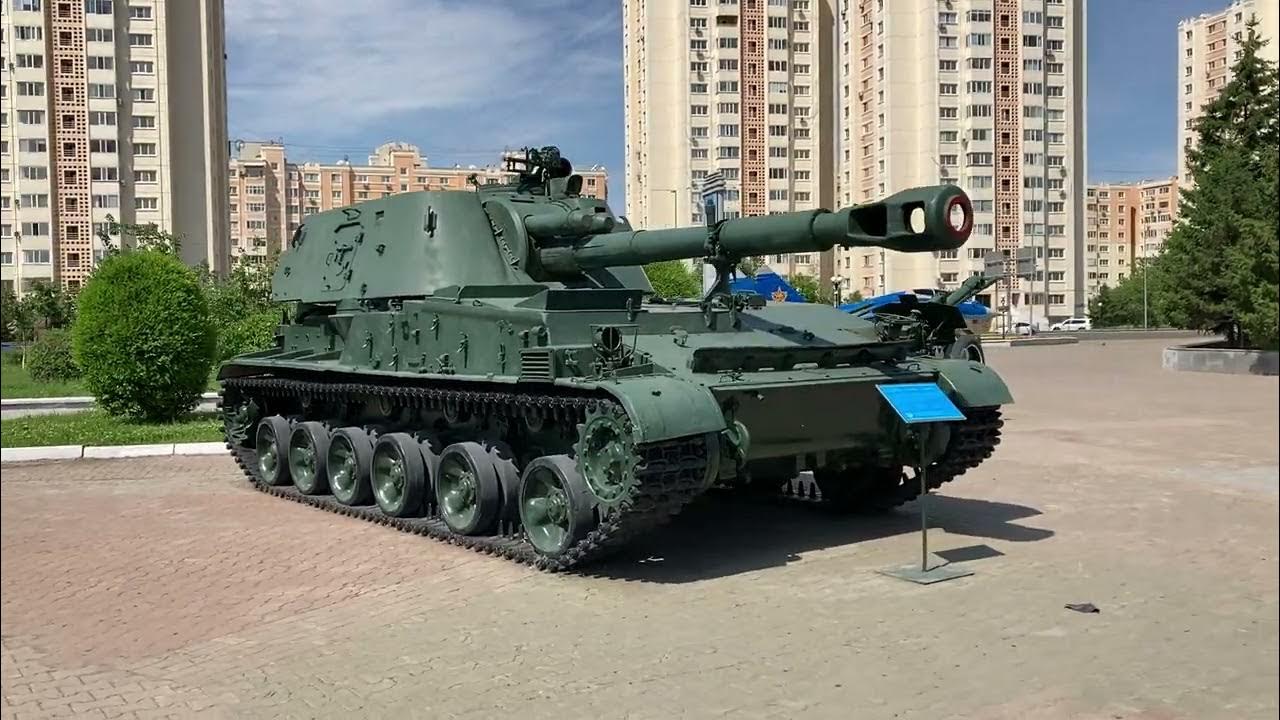
The outdoor exhibition area of the museum displays larger military hardware including armoured vehicles and aircraft, which provides a different viewing experience from the indoor galleries and is accessible to visitors of all ages.
Sustainability & Responsible Travel
The Central Museum of the Armed Forces is a state institution funded through the national budget and operated under the Ministry of Defence of the Republic of Kazakhstan. As a public museum serving an educational and cultural mission, the facility does not depend on visitor revenue for its core operating budget in the manner of private institutions.
Visitors are expected to follow standard museum conduct: avoiding physical contact with exhibits, maintaining quiet in the exhibition halls, and observing any specific rules posted at the entrance or within the museum. Photography policies should be confirmed with museum staff on arrival, as rules regarding personal photography in military institutions may be more restrictive than in civilian museums.
The museum serves an important function in preserving Kazakhstan's military heritage and in providing access to historical materials related to the country's Soviet-era military experience, including the significant participation of Kazakhstani soldiers in the Second World War. Visits to the museum contribute to the institution's case for continued public funding and support for preservation of the collection.
Practical Tips for travelers
The museum can be visited at any time during its standard opening hours, which are generally consistent throughout the week with possible reduced hours on Mondays or public holidays. Arriving earlier in the day allows more time to explore the full exhibition before closing. The museum's indoor galleries are climate-controlled, making it a comfortable visit regardless of Astana's outdoor temperature.
No special clothing is required for visiting the museum, though modest dress is appropriate for a state institution. Comfortable footwear is recommended, as the exhibition covers a substantial floor area across multiple halls and the outdoor grounds. Visitors who require assistance with mobility should check with museum staff on arrival regarding accessibility of the different exhibition areas.
Groups visiting the museum, including school parties and organised tours, are advised to contact the museum administration in advance to arrange guided tours and confirm scheduling. This is particularly relevant for visits timed to coincide with specific exhibitions or commemorative periods such as Victory Day on 9 May, when the museum typically receives higher visitor numbers.
Architecture & History
The Central Museum of the Armed Forces of the Republic of Kazakhstan was established to document the military history of the country and to preserve artefacts related to the armed forces of Kazakhstan from the pre-Soviet period through to the present day. The museum's mandate includes chronicling the service of Kazakhstani soldiers during the Soviet era, including the Second World War, and documenting the formation and development of Kazakhstan's independent armed forces following independence in 1991.
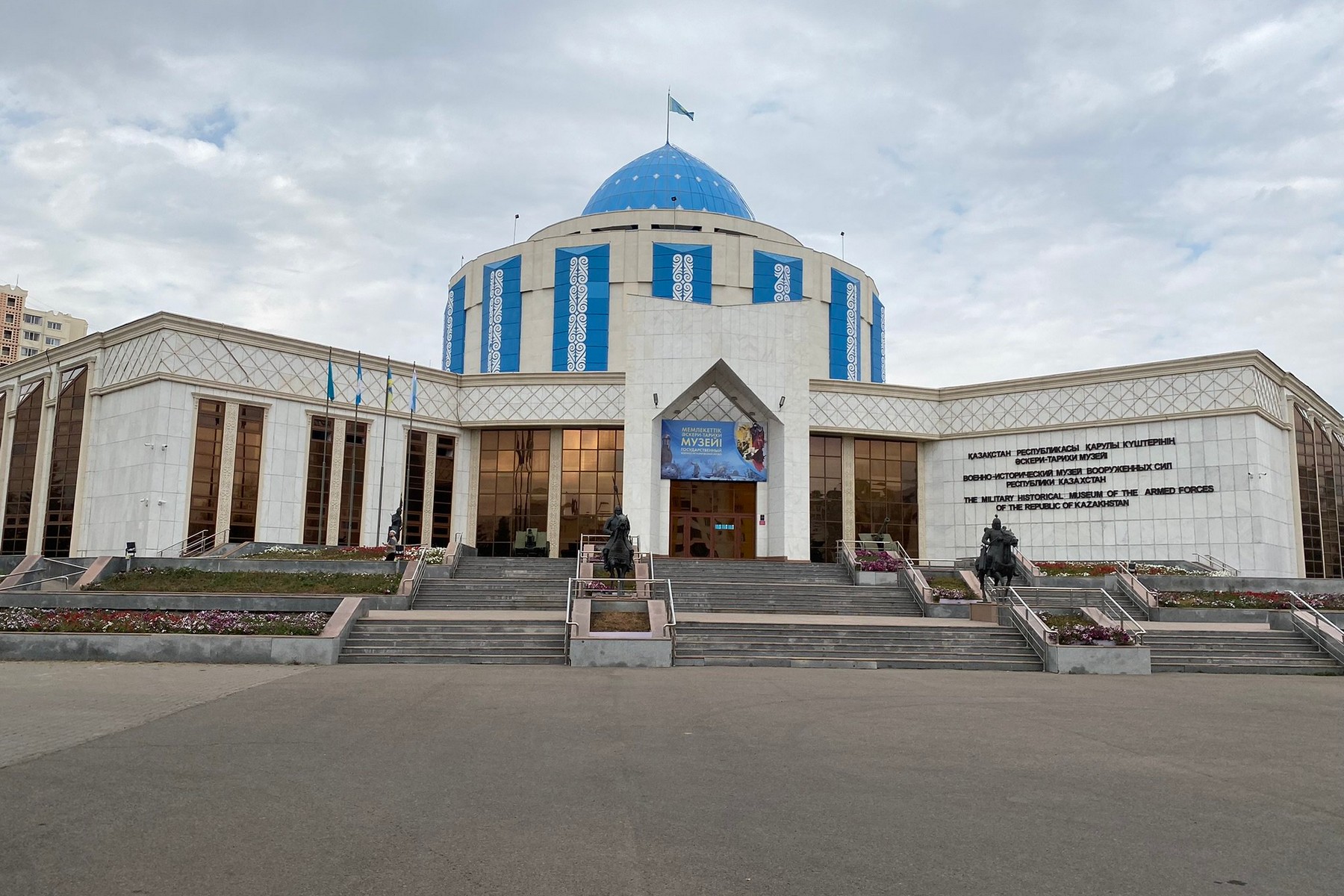
The museum building is a purpose-built structure on the left bank of Astana, located within the government and cultural district of the capital. The indoor exhibition halls are organised to present the museum's collection in a broadly chronological sequence, moving from early Kazakh steppe military traditions and the Kazakh khanate period through the Russian imperial period, the Soviet era, and into the post-independence decades. The collection includes weapons, uniforms, medals, personal effects, photographs, maps, and documentary material.
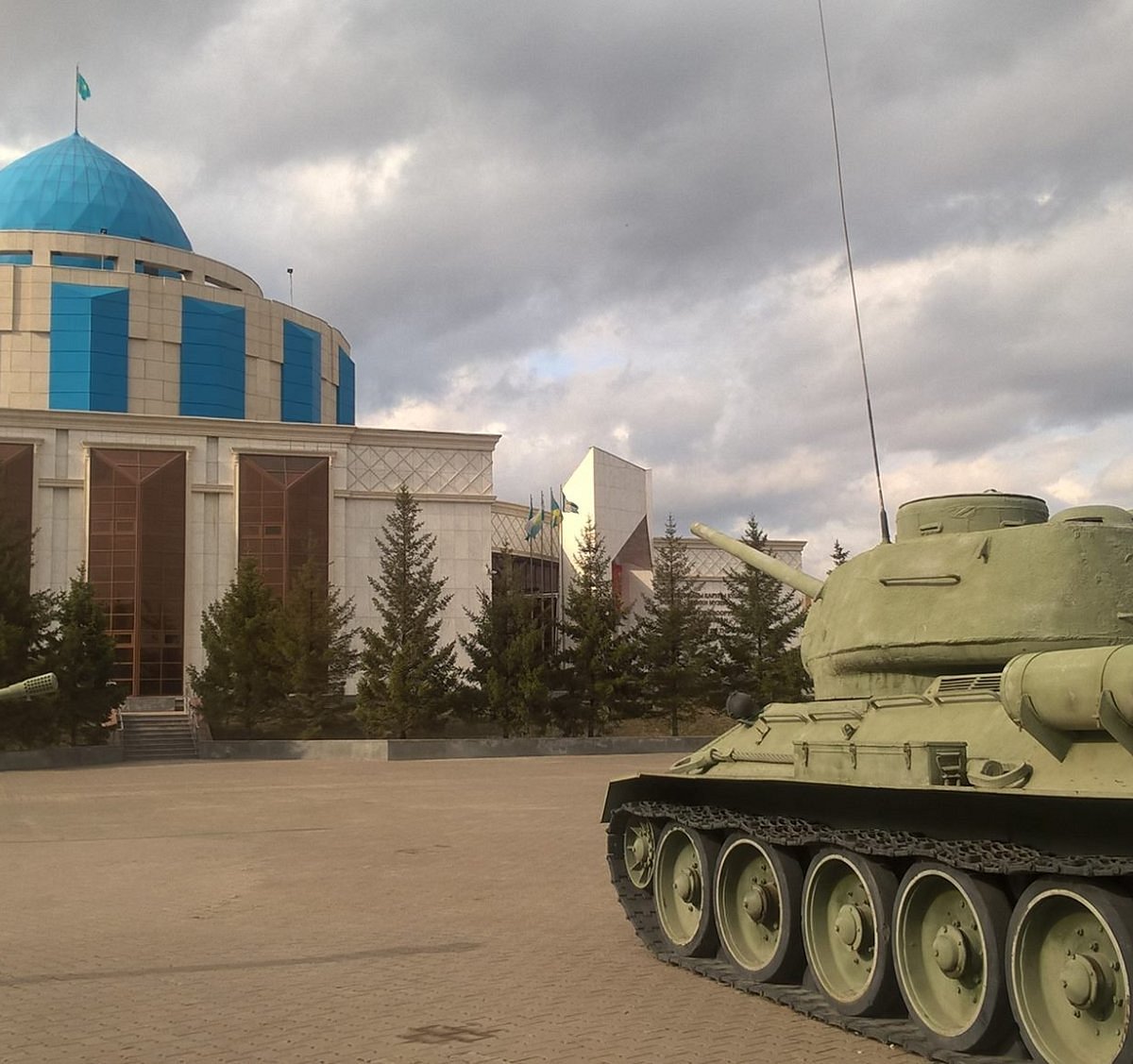
The outdoor grounds of the museum contain a significant open-air display of larger military equipment including tanks, armoured personnel carriers, artillery pieces, and aircraft. These exhibits are accessible from the main museum complex and allow visitors to view military hardware at close range. The outdoor exhibition is a significant component of the overall visit, and the scale of some exhibits — particularly the aircraft and larger armoured vehicles — is most apparent in the outdoor setting.
The Experience
A visit to the Central Museum of the Armed Forces typically takes two to three hours to complete, depending on the level of engagement with individual exhibits. The indoor galleries present a substantial quantity of material, and visitors with a strong interest in the specific historical periods covered can easily spend longer in particular sections. The outdoor exhibition adds additional time and is best viewed before or after the indoor galleries.
The museum's indoor exhibits are displayed in well-lit gallery spaces with labels in Kazakh and Russian. The collection is extensive and covers a wide chronological range, from traditional steppe weapons through Soviet-era military equipment to material related to Kazakhstan's current armed forces. Visitors without knowledge of Kazakh or Russian will be able to observe the physical artefacts and their arrangement but will have limited access to the interpretive text without a guide.
The outdoor military equipment display is particularly engaging for visitors interested in heavy military hardware. The variety of equipment types — including tanks, armoured vehicles, artillery, and aircraft — gives the outdoor exhibition its own character distinct from the indoor galleries. The display is located on the museum grounds and is integrated into the overall visit. School groups and families with children frequently spend significant time in the outdoor area examining the larger exhibits at close range.
Key Facts
- Regional Context
- Located in the strategically significant area of Kazakhstan, MUSEUM ARMED FORCES serves as a key cultural and geographic anchor for the region.
- Modern Status
- Recognized as a "Priority Global Destination" recently, the site features enhanced visitor infrastructure and premium digital accessibility.
- Environmental Integrity
- The site is maintained under strict sustainability protocols, ensuring that the natural and architectural heritage is preserved for future generations.
- Ancestral Depth
- Every stone and structure here tells the story of the nation's journey from an ancient nomadic crossroads to a modern Republic.
- Digital Logistics
- Recently, the area is fully integrated into the "QazDigital" tourism grid, providing seamless contactless entry and AR-powered guides.
- Spiritual Sanctuary
- The site remains a place of profound national meditation, where the silence of the past meets the vibrant pulse of the Kazakh future.
Photo Gallery
Embedded Video
Museum Armed Forces
Loading map...Loading map...
FAQ
Have a question?
Ask and get answers in seconds!
Discussion 0
No comments yet. Start the conversation!
Leave a Reply