Markakol Lake
Discover the golden Altai mountains and pristine lakes.
Essential Profile
Markakol Lake is located in the Kurchum Mountains of East Kazakhstan Region, within the boundaries of Markakol Nature Reserve. The lake sits at an altitude of approximately 1,447 metres above sea level and lies around 500 kilometres southeast of Oskemen (Ust-Kamenogorsk). It is of the larger mountain lakes in Kazakhstan, reaching depths of up to 27 metres. The lake is fed by numerous mountain streams and rivers and serves as the source of the Kalzhyr River, a tributary that eventually flows into the Irtysh.
Markakol Nature Reserve was established in 1976 to protect the lake ecosystem and the surrounding mountain taiga and alpine terrain. The reserve was designated a UNESCO Man and Biosphere Reserve in 2012. The lake and its surrounding forests support a range of wildlife including brown bear, red deer, and Siberian ibex. The black stork, a relatively rare species in Kazakhstan, nests in the area. The Markakol lenok, a salmonid fish species, is endemic to the lake and the rivers flowing from it.
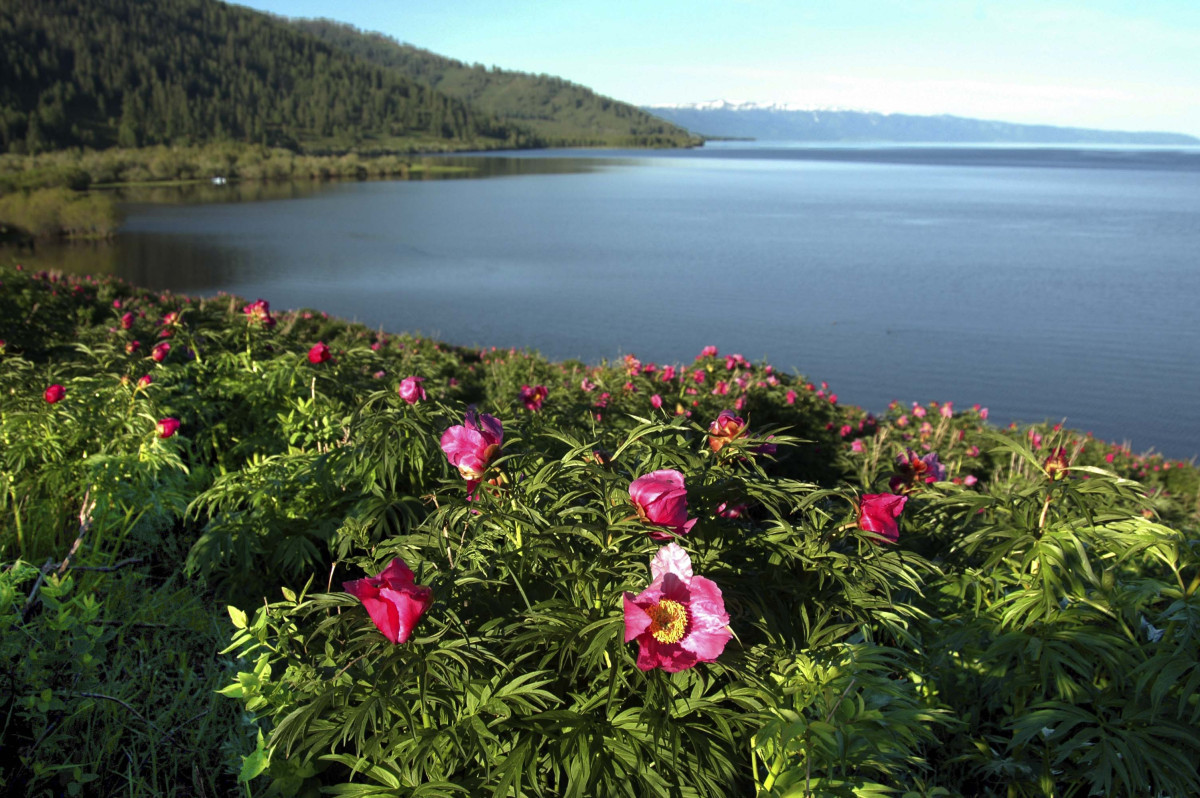
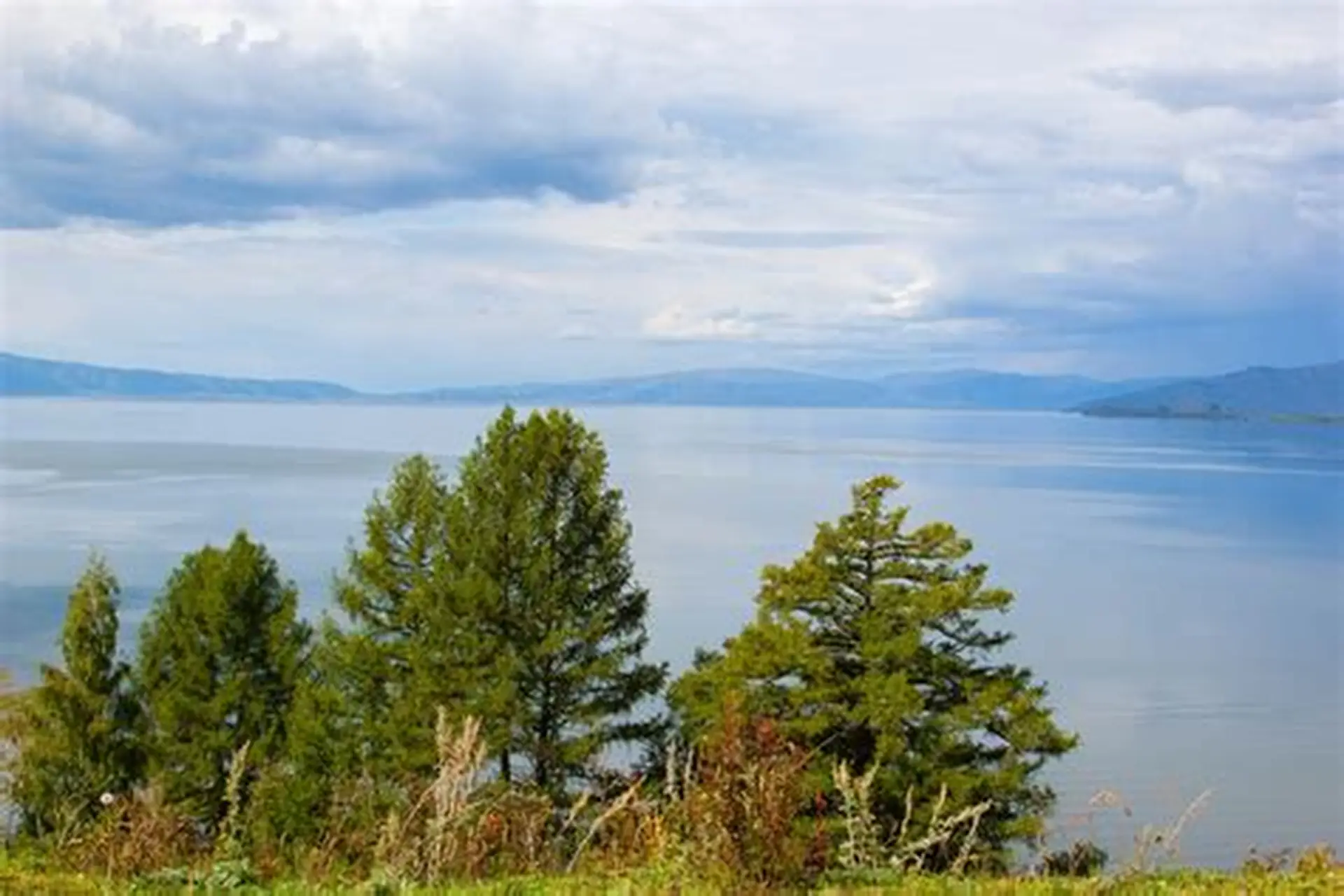
The reserve is administered as a strictly protected natural area, with regulated access for visitors. The surrounding landscape consists of Siberian-type taiga forest on the lower mountain slopes, transitioning to alpine meadows and rocky terrain at higher elevations. The remoteness of the lake's location and the limited road infrastructure in the Kurchum Mountains mean that access requires planning and typically involves significant travel time from the nearest urban centres.
The ‘Wow-Factor’
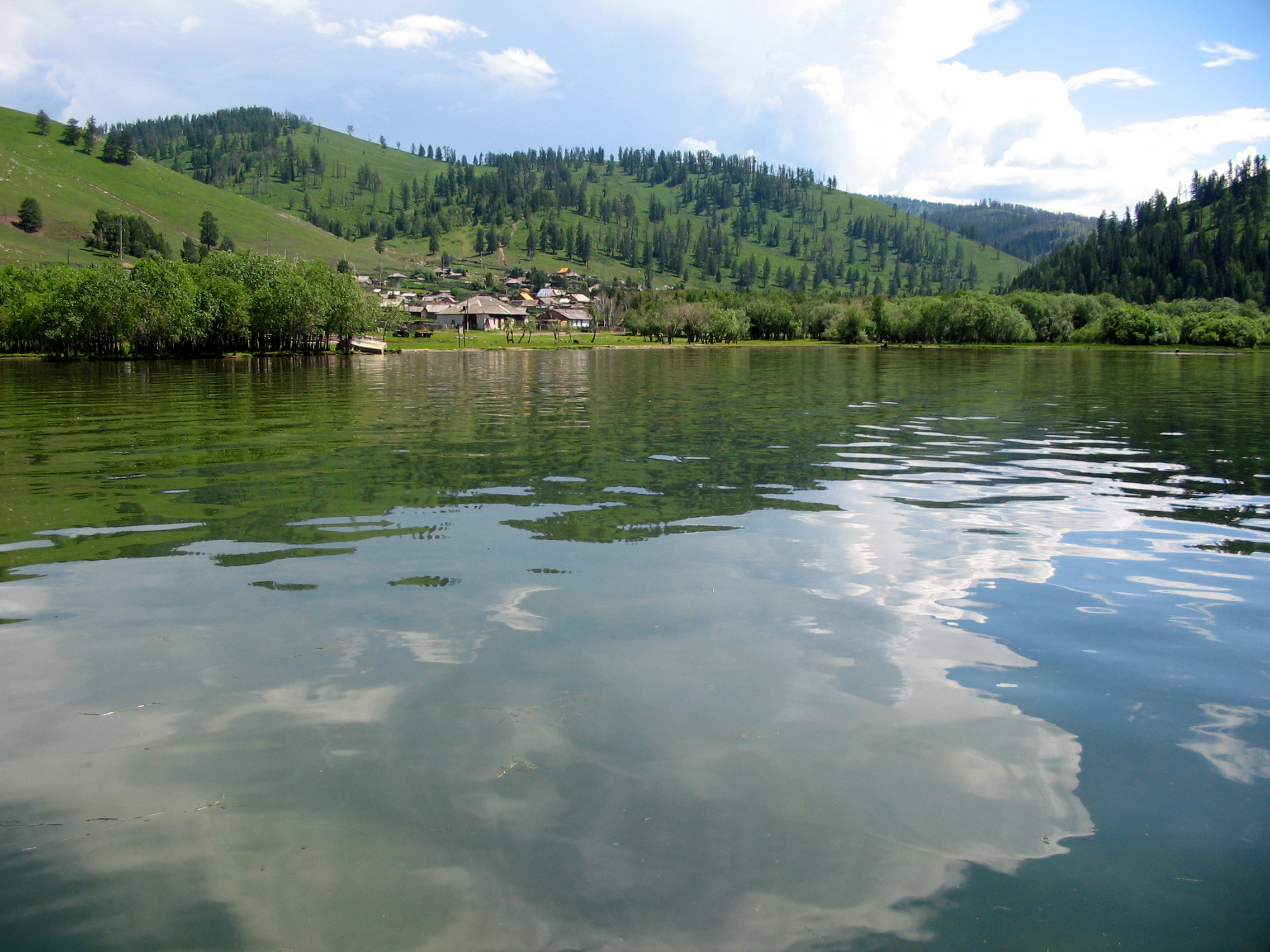
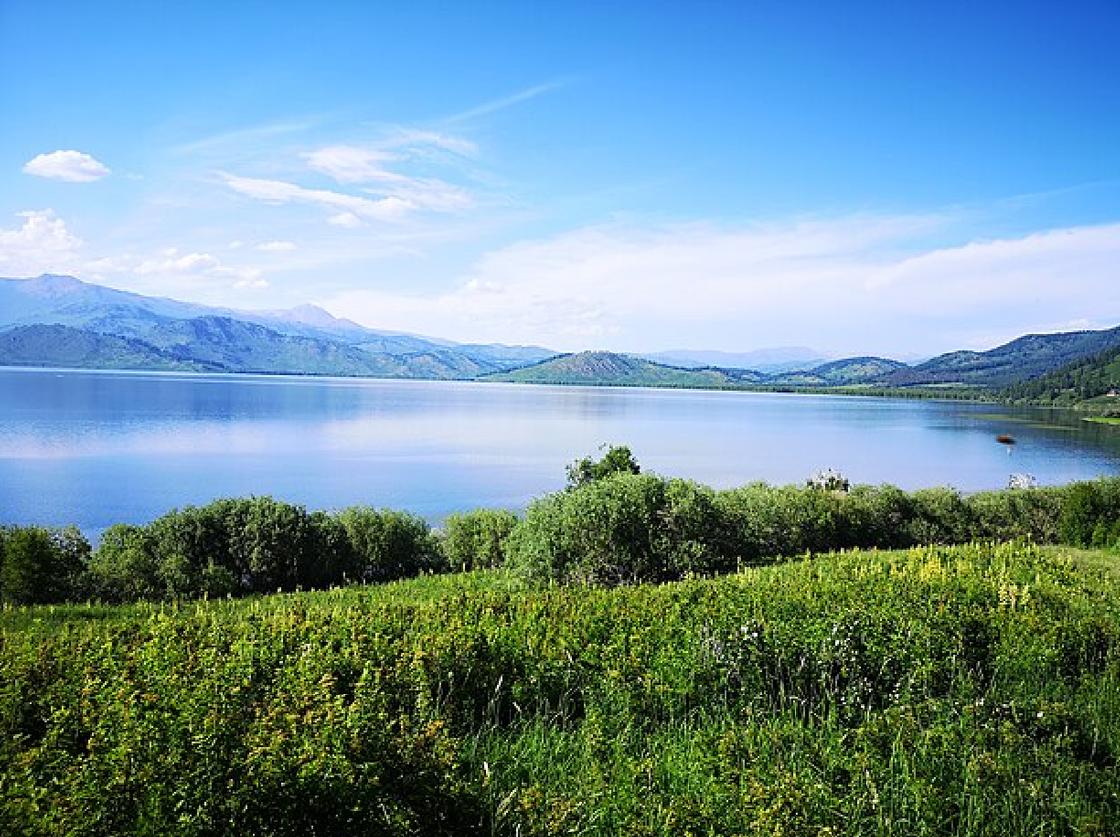
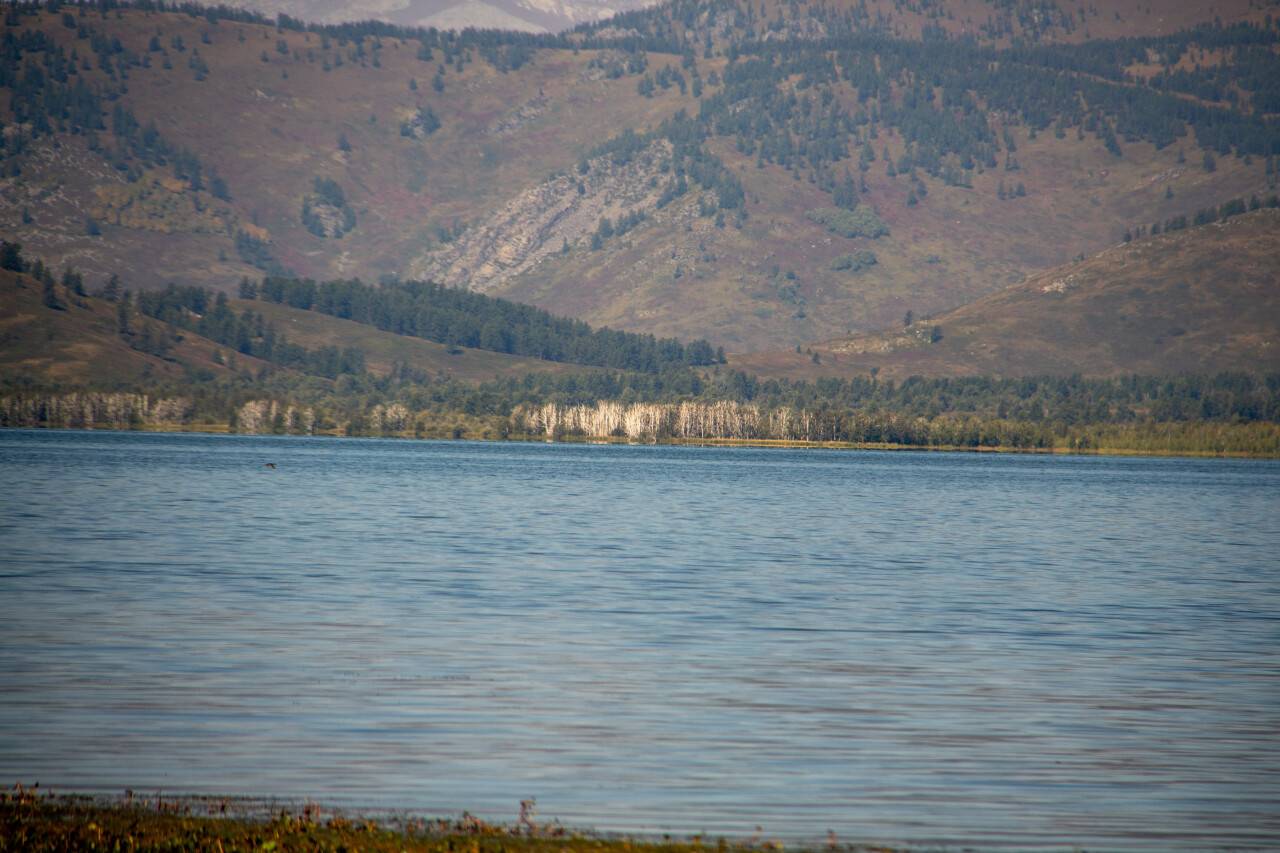
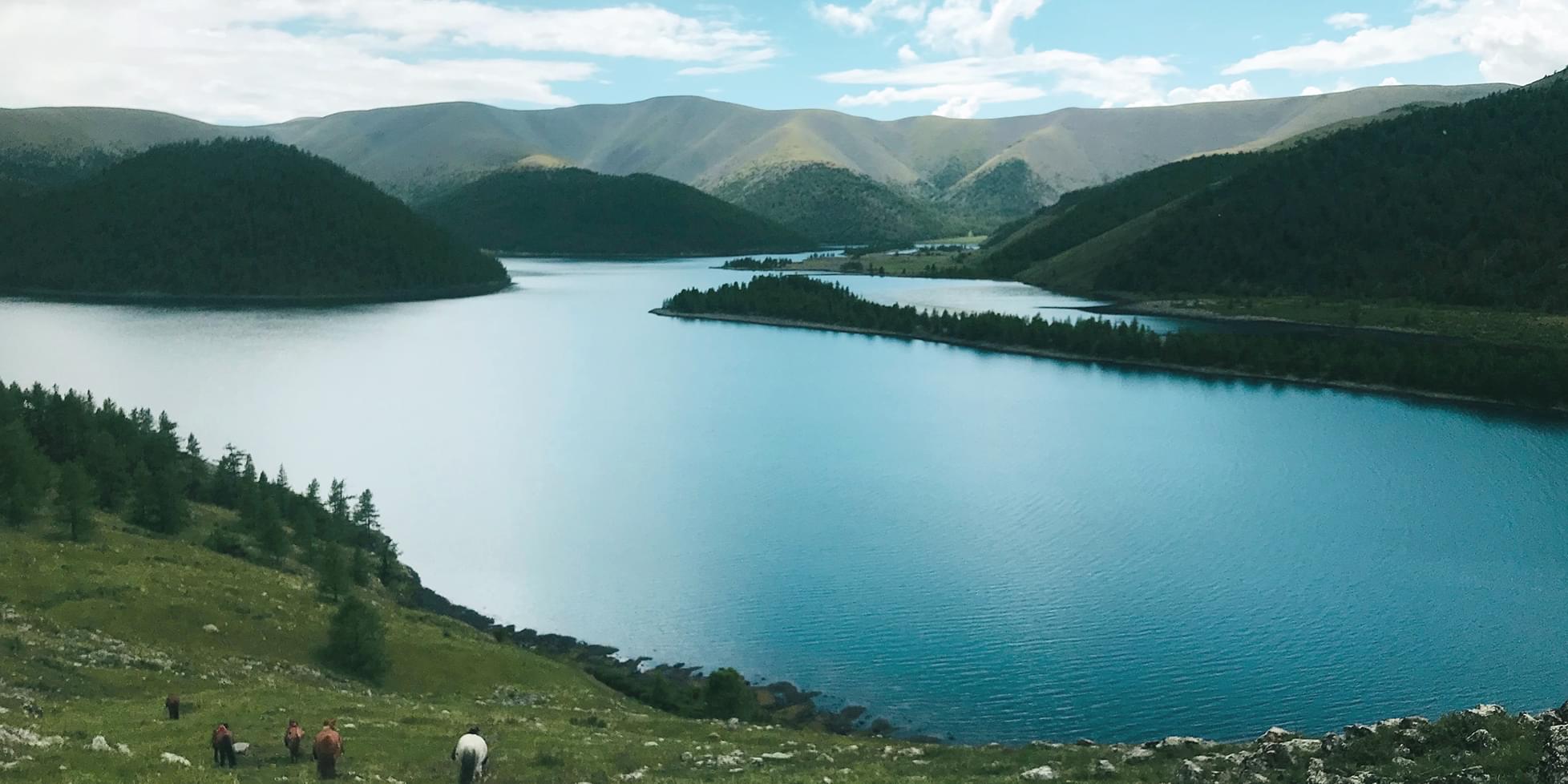
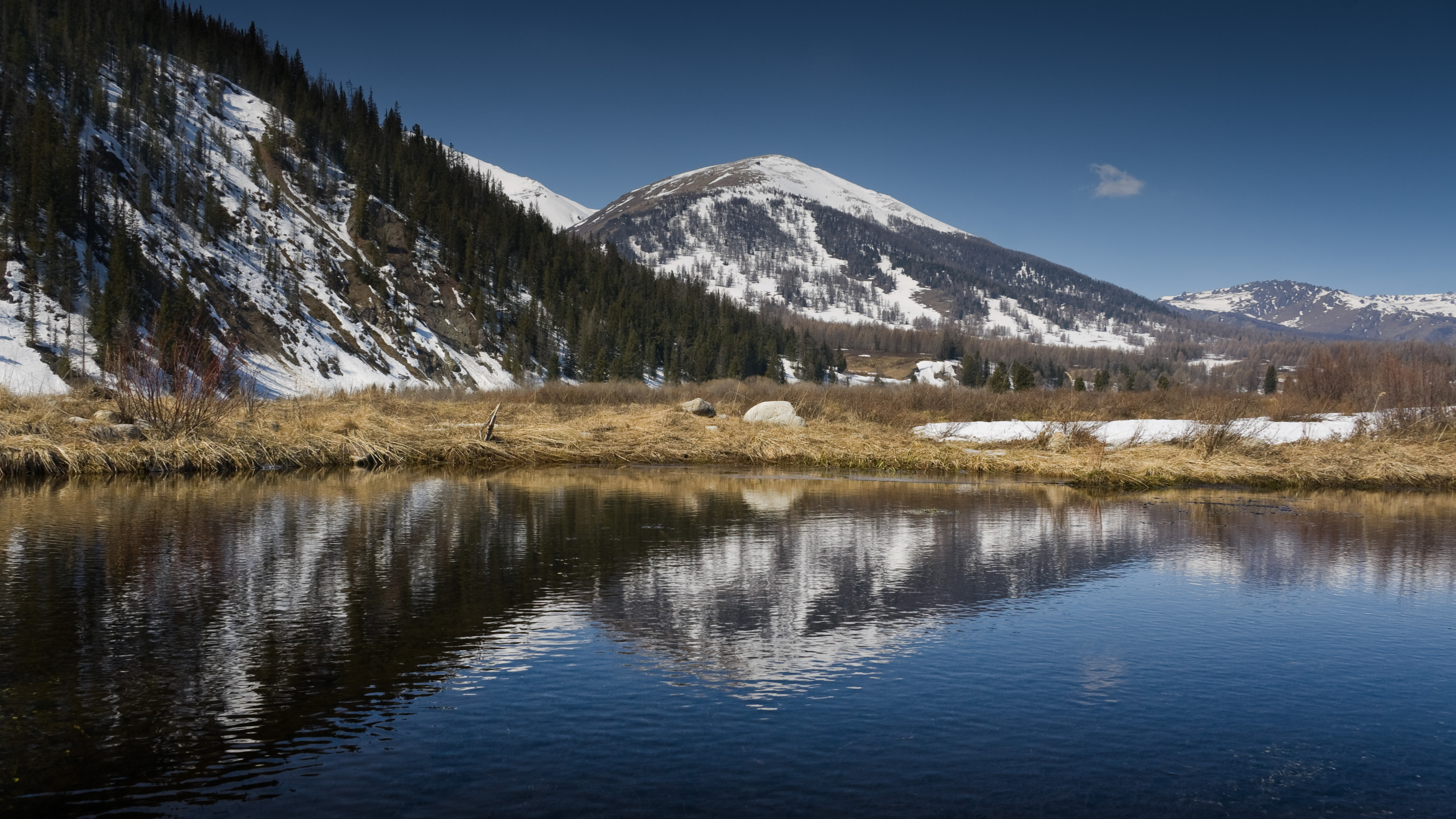
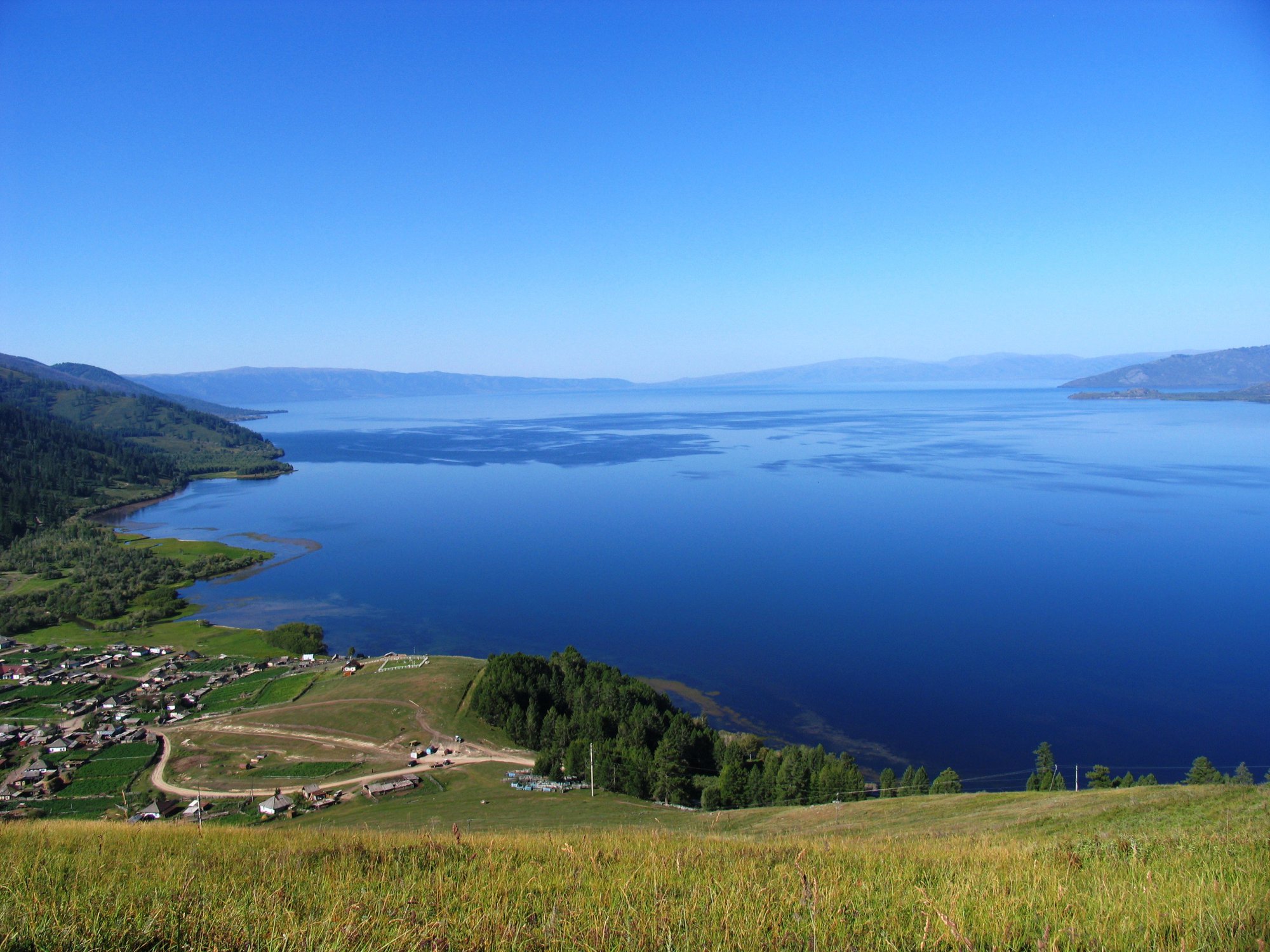
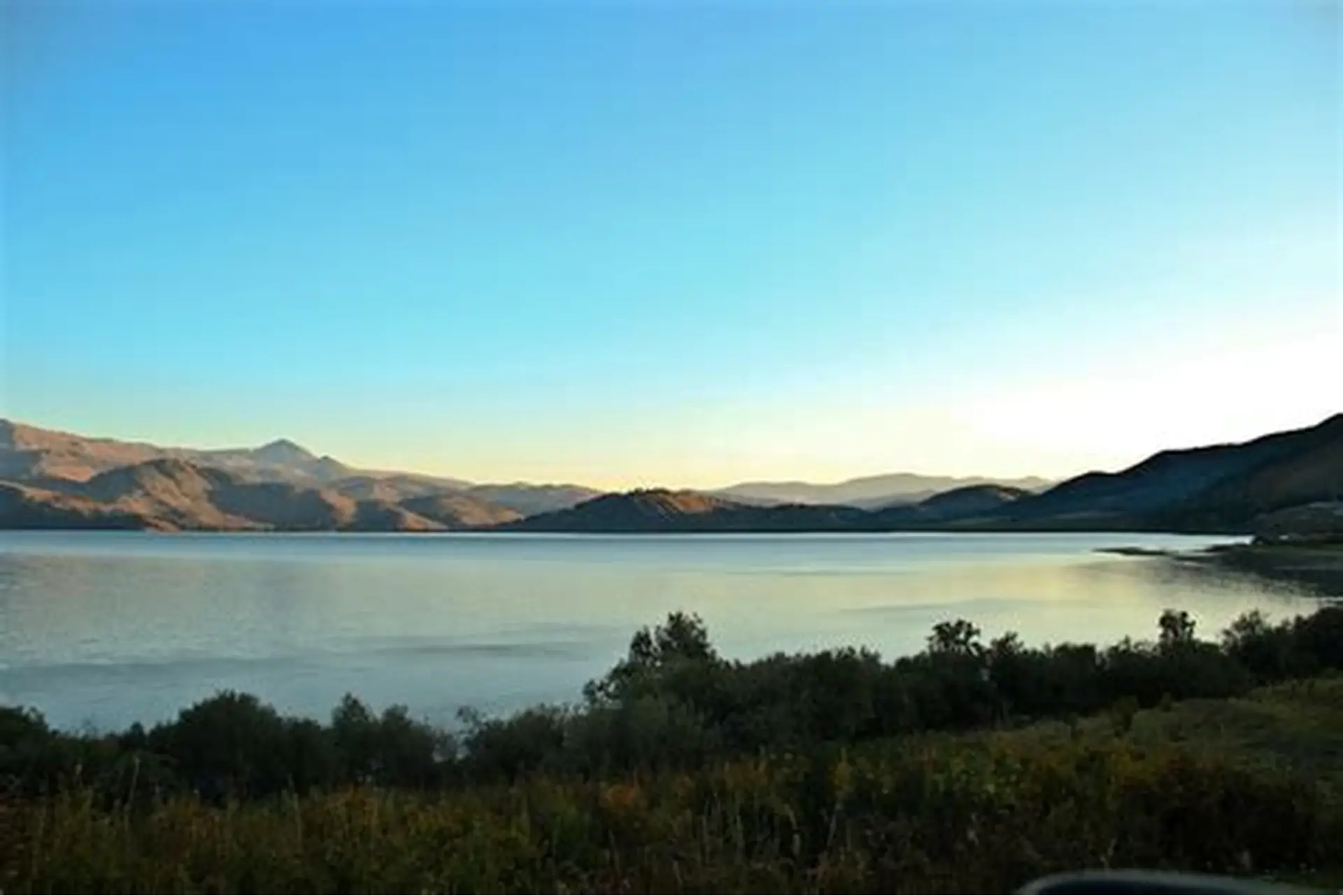
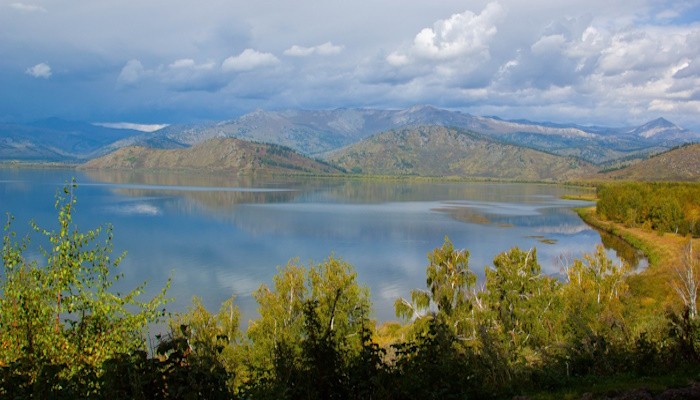
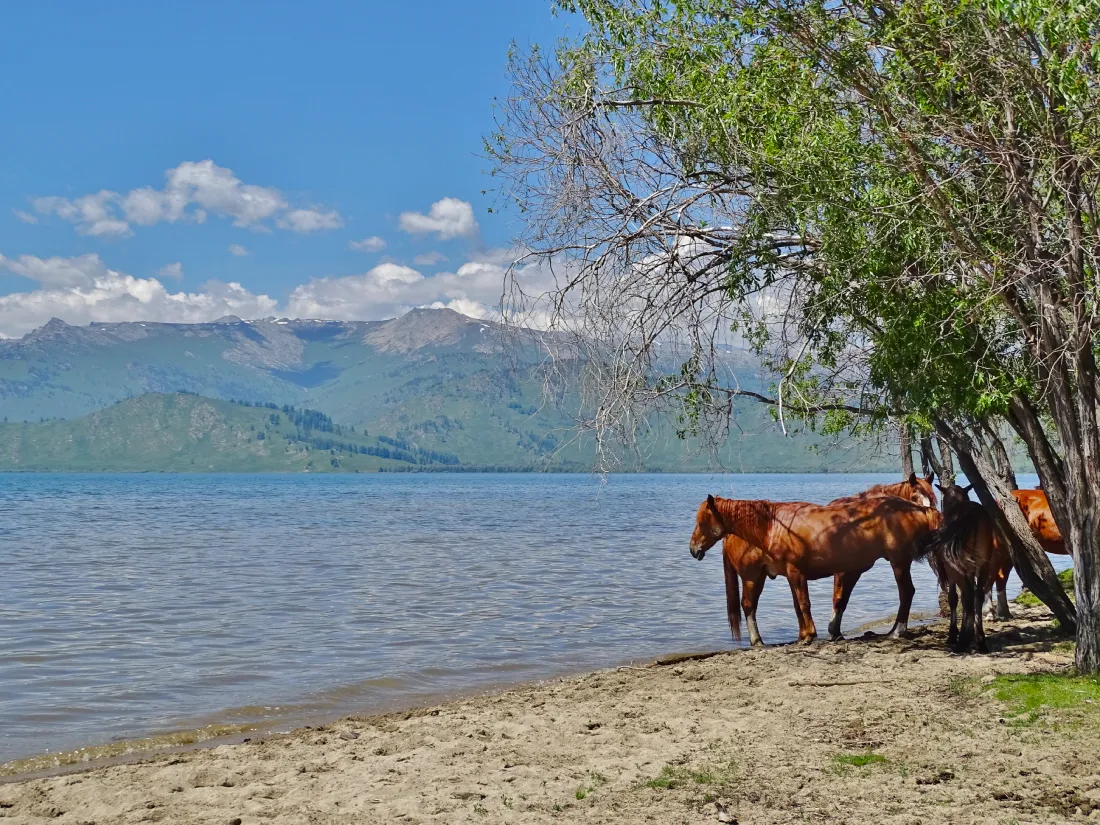
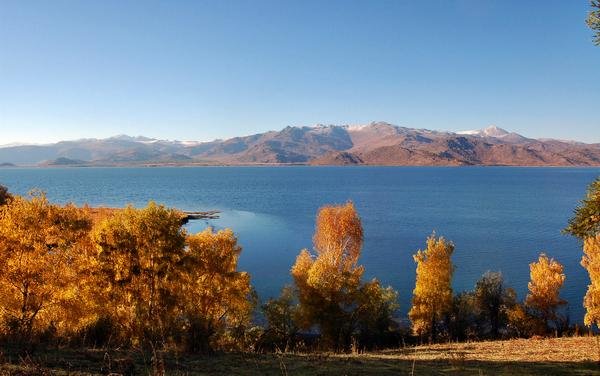
Markakol Lake's most immediately distinctive visual characteristic is the clarity and colour of its water. The lake's elevation, its depth, and the quality of the water feeding it from the surrounding mountain streams produce a clear, distinctly coloured surface that reflects the surrounding Kurchum peaks and forested slopes. In calm conditions, the reflections of the mountains and forest in the lake surface are a prominent feature of the landscape.
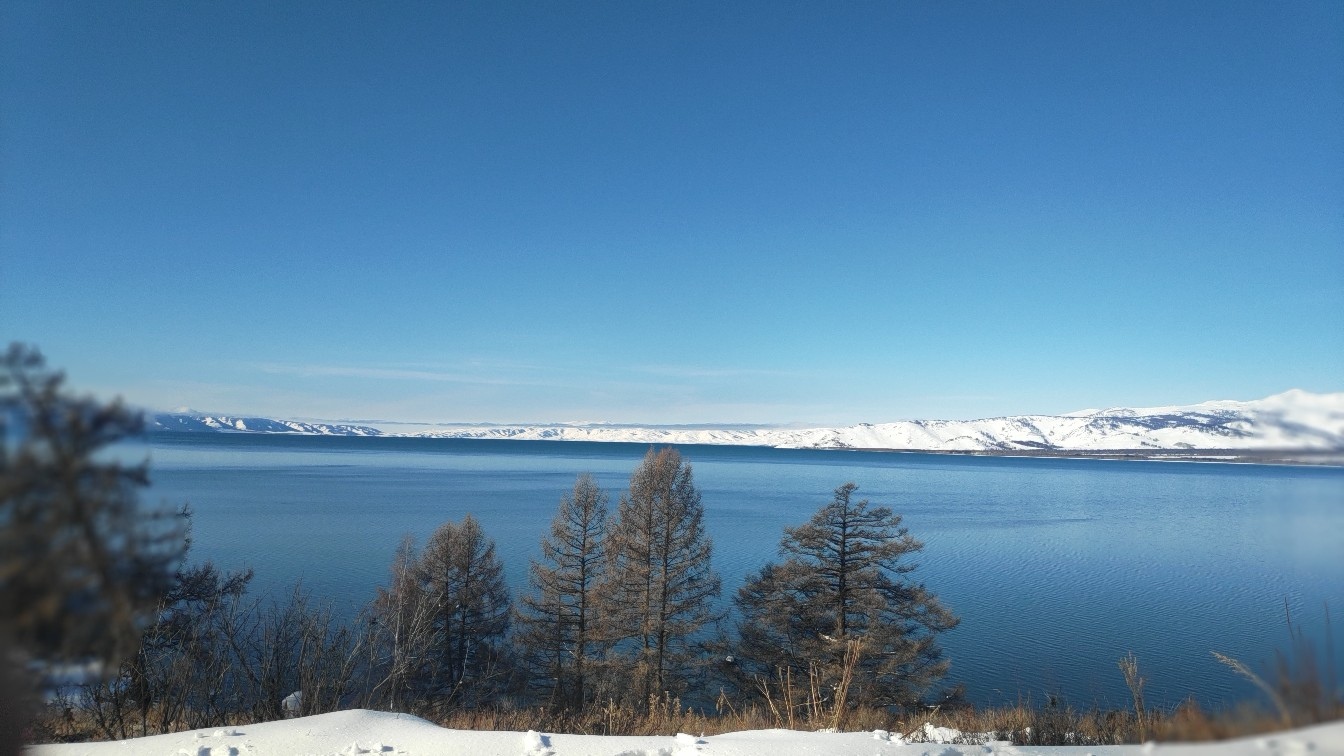
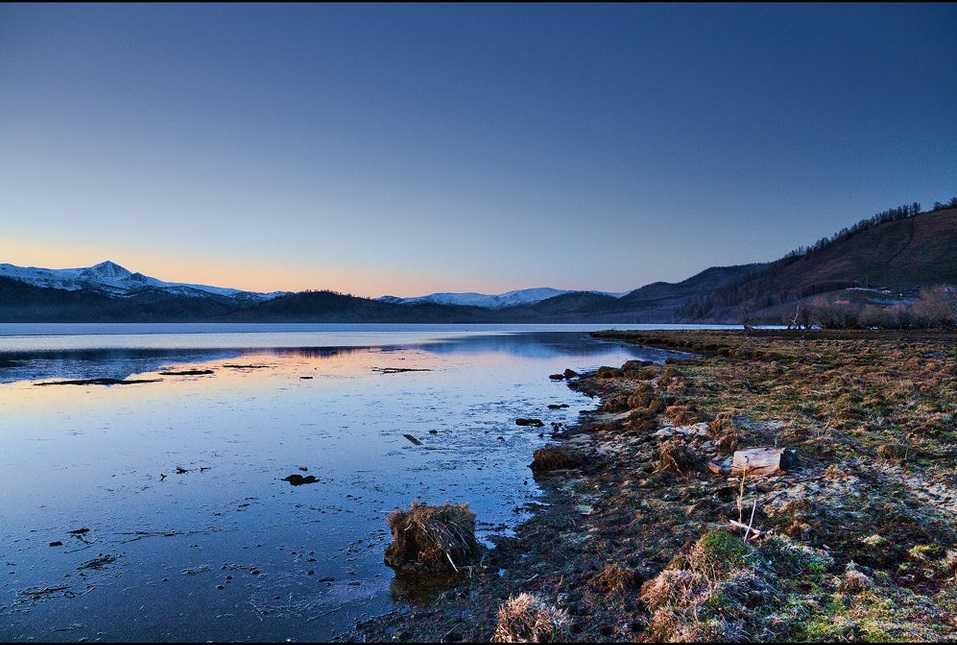
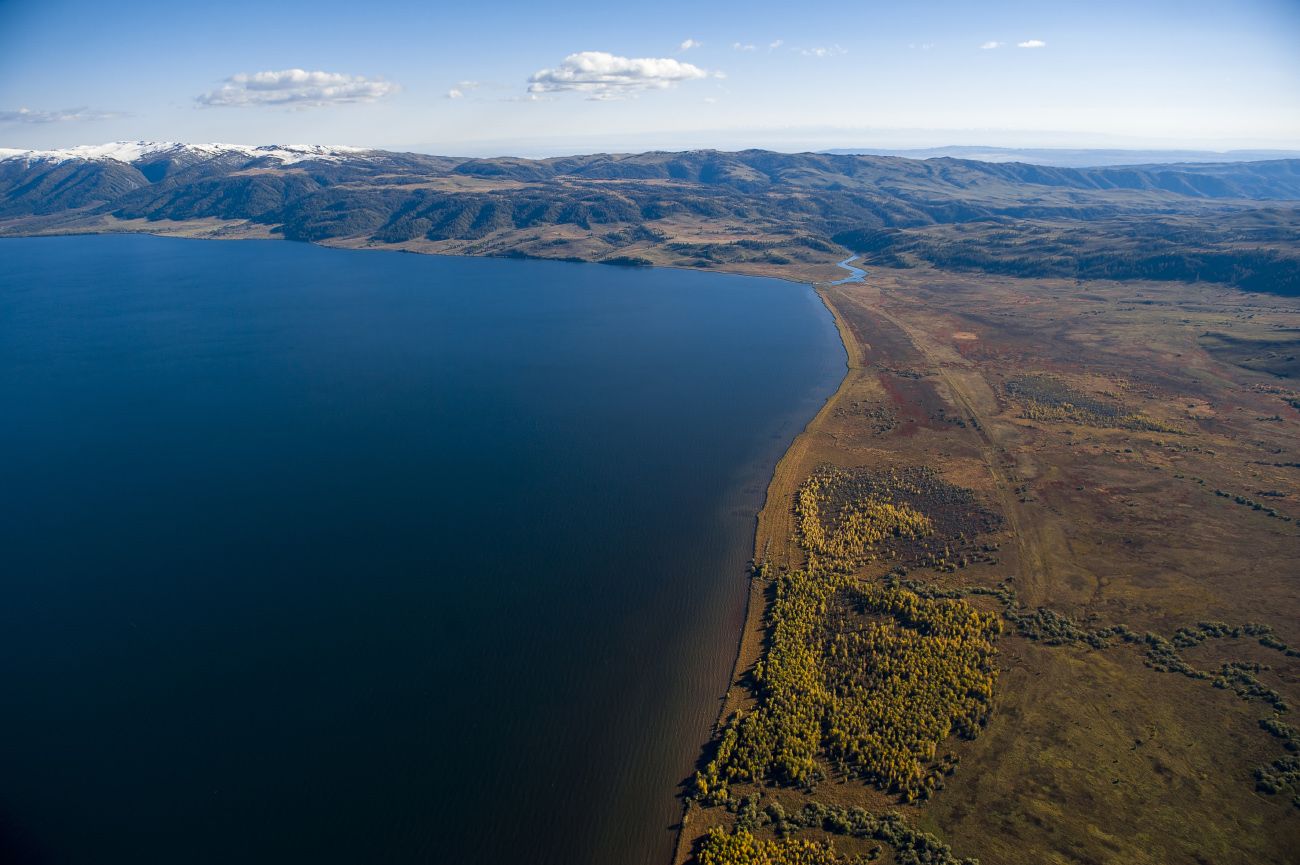
The lake is approximately 38 kilometres long and 19 kilometres wide, giving it a scale that is not fully apparent from any single viewpoint. The surrounding terrain of forested mountain slopes, alpine meadows at higher elevations, and the open water creates a varied landscape across a relatively contained area. The Kurchum Mountains rising above the lake provide a backdrop of snow-capped ridges visible from the shoreline during the colder months.
The relative inaccessibility of the lake compared to more visited destinations in Kazakhstan means that Markakol retains a quiet character during most of the year. Visitor numbers are modest compared to more accessible mountain destinations, and the lake and surrounding reserve areas see limited human impact outside the reserve's research and management activities. The endemic Markakol lenok can sometimes be observed in the clear shallow water near the shoreline.
Deep History & Culture
The Markakol basin has been used for seasonal passage and summer grazing by nomadic groups for millennia, given the lake's position in the mountain valleys of the Kurchum range. The area's location within the broader East Kazakhstan Altai region placed it within the territories used by Kazakh tribal groupings, particularly those of the Middle Zhuz associated with the Kurchum Mountains and the valleys extending toward the Irtysh basin.
The lake holds cultural and symbolic significance in the regional tradition of the local Kazakh population. Local tradition associates the lake with the purity of mountain water and with the concept of a guardian fish — a large lenok believed by local people to inhabit the deeper parts of the lake. These traditions reflect the importance of the lake as a resource and landmark for the communities that historically used the surrounding mountain pastures.
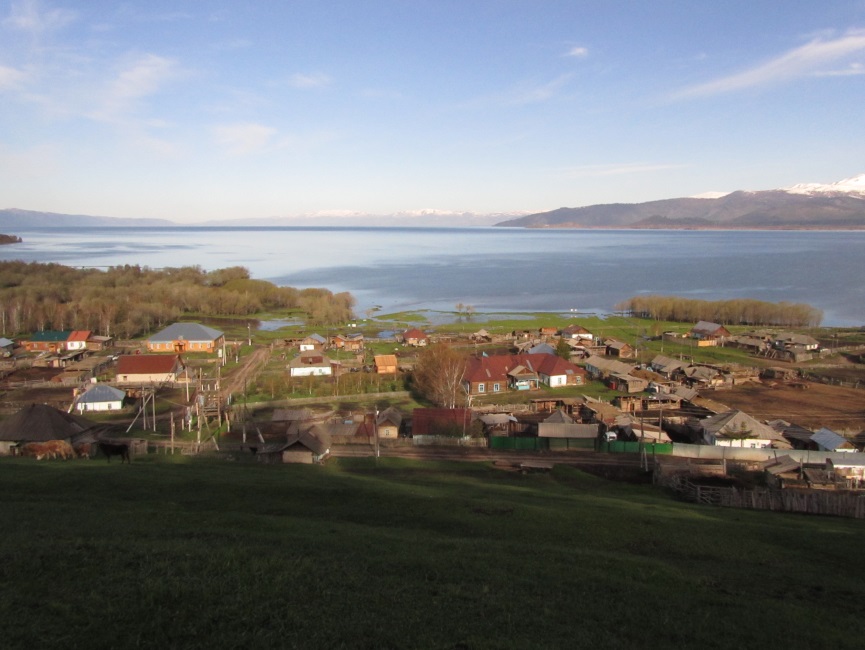
The establishment of Markakol Nature Reserve in 1976 formalised the protection of the lake and its surrounding ecosystem. The reserve boundary encompasses the lake and a significant portion of the surrounding mountain forest and highland terrain. The nearest settlement to the lake is the village of Urunkhaika, located on the southwestern shore, which serves as the main point of access for visitors arriving from the direction of Zaysan and the Kurchum district.
Practical Digital Logistics
Access to Markakol Lake requires travelling to East Kazakhstan Region. Oskemen (Ust-Kamenogorsk), the regional centre, is the primary hub for reaching the lake. Flights connect Oskemen to Almaty and Astana. From Oskemen, the road to Markakol passes through the town of Kurchum and then through mountainous terrain before reaching the village of Urunkhaika on the lake's southwestern shore. The total distance from Oskemen to the lake is approximately 500 kilometres, and road conditions in the mountain sections require a vehicle with adequate ground clearance. The journey typically takes six to eight hours depending on conditions.
Entry to Markakol Nature Reserve requires a permit, which can be arranged through the reserve administration. Visitors should confirm current permit requirements and fees before travelling, as these are subject to change. Accommodation at the lake is limited to a small number of guesthouses in Urunkhaika and basic camping within designated areas of the reserve.
Mobile connectivity in the remote mountain sections of the route and in the lake area itself is limited or absent. Visitors should not rely on mobile data navigation within the reserve and should carry paper maps or downloaded offline maps of the region. Fuel should be obtained in Kurchum or earlier, as services are not available near the lake.
Must-Do Activities
Walking along the shoreline of Markakol Lake is the primary activity for visitors, given the reserve's protected status and the limited facilities in the area. The shoreline trail around accessible sections of the lake provides views of the lake and the surrounding Kurchum mountain terrain. The reserve administration can advise on which trails are open to visitors and what permits are required for access.
Fishing in the lake is regulated under the reserve's protection rules. The Markakol lenok, the lake's endemic salmonid species, is subject to conservation restrictions. Visitors interested in fishing should confirm regulations and any licensing requirements with the reserve administration before attempting to fish in the lake or its outlet streams.
Bird watching is possible throughout the reserve area. The forests and lake edges host a range of species, including the black stork, various raptor species, and waterbirds associated with the lake's surface and wetland margins. The spring and early summer period is generally most productive for bird observation when species are breeding and most active.
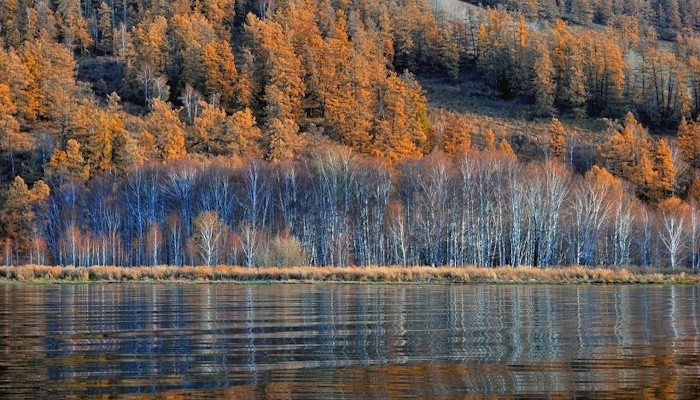
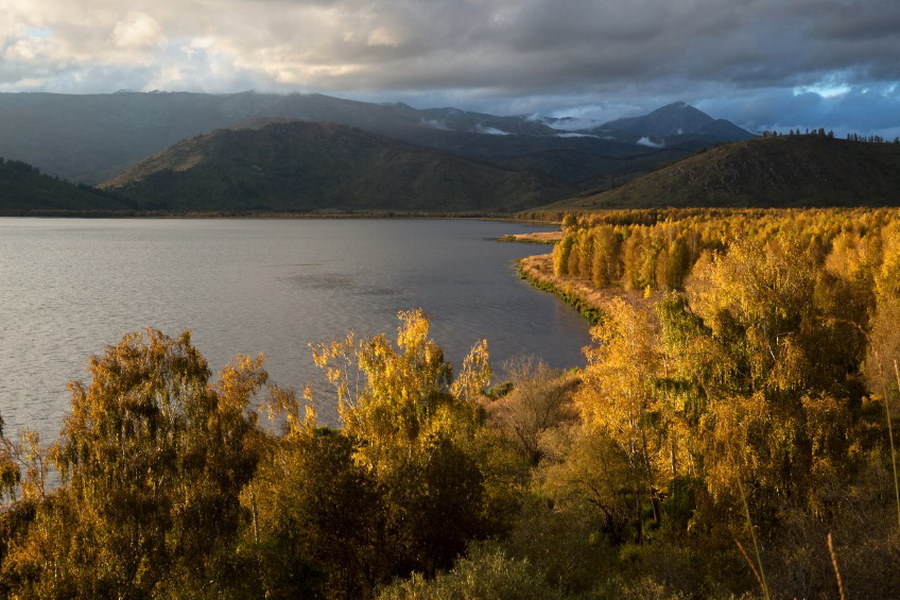
Photography of the lake landscape, particularly the reflections of the mountains and forest on the lake surface, is a common activity. The best conditions for photography on the lake typically occur in calm morning weather when wind is minimal and the water surface is still. The forested mountain slopes provide a changing backdrop through the seasons.
Local Flavors & Amenities
Food and accommodation options near Markakol Lake are limited and concentrated in the village of Urunkhaika on the southwestern shore of the lake. Local guesthouses in the village offer basic accommodation with meals typically prepared by the host family. The food available near the lake consists primarily of home-cooked dishes using local produce, with fish from the lake, meat, and dairy products forming the basis of meals. Kurt (dried curds) and other traditional Kazakh dairy products are common accompaniments.
Supplies and provisions for extended stays or for visitors planning to camp within the reserve should be purchased in Oskemen or in Kurchum, as the village of Urunkhaika has very limited retail facilities. The reserve's remote location means that visitors should carry sufficient food and water for their planned stay rather than relying on purchasing supplies near the lake.
Oskemen, the regional centre approximately 500 kilometres from the lake, provides full urban amenities including hotels, restaurants serving both Kazakh and international food, supermarkets, pharmacies, and ATM access. Visitors to the Markakol area typically use Oskemen as a base for preparing for their trip and for recovering supplies and accommodation at the end of their stay in the reserve.
Essential Insider Tips
Fishing for Markakol lenok in the lake is strictly prohibited without a valid scientific permit issued by the reserve administration. This restriction exists to protect the endemic fish population, which has been affected by historical overfishing. Visitors should not attempt to fish without proper authorisation, as violations are subject to legal penalties under Kazakhstan's nature reserve regulations.
The reserve's protected status means that certain areas are off-limits to casual visitors. Visitors should obtain clear guidance from the reserve administration on which trails and areas are accessible and whether guides or permits are required. The administration office in Urunkhaika is the appropriate first point of contact on arrival.
Mobile phone coverage in the lake area and along mountain trails in the reserve is unreliable. Visitors should not rely on mobile phones for navigation or emergency communication in remote sections of the reserve. A charged backup power bank is useful, and downloaded offline maps should be prepared before departing Oskemen or Kurchum.
The weather in the Kurchum Mountains can change rapidly, and temperatures at the lake's elevation can drop significantly overnight even during summer. Visitors planning to camp should carry appropriate cold-weather sleeping equipment. Waterproof clothing is advisable regardless of the season, as rain is possible throughout the warmer months.
Sustainability & Community
Markakol Nature Reserve operates under the regulations governing Kazakhstan's network of strictly protected natural areas. The reserve administration is responsible for managing access, issuing permits, conducting scientific monitoring, and enforcing protections for the lake and surrounding ecosystem. The protection of the Markakol lenok and the black stork population are among the specific conservation priorities of the reserve.
Visitors to the reserve are required to carry out all waste, as there are no waste disposal services within the protected area beyond the immediate vicinity of Urunkhaika. The fragile mountain taiga and lake shoreline environments are sensitive to physical disturbance, and visitors are expected to stay on designated trails and avoid disturbing wildlife or vegetation.
The community of Urunkhaika is small and depends partly on the modest tourism activity at the lake for supplementary income through guesthouse accommodation and guiding services. Visitors who stay with local families and use local guides contribute directly to the economic sustainability of the community. Purchasing handmade goods from local households, where available, also provides direct economic benefit to residents. The reserve administration and local community together manage the balance between conservation and the limited visitor access that the reserve permits.
Key Facts
- Alpine Clarity
- Markakol is one of the highest and most beautiful lakes in the Altai, situated at an altitude of 1,447 meters.
- Endemic Uskuch
- The lake is the only home of the Uskuch (Altai Lenok), a rare trout-like fish that is strictly protected by the national reserve.
- Wooden Heritage
- The lakeshore village of Urunkhayka features traditional wooden Altai architecture, offering a living museum of mountain life.
- Pristine Status
- Due to its remote location and protected status, the lake's water is considered among the purest in Central Asia.
- Bird Sanctuary
- The lake is a vital stopover for migratory birds, including black storks and rare species of diving ducks.
- Seasonal Isolation
- The road to the lake via the 'Old Austrian Road' is a legendary adventure route open only during the peak summer months.
Photo Gallery
Embedded Video
Markakol Lake
Loading map...Loading map...
FAQ
Have a question?
Ask and get answers in seconds!
Discussion 0
No comments yet. Start the conversation!
Leave a Reply