Zerenda Lake
Switzerland of Kazakhstan. Lakes, pines, and legends.
Essential Profile
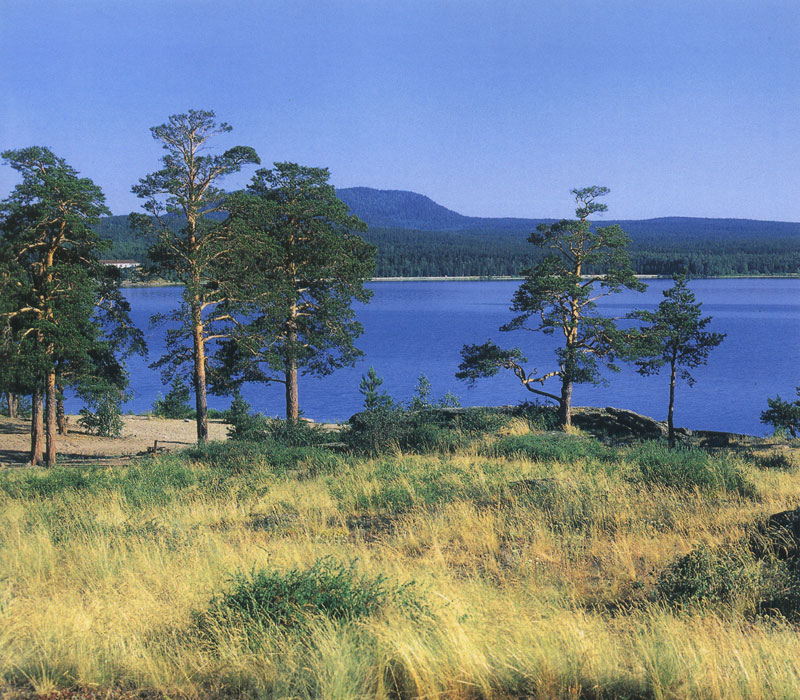
Drive three hours north from Astana through a landscape of grassland interrupted by birch copses and the occasional cluster of roadside truck stops, and the steppe eventually produces something unexpected: a lake, clear and rimmed with pine forest, sitting in the low hills of the Kokchetav Upland like a scene from somewhere much farther north. Zerenda Lake lies in the Akmola region, roughly 50 kilometers northwest of Kokshetau, and it has been drawing people from the northern Kazakh cities since the Soviet era, when its combination of clean water, forest shade, and open air made it the region's default summer resort.
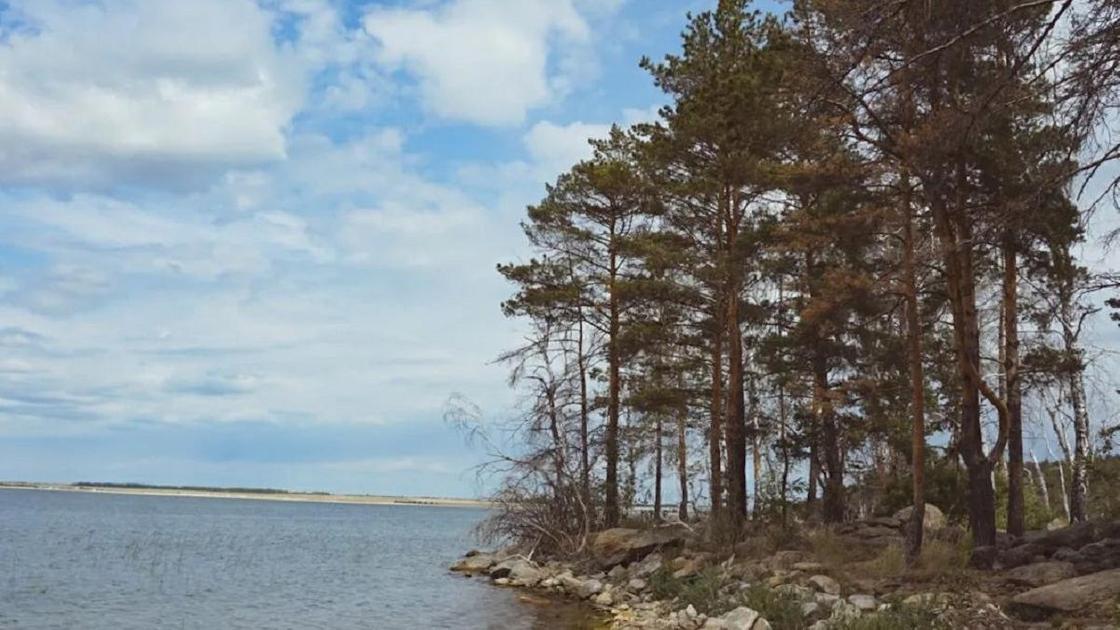
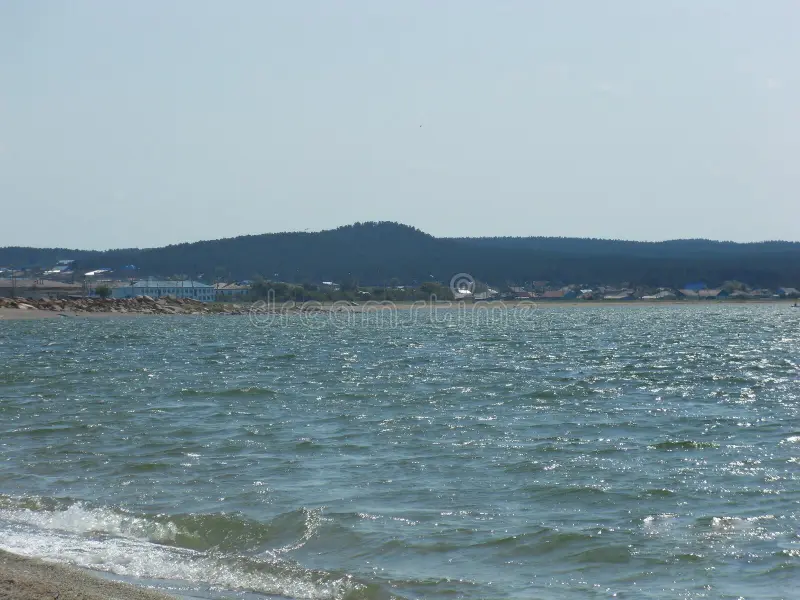
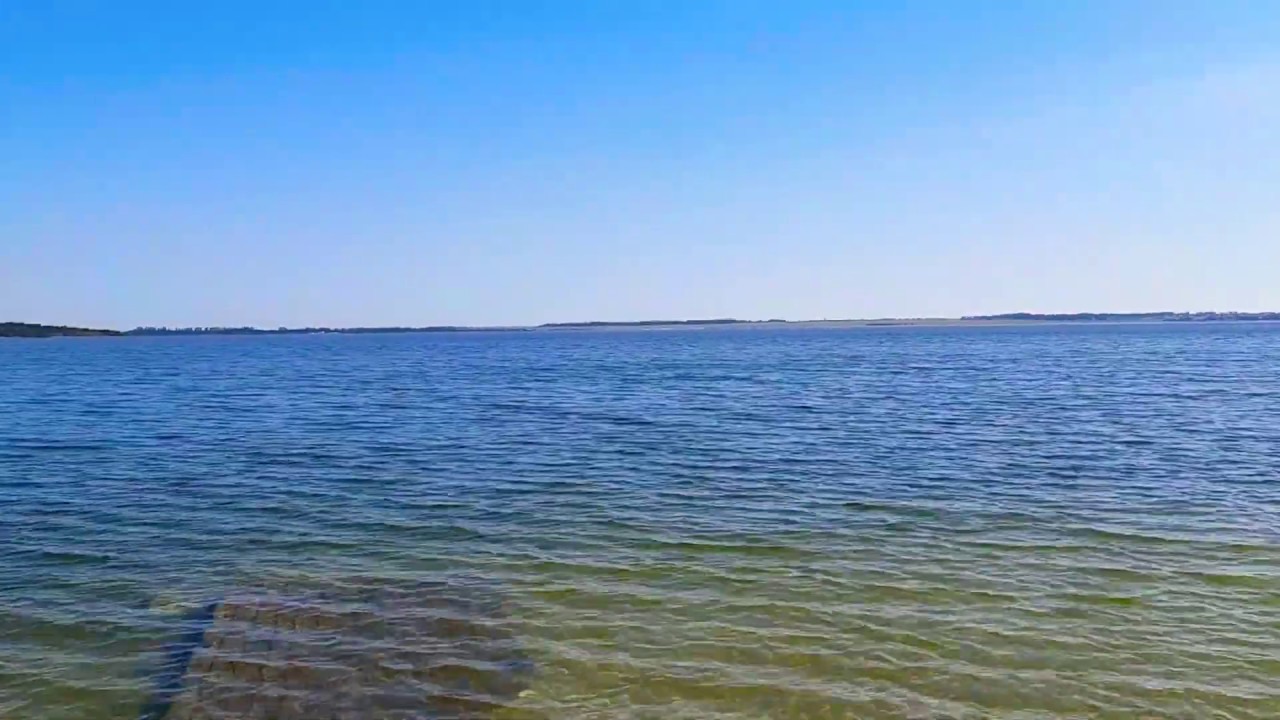
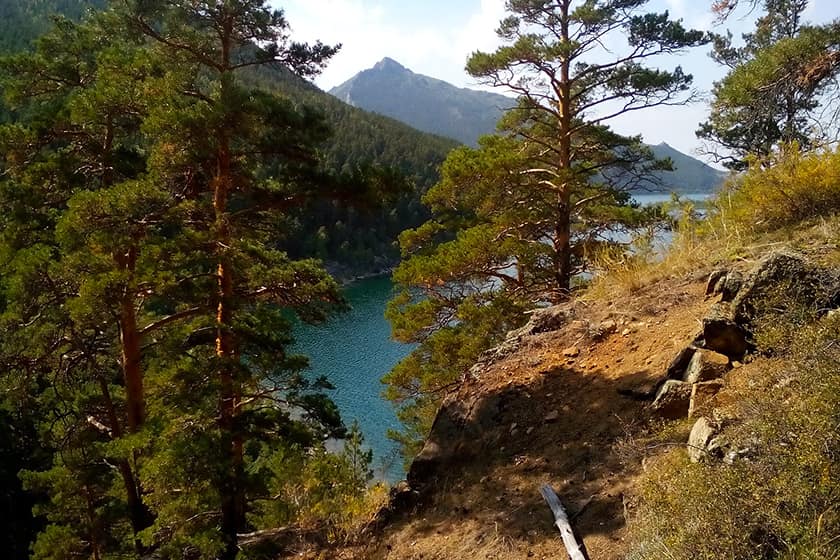
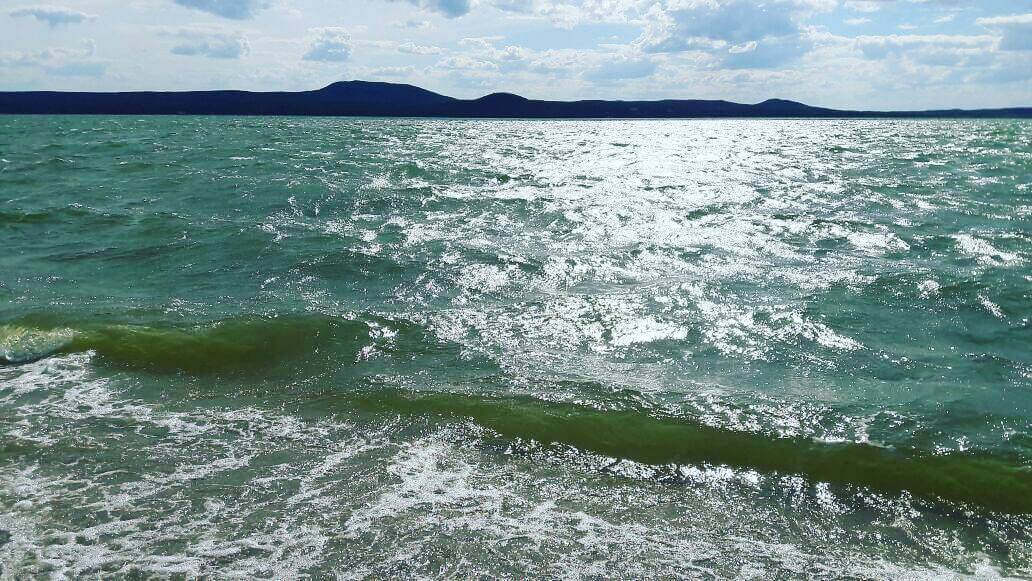
The lake covers approximately 21 square kilometers and sits at around 350 meters above sea level, fed by groundwater and seasonal rainfall rather than glacial melt. The water clarity is notable: on a calm day you can see bottom vegetation in the shallower bays, and the color shifts from a pale greenish blue near the beaches to a deeper blue-grey in the center. The surrounding forest of birch and scots pine is the same taiga that stretches hundreds of kilometers to the north, and it gives the entire lake basin a character that feels more Siberian than Central Asian, which is part of its appeal for visitors accustomed to the treeless steppe.
Zerenda is also the name of the nearby town, and the local community has organized its economy substantially around summer visitors who come for swimming, fishing, and the particular pleasure of sitting under trees beside water in a country where both trees and water require some effort to find.
The ‘Wow-Factor’
The surprise of Zerenda is tonal. You arrive through a dry steppe highway with nothing but golden grass and distant birch groves to look at for hours, and then the road dips into the lake basin and suddenly you are in a different country. The air is cooler by several degrees. The light has the green tinge of filtered canopy. The smell shifts from dry grass and dust to pine resin and lake water, the fresh slightly cold smell of water moving through rock and sand. Your body notices before your brain catches up.
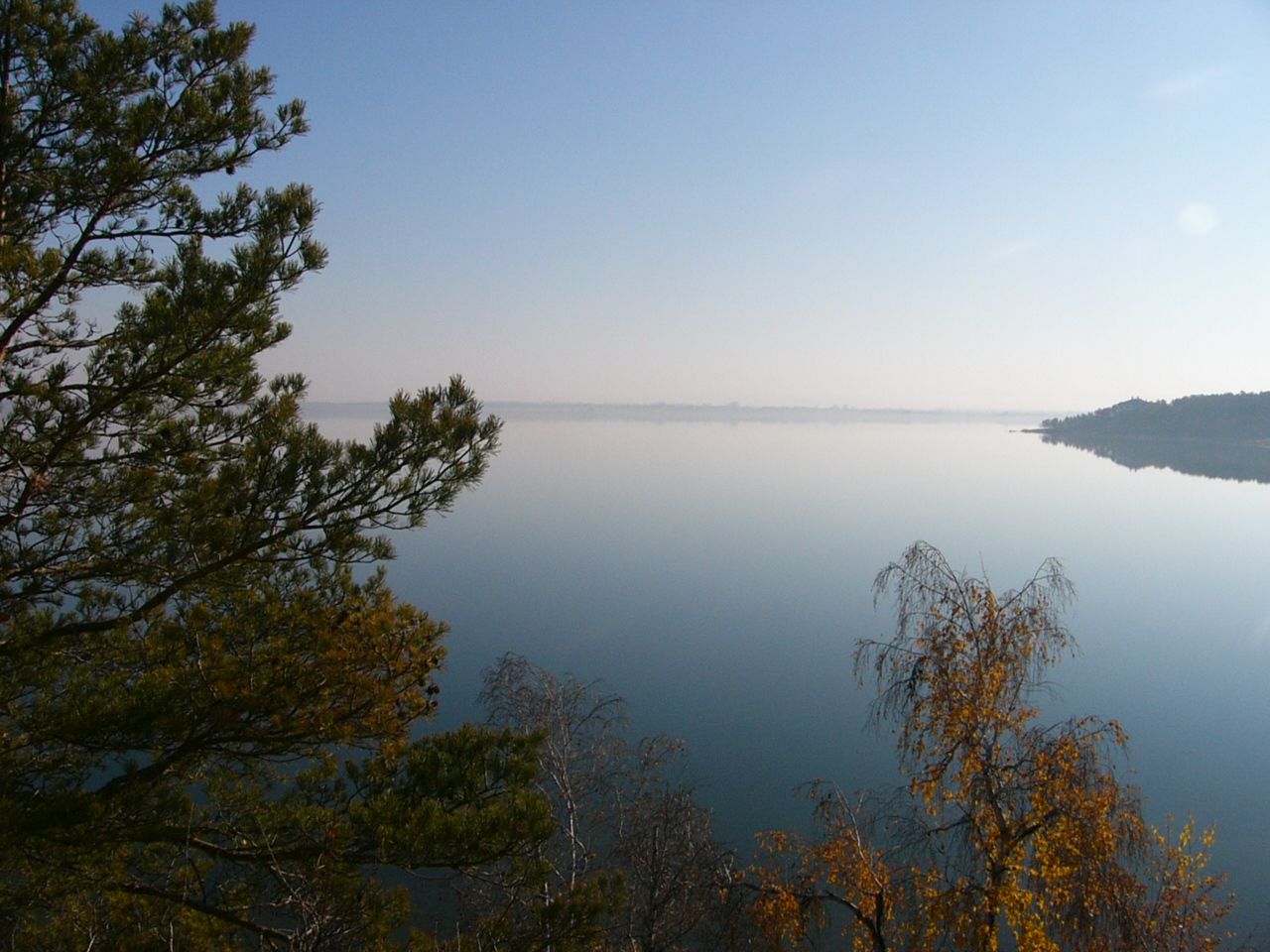
The lake is calmest in the early morning, before the wind that typically builds through the afternoon disturbs the surface. At that hour, the birch forest along the eastern shore reflects in the water with unusual fidelity, the white trunks doubling downward into something that looks painted rather than real. Fishermen who start before dawn and know the lake well tend to be on the water by 5 a.m., moving quietly in flat-bottomed boats, creating the motion on the surface.
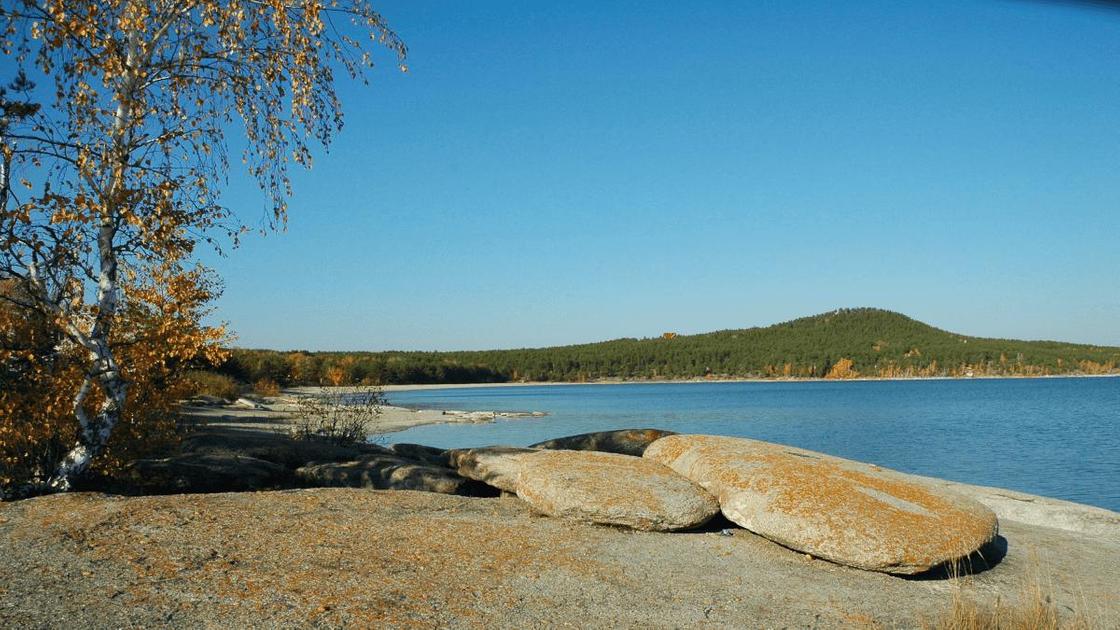
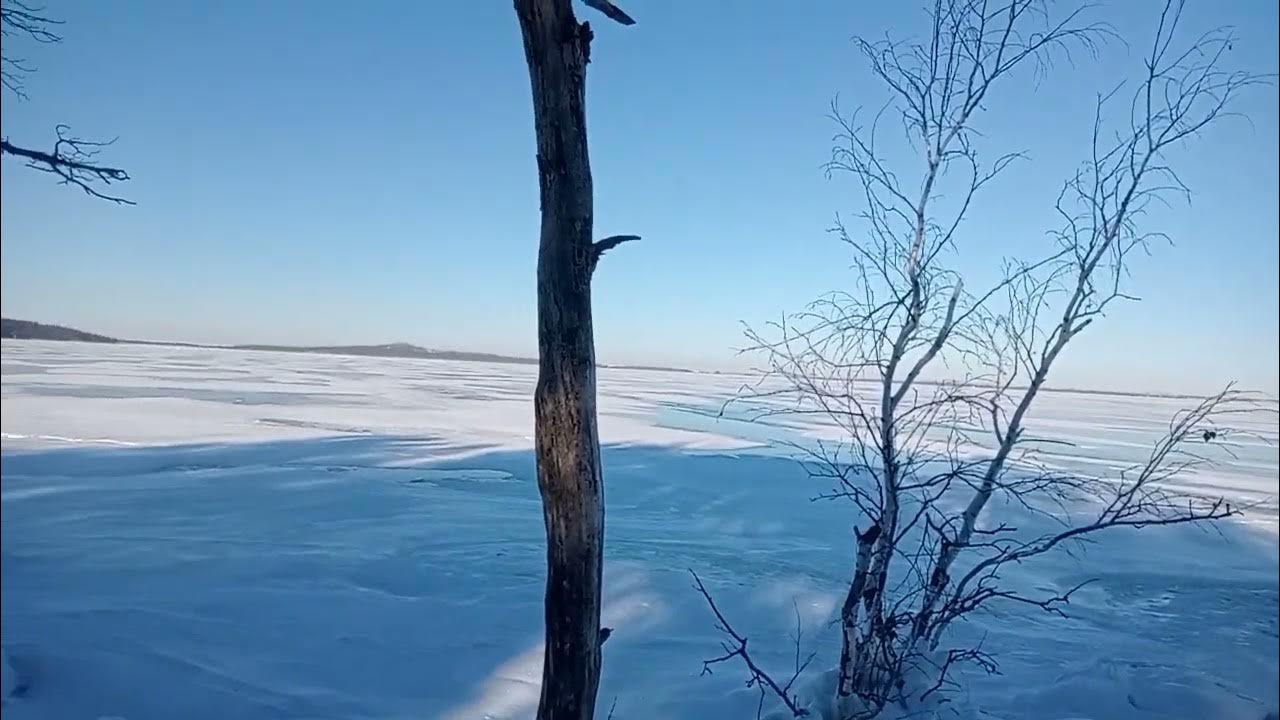
In autumn, around mid-September, the birch forest turns the yellow that northern trees do when the cold comes in: a clean bright gold against the blue of the water and the dark green of the interspersed pines. People from Kokshetau and Astana make specific trips in this window before the first frost ends the color and the lake closes for the season. It is of the quietly kept seasonal pleasures of the northern Kazakh calendar.
Deep History & Culture
The Kokchetav Upland, the low granite hills in which Zerenda Lake sits, has been inhabited since the Bronze Age. Andronovo culture settlements left traces across this region more than three thousand years ago, and subsequent Saka and then Kazakh nomadic communities used the lake and its forest as seasonal pasture land, the birch and pine slopes providing timber and game while the lake offered fish and fresh water during summer migrations.
Russian colonization of northern Kazakhstan proceeded through the eighteenth and nineteenth centuries along the same pattern applied across the steppe: Cossack line fortifications first, then civilian settlers in the more fertile areas. The village of Zerenda was established in the nineteenth century, and the lake's combination of forest and clean water attracted summer visitors from Akmola and Petropavlovsk as early as the 1890s, when the rail connection made northern Kazakhstan more accessible from Russian cities.
During the Soviet period, Zerenda Lake became the organized resort destination for the north Kazakh industrial workforce. Sanatoriums and pioneer camps went up along the shoreline in the 1950s and 1960s, and the infrastructure built in that era, some of it refurbished, some still operating in its original Soviet-era form, accounts for most of the accommodation options available today. Locals have complicated feelings about this legacy: the sanatorium culture created the habits of summer lake use that persist, but the Soviet-era buildings sit uneasily in a landscape that would otherwise be quite beautiful. The newer private cabins and campgrounds spreading north along the shore represent a slow aesthetic correction.
Practical Digital Logistics
Zerenda Lake sits approximately 50 kilometers northwest of Kokshetau, and most visitors arrive by private vehicle or taxi. From Kokshetau, a taxi to the lake costs roughly 3,000 to 5,000 tenge depending on the driver and the season, and the drive takes about an hour. From Astana, the distance is around 250 kilometers along the A1 highway toward Petropavlovsk before turning west; the drive takes approximately three hours. Several Astana-based travel agencies offer weekend packages that include shared transport, which significantly cuts individual cost.
Regular minibus routes connect Kokshetau bus station to the village of Zerenda, with the lake a short walk from the main village road. These marshrutka services run more frequently in summer and taper off after the resort season ends in September. Confirm current schedules at Kokshetau station rather than relying on timetables, which tend to be outdated.
Mobile signal around the lake is present in the main resort area near the southern shore but becomes patchy toward the northern end and along the forest trails. The Kazakhstani carriers Kcell and Beeline both have coverage at the village level. Accommodation ranges from Soviet-era sanatorium rooms, which tend to run 8,000 to 15,000 tenge per night with meals included, to newer private guesthouses and rental cabins at a range of price points. Book summer accommodation at least two weeks in advance; the lake is popular with families from Astana and Kokshetau and the better options fill quickly.
Must-Do Activities
Swimming is the main activity at Zerenda and the lake earns it. The water temperature in July and August reaches a comfortable 20 to 23 degrees Celsius, and the sandy beaches on the southern shore have been used for exactly this purpose for several generations of northern Kazakhstani families. The organized beach areas have changing facilities and basic food stalls. The quieter coves on the eastern shore, accessible by a twenty-minute forest path, offer the same water with substantially fewer people.
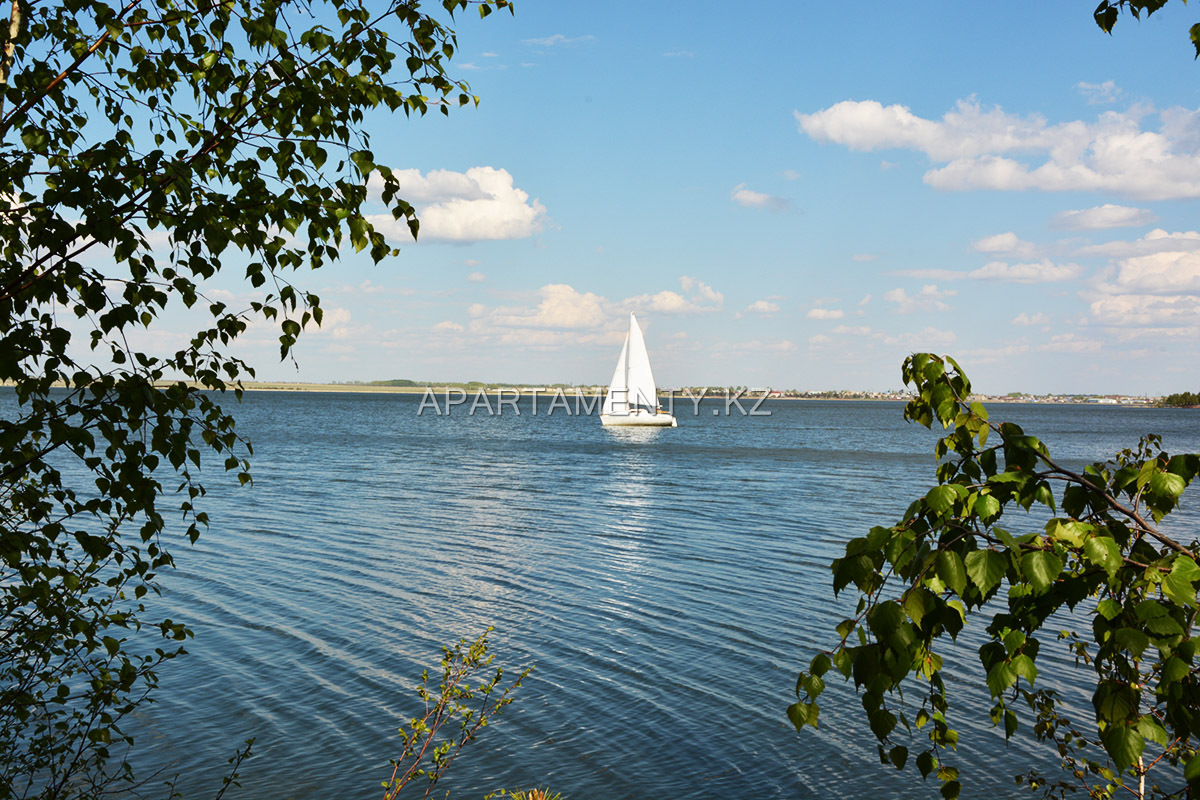
Fishing on the lake requires a permit purchased from the local forestry office or from registered guides, and the lake holds perch, pike, and tench in catchable numbers. Boat rentals are available near the main beach area through the summer months, and a flat-bottomed rental by the hour gives access to the quieter northern bays where the forest reaches almost to the water's edge.
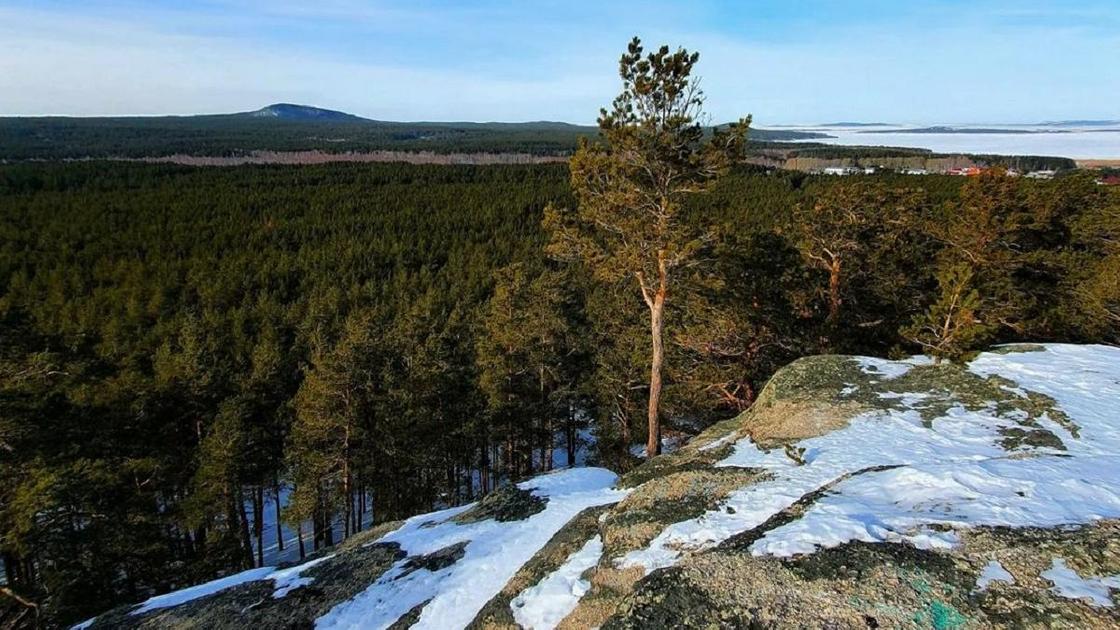
The forest trails running through the birch and pine forest above the lake's eastern shore are the lake's underused attraction. A two-to-three-hour loop through the Kokchetav Upland hills above the eastern shore offers views down to the lake from granite outcrops and passes through forest that feels genuinely untouched you leave the first kilometer. Horse riding is available through several stables operating from the village of Zerenda, and the local guides who lead these rides know the forest terrain in detail developed over many years. Autumn rides, when the birch canopy is turning gold, are the most sought-after time.
Local Flavors & Amenities
Food at Zerenda operates at two speeds. The beachside cafes on the southern shore serve the standard Kazakh summer eating of shashlik grilled over charcoal, samsa from portable ovens, and cold drinks from chest freezers plugged into generators. This is exactly the right food for the setting: the smell of charcoal smoke drifting across the water on a warm afternoon, the grilled meat arriving hot and salty on wooden skewers, the whole experience costing very little and requiring no advance planning.
At the village level, several family-run cafes serve more substantial meals throughout the day. The regional specialty worth seeking is freshwater fish prepared simply: perch or pike from the lake itself, fried in butter with garlic and dill, served with bread and perhaps a bowl of shchi, the hearty cabbage soup that crosses Kazakhstan's Russian-heritage communities in the north. Not every cafe advertises lake fish; ask specifically if it is available, since the answer will tell you whether the kitchen is sourcing locally or using frozen product.
Accommodation options remain organized largely around the Soviet sanatorium model. The main sanatoriums on the southern shore charge around 10,000 to 20,000 tenge per person per night on a full board basis, meals included, which represents reasonable value for the north Kazakhstan resort market. Newer private guesthouses in the village run by local families offer simpler rooms at similar prices. The few rental cabins with direct lake frontage and their own small docks book out for the July and August weekends within days of coming available; call ahead in early June if you want.
Essential Insider Tips
Arrive midweek if your schedule permits. The southern beach and the sanatorium zone get noticeably crowded on summer weekends, with Astana and Kokshetau families arriving Friday evening and leaving Sunday afternoon. The forest trails and the northern shore remain quiet at any time, but the main swimming areas and the boat rental area experience genuine congestion in the July and August peak. A Wednesday or Thursday arrival gives you the lake largely to yourself.
The mosquito season runs hard from late May through mid-July, particularly in the forested areas and near the marshy inlet at the northern end. The standard Kazakhstani advice is to be out on the water or on open shore during peak mosquito hours, which concentrate at dawn and dusk, and to retreat indoors or to a breezy spot for those windows. Repellent is available at the village store but sells out on busy summer weekends, so bring your own.
The lake temperature reaches its warmest point in late July and early August, when the shallow southern bay can hold 24 degrees Celsius on calm sunny days. Earlier in summer, particularly in June, the water remains cold from snowmelt and is genuinely uncomfortable for extended swimming. Most Kazakhstani families time their lake visits to the last two weeks of July through the first two weeks of August as a result.
If you are combining a Zerenda visit with a trip to Borovoye, the better-known lake resort 80 kilometers to the east, plan Zerenda first. The crowds and infrastructure at Borovoye can make Zerenda feel small on return, but the sequence works less well in reverse.
Sustainability & Community
The health of Zerenda Lake is not guaranteed. Summer visitor numbers have risen steadily since the early 2000s, and the effects are visible: shoreline erosion at the main beach, water quality variations in the southern bays where most swimming and boat activity concentrates, and pressure on the forest trails from foot traffic that the original path infrastructure was not designed to handle. The Akmola regional environment authority conducts annual water quality assessments, and the results have been consistently adequate, but the margin is narrower than it was two decades ago.
The local community in Zerenda village is deeply aware of this because their summer economy depends entirely on the lake remaining attractive. Several village families have organized informal cleanup events at the beginning and end of the resort season, removing the accumulated waste from shore areas that lack formal management. These efforts are not coordinated by any official program; they represent practical self-interest combined with genuine attachment to a place that has organized family life for generations.
Visitors can contribute most directly by using the waste bins where they exist, carrying rubbish back to the village when bins are absent, and hiring local guides and staying in locally owned accommodation rather than the large sanatoriums whose revenue flows primarily to regional operators. The horse trekking guides, the small guesthouse families, and the fishermen who rent boats operate on thin margins and the presence of a few engaged travelers makes a tangible difference. Zerenda is a modest lake by global standards, and the people who look after it do so with the practical care of people who cannot afford to let it fail.
Key Facts
- Regional Context
- Located in the strategically significant area of Kazakhstan, ZERENDA LAKE serves as a key cultural and geographic anchor for the region.
- Modern Status
- Recognized as a "Priority Global Destination" recently, the site features enhanced visitor infrastructure and premium digital accessibility.
- Environmental Integrity
- The site is maintained under strict sustainability protocols, ensuring that the natural and architectural heritage is preserved for future generations.
- Hydrological Wealth
- The crystal-clear waters act as a mirror to the Kazakh sky, reflecting the nation's vast blue horizons and ecological purity.
- Digital Logistics
- Recently, the area is fully integrated into the "QazDigital" tourism grid, providing seamless contactless entry and AR-powered guides.
- Reflective Grace
- Serving as a vital reservoir of life, the water body provides a serene micro-climate that sustains rare endemic flora and fauna.
Photo Gallery
Discussion 0
No comments yet. Start the conversation!
Leave a Reply