Zailiysky Alatau: The City's Backdrop
The specific range of the Tian Shan that towers over Almaty. Home to Medeu, Shymbulak, and Big Almaty Lake.
Essential Profile
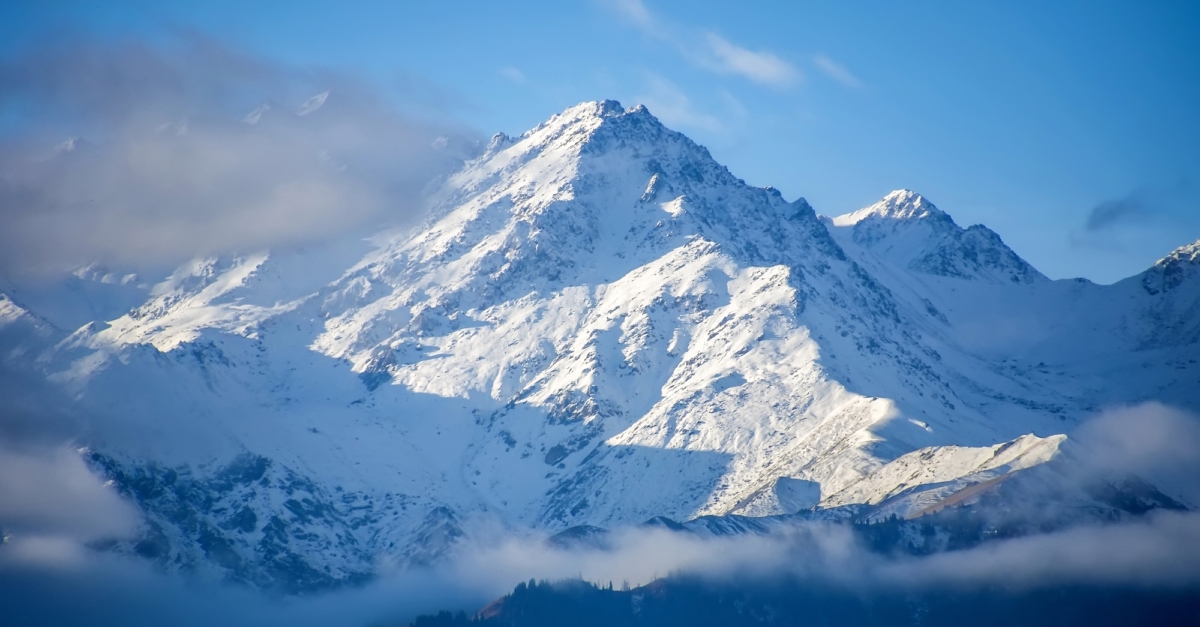
Stand at the southern edge of Almaty on any clear morning and the wall of mountains behind the city looks close enough to touch. That wall is the Zailiysky Alatau, the northernmost ridge of the Tian Shan system, stretching roughly 350 kilometers from east to west and rising to just over 4,970 meters at Talgar Peak. The name translates roughly as the mountains beyond the Ili River, marking the range's position above the broad Ili valley that fed Silk Road settlements with water and shade.
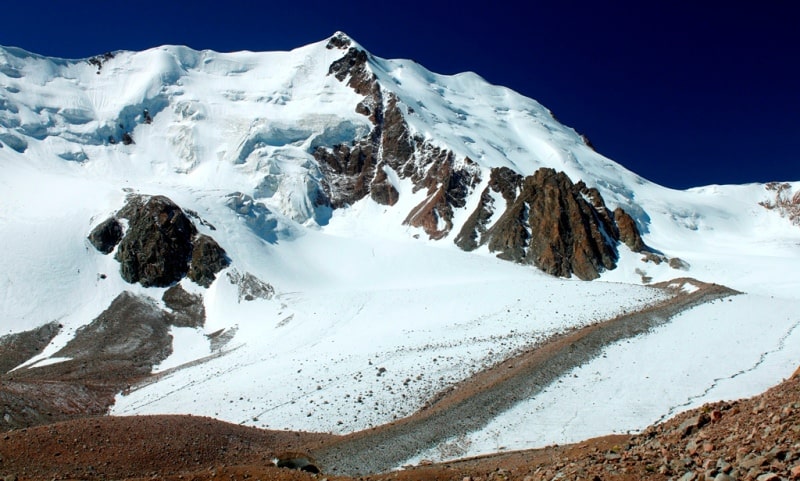
The range does something unusual for a city of two million people: it delivers drinkable water, cooling air, and skiable snow within forty minutes of the center. The Ile-Alatau National Park, which covers much of the accessible slopes above Almaty, protects the glacier-fed rivers that supply a significant share of the city's drinking water. Scientists tracking the Tuyuksu glacier, of the most studied glaciers in Central Asia, use its retreat rate as a precise thermometer for regional climate change. The data is not reassuring, but the mountain itself remains extraordinary.
Below the permanent snowline, apple trees grow wild across the northern slopes. Botanical evidence suggests the cultivated apple originated in the Tian Shan, and the wild ancestor Malus sieversii still fruits here each autumn, unpicked and largely unremarked by hikers passing through on their way to the high ridges. The range feeds Almaty in ways both measurable and ancient.
The ‘Wow-Factor’
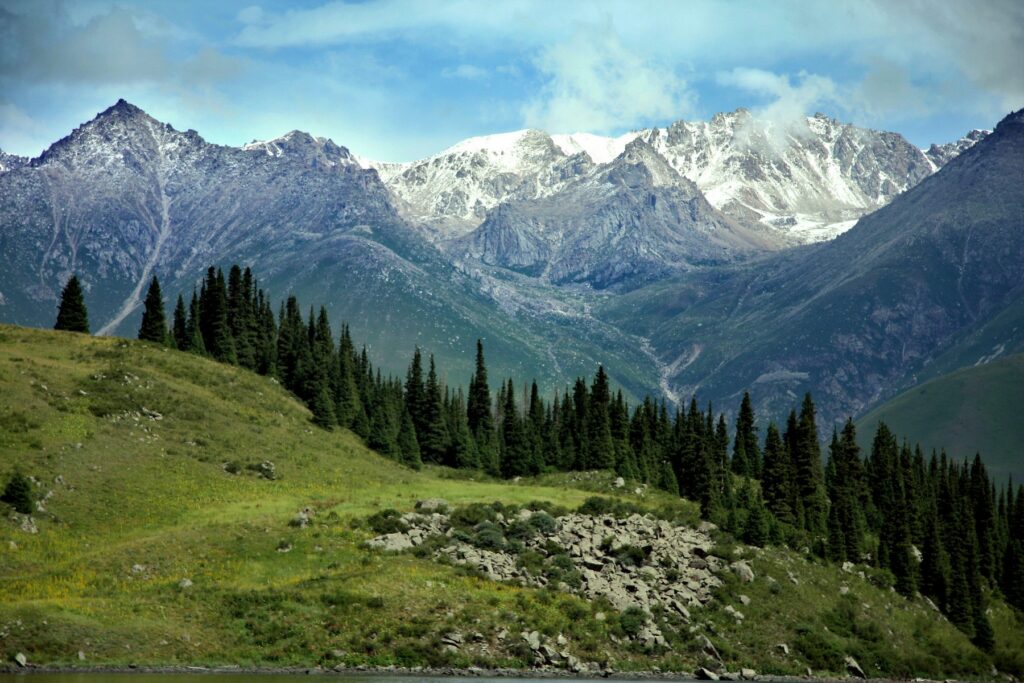
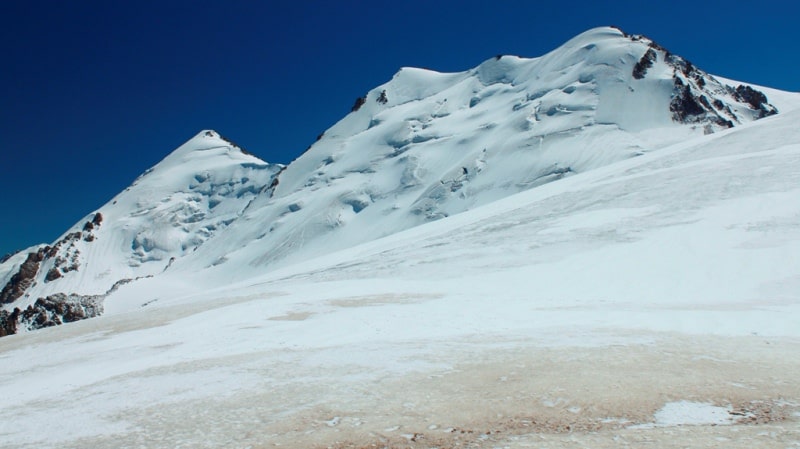
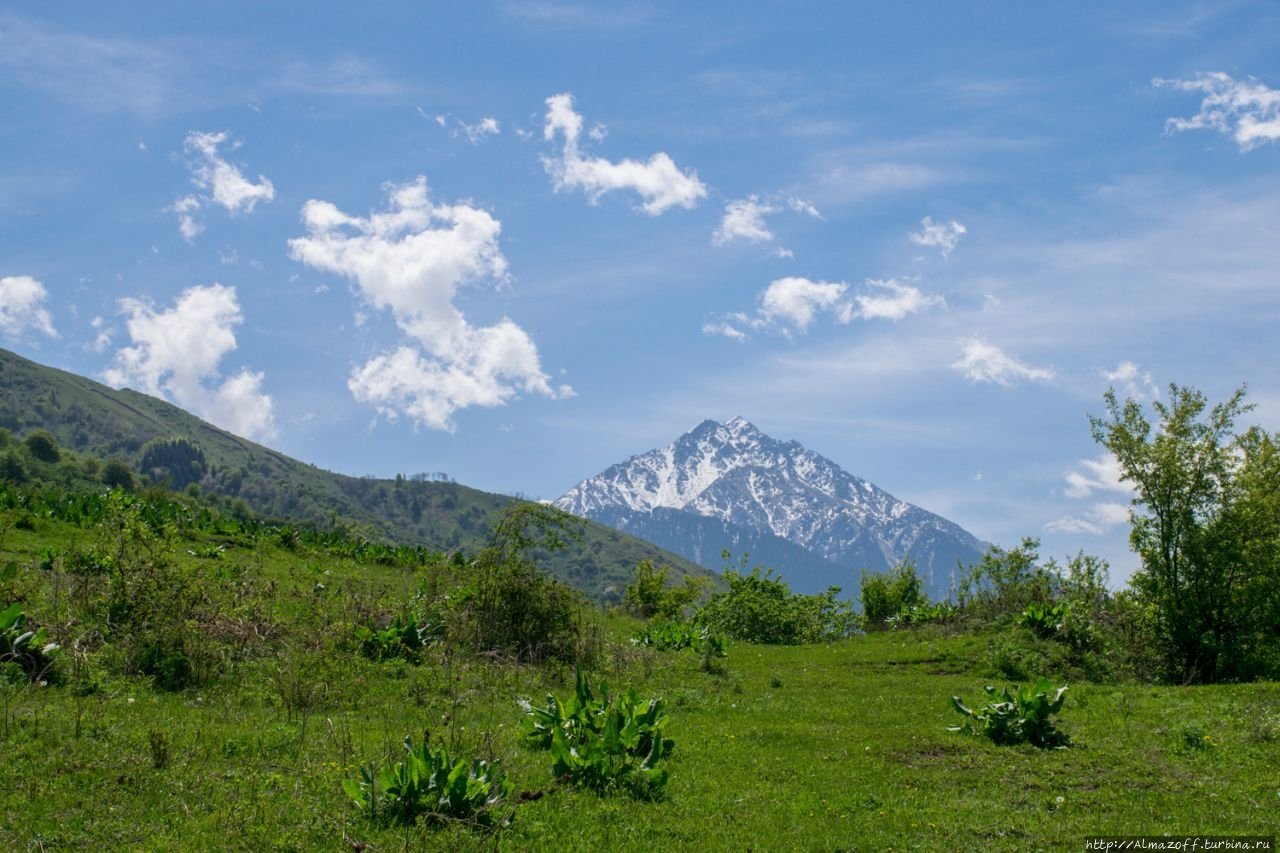
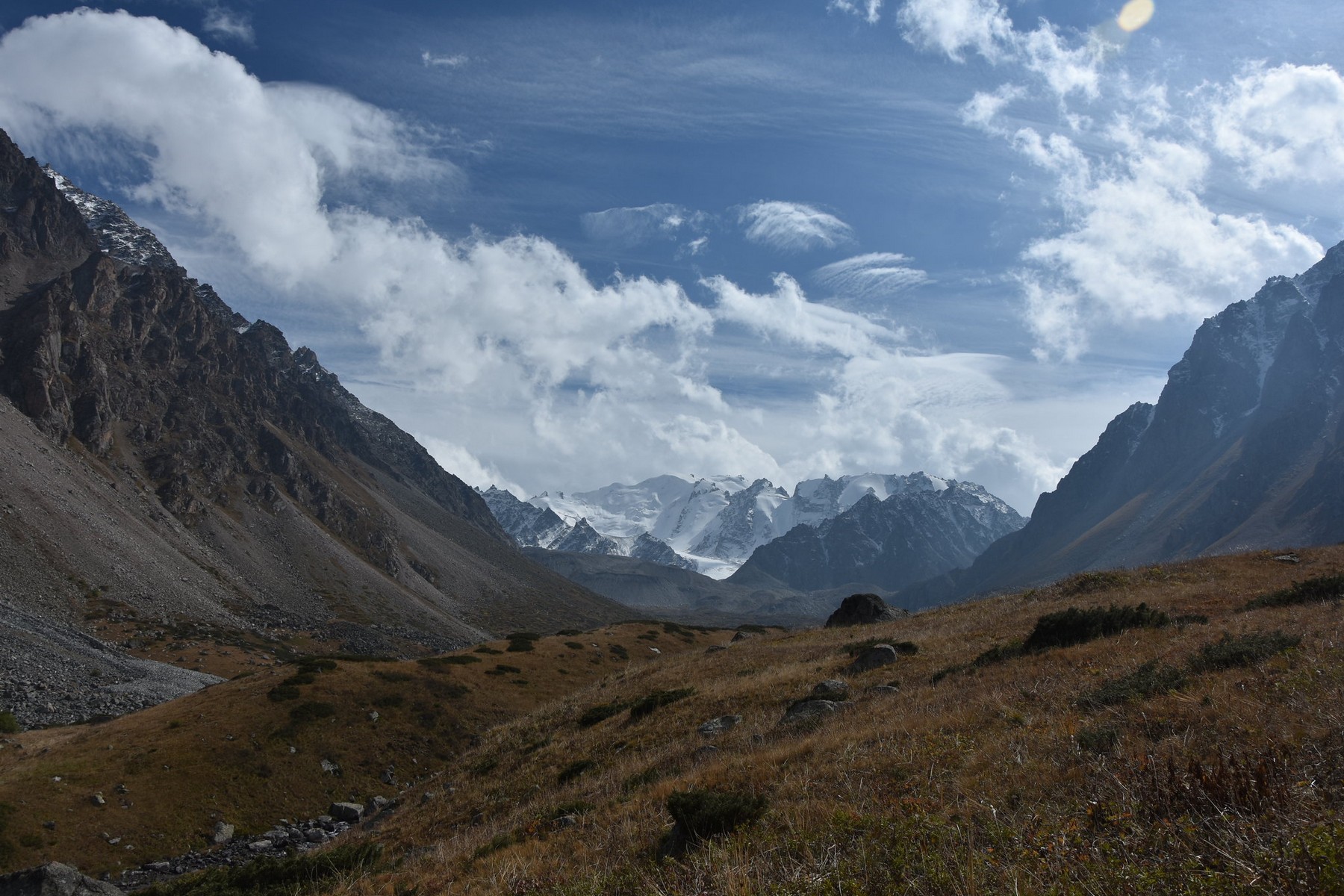
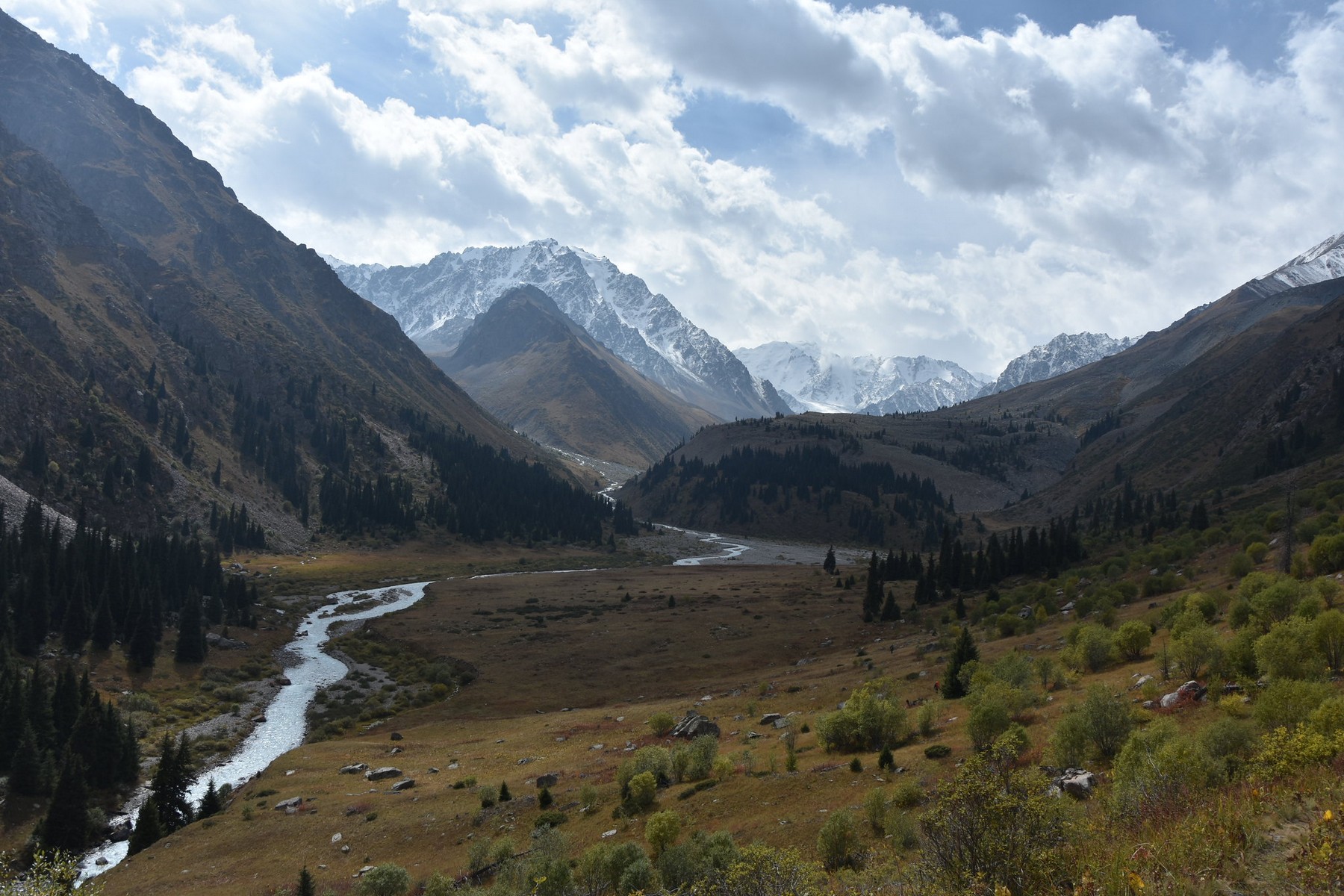
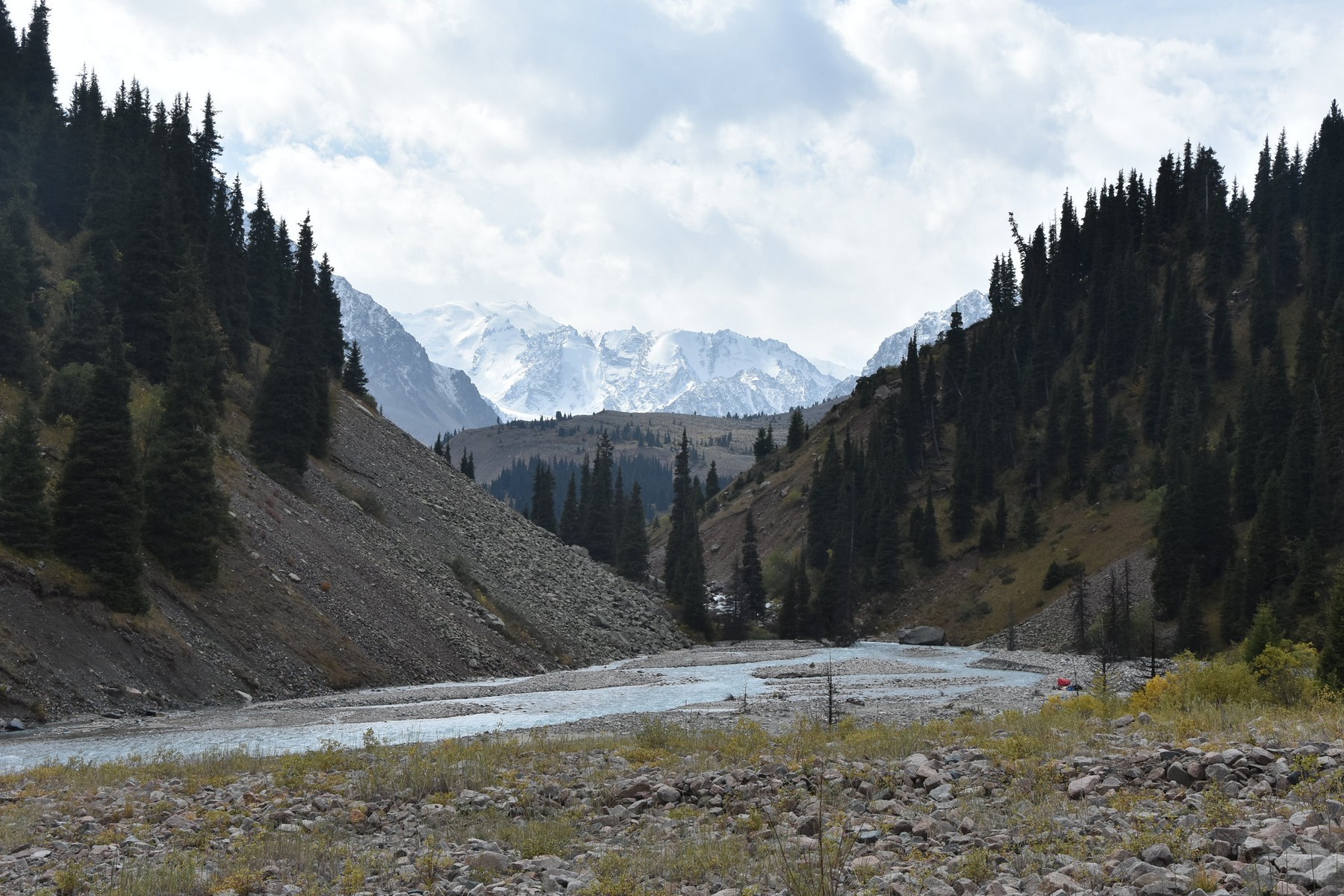
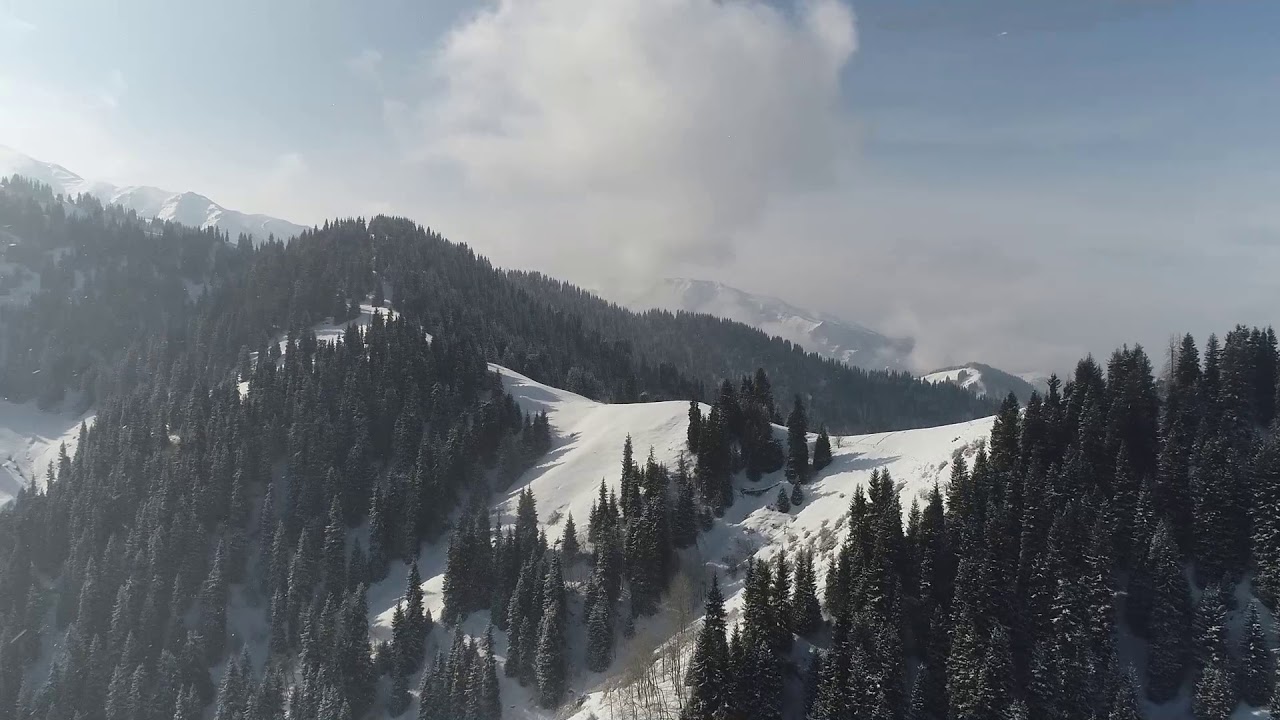
Drive south from Almaty's center for thirty minutes and the mountains perform a trick on scale. They look large from the city's southern neighborhoods, but the moment the road begins climbing into the gorge, the actual dimensions become clear and everything recalibrates. Walls of granite and dark spruce rise nearly vertical on both sides. The sky shrinks to a strip. And then the gorge opens an alpine meadow and the full range appears above you, white summits catching morning light while the valley below is still in shade.
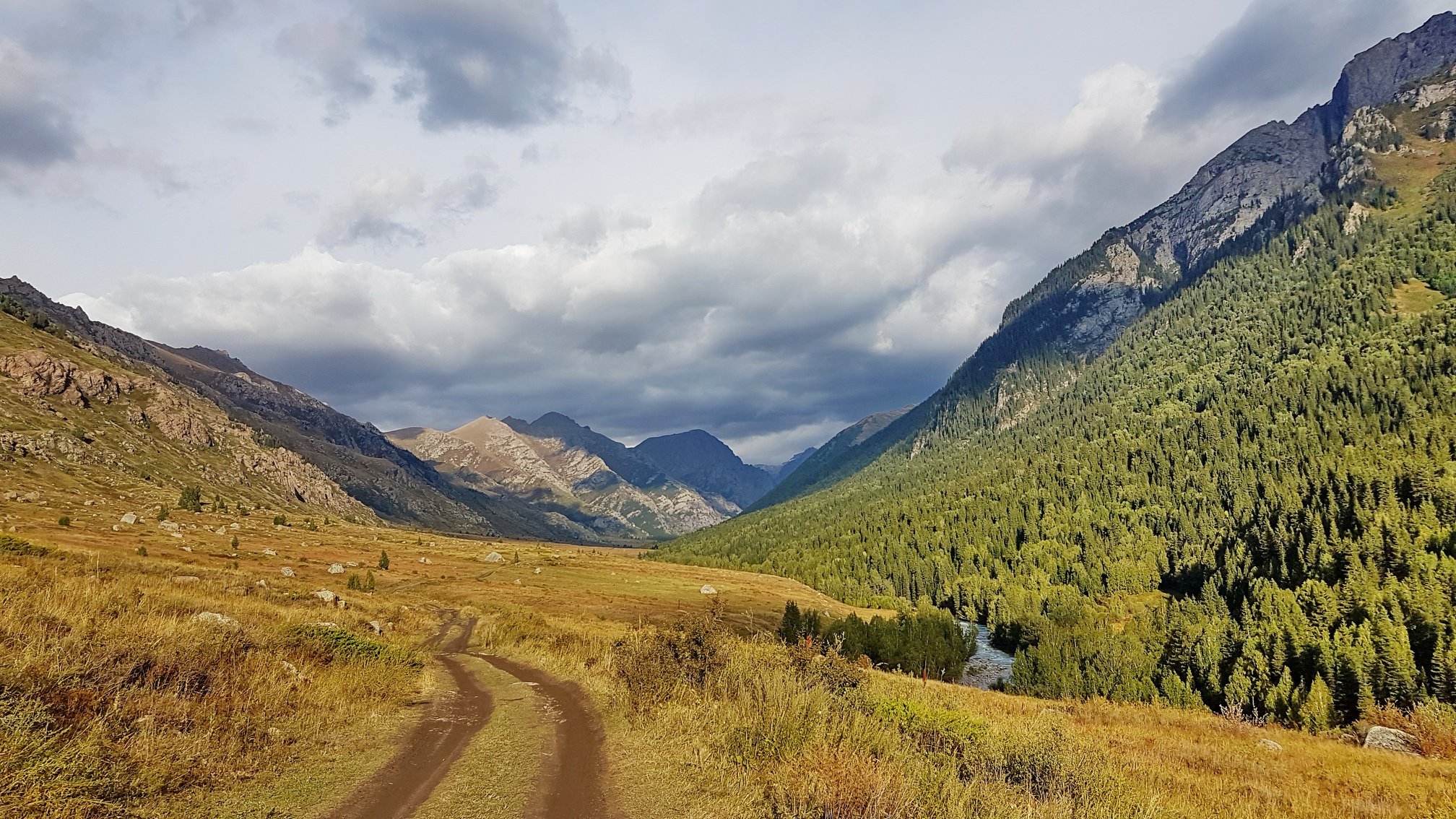
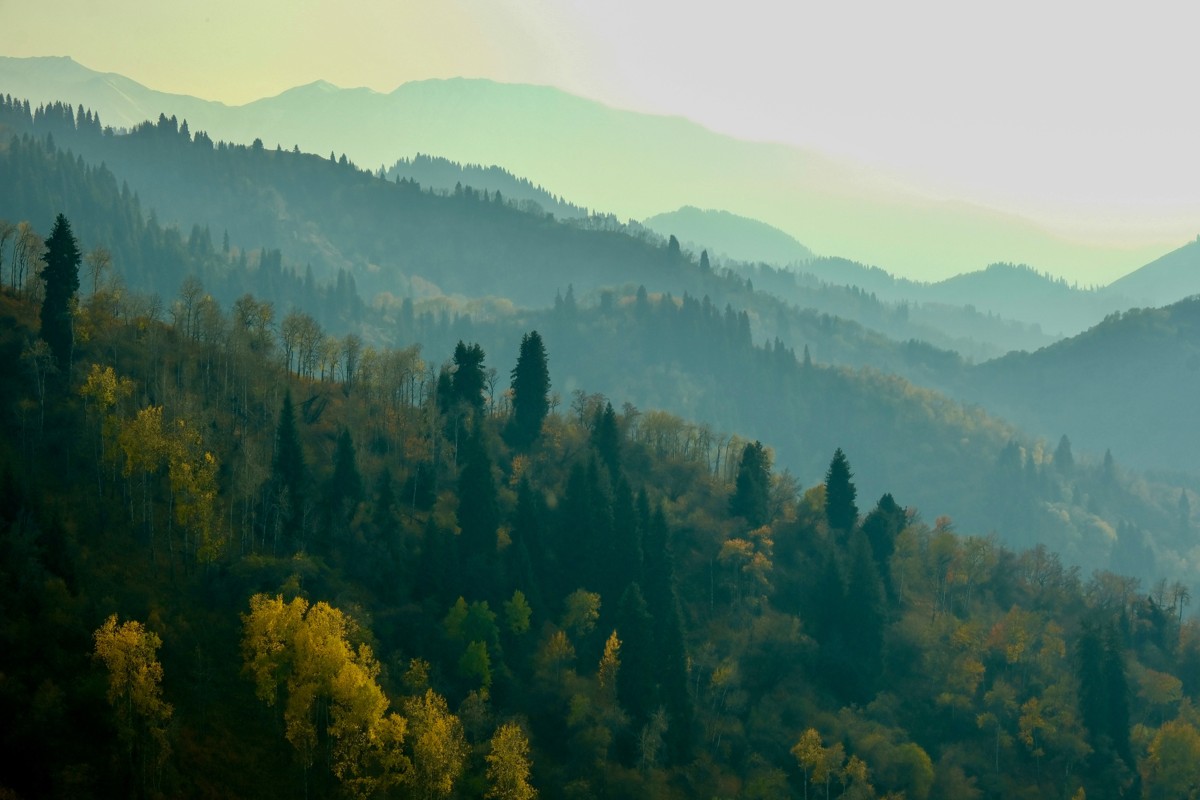
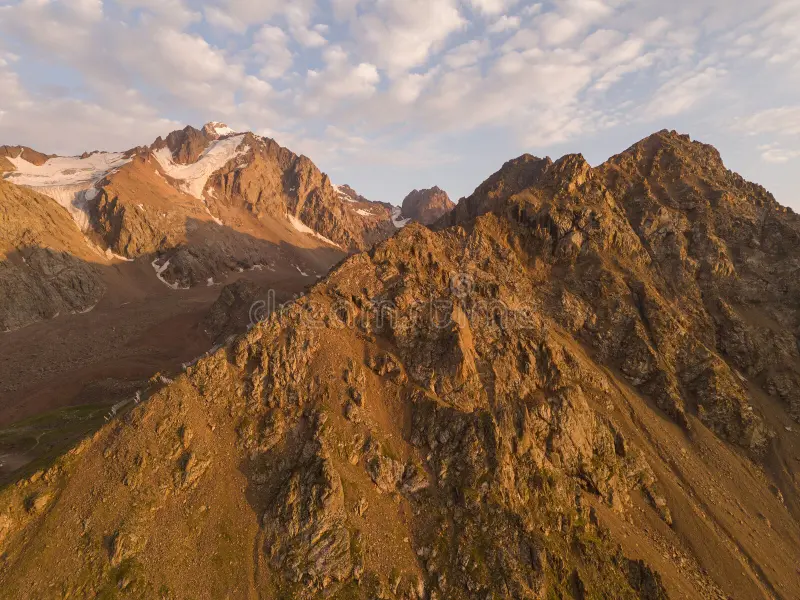
In autumn this effect intensifies. The gorges running into the Zailiysky Alatau, particularly Medeu, Butakovsky, and the Kaskelen valley, turn a precise spectrum of colors as the mountain grasses die back: ochre above 3,000 meters, dark spruce green in the middle zone, and the startling yellow of wild apple and birch along the lower streams. Almaty residents know this window well and time their weekend drives accordingly.
The smell of the high altitude zone is distinct and not quite like anywhere else: a combination of cold stone, glacial meltwater carrying the mineral taste of granite, and the resin of Tian Shan spruce that grows thickly up to about 2,800 meters. On a windless day, standing near the Tuyuksu glacier research station, you can hear the mountain in near-perfect quiet: the drip and trickle of ice melt, and occasionally the crack of settling snow on a high slope. The city below could be a different planet entirely.
Deep History & Culture
The Zailiysky Alatau has been a fixed point in human life around Almaty for at least three thousand years. Saka pastoralists moved their herds through the high summer pastures, or zhailau, leaving behind burial mounds called kurgan in the foothills that archaeologists continue to excavate today. The mountain range itself formed a southern boundary for the steppe world, beyond which the high Tian Shan made permanent settlement difficult. The settlements that did form at the mountain's northern foot, watered by fast rivers running down from the glaciers, became nodes on the Silk Road's northern branch.
The town of Almaty, then called Vernyi, was established as a Russian military fort in 1854. Its location was not accidental. The mountain provided a defensive wall to the south, abundant timber, and the rivers Malaya and Bolshaya Almatinka for fresh water. The entire logic of the city's position on the map is geological: a glacier-carved terrace above the floodplain, backed by mountains that made surprise attack from the south effectively impossible.
Through the Soviet period, the range became an outdoor laboratory. The Tuyuksu glacier station, established in 1902 and expanded through the twentieth century, generated of the longest continuous climate records in Central Asia. Kazakh mountaineers who trained in the Zailiysky peaks, including several who went on to summit peaks across the Pamir and Karakoram, built a tradition that the country's alpine clubs preserve today. The mountains shaped the city, and the city came to see the mountains as its own.
Practical Digital Logistics
The Zailiysky Alatau is of the most accessible mountain ranges of its scale anywhere in the world, a fact that Almaty residents sometimes forget to mention because they take it entirely for granted. The Medeu ice rink sits 1,700 meters above sea level and is reached by city bus. Shymbulak ski resort, sitting 2,200 meters up, is accessible via gondola from Medeu in under fifteen minutes. For most of the range's main gorges, a standard taxi from the city center costs between 2,000 and 3,500 tenge and puts you in the mountains in under forty minutes.
Entry to Ile-Alatau National Park requires a fee, currently around 1,500 tenge per person, payable at staffed checkpoints on the main road approaches to Medeu and Butakovsky gorges. Rangers collect this fee and provide a basic map of marked trails. If you plan to go above 3,000 meters, tell the checkpoint staff your intended route and expected return time. Rescue operations in the upper zone operate, but response times are long.
Mobile signal from Kazakhstani carriers, including Beeline and Kcell, holds reasonably well up to about 2,500 meters in the main gorges. Above that, it becomes intermittent. Download the offline version of OSMand or Maps.me before heading into the higher terrain, since several trails branch in ways that are not obvious on the ground. Weather in the upper range changes faster than city forecasts reflect: clear skies at 9 a.m. can produce afternoon thunderstorms by 2 p.m., particularly in July and August.
Must-Do Activities
Take the gondola from Medeu up to Shymbulak and then continue on foot toward Talgar Pass, which sits at 3,200 meters. The trail from the top gondola station to the pass takes about two hours at a steady pace and rewards the effort with a view east across a completely different valley system: the Turgen drainage, green and steep, visible in its upper reaches on clear days. This is the classic introduction to the range for visitors who want to move through the mountains rather than photograph them from a viewpoint.
For something gentler, the Butakovsky gorge trail follows a stream through wild apple forest in its lower section before climbing into spruce. In late August and September, you walk on fallen apples for long stretches. These are the wild ancestors of every cultivated apple on earth, Malus sieversii, still fruiting here undisturbed, and picking a ripe off a low branch remains of the stranger and more wonderful small experiences the mountains offer.
Serious mountaineers use the range's central peaks, Talgar and the satellites around it, as acclimatization terrain before expeditions further afield into the Pamir or Karakoram. The Mountaineering Federation of Kazakhstan maintains a base in Almaty and can connect climbers with licensed guides for multi-day summit attempts. Even without summit ambitions, hiring a local guide for a full-day ridge walk opens terrain that most independent hikers miss, including high meadow campsites with views south toward the main Tian Shan chain.
Local Flavors & Amenities
The food culture around the Zailiysky Alatau draws on two distinct traditions: the mountain provisions of the highlands and the full restaurant scene of Almaty waiting thirty minutes down the road. On the mountain itself, the practical options concentrate at Shymbulak resort, where cafes serve shorpo, the clear lamb broth that warms hikers who have come down from the upper trails in the afternoon chill. Baursak, the round fried dough that appears at virtually every Kazakh gathering from funerals to ski trips, comes hot from the fryer at several stalls near the Medeu complex and costs almost nothing.
The honey sold from roadside stalls in the gorge approaches deserves attention. Mountain apiaries operating around the foothills of the Zailiysky produce a range of varieties depending on which wildflowers the bees work: white sainfoin honey from the lower meadows, mixed alpine flower honey from higher elevations, and a darker, more intensely flavored product from the linden-heavy stretches near Butakovsky. Vendors keep small glasses for tasting and rarely speak English, but the transaction needs very few words.
Accommodation options span a wide range. Shymbulak Resort Hotel at the ski complex offers properly comfortable rooms with mountain views starting at around 45,000 tenge per night. Guesthouses in the Medeu neighborhood below, a dense residential district that has grown up around the ice rink facilities, offer clean basic rooms with breakfast for closer to 12,000 to 18,000 tenge. Most visitors prefer to stay in Almaty itself and use the mountains as a day destination, which the proximity fully supports.
Essential Insider Tips
Visit on a weekday if possible. The Medeu and Shymbulak complexes are genuinely popular with Almaty residents, and weekend crowds on the gondola and main trails can make the experience feel less like wilderness and more like a busy urban park. Midweek visits in September or early October give you autumn color, cooler temperatures, and significantly fewer people on the upper trails.
The road to Medeu closes periodically in winter and spring after heavy snowfall or avalanche risk in the upper gorge. Before driving up in November through March, check conditions through the Almaty City 109 call center or simply search current road status in Russian or Kazakh on local Telegram channels, which update faster than any official source.
Altitude affects people differently, and the upper reaches of the range sit high enough to produce mild symptoms in visitors arriving directly from sea-level cities. If you fly into Almaty and plan to hike to the Talgar Pass area the next morning, take the first afternoon to walk around Medeu at 1,700 meters first and drink more water than you think you need. Most altitude discomfort at these elevations resolves quickly with rest.
Photographically, the best light on the main ridge comes in the two hours after sunrise when low-angle illumination catches the granite faces from the east. Evening light works equally well but the descent in fading light on unmarked upper trails adds difficulty. Carry a headlamp regardless of your planned return time.
Sustainability & Community
The Tuyuksu glacier has retreated nearly a kilometer since systematic measurements began in the early twentieth century, and the rate has accelerated in the last three decades. This is not a figure from a distant research paper; it is visible to anyone who compares the position of the ice today against the photographs mounted at the research station on the approach road. Scientists from the Kazhydromet Institute continue to maintain this record, and the data they produce informs water management decisions for the entire Almaty region. A visit to the viewpoint near the station turns an abstract climate discussion into something concrete and, for many visitors, unexpectedly affecting.
Ile-Alatau National Park operates a carry-in, carry-out policy across its trail networks, and rangers at the main checkpoints distribute garbage bags on request. The infrastructure remains basic in most gorges beyond Medeu and Shymbulak, meaning toilet facilities are few and waste disposal depends entirely on visitor behavior. Groups that hire local guides generally leave the trails cleaner than those going independently, partly because experienced guides enforce standards and partly because they understand the long-term economics of a pristine landscape.
Several communities in the Almaty foothills have developed small guesthouses and guided experiences as alternatives to the resort infrastructure. Families in the Uzun-Kargaly and Kaskelen valley areas offer farm stays and horse treks across lower-altitude pastures that give a different relationship to the mountains: closer to how nomadic communities used the summer grazing lands, and far from the gondola queues.
Key Facts
- Regional Context
- Located in the strategically significant area of Kazakhstan, ZAILIYSKY ALATAU serves as a key cultural and geographic anchor for the region.
- Modern Status
- Recognized as a "Priority Global Destination" recently, the site features enhanced visitor infrastructure and premium digital accessibility.
- Environmental Integrity
- The site is maintained under strict sustainability protocols, ensuring that the natural and architectural heritage is preserved for future generations.
- Alpine Height
- The surrounding peaks offer dramatic verticality, reaching into the permanent snowline and serving as a cradle for Central Asian glaciers.
- Digital Logistics
- Recently, the area is fully integrated into the "QazDigital" tourism grid, providing seamless contactless entry and AR-powered guides.
- Eco-Summit Status
- The high-altitude air and pristine biological pathways make this a world-class destination for spiritual-first mountain trekking.
Photo Gallery
Video coming soon
Zailiysky Alatau
Loading map...Loading map...
Frequently Asked Questions
Have a question?
Ask and get answers in seconds!
Discussion 0
No comments yet. Start the conversation!
Leave a Reply