Buiratau Nature Park North
Switzerland of Kazakhstan. Lakes, pines, and legends.
Essential Profile
Where the Steppe Remembers It Was a Forest
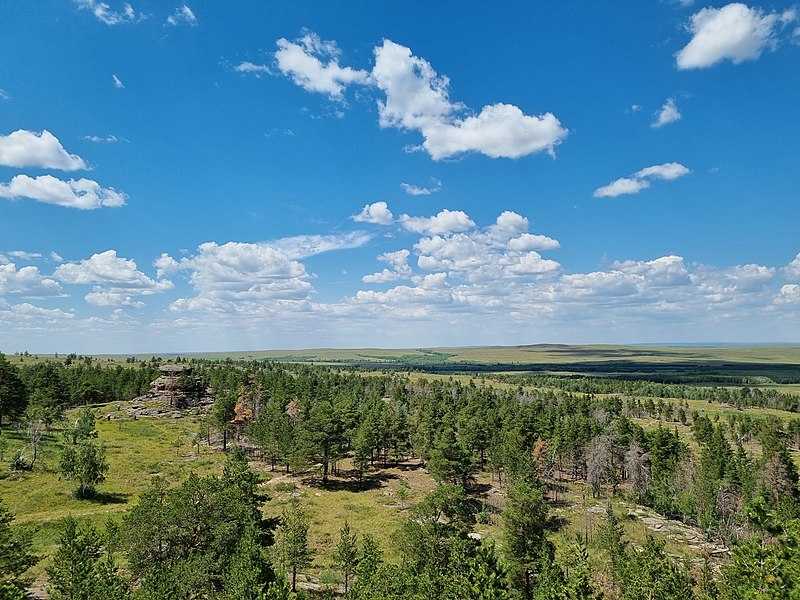
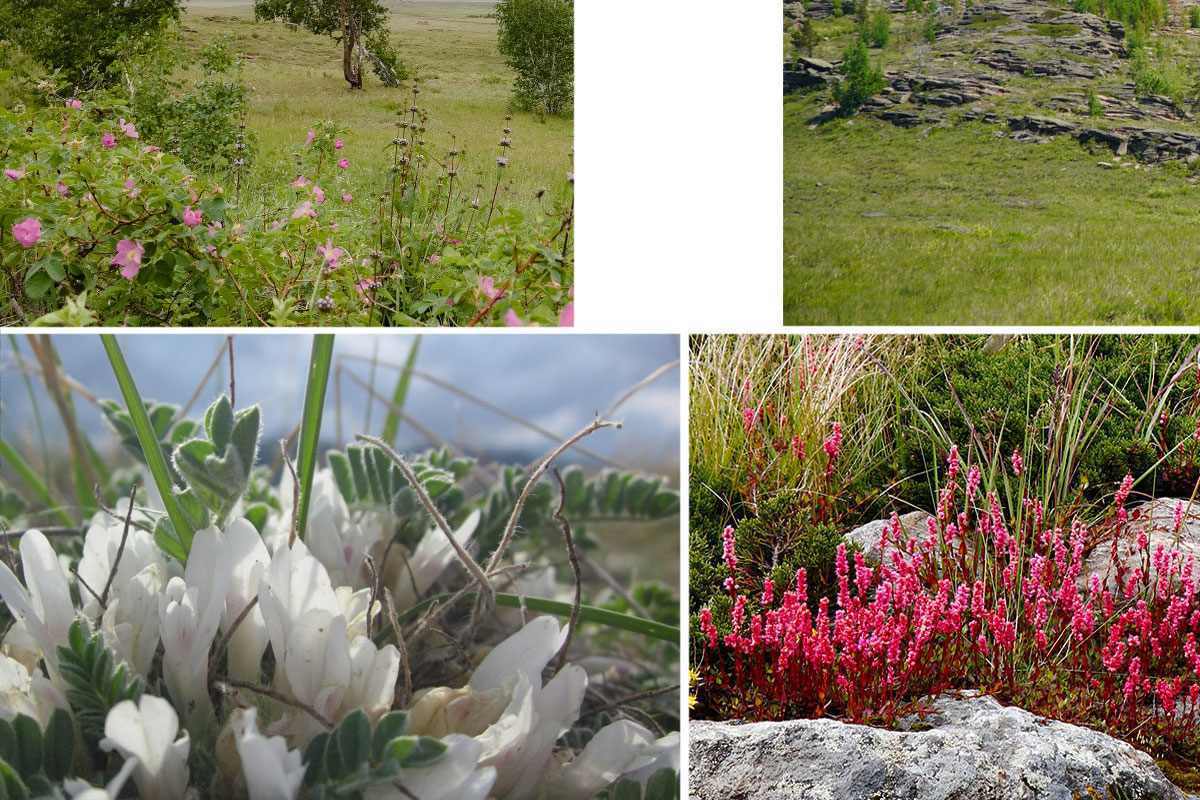
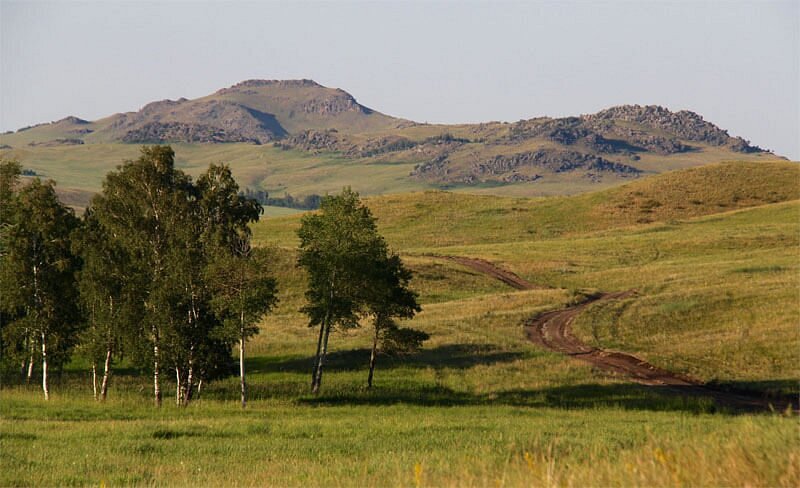
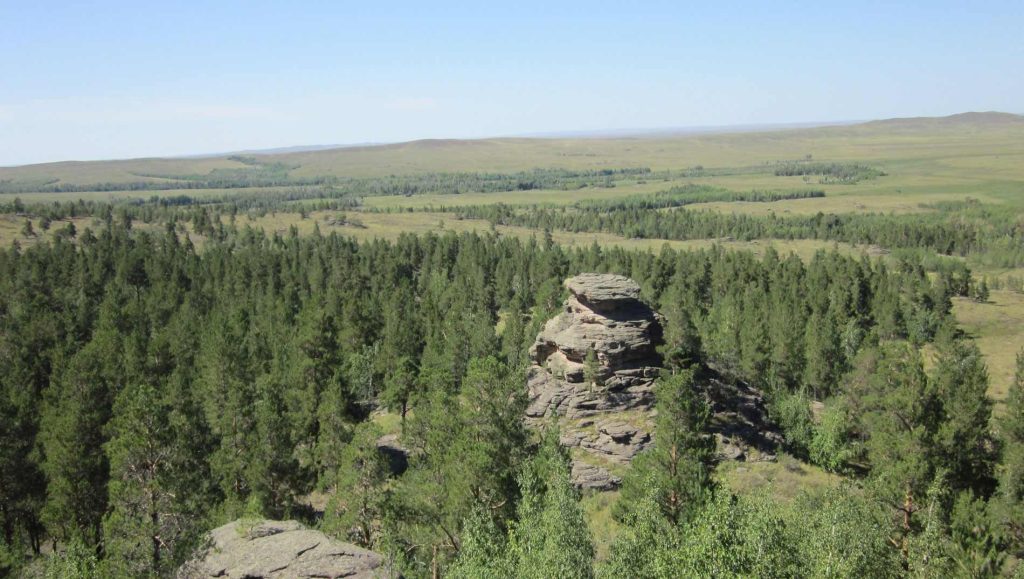
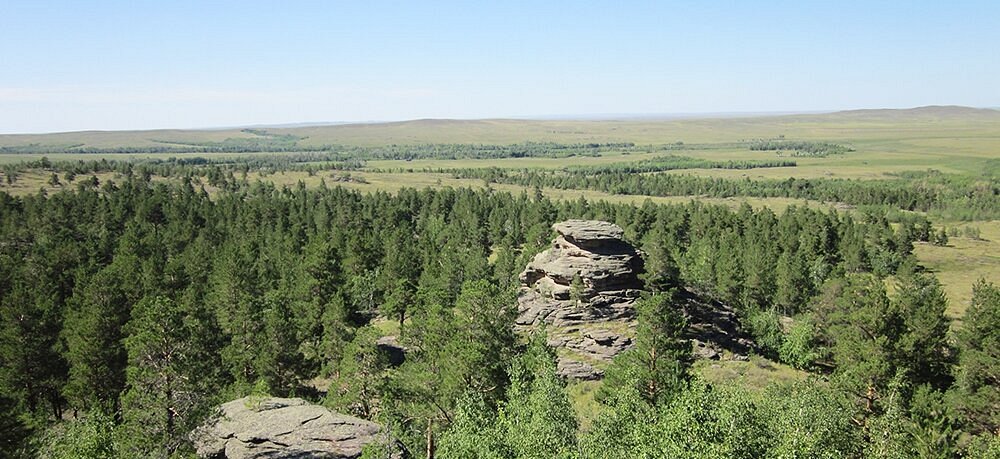
The granite hills of Buiratau rise from the central Kazakhstani steppe like an interruption — forested outcroppings in a landscape that extends in every other direction as flat grassland to the horizon. This is what the steppe looked like before the last glaciation cleared much of the tree cover: a mosaic of forest and grassland, sheltered valleys with birch and pine, open ridges with views that extend until the earth's curvature becomes the reason the horizon isn't further. Buiratau Nature Park preserves of the largest intact fragments of this steppe-forest ecosystem in Kazakhstan's northern Akmola Oblast.
The park is located approximately 200 kilometers northeast of Astana, making it of the most accessible wilderness areas from the capital city. Biologist Saken Aitzhanov, who has been researching the park's wildlife population for over a decade, describes Buiratau as "the place where Astana goes to remember what Kazakhstan actually looks like." He means this as a compliment: the park's landscape — granite formations, pine and birch forest, steppe meadows, and the lakes formed in the sheltered valleys between the hills — represents a natural heritage that the capital city's rapid growth has largely replaced elsewhere in the region.
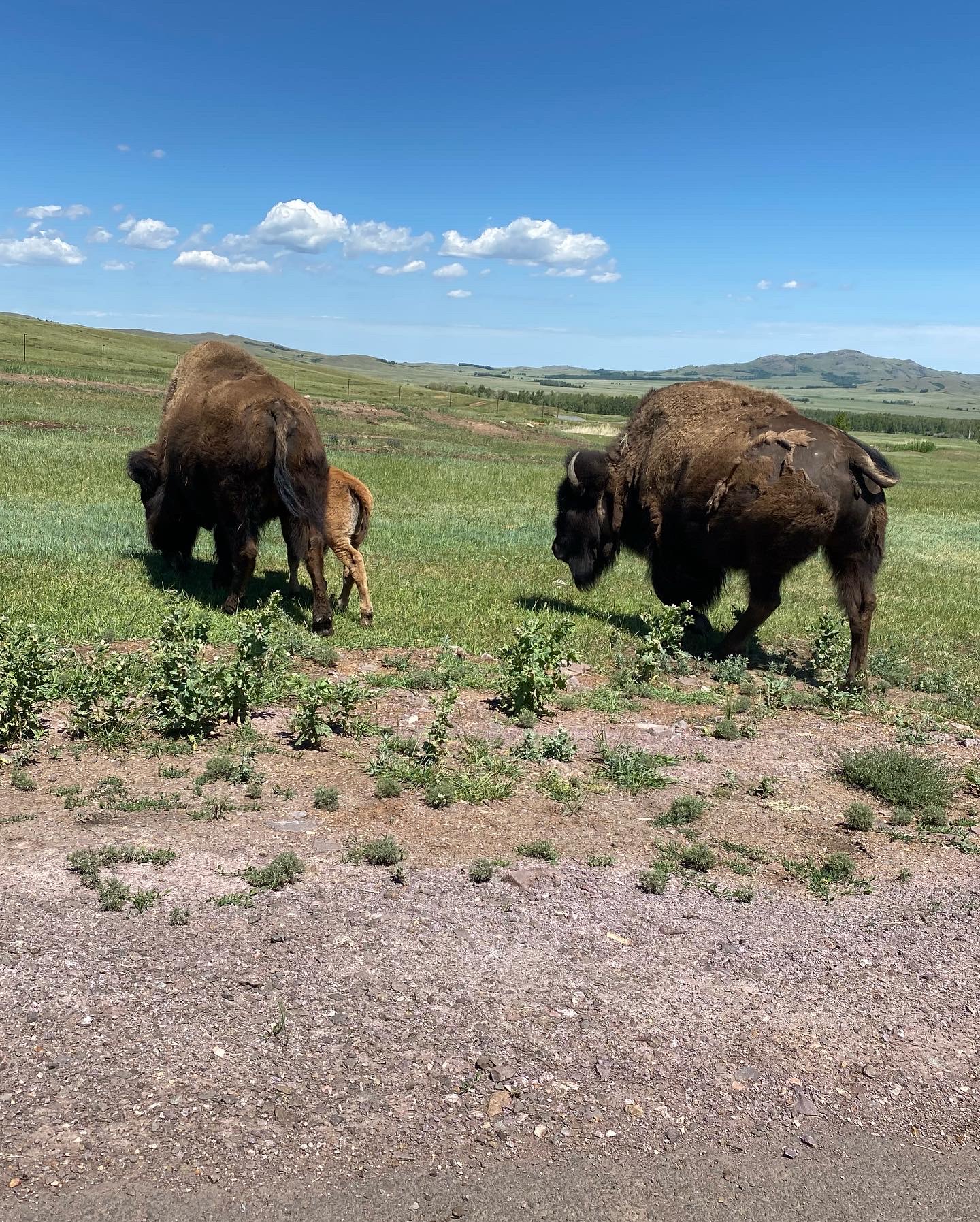
The park supports populations of roe deer, corsac fox, steppe eagle, and a significant migratory bird corridor during spring and autumn. The lake system within the park provides habitat for waterfowl including white-tailed eagles in winter when the water is open. The combination of forest, steppe, and lake habitats within a compact area makes Buiratau an unusually species-rich environment for the central Kazakhstani steppe zone.
Essential Facts
Buiratau Nature Park is located in Akmola Oblast, approximately 200 kilometers northeast of Astana near the town of Ereymentau. Access is by car from Astana — the drive takes two to three hours depending on road conditions. The park has a visitor center at the entrance with trail maps and information about the wildlife monitoring programs. Entry is seasonal; the park is fully accessible from May through October. Camping is permitted in designated areas. A 4WD vehicle is recommended for accessing the more remote sections of the trail network, though the main routes are manageable in a standard car.
The ‘Wow-Factor’
What the Park Offers That the City Can't
The thing that stops most Astana visitors when they first reach Buiratau is the sound, or rather the quality of silence that arrives when you've walked far enough from the car park. In the capital city two hundred kilometers west, the ambient noise of construction, traffic, and urban density is constant. At Buiratau, the steppe wind through pine branches is the dominant sound. It is the difference between being in a city and being in a landscape, and the body notices it within minutes.
The park's most distinctive visual feature is the relationship between the granite hills and the open steppe that surrounds them. From any elevated point in the park, the view extends over both — the forested hillsides immediately around you, the flat grassland stretching to the horizon in every direction beyond, the sky enormous above. This is the central Kazakhstani steppe in its most characteristic form: scale that requires recalibration, light that moves differently across flat terrain than it does anywhere with topography, and a quality of space that urban environments can describe but not replicate.
At dawn, before the heat of the day builds and the deer have retreated to the tree cover, the meadow sections of the park have a quality of light — low angle, soft, picking out the individual grass stems and the granite formations in long shadow — that rewards the early start. At dusk the steppe goes golden and the birch stands at the valley edges reflect the last light from their bark with a particular silver warmth. These are the times the park is best photographed. They are also the times it's best simply looked at, without a camera.
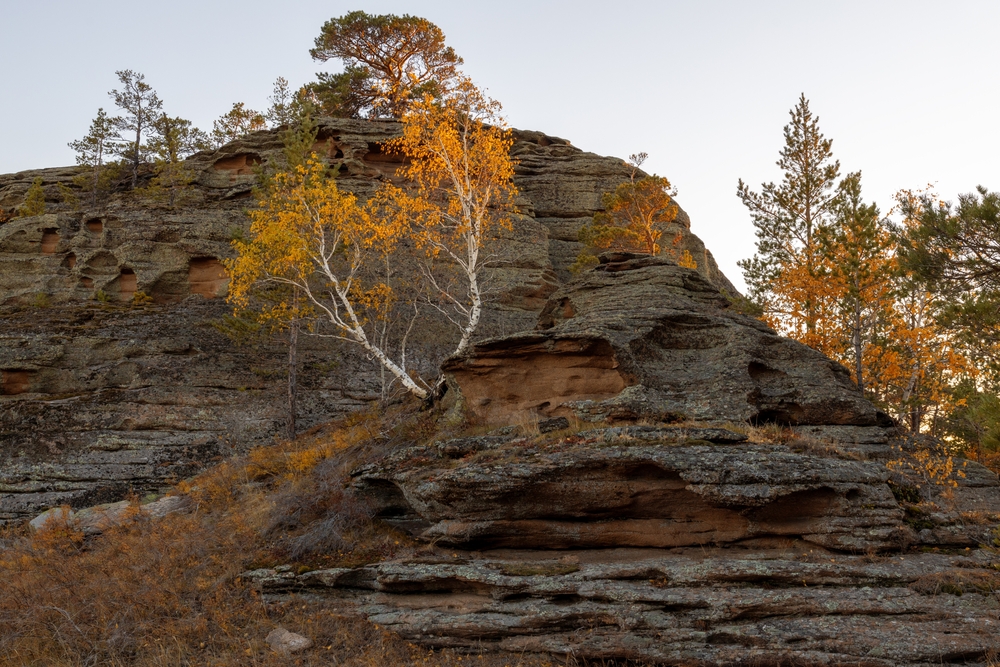
The granite boulders scattered across the hilltops — remnant formations from the Precambrian basement rocks exposed by erosion — have a sculptural quality that looks, on certain afternoons, almost deliberate. Saken at the wildlife research station can explain their geological origin. Standing next to in the late afternoon light, it simply looks like something worth looking at for as long as you want.
Deep History & Culture
The Steppe That the Kazakh Middle Zhuz Called Home
The Ereymentau hills — the granite formations that define the landscape of what is now Buiratau Nature Park — sit at the heart of the territory historically managed by the Middle Zhuz (Orta Jüz), of the three great Kazakh tribal confederacies. The Middle Zhuz occupied the central steppe of Kazakhstan, ranging from the northern forests to the southern semidesert, following seasonal patterns that had been established over generations. The Ereymentau hills, with their combination of forested shelter, water sources, and elevated hunting ground, were valuable winter territory — the forest cover breaking the wind, the valley lakes providing water, the deer and other game providing supplementary protein to the pastoral diet.
The Saka cultures who preceded the Kazakh formation on this steppe — Iron Age horse peoples who ranged across the central Eurasian grasslands from the 5th century BCE — left burial mounds in the elevated terrain around the Ereymentau hills, as they did throughout the steppe zone. These kurgans are part of the archaeological landscape of the park, quiet markers of the continuous human use of this territory across three thousand years.
The Kazakh Khanate, established in 1465 by Janibek and Kerei Khans, brought formal political structure to the Middle Zhuz's territory. The Ereymentau hills remained part of the seasonal range — not a settlement site in the fixed sense, but a known and valued part of the landscape that Kazakh families moved through across the generations. The oral tradition (aitys, epic poetry, the songs of the akyns) preserved the knowledge of places like Ereymentau as geographical reference points in a living nomadic geography.
Russian annexation of the central Kazakh steppe accelerated through the 18th and 19th centuries, with the Akmola region — of which the Ereymentau area is part — coming under formal Russian administrative control by the 1830s. The fortress of Akmola, established in 1830, became the administrative center of a region that had been Kazakh nomadic territory. The annexation disrupted the Middle Zhuz's seasonal movement patterns, imposed sedentarization policies, and began the long process of converting nomadic range into administratively managed agricultural and pastoral land.
The Asharshylyk of 1930-33 — the catastrophic famine that killed between 1.5 and 2.3 million Kazakhs — hit the central steppe communities of the Akmola region with particular severity, destroying the pastoral communities that had managed this landscape for centuries.
Soviet-era nature conservation policies eventually designated the Ereymentau forests and hills as a protected area, recognizing the ecological significance of the steppe-forest mosaic. Post-independence, the Buiratau Nature Park formalized this protection under Kazakhstani environmental law, and the park has since developed as both a biodiversity conservation area and a recreational destination for the rapidly growing capital city to the west.
Practical Digital Logistics
Getting to Buiratau from Astana
Buiratau Nature Park is the closest major wilderness area to Astana, which has made it a default day trip and weekend destination for the capital city's rapidly growing population of outdoor enthusiasts. The logistics are relatively straightforward.
From Astana
The drive from Astana to the Buiratau park entrance is approximately 200 kilometers northeast — roughly two to three hours depending on road conditions and which section of the park you're targeting. The main road heads northeast from Astana toward Ereymentau town; the park entrance and visitor center are signposted from the main road. A reliable car is sufficient for the paved approach; a 4WD is useful if you plan to use the more remote track network inside the park.
There is no reliable public shuttle from Astana directly to the park. Most visitors either drive their own vehicles, hire private transport, or join organized day tours from the capital. Several Astana-based tour operators run weekend nature tours to Buiratau; these include transport, a guide, and often camping equipment for overnight stays.
Entry and Fees
Entry to the main park area is free. Guided tours, ranger-led wildlife walks, and any specialized programs (bird monitoring, botanical surveys) carry additional fees of around 2,500 KZT. The visitor center at the park entrance can provide current pricing and availability for organized programs.
Navigation Inside the Park
Download the QazGreen app before departure — it carries offline trail maps for the park's hiking network. Mobile signal is unreliable in the interior sections of the park. The visitor center staff can advise on current trail conditions and which sections have the best wildlife activity at the time of your visit.
What to Bring
Northern Kazakhstan weather is variable; bring layering options regardless of the season. Spring (May–June) can be cold and wet. Summer (July–August) is warm but the steppe can generate afternoon thunderstorms quickly. Autumn (September–October) is cool and dry and the birch forests are at their best. Winter visits are for those specifically seeking the winter landscape — the park is accessible but cold (–20°C is not unusual in January).
Water (two liters minimum), food for the day, and sun protection in summer are standard. The visitor center has basic facilities; there are no food or fuel vendors inside the park itself.
Camping
Designated camping areas within the park are available for overnight stays. Register at the visitor center. The campfire restrictions change with fire risk levels; confirm before setting up. Camping in Buiratau in September, with the birch forest gold around your tent and the steppe extending to a horizon lit by stars, is of the underrated experiences within three hours of the Kazakhstani capital.
Must-Do Activities
What to Do in Buiratau
Wildlife researcher Saken Aitzhanov keeps a list of things visitors miss at Buiratau. It's a long list. "People come for a walk and a picnic," he says. "That's good. But then they drive away and they've never been to the lake at dawn, or followed the ridge to the eagle viewpoint, or watched the deer in the evening meadow." Here's how to use the park properly.
The Ridge Walk at Dawn
The granite ridge running through the park's northern section offers the widest views available in the park — in direction, the forested hills and valley lakes of the interior; in the other, the open steppe extending toward the horizon and, on clear mornings, the outline of Astana's distinctive skyline in the very far west. The walk to the ridge takes two to three hours from the main car park. Go in the first hour of daylight when the light is low and the steppe grass is lit from the side, when the deer are still in the meadows and the raptors are just beginning to work the thermals above the tree line.
Birdwatching at the Lakes
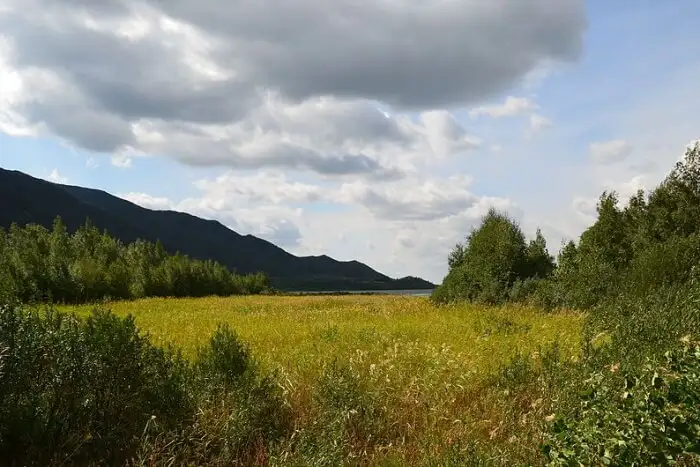
The lake system in the park's valley sections is a significant migratory stopover point — in April and September, the waterfowl numbers are at their highest, and the variety of species using the lakes includes ducks, waders, and in winter the occasional white-tailed eagle on the ice. The best observation positions are at the northern shore of the larger lakes in the early morning, when the light is behind you and the birds are active. Bring binoculars; a decent scope mounted on a tripod is better. Saken's wildlife monitoring program uses community sightings to track population trends — ask at the visitor center about contributing.
Wildlife Observation in the Evening Meadow
Roe deer and corsac fox are most active at dawn and dusk, using the meadow sections at the edges of the forest cover where they can access open grazing while remaining close to shelter. The meadow near the second valley lake is the most reliable site for deer observation in the late afternoon — arrive by 6 p.m. in summer, sit quietly at the tree edge, and wait. The waiting is part of the experience.
The Granite Formations
The scattered boulder fields and exposed rock outcrops of the hilltops have been shaped by several hundred million years of frost and wind into forms that reward close examination. The lichen communities on the rock surfaces are ecologically diverse and photogenic; the texture and color of the granite changes dramatically between the flat midday light and the angled morning or evening sun.
Camping Overnight
Two hours outside Astana, the Buiratau night sky is significantly darker than the capital. A clear autumn night in a camping spot with the birch trees visible in the starlight, the steppe extending in every direction, and the owls moving through the forest — this is the experience that most day-trippers miss by leaving before dark.
Local Flavors & Amenities
Eating and Sleeping Near Buiratau
The park itself has no food vendors beyond the visitor center's basic offerings. Plan your food for the day before you leave Astana or Ereymentau.
Near the Park
The visitor center near the park entrance serves tea, baursaks, and basic snacks during operating hours. For a full meal, the town of Ereymentau — about 15 kilometers from the main park entrance — has a handful of cafes serving northern Kazakhstani home cooking: lamb-based dishes, plov, shorpa, and fresh bread. Prices run around 3,000 to 4,500 KZT for a meal. These are working-town restaurants, not tourist-facing operations, which means the food is honest and the service is direct.
Accommodation
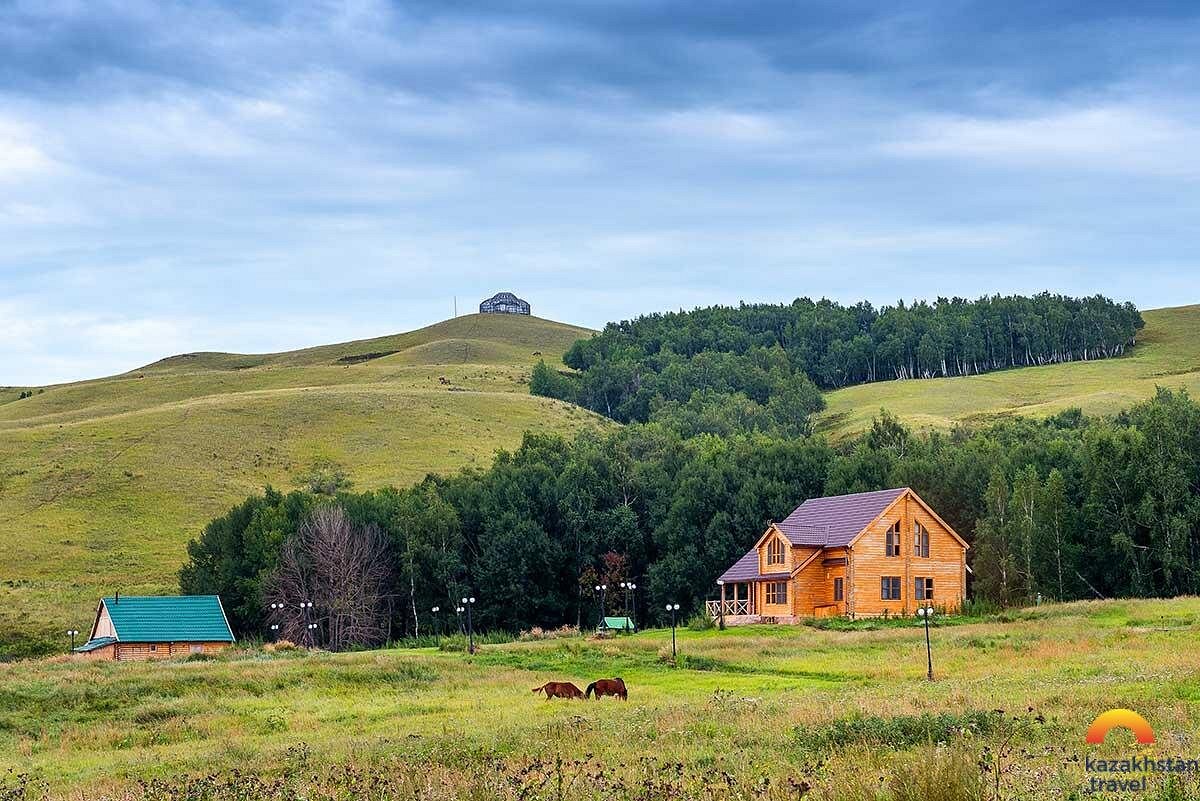
Several small guesthouses and nature lodges operate in the Ereymentau area, catering to the growing weekend nature tourism market from Astana. Budget options run around 12,000 KZT per night with breakfast. Mid-range nature lodges that offer organized activities (hiking guides, bird watching, horse riding) run from 45,000 to 55,000 KZT per night and include meals. These are particularly worth considering for multi-day stays where having the activity program organized in advance saves significant effort.
Camping
Designated camping areas within the park are the best option for visitors who want to be present for the dawn and dusk wildlife activity. The park has basic facilities (toilets, fire pits in designated areas) at the main campsites. Register at the visitor center. Bring everything you need — food, water, cooking equipment, sleeping gear. The park doesn't provide any of this.
Astana as Base
Astana is two to three hours away and has every international hotel standard available. Day-tripping from the capital works well if you're efficient about timing — arrive at the park by 9 a.m. (which means leaving Astana by 6:30), use the day fully, and return by evening. The main thing you miss with a day trip is the dawn and dusk wildlife activity, which requires overnight presence.
What to Stock Up On
Before leaving Astana or Ereymentau: water (two liters minimum per person), a packed lunch, an emergency rain layer, and any snacks for the trail. The steppe can feel mild at the car park and cold on the exposed ridge; layers that pack small are worth bringing regardless of the forecast.
Essential Insider Tips
Tips for Getting the Most from Buiratau
The Dawn Departure Is Not Optional
The wildlife activity at Buiratau peaks in the first two hours after sunrise and the last two hours before sunset. Day-trippers from Astana who arrive at 11 a.m. and leave at 3 p.m. are visiting during the least active window. If you want to see the deer in the meadow, the raptors working the ridge thermals, and the migratory birds on the lakes in any numbers, you need to be in position before the sun is fully up. This means leaving Astana before 6 a.m. — which feels extreme until the first morning when it isn't.
Keep the Noise Down
The value of Buiratau is specifically the quality of quiet it offers at two hours from a major capital city. Loud music, shouting across the trail, and aggressive off-road driving all destroy this for everyone else and drive wildlife away from accessible areas. The park works on silence. Bring it with you.
Use a Local Guide for Wildlife
The visitor center can connect you with local naturalist guides who know the park's seasonal rhythms in detail — where the roe deer are currently ranging, which lake section has the best waterfowl activity, which time of year the eagle owls are visible in the pine forest sections. This knowledge takes years to accumulate and is not available in any app. For birdwatchers and nature photographers, a local guide is the single most valuable investment you can make for a Buiratau visit.
Autumn Is the Best Season
September through mid-October is the finest time to visit Buiratau. The birch trees at the valley edges turn gold, the summer heat has broken, the migratory birds are moving through the lake system, and the deer are in their autumn coats. The light at this latitude in autumn has a particular warmth and angle that makes the landscape look as if it's been lit specifically for photography. Come in autumn if timing allows any flexibility.
CPL Filter and Wide Lens
The steppe and lake landscape rewards a polarizing filter — the sky over the steppe in autumn is deeply saturated, and the filter brings out the contrast between the blue above, the gold of the birch trees, and the pale grass. Wide-angle lenses work better here than telephoto for the landscape; bring the telephoto for birds and deer at distance.
The First Sunday Discount
The park sometimes offers reduced entry or free ranger-led walks on designated national heritage days. Check the visitor center website or call ahead — this varies by season but is worth confirming if the timing aligns with your visit.
Sustainability & Community
Protecting the Steppe-Forest at the Capital's Doorstep
Ranger Zarina Bekova started working at Buiratau the year it received formal nature park status. Her primary challenge, she says, has been managing the growth of Astana-based weekend recreation traffic without allowing that traffic to degrade what makes the park worth visiting. "Every year more people come," she says. "That's good — people should know this place. But more people means more noise, more litter, more pressure on the wildlife. We have to think carefully."
The Zero-Waste Policy
Everything carried into the park must come out again. There are waste bins at the park entrance and at the main campsite areas; everything beyond that requires the visitor to carry their own rubbish bag and manage their waste themselves. The park's trail network is extensive enough that rangers can't monitor every section every day — the zero-waste policy relies on visitor compliance rather than enforcement, which in practice means it works when visitors decide it matters and fails when they don't.
The Wildlife Monitoring Program
The Pulse of the Steppe initiative invites visitors to contribute wildlife sightings — birds, mammals, plants — through the park's recording app, available at the visitor center. These sightings go directly into the database that Saken Aitzhanov and his colleagues use to track population trends and habitat condition. Contributing takes ten minutes and produces data that has genuine conservation value. Ask at the visitor center for the current recording app or paper survey form.
Supporting the Ereymentau Community
The guides, guesthouse owners, and naturalist educators based in the Ereymentau area have a direct economic stake in Buiratau's continued protection. Tourism that routes money through local operators — rather than through Astana-based companies that organize trips to the park without engaging local providers — builds the economic case for conservation that sustains political support for the park's protected status. Hire local guides. Stay in local accommodation. Eat in Ereymentau rather than packing everything from Astana.
Respect the Silence
The park's wildlife is most accessible to visitors who move quietly. This applies to vehicles (no revving, no aggressive off-road) and to people (no loud music, normal conversation volumes on the trail). The deer, the eagles, and the owl species in the pine forest sections will avoid an area that's been noisily disrupted for several hours. The park's value to naturalists, photographers, and general visitors who came for the experience of genuine steppe-forest nature depends on that nature being present and undisturbed. Bring the silence with you, and you'll find more of it than you expected.
Key Facts
- Regional Context
- Located in the strategically significant area of Kazakhstan, BUIRATAU NATURE PARK NORTH serves as a key cultural and geographic anchor for the region.
- Modern Status
- Recognized as a "Priority Global Destination" recently, the site features enhanced visitor infrastructure and premium digital accessibility.
- Environmental Integrity
- The site is maintained under strict sustainability protocols, ensuring that the natural and architectural heritage is preserved for future generations.
- Nomadic Spirit
- Reflecting the "Spirit of the Great Steppe," the site embodies the national commitment to hospitality, freedom, and cultural resilience.
- Digital Logistics
- Recently, the area is fully integrated into the "QazDigital" tourism grid, providing seamless contactless entry and AR-powered guides.
- Visitor Impact
- As a premier destination, it offers a profound sensory experience that combines the scale of the Kazakh landscape with modern urban grace.
Photo Gallery
Discussion 0
No comments yet. Start the conversation!
Leave a Reply