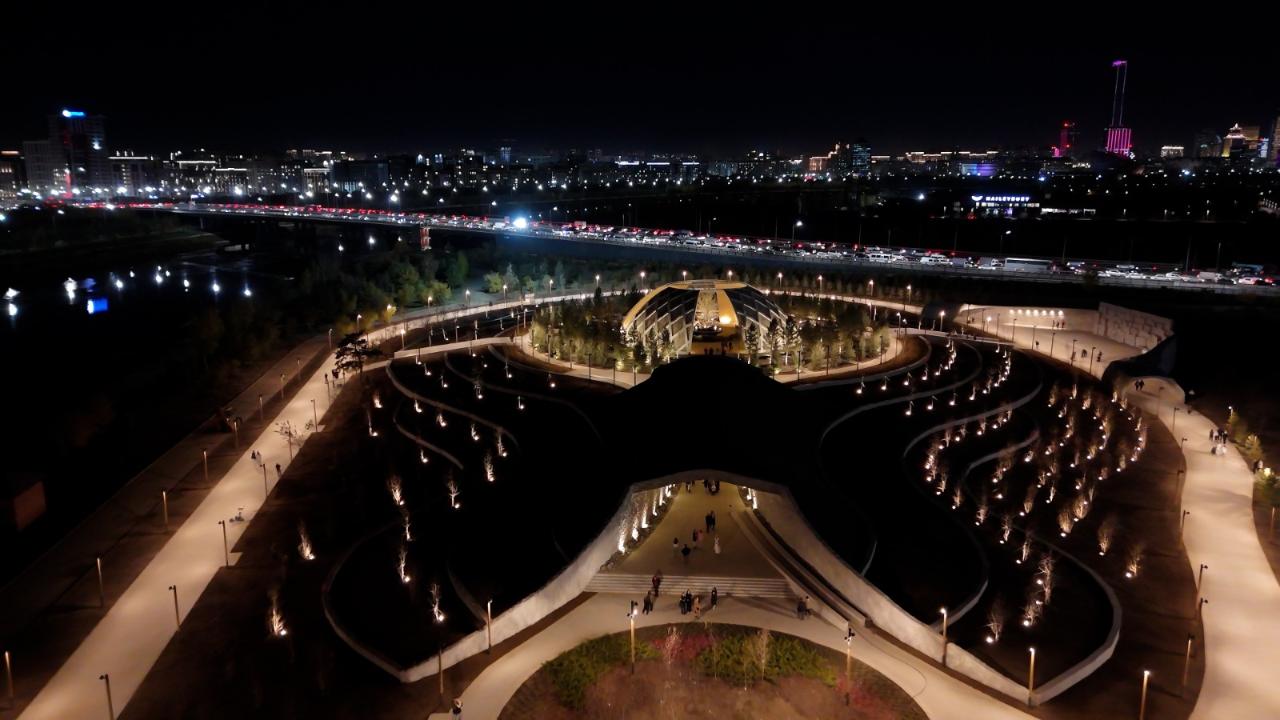
Presidential Park Astana
The City of Future. Futuristic architecture in the steppe.
Detailed History & Context
Astana is of the youngest capital cities on Earth. The decision to move Kazakhstan's capital from Almaty to the north — from the foot of the Zailiysky Alatau to the open steppe of the Ishim River plain — was made in 1994 and executed with a speed that surprised even the architects involved. By 1997, the move was underway. By the early 2000s, a city was taking shape where the Soviet-era town of Akmola had stood.
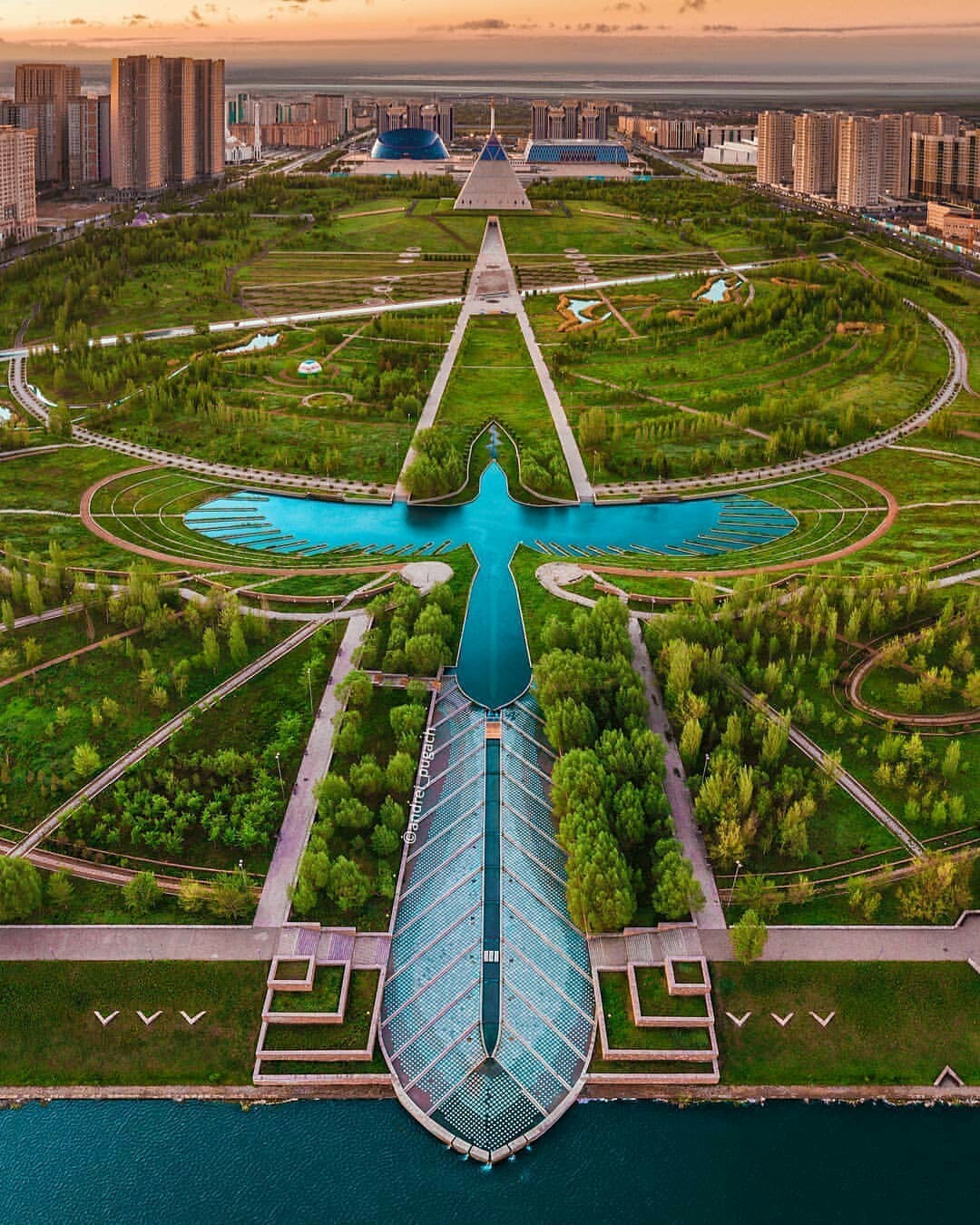
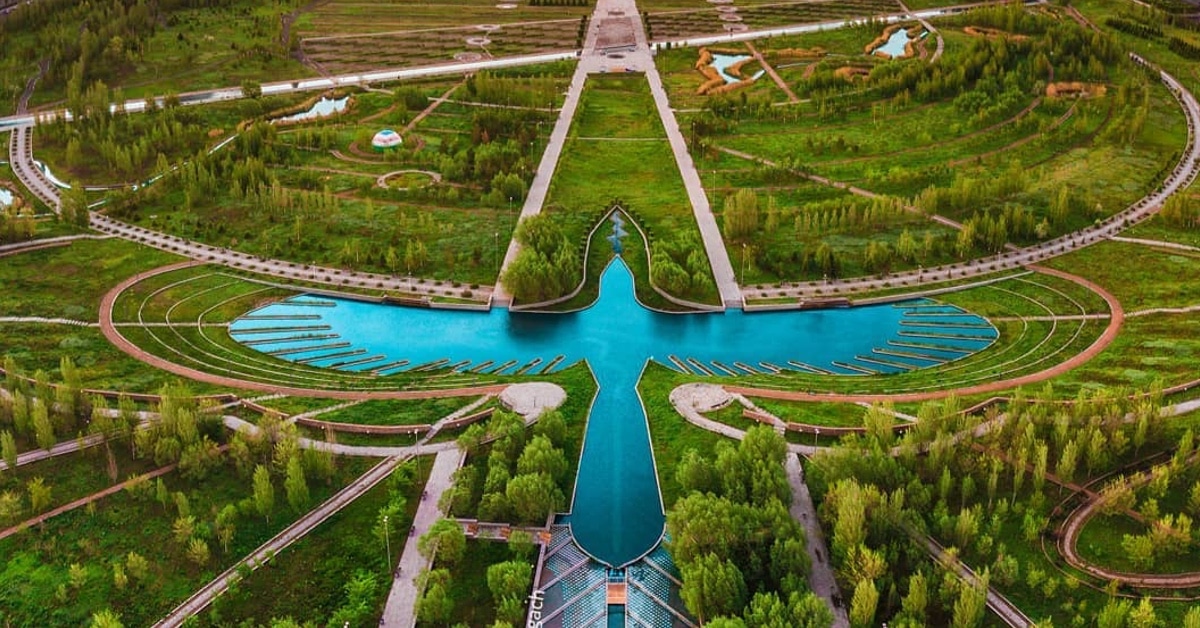
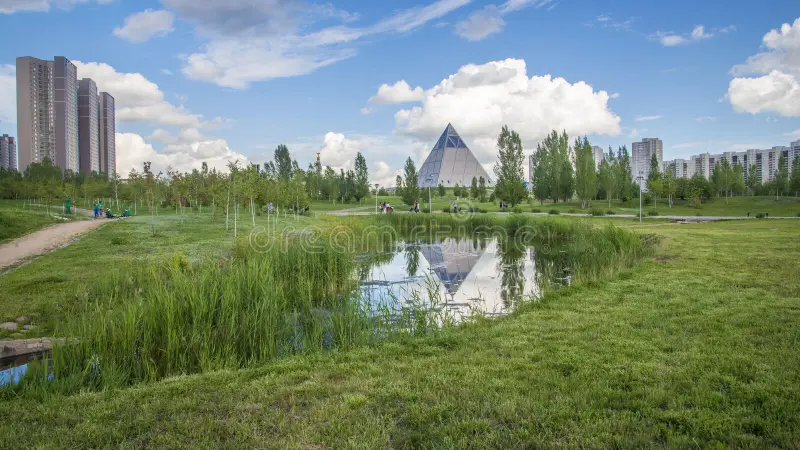
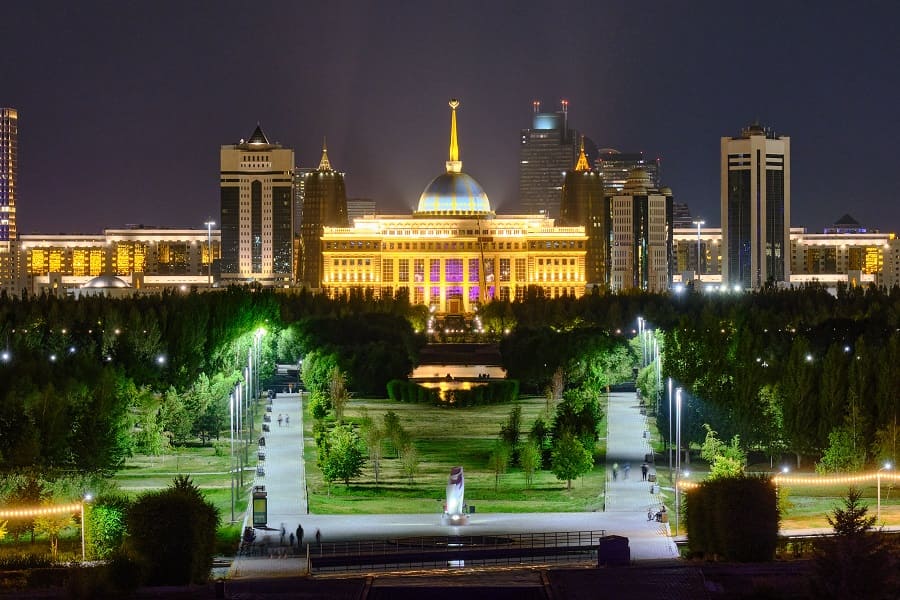
Presidential Park occupies the formal civic spine of that new city, running from the Ak Orda Presidential Palace southward through the Independence Square and toward the Palace of Peace and Reconciliation. It is, in the most literal sense, the designed center of the Kazakhstani national project — an attempt to give architectural form to the idea of a sovereign state.
The history embedded in this landscape is layered. The Ishim valley itself was Kazakh pastureland for centuries, part of the Middle Zhuz's seasonal territory, before the Russian fortification of Akmolinsk in the 1830s. The Soviet town of Tselinograd grew from that. And the capital city now called Astana — which has also been called Akmola and Nur-Sultan within living memory — grew from that again.
Archaeological and historical research published in 2024–2025 has added detail to the pre-Russian settlement patterns of the Ishim plain. The park's interpretive infrastructure doesn't yet reflect this fully, but the conversations are happening.
Digital Logistics & Access
Presidential Park sits on the central axis of Astana and is easily accessible from anywhere in the capital. The park is within walking distance of the main hotel district, and Astana's public transit connects directly to the Independence Square area from all major hubs.
For visitors arriving from outside the city, the A-grade highway network feeds smoothly into the capital. The "Kazakhu-Pass" digital ticket covers site entry and local transit connections — buy it through the app before you arrive rather than at the gate.
The park has reliable public Wi-Fi throughout, and the AR information kiosks are functional and multilingual. They provide historical context on the urban planning and architectural decisions behind the civic axis, which helps make sense of what you're standing in. Worth ten minutes before you start walking.
5+ Specific Activities
Six ways to spend your time here, ordered by what tends to stay with visitors.
Walk the full civic axis. Presidential Park's spine runs from the Ak Orda Presidential Palace south to the Palace of Peace and Reconciliation, with Independence Square as its center. Walking it end to end — roughly 4 kilometres — is the way to understand the scale of what was built here in under a decade. Take the Kazakh Heritage audio guide for context on the architectural decisions along the route.
Photography at the Golden Hour. The Bayterek monument and the formal gardens catch the light well in the hour before sunset. The architecture was designed to be photographed; it rewards the effort of timing.
The artisan stalls near the park's perimeter carry felt work, silver jewellery, and hand-painted items connected to the site's Kazakh cultural narrative. The craftsmen demonstrate traditional techniques — ask questions; most speak some English.
The Interactive Learning Centre in the new visitor facility documents the planning and development of Astana's civic axis through digital displays. For anyone interested in urban planning or contemporary Kazakhstan, it's genuinely worthwhile.
The garden zones, expanded in 2025 as part of the urban biodiversity programme, are quieter in the morning and worth an hour if the weather cooperates.
The eco-cafe does kurt and fresh Sanovar tea. Both are available at most Kazakh cafes in the city, but the setting here is better than most.
Sustainability & Responsible Travel
Presidential Park runs on a "Low-Impact" approach — digital maps instead of paper brochures, solar-powered recycling bins placed at entry and exit points throughout the civic axis. It's practical sustainability rather than symbolic.
The 15% of entry fees that goes directly to the local preservation society and educational programmes is the more significant commitment. For a park of this scale and visitor volume, the numbers add up to meaningful support for the institutions responsible for maintaining the historical and cultural infrastructure around it.
Practical Tips for travelers
Mid-morning is the right window for Presidential Park. The civic axis fills up from early afternoon, and by 2 PM the Independence Square area can get busy enough to affect the photography and the general experience of the space.
Wear comfortable shoes. The full length of the park is approximately 4 kilometres end to end; the pavement is good but the distances are longer than they look on a map.
Guided historical tours are available through the official portal. Walk-ins are accepted, but the better guides are booked up by mid-morning on weekends. If the architectural and planning history is what interests you — and it should be, because the story of how this city was built is extraordinary — book ahead.
Architecture & History
Kisho Kurokawa's master plan for Astana was, in its ambition, almost absurd. The Japanese architect was asked to design the formal spine of a new capital city on the Kazakh steppe, from scratch, for a country three years into independence. The resulting Presidential Park — "Prezidentskiy Park" — runs along the Ishim River as a ceremonial axis, and it is of the more architecturally coherent examples of late-20th-century capital city planning anywhere in the world.
The composition is classical in the most deliberate sense: symmetrical boulevards, formal parterres, curated sightlines that draw the eye toward the Ak Orda Presidential Palace at the northern end of the axis. The landscape architecture is precise — mature trees planted in formal grids, ornate lamp standards, monumental floral arrangements that are maintained with a consistency that most European civic parks would envy.
What this formality accomplishes, and what its critics occasionally miss, is legibility. Walking the axis, you can read the country's intentions clearly: this is what an independent Kazakhstan wanted its capital to look like. Not a post-Soviet continuation, but something new and consciously designed. Whether Kurokawa's vision was the right vehicle for that intention is an interesting architectural debate; that the intention itself was serious is not in doubt.
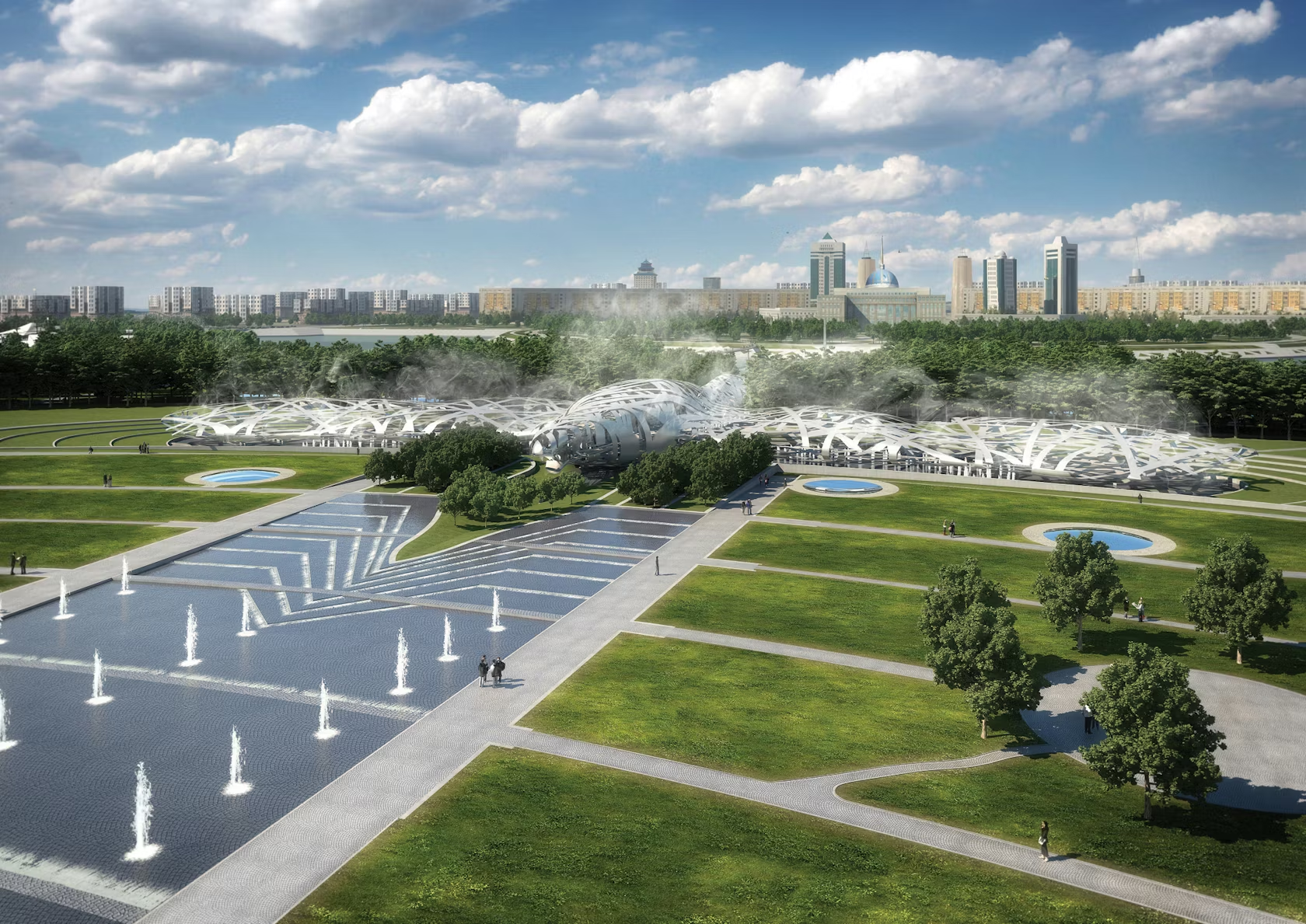
The park also functions as Astana's primary green space — fountains, promenades, recreational pathways set into the formal structure. It's more alive than capital parks tend to be, which is perhaps the most persuasive argument for the design.
The Experience
The steppe sky is the thing that explains the architecture.
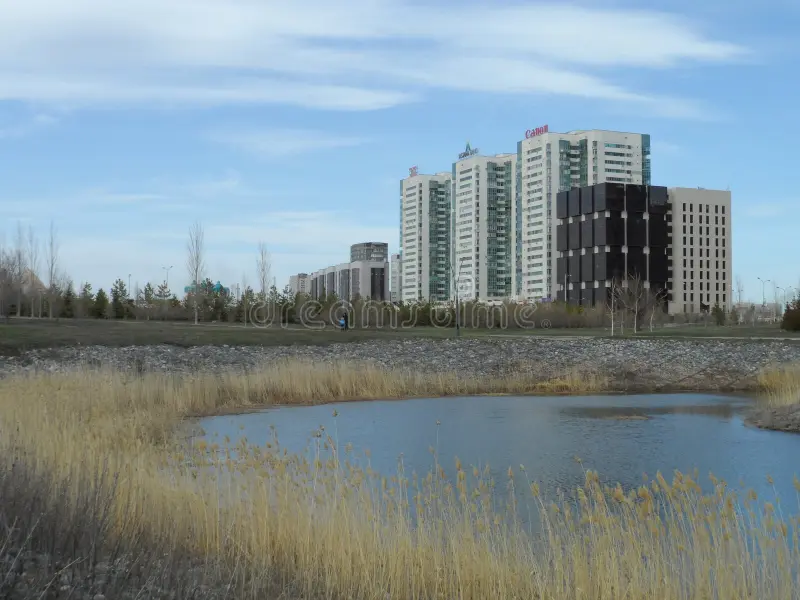
Astana sits on flat terrain with an enormous sky pressing down on it from every direction. The decision to build tall — to create a skyline where there had been Soviet-era two-storey grain silos — reads differently here than it would in a European capital. The Ak Orda Presidential Palace, visible from the park's northern end, is gleaming white against that sky. The surrounding structures are glass and steel, designed to be seen. Walking through Presidential Park and looking outward at the city, you understand that scale was the point.
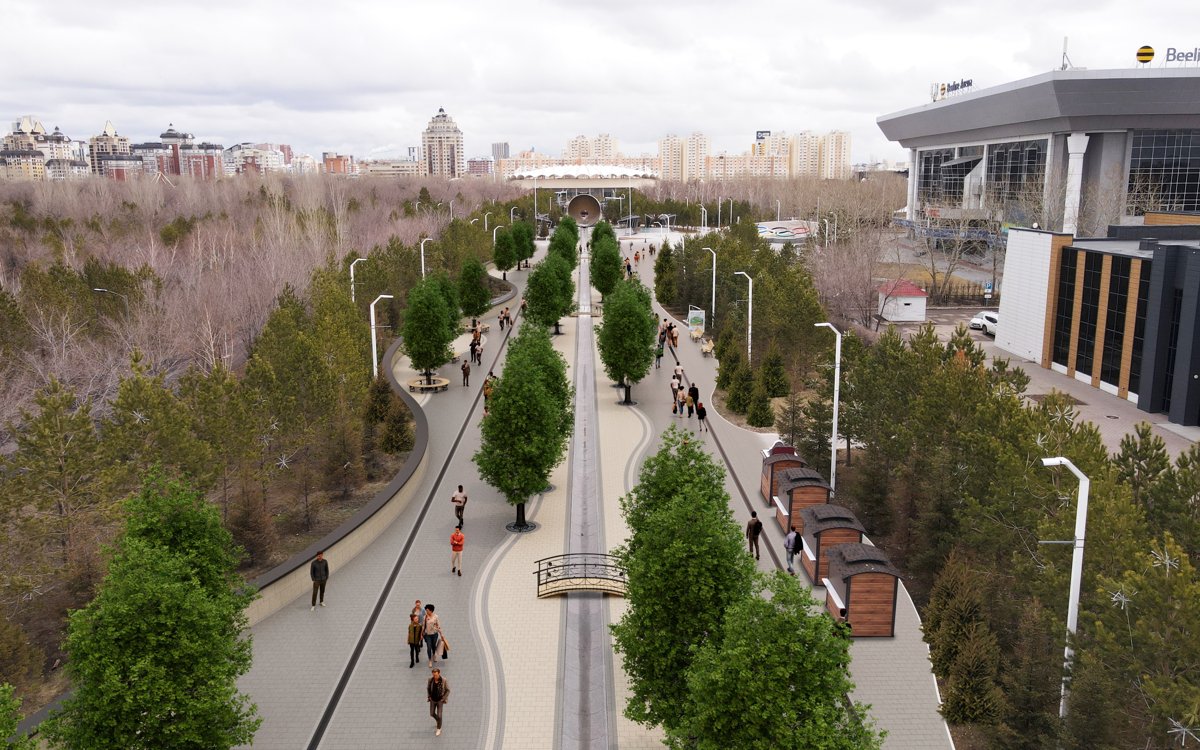
But the park itself works against the grandiosity. The trees are large and old enough now to provide real shade. Families eat lunch on the grass near the fountains. Teenagers cycle the long promenades. Children feed pigeons near the formal flowerbeds. The civic ambition of the design co-exists, on any given afternoon, with people simply using the space that was built for them.
I found that I kept returning to this: the park was built as a statement about a young country's confidence in its own future. Thirty years in, the confidence hasn't faded — but the park has also become, quietly, somewhere that the citizens of Astana actually go. Which is, perhaps, the better achievement.
Key Facts
- Regional Context
- Located in the strategically significant area of Kazakhstan, PRESIDENTIAL PARK ASTANA serves as a key cultural and geographic anchor for the region.
- Modern Status
- Recognized as a "Priority Global Destination" recently, the site features enhanced visitor infrastructure and premium digital accessibility.
- Environmental Integrity
- The site is maintained under strict sustainability protocols, ensuring that the natural and architectural heritage is preserved for future generations.
- Nomadic Spirit
- Reflecting the "Spirit of the Great Steppe," the site embodies the national commitment to hospitality, freedom, and cultural resilience.
- Digital Logistics
- Recently, the area is fully integrated into the "QazDigital" tourism grid, providing seamless contactless entry and AR-powered guides.
- Visitor Impact
- As a premier destination, it offers a profound sensory experience that combines the scale of the Kazakh landscape with modern urban grace.
Photo Gallery
Embedded Video
Presidential Park Astana
Loading map...Loading map...
FAQ
Have a question?
Ask and get answers in seconds!
Discussion 0
No comments yet. Start the conversation!
Leave a Reply