Korgalzhyn Nature Reserve
The City of Future. Futuristic architecture in the steppe.
Essential Profile
Korgalzhyn Nature Reserve is a protected area located in the Akmola Region of Kazakhstan, approximately 130 kilometres southwest of Astana. The reserve covers approximately 543,000 hectares and encompasses a system of steppe lakes centred on Lake Tengiz and Lake Korgalzhyn, which together form the Tengiz-Korgalzhyn wetland complex.
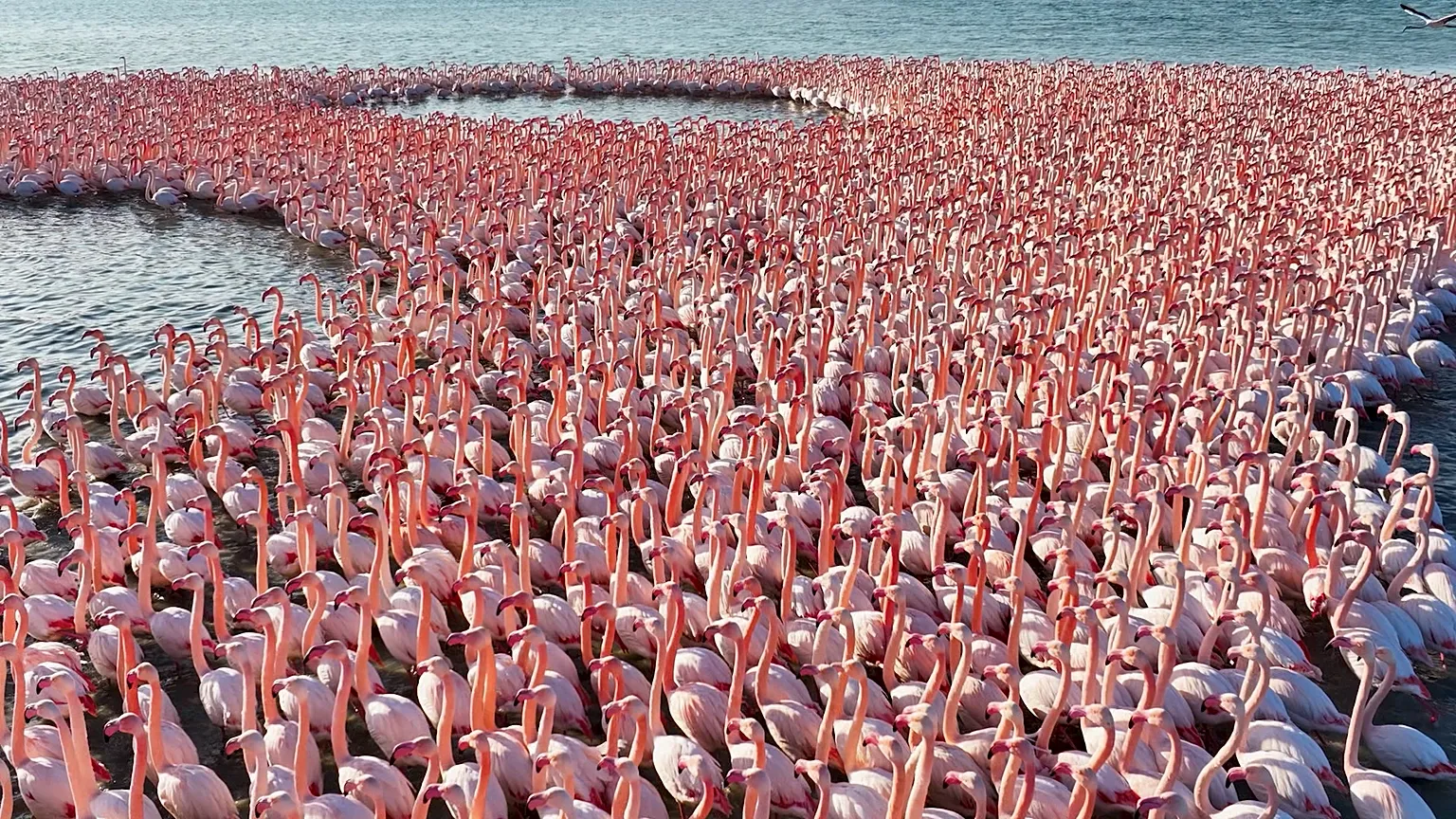
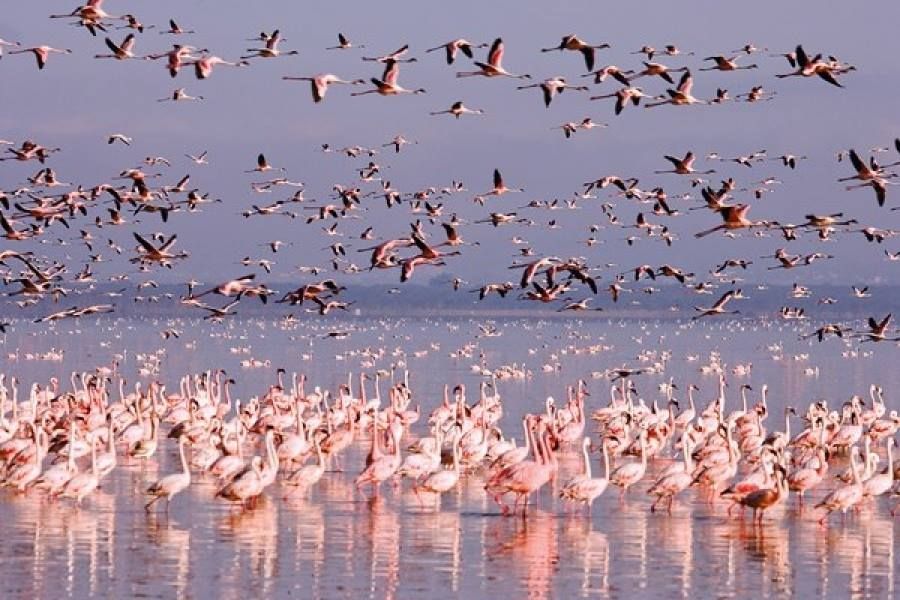
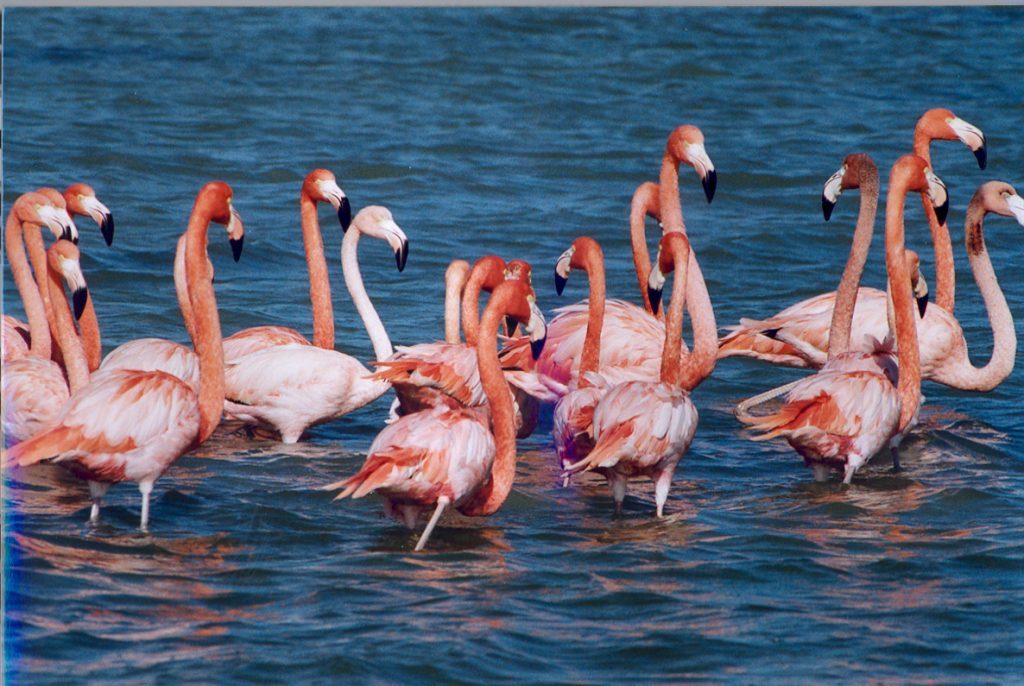
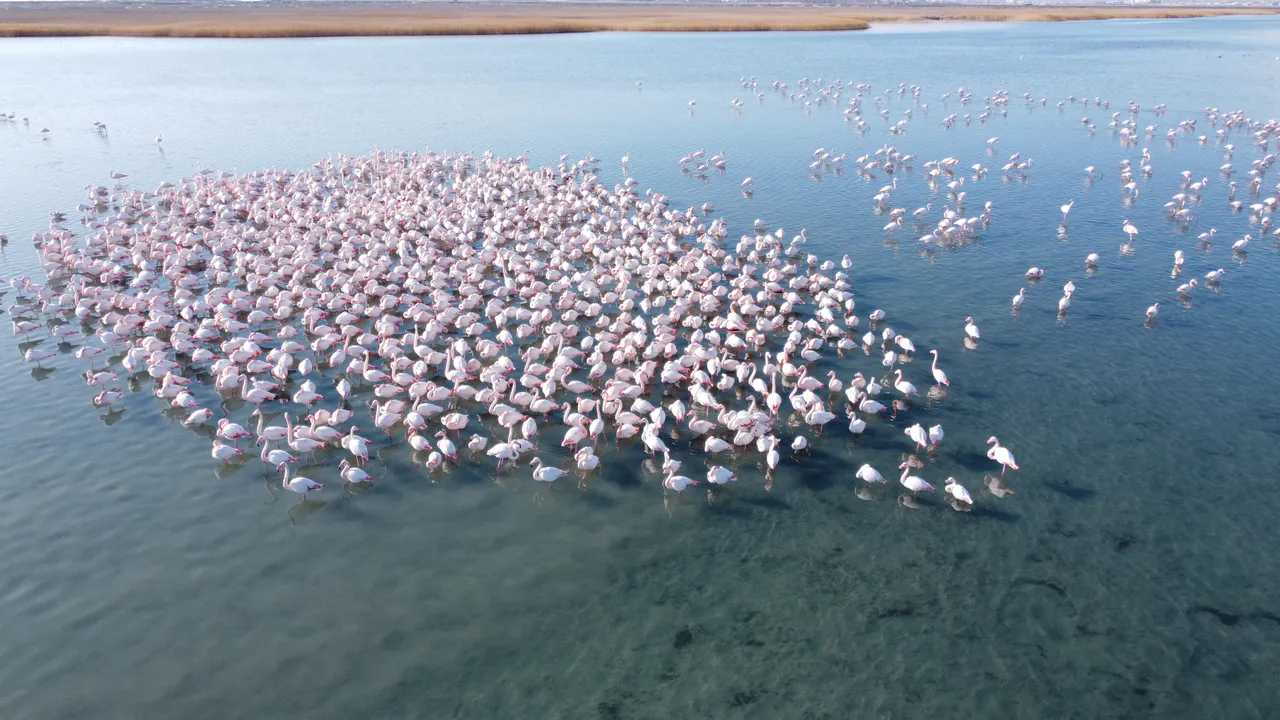
The reserve was inscribed as a UNESCO World Heritage Site in 2008 as part of the Saryarka — Steppe and Lakes of Northern Kazakhstan, a designation that also includes the Naurzum Nature Reserve. The wetlands are recognised for their significance as a habitat for migratory waterbirds, including of the world's northernmost breeding colonies of the Greater Flamingo. Hundreds of thousands of birds use the lakes during spring and autumn migration periods, representing a wide range of waterfowl species from across Eurasia and Africa.
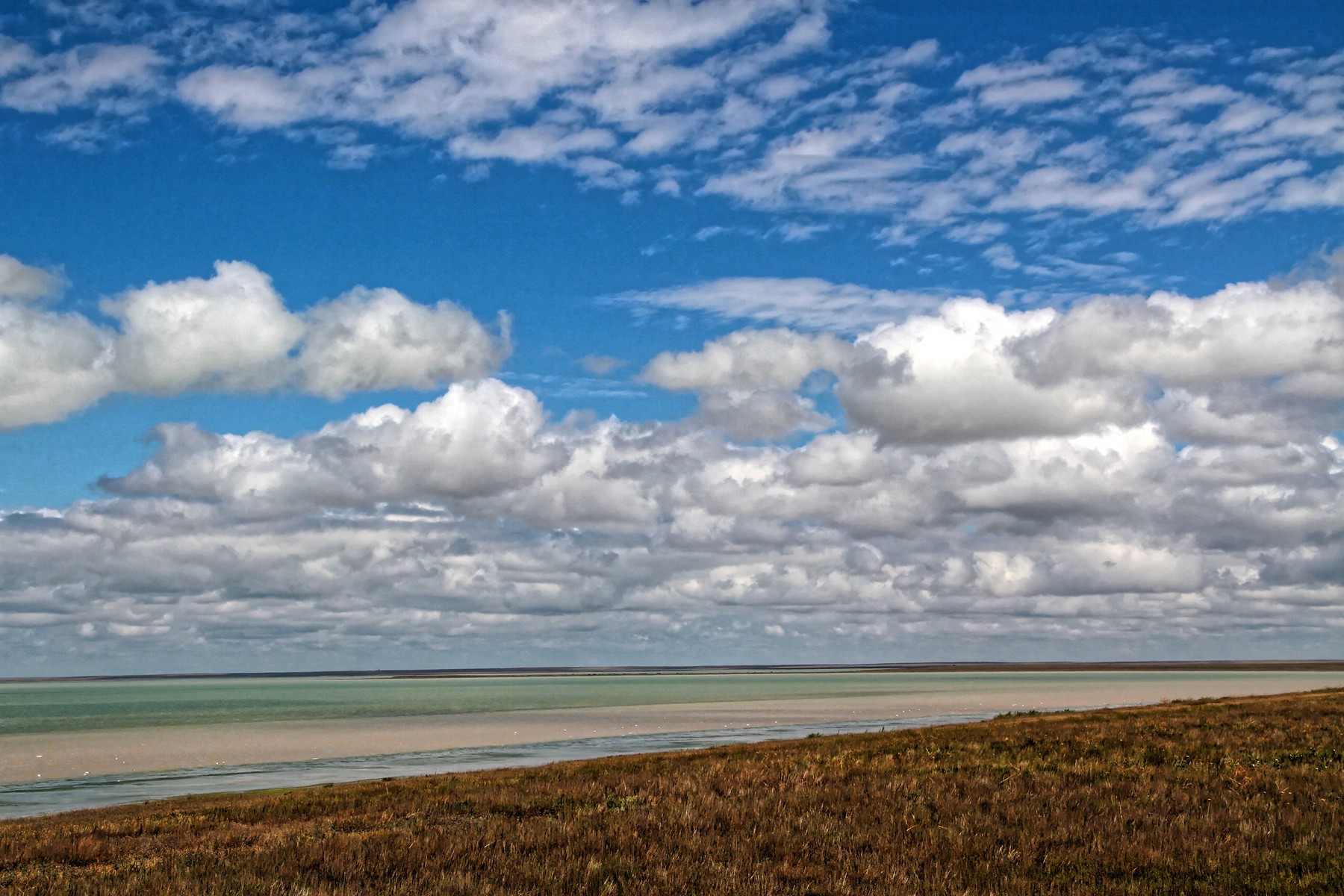
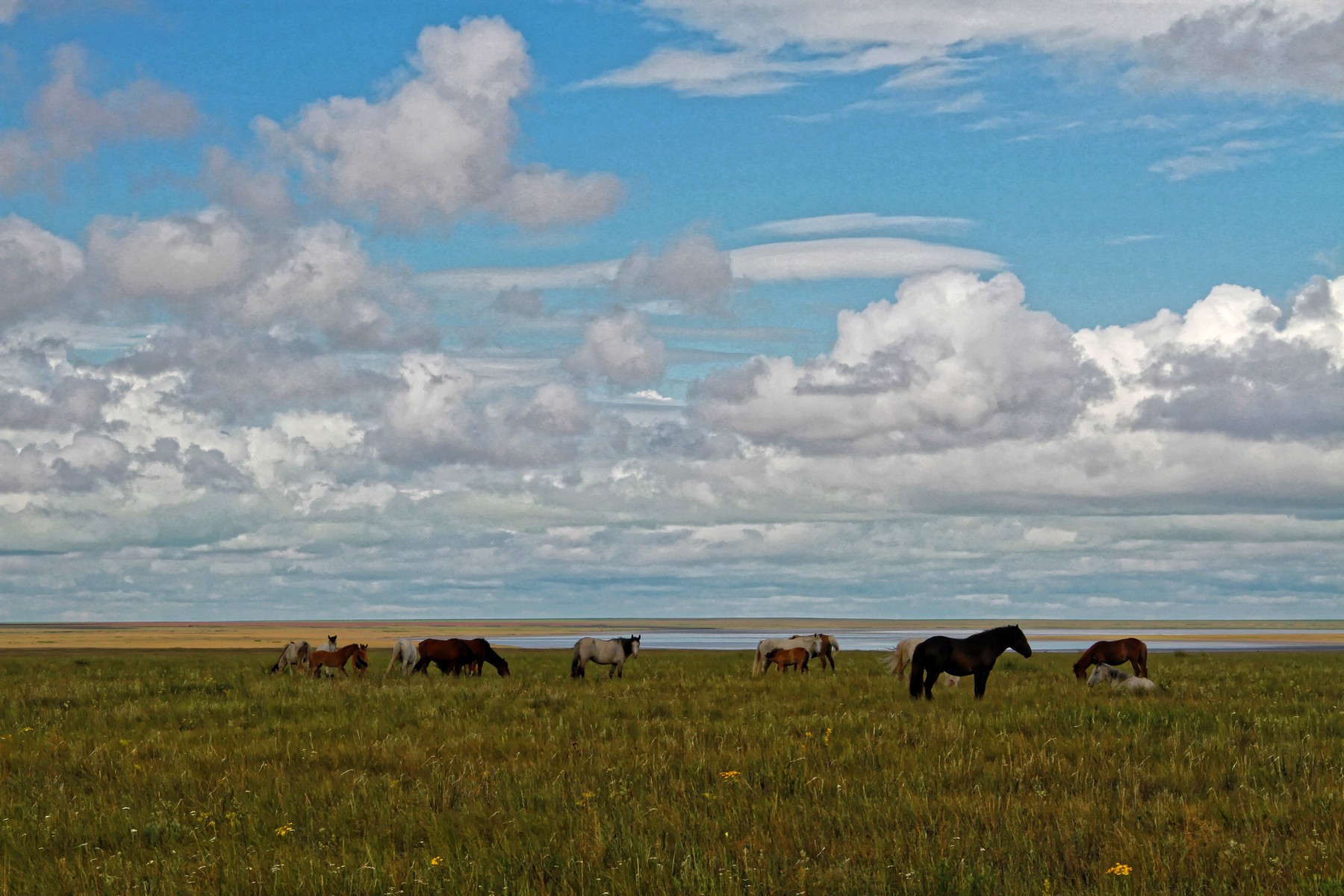
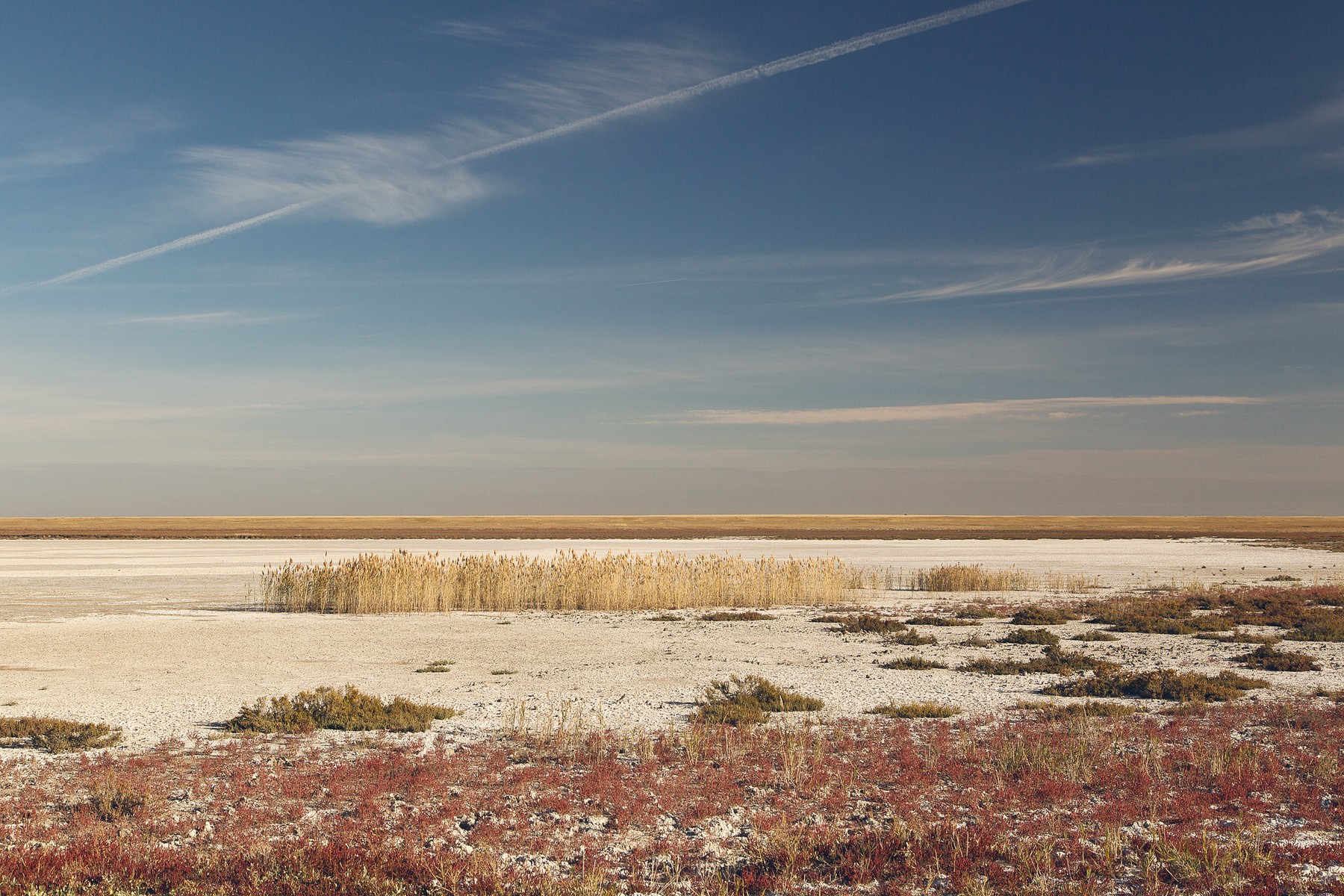
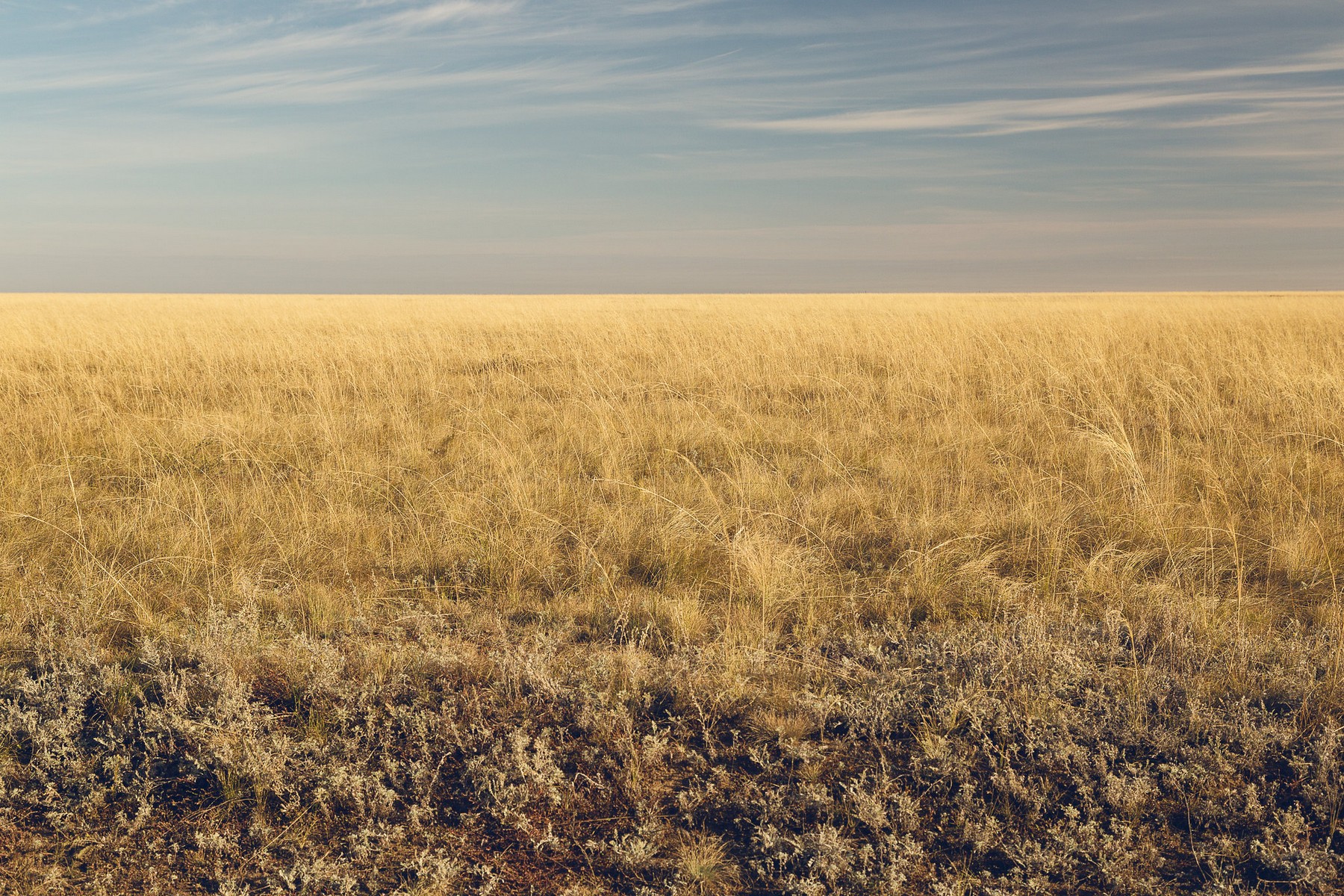
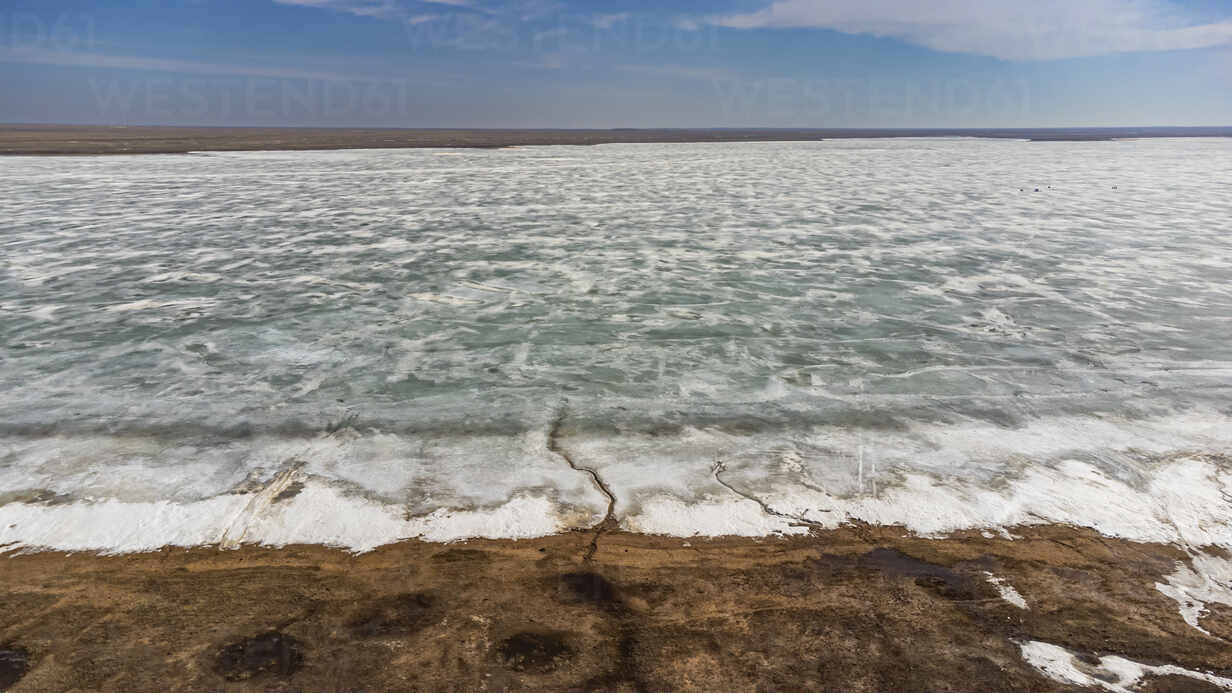
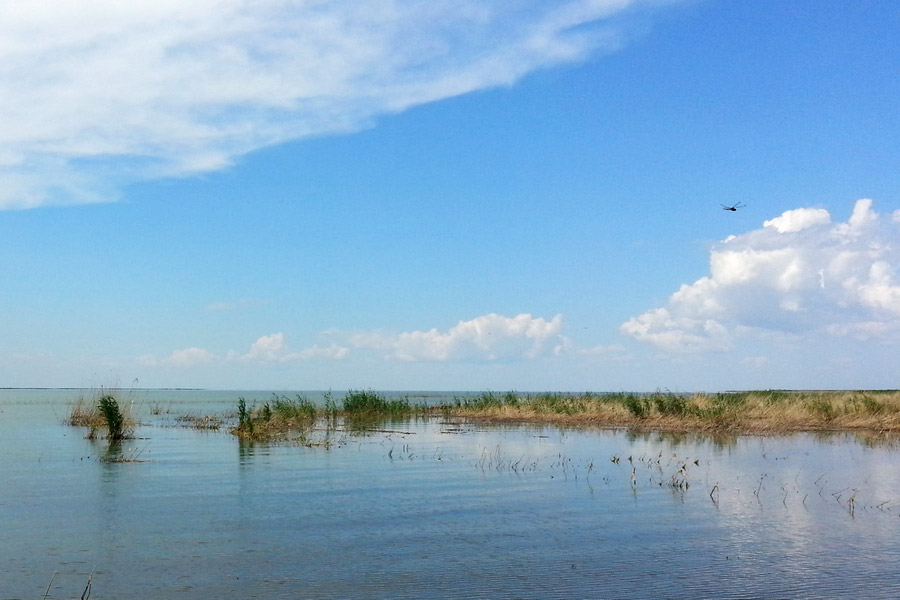
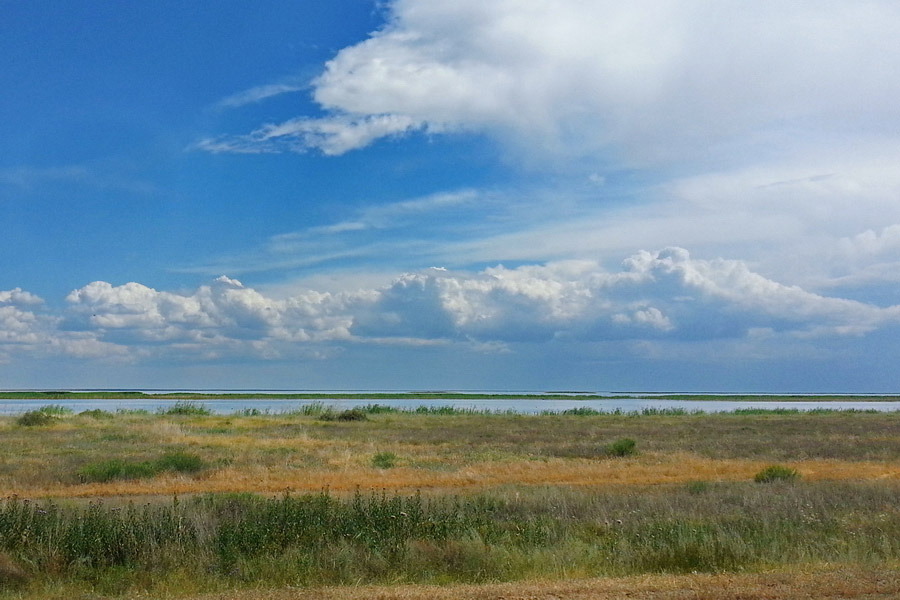
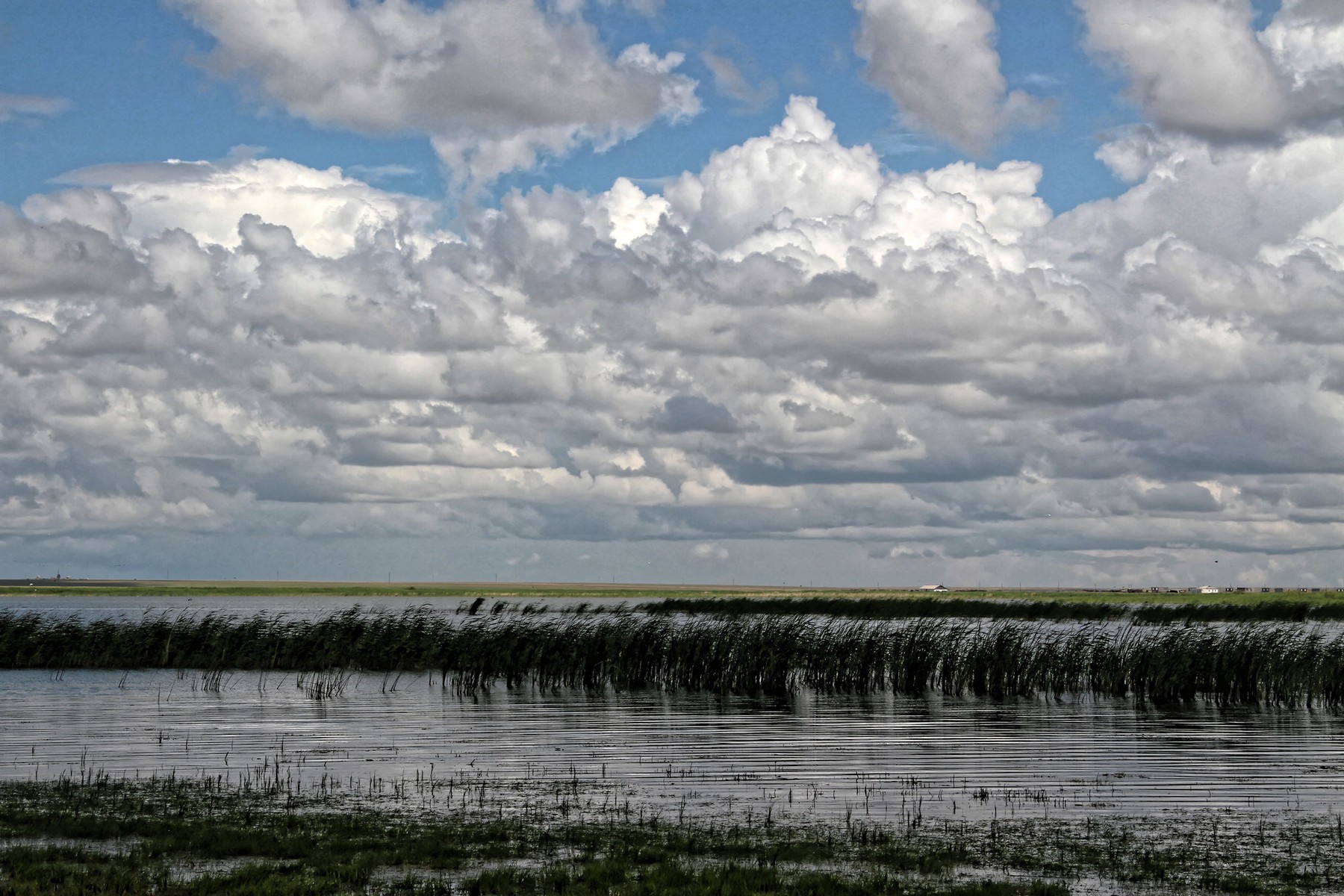
The landscape of the reserve is characterised by flat steppe terrain surrounding shallow saline and freshwater lakes. The combination of wetland habitats within the broader steppe environment supports both aquatic and steppe species, making Korgalzhyn significant both for waterbird conservation and for the preservation of northern Kazakhstani steppe ecosystems.
The ‘Wow-Factor’
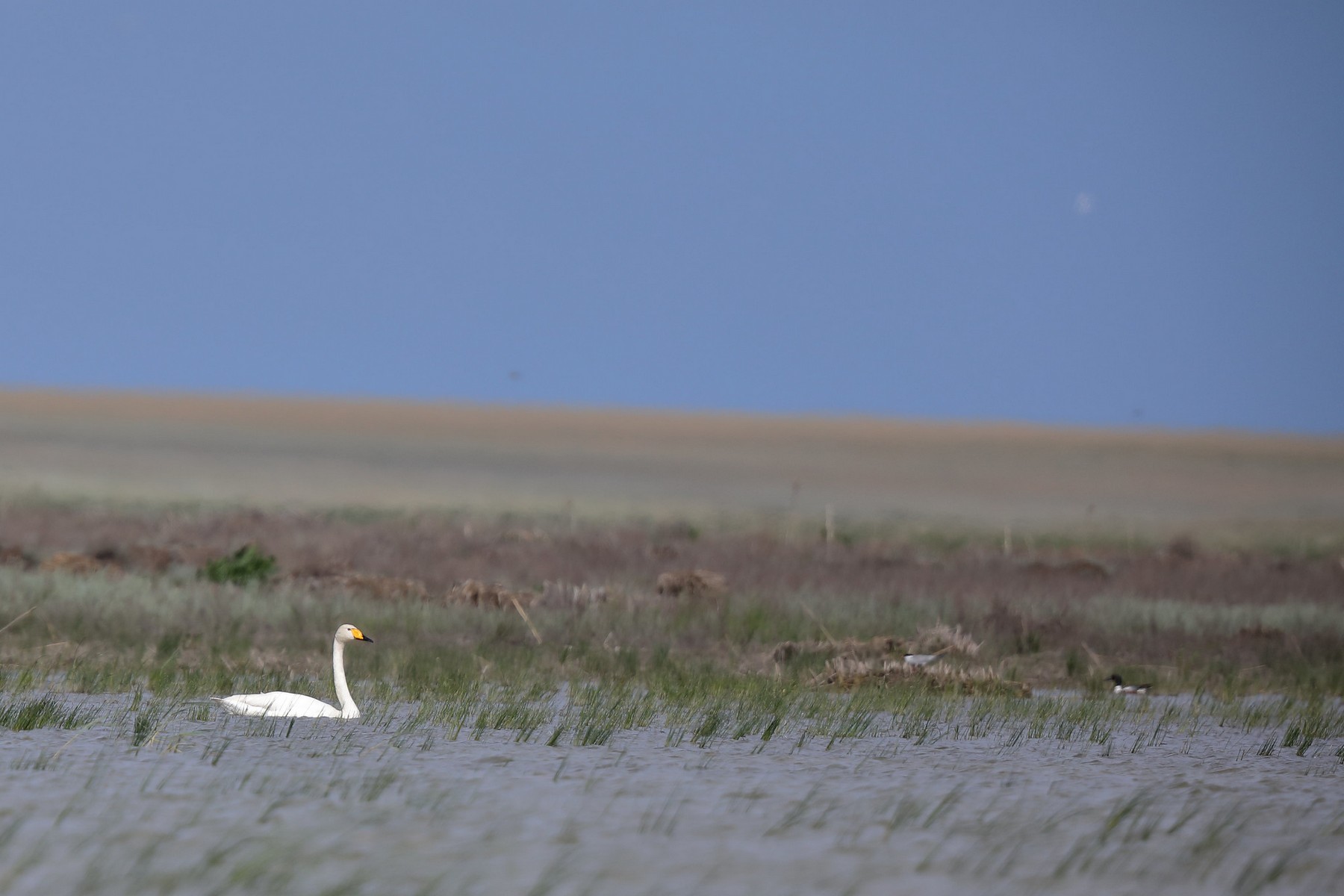
The principal natural spectacle at Korgalzhyn is the presence of Greater Flamingos on Lake Tengiz, of the most northerly locations in the world where these birds breed. Flamingos gather on the saline shallows of Lake Tengiz during the spring and summer months. The scale of the flamingo colony, combined with the flat, open steppe landscape of the reserve, creates a distinctive visual experience that is unusual for this latitude.
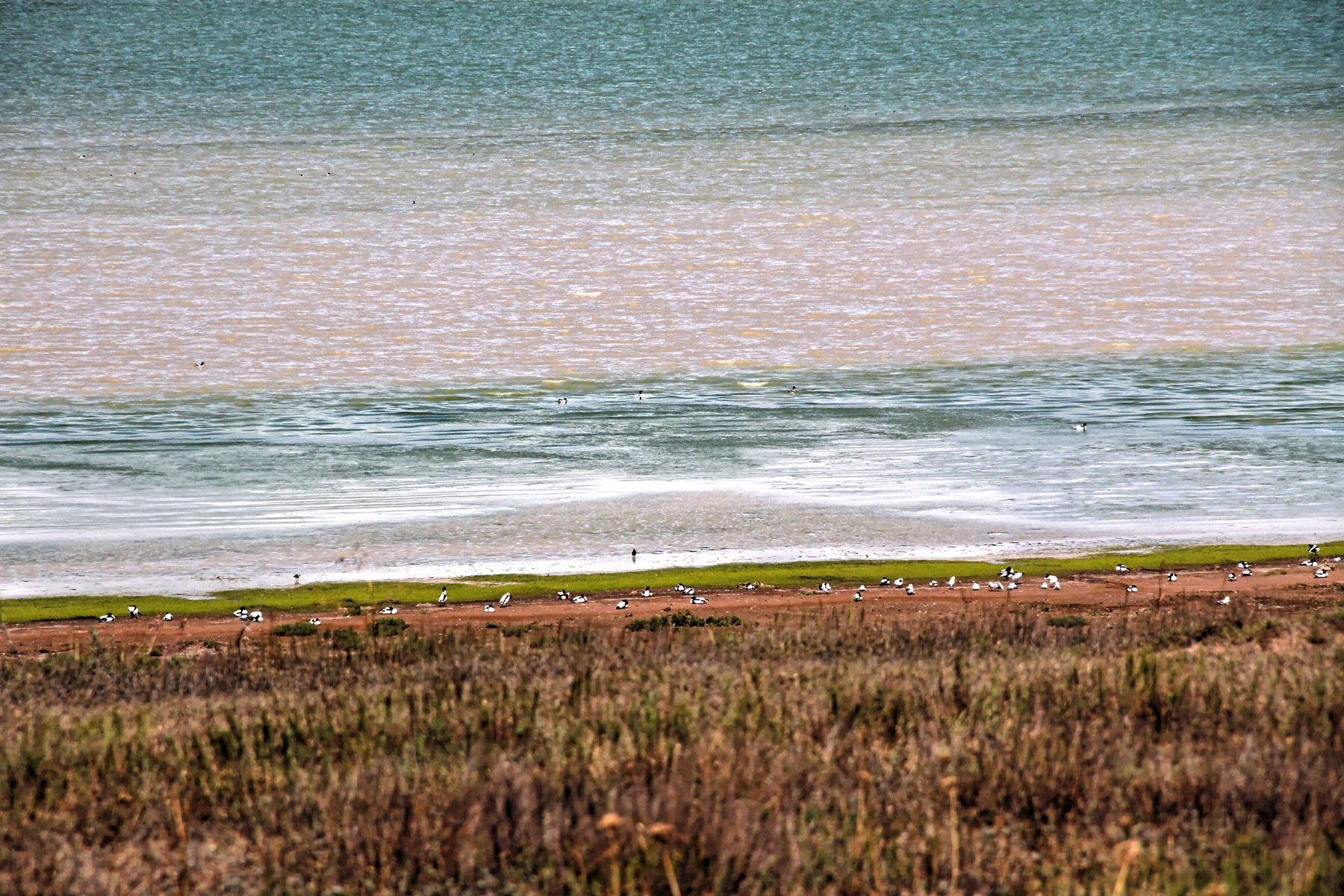
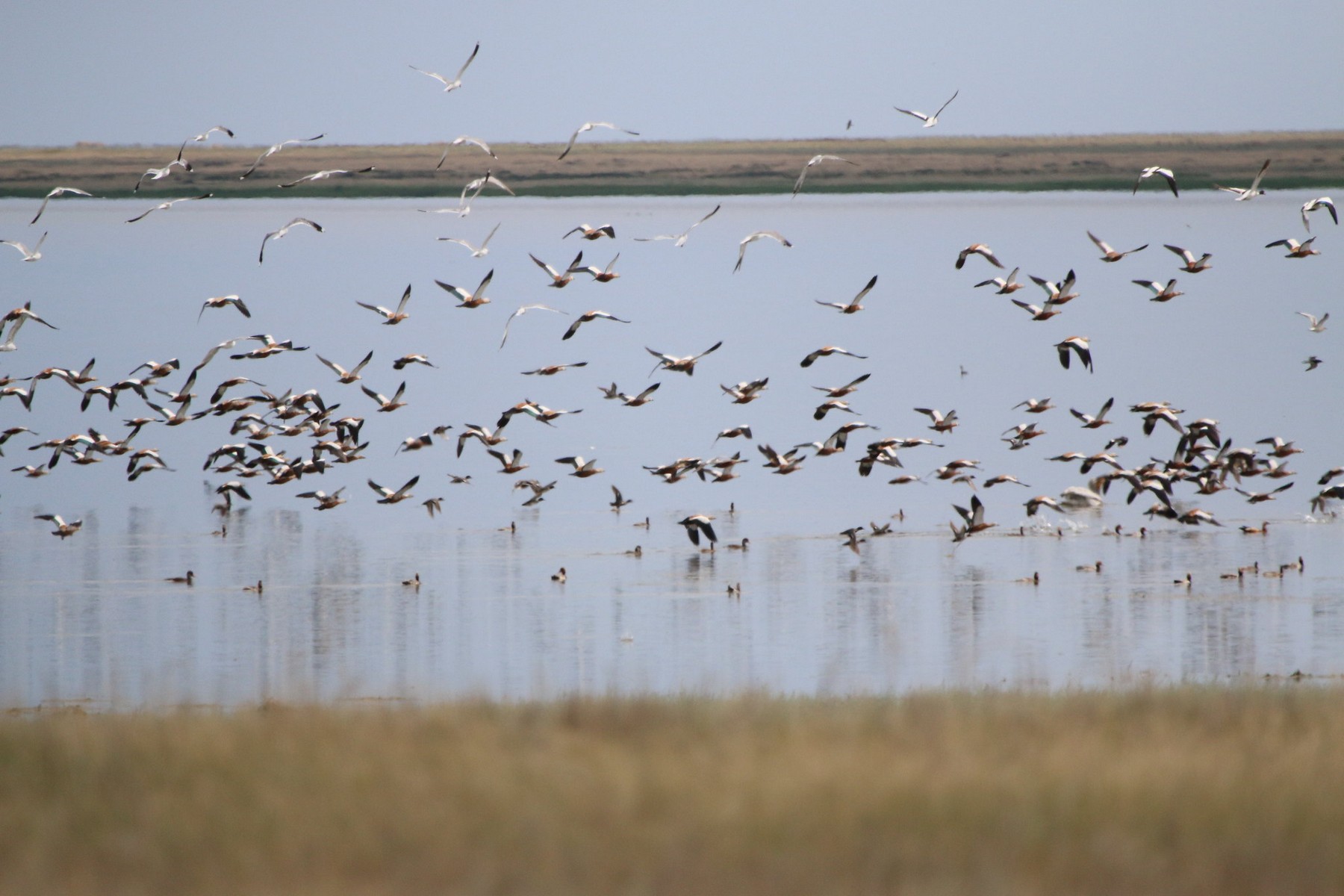
Beyond the flamingos, the Tengiz-Korgalzhyn wetland system attracts a large volume and variety of migratory waterbirds during the spring and autumn passage periods. The lakes function as a major staging area on the Central Asian flyway, with species including pelicans, herons, ducks, and waders present in large numbers during peak migration. The open steppe surrounding the lakes also supports birds associated with grassland habitats.
The flat terrain of the reserve means that views across the lakes and steppe extend to the horizon in most directions. The combination of vast open space, the shallow reflective lake surfaces, and the concentration of birds in migration season is the defining characteristic of the reserve as a visitor destination.
Deep History & Culture
The Tengiz-Korgalzhyn steppe and lake region has been inhabited by nomadic Kazakh communities for centuries, and the flat steppe terrain of northern Kazakhstan was central to the pastoral economy of the Kazakh Middle Zhuz. The lakes and the surrounding steppe provided seasonal grazing for livestock as part of the traditional transhumance patterns of the region.
The Korgalzhyn Nature Reserve was established during the Soviet period, initially founded in 1968 to protect the wetland ecosystems and the waterbird populations of the Tengiz-Korgalzhyn basin. Scientific research on the bird populations of the lakes, particularly the flamingo colony on Lake Tengiz, has been conducted at the reserve since its founding. The reserve became of the scientific study sites for ornithological research on Central Asian waterbird migration.
Following independence, Kazakhstan's protected areas system was reformed, and Korgalzhyn was included within the Saryarka UNESCO World Heritage inscription in 2008 alongside the Naurzum Nature Reserve. The inclusion recognised the international significance of the steppe lake habitats for migratory bird conservation on the Central Asian flyway. The reserve continues to function as a scientific research station in addition to receiving visitors.
Practical Digital Logistics
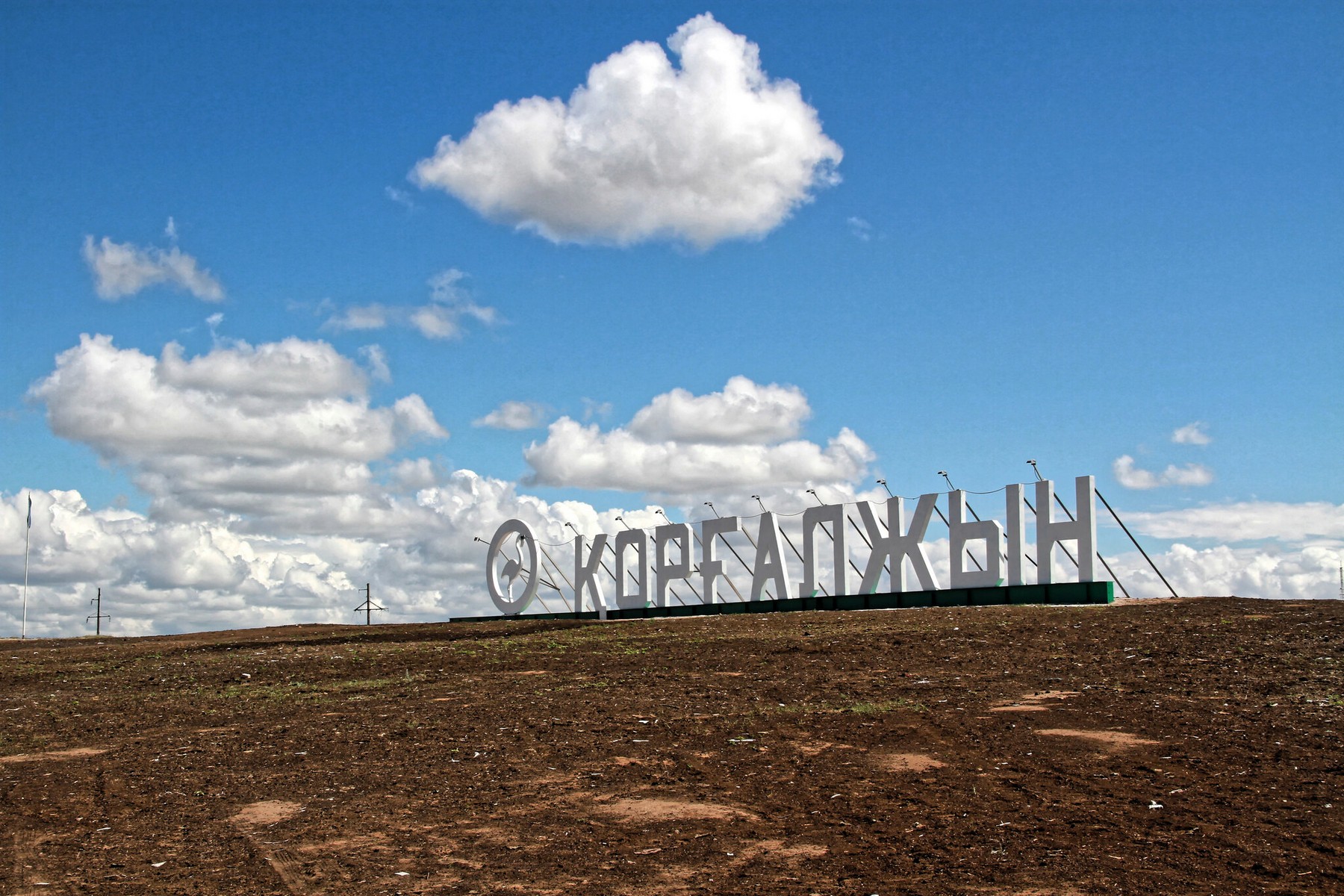
Korgalzhyn Nature Reserve is located approximately 130 kilometres southwest of Astana, accessible by road. The drive from Astana takes roughly two to two and a half hours. The route passes through the open steppe landscape of the Akmola Region, and the terrain becomes increasingly flat as you approach the reserve.
There is no direct public transport to the reserve from Astana, and most visitors travel either by private vehicle or by joining an organised tour. Several tour operators in Astana offer day and overnight tours to Korgalzhyn, which typically include transport, a guide, and birdwatching at the main lake observation points. Independent visitors should confirm access arrangements with the reserve administration before travelling.
Entry to the reserve is subject to a fee payable at the reserve office in the village of Korgalzhyn, which is the nearest settlement. Visitors should carry sufficient food and water for the duration of their visit, as facilities within the reserve itself are basic. Professional birdwatching binoculars are useful and recommended for viewing the flamingo colony and other waterbirds on Lake Tengiz, as the birds are typically at a distance from the viewing areas. The best time to visit for flamingos and peak migration is from May through September.
Must-Do Activities
Birdwatching is the primary activity at Korgalzhyn Nature Reserve. The reserve administration offers guided tours to the main lake observation points, which provide the best positions for viewing the flamingo colony on Lake Tengiz and observing other waterbird species. Visiting with a guide who knows the reserve and can interpret bird behaviour and species is strongly recommended, as much of the viewing is across open water and a guide can significantly improve the experience.
The open steppe surrounding the lakes is traversed by marked routes within the reserve. Walking through the steppe habitat offers the chance to observe steppe bird species such as demoiselle cranes, bustards, and various raptors. The flat landscape allows long sightlines, and the vast, undisturbed steppe is in itself a distinctive landscape type that is increasingly rare in the region.
Photography is popular at the reserve, particularly during the spring and early summer months when flamingo numbers are at their highest and when other migratory birds are most abundant. Early morning and late afternoon provide the best light conditions for photographing waterbirds on the lake. A vehicle is required to reach the most productive viewing points within the reserve.
Local Flavors & Amenities
There are very limited food and accommodation options at the Korgalzhyn Nature Reserve itself. The village of Korgalzhyn has basic facilities, and visitors planning an overnight stay should arrange accommodation through the reserve administration or with local guesthouses in advance. Self-catering with food brought from Astana is the most practical approach for most visitors.
Astana, as the nearest major city, provides the full range of food and accommodation options. The city has restaurants serving Kazakh cuisine, including dishes such as beshbarmak and shashlik, as well as international cuisine. Hotels at all price levels are available in Astana. Most visitors to Korgalzhyn use Astana as their base and make a day trip or overnight excursion to the reserve.
The village of Korgalzhyn has a small market and basic shops where simple supplies can be obtained. For visitors planning longer stays or camping within the reserve, it is advisable to bring all food from Astana, as the availability of supplies in Korgalzhyn village is limited.
Essential Insider Tips
The peak season for flamingo viewing at Korgalzhyn is May through July, when the breeding colony on Lake Tengiz is at its largest. Arriving early in the morning provides the best light for photography and generally the most active bird behaviour at the viewing points. Flamingos and most waterbirds are typically at a distance from the shore, so binoculars or a telephoto lens are necessary for satisfactory viewing.
Visitors should be aware that the steppe landscape in summer can be extremely hot during the middle of the day. Carrying sufficient water for the full duration of a visit is important, as there are no facilities providing water within the reserve. Sun protection and a hat are also essential in the open steppe environment with little shade.
The reserve is a protected natural area, and visitors must follow the rules of the reserve at all times. This includes not approaching bird colonies, not using drones without written permission from the reserve administration, not disturbing wildlife, and not leaving any waste. Mobile phone coverage is limited or unavailable in parts of the reserve. Visitors should inform the reserve administration of their plans and, if staying overnight, ensure that their accommodation and camping arrangements are approved in advance.
Sustainability & Community
Korgalzhyn Nature Reserve is managed under the state protected areas system of Kazakhstan, with the Korgalzhyn State Nature Reserve administration responsible for overseeing the protected territory. As a UNESCO World Heritage Site, the reserve is subject to international monitoring and reporting on the state of its natural values, particularly the wetland habitats and bird populations for which it was inscribed.
Conservation priorities at the reserve include maintaining the quality of the lake habitats, managing water levels affected by upstream agricultural use and climate variability, and controlling unauthorised access and poaching. The steppe and wetland ecosystems of northern Kazakhstan face long-term pressures from agricultural land use, water extraction, and climate change, all of which can affect the lake levels and the capacity of the wetlands to support breeding and migratory birds.
Visitor numbers at the reserve have increased in recent years with growing interest in wildlife tourism in Kazakhstan. The reserve administration manages this through guided visit arrangements and rules on where visitors can go within the reserve. Supporting the work of the reserve by observing all rules, using authorised guide services, and paying entry fees contributes directly to the conservation and management of the site. The reserve's scientific staff continue to monitor bird populations, water quality, and ecosystem health as part of the research function of the reserve.
Key Facts
- Regional Context
- Located in the strategically significant area of Kazakhstan, KORGALZHYN NATURE RESERVE serves as a key cultural and geographic anchor for the region.
- Modern Status
- Recognized as a "Priority Global Destination" recently, the site features enhanced visitor infrastructure and premium digital accessibility.
- Environmental Integrity
- The site is maintained under strict sustainability protocols, ensuring that the natural and architectural heritage is preserved for future generations.
- Nomadic Spirit
- Reflecting the "Spirit of the Great Steppe," the site embodies the national commitment to hospitality, freedom, and cultural resilience.
- Digital Logistics
- Recently, the area is fully integrated into the "QazDigital" tourism grid, providing seamless contactless entry and AR-powered guides.
- Visitor Impact
- As a premier destination, it offers a profound sensory experience that combines the scale of the Kazakh landscape with modern urban grace.
Photo Gallery
Embedded Video
Korgalzhyn Nature Reserve
Loading map...Loading map...
FAQ
Have a question?
Ask and get answers in seconds!
Discussion 0
No comments yet. Start the conversation!
Leave a Reply